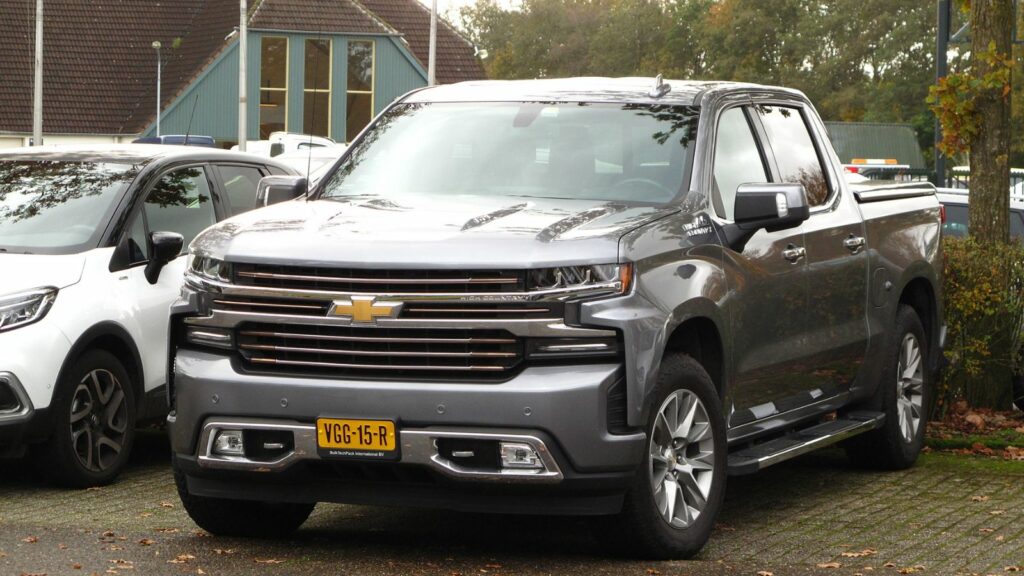
The global automotive industry is racing toward electrification, but not all players are keeping pace. While companies in Europe and Asia have surged ahead with ambitious electric vehicle (EV) rollouts, U.S. automakers have often appeared a step behind. Despite America’s long history of automotive innovation, legacy manufacturers have struggled to seize leadership in the EV space. So why are U.S. brands falling behind, and what does it mean for the future of driving?
A Late Start Compared to Global Rivals
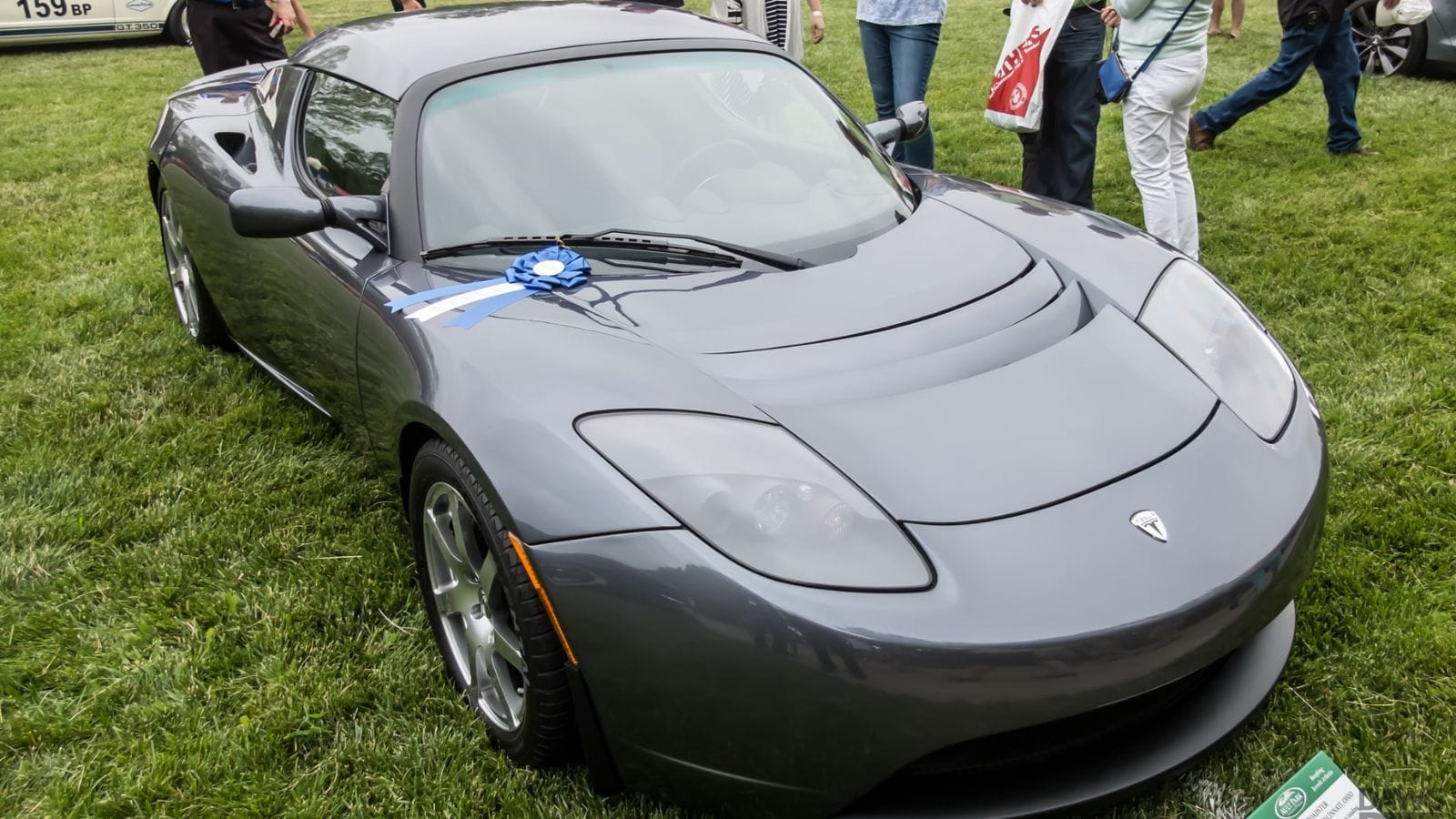
European and Asian automakers began investing heavily in EV development years before U.S. companies took it seriously. Brands like Nissan with the Leaf, and Tesla on American soil, demonstrated early leadership. Meanwhile, Detroit’s Big Three largely stuck to gasoline and diesel, focusing on refining traditional vehicles instead of pivoting to electric platforms. By the time they joined the race, competitors already had years of head start in technology and infrastructure.
Over-dependence on Trucks and SUVs
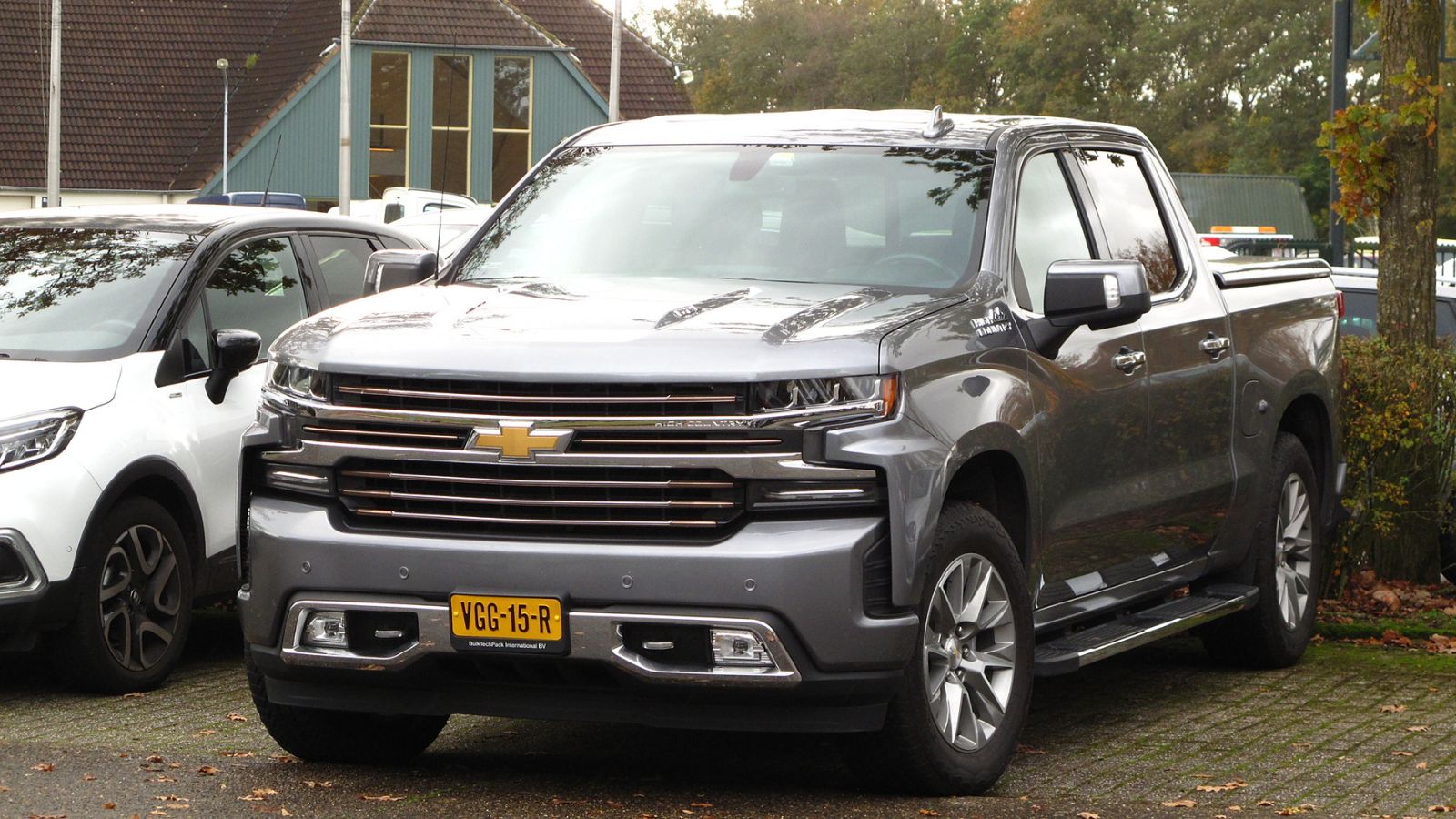
The American auto market has become dominated by trucks and large SUVs, segments that are extremely profitable but hard to electrify. Vehicles like the Ford F-150, Chevrolet Silverado, and Ram 1500 are the cash cows of the U.S. industry. Automakers have been reluctant to risk these money-makers with rapid transitions, leaving them slower to adapt compared to companies building smaller, more easily electrified cars abroad.
High Development Costs and Risk Aversion
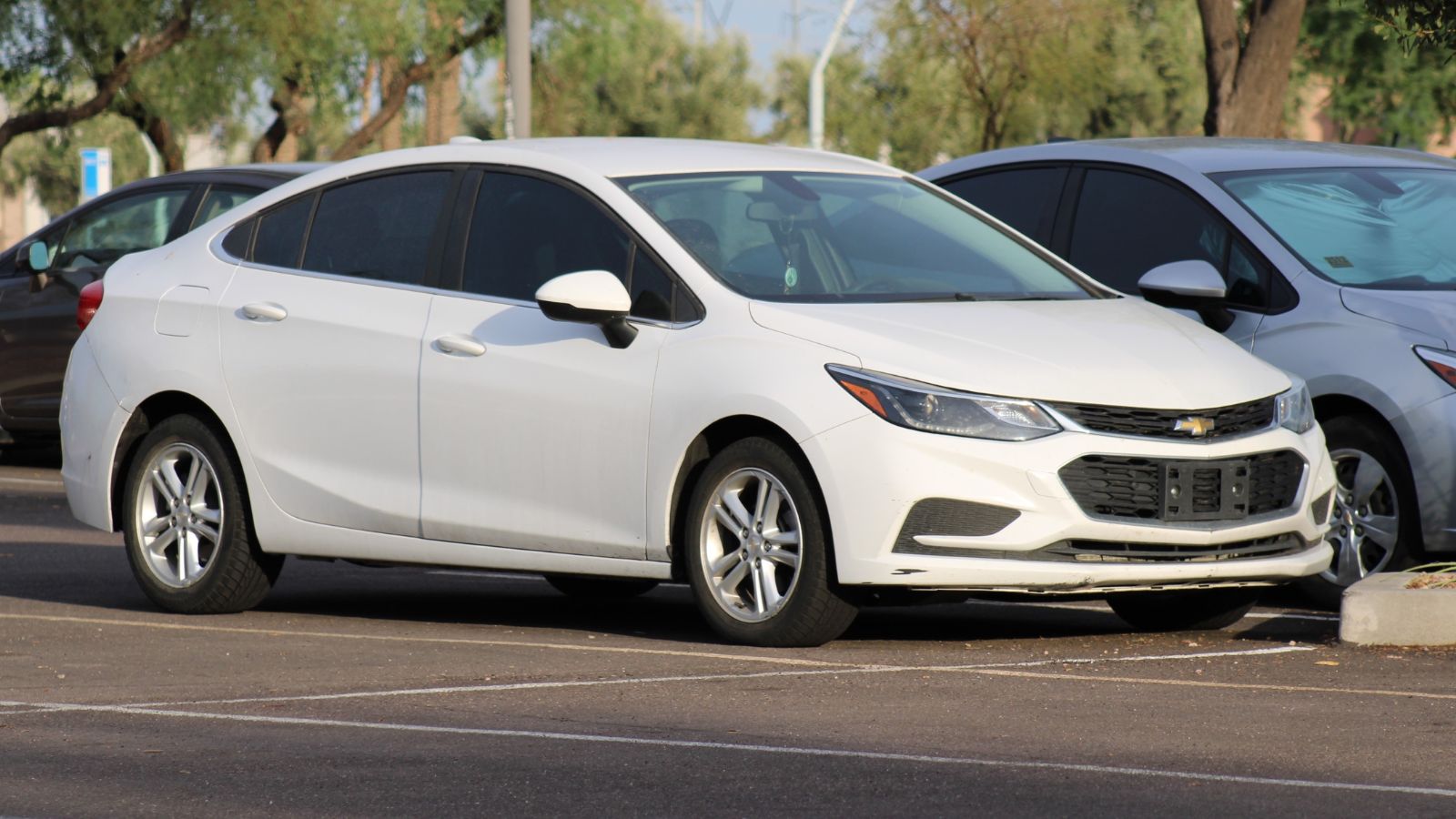
Building an EV lineup from scratch requires massive investment in batteries, motors, supply chains, and software integration. U.S. automakers, already tied to legacy platforms and massive dealership networks, have been hesitant to gamble billions without guaranteed returns. Tesla, by contrast, was born as an EV company and didn’t carry the same baggage. European companies like Volkswagen committed early, despite risks, which allowed them to catch up faster.
Battery Supply Chain Disadvantages
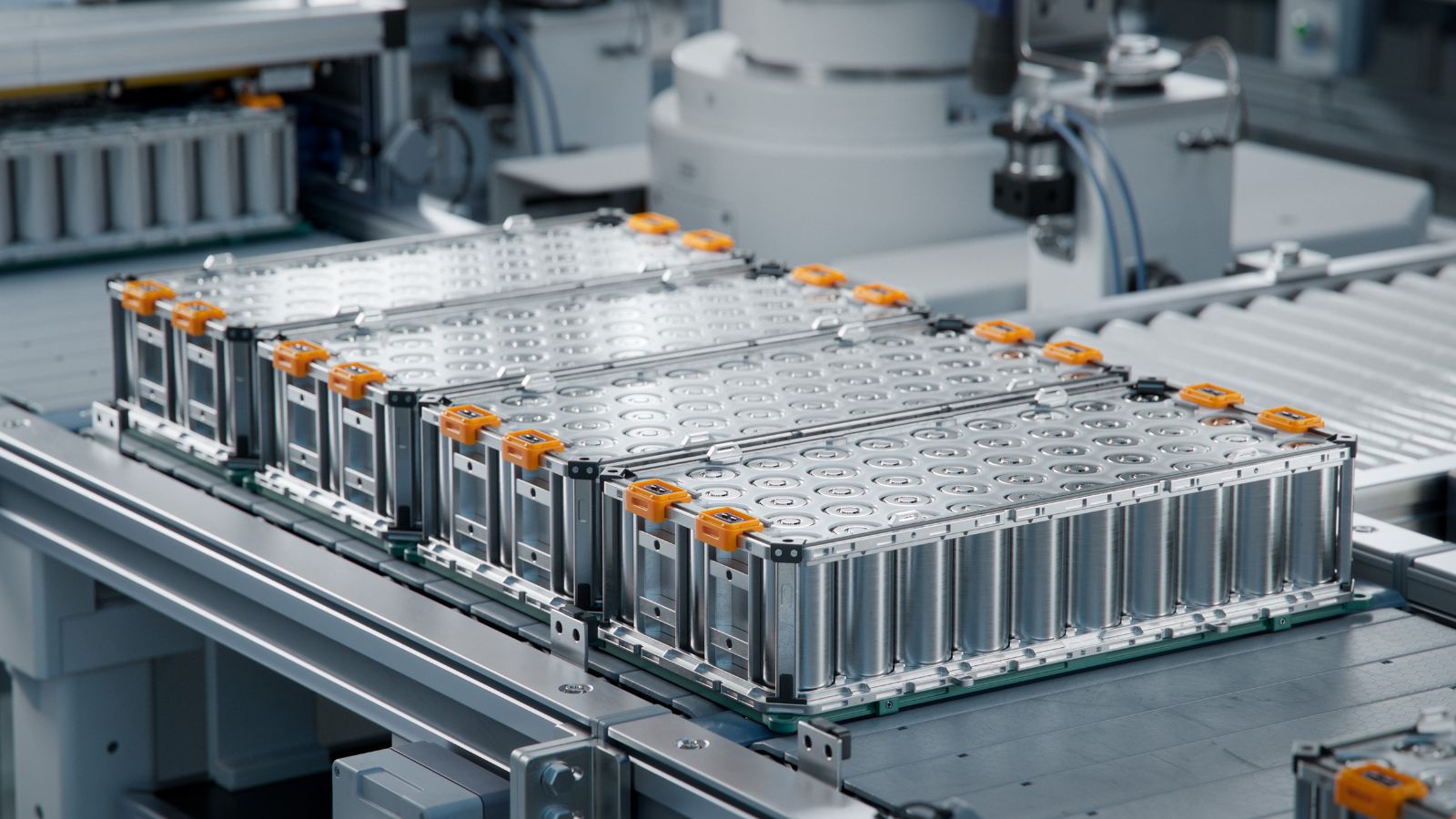
One of the biggest challenges for U.S. automakers is securing affordable, reliable battery supply. Asia—particularly China, South Korea, and Japan—dominates global battery production. While new plants are being built in North America, U.S. manufacturers entered the battery arms race late. This left them dependent on foreign suppliers and struggling with higher costs than rivals who already had established supply chains.
Dealer Network Resistance
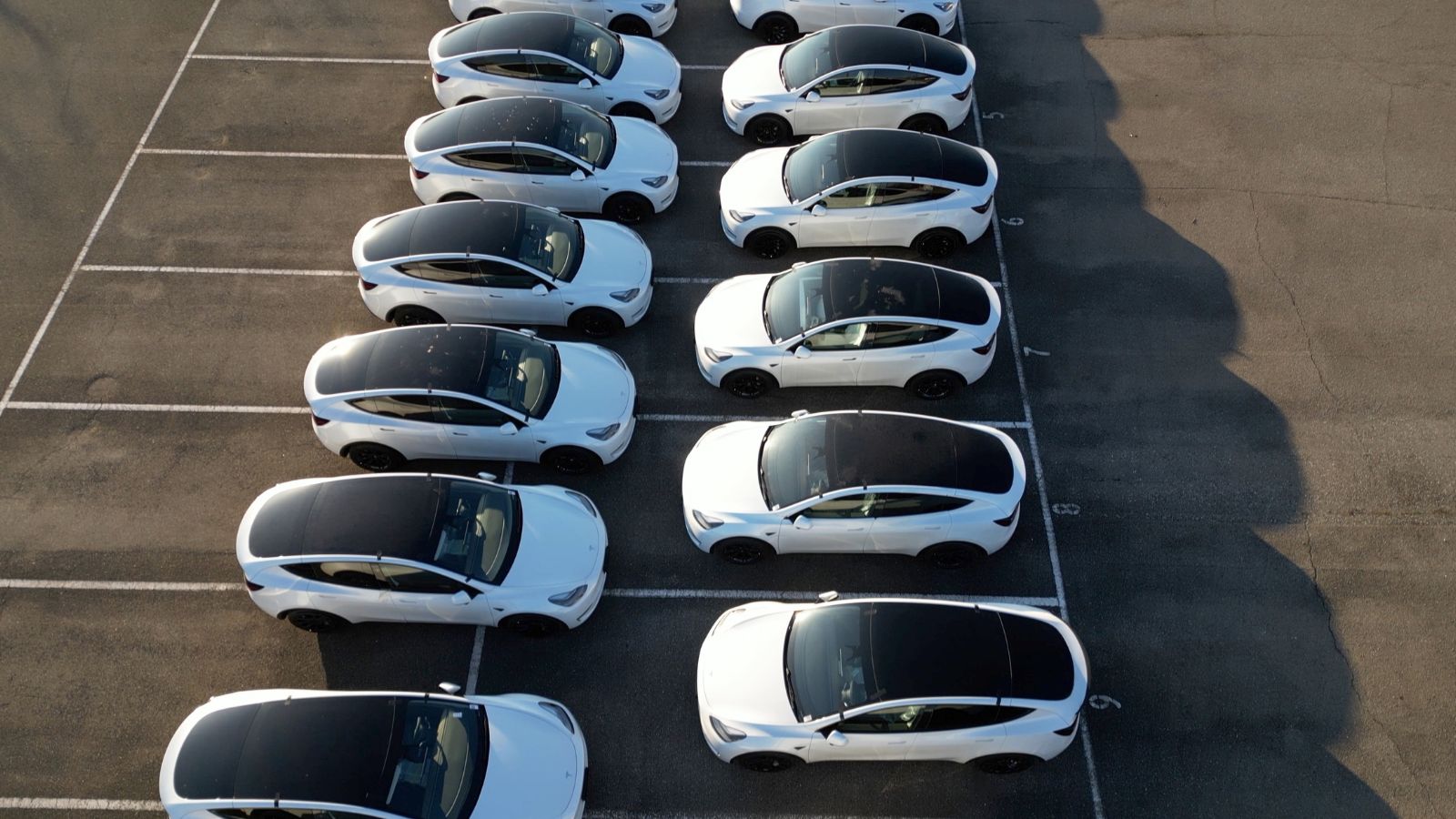
Unlike Tesla’s direct-to-consumer sales model, U.S. automakers rely on vast dealer networks. Dealers have been hesitant to embrace EVs because they require less maintenance than traditional cars, threatening long-term service revenue. This resistance has slowed the rollout and adoption of EVs in many parts of the country.
Consumer Uncertainty in the U.S.
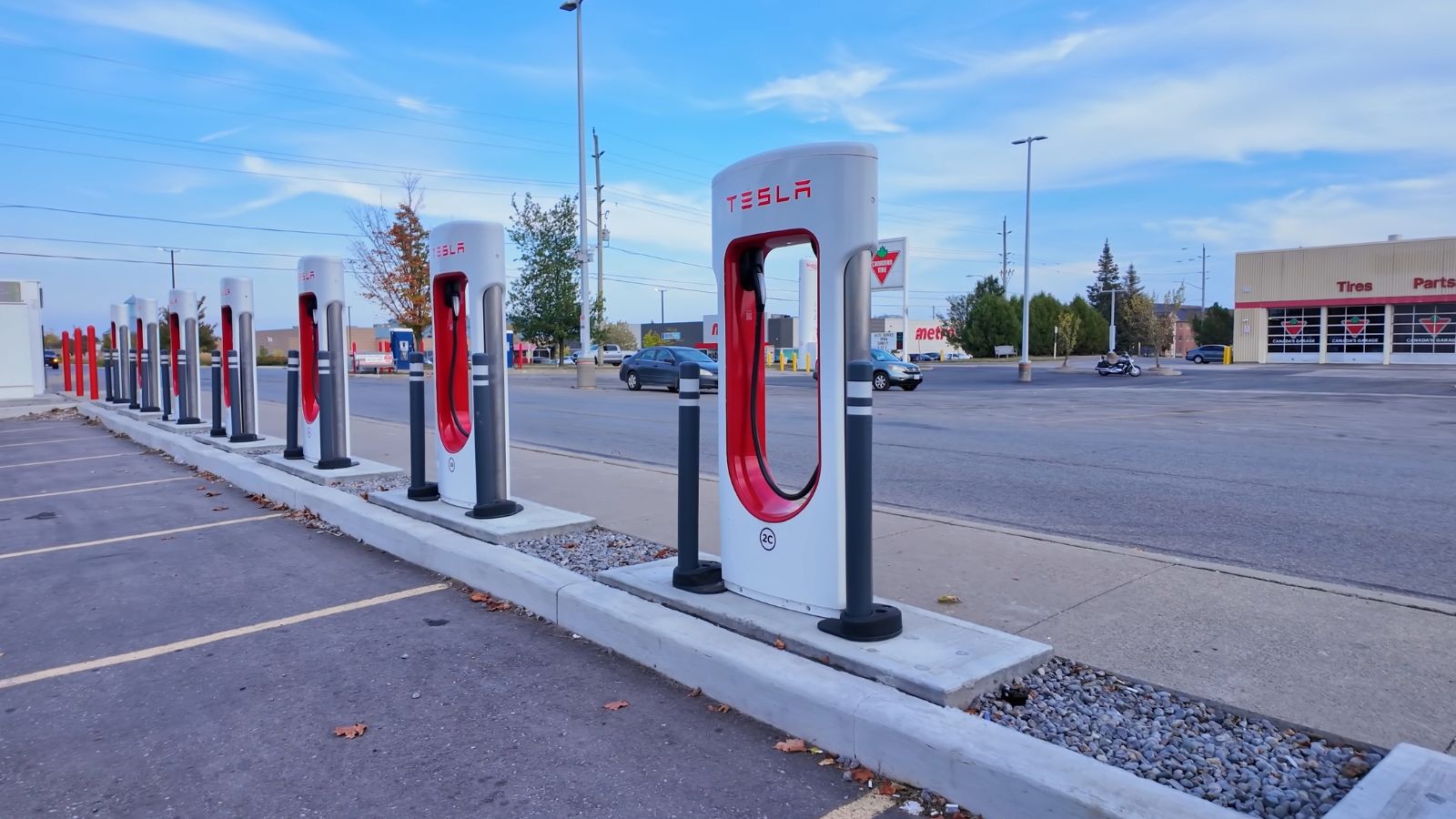
American buyers have historically been skeptical of EVs, citing concerns about range, charging infrastructure, and upfront costs. This skepticism gave U.S. automakers an excuse to delay full investment. Meanwhile, countries like Norway, China, and Germany pushed hard on infrastructure and incentives, creating markets where EV adoption flourished much faster.
Tesla’s Dominance Casts a Shadow
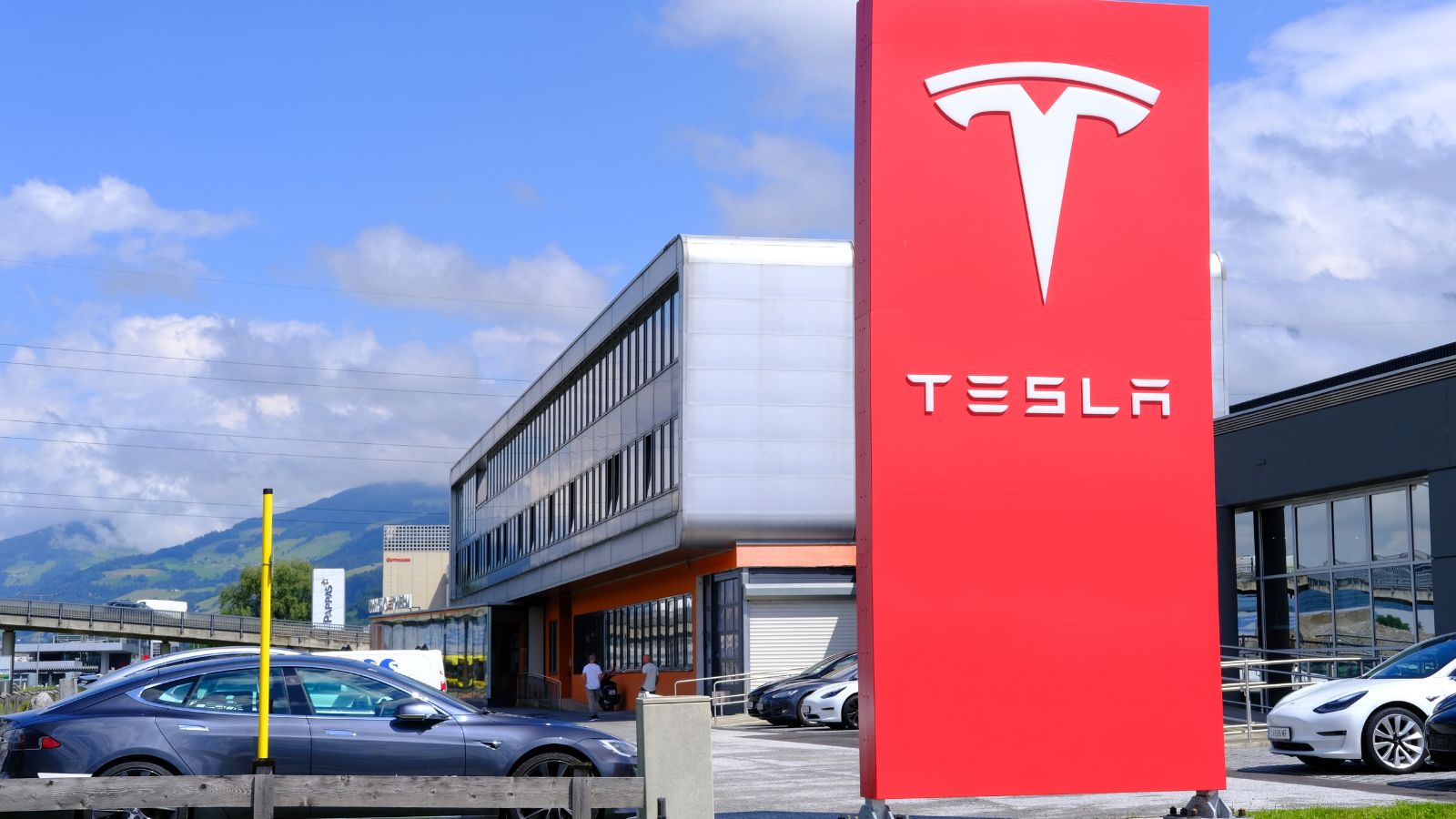
Ironically, the U.S. is also home to the world’s most successful EV brand—Tesla. Its early start, aggressive innovation, and cult-like following left traditional automakers looking outdated. While companies like Ford, GM, and Stellantis are now launching electric trucks and SUVs, Tesla has already set the benchmarks for range, software, and charging networks, leaving others scrambling to catch up.
Government Policy and Inconsistent Direction

While Europe and China rolled out aggressive policies mandating EV adoption, U.S. policy has been inconsistent, swinging with each administration. Subsidies, emissions standards, and long-term roadmaps often shifted, leaving automakers hesitant to fully commit. Only recently have more coordinated incentives, like the Inflation Reduction Act, begun to push U.S. manufacturers more aggressively toward electrification.
Shifting Momentum but Long Road Ahead
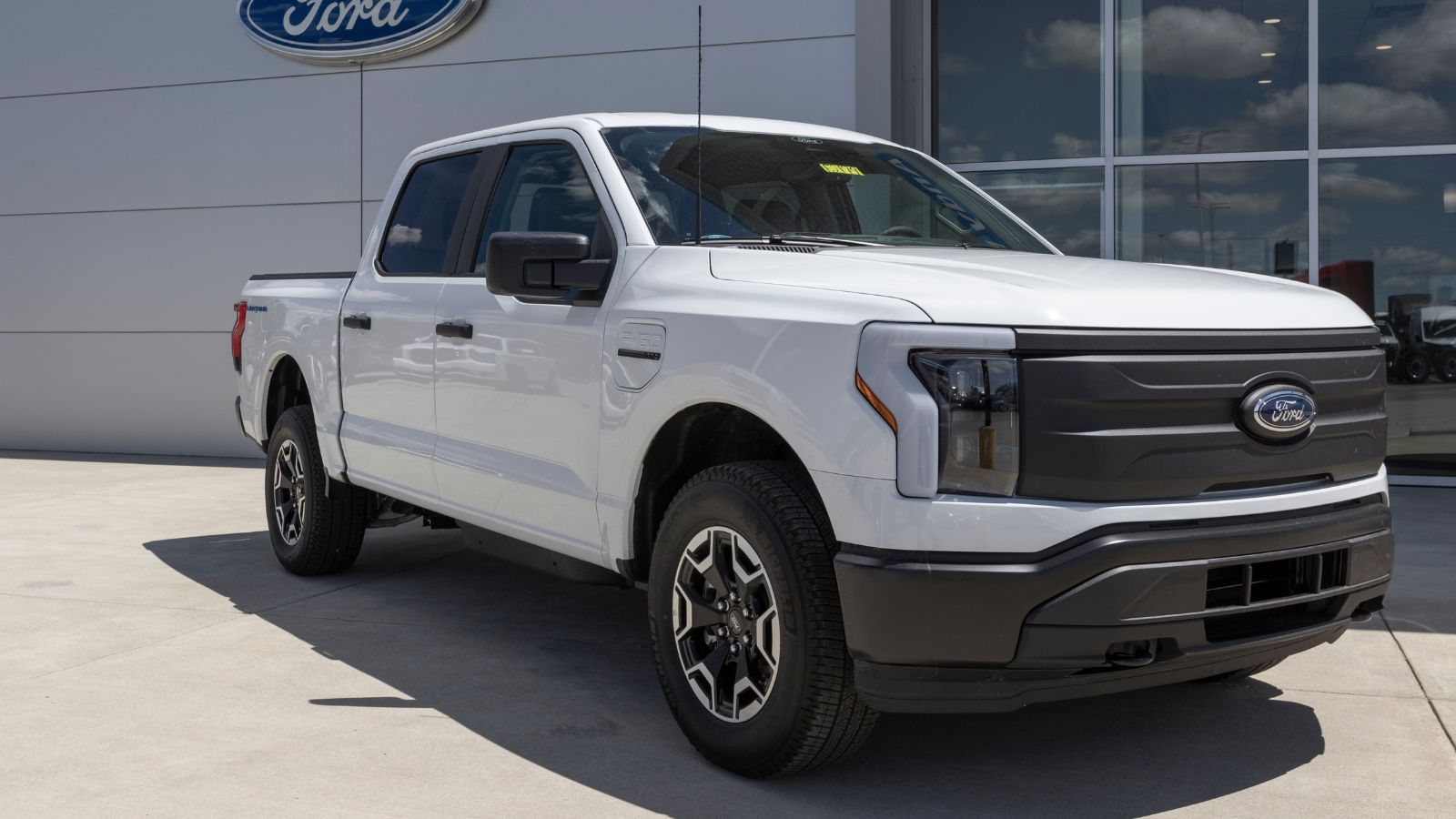
The good news is that U.S. automakers are now accelerating their EV programs. Ford’s F-150 Lightning has generated massive interest, GM is pushing its Ultium platform across multiple brands, and Ram is entering the electric pickup space. However, the years of delay mean they are still behind rivals in scale, technology, and perception. Catching up will require not just building great EVs but reshaping their entire approach to innovation.
What It Means for the Future
For U.S. automakers, the EV revolution is no longer optional—it’s survival. With global regulations tightening and competitors gaining market share, the time for hesitation has passed. While American companies still have the resources, talent, and iconic brands to compete, they must overcome years of slow movement. Whether they can close the gap will determine if Detroit remains at the center of the auto industry—or if the EV crown will permanently belong elsewhere.
25 Facts About Car Loans That Most Drivers Don’t Realize

Car loans are one of the most common ways people fund car purchases. Like any other kind of loan, car loans can have certain features that can be regarded as an advantage or a disadvantage to the borrower. Understanding all essential facts about car loans and how they work to ensure that you get the best deal for your financial situation is essential. Here are 25 shocking facts about car loans that most drivers don’t realize:
25 Facts About Car Loans That Most Drivers Don’t Realize
