Driving today feels easier than ever. Cars park themselves, warn you when you drift, and yell when something is in your blind spot. But those same conveniences have erased a lot of smart habits that older generations practiced automatically. These small tricks were not random rituals. They protected the vehicle, improved safety, and prevented the kind of avoidable mishaps that lead to expensive repairs or dangerous close calls. If more drivers brought these habits back, the roads would be a lot safer and our cars would last longer.
Parking Uphill Means Leaving the Car in Gear
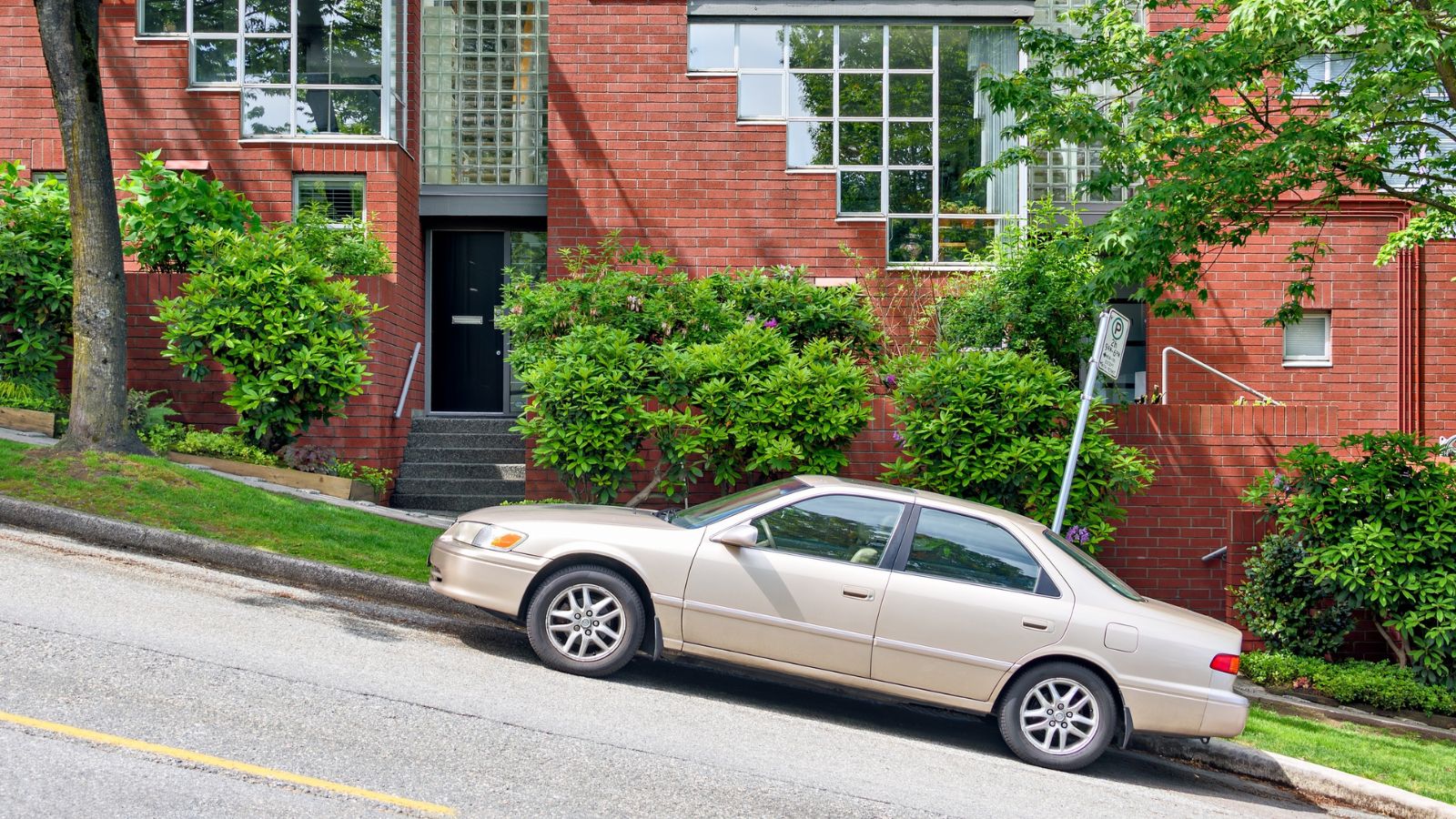
Uphill parking is where laziness bites the hardest. Too many drivers rely only on the parking brake, forgetting that mechanical parts can slip in winter or after long wear. Leaving the car in gear, especially in a manual, gives a physical barrier against rolling. Turning the wheels away from the curb adds another layer. If the vehicle ever moves, gravity forces it gently into the curb rather than letting it gain speed toward the street. One tiny habit prevents a runaway car nightmare.
Parking Downhill Calls for Turning the Wheels Toward the Curb

The principle flips downhill. If the brake releases or a careless driver bumps your bumper, angled wheels stop the car before it even moves a single full rotation. Yet many Canadians and Americans park daily on steep streets without thinking about this. Modern driving tests barely mention it anymore. It takes two seconds to turn the wheel and it prevents insurance battles, property damage, and heart stopping phone calls from neighbors.
Reverse Into Parking Spots, Drive Out Straight
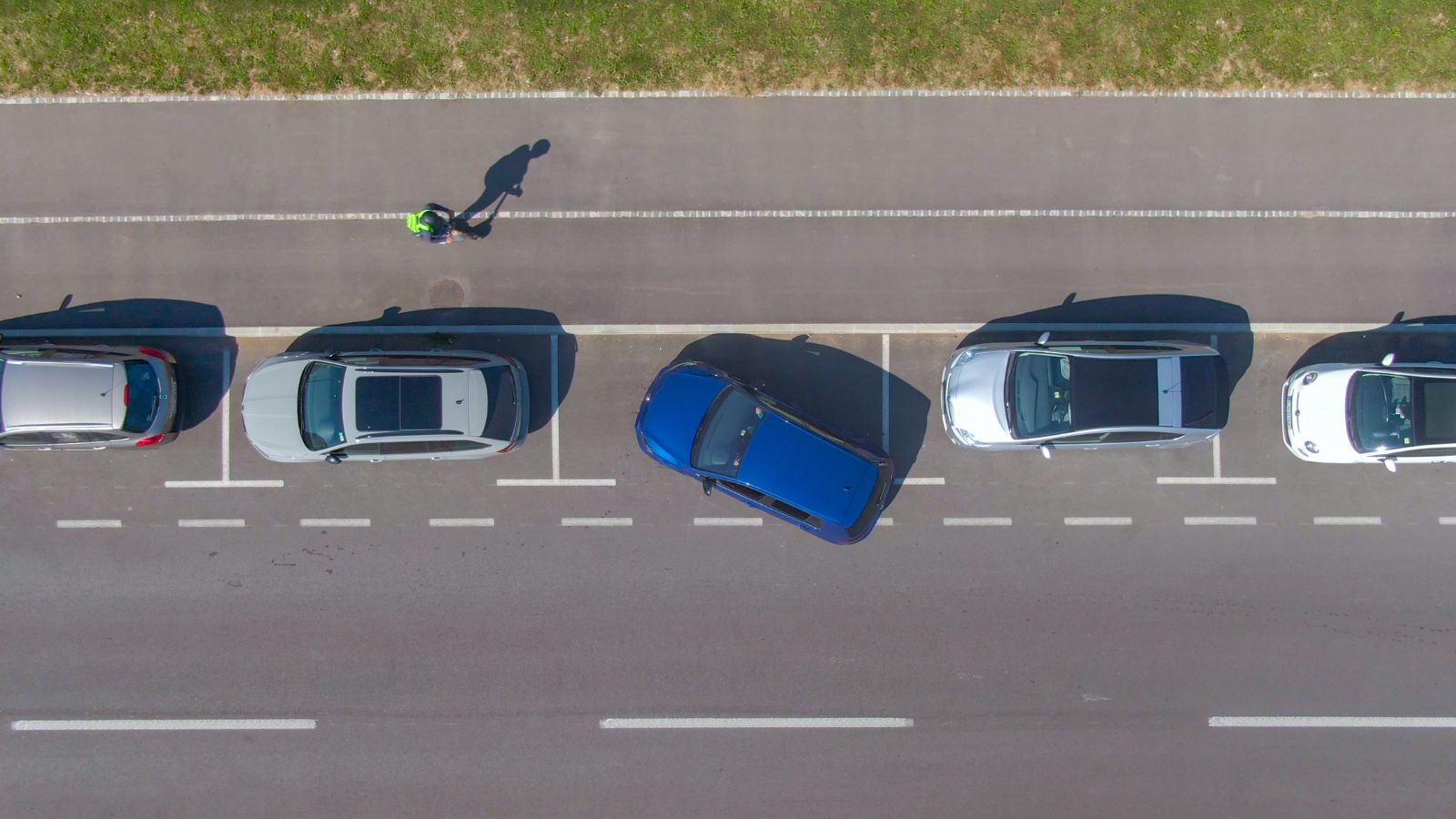
Backing into a space feels awkward for some drivers, but it is actually the safest move in almost every situation. Leaving by driving forward means direct visibility of traffic, pedestrians, cyclists and shopping carts. In winter storms or crowded mall parking lots, pulling out blindly becomes a gamble. Emergency fire stations, transport fleets and public service agencies all train drivers to back in first. If the pros do it daily, there is a reason.
Use the Handbrake Every Time You Park on an Incline
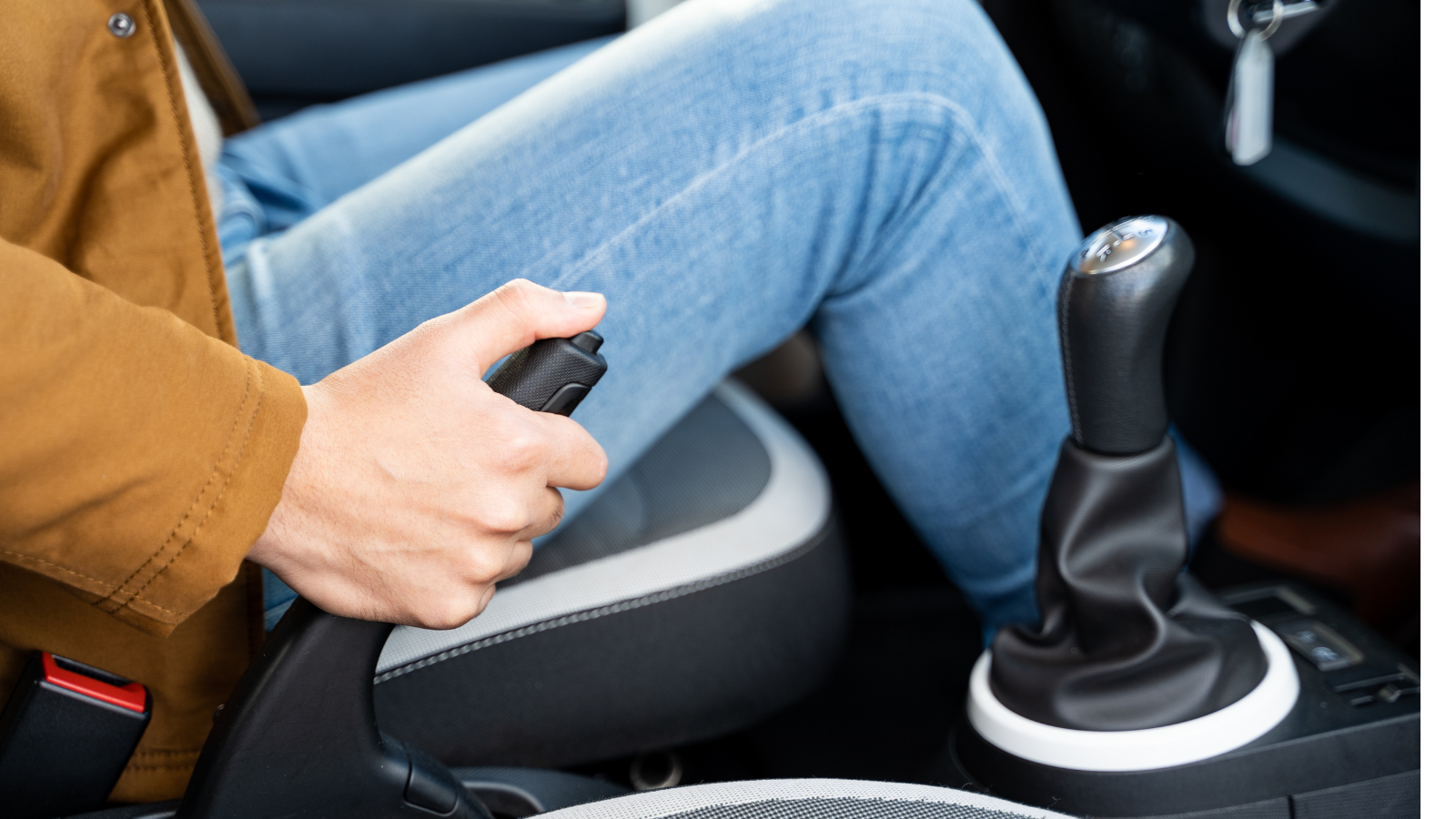
Electronic parking systems have made drivers forget that transmissions are not designed to hold a vehicle’s weight on a slope. When you hear a loud clunk while shifting out of park on a hill, that is the parking pawl fighting gravity. Using the handbrake before releasing the pedal locks the car safely and reduces stress on the drivetrain. Over the life of the vehicle, that habit can prevent expensive transmission damage nobody sees coming.
Check Tire Pressures When It Is Cold, Not After Driving
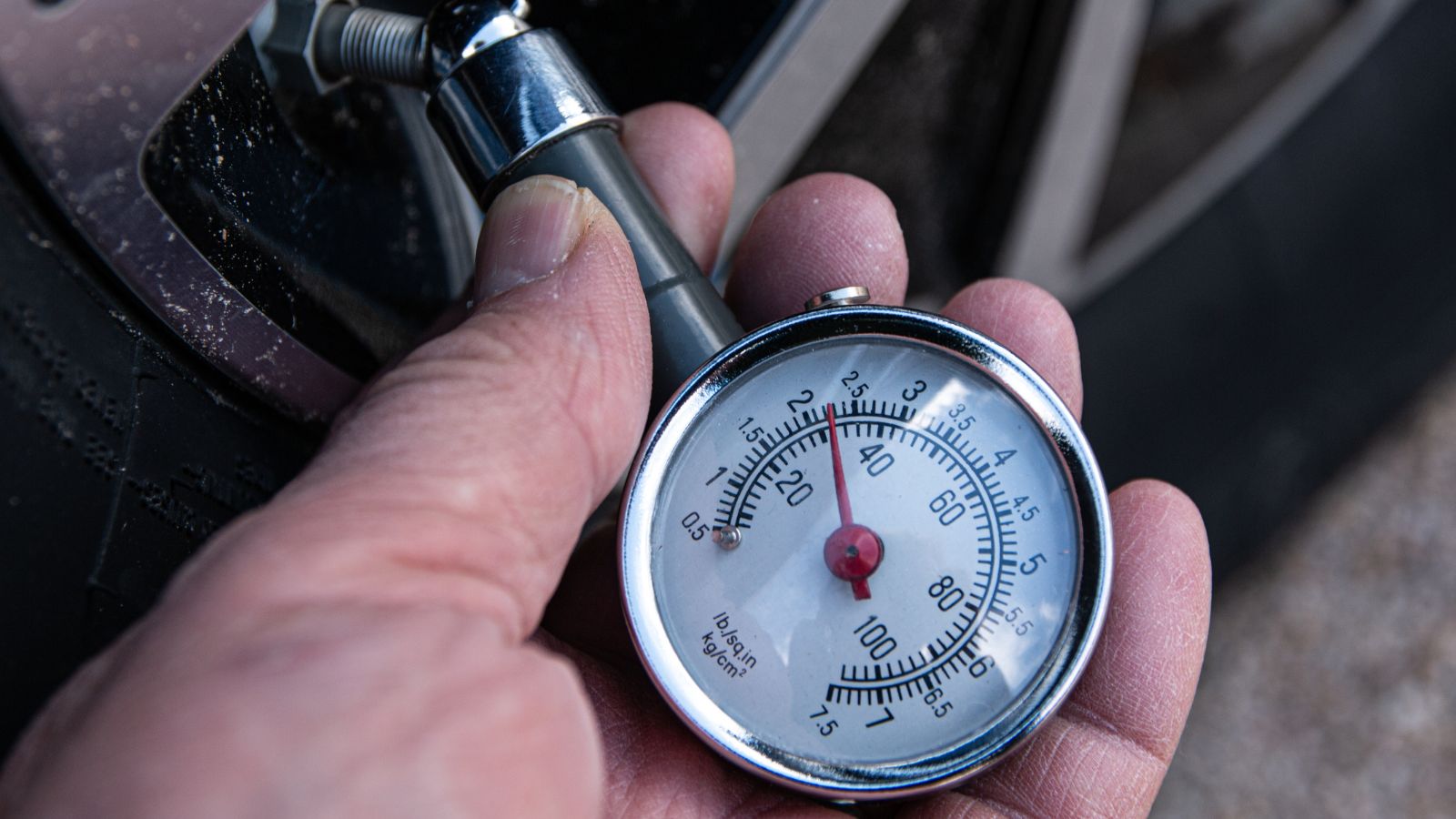
Tire pressure rises as tires heat up. So checking pressure after a drive gives a “fake good” reading. Checking first thing in the morning gives the true number. Underinflation in winter kills traction and burns fuel, and underinflation in summer overheats tires and increases blowout risk. It takes a minute, costs nothing, and influences performance and safety more than most drivers realize.
Look Over Your Shoulder, Not Just in the Mirror
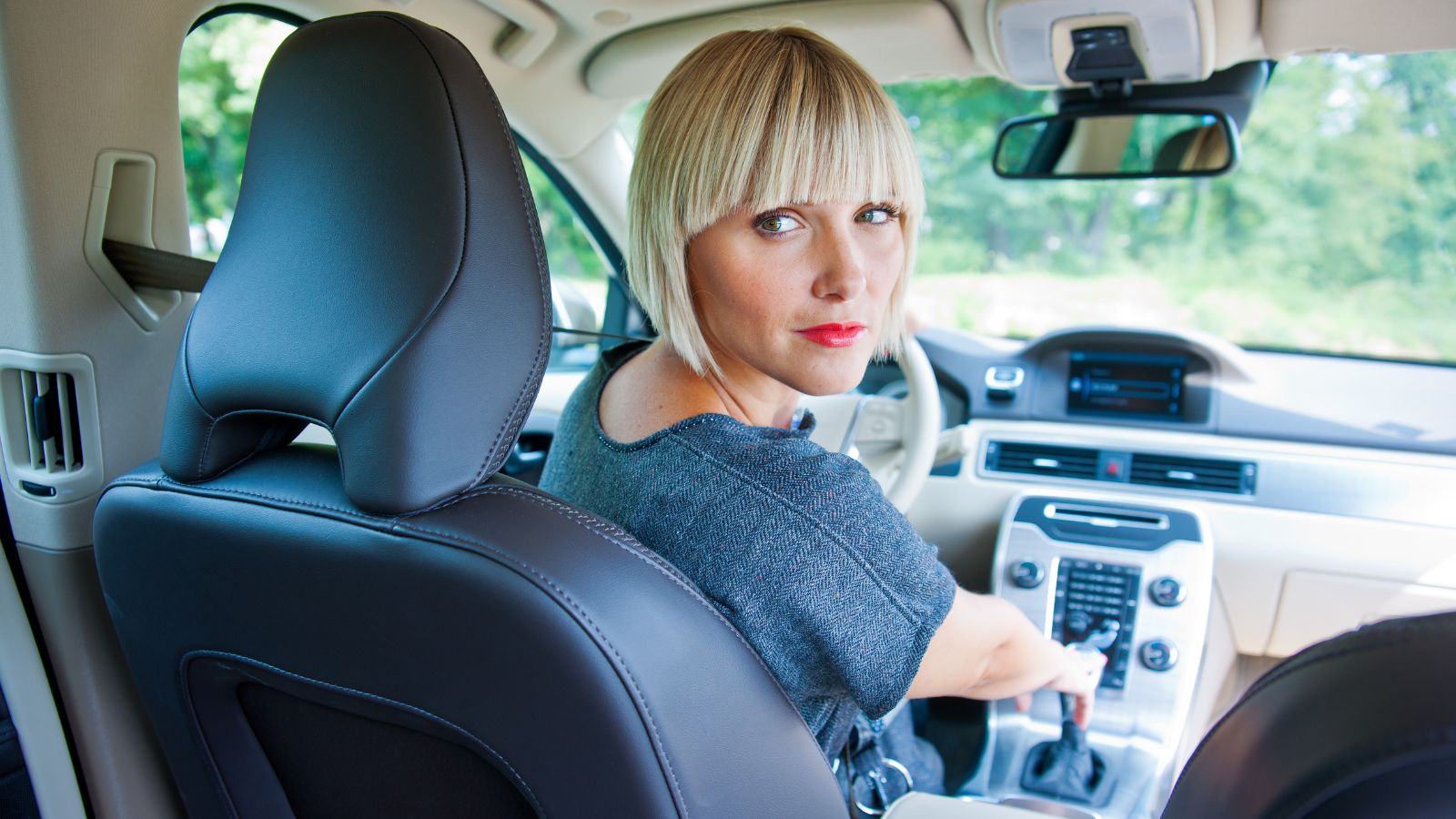
Cameras and blind spot lights are helpful but not flawless. None of them show everything, and relying on tech fully is how accidents happen. A shoulder check is old school but still undefeated. It catches bikes, low cars, aggressive lane jumpers and cross traffic that sensors might miss. For city driving especially, this simple human habit still prevents more collisions than any computer.
Pause a Second After Starting the Engine in Winter
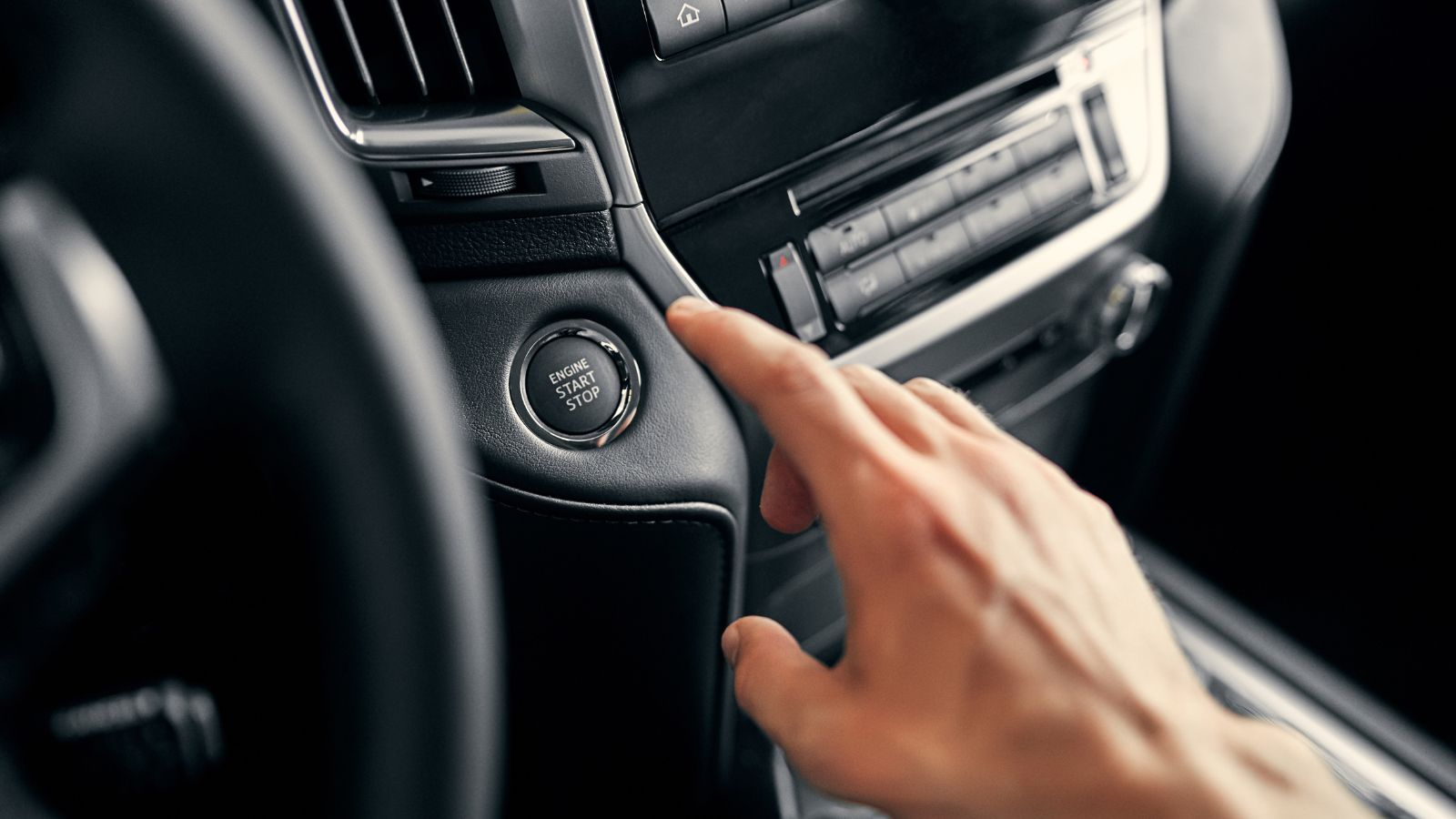
Modern engines hide noise better but the physics have not changed. Oil thickens in freezing weather. That brief pause before revving allows it to circulate. People who slam the throttle right after a cold start are grinding internal parts without knowing it. Over years of ownership, that single second adds life to the car. It is basically free longevity that most drivers do not take.
Maintain Speed on On-Ramps, Don’t Merge Slowly
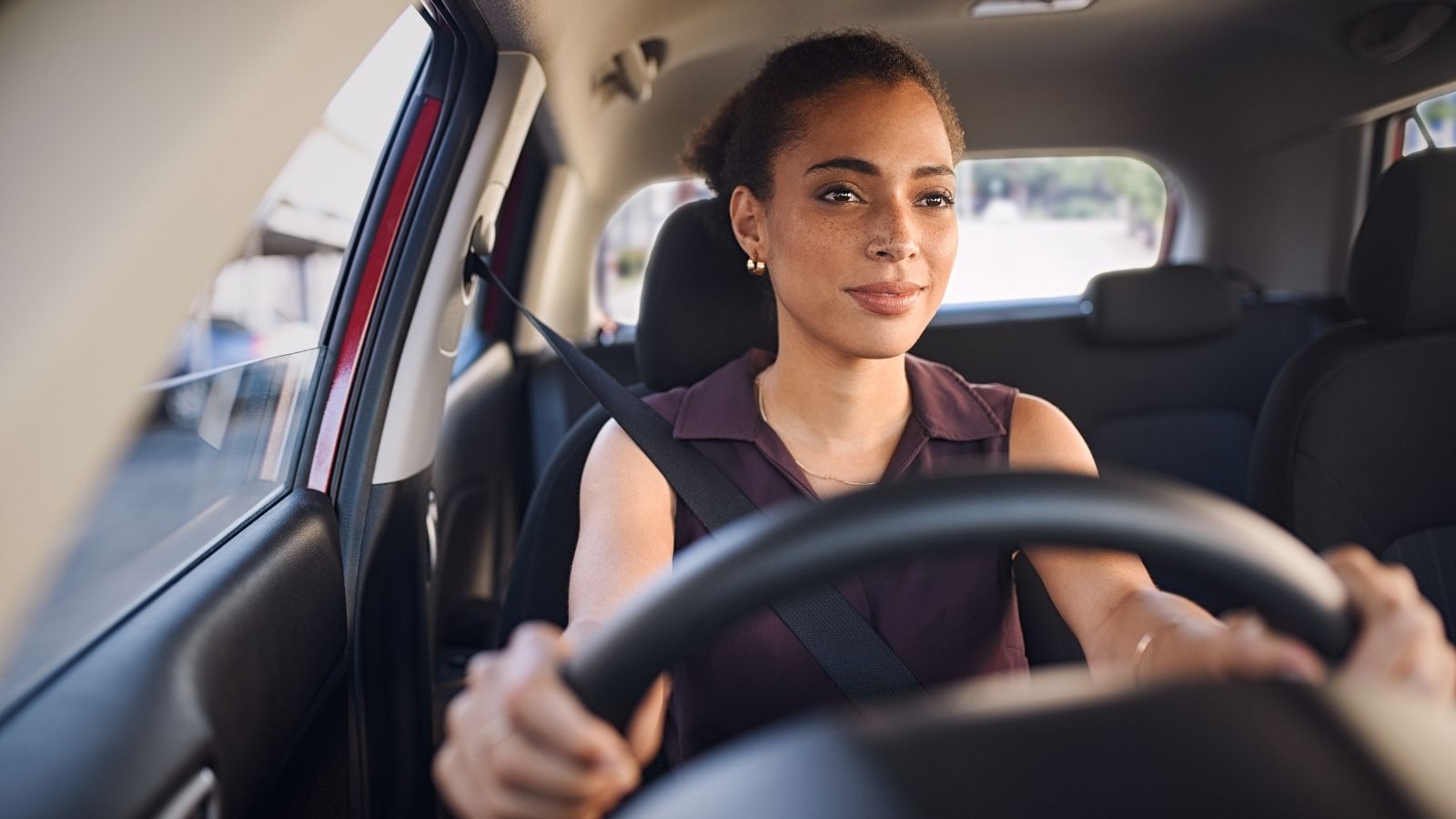
Merging slowly onto a highway does not make things safer. It is the fastest way to trigger panic braking and rear end collisions. The goal is to enter traffic at the same speed, not to merge timidly and hope others slow down. Acceleration lanes exist for a reason. When drivers use them properly, flow improves and stress drops for everybody.
Turn the Heat to Defrost Mode Before You Shut the Car Off
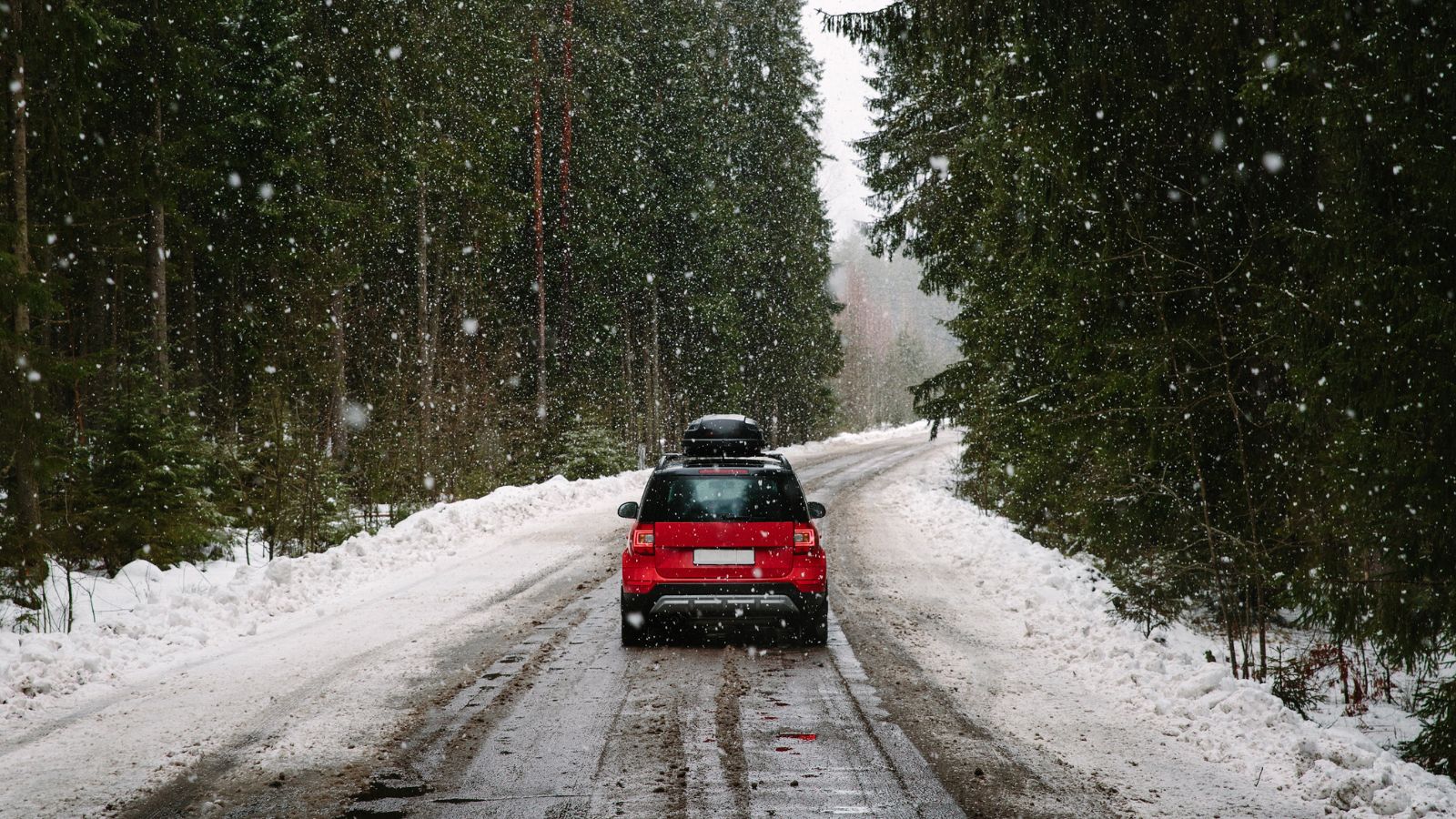
Winter drivers know the pain of sitting in a freezing cabin wiping fog off windows like a caveman. Setting the climate controls to defrost before shutting down the car ensures the next start immediately pushes warm air forward. It clears the windshield quicker, reduces moisture buildup, and avoids the dangerous first minute of driving half blind in the morning rush.
Coast Down Long Hills Instead of Riding the Brakes
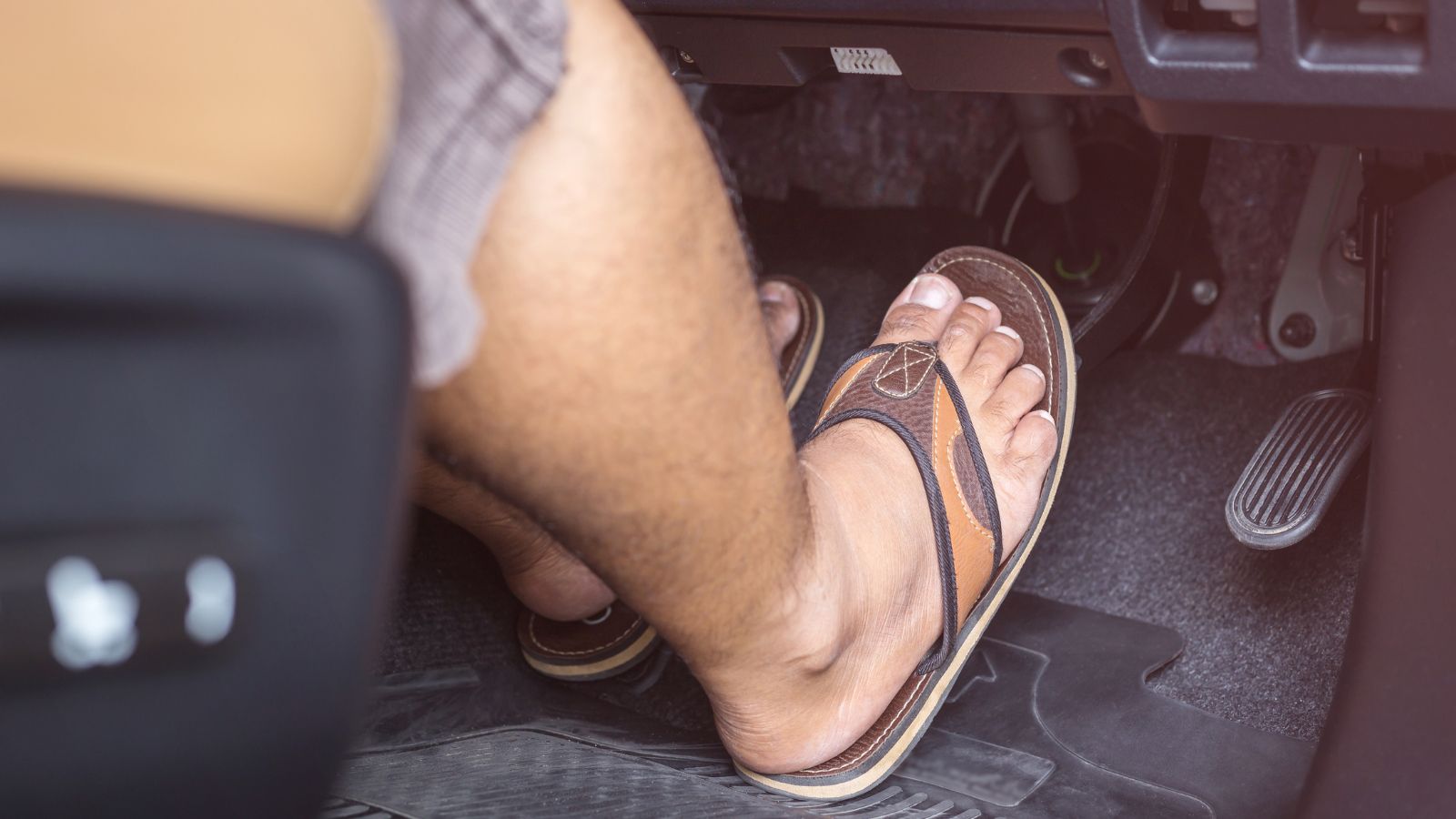
On long descents, resting your foot lightly on the brake seems safe, but it builds up heat, destroys pads and risks brake fade if the hill is long enough. Easing off and letting the engine slow the car keeps braking power available for when you really need it. It also improves fuel economy and stability in winter. Anyone who has driven mountain highways knows how a hot brake pedal can turn terrifying fast.
Why These Habits Still Matter
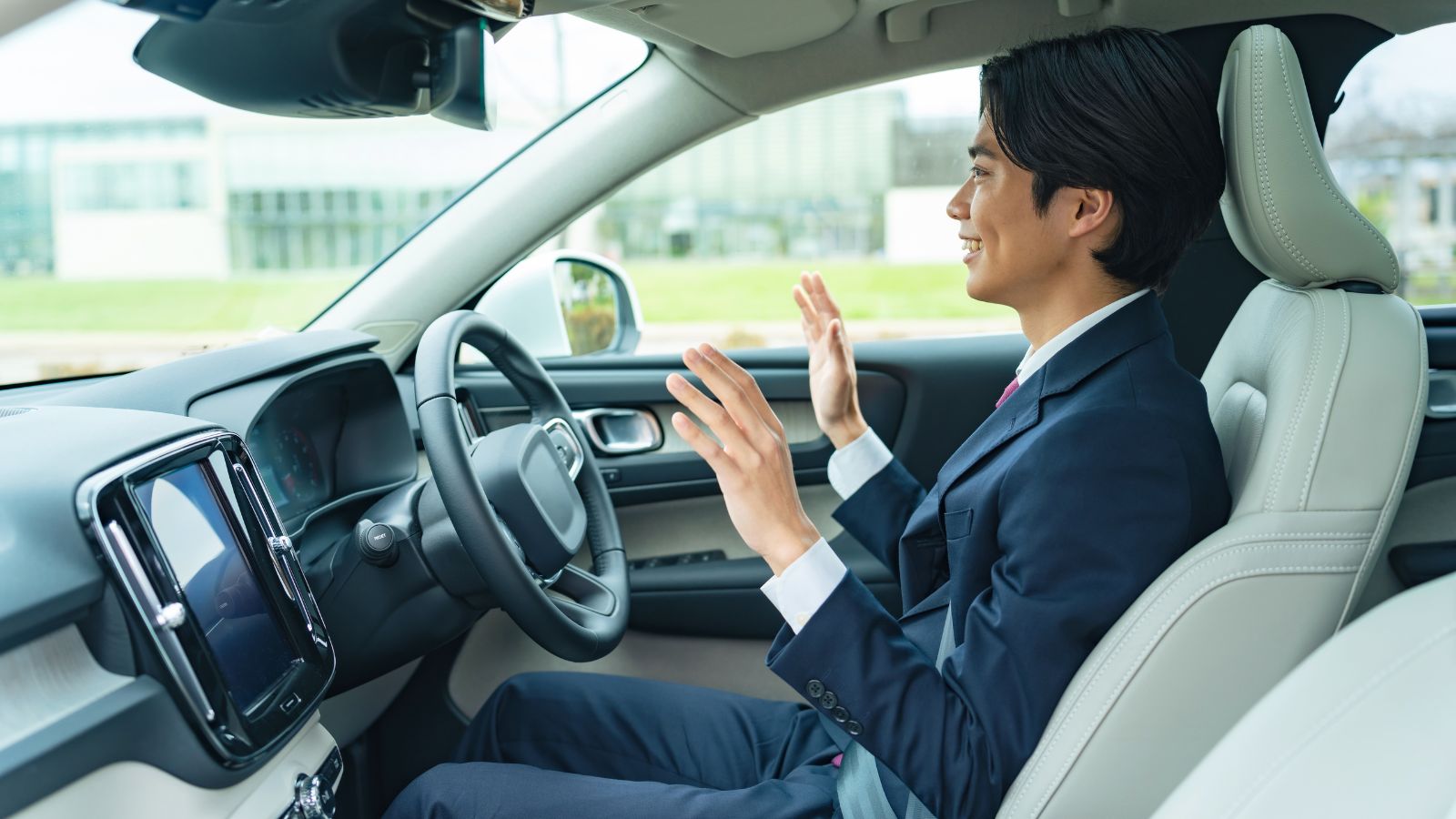
Technology makes driving easier, but it also makes drivers complacent. These small forgotten habits are not old fashioned. They are foundational. They prevent problems before they happen, and they train drivers to understand what their vehicles need rather than waiting for warning lights to yell about it.
25 Facts About Car Loans That Most Drivers Don’t Realize

Car loans are one of the most common ways people fund car purchases. Like any other kind of loan, car loans can have certain features that can be regarded as an advantage or a disadvantage to the borrower. Understanding all essential facts about car loans and how they work to ensure that you get the best deal for your financial situation is essential. Here are 25 shocking facts about car loans that most drivers don’t realize:
25 Facts About Car Loans That Most Drivers Don’t Realize
