
For years we rolled our eyes at the advice older drivers gave us. Warm the engine. Do not ride the brakes. Use the handbrake on hills. Keep the car clean. It all sounded like outdated wisdom from a simpler time before sensors, turbochargers and touchscreens. But as cars got more advanced, something funny happened. A lot of that so-called “old man driving advice” turned out to be mechanically correct. Technology has changed the driving experience, but physics never went away. These are the old habits that earned a second life because modern cars quietly proved them right.
Letting the Engine Warm Up Before Driving Helps It Last Longer
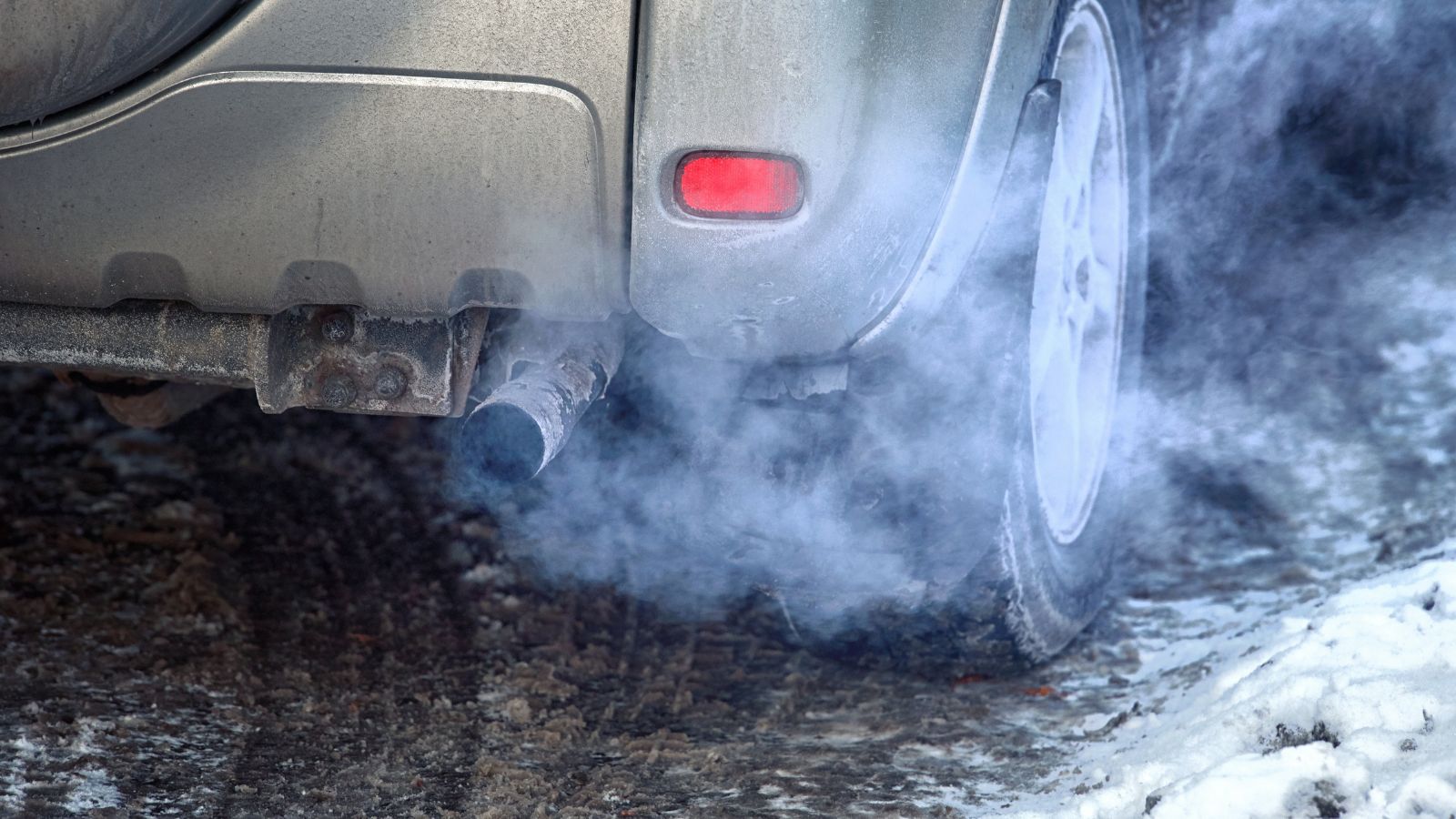
Older drivers always paused before leaving the driveway. Modern drivers turn the key and launch instantly. The difference shows up later in engine wear. Cold oil cannot protect internal components, especially in winter. Metal shrinks in the cold and then expands quickly when loaded. That creates micro-wear that builds over time. A short warmup and gentle driving until the temperature rises dramatically reduces long-term wear. You may not feel the benefit today, but your engine will be healthier five or ten years down the road.
Brakes Last Longer When You Brake Hard Occasionally Instead of Constantly Lightly

The myth was always that heavy braking ruins brakes. The reality is more subtle. Occasional firm braking with periods of coasting keeps pads and rotors cool and clean. Constant light braking builds heat nonstop and eventually causes glazing which makes the brakes feel weak and noisy. Anyone who has driven down a mountain pass in the Rockies or the Coast Mountains knows how quickly brakes can fade when riders tap lightly instead of braking decisively.
Gasoline Quality Really Does Matter

Many people believe premium fuel is a scam. Sometimes it is, but not when the engine is designed for it. Turbocharged engines and high compression motors rely on higher octane to prevent knock. When the wrong fuel is used, computers pull timing to protect the engine. This causes higher heat and stress internally which slowly wears components. You will not feel the difference on day one, but long-term power loss, valve buildup and roughness prove the point. Using the correct grade is not about speed, it is about survival.
Lane Positioning Can Prevent Accidents Before They Even Start

Driving instructors used to obsess about lane positioning, and now collision data backs them up. Sitting directly behind a vehicle blocks your sightline and reaction time. Moving slightly offset gives visibility several cars ahead and creates space to escape if something goes wrong. In winter when roads are slick and traffic collapses fast, that tiny buffer becomes the difference between a close call and a pileup. It is one of the most underrated defensive driving skills that drivers have completely forgotten.
A Clean Car Really Does Run Better
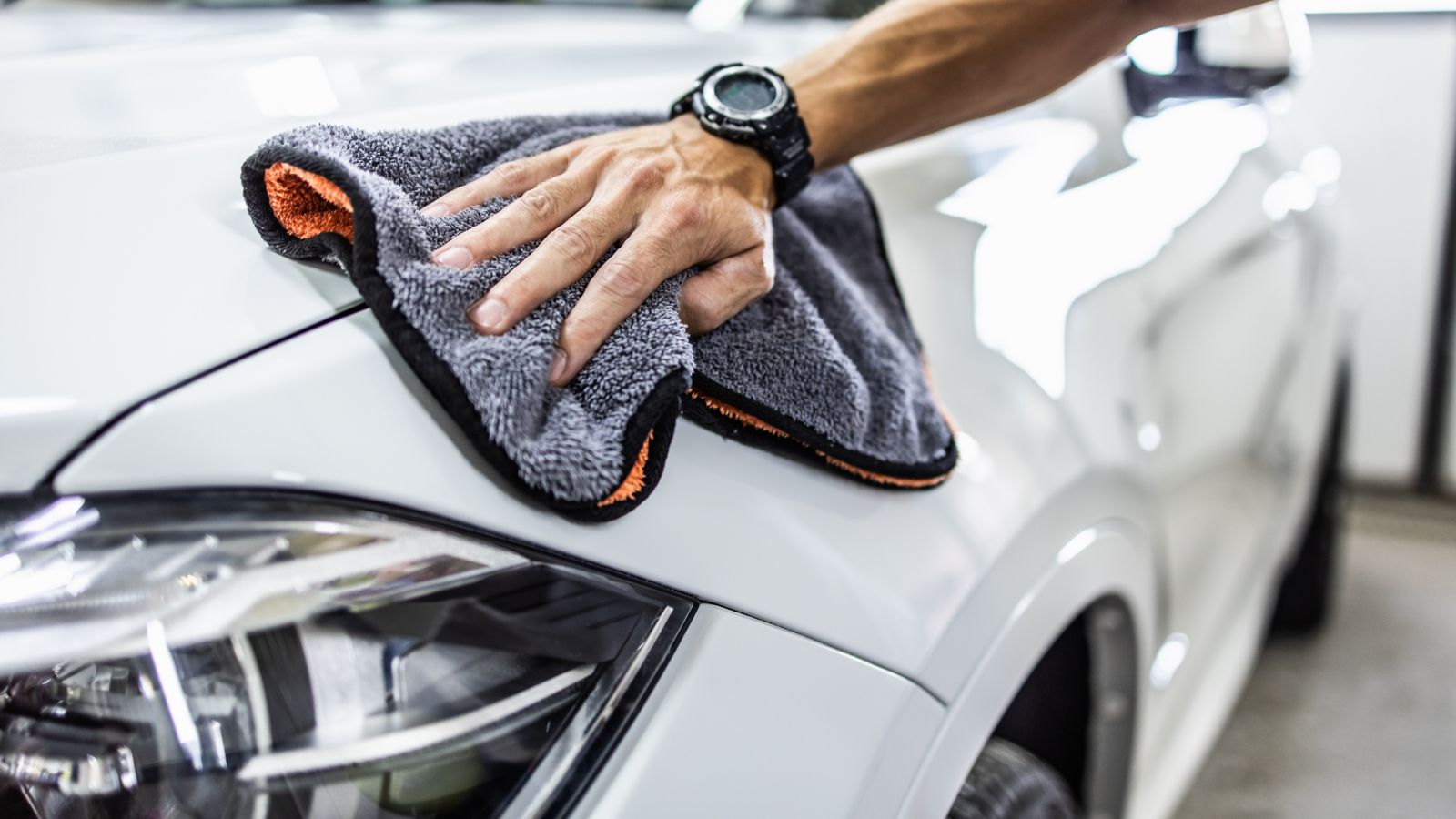
This always sounded like vanity. It never was. Dirt traps moisture and chemicals that accelerate corrosion. Road salt clings to wheel wells, suspension parts, fuel lines and even brake lines. Grime in the engine bay traps heat and makes rubber parts age faster. Even mud buildup in wheels causes balance problems that wear bearings and tires. Cleaning the car is not polishing for appearance. It is preventative maintenance disguised as pride.
Slow Parking Lot Turns Protect the Power Steering System
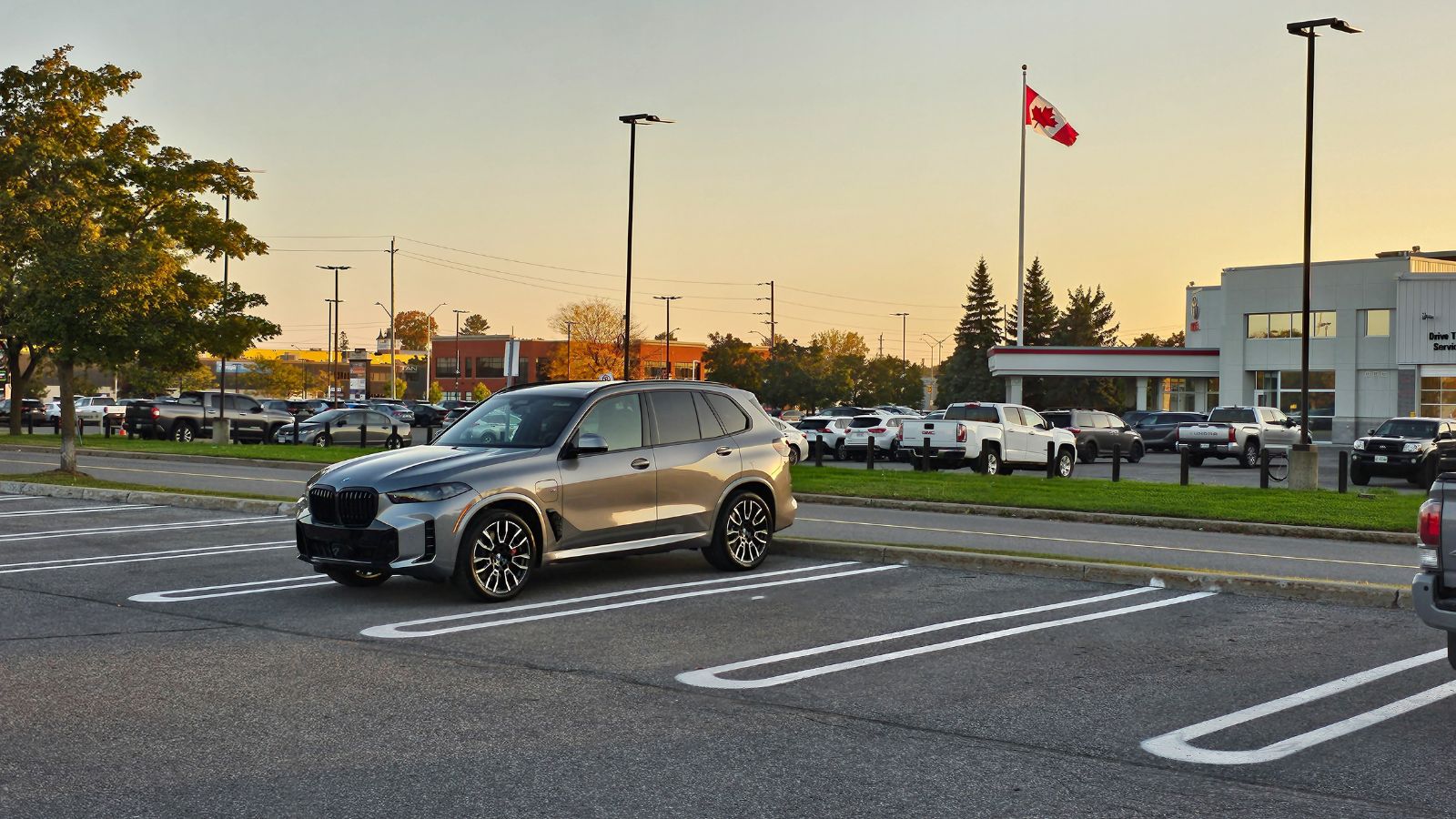
Old drivers knew it instinctively by feel. Turning the wheel while sitting still creates huge stress on the steering rack, pump and tie rods. Even rolling a foot or two before steering distributes the force through movement instead of forcing everything to twist while locked in place. Cars today hide the strain with quiet electric steering, so drivers forget. The repair bill years later is the reminder.
Tires Wear Faster If You Always Drive in a Straight Line
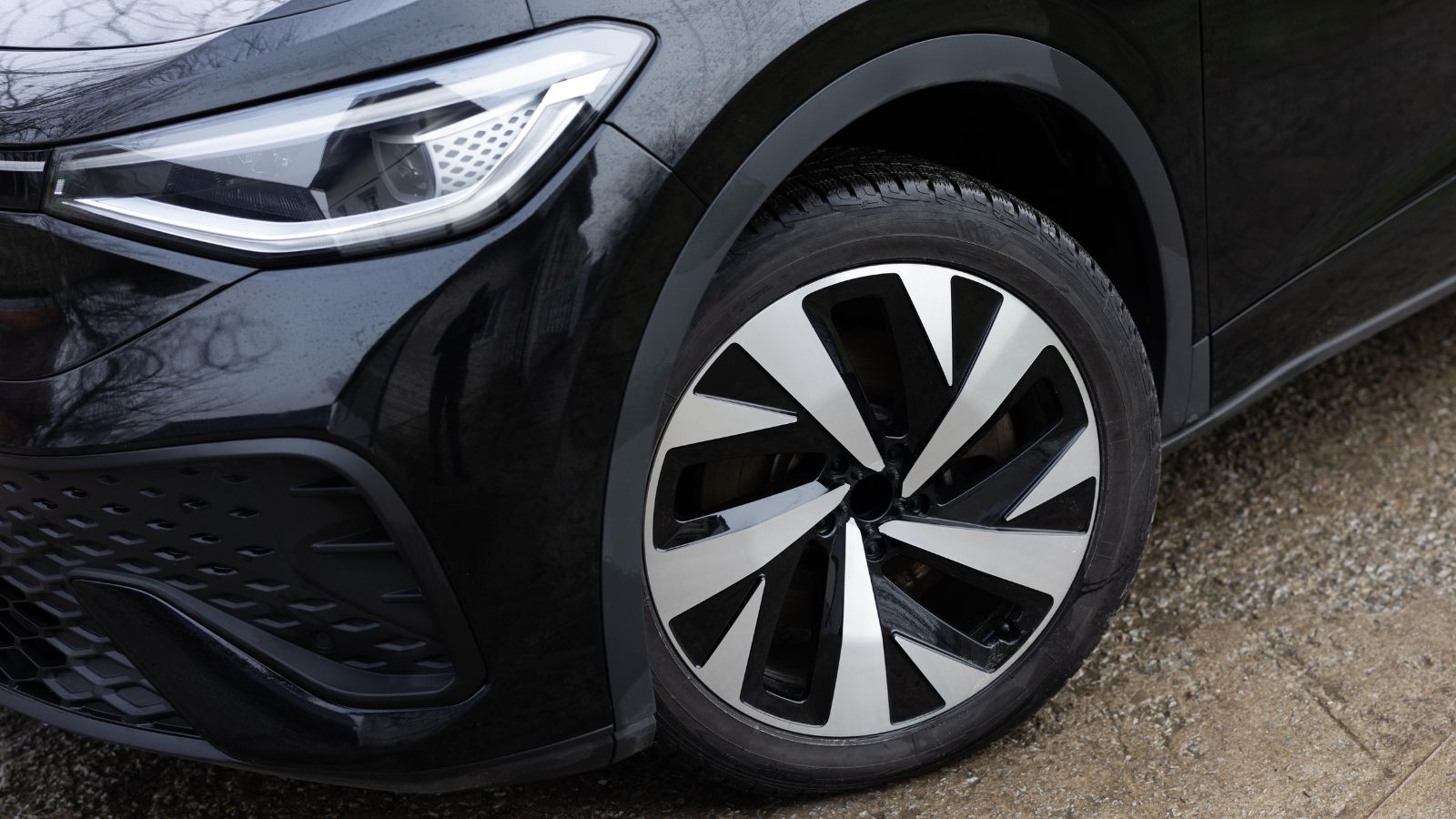
This one sounds like a joke until you see it in real life. Tires that never see much cornering wear unevenly and develop hardened patterns because the tread is stressed the same way every day. The fix is a combination of rotation and variety in driving rhythm. A mix of city turns and highway miles stretches the life of expensive rubber more than people realize. Tires are made to flex. If they do not, they die early.
Using the Handbrake Helps the Transmission
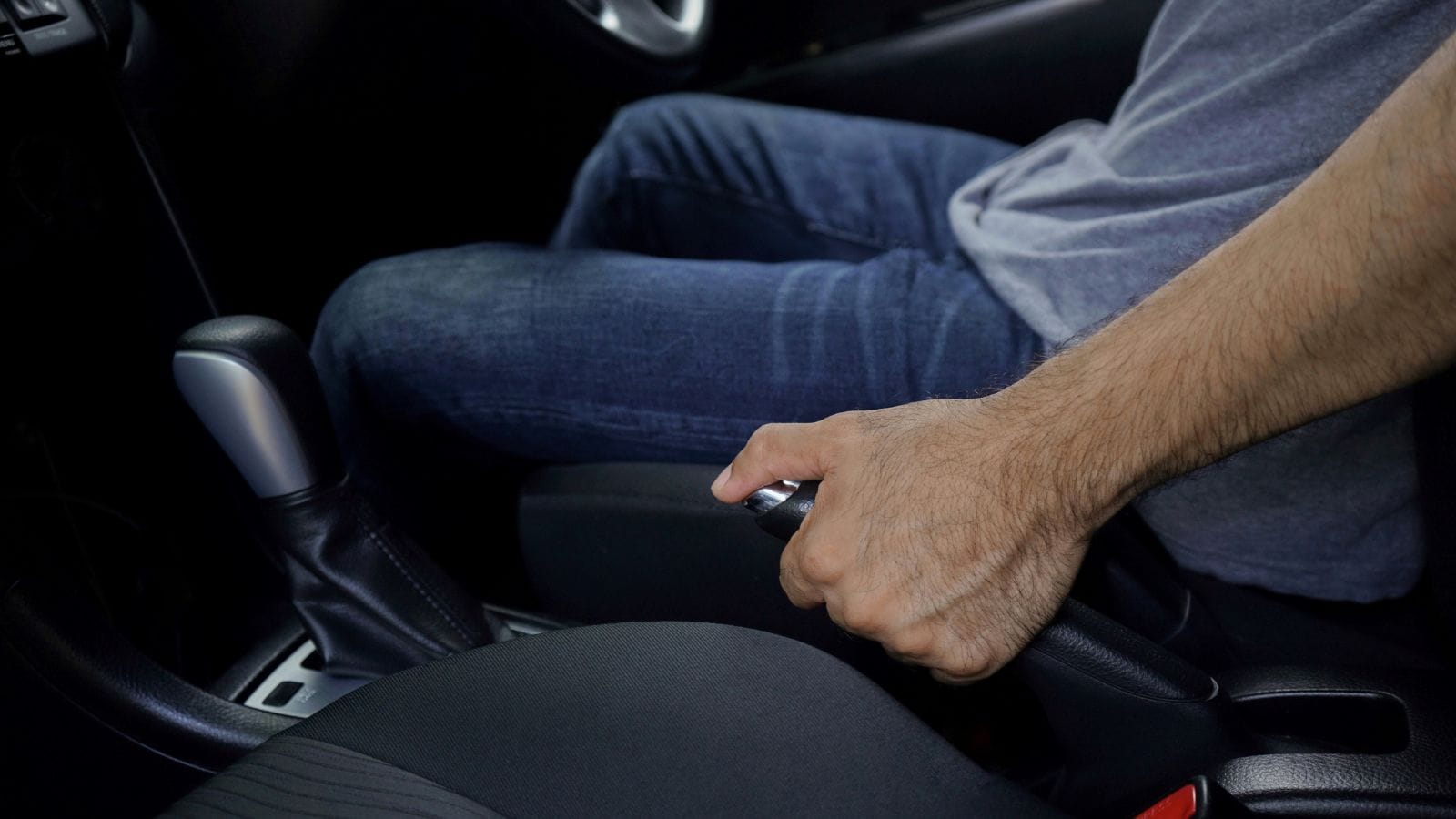
A lot of drivers stopped doing this once automatics became common. But nothing changed inside the transmission. When a car parks on a hill without the handbrake, a tiny metal pawl holds the weight of the whole vehicle. Over years of parking, that stress damages the transmission. Using the handbrake shares the load and protects internal components. It is one of the easiest habits to bring back and one of the most valuable long term.
Turning Off Accessories Before Shutting the Engine Off Protects Electronics
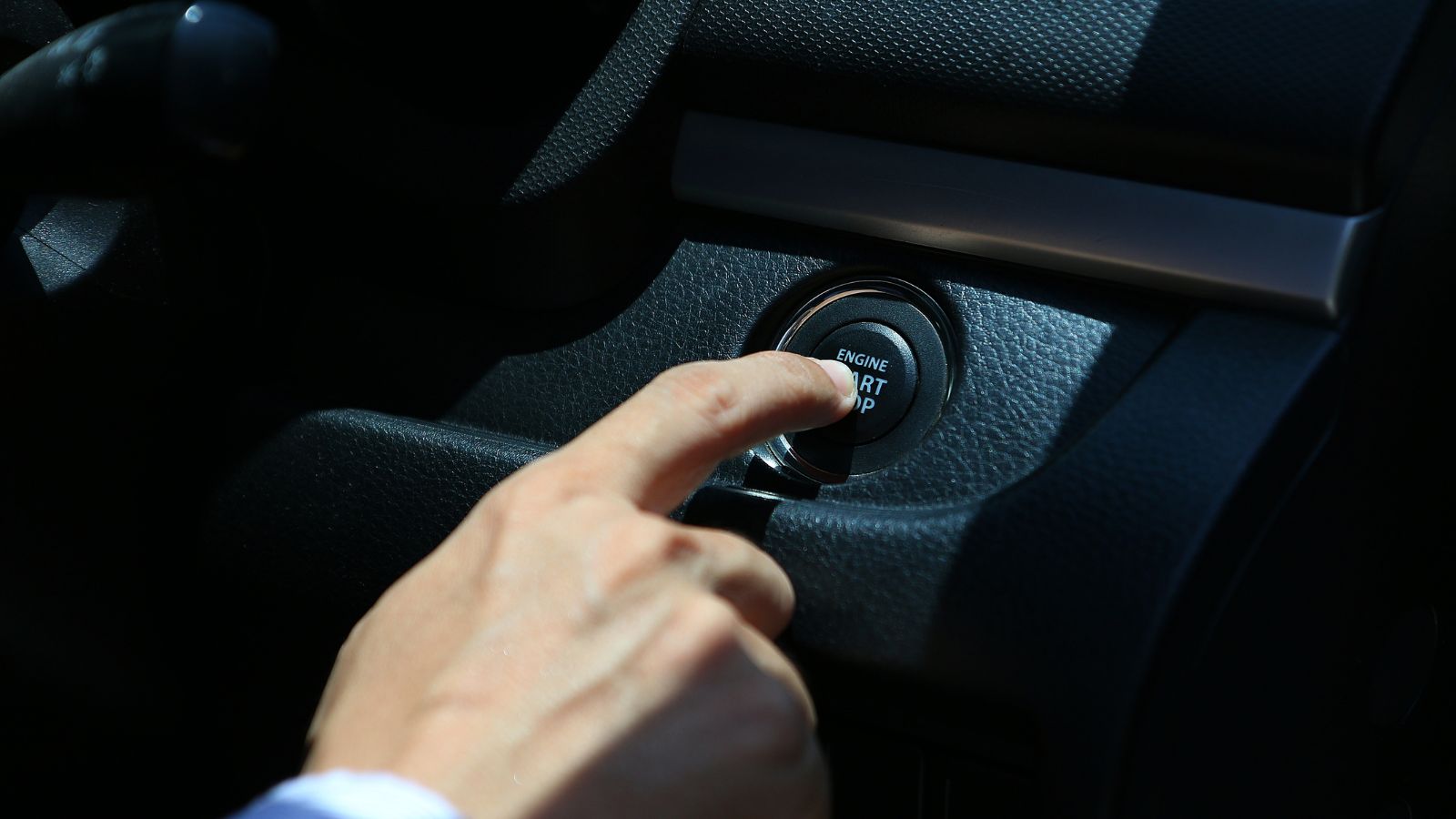
Old mechanics did this because early alternators could not handle sudden electrical demand changes. Modern alternators are stronger, but electronics are far more sensitive. Starting the engine with heaters, defrosters, lights and audio already running pulls maximum power instantly and weakens electrical systems over time. Shutting accessories off before turning the car off and switching them on after starting makes ignition smoother and easier on the battery and alternator, especially in freezing weather.
Cheap Maintenance Is Always More Expensive Later
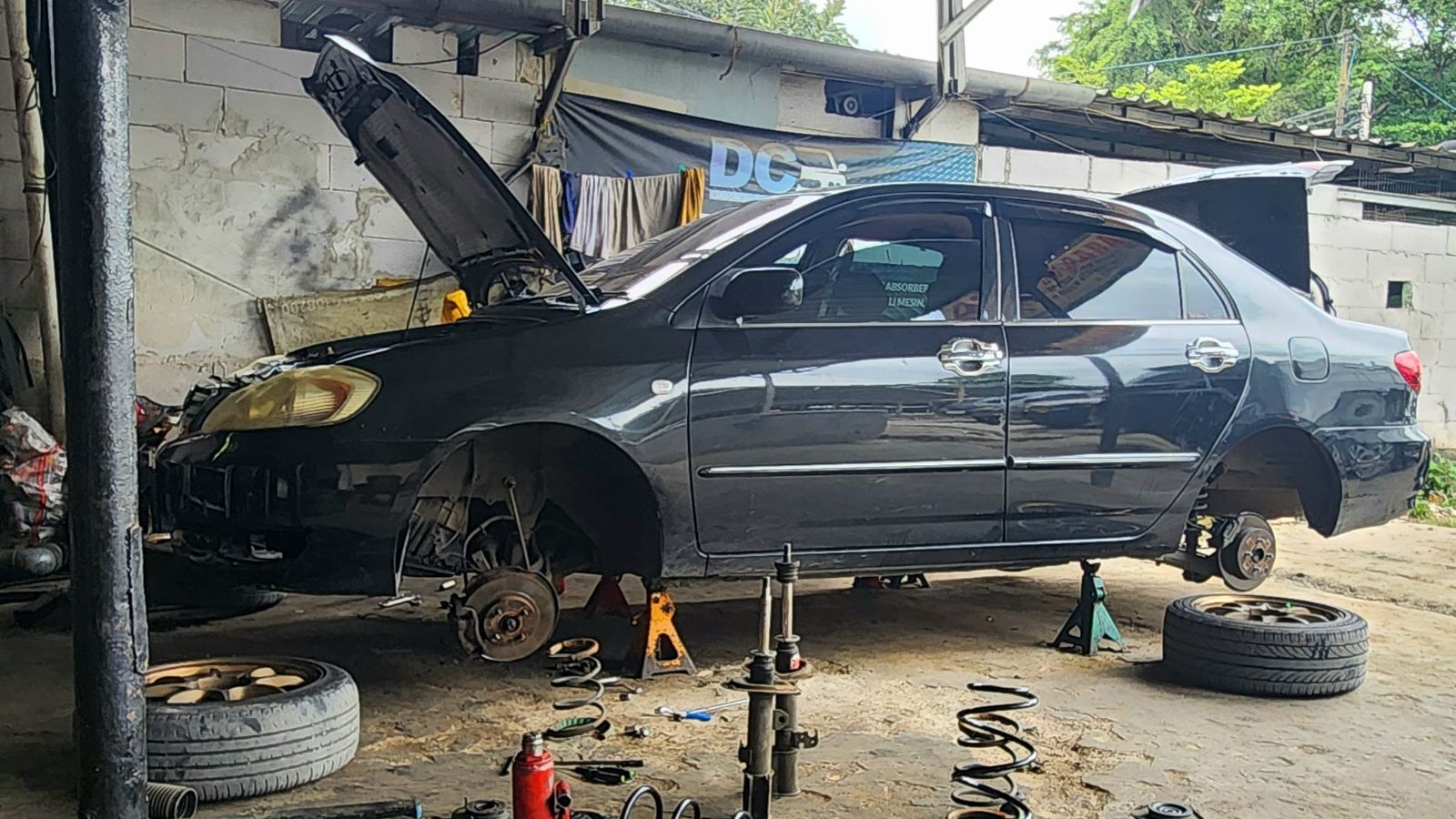
Everyone has heard someone brag about saving a few dollars by stretching oil changes, buying bargain pads or skipping fluid service altogether. The result is always the same. Problems surface after warranties expire, resale value collapses and small savings turn into huge repairs. The reason older drivers repeated this warning so passionately is because they learned it the expensive way. Prevention is always cheaper than correction.
What These Myths Prove
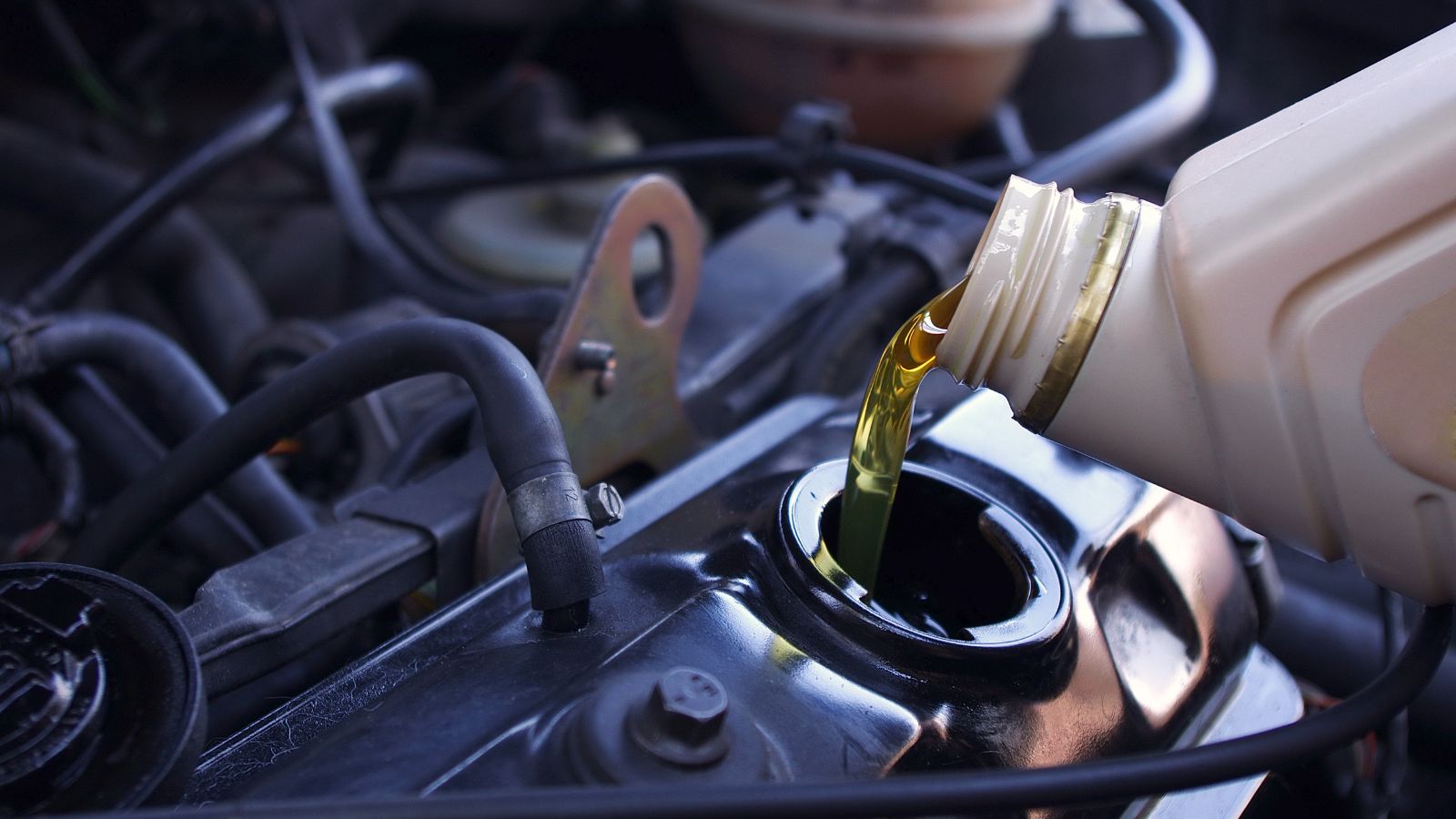
The old advice was not superstition. It was collected wisdom from decades of real-world driving. Cars today may be quieter, more insulated and full of automation, but the mechanics underneath are still subject to heat, friction, wear and stress. Tech can warn you when something is already wrong, but old school driving habits prevent the damage from happening in the first place.
25 Facts About Car Loans That Most Drivers Don’t Realize

Car loans are one of the most common ways people fund car purchases. Like any other kind of loan, car loans can have certain features that can be regarded as an advantage or a disadvantage to the borrower. Understanding all essential facts about car loans and how they work to ensure that you get the best deal for your financial situation is essential. Here are 25 shocking facts about car loans that most drivers don’t realize:
25 Facts About Car Loans That Most Drivers Don’t Realize
