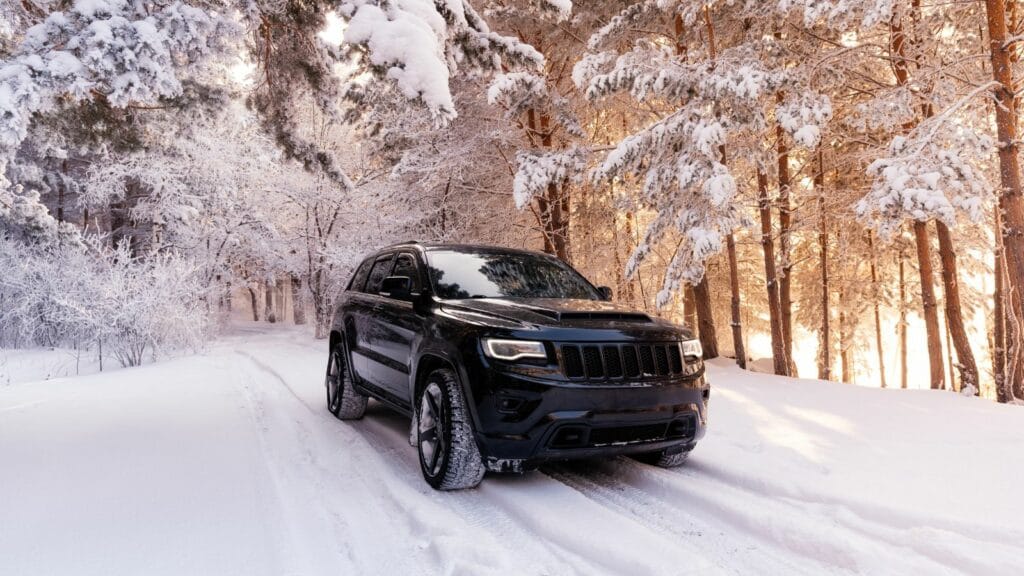
Automatic transmissions are tougher than ever, but they are not indestructible. In fact, many failures happen because drivers unknowingly abuse them during everyday driving. A transmission is full of delicate clutches, valves and fluid passages that depend on smooth, consistent operation. Treat it poorly, and it will let you know with grinding shifts, slipping gears or a repair bill that could buy a used car. Here are ten ways drivers accidentally destroy their automatic transmissions without realizing it.
Shifting Into Drive While Still Rolling Backward

This is one of the quickest ways to shorten a transmission’s life. Many drivers roll backward in a parking lot, then throw the lever into Drive before the vehicle fully stops. That abrupt change forces internal components to fight against the momentum of the car. Over time it damages clutches and wears down gear surfaces. Always come to a complete stop before selecting Drive or Reverse. It adds two seconds to your day but saves thousands later.
Flooring It Before the Transmission Fully Engages
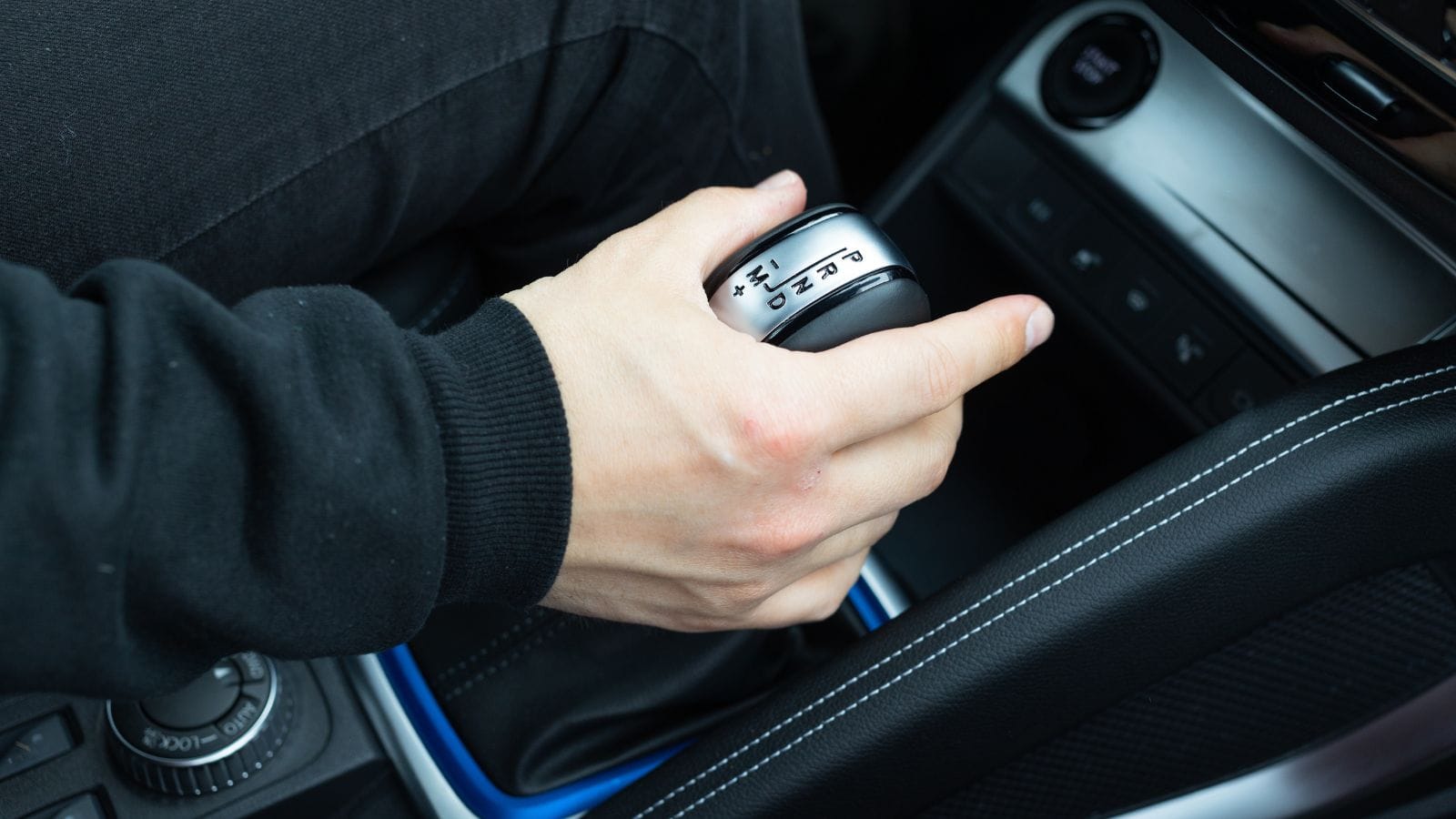
Impatient drivers often tap the gas the moment they shift into Drive. But automatic transmissions need a moment to engage the correct gear. Flooring the throttle too early causes the clutches to slam together under high load, wearing them prematurely. If the gear feels slow to engage, that is your sign to pause, not stomp harder. A calm start keeps the transmission alive.
Ignoring Transmission Fluid Changes
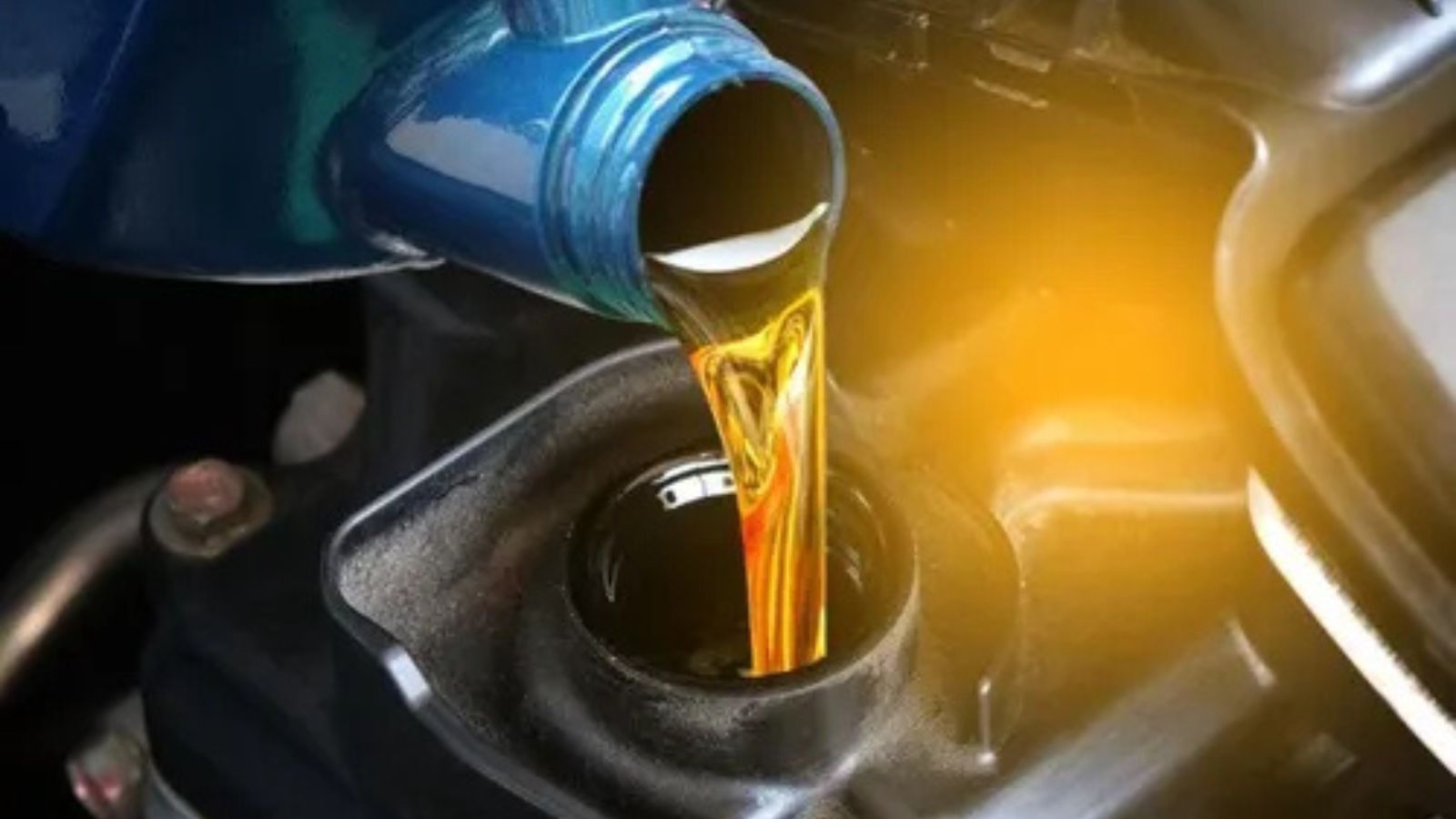
Many cars claim to have “lifetime” transmission fluid, which is a nice marketing term but not great for long term health. Transmission fluid degrades from heat, towing, stop and go traffic and harsh Canadian or American winters. Old fluid loses lubrication, overheats easier and allows internal wear to accelerate. Replacing it at proper intervals is one of the cheapest ways to protect your transmission.
Towing More Than the Vehicle Was Designed For
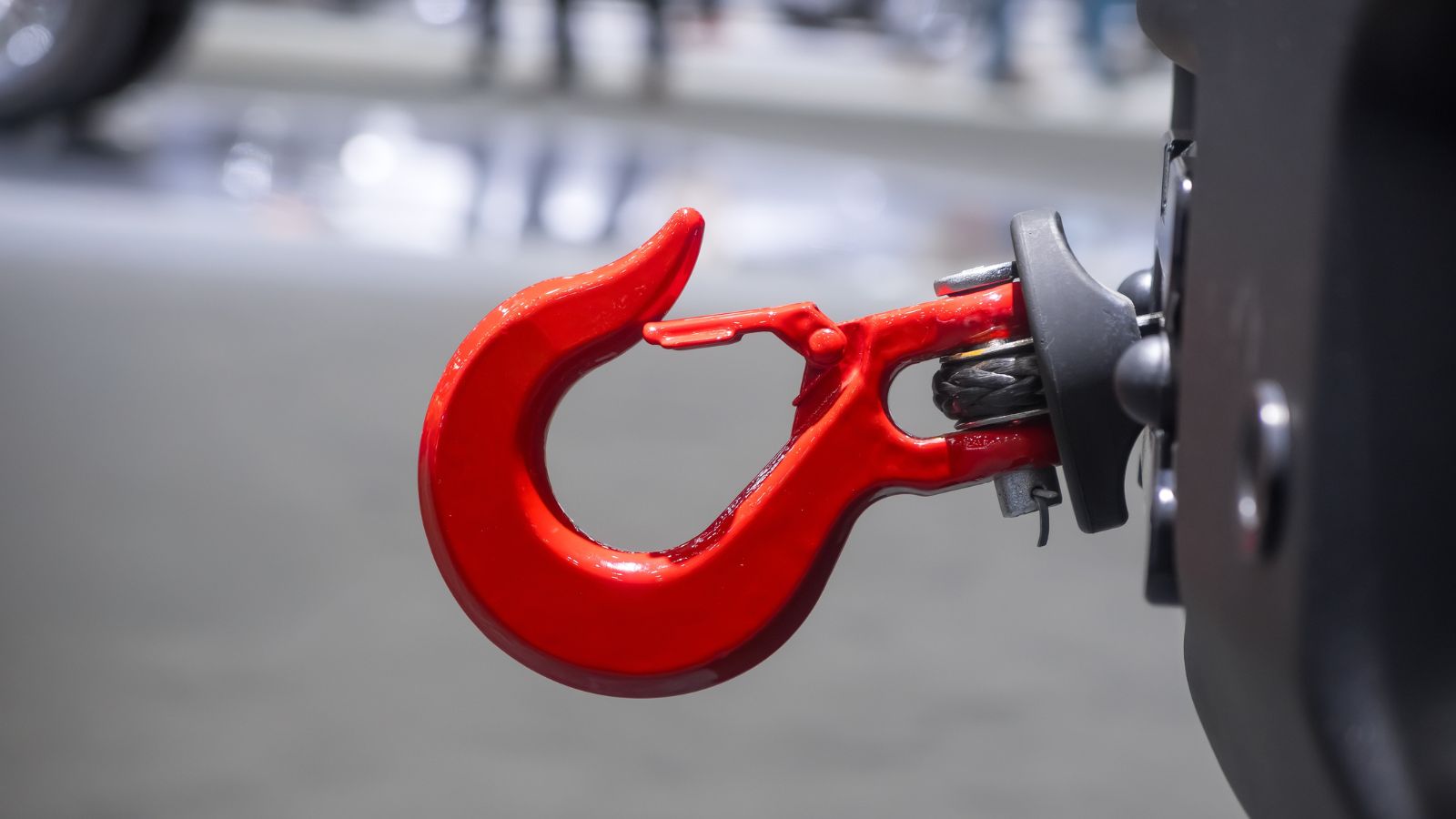
Exceeding tow ratings cooks transmissions faster than almost anything else. The extra strain overheats the fluid and causes internal clutches to glaze or burn. Even small trailers can be dangerous for vehicles not designed to pull them. If you tow regularly, using a transmission cooler dramatically improves lifespan. If you tow beyond the rating, you are gambling with expensive internal parts.
Riding the Brakes on Long Descents
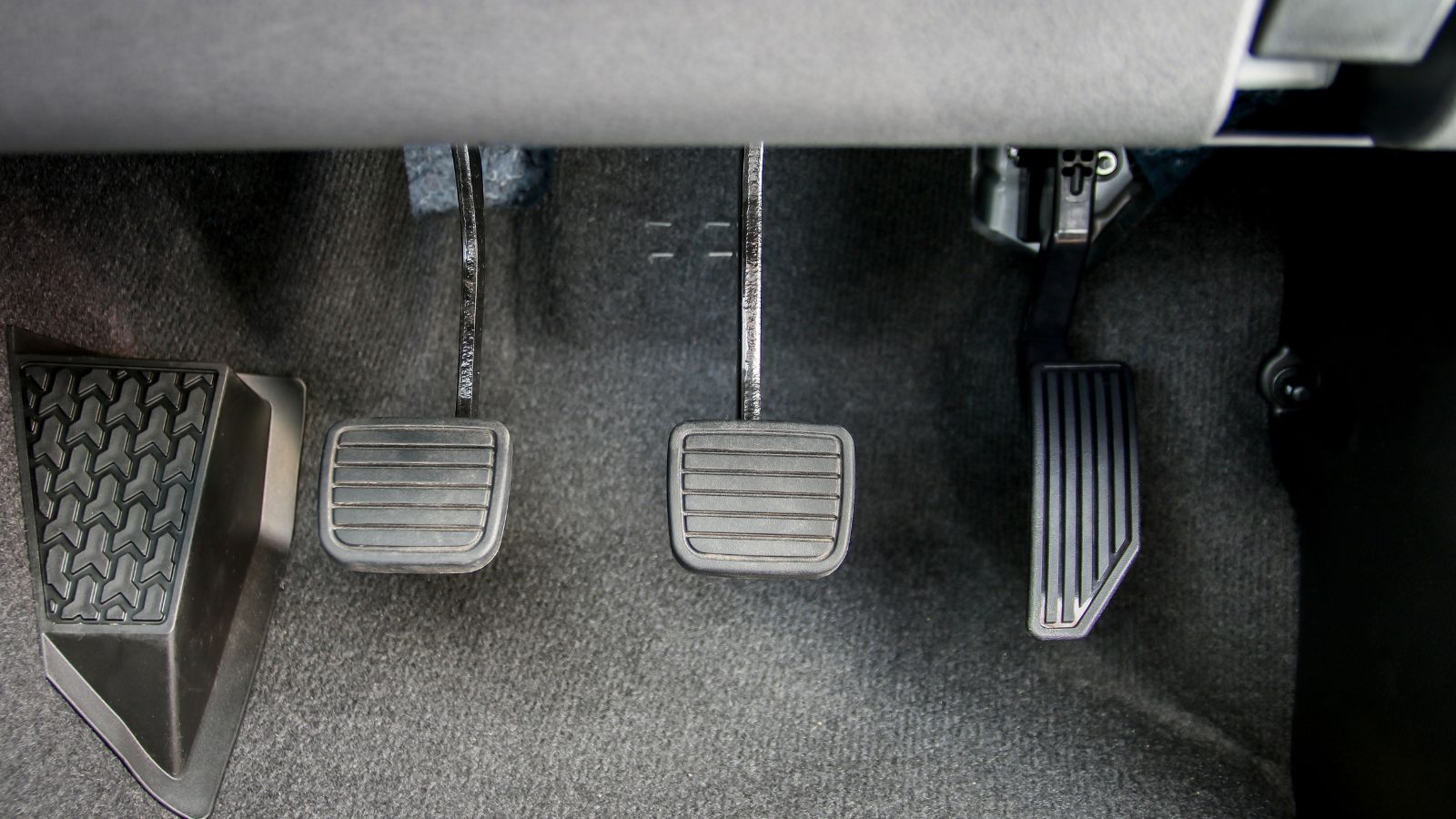
On long downhill stretches, many drivers rest their foot on the brake instead of downshifting. This causes the transmission to constantly hunt between gears and builds unnecessary heat. Automatic transmissions prefer steady engine braking. Using manual mode or selecting a lower gear helps hold speed naturally. It reduces stress on both the transmission and the brakes.
Launching Hard at Every Green Light
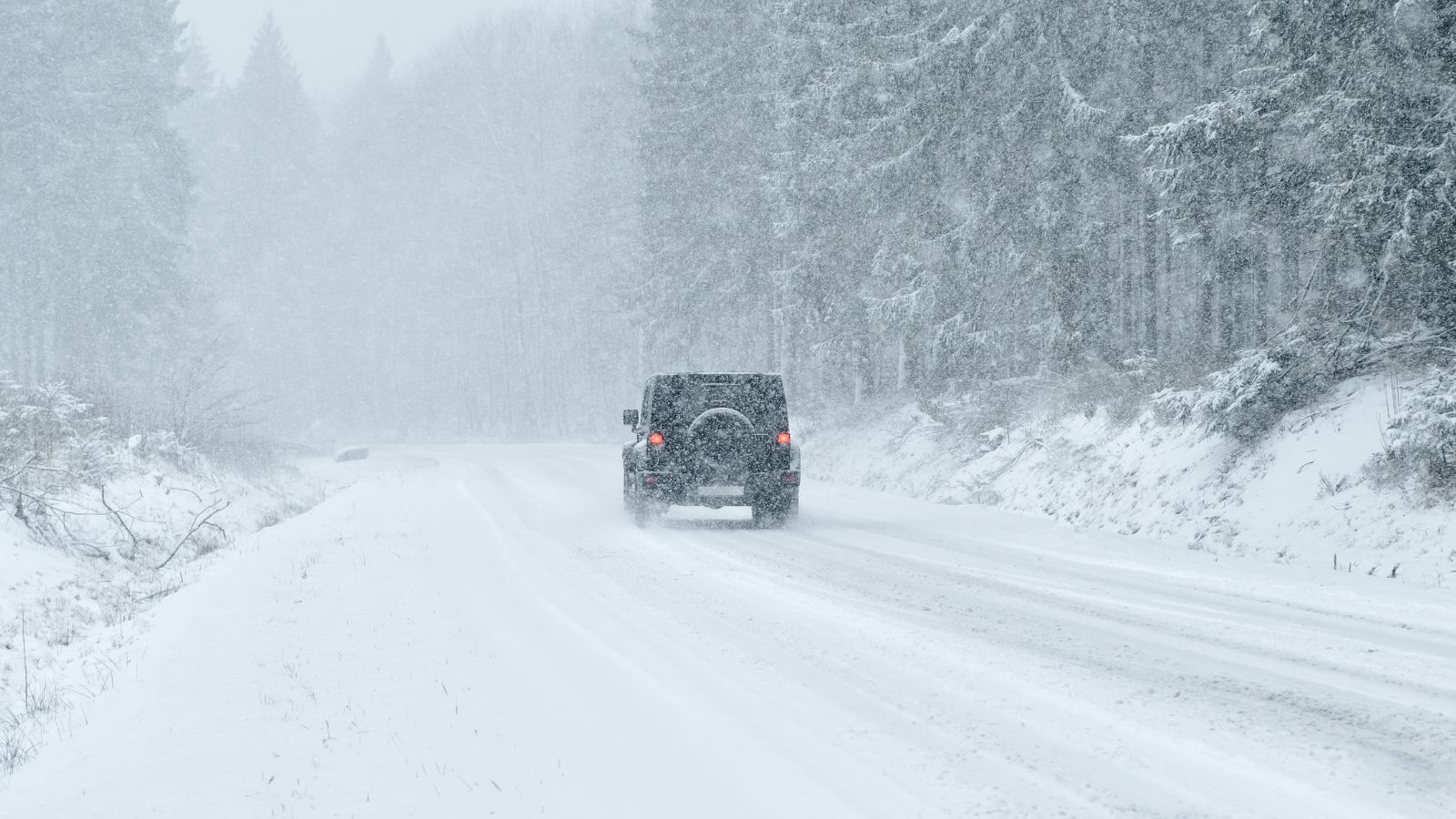
Modern automatics can handle brisk acceleration, but full throttle launches every day wear down internal components. Hard starts produce extra heat and force quicker clutch engagements. Combined with worn tires or slick winter roads, the transmission will slip more often, shortening its lifespan. Save the race car moves for controlled environments. Smooth acceleration is the healthiest approach.
Shifting Into Park Before the Car Fully Stops
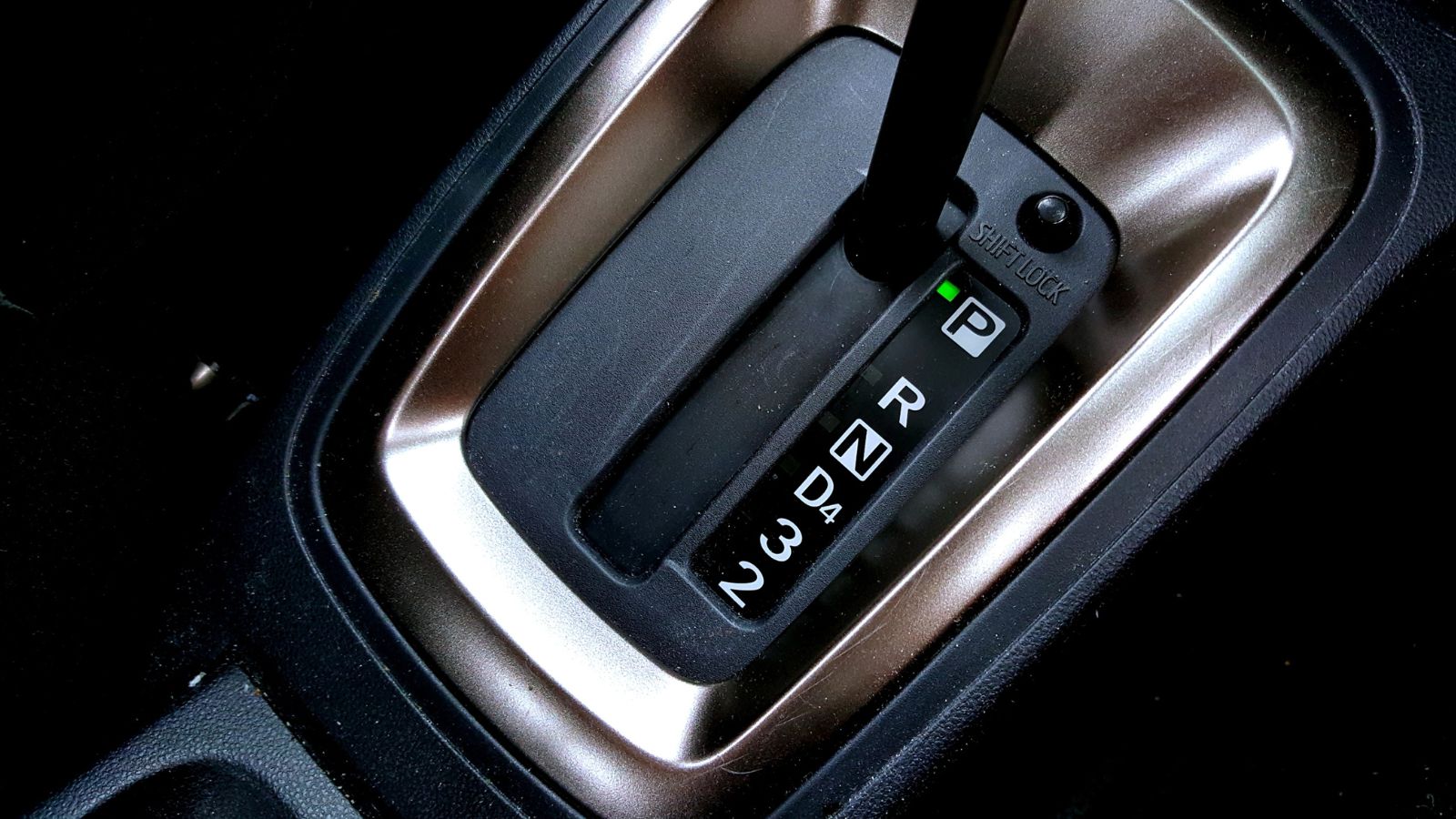
Many drivers throw the vehicle into Park while it is still creeping forward. That move forces the parking pawl, a small metal piece inside the transmission, to absorb the vehicle’s momentum. The pawl can bend or snap, leading to expensive repairs. Always let the vehicle settle to a complete stop before engaging Park. That tiny habit makes a big difference.
Driving With the Transmission Low on Fluid
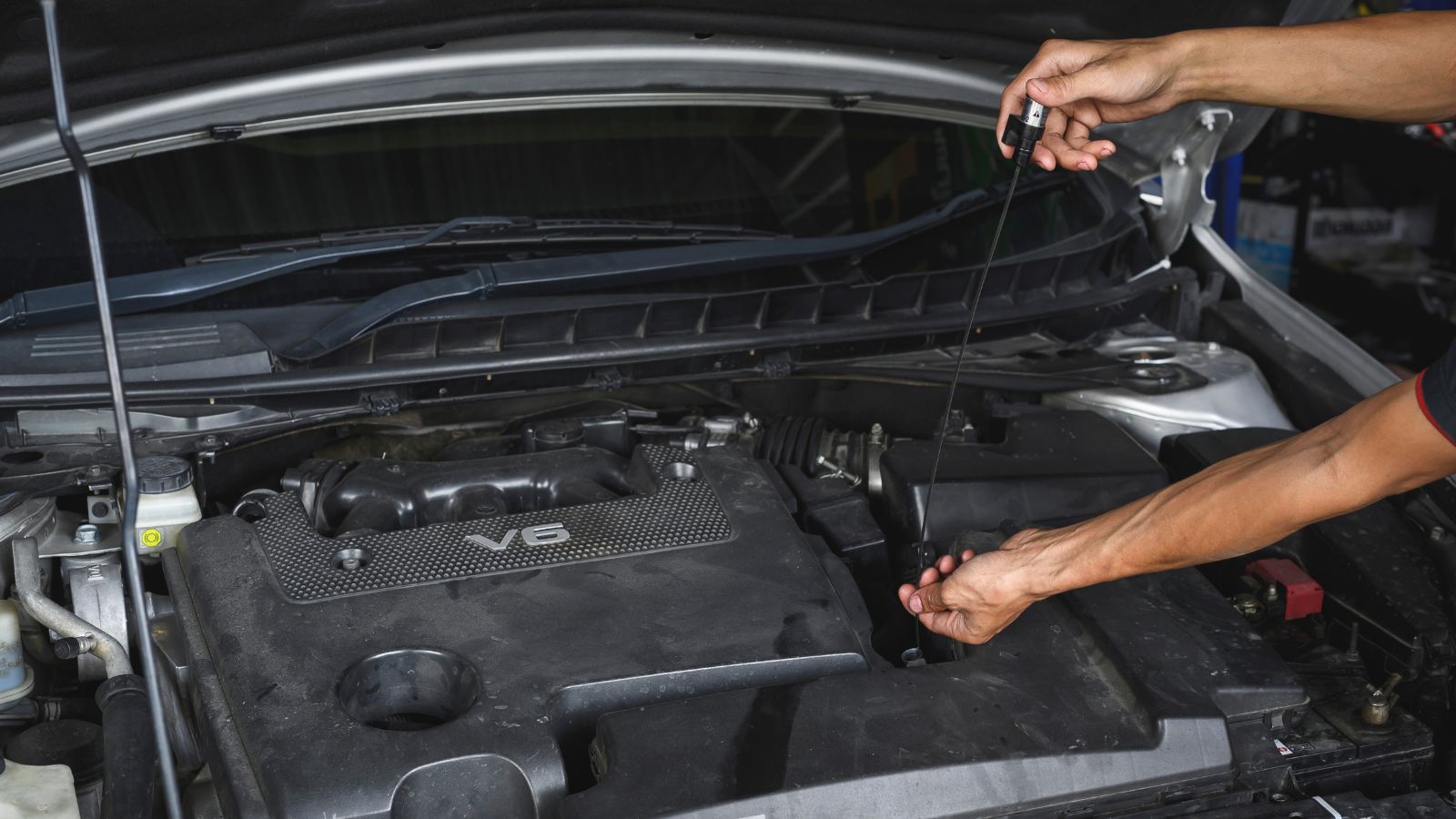
A small leak is all it takes to put the transmission at risk. Low fluid reduces hydraulic pressure, increases friction and leads to hard shifting or slipping. Many drivers never check transmission levels because modern vehicles hide the dipstick or eliminate it altogether. If you notice delayed engagement, clunks or slipping, get the fluid checked immediately. Transmission repairs are far more expensive than a simple top up.
Ignoring Warning Signs
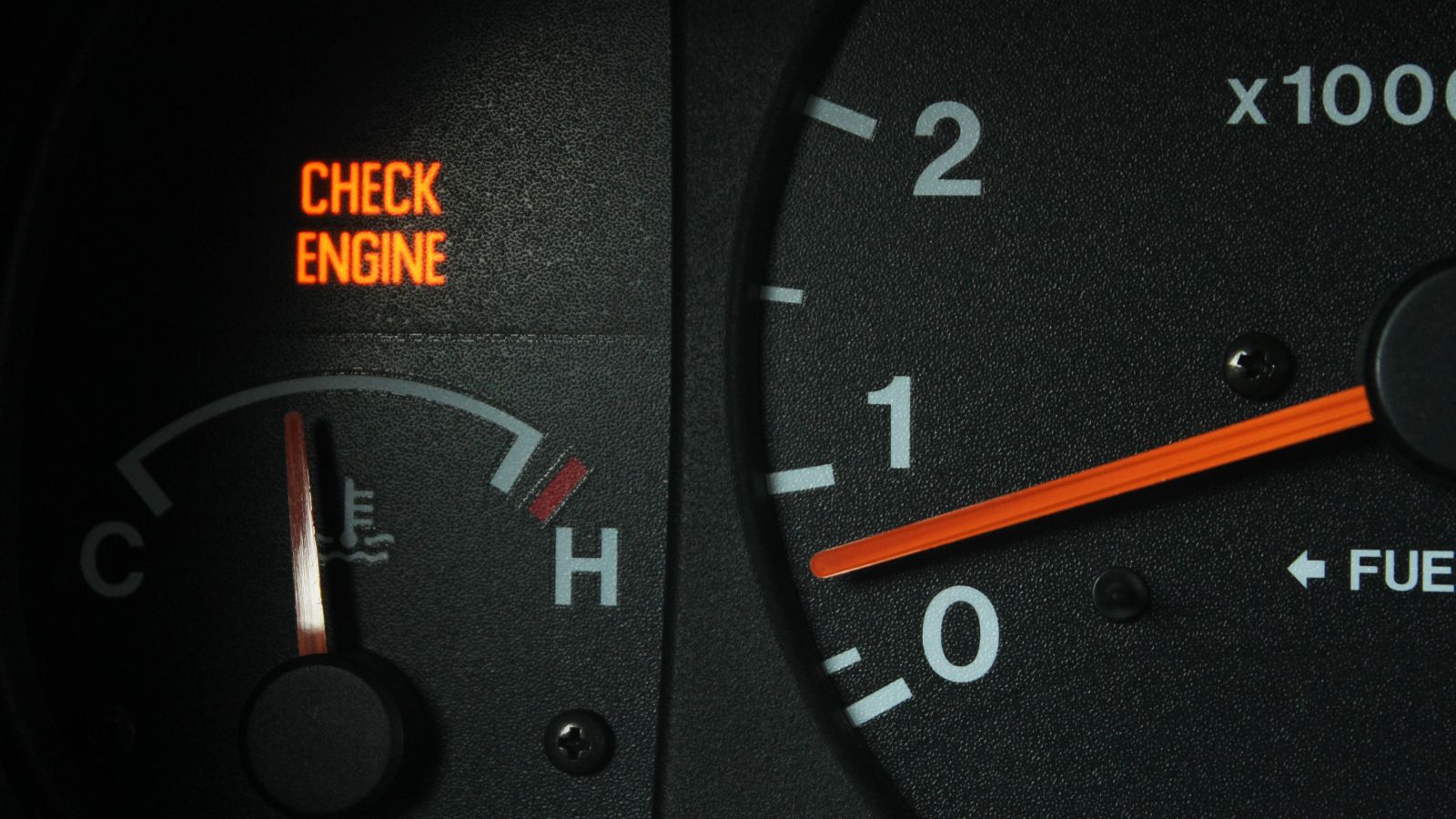
A slipping gear, a delayed shift or a slight shudder under acceleration are all early signs that something is wrong. Many drivers hope the problem will just disappear, but transmissions rarely fix themselves. Once slipping begins, internal damage accelerates quickly. Addressing issues early often prevents a total failure.
Using the Wrong Transmission Fluid
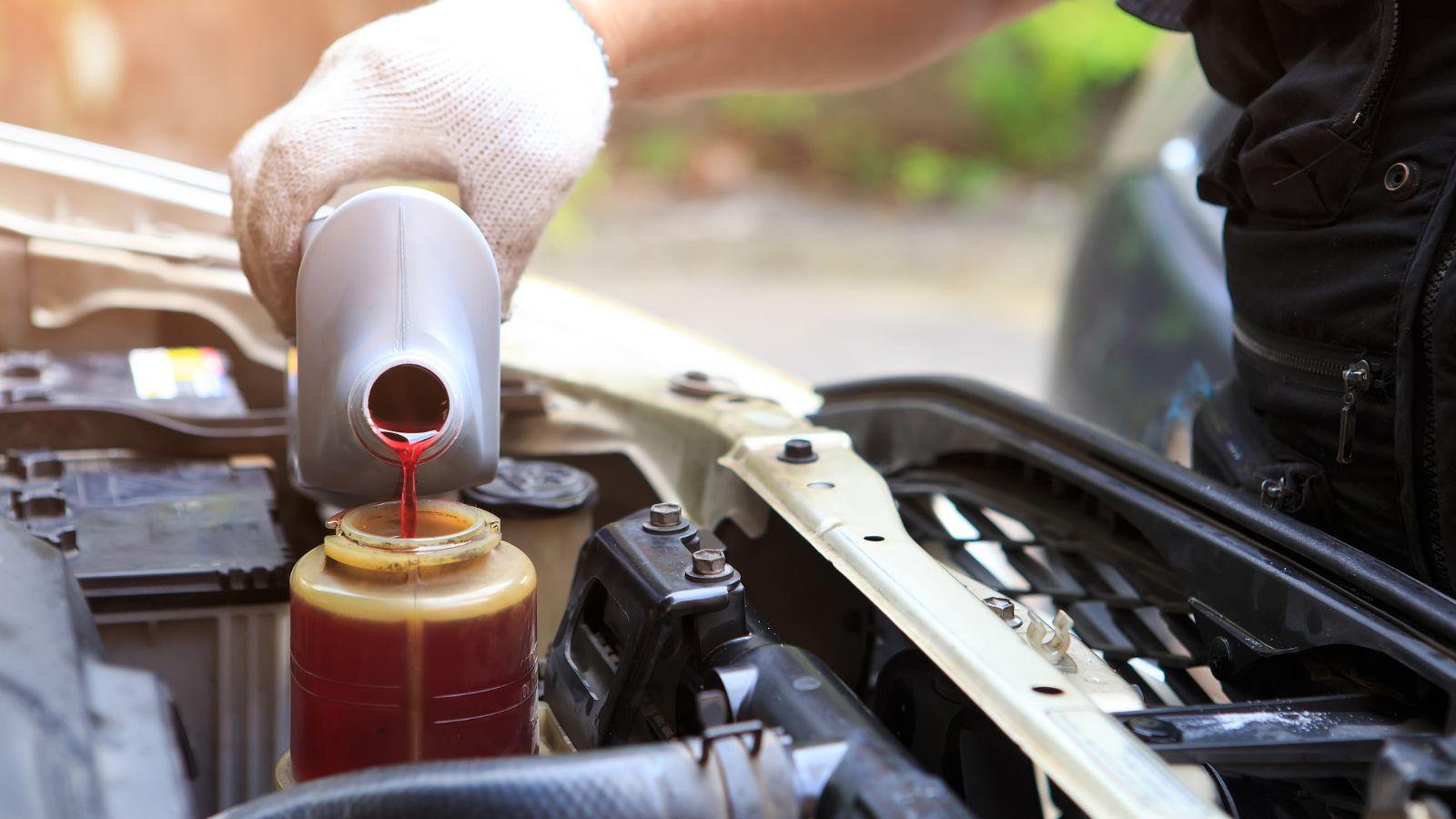
Every automatic transmission is designed to work with specific fluid characteristics. Using the wrong fluid can cause harsh shifting, overheating and long term damage. Some aftermarket fluids claim to work for everything, but manufacturers engineer precise formulations for good reason. Always use the correct fluid type, especially with modern continuously variable transmissions and dual clutch boxes.
Treat Your Transmission Well, and It Will Last
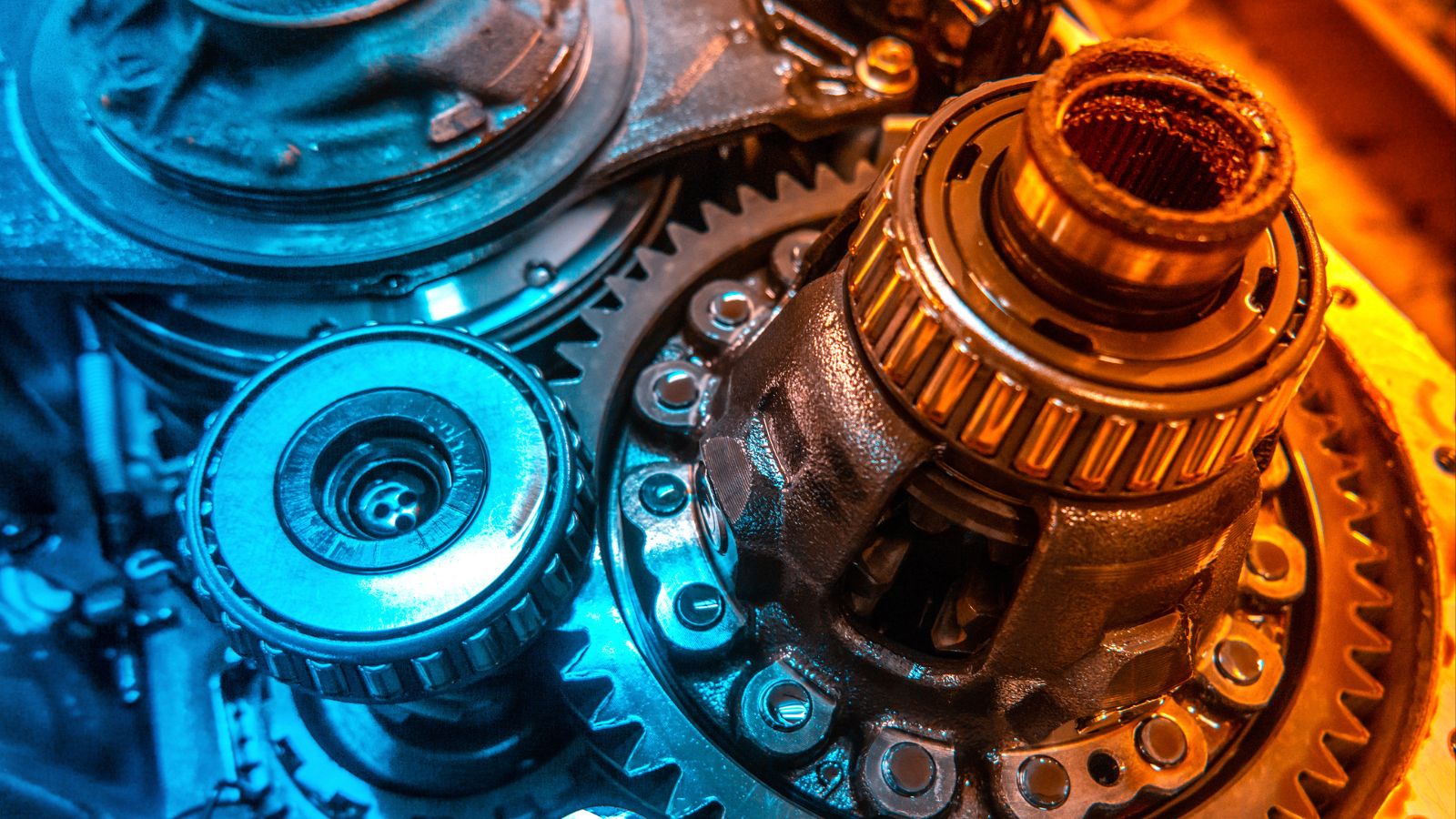
Automatic transmissions can last hundreds of thousands of miles if treated properly. Most failures come from heat, abuse or a lack of maintenance. Smooth driving, proper service and avoiding bad habits will keep the transmission operating quietly in the background instead of landing you with a repair bill that ruins your month.
25 Facts About Car Loans That Most Drivers Don’t Realize

Car loans are one of the most common ways people fund car purchases. Like any other kind of loan, car loans can have certain features that can be regarded as an advantage or a disadvantage to the borrower. Understanding all essential facts about car loans and how they work to ensure that you get the best deal for your financial situation is essential. Here are 25 shocking facts about car loans that most drivers don’t realize:
25 Facts About Car Loans That Most Drivers Don’t Realize
