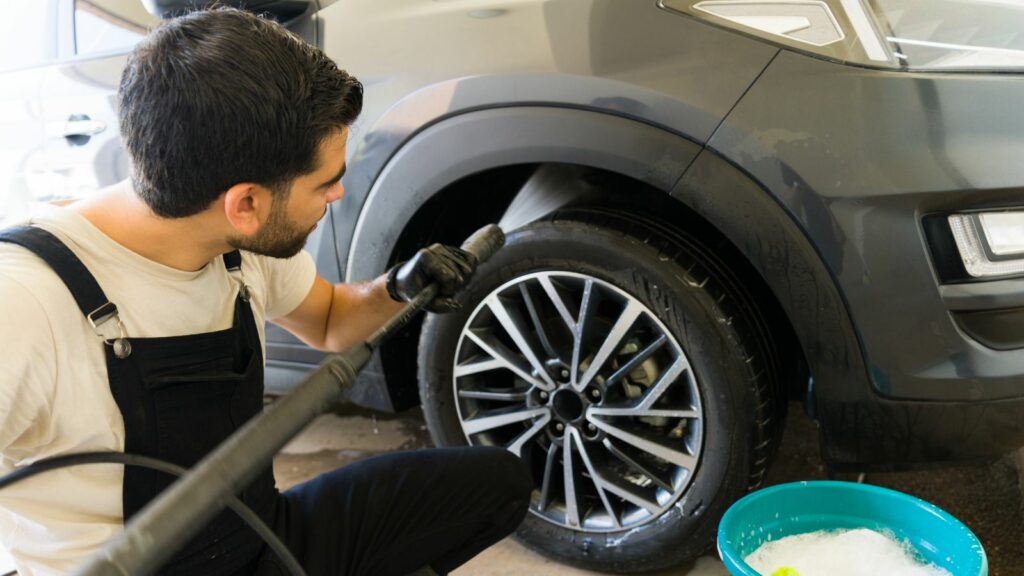
Professional detailers have a reputation for turning even tired cars into showroom pieces. They are not relying on miracle products or secret potions. They simply follow methods that protect the finish, preserve interior materials and prevent damage before it starts. Most drivers wash their cars with good intentions but overlook the techniques that make the biggest difference. These eight expanded detailing secrets will help you keep your vehicle looking pristine year round, whether you drive a daily commuter or a prized weekend toy.
Use the Two Bucket Wash Method
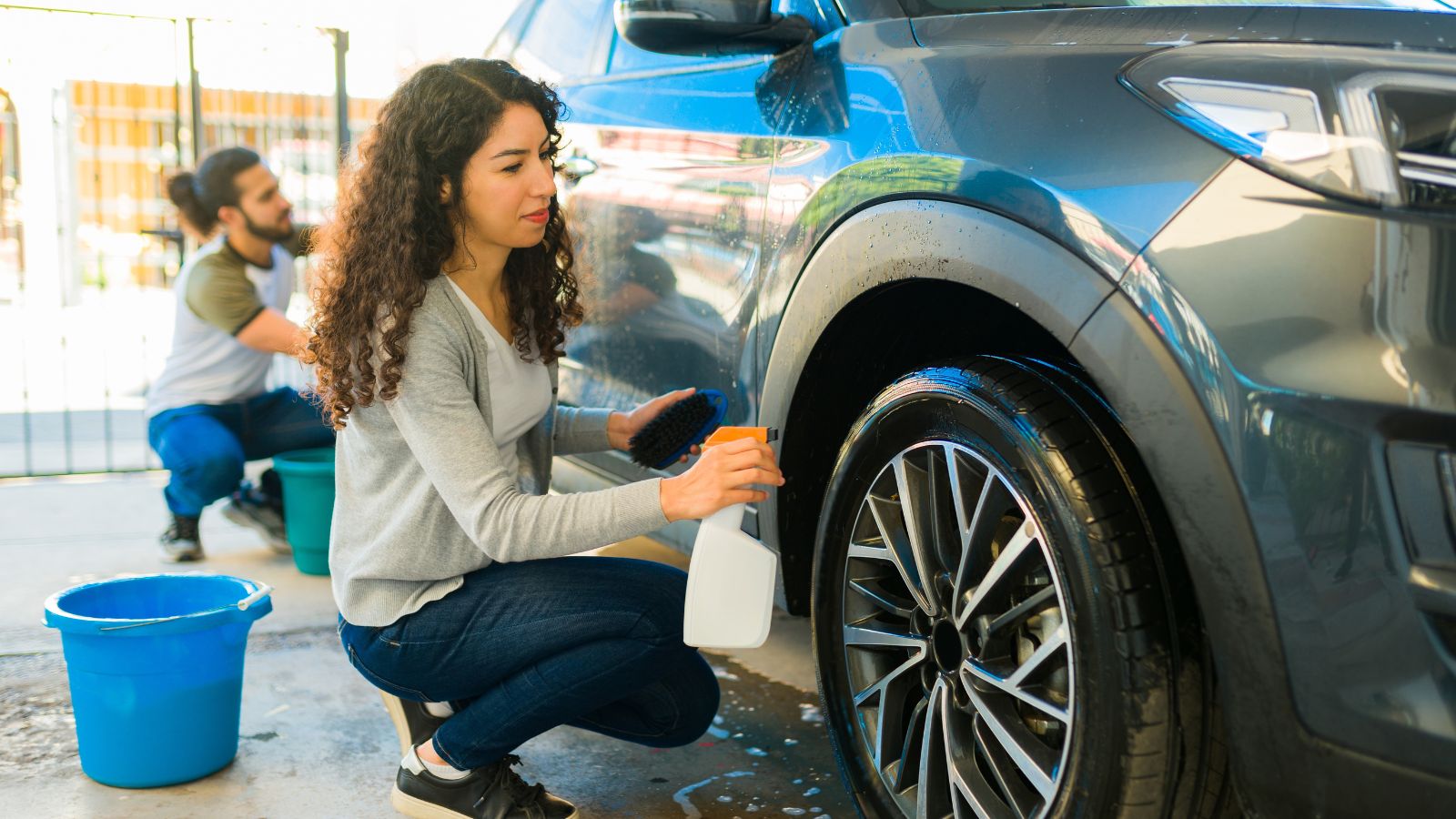
The two bucket wash is the foundation of every professional detail. One bucket holds clean soapy water. The other holds plain rinse water to clean your mitt after each panel. This stops grit from returning to the paint surface where it could scratch or create swirl marks. When you drag dirty water across the finish, tiny contaminants act like sandpaper. Detailers also use grit guards at the bottom of each bucket to trap particles out of reach. Once you try this method, you instantly notice how much smoother your paint stays between washes.
Always Wash Top to Bottom
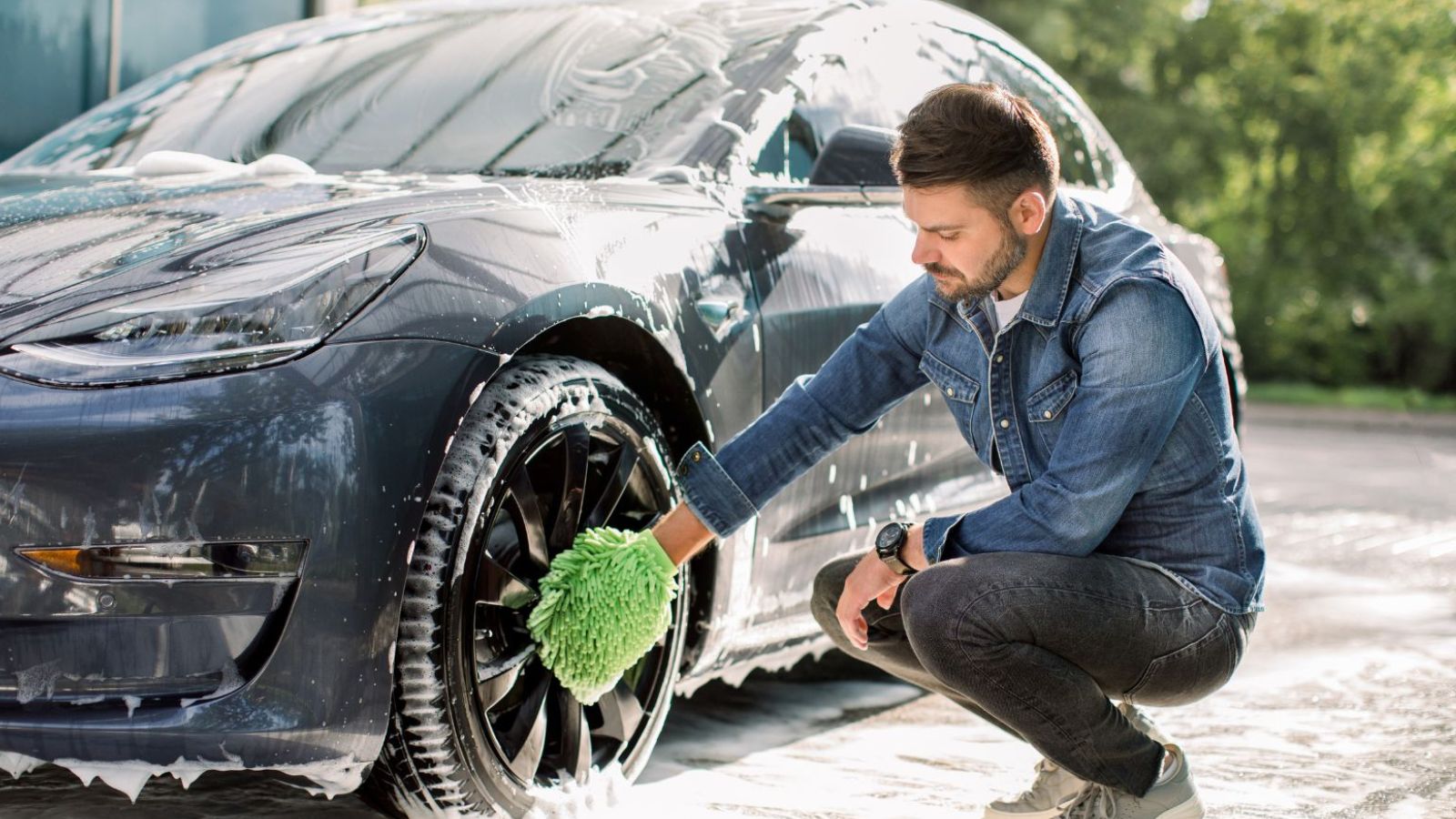
There is a reason detailers never start with the rocker panels. Dirt naturally builds near the lower parts of the vehicle where wheels throw debris and winter slush collects. Starting at the roof ensures your wash mitt stays cleaner for the early sections of the job. As you work your way down, the mitt encounters progressively dirtier areas, but by then you are rinsing more often. This approach minimizes scratching, makes soap stretch further and ensures the final rinse reveals an even, clean finish across the entire vehicle.
Clay the Paint Twice a Year
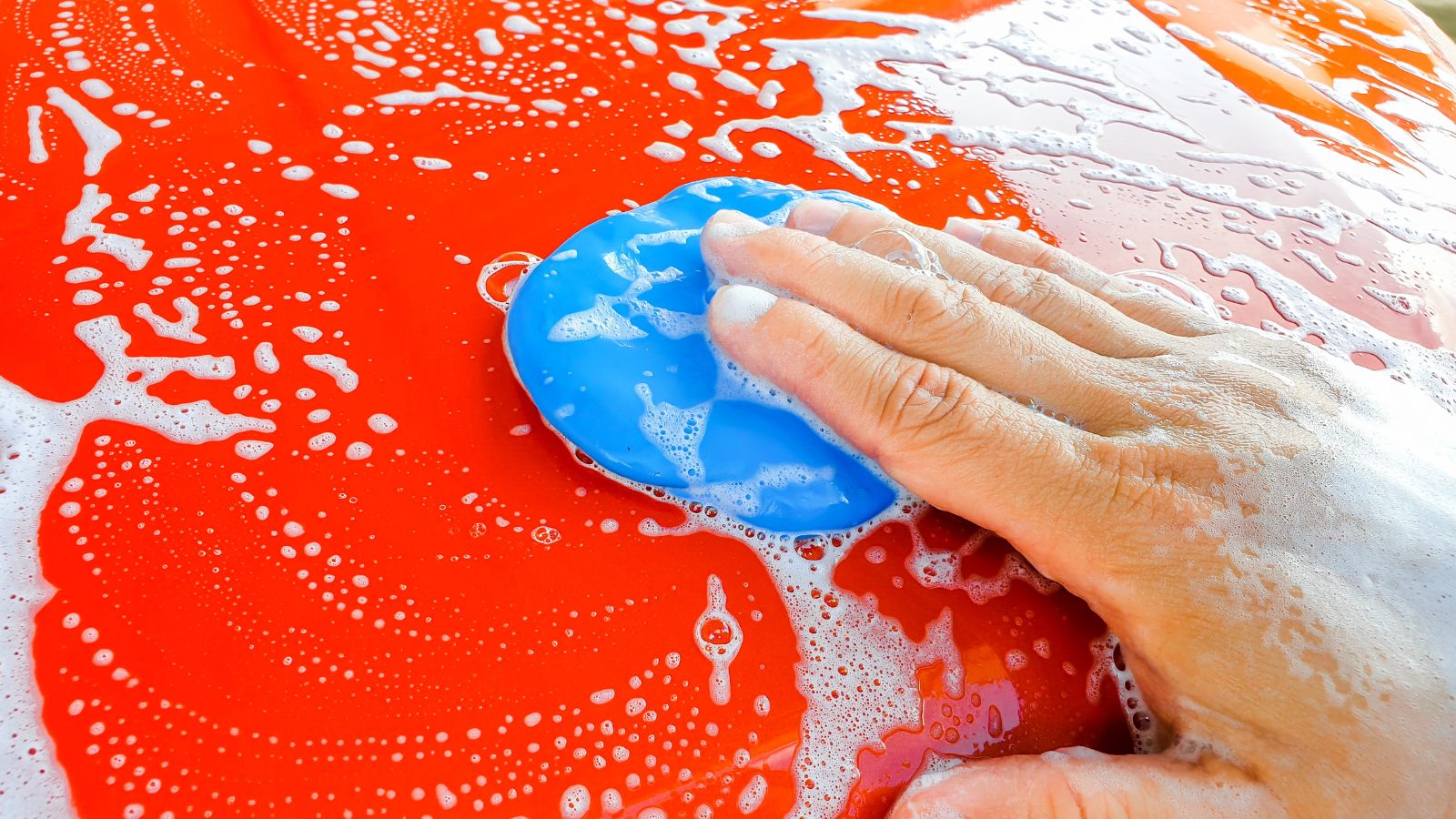
Claying is one of the most underrated detailing steps. Washing removes surface dirt, but it does nothing for embedded contaminants such as tar, brake dust and industrial fallout. Clay bars physically lift those particles from the clearcoat, leaving the paint perfectly smooth and ready for protection. You know your car needs claying when the paint feels rough even after washing. Doing this twice a year, ideally before winter and after it, keeps the surface in peak condition and enhances the effectiveness of any sealant or ceramic coating you apply afterward.
Apply a Quality Sealant Instead of Old Style Wax
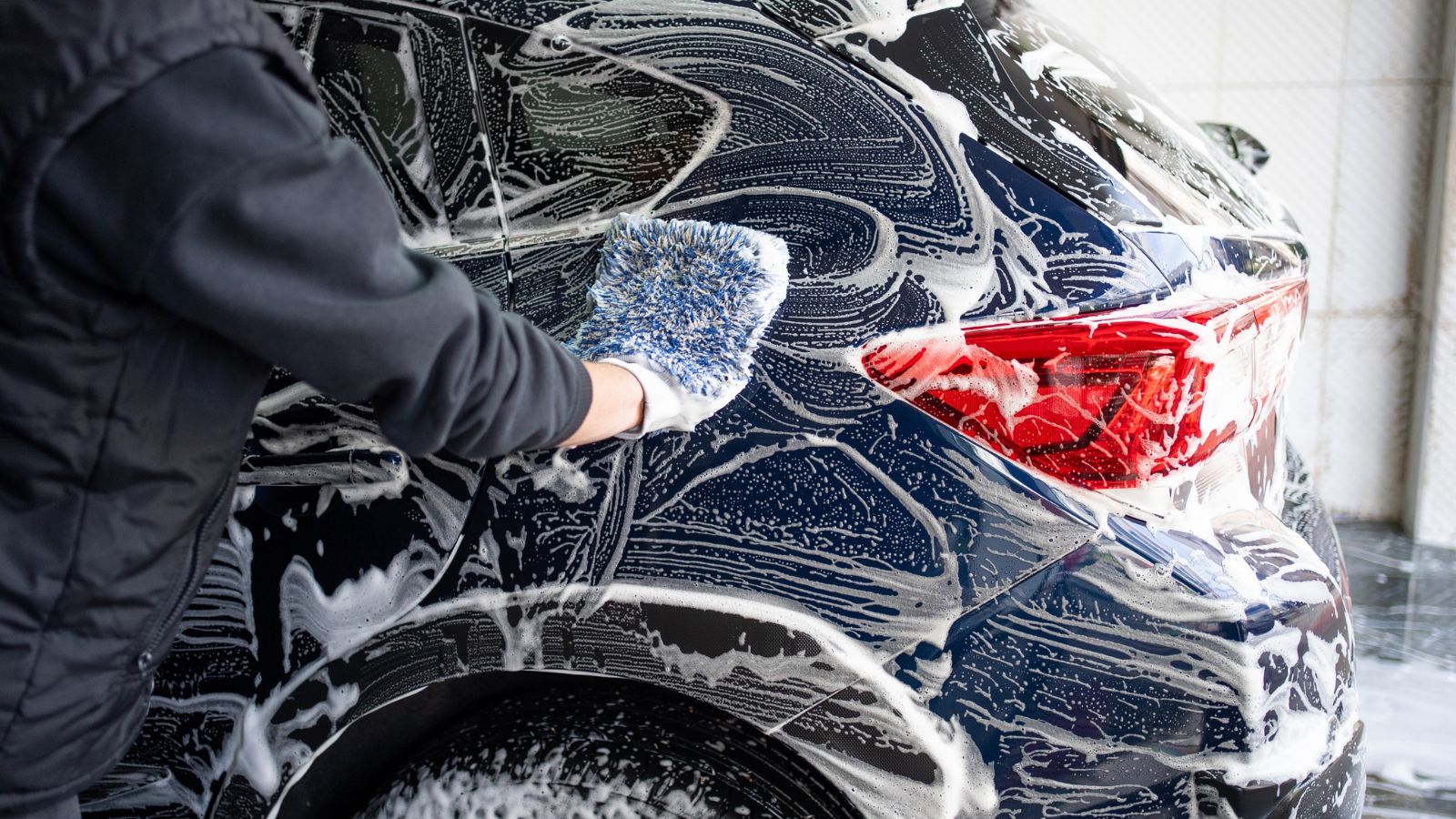
Traditional wax looks great, but it does not last. Modern synthetic sealants bond more effectively with the paint, create a durable shield against UV rays and offer months of protection with minimal upkeep. Detailers prefer sealants for their longevity, water behavior and crisp reflective finish. They also work better in harsh climates where heat, salt or road grime can break down natural wax quickly. Applying a sealant every few months keeps your paint protected while making each wash easier and faster because dirt does not cling as aggressively.
Clean Interior Plastics With a Soft Brush, Not Just Wipes

Interior wipes are convenient but often leave shiny residue that attracts dust. Detailers rely on soft brushes to agitate dirt out of vents, buttons and textured surfaces. Once loosened, debris is easily removed with a microfiber towel. This creates a natural looking interior instead of a greasy one. After cleaning, a light interior dressing restores color without leaving slippery surfaces. The brushing method reaches places wipes cannot, producing a crisp, factory fresh appearance that lasts longer.
Use Microfiber Towels Correctly
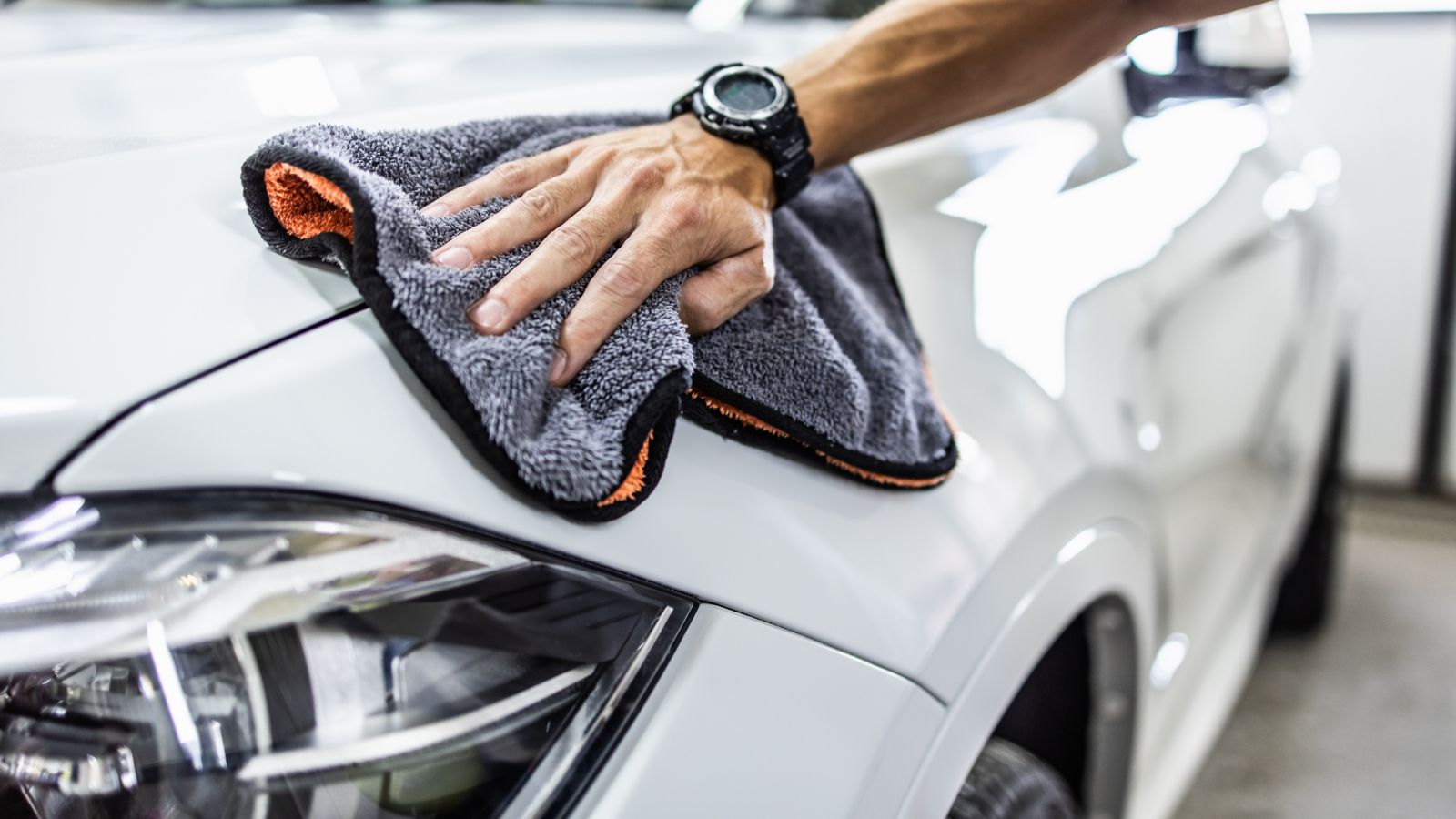
High quality microfiber towels are essential, but many drivers use them incorrectly. Folding them into quarters gives you eight clean surfaces per towel, allowing you to switch sides as they collect dirt. This prevents dragging contaminants across the paint. Always avoid fabric softener when washing microfiber because it clogs the fibers and reduces absorbency. Professionals separate towels by purpose to prevent cross contamination. Paint towels never touch wheels, and interior towels never touch dirty exterior panels. This simple discipline keeps your car swirl free.
Treat Tires and Trim With a Non Greasy Dressing
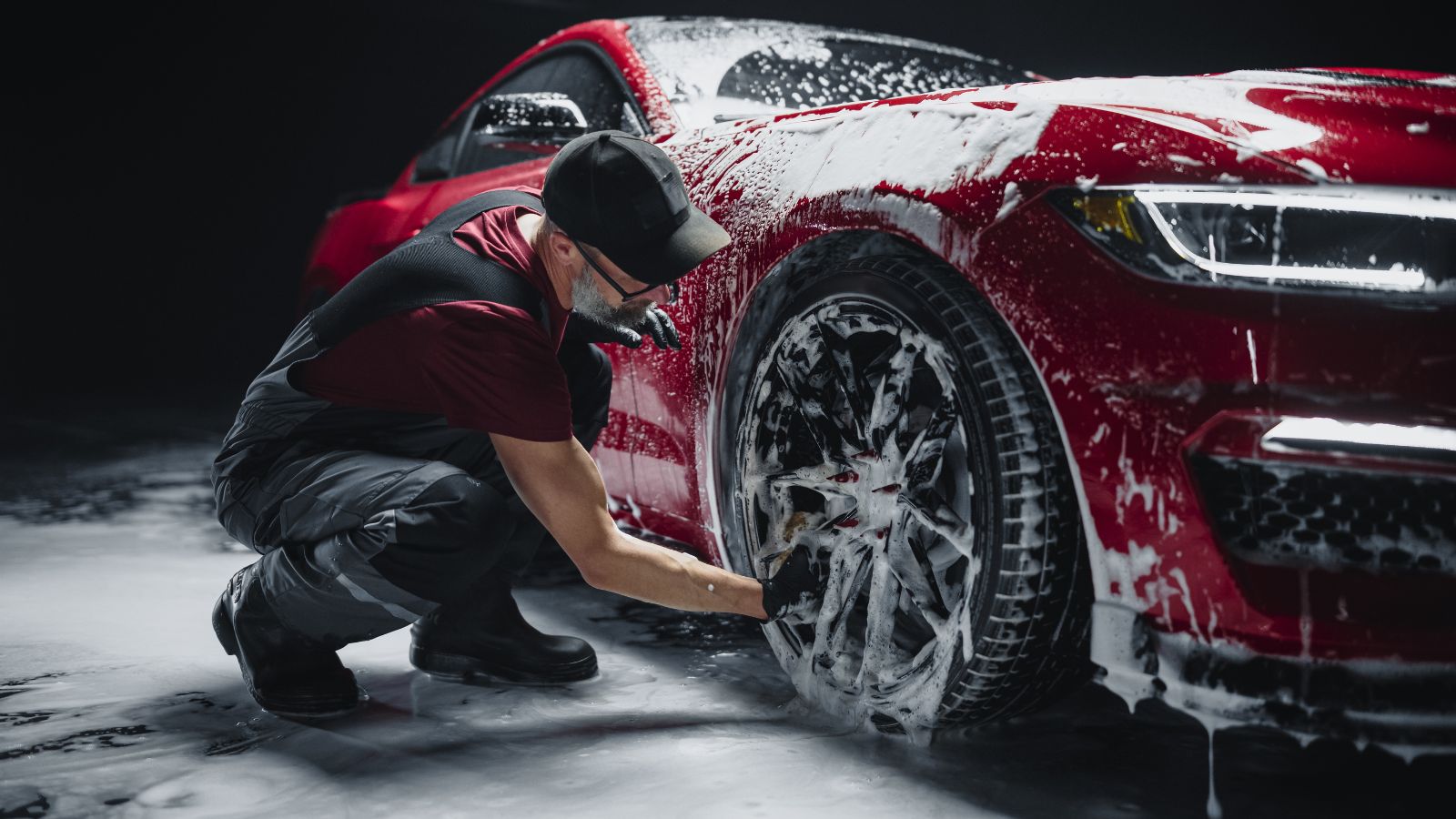
Cheap tire shines look good for ten minutes before slinging black residue all over your doors. Detailers avoid greasy, high gloss products and choose water based dressings that leave a clean satin finish. These products restore color to faded plastics and rubber without attracting dust or grime. They also enhance the overall look of your vehicle by giving the exterior a balanced, well cared for appearance. Proper trim care makes an older car look years younger.
Vacuum Before You Shampoo
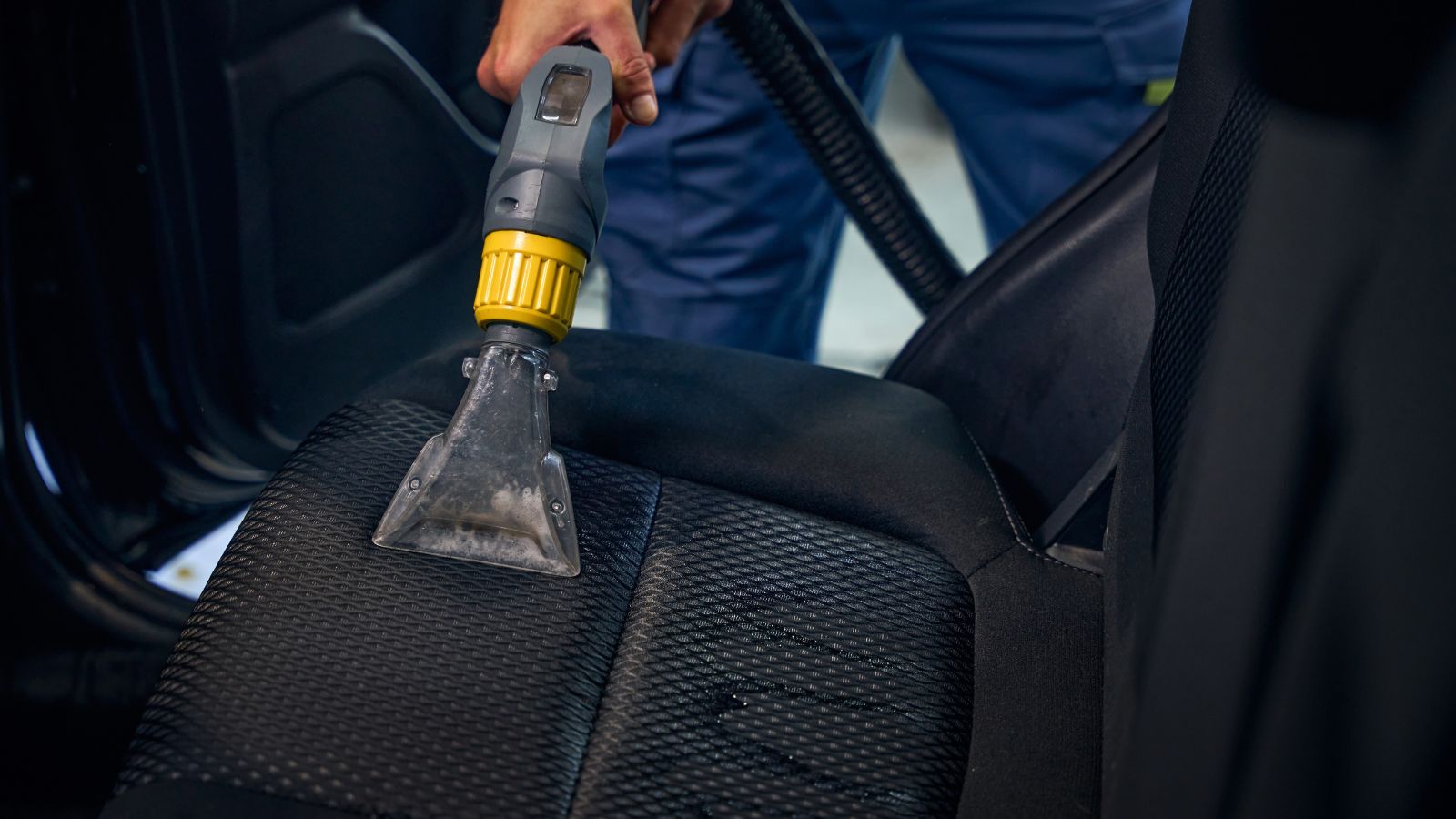
Many drivers shampoo carpets before removing loose dirt, which creates a muddy mess that is harder to clean. Detailers always vacuum first to remove dry debris, hair and dust from deep in the carpet fibers. Only then do they apply shampoo or extraction tools. This approach prevents residue buildup, reduces odors and ensures the carpet dries faster. Vacuuming may feel simple, but doing it thoroughly is what separates professional interior results from quick weekend cleanups.
The Detailers Mindset
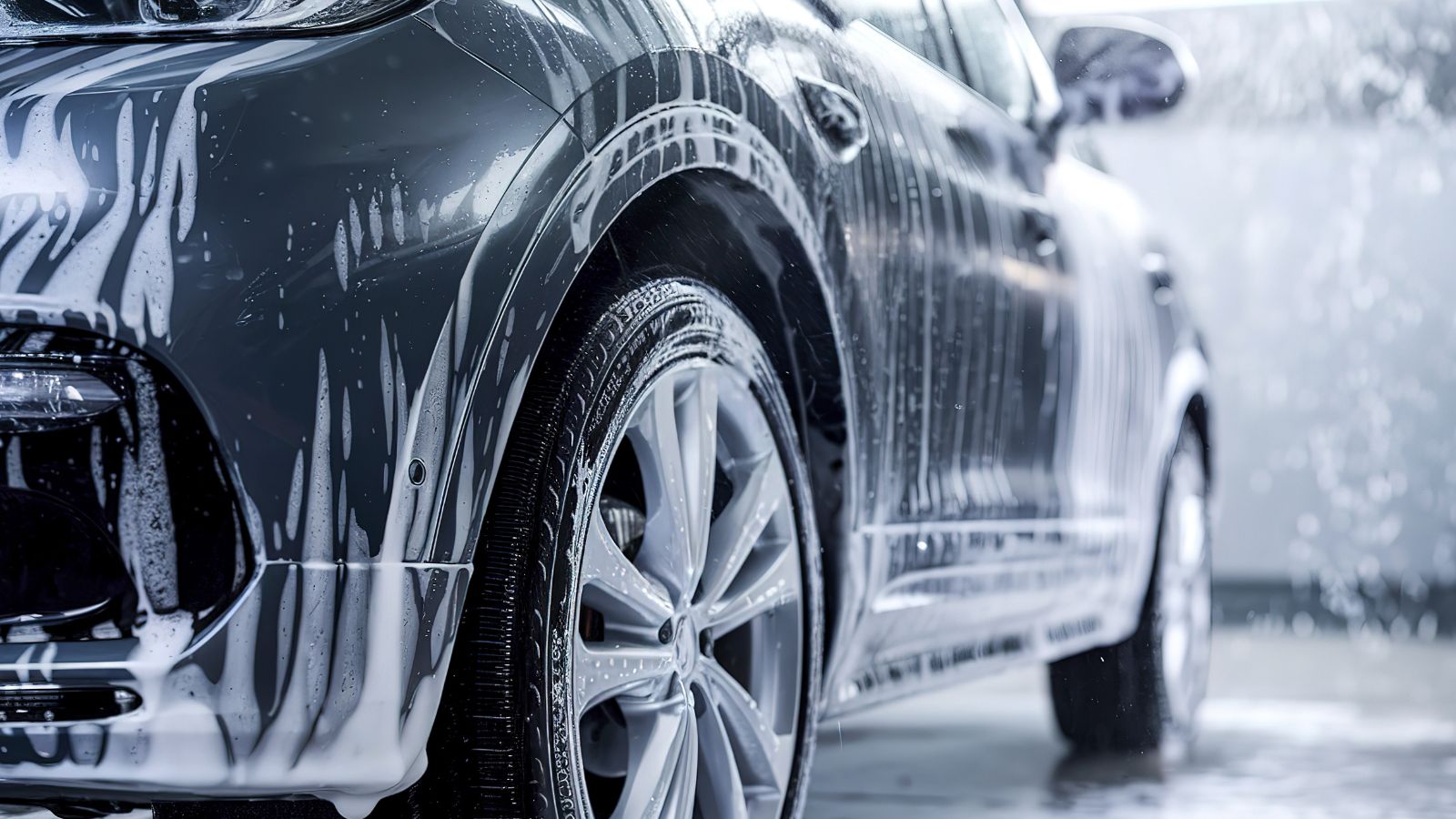
Detailing is not about rushing. It is about using the right methods in the right order. When you think like a detailer, you focus on preventing damage rather than reacting to it later. Smooth wash techniques, proper interior care and long lasting protection all work together. With these eight secrets in your routine, your car will stay cleaner, shinier and better preserved every season.
25 Facts About Car Loans That Most Drivers Don’t Realize

Car loans are one of the most common ways people fund car purchases. Like any other kind of loan, car loans can have certain features that can be regarded as an advantage or a disadvantage to the borrower. Understanding all essential facts about car loans and how they work to ensure that you get the best deal for your financial situation is essential. Here are 25 shocking facts about car loans that most drivers don’t realize:
25 Facts About Car Loans That Most Drivers Don’t Realize
