
Canada’s auto theft crisis has exploded to the point where it feels like something out of a crime documentary. Cars vanish from quiet suburbs, rental garages and grocery store lots, only to reappear thousands of kilometers away on the streets of London, Lagos or Nairobi. These thefts are not random, and they are not carried out by small time thieves. They are part of massive, well funded criminal networks that treat Canadian vehicles as high value export products. Understanding how these cars make such incredible journeys reveals just how organized and efficient these operations have become.
Thieves Target Specific Canadian Neighborhoods
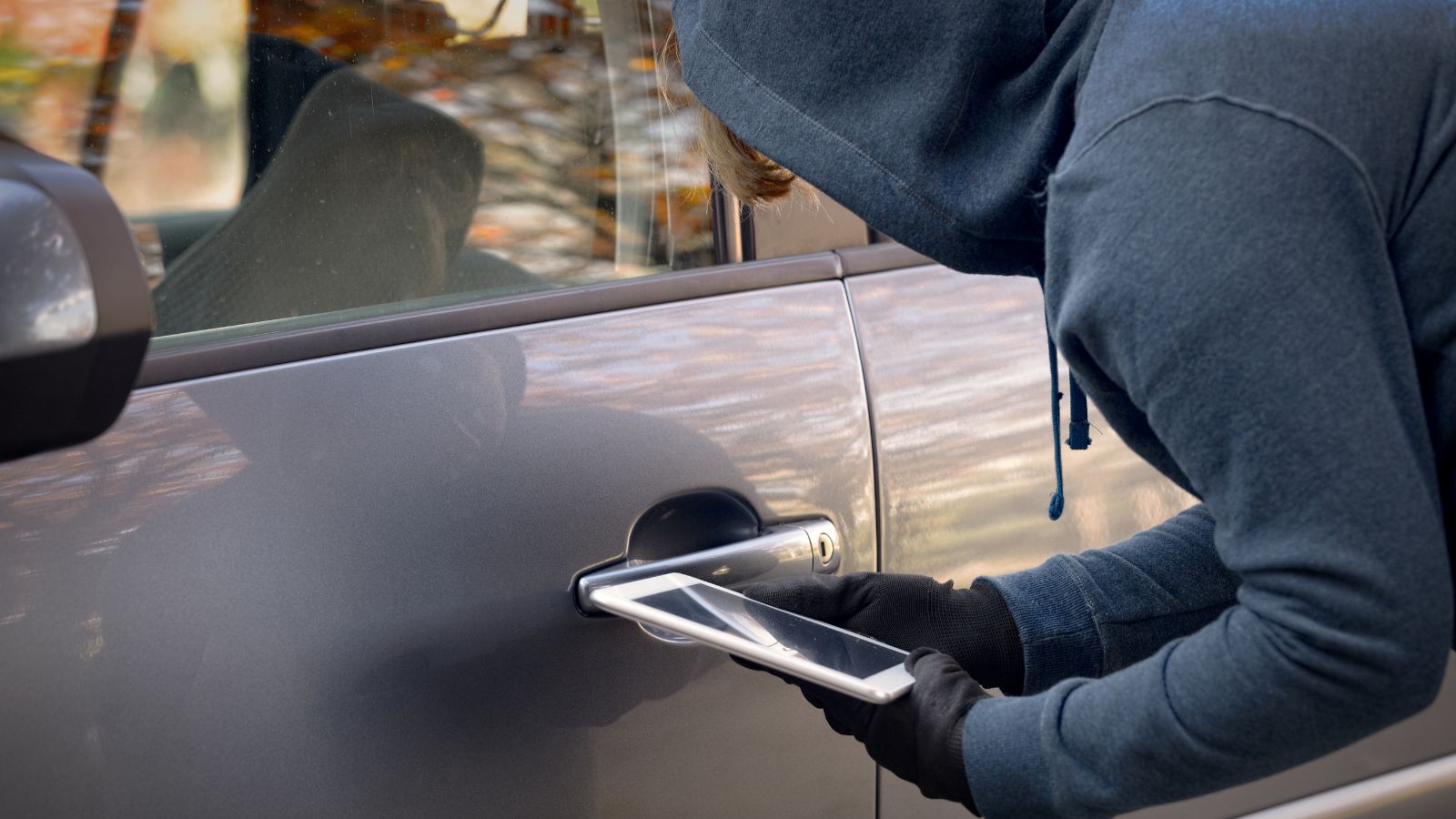
Car theft rings begin by scouting areas known for high value vehicles. They look for the usual suspects, Toyota SUVs, Lexus crossovers, large pickups and any modern vehicle with a desirable reputation overseas. Thieves often monitor neighborhoods for weeks, noting who parks outside, who leaves keys near the front door and which homes rely on keyless systems that can be tricked electronically.
The actual theft is shockingly quiet. A relay device amplifies the signal from the key inside the house and fools the vehicle into unlocking. Once inside, the thief presses start, shifts into drive and leaves without making a sound. Many Canadian owners wake up completely unaware their vehicle is already long gone.
Stolen Cars Go to Hidden Storage Sites Before Export

After the theft, criminals rarely rush straight to a port. Instead they move the vehicle to a temporary holding location to avoid immediate detection. These sites include abandoned warehouses, secluded industrial lots and even busy apartment parking garages where a new SUV blends in easily.
During this cooling period, thieves disable tracking systems. They jam the signal first, then dismantle panels inside the cabin to locate factory GPS units or aftermarket trackers. They also inspect the car for engraved VIN plates or hidden security marks. Only when they are certain the vehicle cannot be easily traced does it get moved toward the shipping network.
Shipping Containers Make Vehicles Invisible

Once ready for export, the stolen vehicle is loaded into a standard shipping container. This is where the operation becomes nearly impossible to stop. Containers look identical, thousands pass through ports every day and only a small percentage can realistically be inspected.
Criminals pack the vehicles tightly, sometimes adding scrap metal, used furniture or machinery around them to make scans harder to interpret. When the container is sealed, it becomes just another anonymous box in a sea of identical steel rectangles. Unless customs officers receive a tip or notice something extremely unusual, the container gets loaded onto the next vessel out of Canada.
Organized Crime Networks Handle Every Step

These operations are run like logistics companies, with clear roles and processes. One group steals the cars, another handles storage, another specializes in preparing containers and another operates overseas distribution. Some networks even use fake import export companies to disguise the shipments.
Ports such as Montreal and Halifax are particularly active because they have direct shipping routes to Europe and Africa. Organized crime groups exploit gaps in port oversight, limited manpower for checks and mountains of paperwork that make individual containers difficult to examine. Once the shipment is approved, the cars are effectively gone.
Why Foreign Markets Love Canadian Vehicles
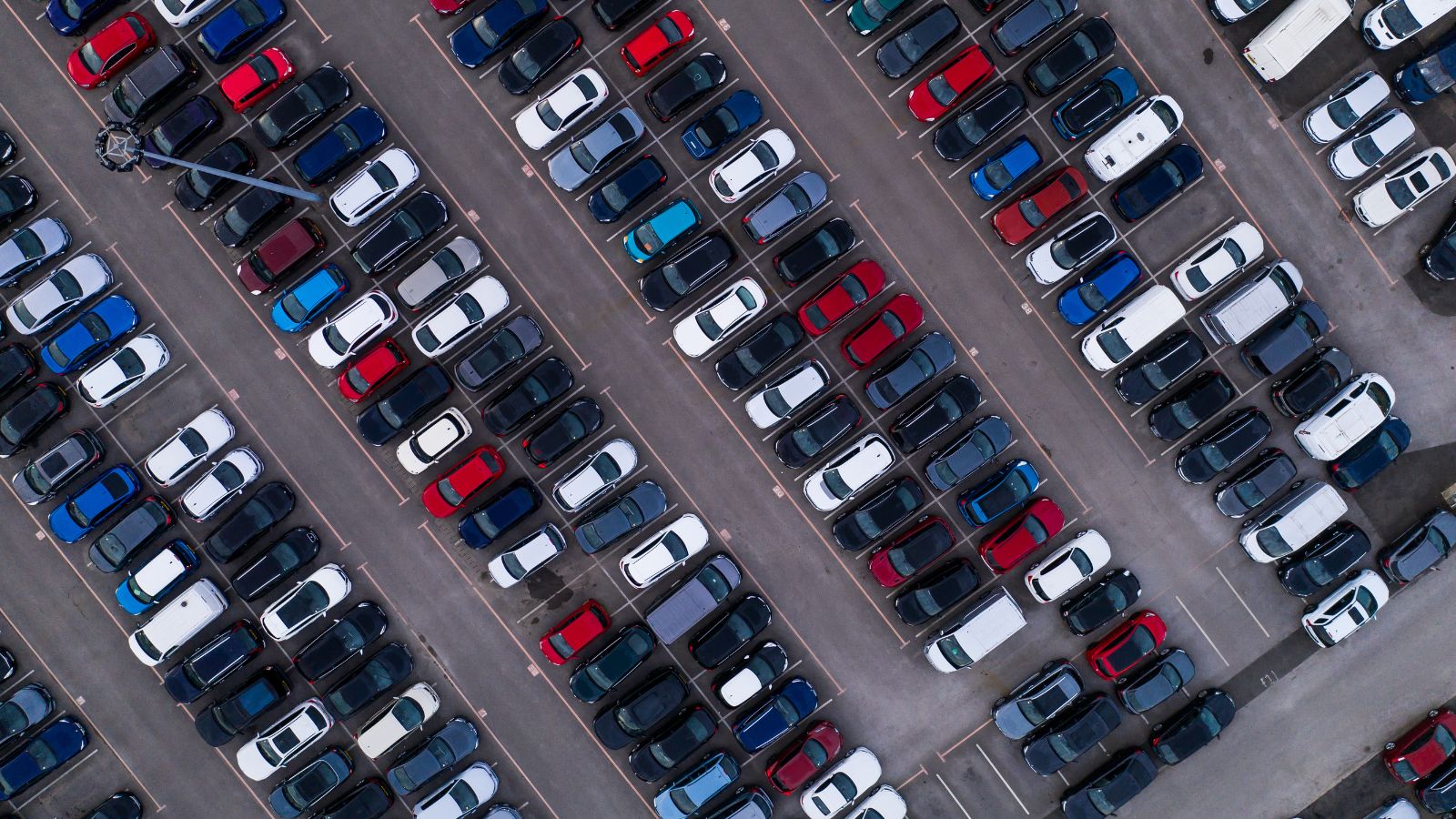
Vehicles stolen from Canada are extremely desirable overseas. In the UK, large SUVs and pickups command high prices because they are rare and expensive to buy new. A Canadian model, even if stolen, often costs less than a legitimate UK purchase and may still be newer or better equipped.
In African markets, durability and status matter more than paperwork. Toyota and Lexus models are the gold standard because they handle heat, rough roads and long distances with ease. A stolen Highlander or Land Cruiser can sell instantly. Buyers in many regions do not ask where the vehicle came from, and local authorities have little ability or incentive to trace its origin.
Cars Get New Identities in Hours
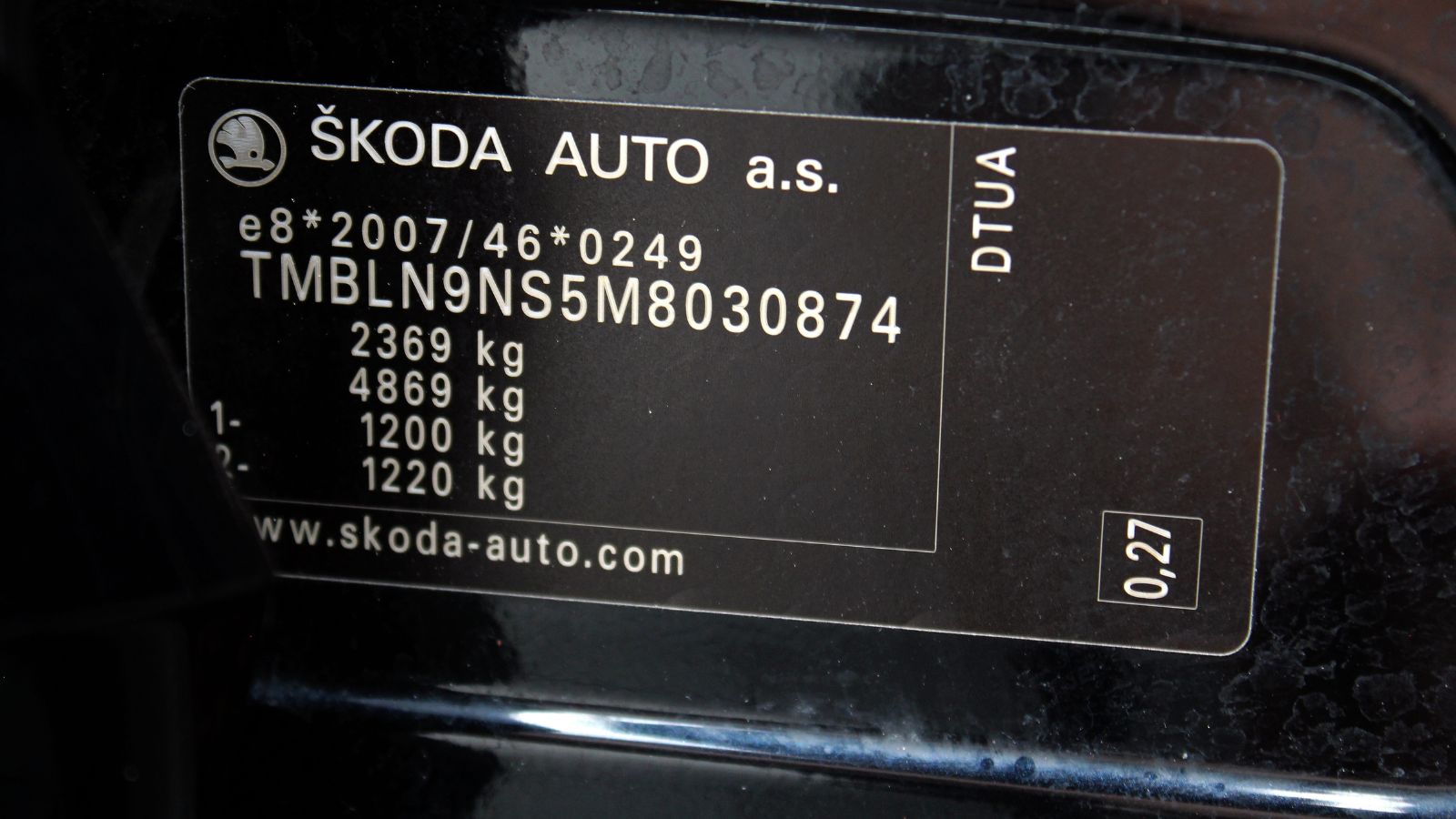
When the container arrives overseas, the transformation is fast. Criminals remove the VIN numbers, stamp new ones, attach forged paperwork and register the vehicle under a completely new identity. In some countries this can be done in a single afternoon.
Even if Canadian authorities track the original VIN, the car is already legal, already sold and often already in use. People may have no idea they are driving a stolen vehicle. From a legal standpoint, recovery becomes a nightmare across borders with mismatched laws and reluctant cooperation.
Once Overseas, the Trail Goes Cold
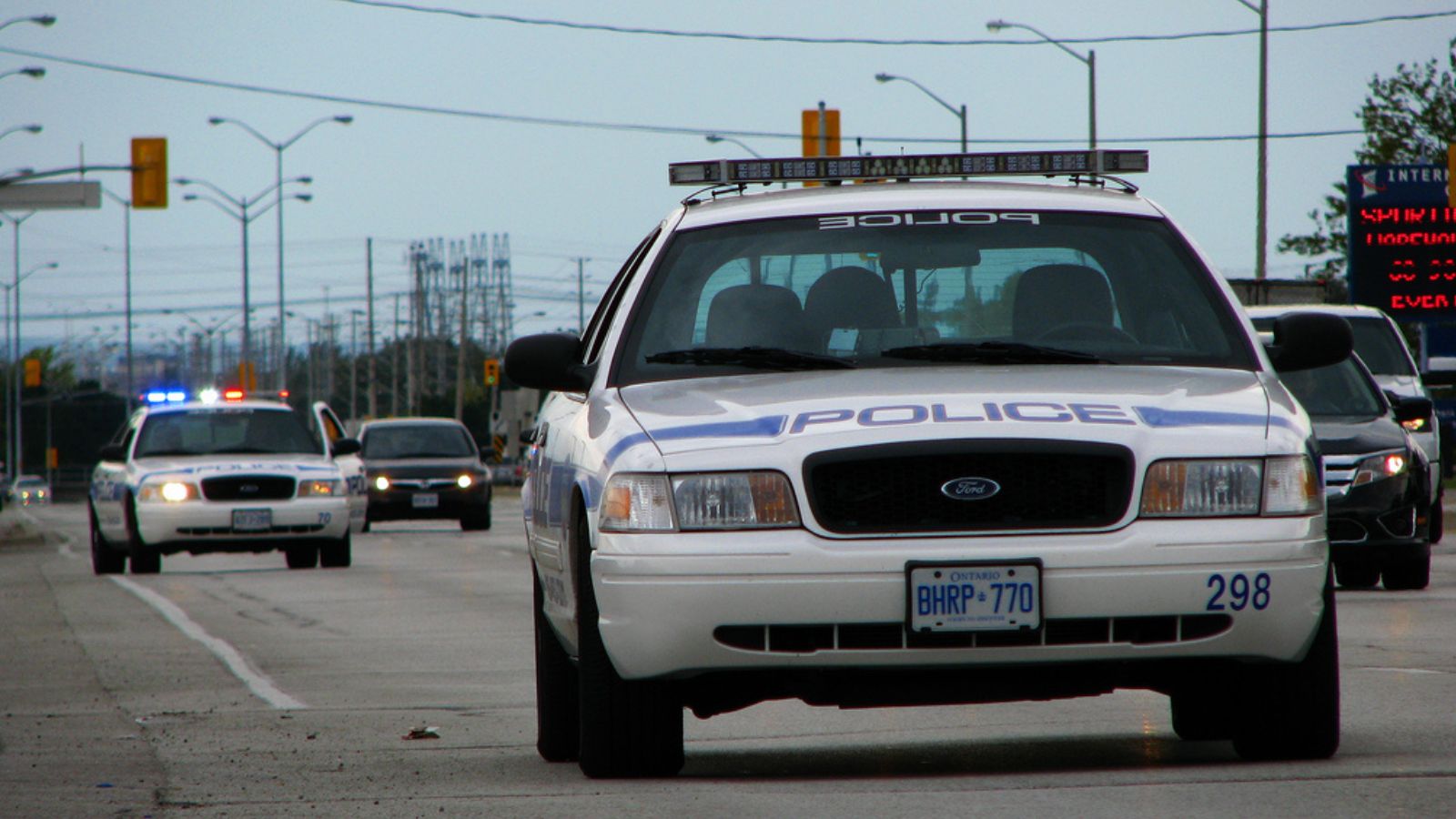
Canadian police can issue alerts, file international requests and track shipping manifests, but once a car reaches a foreign port the investigation becomes slow, difficult and often fruitless. Some countries do not prioritize foreign stolen vehicle recovery. Others lack the tools to track altered VINs. Even when a vehicle is identified, getting it back involves court orders, shipping arrangements and diplomatic cooperation, all of which take months or years.
For insurance companies and owners, the car is usually considered gone forever. Payouts go up, premiums rise and organized crime profits grow.
Ports Have Become the Weak Link

Most Canadian ports are not designed to stop professional car thieves. Their job is to keep trade moving quickly, not inspect every container. Criminals exploit this by moving stolen vehicles through legitimate systems. While some containers are flagged for inspection, the sheer volume of global shipping means only a fraction get screened thoroughly.
Calls for increased scanning, new technology and better cooperation between government agencies are growing. But until significant upgrades happen, ports remain the Achilles heel in Canada’s fight against auto theft.
Why Canadians Should Care

This problem affects everyone. Insurance rates rise, police resources get stretched thin and organized crime becomes more powerful. What looks like a simple driveway theft is actually part of a global supply chain that Canada struggles to disrupt.
Knowing how the process works helps explain why theft numbers continue to rise and why prevention at home is more effective than relying on recovery later. Once a stolen Canadian car enters a container, its Canadian life is essentially over.
25 Facts About Car Loans That Most Drivers Don’t Realize

Car loans are one of the most common ways people fund car purchases. Like any other kind of loan, car loans can have certain features that can be regarded as an advantage or a disadvantage to the borrower. Understanding all essential facts about car loans and how they work to ensure that you get the best deal for your financial situation is essential. Here are 25 shocking facts about car loans that most drivers don’t realize:
