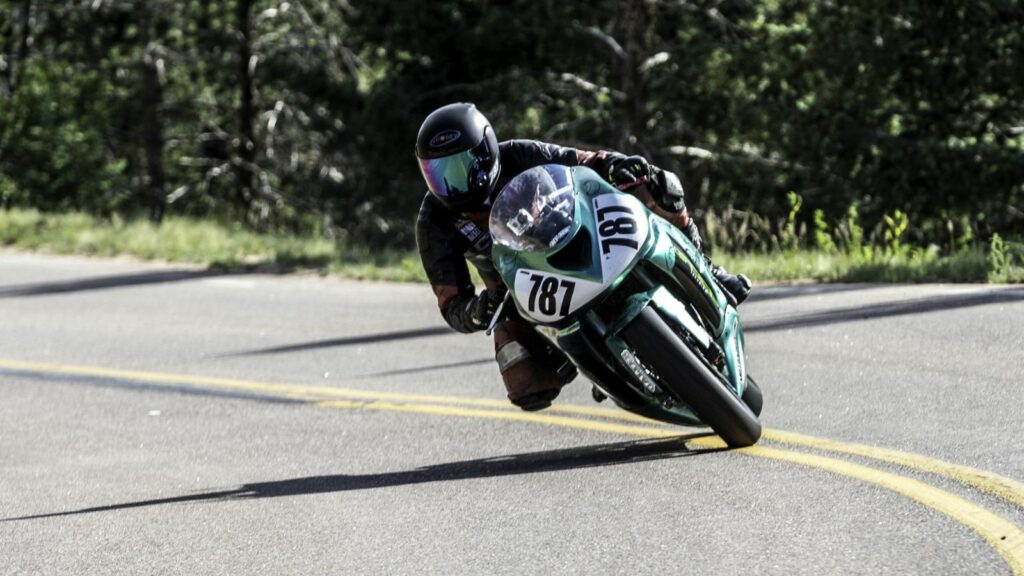
The 2000s were the Wild West of superbike development. Manufacturers pushed limits with almost reckless enthusiasm as power figures soared, chassis technology evolved rapidly and race derived engineering found its way into street bikes faster than ever before. Electronics began their quiet takeover, engines became stronger yet lighter and every brand tried to outdo the others in a decade long arms race. Riders suddenly gained access to machines that felt astonishingly close to full blown superbikes, yet were available for everyday road use. These ten models reshaped expectations permanently and built the foundation for the litre class monsters we see today.
Yamaha YZF R1 2004 The Liter Class Game Changer
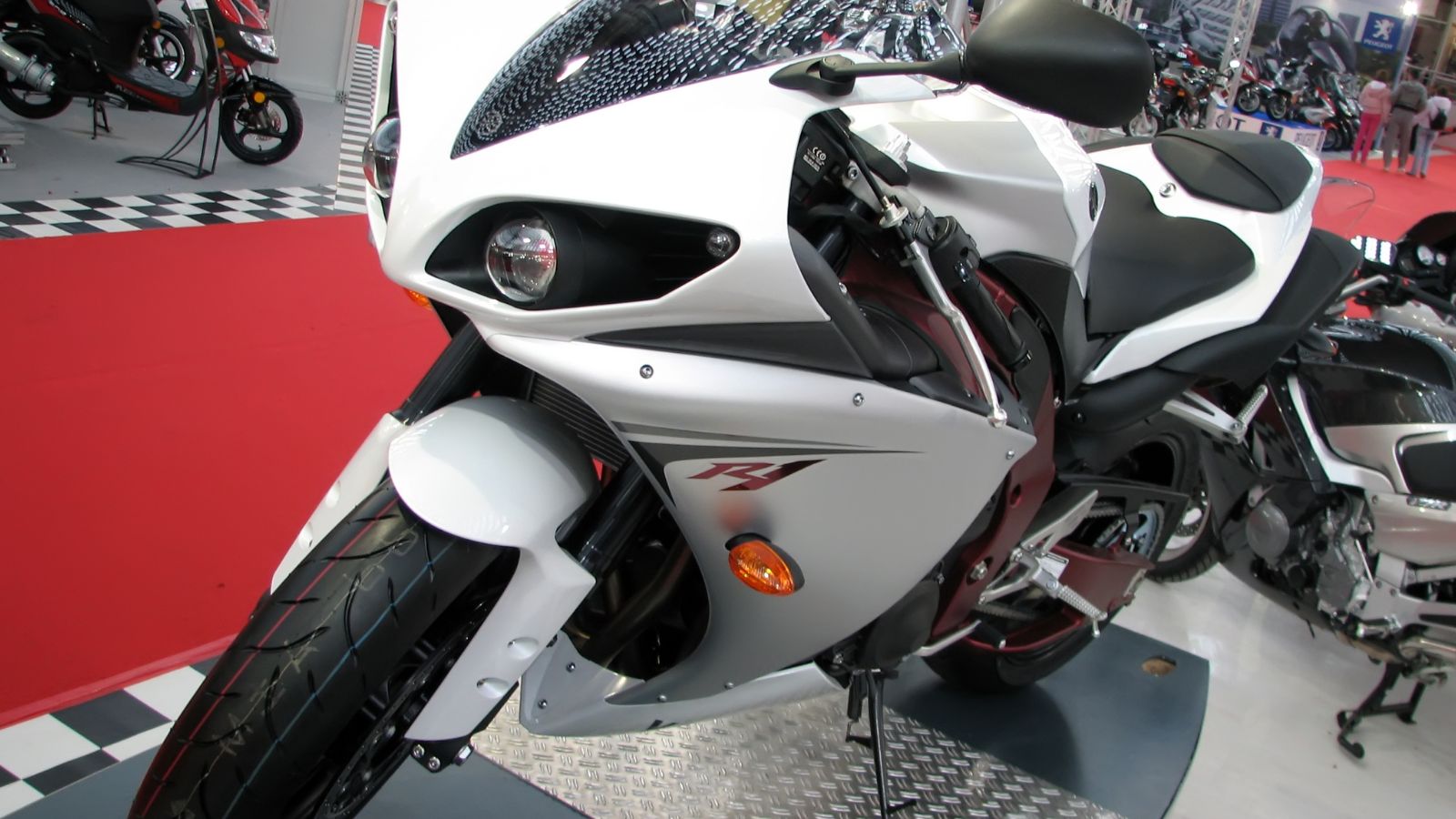
The 2004 R1 was not just a newer model, it was a seismic shift. Yamaha reduced weight, increased rigidity and gave it a high revving inline four that screamed toward redline with addictive intensity. The underseat exhaust added balance, the new frame improved flickability and the bike delivered a power to weight ratio that felt shocking at the time. Riders suddenly had a superbike that behaved like a middleweight when cornering yet unleashed ferocious acceleration on straights. The 2004 R1 proved that litre bikes could feel precise and nimble without sacrificing drama.
Suzuki GSX R1000 K5 2005 The Gold Standard of the Decade
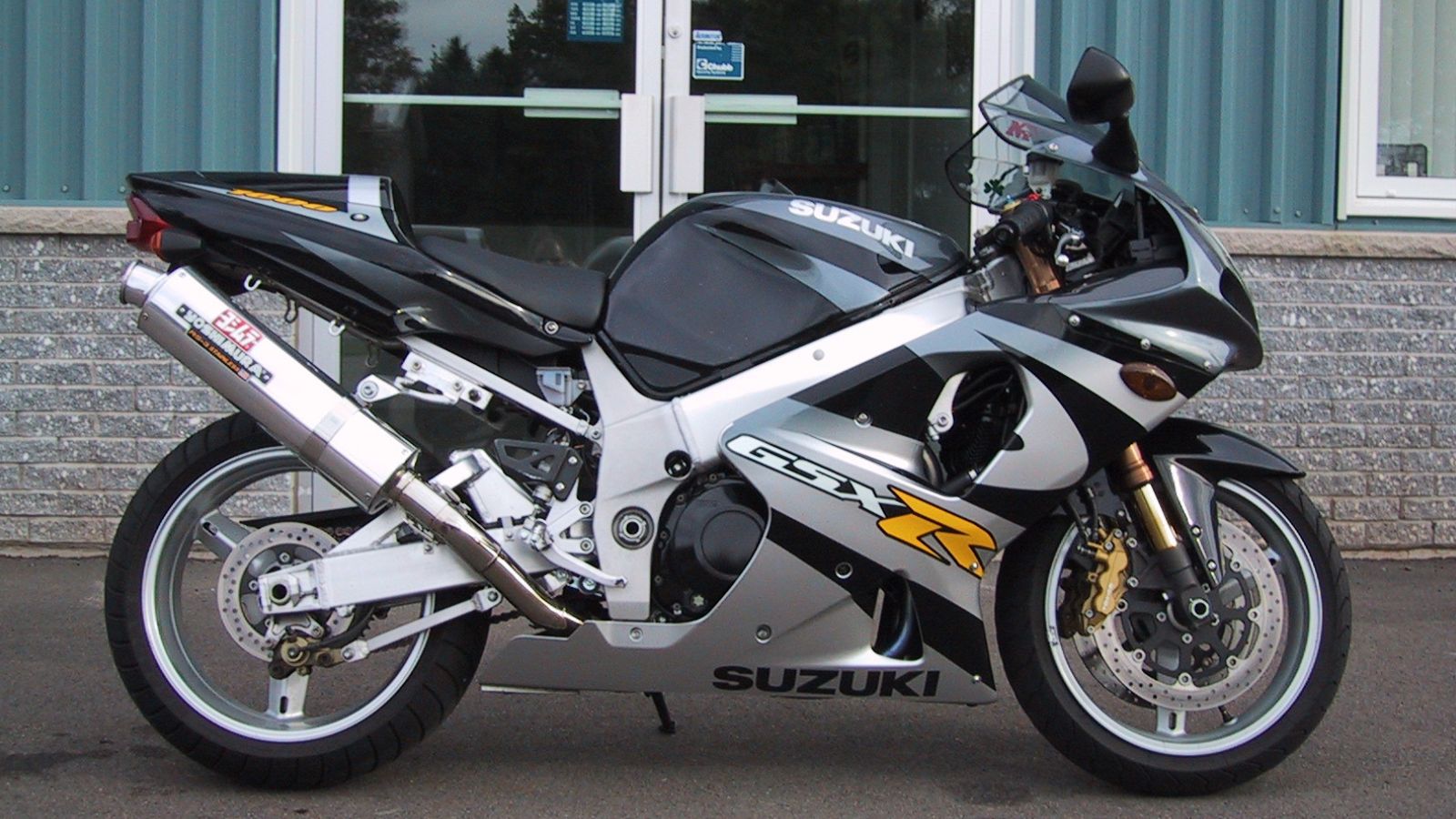
The K5 earned legendary status almost immediately. Suzuki built a superbike that combined brutal mid range torque with a chassis so friendly and predictable that even less experienced riders felt confident. Racers praised its stability, street riders loved its smoothness and tuners discovered it responded incredibly well to modifications. It was lighter than many rivals while delivering stronger acceleration which made it the all round benchmark. Even today, many riders consider the K5 the sweet spot before electronics dominated the class.
Honda CBR1000RR Fireblade 2004 The Birth of Total Control
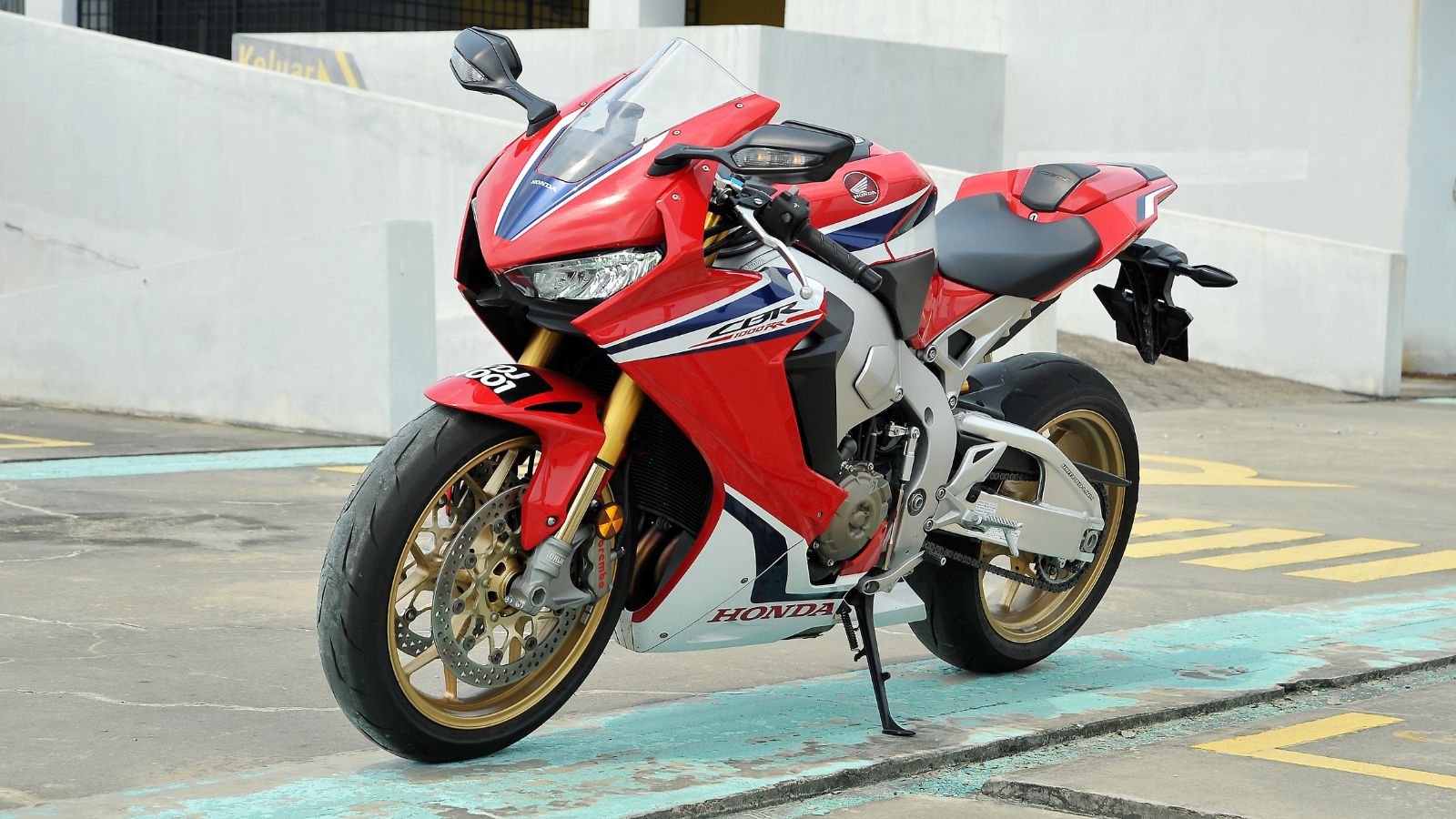
Honda entered the new decade with a philosophy that power meant nothing without precision. The 2004 Fireblade introduced the concept of total control where every component worked together to create harmony rather than chaos. Power delivery was smooth, the chassis felt predictable and the bike encouraged confidence in ways few litre bikes did at the time. It showed that superbike performance could arrive in a user friendly package and that engineering finesse mattered just as much as raw power. For many riders, the 2004 Blade became the perfect combination of civility and thrill.
Kawasaki Ninja ZX 10R 2004 The Wild Child With a Bite
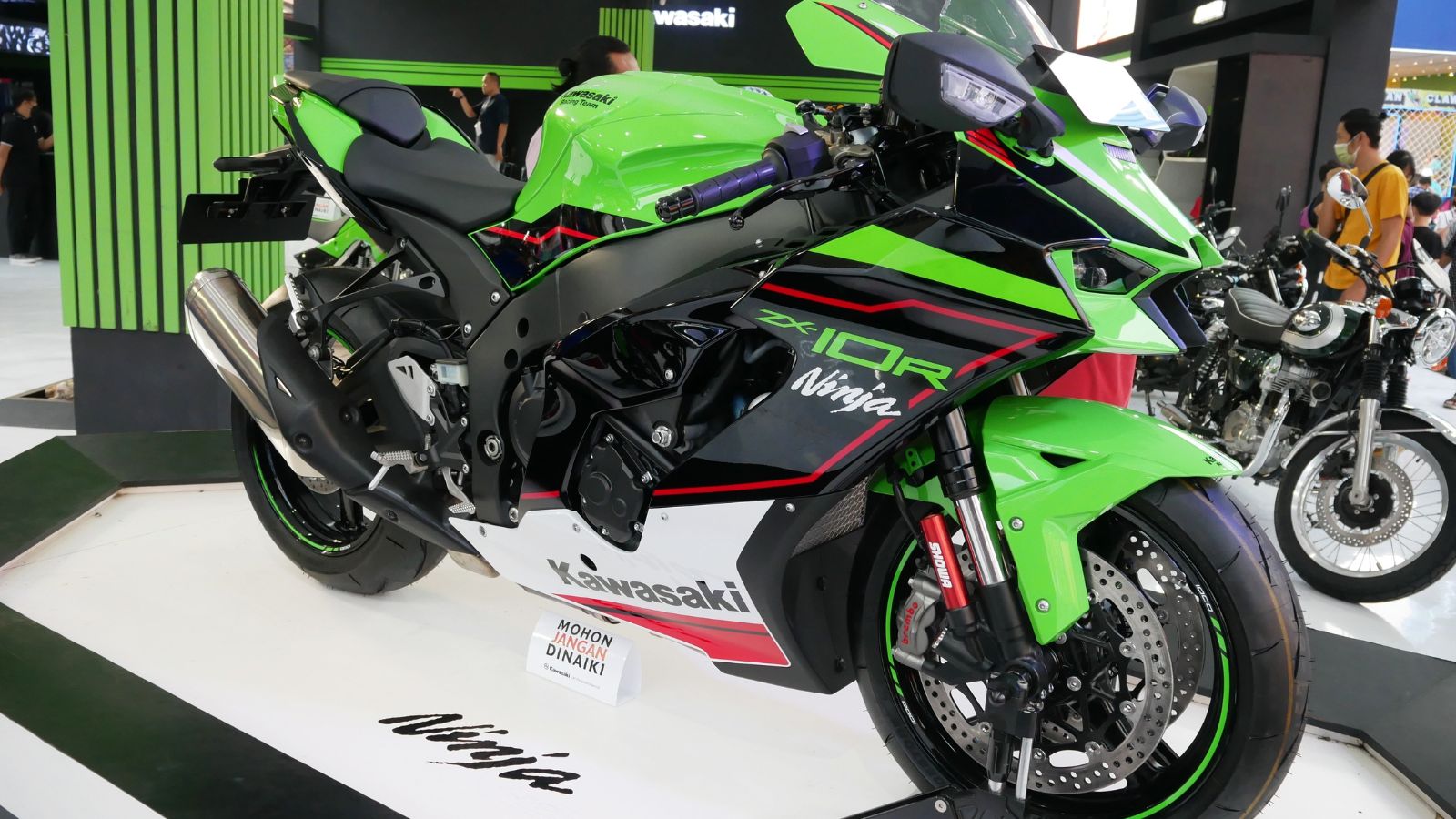
If the Fireblade was finesse, the 2004 ZX 10R was the exact opposite. Kawasaki unleashed a machine that felt raw, explosive and aggressively tuned for maximum impact. Its power to weight ratio startled riders, and its unfiltered handling made it a favourite among skilled pilots who wanted a challenge. The ZX 10R forced other brands to escalate horsepower battles and pushed the entire segment toward more extreme performance. It was a thrilling handful at the limit, but that wild streak helped define the superbike identity of the decade.
Ducati 999 2003 The Controversial Masterpiece

The Ducati 999 caused division with its unconventional styling, yet the riding experience silenced critics quickly. Its V twin engine produced massive torque, allowing riders to rocket out of corners with authority. The chassis geometry offered a level of stability and feedback that superbike competitors struggled to match. On track, the 999 carved precise lines effortlessly. It went on to win championships and earned a reputation as one of Ducati’s most effective superbikes ever built. Time has softened opinions on the styling, and today the 999 is appreciated for its engineering brilliance.
Aprilia RSV1000R Factory 2004 The Italian Underdog With Serious Bite
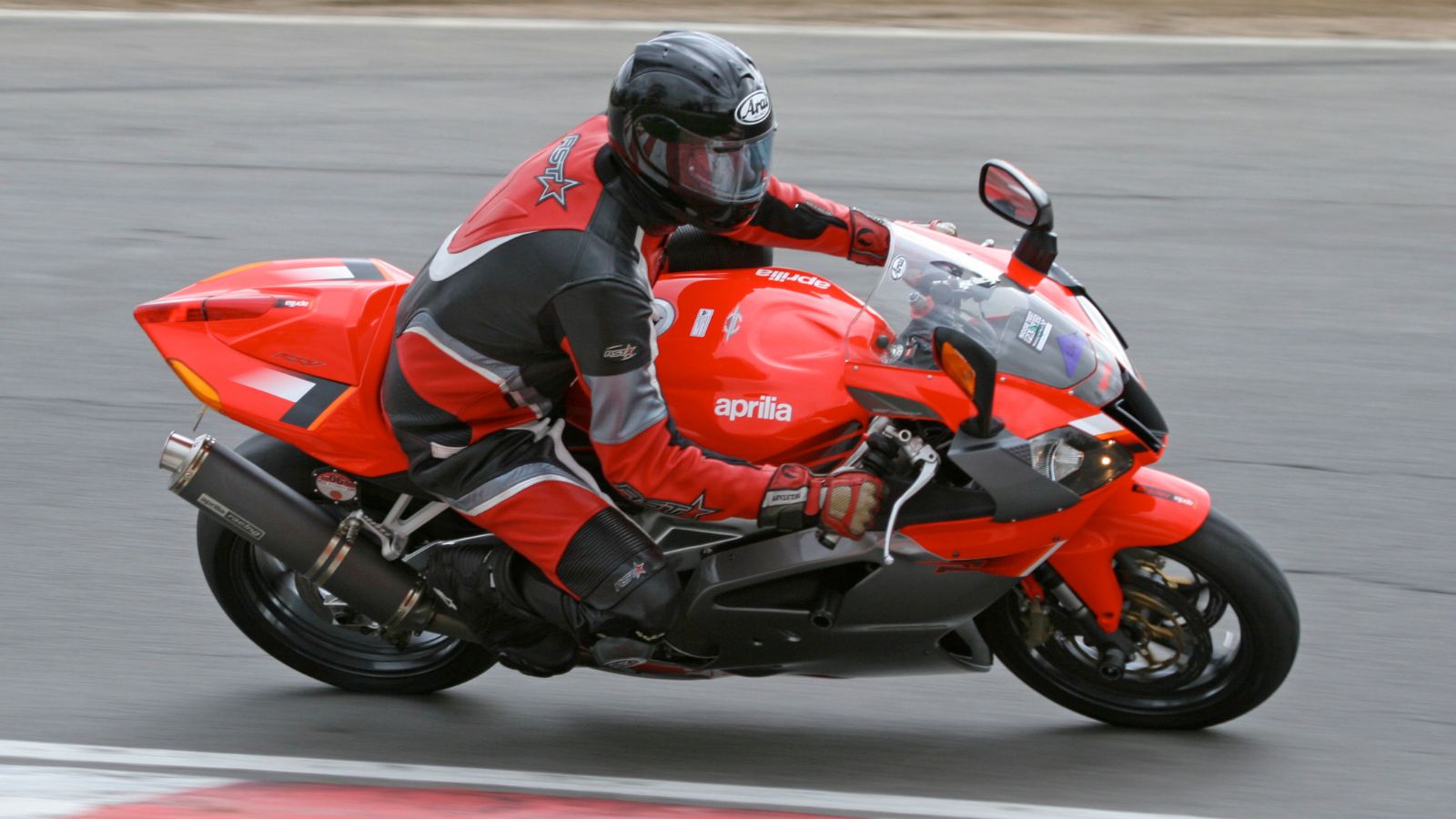
Aprilia entered the decade ready to disrupt the Japanese dominated scene. The RSV1000R Factory arrived with lightweight forged wheels, premium suspension components and a character filled V twin engine that felt playful yet serious. Its handling bordered on telepathic thanks to excellent chassis balance. The bike delivered an exotic riding experience without sacrificing reliability, surprising many riders who expected fragile Italian engineering. The RSV1000R Factory demonstrated that a refined, well balanced superbike could stand toe to toe with the biggest names in the business.
BMW S1000RR 2009 The Nuclear Shockwave That Rewrote the Rules
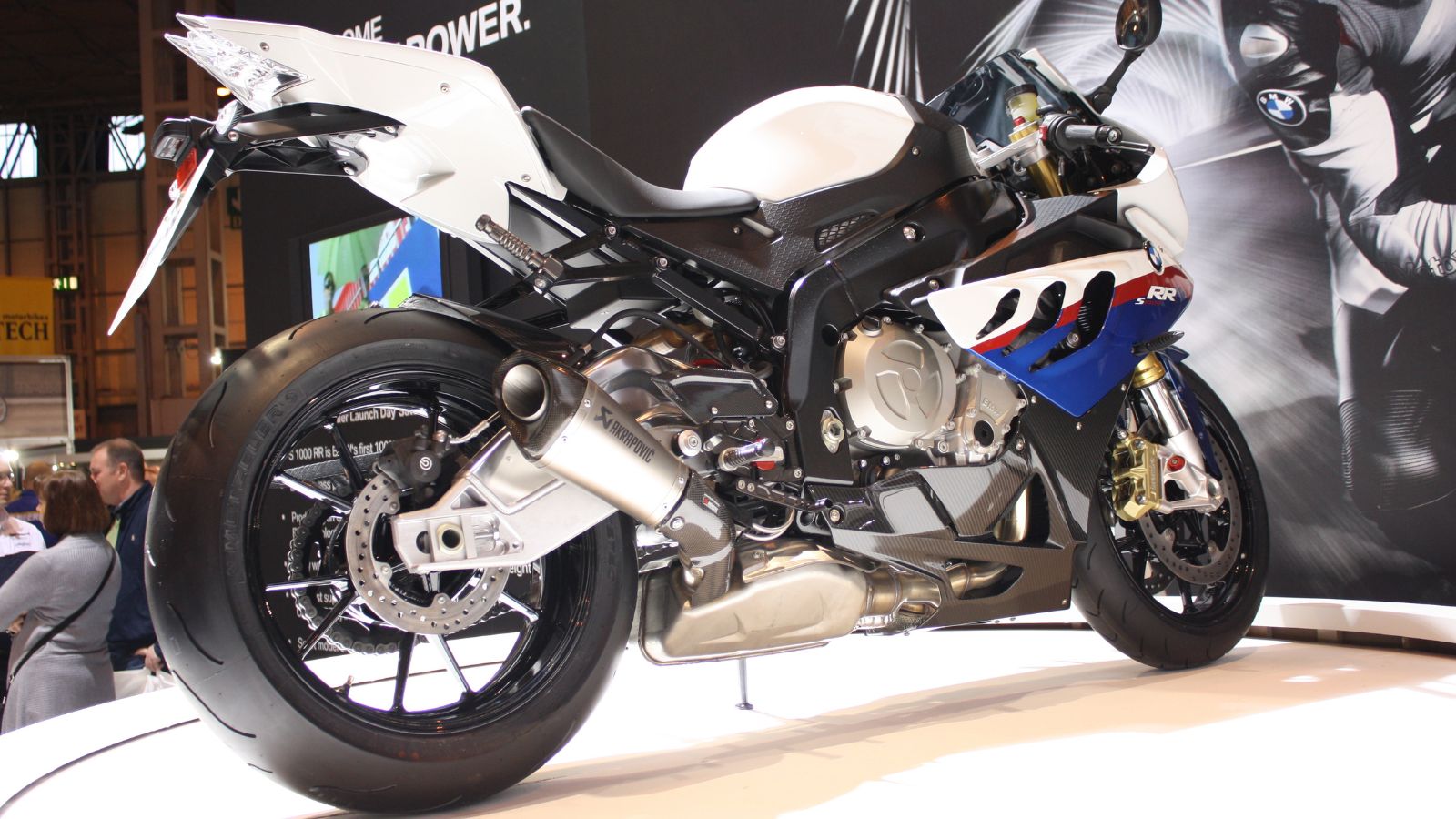
Just when the decade was ending, BMW blew the class wide open. The S1000RR arrived with unprecedented horsepower, stability and cutting edge electronics. Traction control, riding modes and quick shifters were features that suddenly became essential rather than optional. Its inline four engine produced astonishing acceleration, and the chassis allowed riders to use that power with surprising confidence. The S1000RR forced every other manufacturer to rethink their next generation superbikes overnight. No machine defined the future more clearly than this one.
Triumph Daytona 675 2006 The Middleweight Revolution
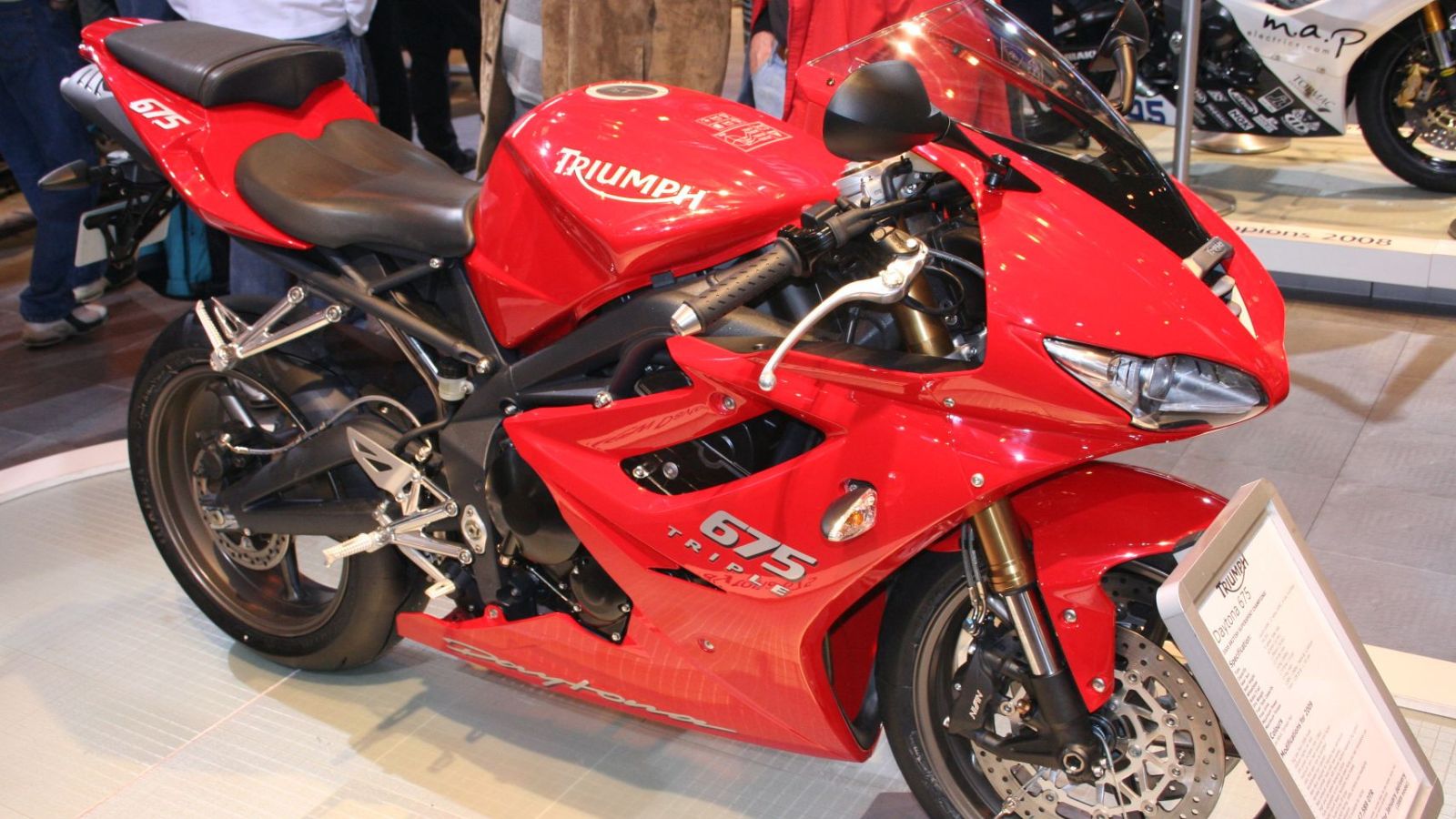
The Daytona 675 broke all the class rules. At a time when supersport bikes were almost exclusively inline fours, Triumph created a triple that offered torque, character and a fiercely competitive power band. Its compact size, razor sharp steering and addictive exhaust note made it a track day favourite. It proved that displacement and cylinder count were less important than pure engineering focus. The Daytona became one of the most beloved middleweights ever built and reshaped the segment for years.
Honda RC51 2000 The V Twin Samurai That Humbled Ducati
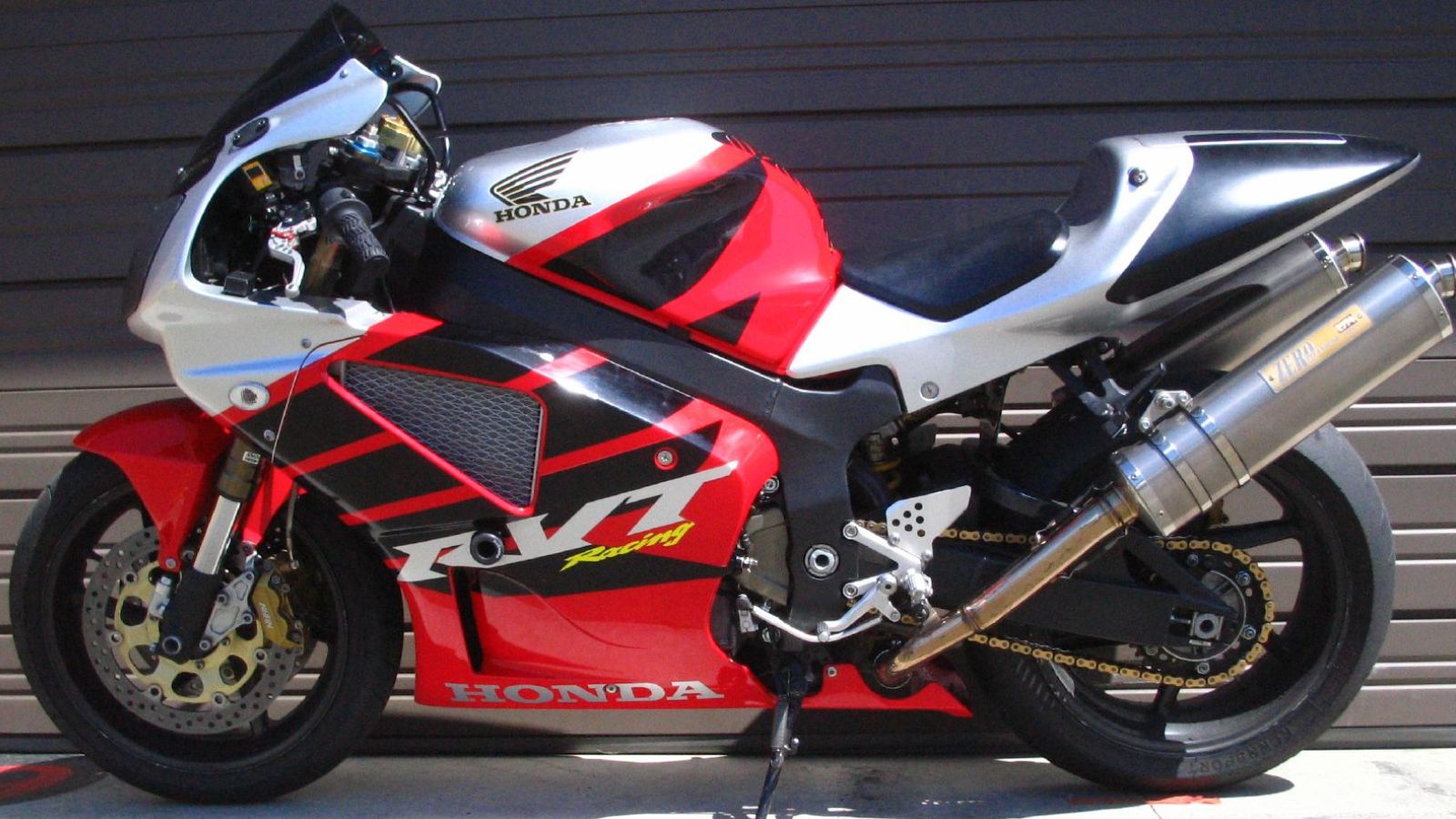
Honda built the RC51 for one purpose to dethrone Ducati in World Superbike. The result was a muscular V twin superbike with immense grunt and a rock solid chassis. It loved fast sweepers, tight exits and aggressive riders who appreciated its mechanical honesty. The RC51 delivered championships and brought balance to a category Ducati once controlled easily. Its unique engine character and purposeful design earned it a cult following that remains strong today.
Kawasaki ZX 6R 636 2003 The Rule Bending Supersport
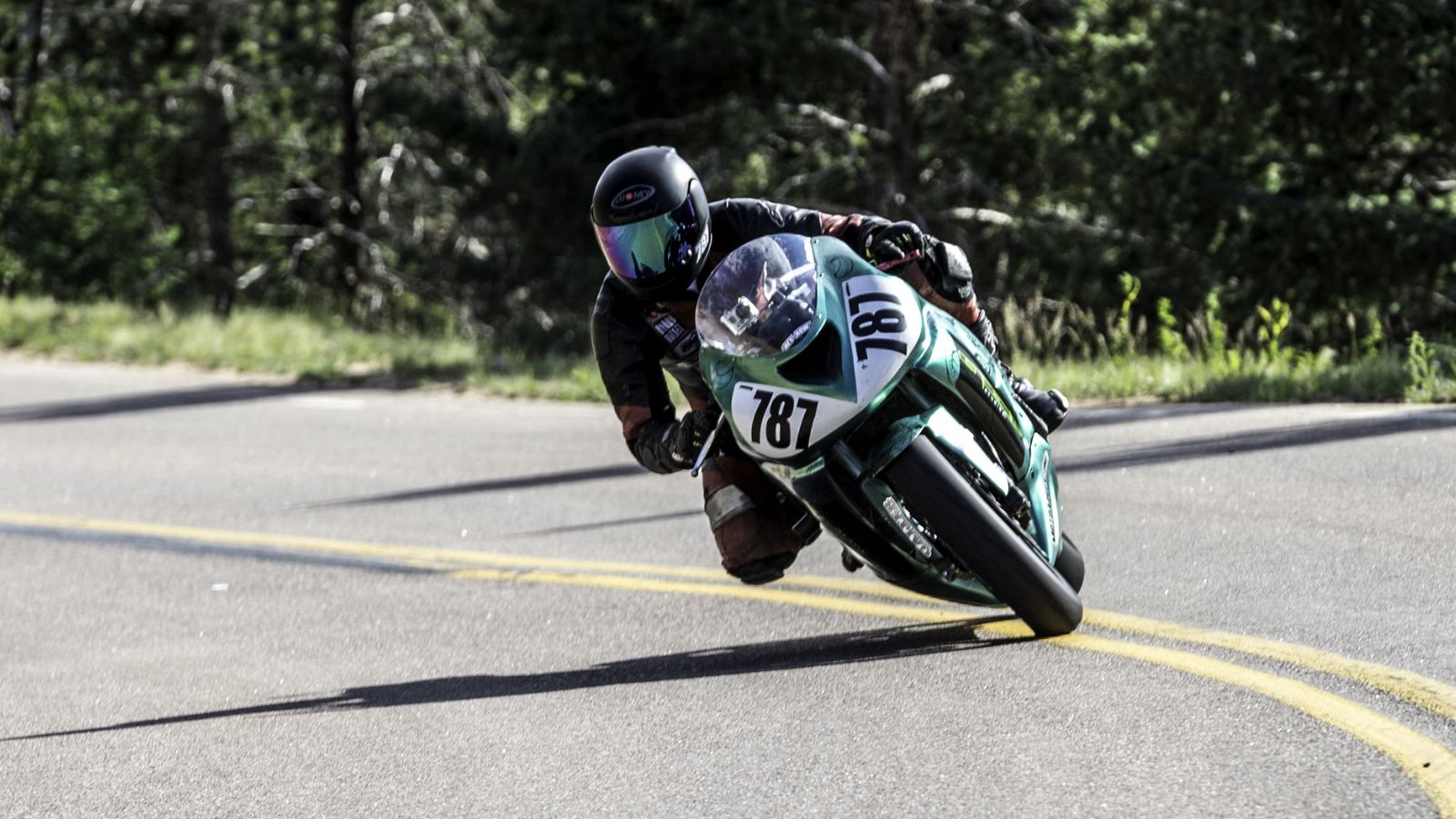
Kawasaki decided to rewrite the supersport formula by nudging displacement slightly upward. The 636 offered more torque and real world usability than traditional 600s. Riders loved its flexible powerband, especially in everyday riding where mid range mattered more than peak horsepower. It became a favourite among street riders and track enthusiasts alike. The 636 inspired future supersport models to rethink class limitations and embrace practical performance.
