
Automatic transmissions are tougher than ever, yet many fail long before their time because of simple habits drivers repeat every day. Most issues start quietly. A rough shift here, a delayed gear change there, then suddenly the repair bill looks like a mortgage payment. These common mistakes slowly wear out the most complex component in your car without you even noticing.
Ignoring Fluid Changes
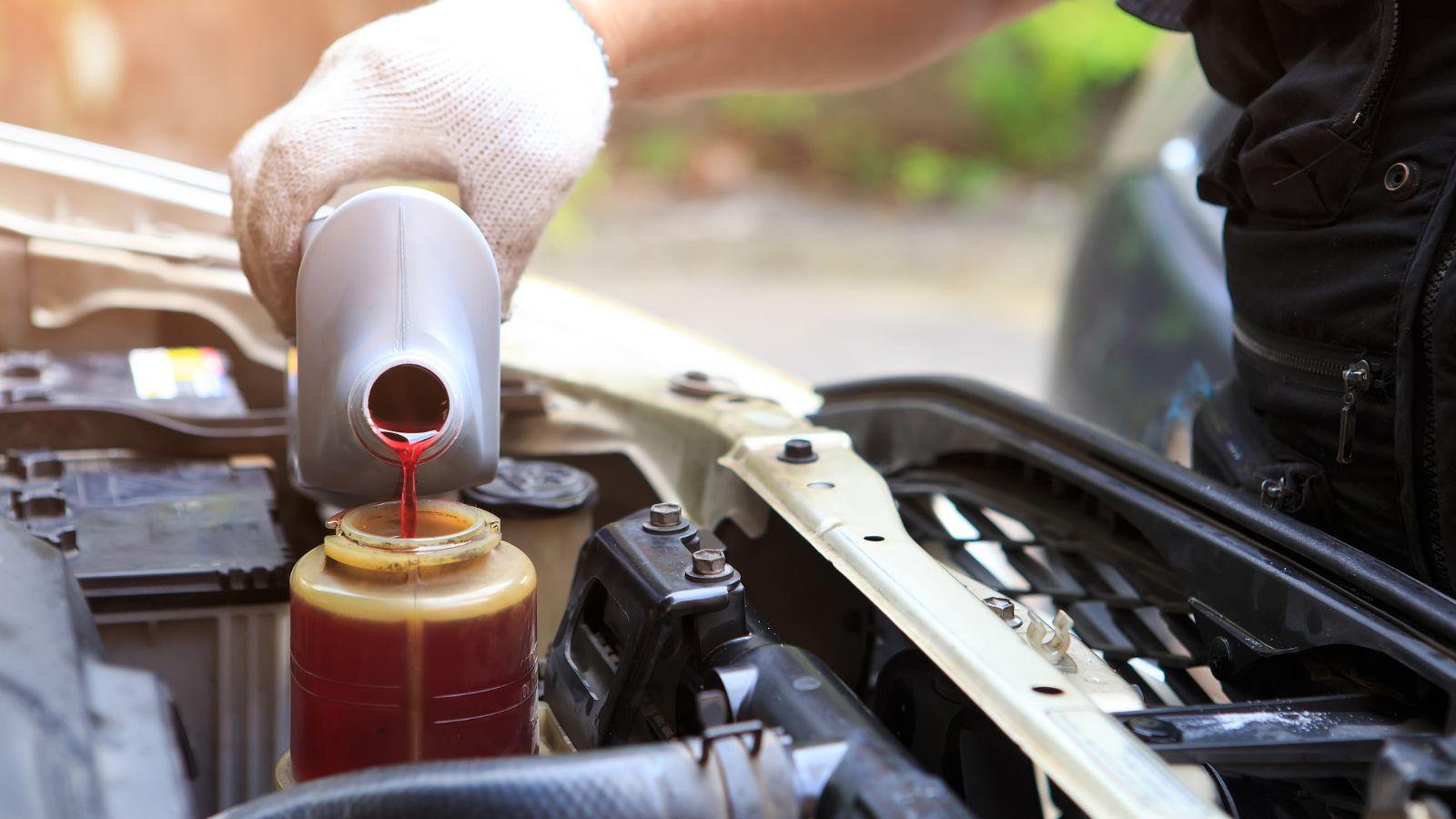
Transmission fluid works harder than most drivers realize. It cools, lubricates and keeps the internal clutches alive. When it ages it darkens and loses the ability to protect those moving parts. Many owners follow the old myth that sealed units never need service. They do, and delayed fluid changes are one of the fastest ways to shorten the life of an automatic transmission.
Shifting Into Drive While Still Rolling Backward

Plenty of drivers do this in parking lots when they are in a hurry. The transmission is still loaded in reverse while the driver selects drive which forces internal components to fight each other. That sudden directional shock puts heavy strain on the clutch packs. Over time the impact builds wear that shows up as harsh shifts and slipping under acceleration.
Towing More Than the Vehicle Can Handle
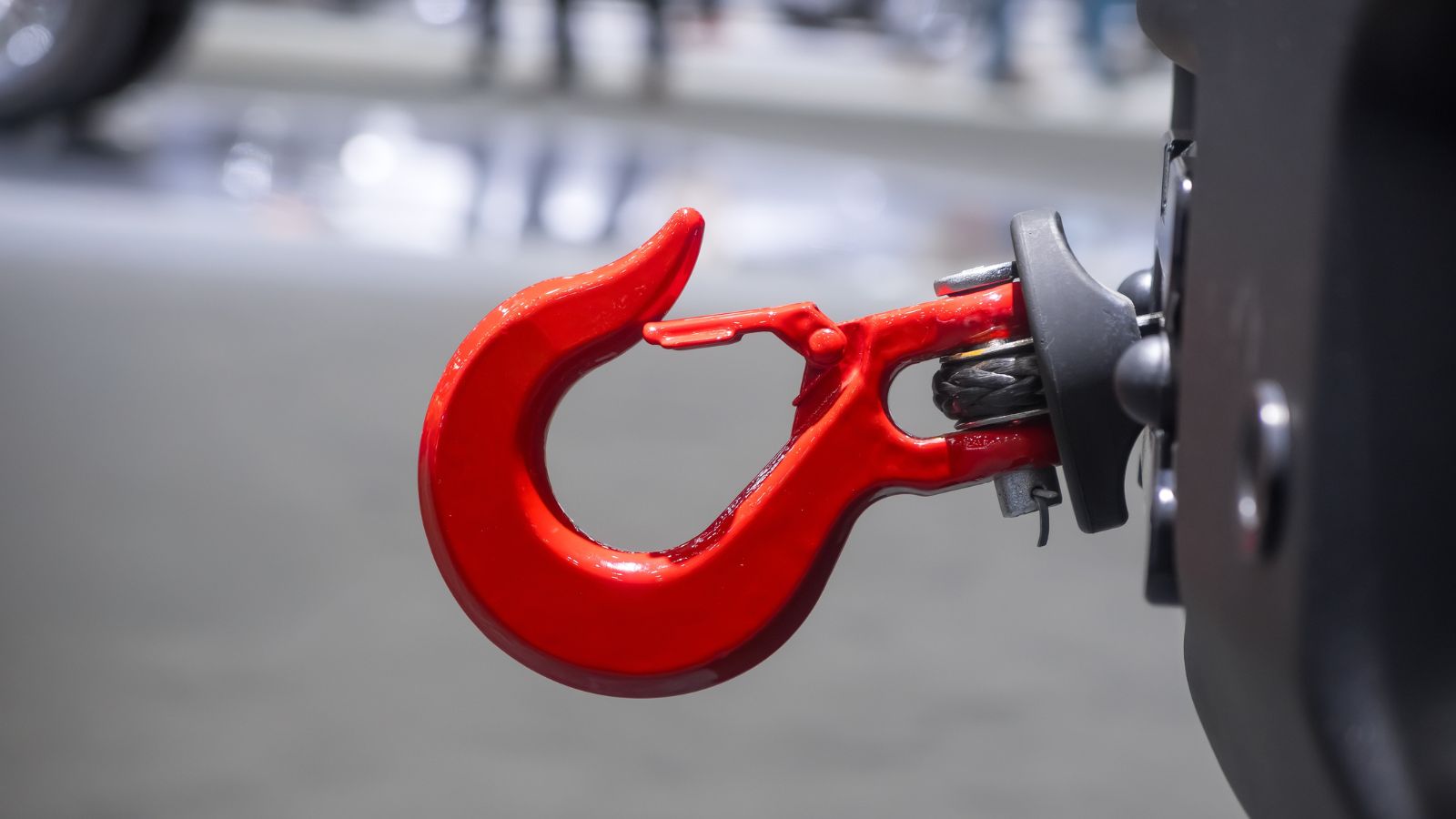
Automakers publish tow ratings for a reason. Exceeding them puts huge thermal stress on the transmission since it generates extra heat while pulling weight. Many drivers only notice trouble once the fluid starts to burn which causes poor gear engagement. Long mountain climbs or hot summer trips amplify the strain. Drivers who tow safely protect both the transmission and their wallet.
Using the Wrong Transmission Fluid
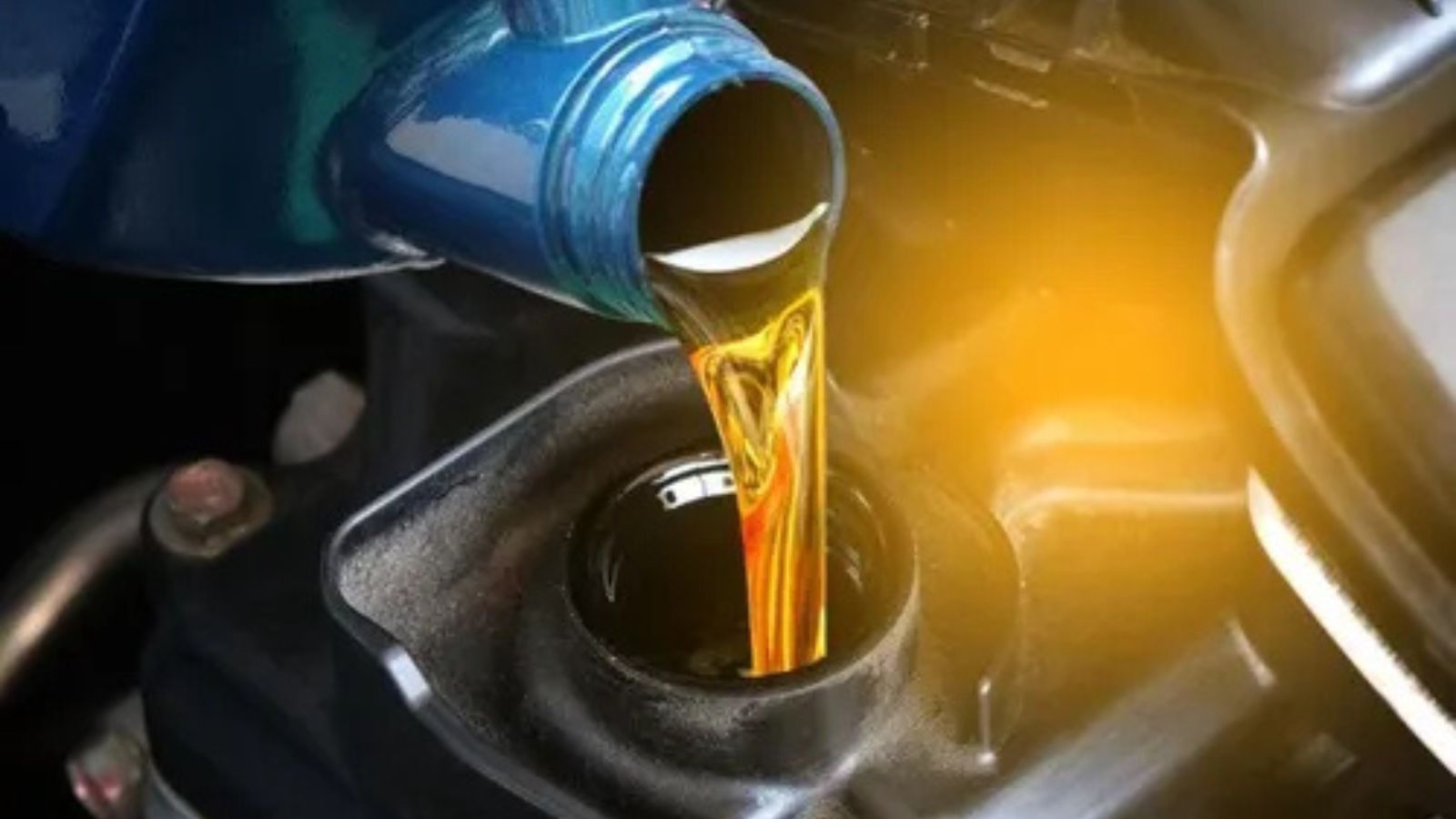
Automatic transmissions rely on specific fluid blends that match the internal design. Choosing a cheaper universal fluid can upset the shift quality. The wrong blend fails to maintain correct friction levels and can make the transmission slip. Some owners only discover the mistake after several thousand kilometres when the unit begins to shudder or hesitate which usually requires an expensive flush.
Resting a Hand on the Gear Selector

It looks harmless but constant pressure on the selector adds small forces to internal linkages. Over time this creates slack or premature wear that affects shift accuracy. The selector was designed to be used momentarily not leaned on during long drives. Even though the effect is gradual it eventually shows up in delayed shifts and a loose feeling mechanism.
Flooring the Throttle Before the Transmission Warms Up
Cold transmission fluid is thick and slow to circulate. When a driver demands full power immediately after a cold start the pump and clutches work harder than intended. That extra strain accelerates wear and can score internal surfaces. Letting the car settle for a short period allows fluid to move freely which keeps the transmission from working against itself.
Riding the Brakes on Long Downhills
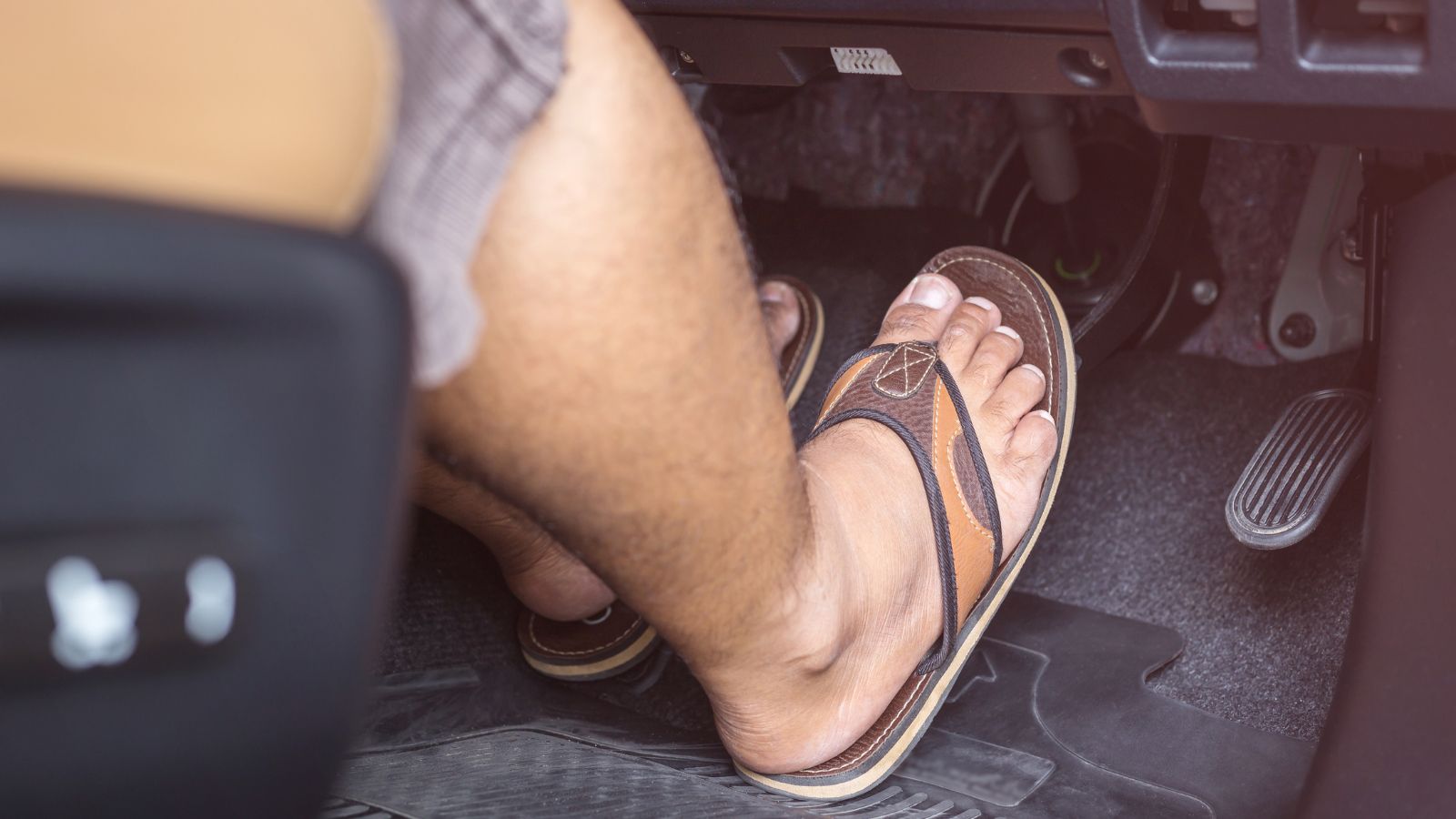
Automatic transmissions rely on engine braking to reduce heat under load. Drivers who ride the brakes allow speed to rise and force the transmission to work harder to maintain control. The fluid overheats and this weakens its protective qualities. Using lower gears for long descents keeps temperatures in check which prevents the slow thermal damage that shortens transmission life.
Ignoring Early Warning Signs
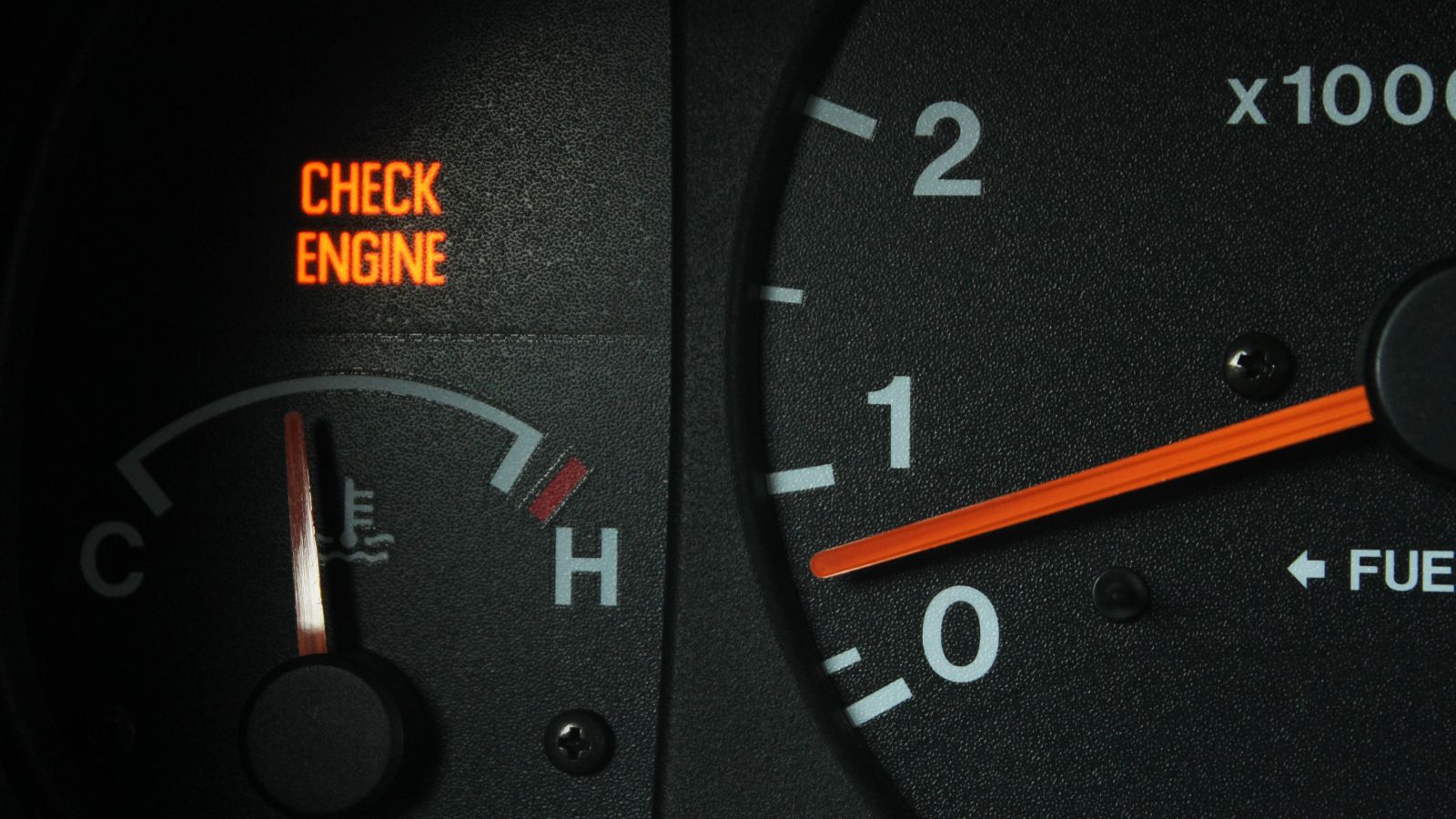
A small shudder, a strange vibration or a faint burning smell often signals early trouble. Many drivers hope these symptoms disappear which allows problems to escalate. Modern automatics contain sensors that try to mask minor issues which means the driver may not feel anything until the damage is significant. Acting early usually prevents costly repairs and extends the life of the transmission.
Switching Between Reverse and Drive Too Quickly

Fast shifts between reverse and drive seem convenient during tight parking maneuvers. The problem is that the internal clutches are still releasing one gear while the driver selects another. This sudden reversal loads the gearsets and forces components to work against motion. The repeated shock eventually shows up as slipping or banging shifts which indicates the clutches are wearing out.
Overheating in Heavy Traffic
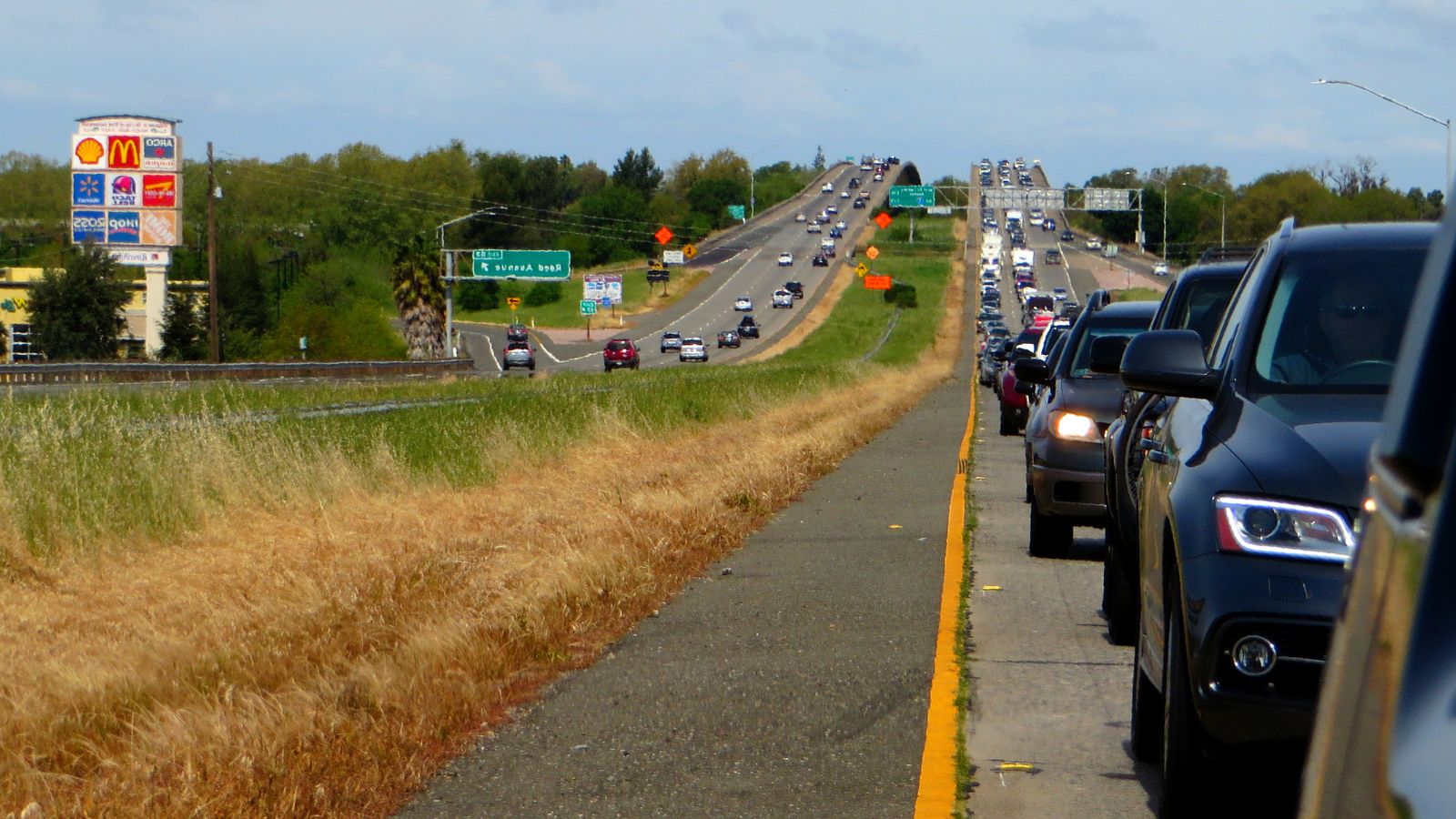
Slow traffic with constant stop and go movement builds heat inside the transmission. Many vehicles rely on airflow to cool the fluid which barely happens at low speeds. Drivers who creep for long periods often notice the transmission feels less responsive. Heat slowly breaks down the fluid and shortens clutch life. Allowing the car periodic cooling moments helps ease that stress.
25 Facts About Car Loans That Most Drivers Don’t Realize

Car loans are one of the most common ways people fund car purchases. Like any other kind of loan, car loans can have certain features that can be regarded as an advantage or a disadvantage to the borrower. Understanding all essential facts about car loans and how they work to ensure that you get the best deal for your financial situation is essential. Here are 25 shocking facts about car loans that most drivers don’t realize:
25 Facts About Car Loans That Most Drivers Don’t Realize
