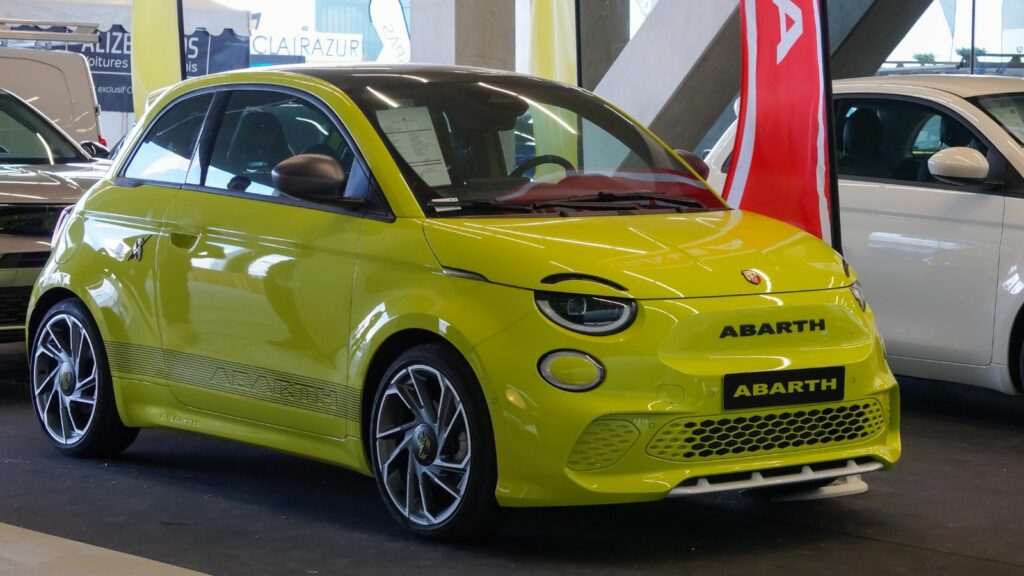
Modern engineering has improved winter performance, yet a few recent cars still managed to earn infamy once the snow fell. Some had the wrong drivetrain, others suffered from weak heaters or electronics that panicked the moment temperatures dipped. These eight models, all sold within the last fifteen years, gained reputations as vehicles you never wanted to rely on in a Canadian winter.
Fiat 500
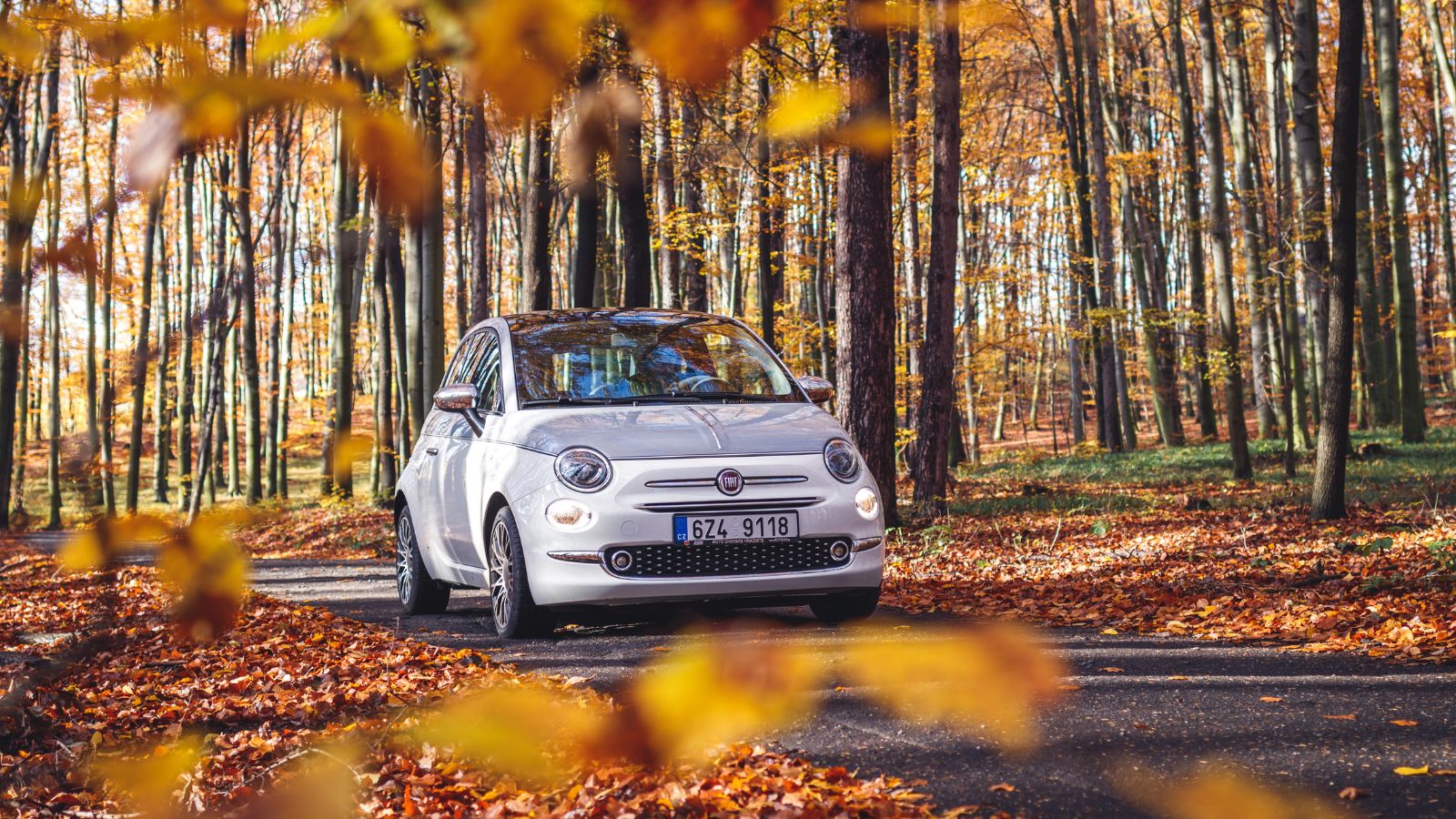
The Fiat 500 charmed buyers with style but wilted the moment winter arrived. Its short wheelbase produced twitchy handling on icy roads and the light front end made traction unreliable. The heater struggled to keep up during deep freezes which meant frosty windows lingered far too long. Even with winter tires the car felt nervous which made daily driving stressful.
Smart Fortwo
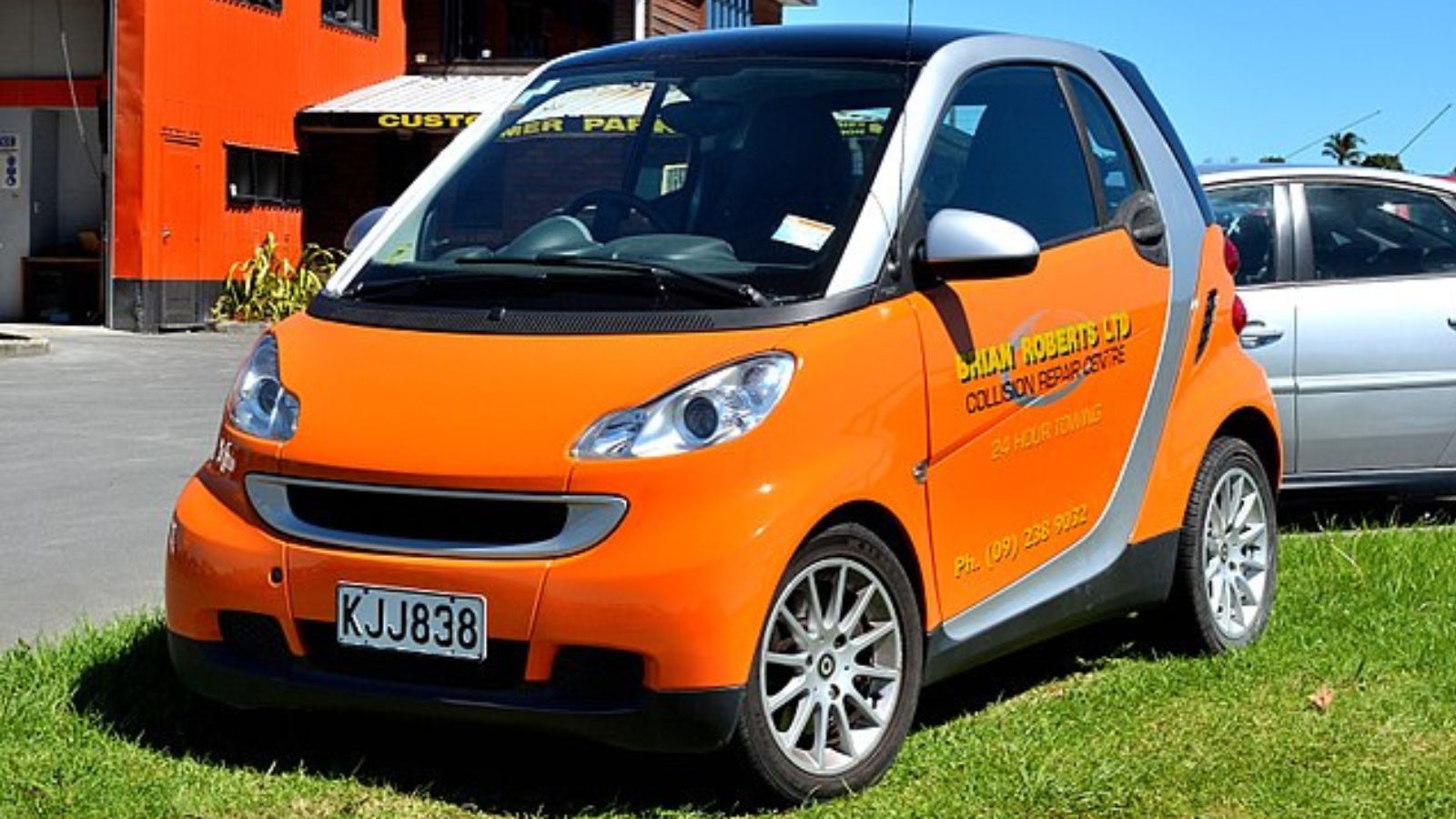
The Smart Fortwo excelled in cities but never belonged on snowy highways. The tiny wheelbase created instability at higher speeds and crosswinds pushed it around with ease. The single clutch automatic hesitated in cold weather which made acceleration unpredictable. While parking was effortless, winter driving felt like a gamble because the car simply lacked the stability and power Canadian roads demand.
Chevrolet Camaro (2010s)
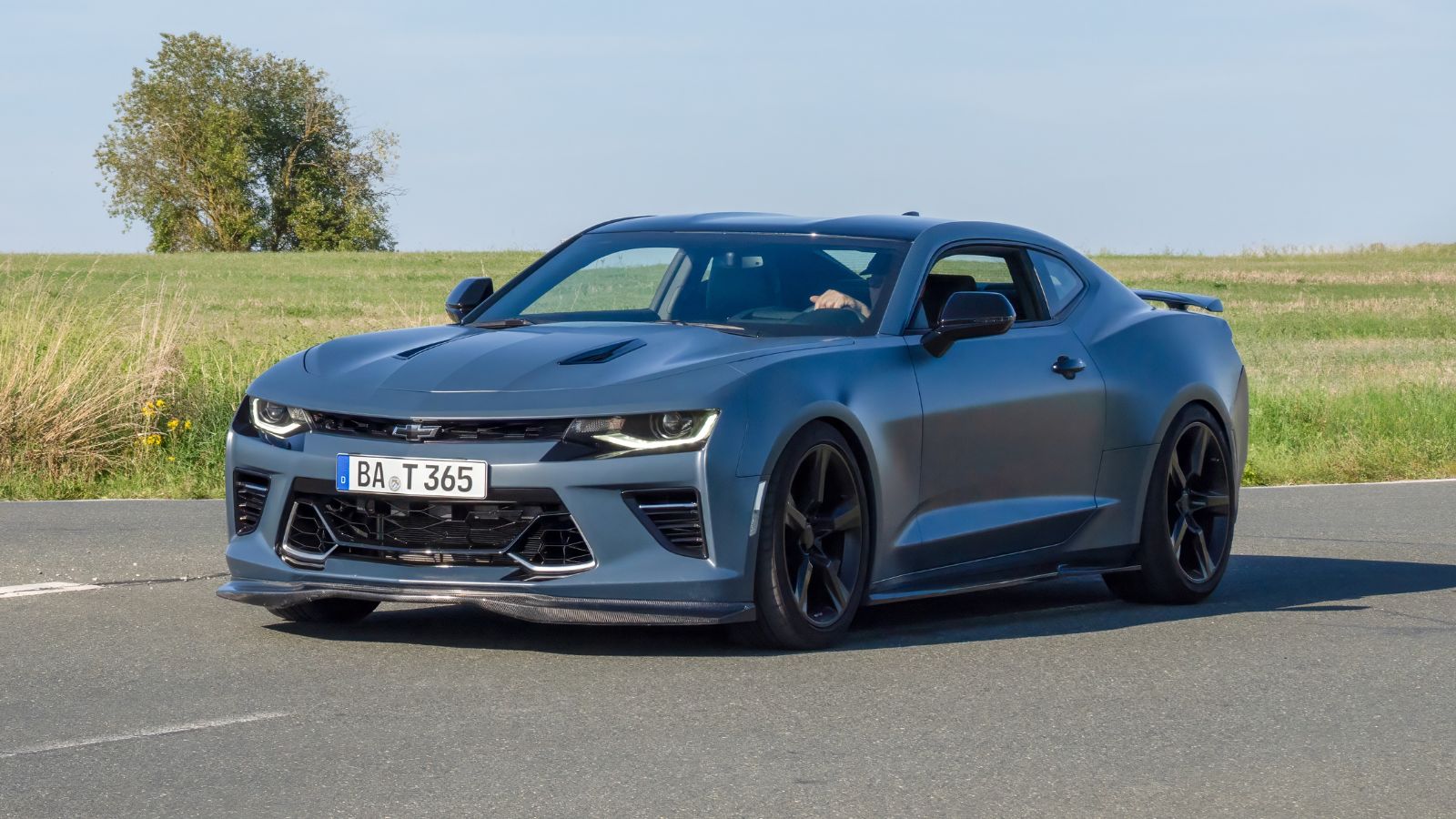
The modern Camaro delivered muscle but suffered when snow fell. Rear wheel drive, wide tires and a heavy nose made turn in difficult and traction nearly nonexistent. Even the V6 models struggled to find grip on packed snow. Low ground clearance meant the front bumper plowed into drifts. Without proper winter tires and patience the Camaro felt like a summer toy forced into the wrong season.
Ford Mustang (2010s)
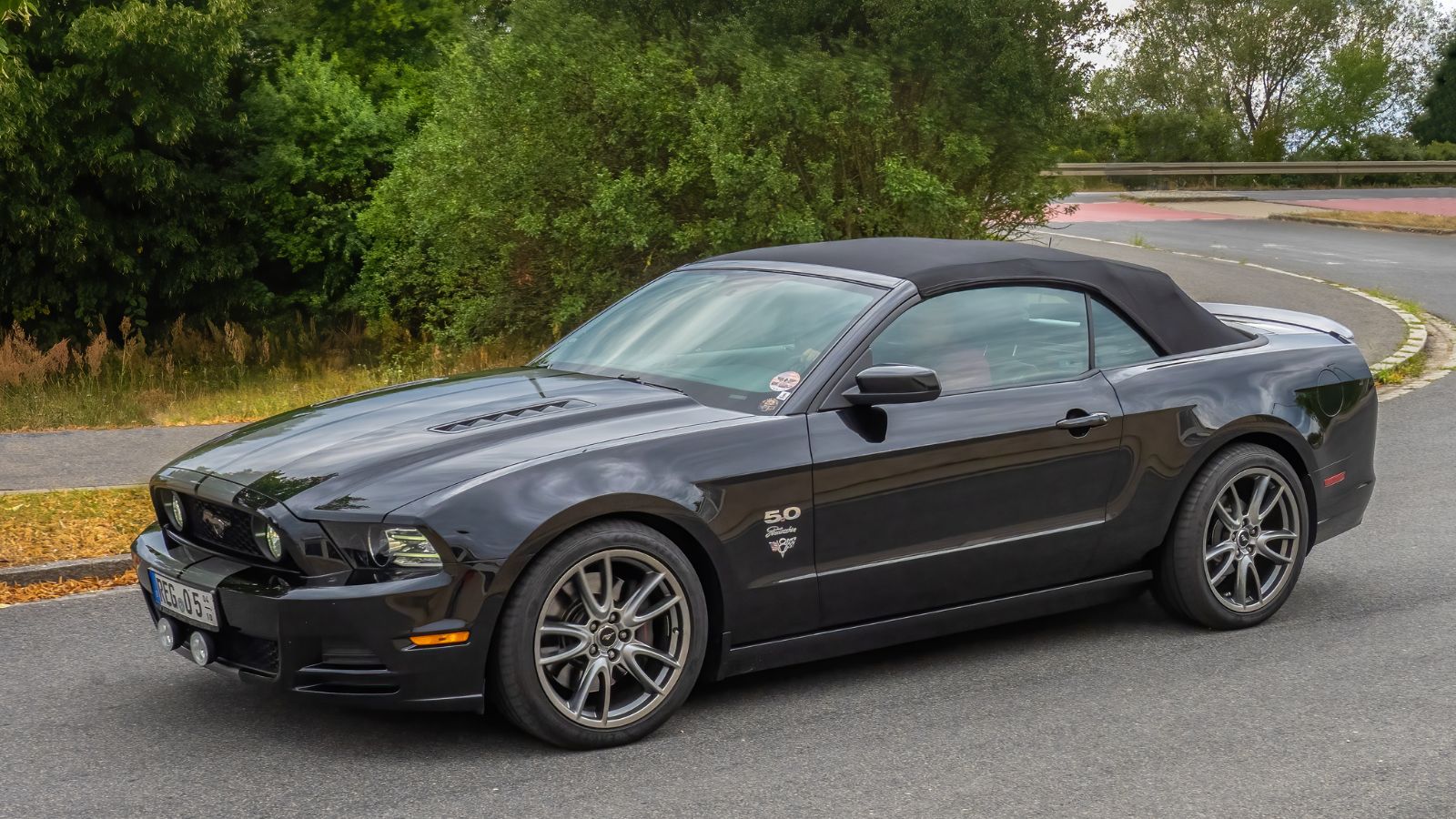
Like the Camaro, the Mustang was never happy in winter. Rear wheel drive and firm suspension created a car that snapped sideways easily on slippery surfaces. The traction control stepped in constantly which made the car feel bogged down and unpredictable. Mustang owners often admitted the safest winter strategy was to store the car and drive something with all wheel drive instead.
Nissan 370Z
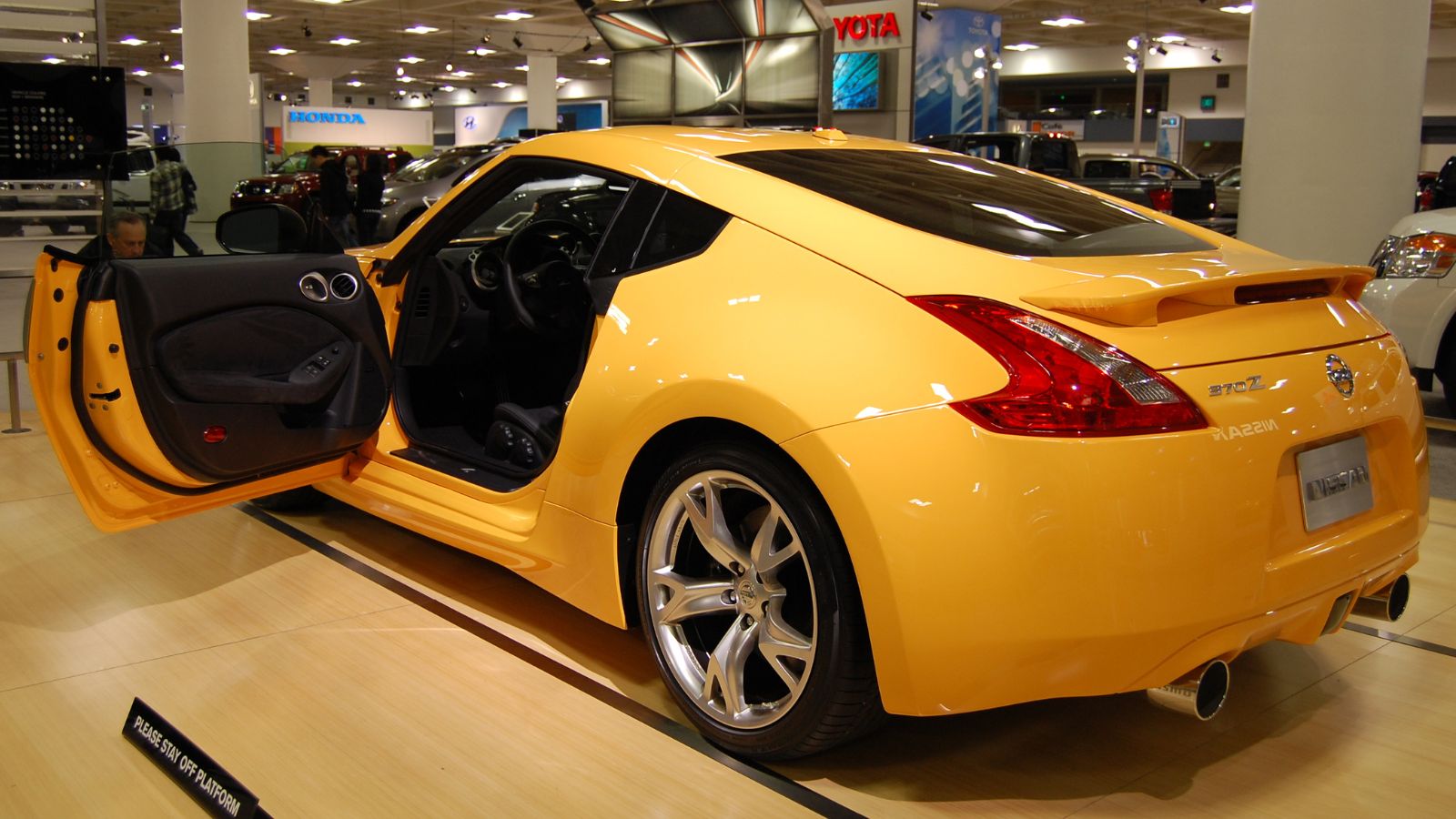
The 370Z blended power with rear wheel drive, a combination that turned winter into a wrestling match. The car’s traction control worked overtime yet still allowed sudden slides. Wide performance tires became useless in cold temperatures and the short wheelbase made corrections difficult. The cabin heater worked well but the chassis never felt settled which discouraged winter commuting entirely.
Subaru BRZ and Toyota 86
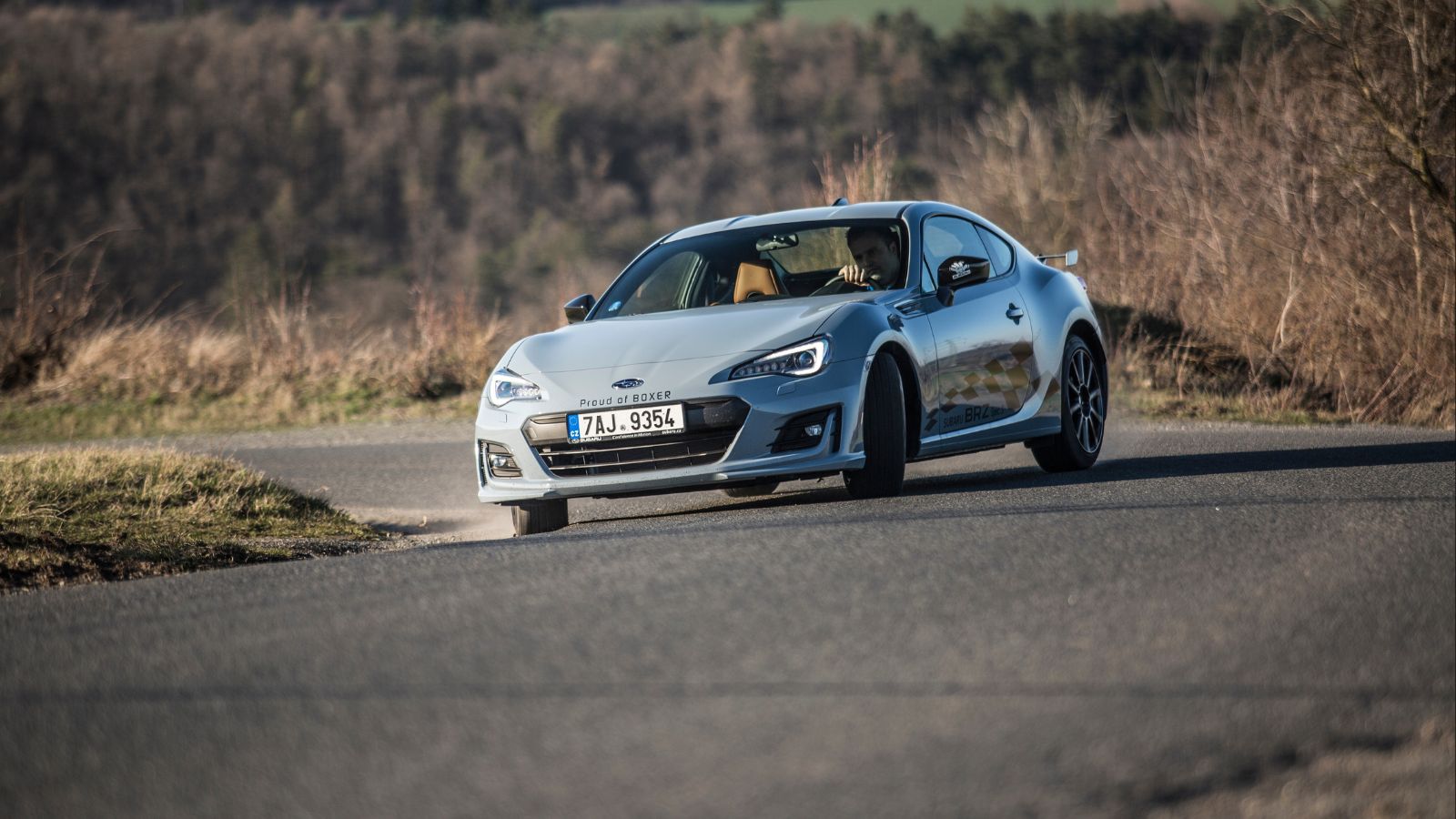
Despite their loyal fanbase these twins were never winter heroes. Rear wheel drive, low weight and performance focused tires created a car that danced more than it drove on ice. The playful handling that made them fun in summer became chaotic in winter. With dedicated snow tires they improved, but out of the box they were simply not prepared for Canadian conditions.
Volkswagen Beetle Turbo (2010s)
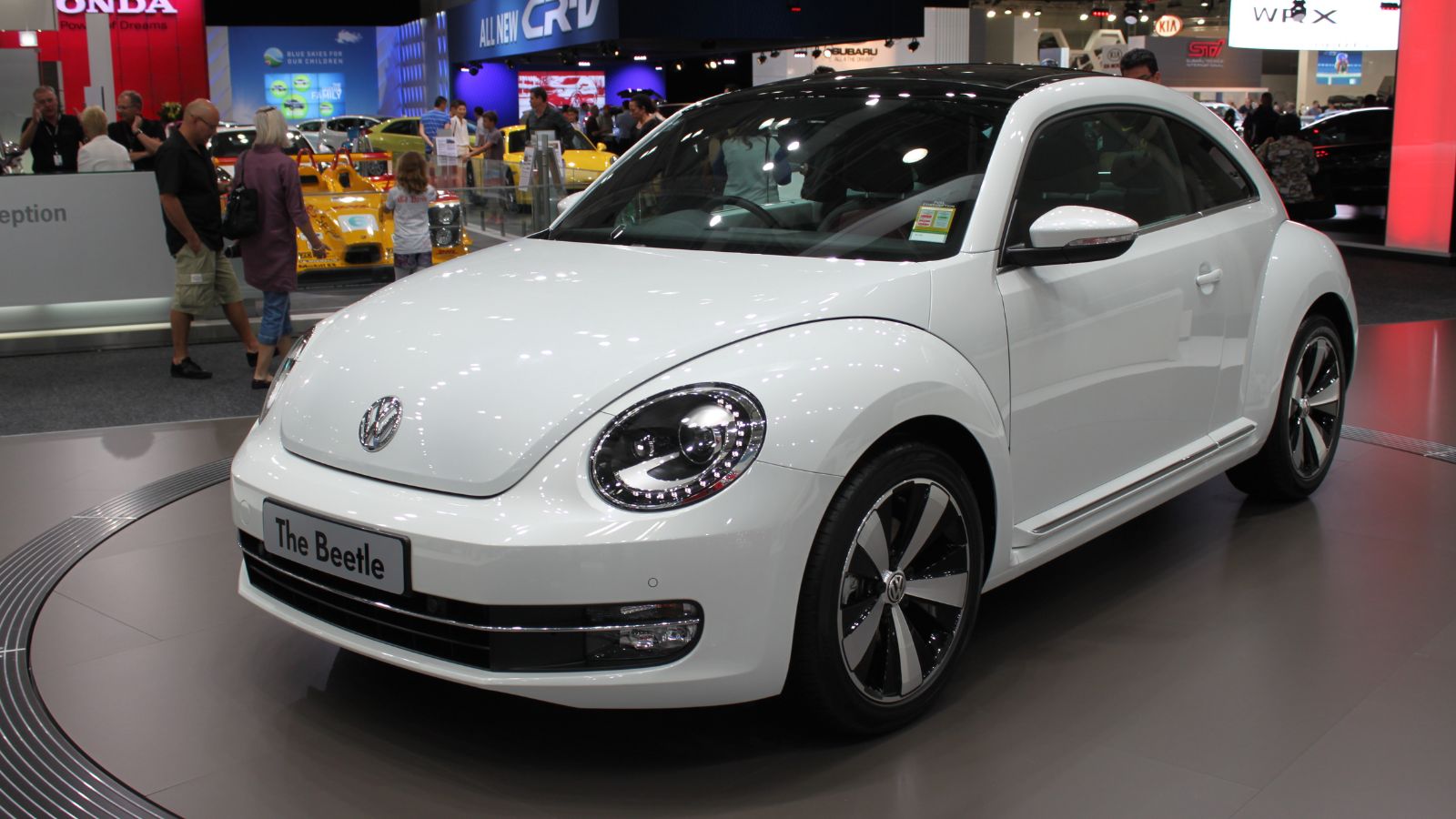
Although front wheel drive helped in some situations, the Beetle Turbo struggled with a heater that took far too long to warm the cabin on extreme cold mornings. The car’s traction control became intrusive which robbed confidence in slippery corners. The short front end also had trouble with drifting snow. Despite its charm, winter revealed weaknesses that frustrated daily commuters.
Mini Cooper (2010s)
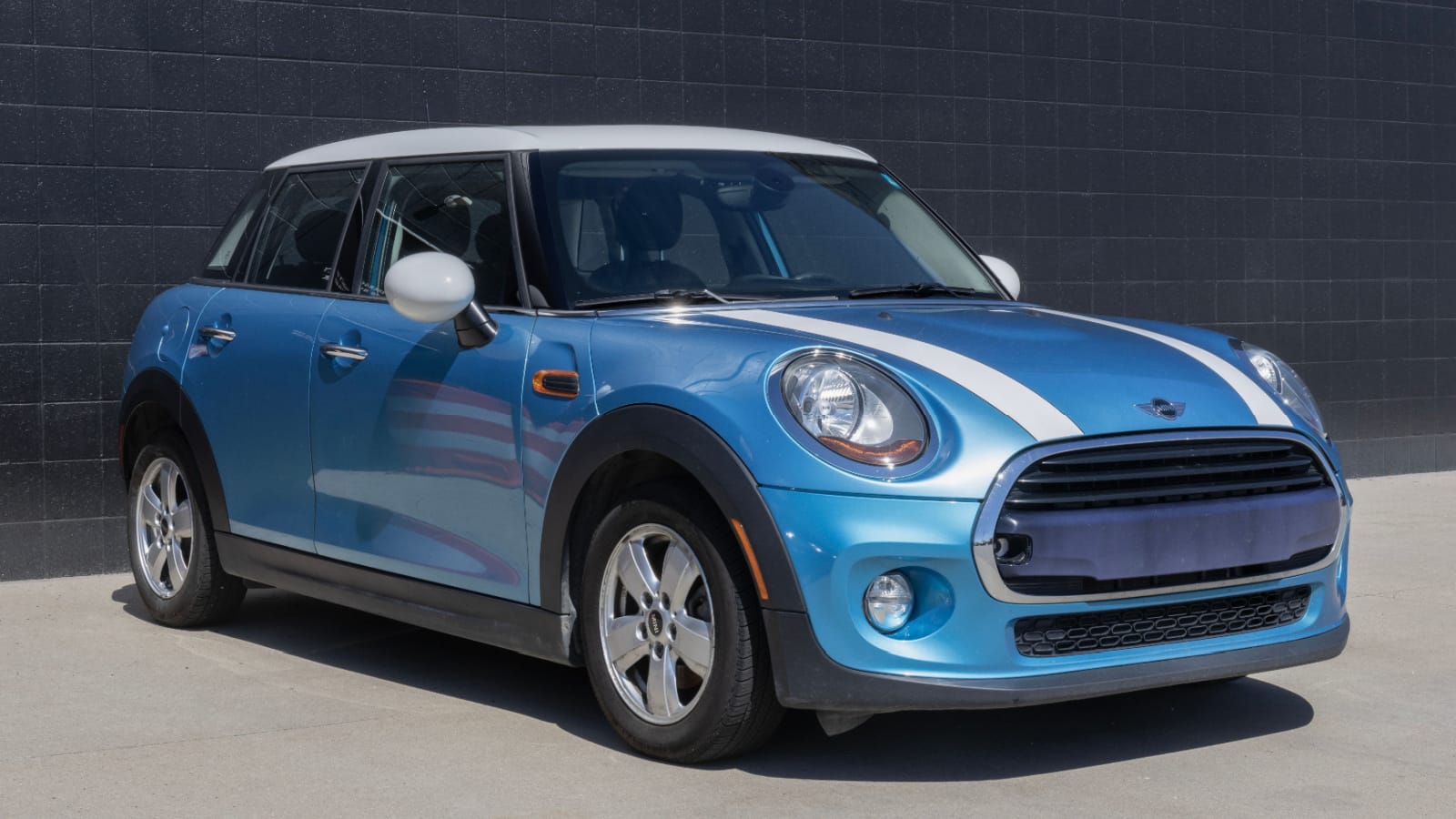
The Mini handled brilliantly on dry pavement, yet winter highlighted its flaws. The stiff suspension made snowy roads feel rougher than they should and the narrow wheelbase created skittish behaviour at highway speeds. Cold starts were inconsistent on earlier models and the cabin took time to heat fully. Once the roads cleared the Mini felt alive, but in winter it demanded constant focus.
25 Facts About Car Loans That Most Drivers Don’t Realize

Car loans are one of the most common ways people fund car purchases. Like any other kind of loan, car loans can have certain features that can be regarded as an advantage or a disadvantage to the borrower. Understanding all essential facts about car loans and how they work to ensure that you get the best deal for your financial situation is essential. Here are 25 shocking facts about car loans that most drivers don’t realize:
25 Facts About Car Loans That Most Drivers Don’t Realize
