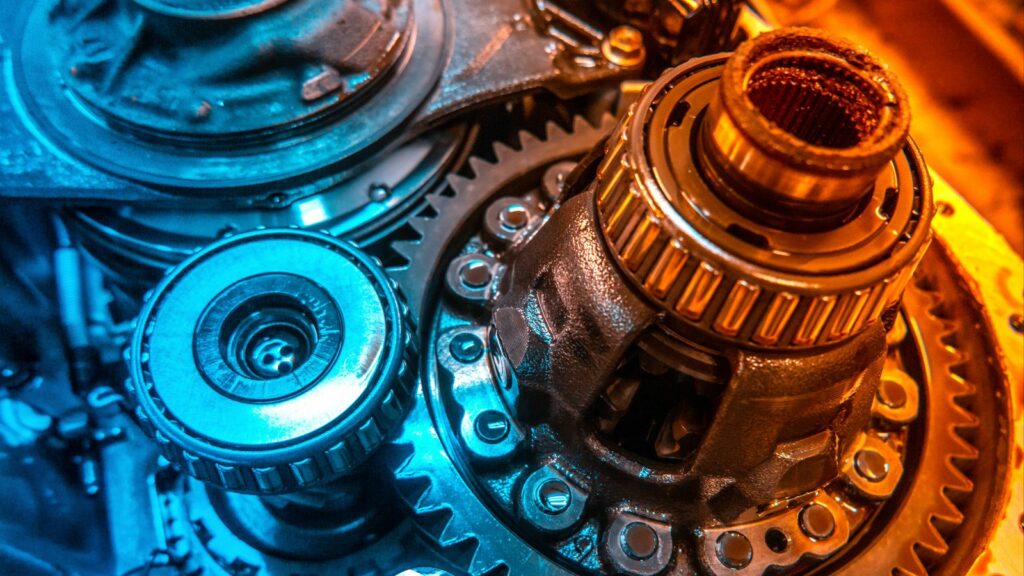
Most drivers know a CVT feels different, but few understand why. Conventional automatics rely on fixed gears, automated manuals use clutches and gearsets, yet CVTs operate on a completely different philosophy. They do not shift, they glide. They change ratios without steps, and that single detail creates an entirely unique driving experience. For anyone who enjoys mechanical geekery, here is how CVTs separate themselves from the rest of the transmission world.
CVTs Use Variable Ratios Instead of Fixed Gears
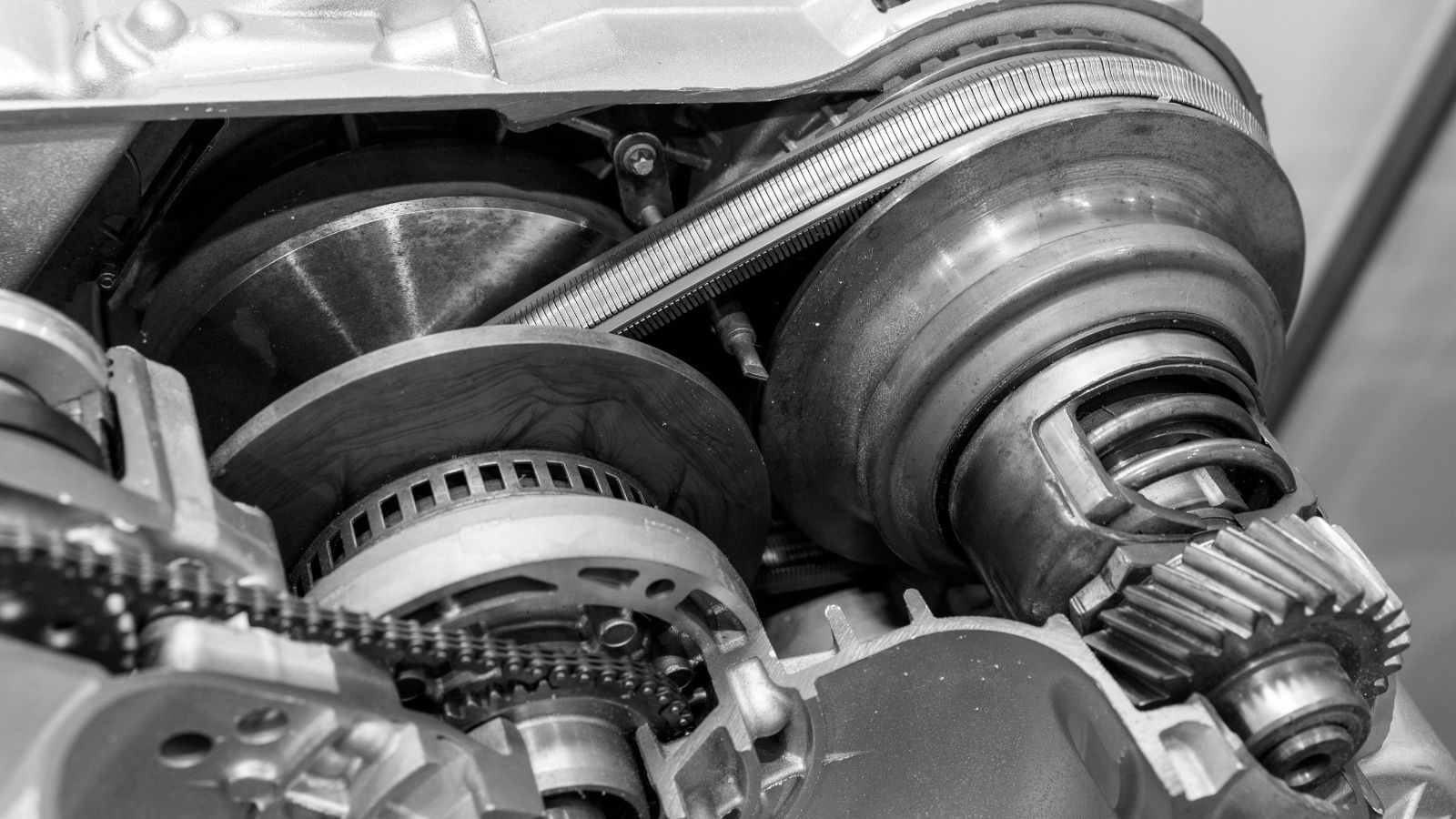
A conventional automatic has a set number of gears, usually six to ten. An automated manual has a traditional gearbox with a computer controlling the clutch. A CVT has none of that. Instead it uses pulleys connected by a metal belt or chain. As the pulleys widen or narrow the ratio changes continuously. That means no steps, no shifts, just one smooth sweep from low to high. It is the most defining difference and the reason CVTs behave so strangely to the untrained ear.
They Hold the Engine in Its Ideal Power Zone
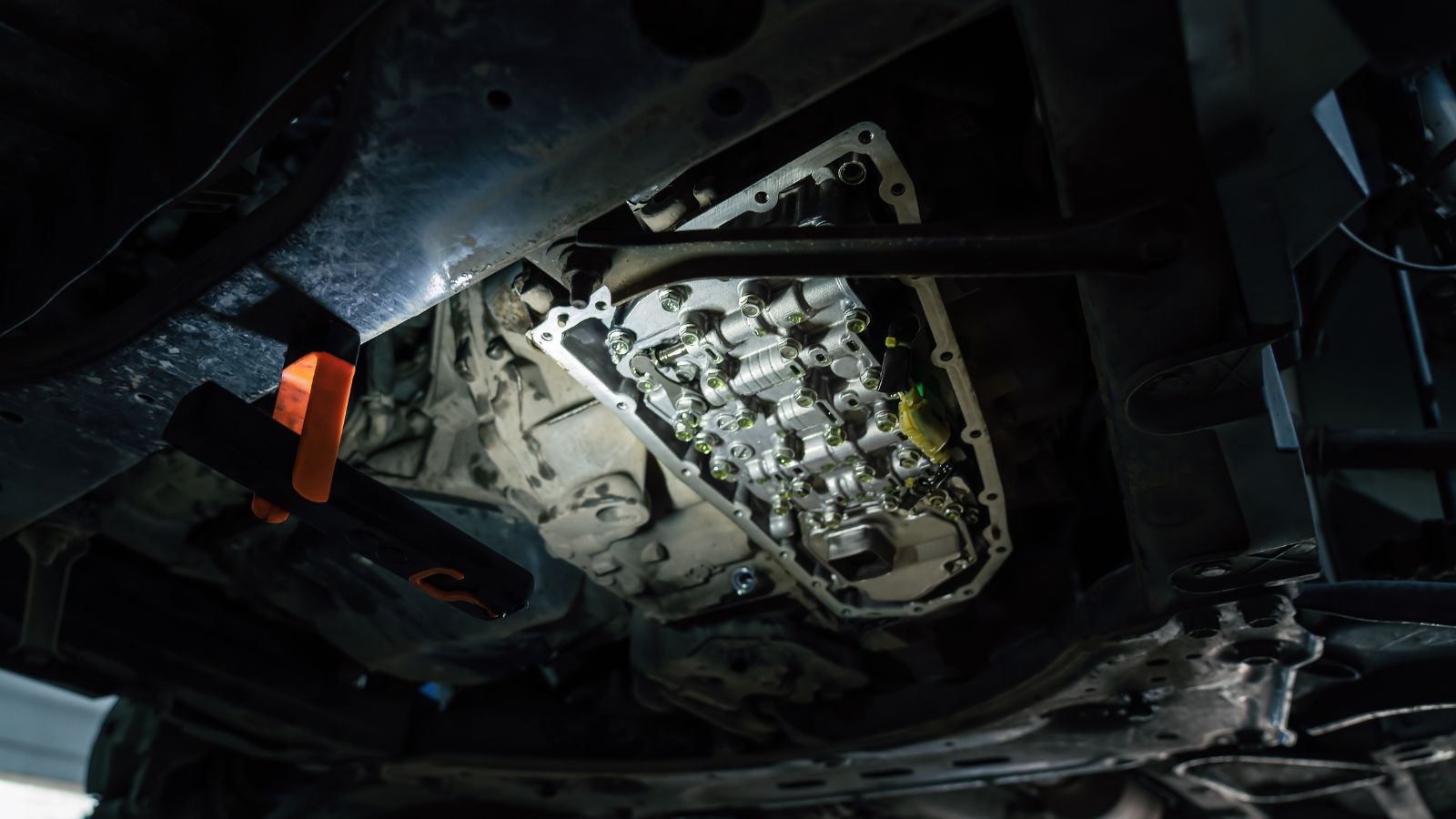
Conventional automatics shuffle between gears that sit at predetermined points. A CVT can keep the engine at the exact rpm where it produces the most torque or the best fuel economy. When accelerating the engine climbs to its sweet spot and stays there as the pulleys adjust. Automated manuals attempt this through rapid shifting, but a CVT does it without interruption. This efficiency obsessed design is a huge part of why hybrids love CVTs.
CVTs Feel “Shiftless”
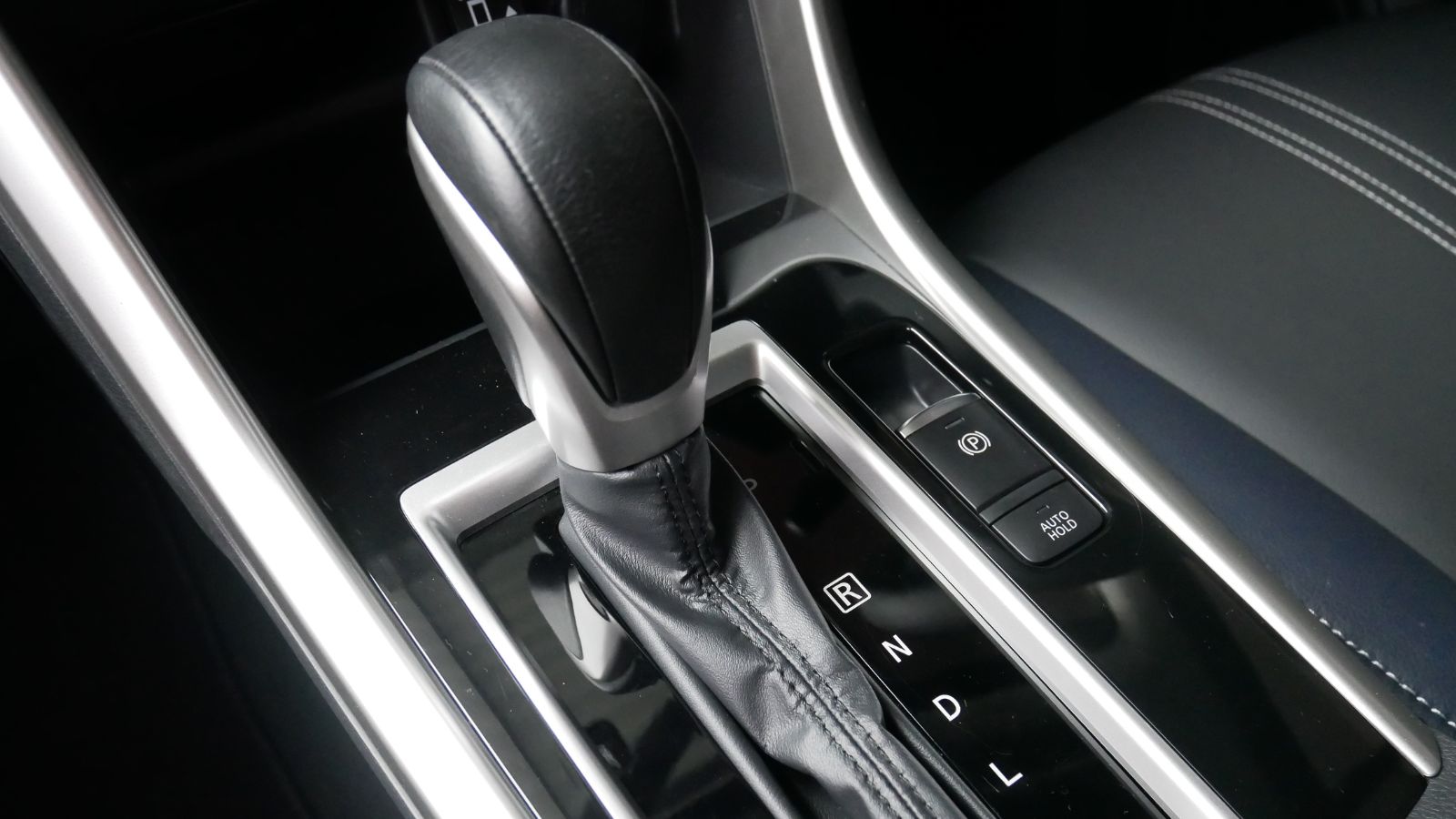
Drivers often complain that CVTs feel like a rubber band. That is because there are no mechanical steps. A conventional automatic clicks from gear to gear, an automated manual jerks through rapid clutch movements, but a CVT simply moves the ratio smoothly. The engine sound rises without the usual rhythm of shifting which surprises drivers who expect a buildup and release. It is alien at first, but intentional.
They Rely on Belt or Chain Tension, Not Gear Teeth
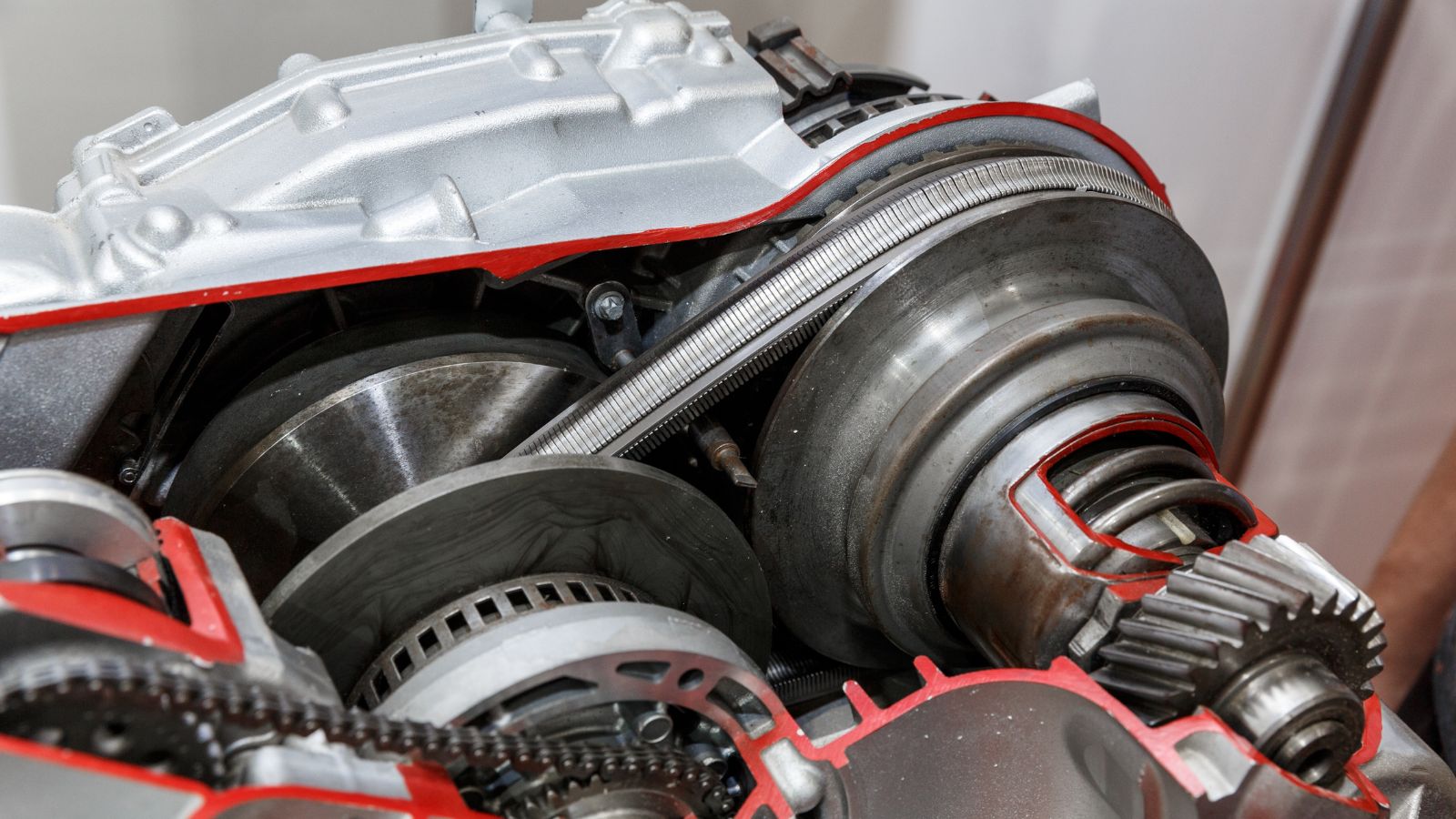
Traditional gearsets lock into each other with metal teeth. CVTs use a high tension steel belt or chain compressed between pulleys. This creates enough friction to transfer power. It also means CVTs require very specific fluid characteristics. Wrong fluid destroys them quickly. Automated manuals avoid this issue because they use standard gears, making them mechanically tougher under high loads.
CVTs Prioritize Efficiency Over Performance
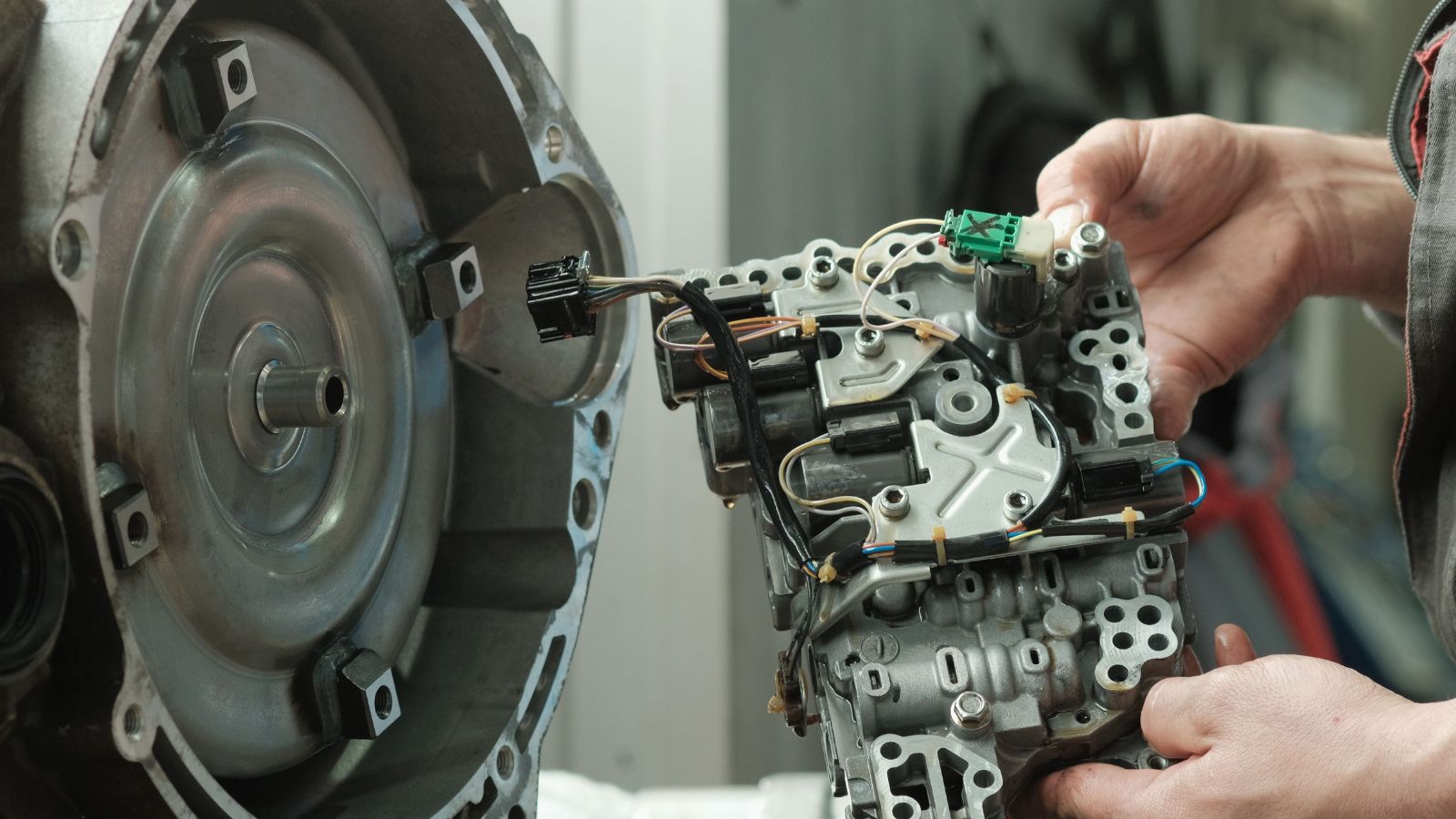
A conventional automatic with many gears can blend performance and fuel economy. An automated manual can shift quickly to create a sporty feel. A CVT simply does not chase driving excitement. It exists to save fuel and smooth out acceleration. High performance CVTs exist in theory but rarely make production because belts struggle with extreme torque. This is why big engines and CVTs almost never mix.
They React Differently Under Heavy Throttle
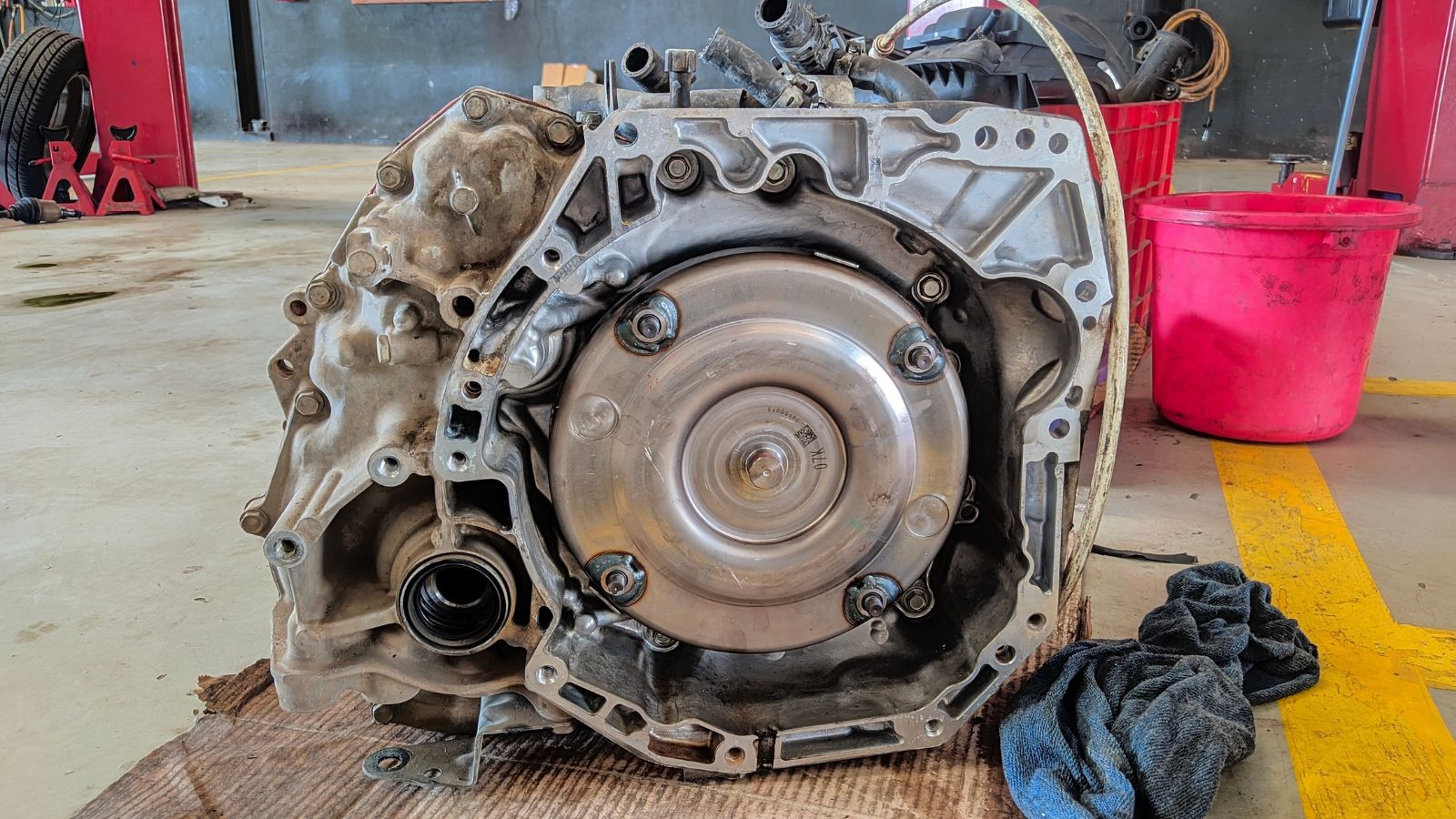
Press hard on a conventional automatic and it downshifts aggressively to a lower gear. An automated manual drops to a lower ratio with a sharp jolt. A CVT instead jumps instantly to its lowest ratio by narrowing the pulleys and lets the engine rev high while the car catches up. It feels like slipping a clutch endlessly, though mechanically it is entirely different. The sensation throws off drivers expecting a kickdown.
Heat Management Is Critical
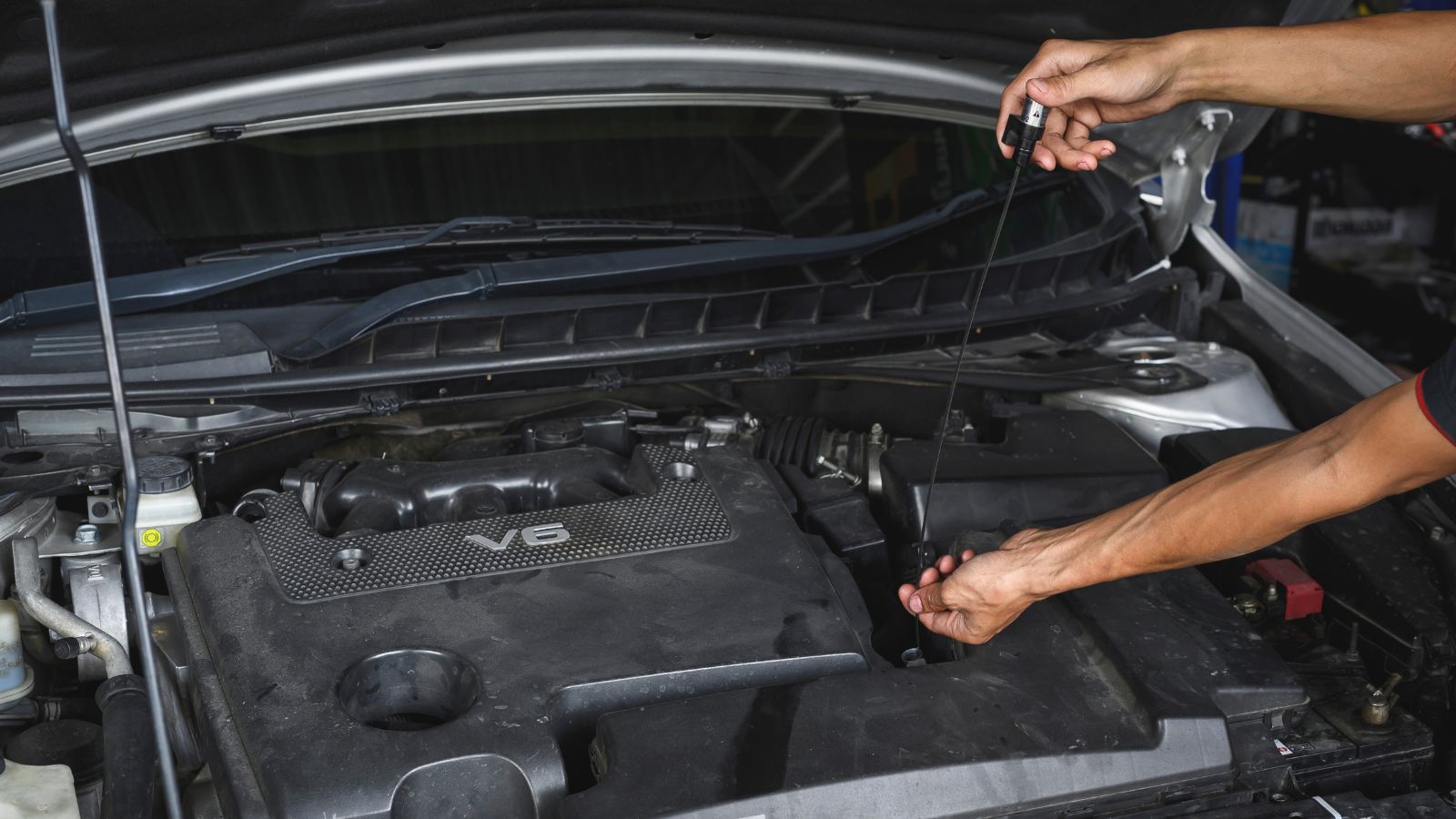
Conventional automatics rely on gear oil pressure. Automated manuals rely on clutch engagement. CVTs rely heavily on fluid for cooling and pulley lubrication. When overheated the belt can slip and damage the pulleys. That is why many early CVTs earned a bad reputation, especially in heavy Canadian winters when cold thickened the fluid and summers overheated it in traffic. Modern designs solve many of these issues but the sensitivity remains.
CVT Step Simulation Is Fake
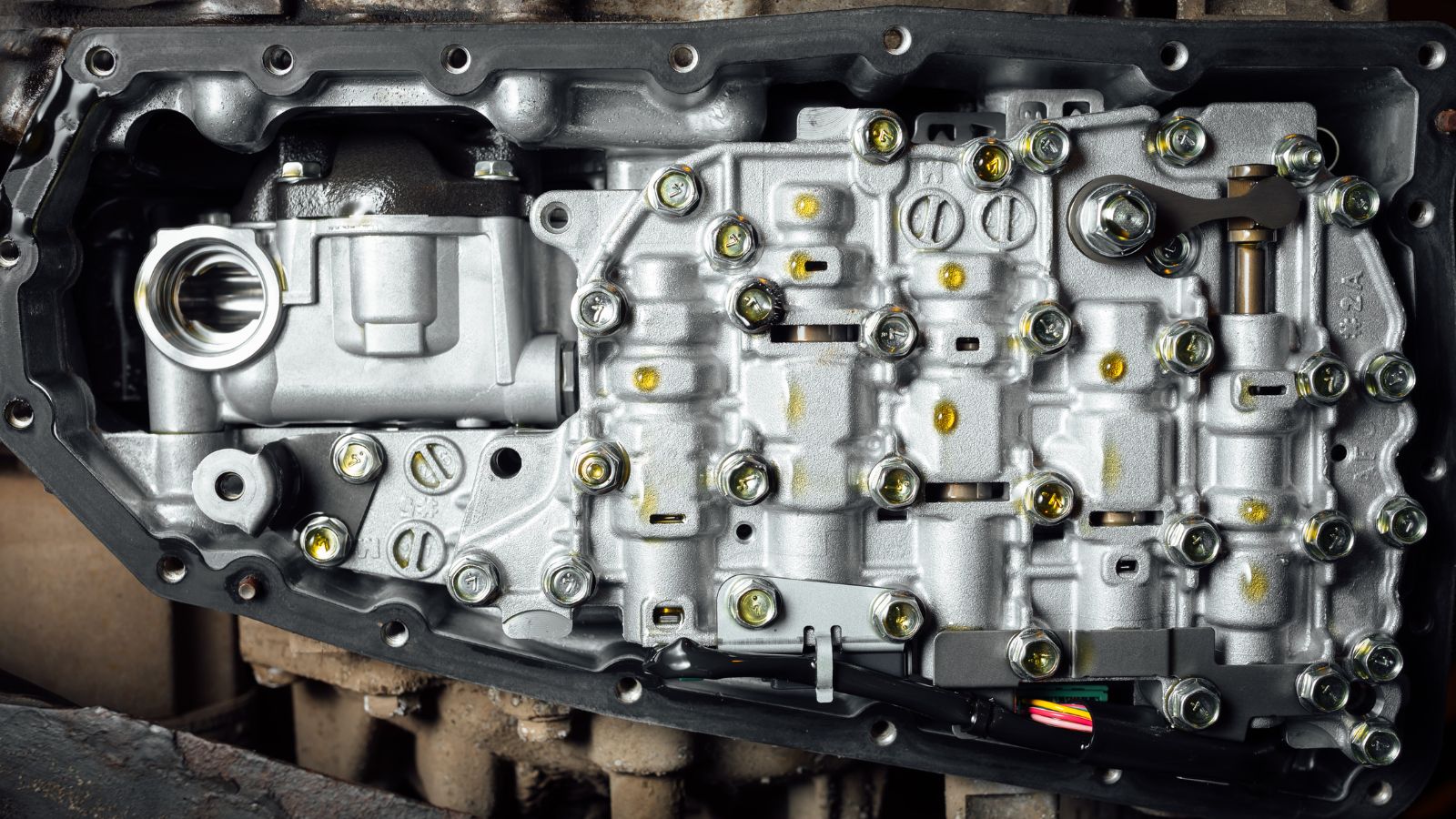
Many modern CVT equipped cars offer “shift points” when you accelerate hard or use paddle shifters. These are software generated. The transmission is not actually shifting. Engineers added this because drivers complained about the engine droning at a steady rpm. Conventional automatics and automated manuals shift for real. CVTs simply mimic the feeling to keep drivers comfortable.
They Have Fewer Moving Parts but Different Failure Modes
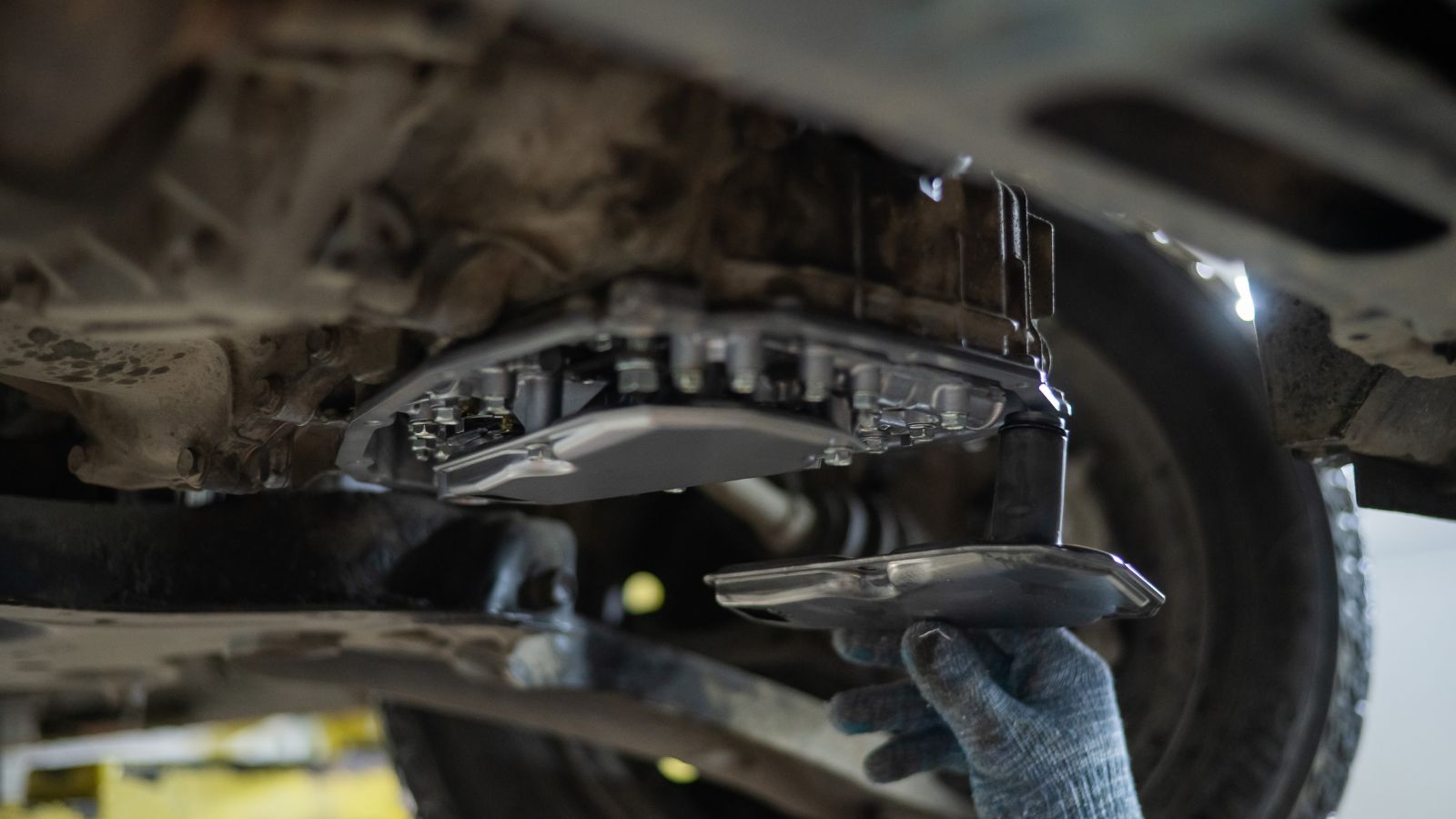
A CVT has fewer mechanical components than a conventional automatic. No gear clusters, no clutch packs. But the components it does have must operate with extreme precision. A single damaged pulley surface or stretched belt can cause the entire unit to fail. Automated manuals wear out clutches and synchros, conventional automatics burn clutch packs, but CVTs tend to fail all at once and require complete replacement.
CVTs Excel in Stop and Go Driving
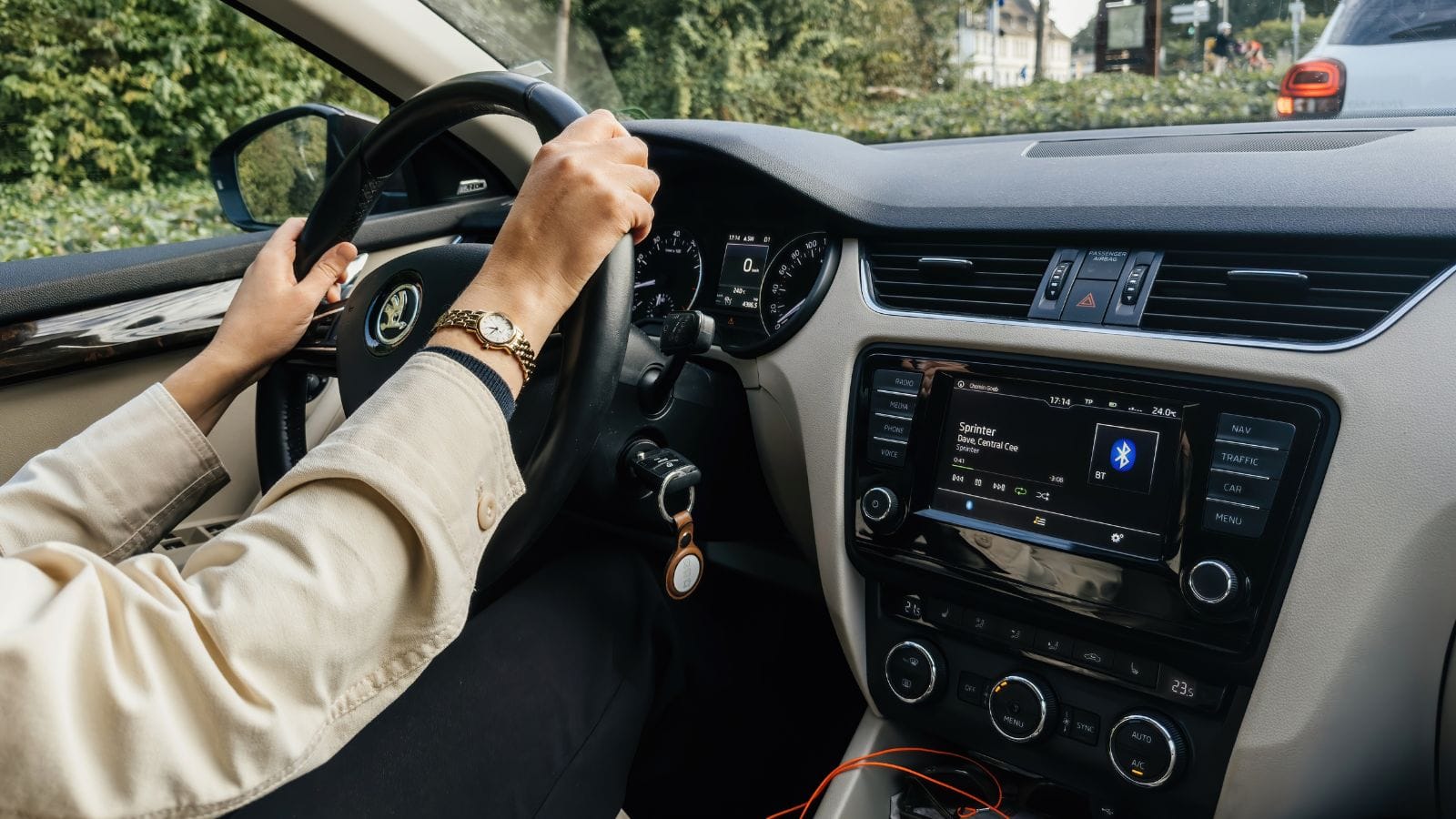
In city conditions a CVT often feels smoother than a conventional automatic and far smoother than an automated manual. Without shifts, they eliminate gear hunting and low speed jerks. Hybrids take this further by blending electric power seamlessly, making CVTs feel as if they were made for urban driving. Their behaviour shines most when speeds are low and fluid temperatures stay stable.
25 Facts About Car Loans That Most Drivers Don’t Realize

Car loans are one of the most common ways people fund car purchases. Like any other kind of loan, car loans can have certain features that can be regarded as an advantage or a disadvantage to the borrower. Understanding all essential facts about car loans and how they work to ensure that you get the best deal for your financial situation is essential. Here are 25 shocking facts about car loans that most drivers don’t realize:
25 Facts About Car Loans That Most Drivers Don’t Realize
