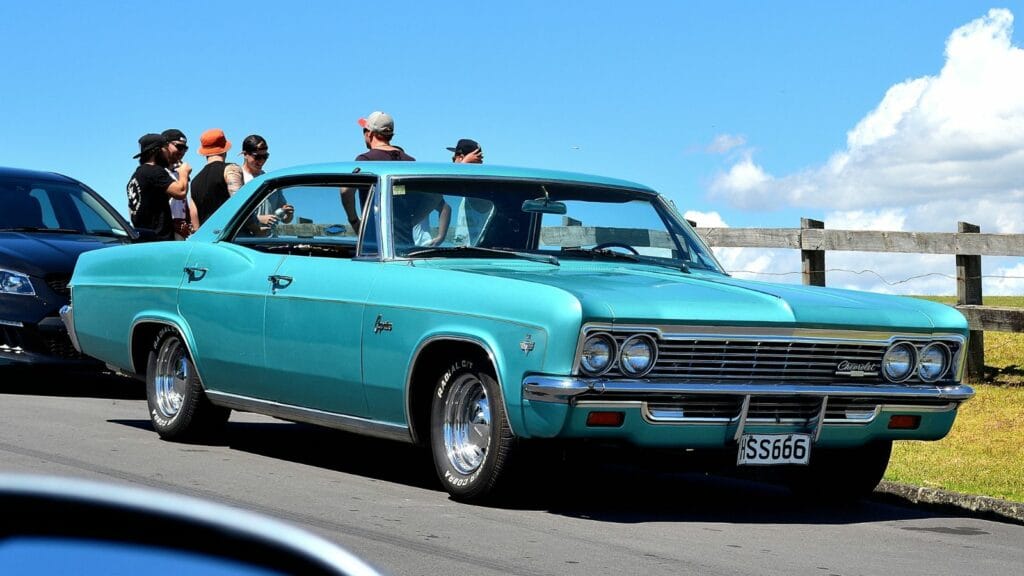
Spotting four pedals in a classic car stops most people in their tracks. One too many feet required, surely something is wrong. In reality, that extra pedal often tells a story about early engineering solutions, racing influence or forgotten driving techniques. Long before modern gearboxes and electronics simplified everything, manufacturers used clever mechanical workarounds that demanded more from the driver. Here is why some vintage cars really did need four pedals.
The Hand Throttle Era
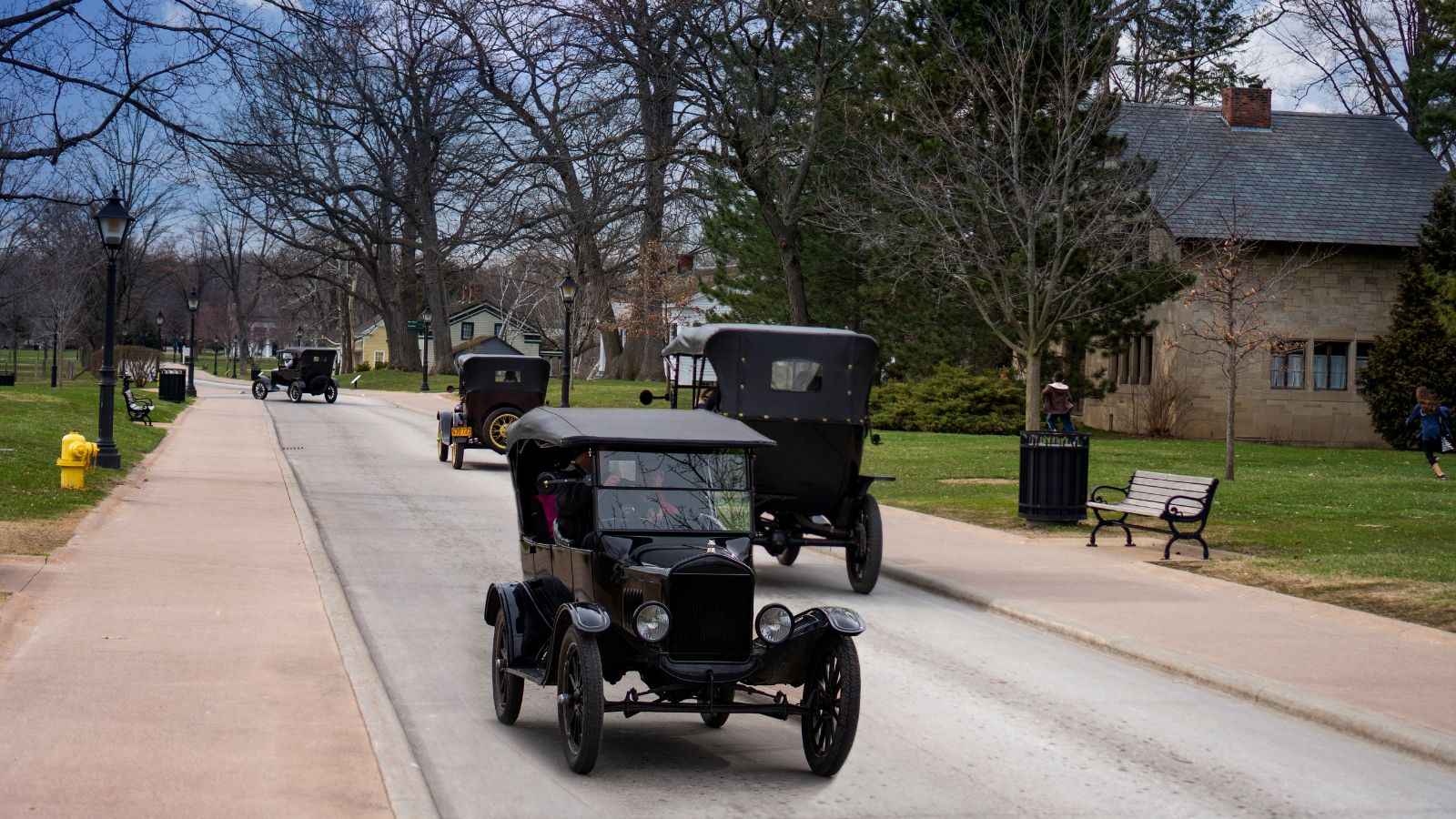
Before reliable automatic transmissions and refined carburetors, some cars used a foot operated throttle pedal in addition to a hand throttle. This extra pedal allowed drivers to set engine speed manually, especially useful when warming engines or driving long distances. In cold climates or early touring cars, holding a steady rev without foot fatigue mattered. The extra pedal was about control, not confusion.
Preselector Gearboxes Changed Everything
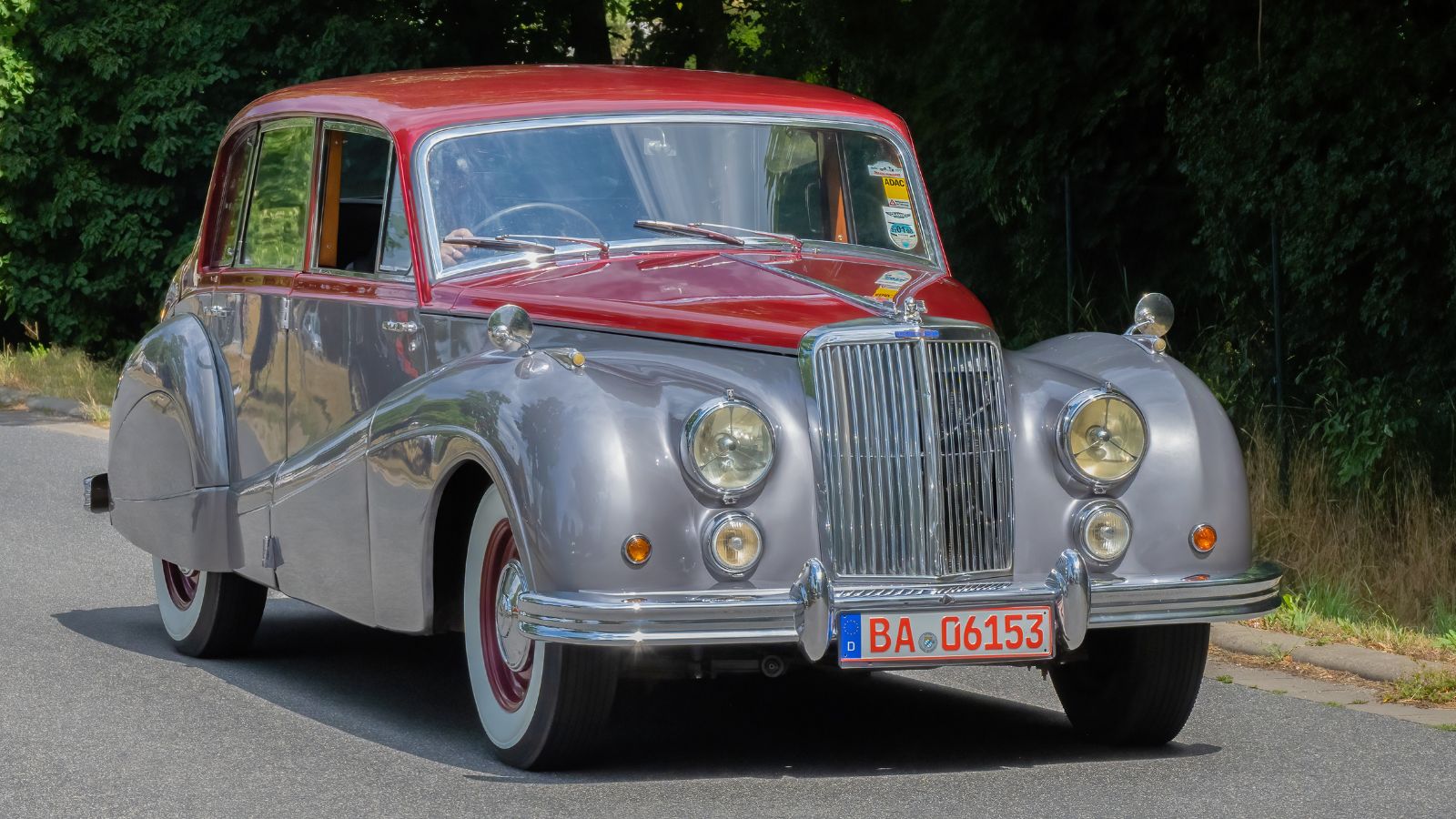
Preselector transmissions were popular in the 1930s and 1940s, especially in luxury and racing inspired cars. Instead of a traditional clutch and gearstick interaction, drivers selected the next gear in advance and used a separate pedal to engage it. This resulted in a clutch pedal, a brake pedal, an accelerator and a gearbox engagement pedal. Cars like the Wilson Preselector equipped vehicles used this layout to allow smoother, faster gear changes.
Freewheel Systems Needed Extra Control
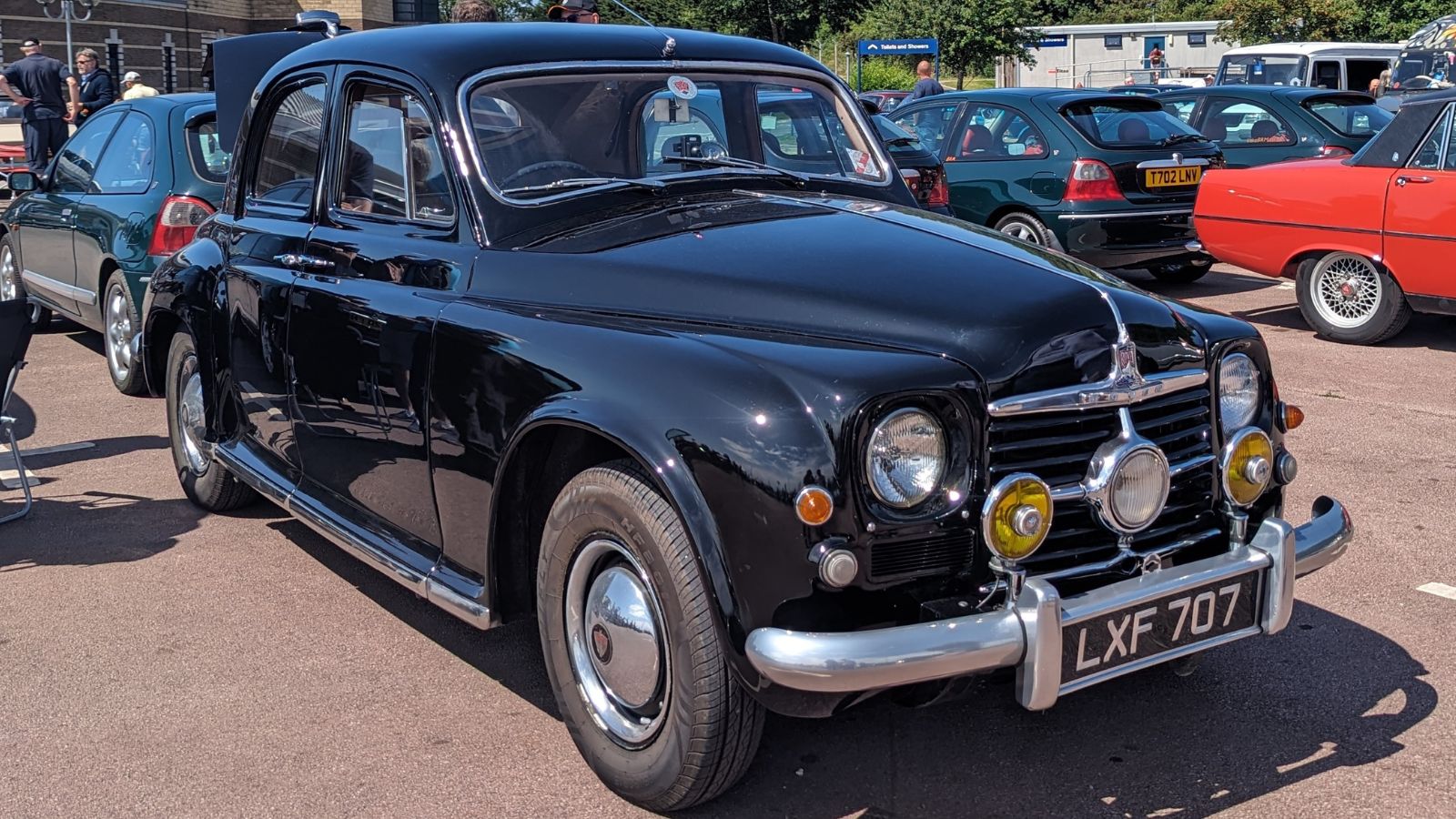
Some vintage cars used freewheel mechanisms that allowed coasting without engine braking. To regain engine braking on hills, an extra pedal or control disengaged the freewheel system. This gave drivers more flexibility on long descents or fuel saving cruises. It also demanded awareness, because forgetting which mode you were in could be unsettling on steep roads.
Racing Influence on Road Cars
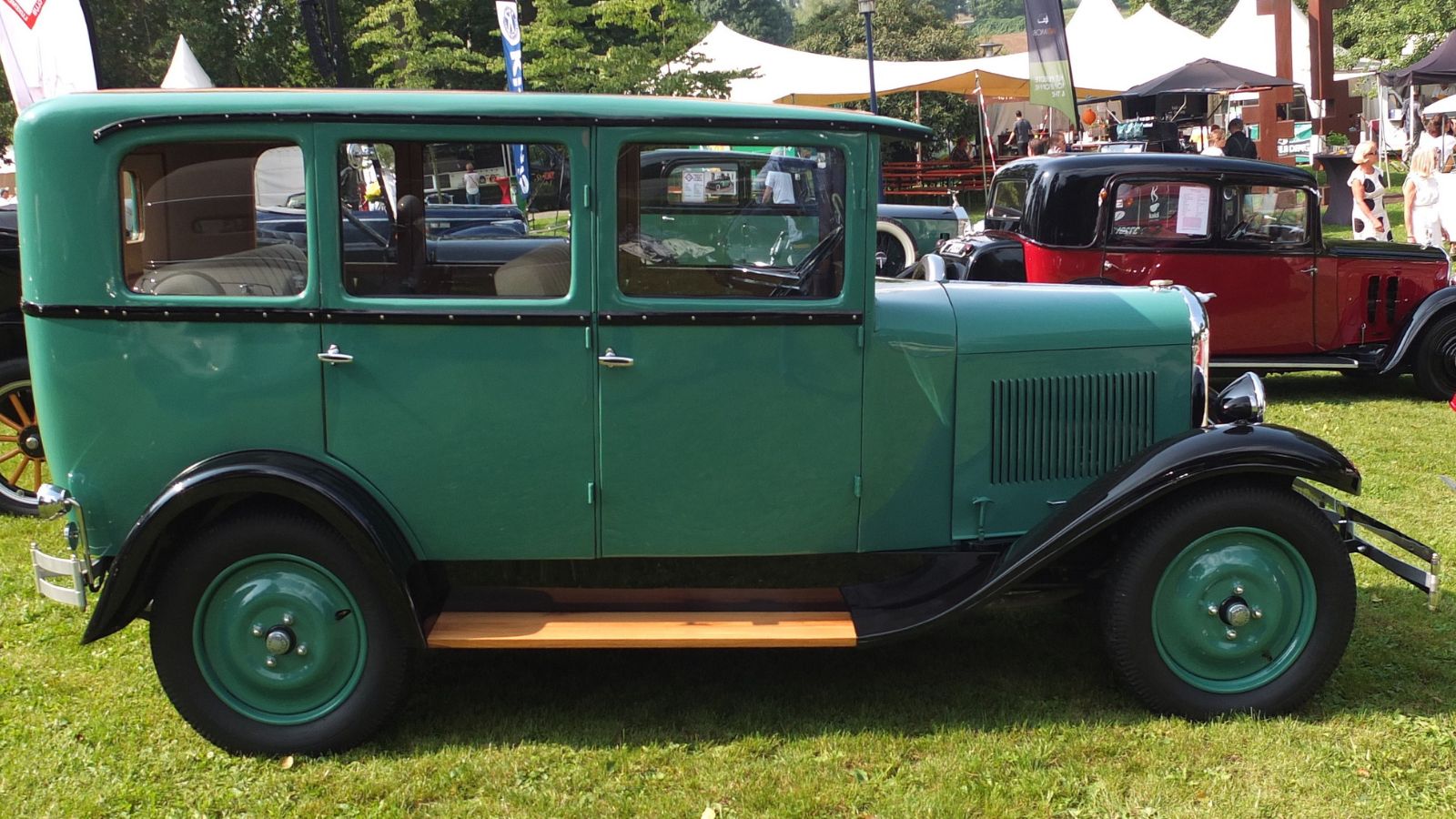
Early motorsport heavily influenced road car design. Some manufacturers experimented with brake bias adjustment pedals or mechanical systems that allowed drivers to fine tune braking effort mid drive. While rare, certain racing homologation cars briefly featured extra pedals to manage these systems. It was a mechanical solution long before electronic brake proportioning existed.
Starter Pedals Before Electric Starters
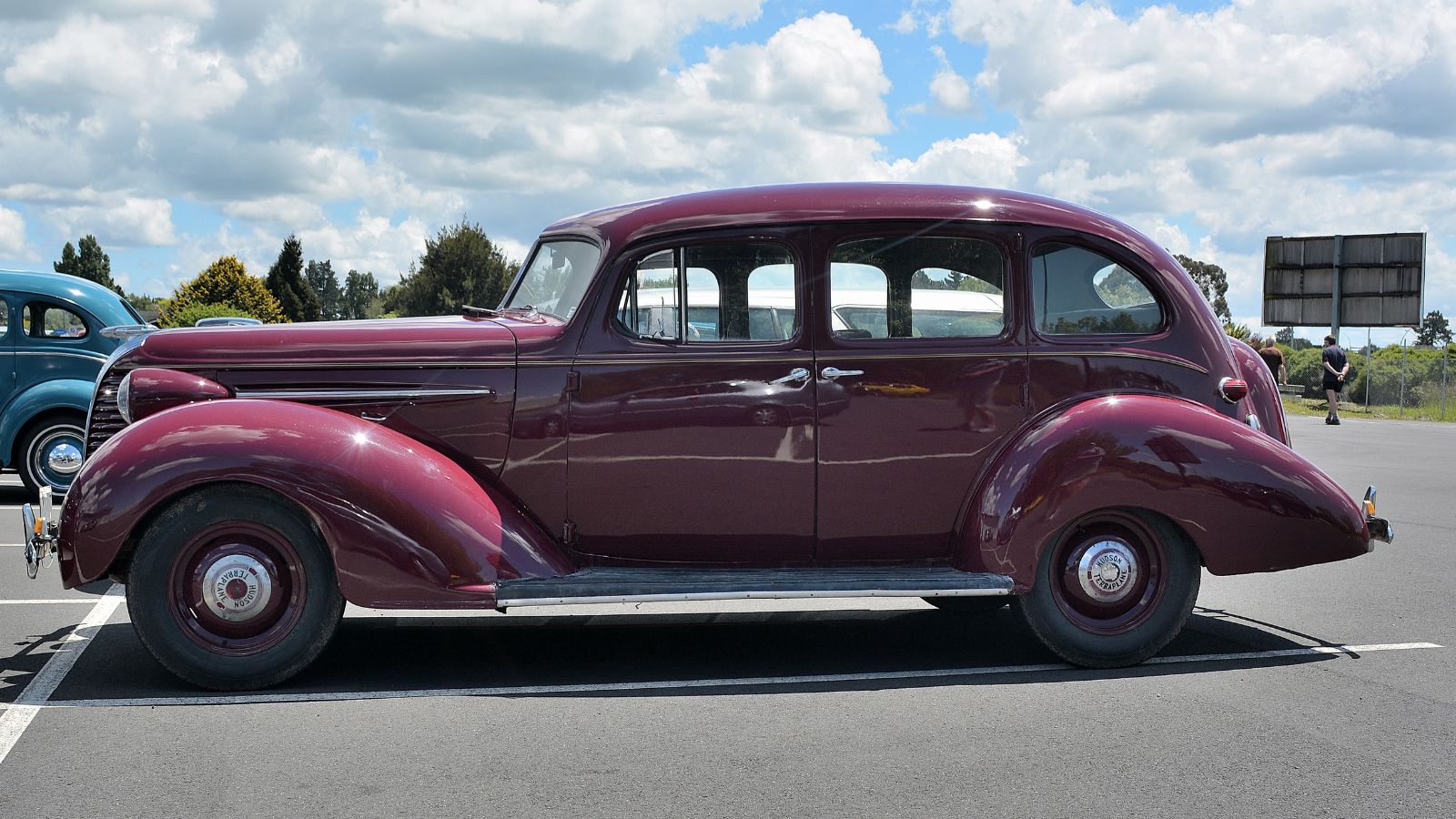
One of the most fascinating reasons for a fourth pedal is engine starting. Before push button starters became standard, some cars used a foot operated starter pedal. Pressing it engaged the starter motor directly. This pedal often sat beside the clutch, making the pedal box look crowded and confusing to modern eyes. It was practical and reliable for its time.
Early Automatic Experiments
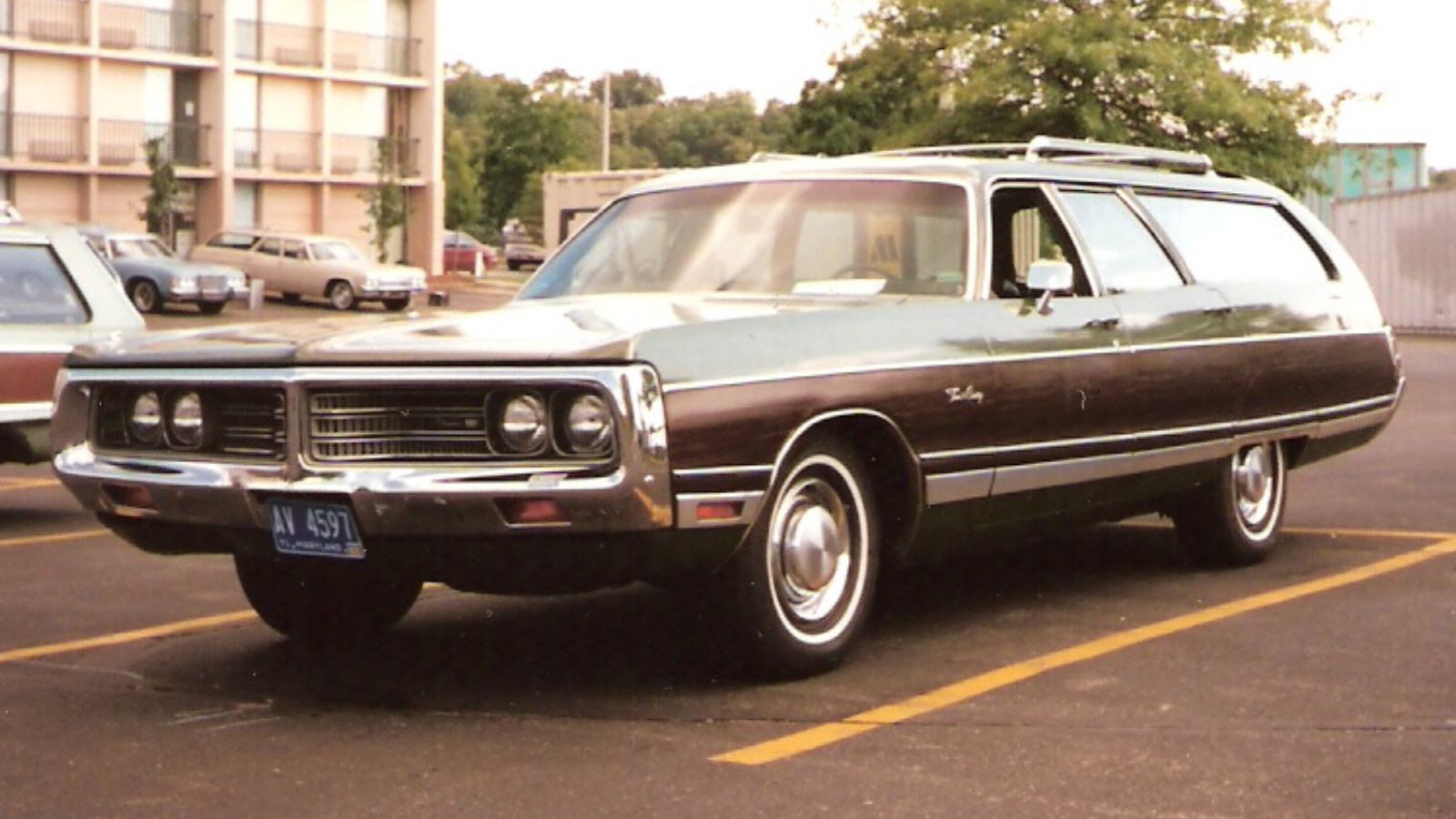
Before modern automatics settled into today’s familiar layout, early semi automatic systems experimented with extra pedals. Some used a pedal to disengage drive rather than a conventional clutch. Others combined clutch and gear selection into separate controls. These systems were stepping stones toward fully automatic transmissions and did not last long, but they left behind some very unusual interiors.
Military and Utility Origins
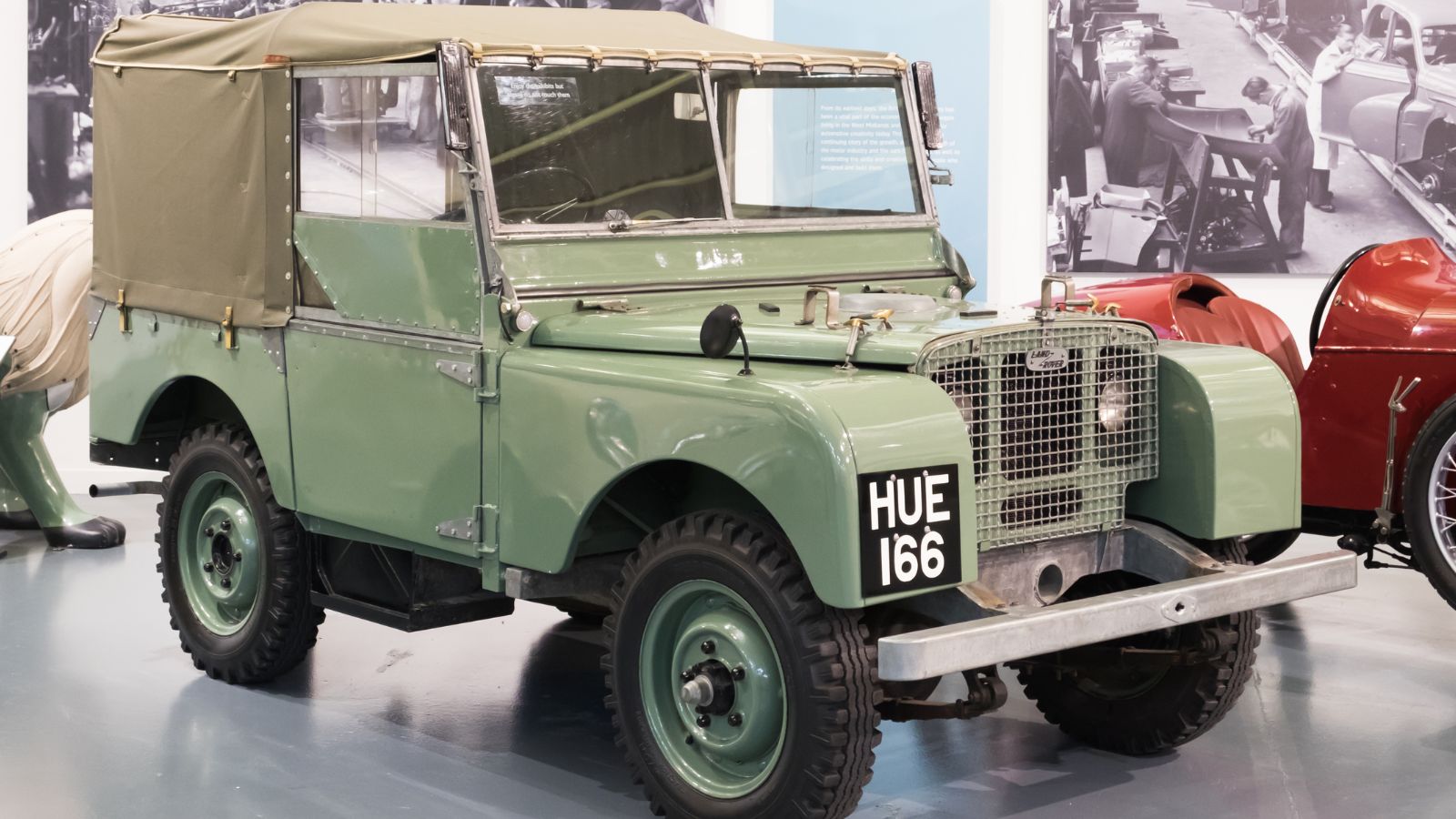
Certain utility vehicles and military derived cars used extra pedals to control auxiliary functions. These could include winches, power take off systems or auxiliary braking. The layout made sense in working environments where hands were busy with steering or operating equipment. When these vehicles transitioned to civilian life, the pedal arrangement came with them.
Why Four Pedals Disappeared

As engineering improved, simplicity won. Better carburetion, reliable electric starters, standardized gearboxes and later electronics removed the need for extra pedals. Drivers wanted intuitive controls, not training manuals. What once solved real mechanical problems eventually became unnecessary complexity. Today those four pedal layouts survive only in museums, private collections and the occasional concours lawn.
Why Collectors Love Them
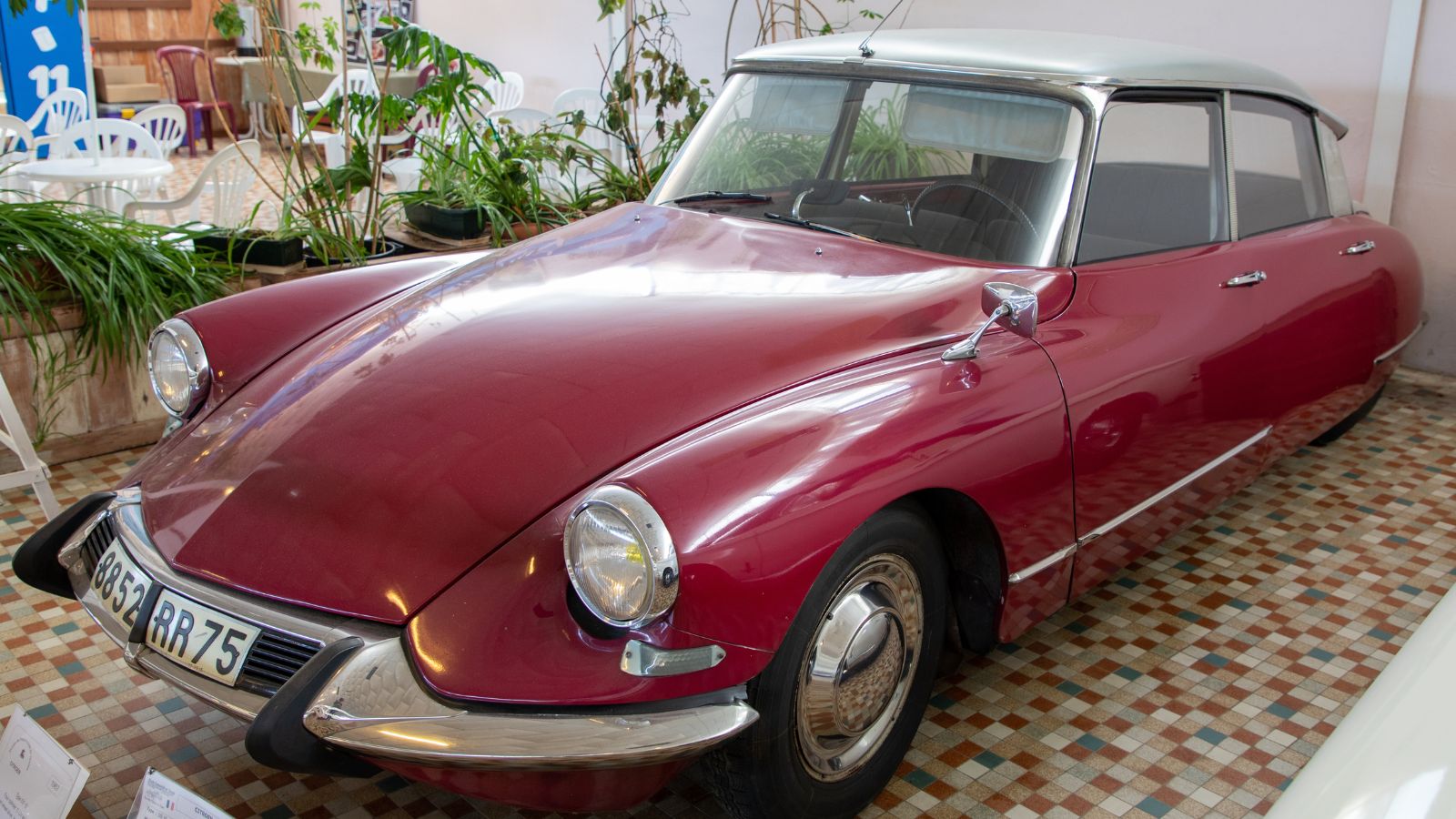
For collectors and enthusiasts, four pedal cars are fascinating because they represent experimentation. They show a time when solutions were mechanical, direct and sometimes awkward. Driving one is a reminder that motoring once required skill, coordination and patience. The extra pedal is not a mistake, it is a fingerprint of automotive evolution.
25 Facts About Car Loans That Most Drivers Don’t Realize

Car loans are one of the most common ways people fund car purchases. Like any other kind of loan, car loans can have certain features that can be regarded as an advantage or a disadvantage to the borrower. Understanding all essential facts about car loans and how they work to ensure that you get the best deal for your financial situation is essential. Here are 25 shocking facts about car loans that most drivers don’t realize:
25 Facts About Car Loans That Most Drivers Don’t Realize
