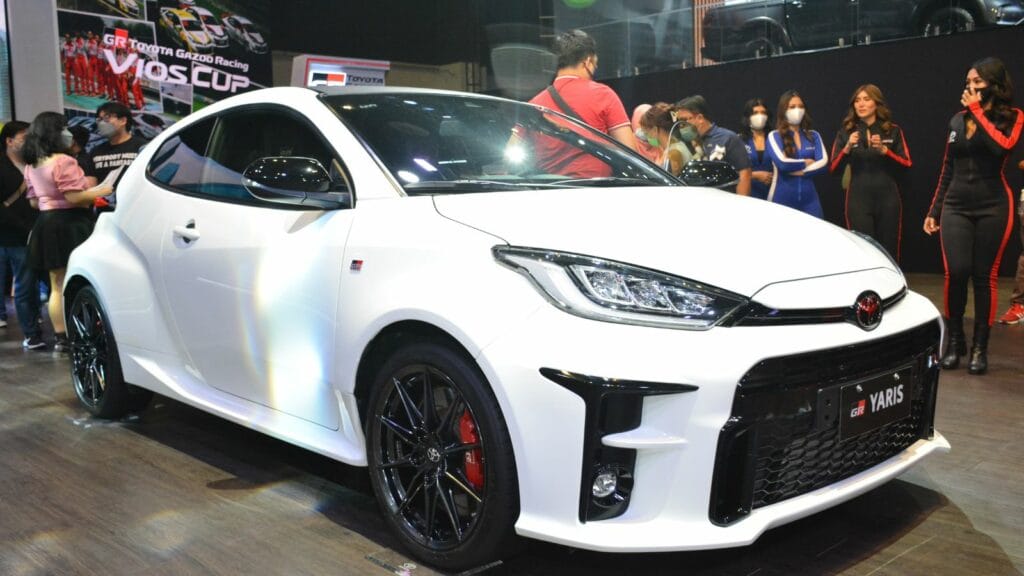
Toyota built its reputation on reliability, restraint and trust earned over decades. That makes its missteps stand out even more. When Toyota gets it wrong, the disappointment cuts deeper because expectations are so high. These eight models did real damage to the brand image, not because they were obscure failures, but because they clashed directly with what buyers believed Toyota stood for.
Toyota Yaris iA
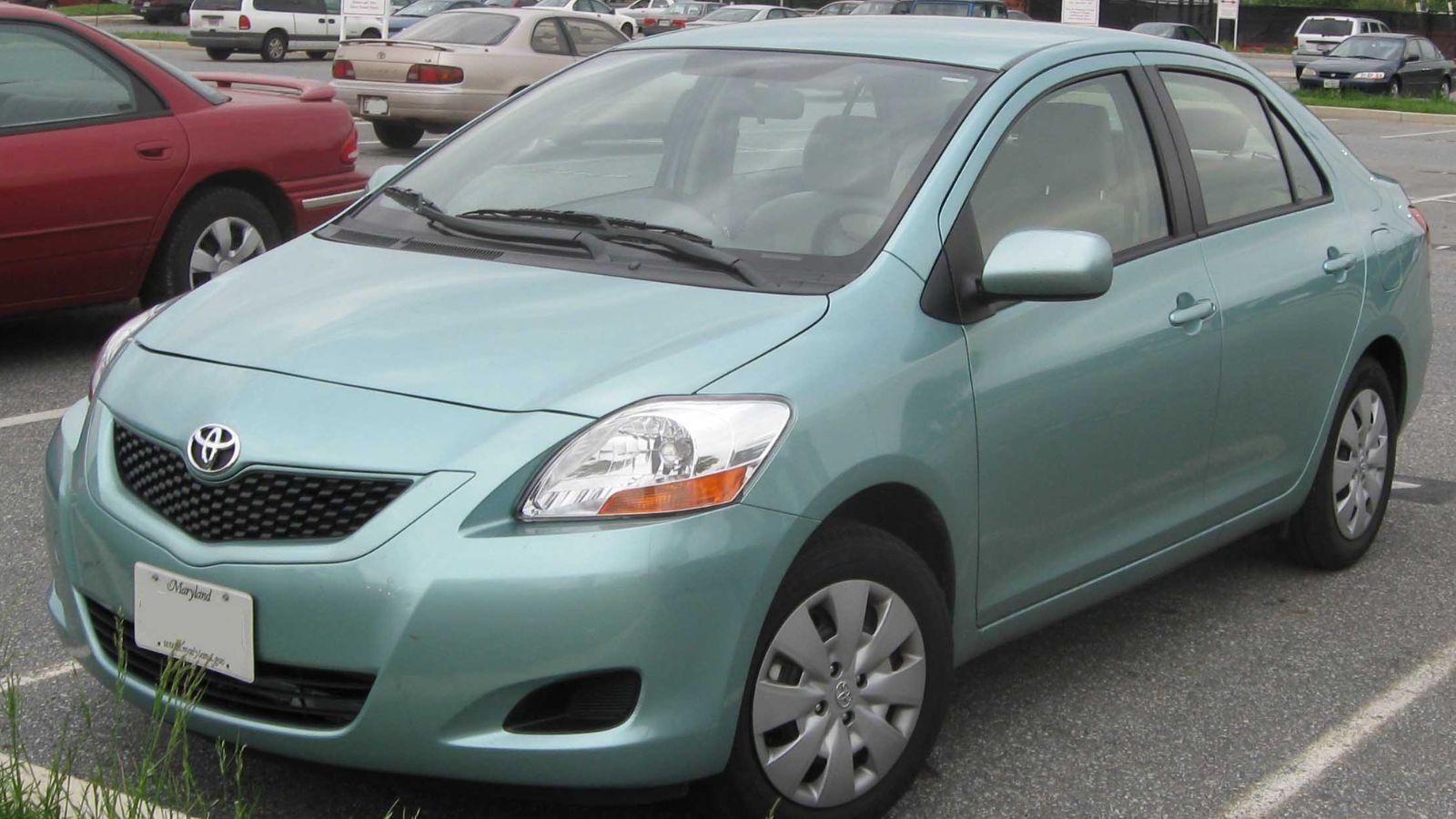
The Yaris iA confused buyers from day one. It wore a Toyota badge but was engineered by Mazda, sold through Toyota dealers and marketed as something it clearly was not. While not a terrible car, it diluted Toyota’s identity. Customers expecting Toyota durability and refinement were met with a rebadged compromise that felt out of place in the lineup.
Toyota C-HR
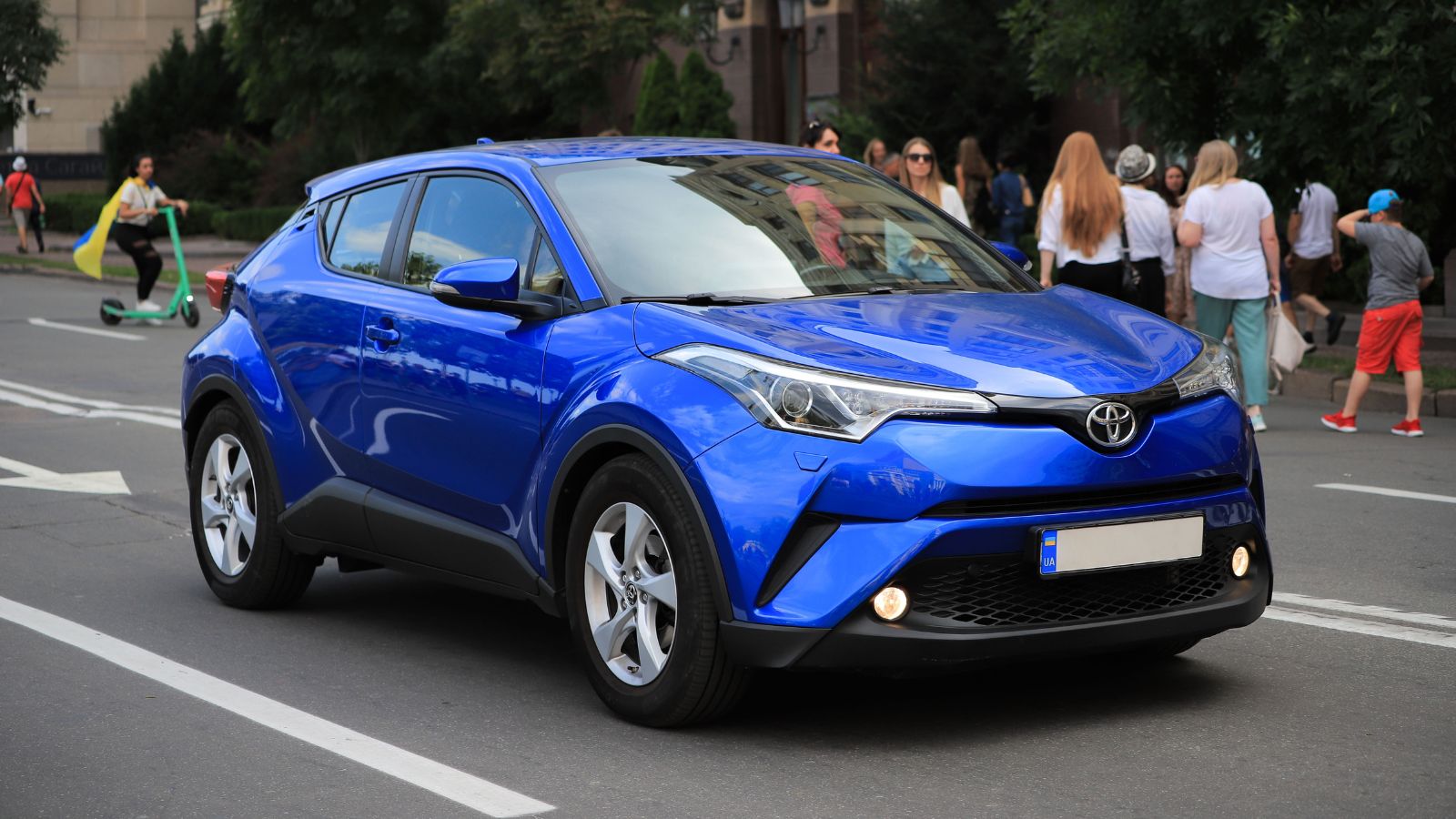
The C-HR looked bold but delivered very little. Underpowered, awkwardly packaged and frustrating to live with, it failed to meet crossover expectations. Rear visibility was poor, cargo space was limited and performance felt strained. For a brand known for practicality, the C-HR felt like style chasing without substance.
Toyota Avalon Hybrid
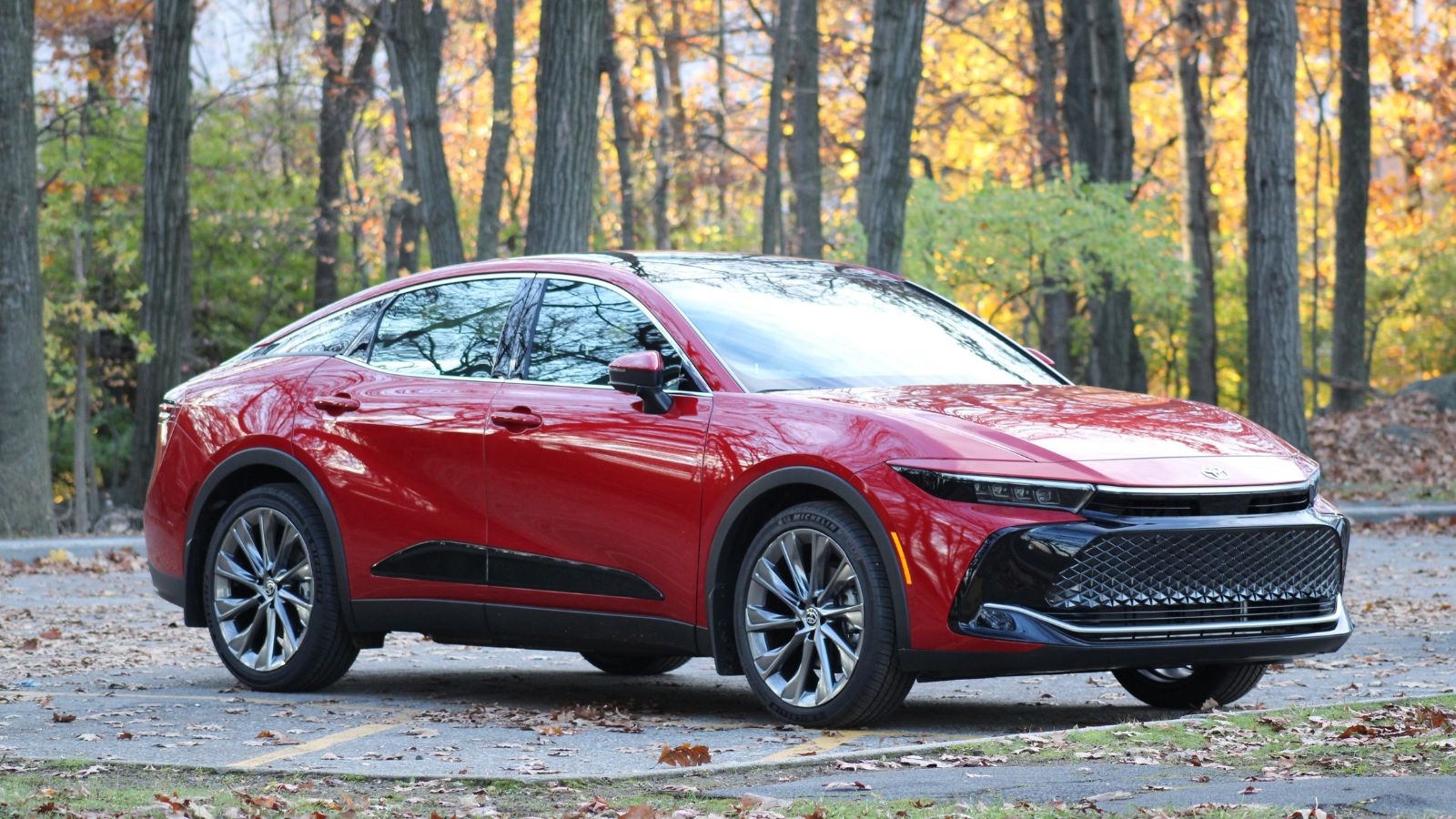
While smooth and efficient, the Avalon Hybrid highlighted a larger issue. Toyota let its flagship sedan drift into irrelevance. It lacked excitement, innovation and a clear audience. As rivals pushed technology and performance, the Avalon felt safe to the point of being invisible. Its quiet exit signaled Toyota losing touch with the large sedan buyer.
Toyota Mirai
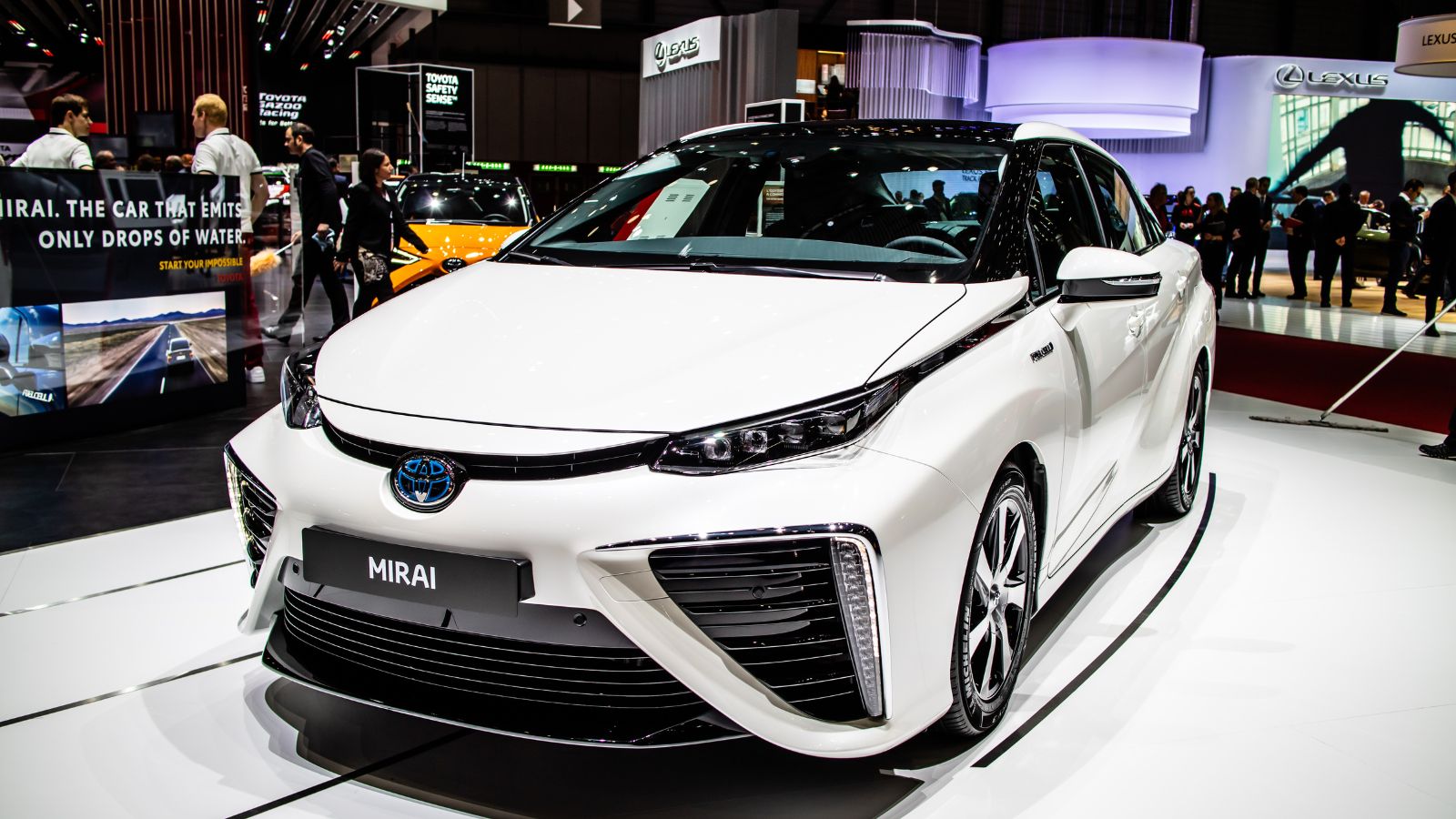
The Mirai represented bold thinking but terrible timing. Hydrogen infrastructure barely exists, especially in Canada. Owners were left with limited refueling options and high inconvenience. The car itself drove fine, but the ownership experience felt experimental. It made Toyota look disconnected from real world conditions.
Toyota Tacoma (early third generation)
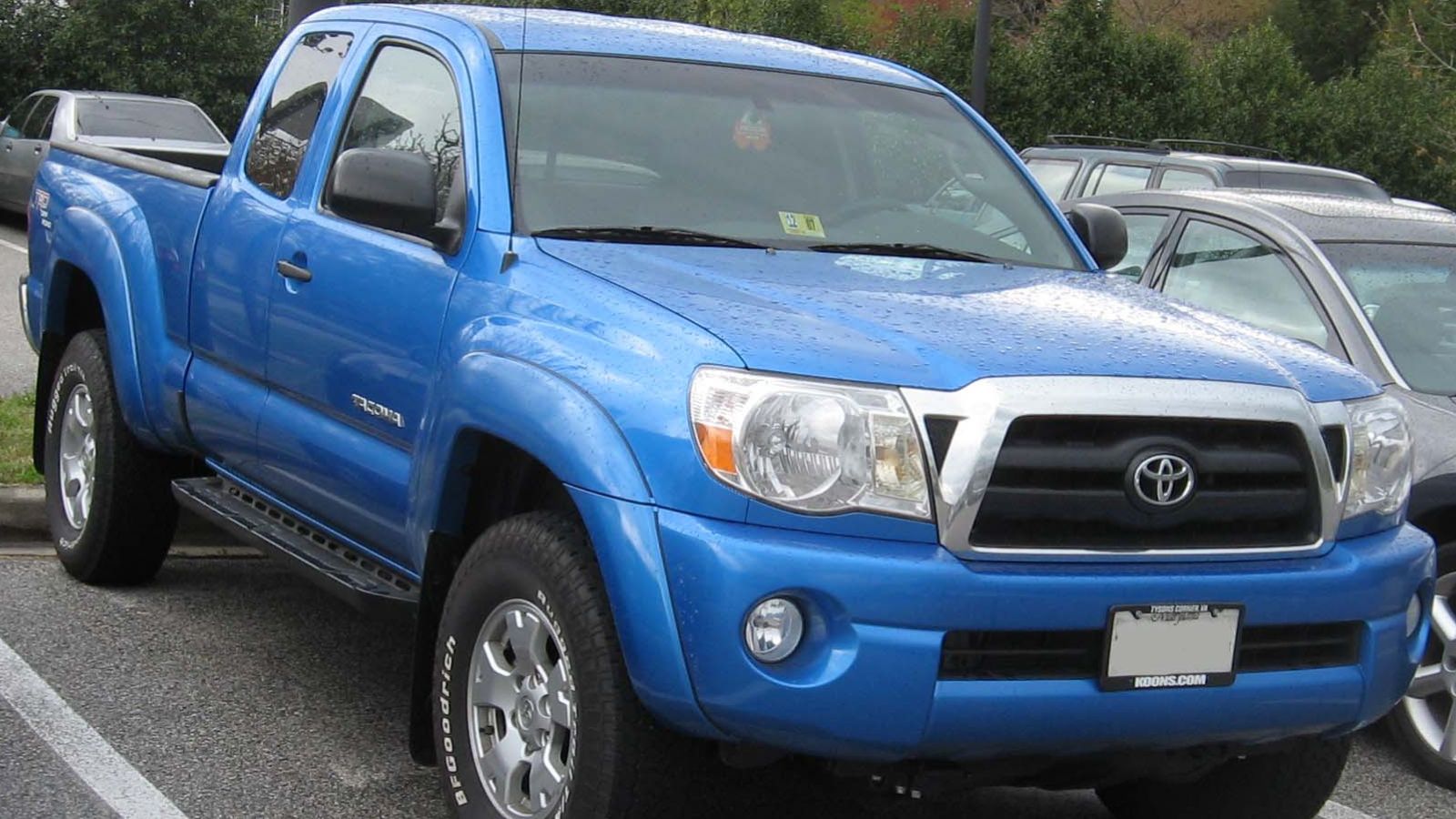
The Tacoma’s reputation took a hit with transmission complaints and inconsistent build quality during early third generation years. Shifting behavior frustrated owners and recalls chipped away at trust. For a truck known for toughness, even small reliability doubts were damaging.
Toyota Corolla Cross
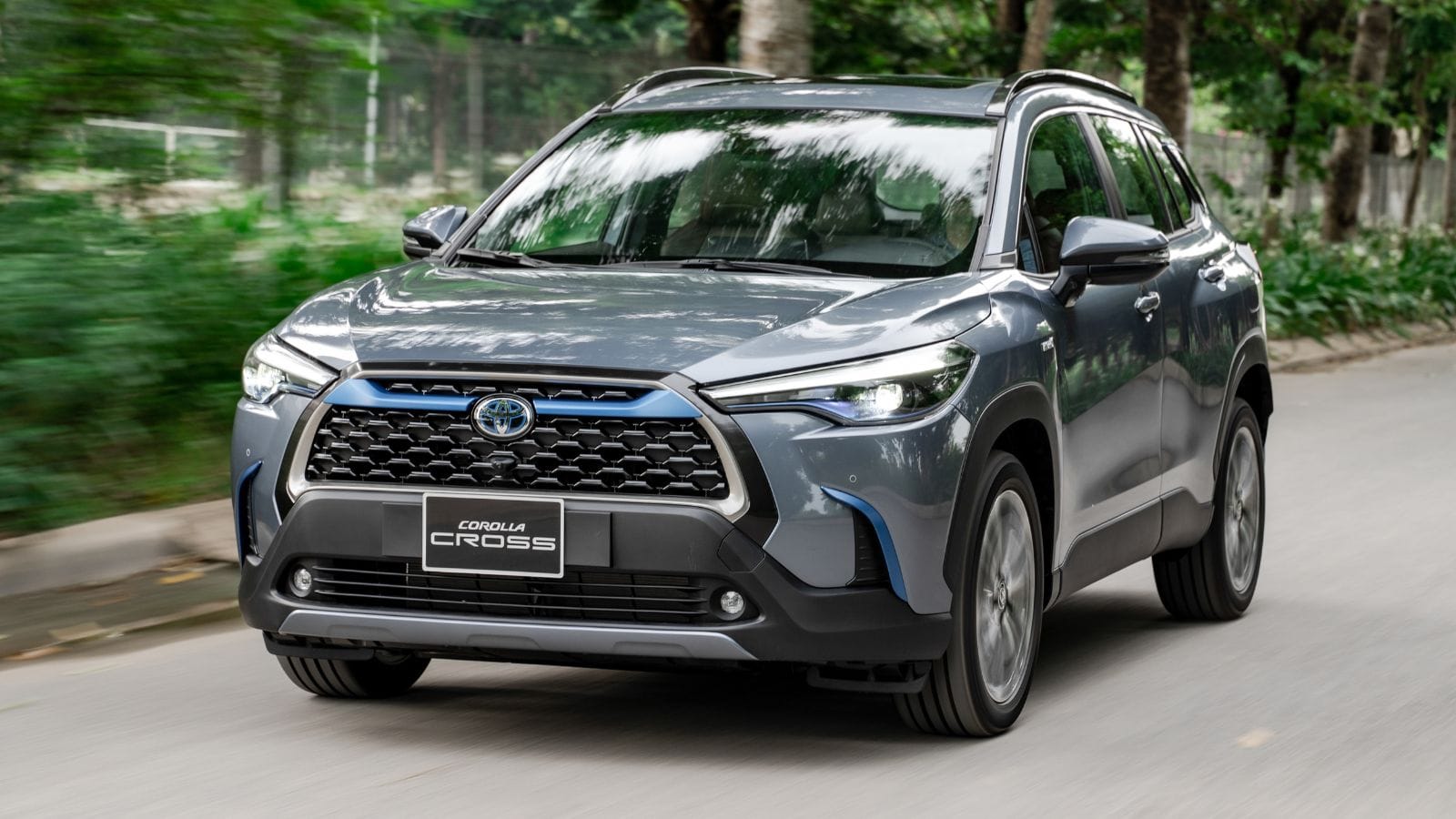
The Corolla Cross promised familiarity but delivered mediocrity. It felt underpowered, noisy and uninspired. Buyers expected Corolla reliability with crossover usefulness. Instead they got a vehicle that felt rushed and compromised. It did little to justify its existence beyond filling a gap in Toyota’s lineup.
Toyota Prius (third generation early years)
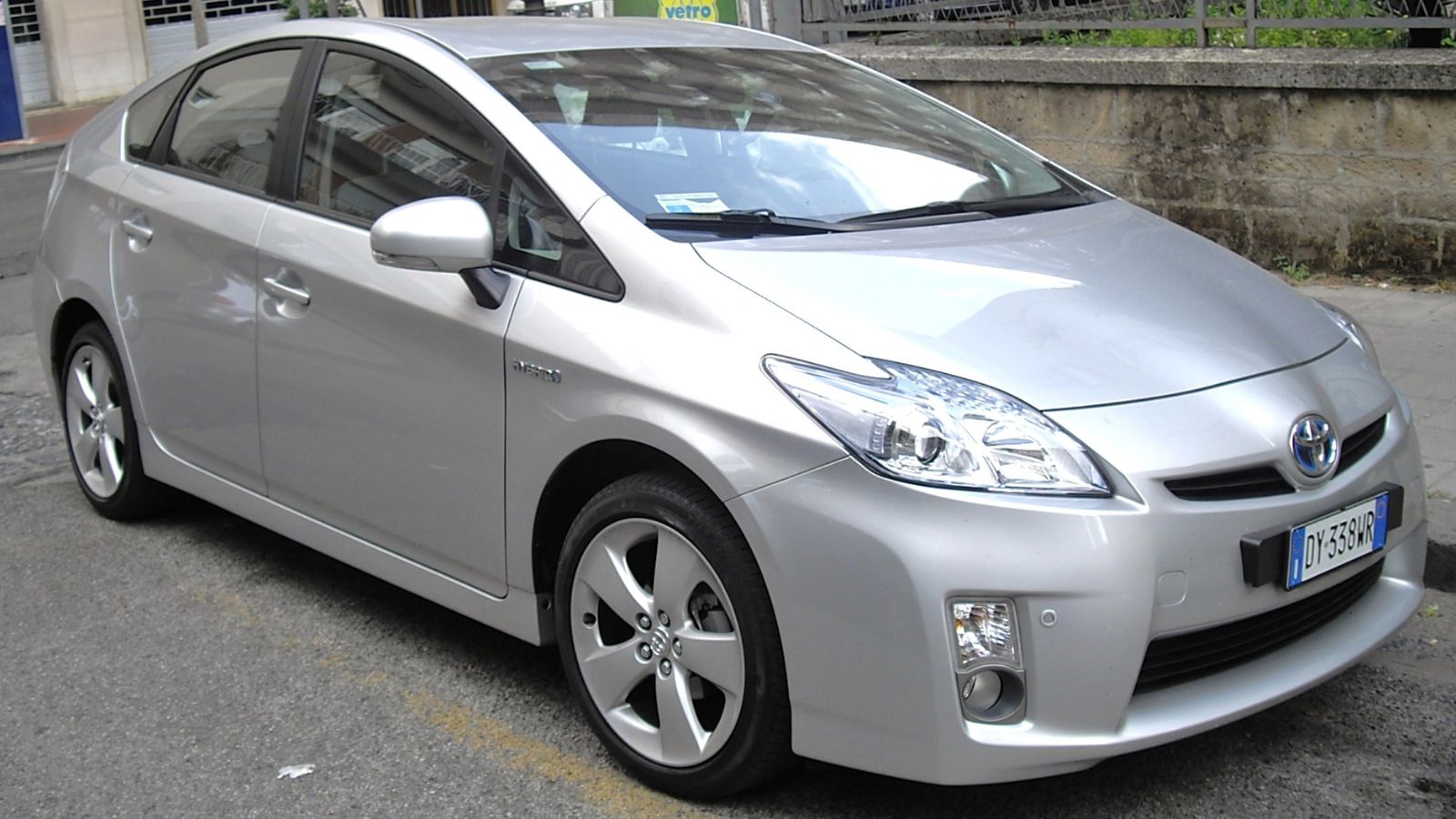
Early third generation Prius models suffered from oil consumption issues that shocked loyal owners. The Prius was supposed to represent Toyota engineering excellence. Instead, owners faced unexpected maintenance concerns that undermined the car’s eco friendly and low cost promise.
Toyota Supra (A90 launch controversy)
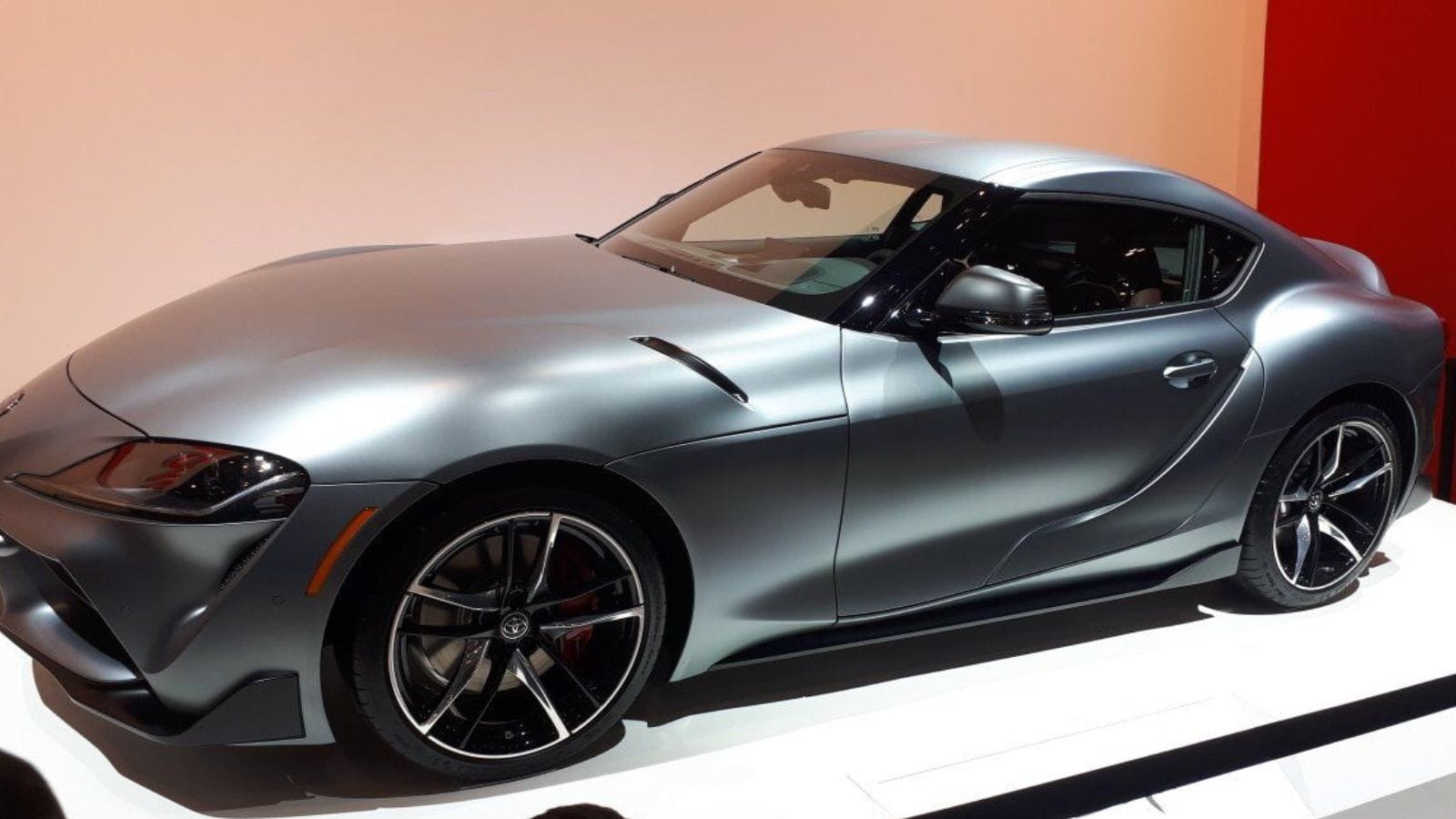
The modern Supra reignited passion but also controversy. Heavy reliance on BMW engineering divided enthusiasts. While performance was strong, many fans felt Toyota abandoned its own heritage. The backlash did not kill the Supra, but it did dent Toyota’s credibility among purists who expected a homegrown icon.
25 Facts About Car Loans That Most Drivers Don’t Realize

Car loans are one of the most common ways people fund car purchases. Like any other kind of loan, car loans can have certain features that can be regarded as an advantage or a disadvantage to the borrower. Understanding all essential facts about car loans and how they work to ensure that you get the best deal for your financial situation is essential. Here are 25 shocking facts about car loans that most drivers don’t realize:
25 Facts About Car Loans That Most Drivers Don’t Realize
