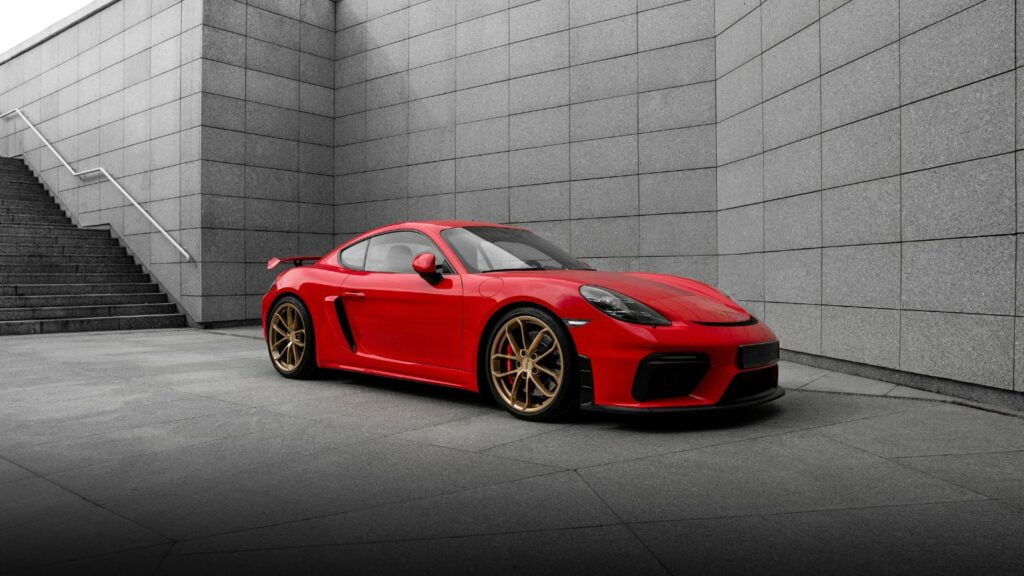
Four-cylinder engines were once dismissed as purely economical. Turbocharging, advanced cooling and motorsport-grade internals changed that forever. Today, some of the most extreme performance cars in history rely on just four cylinders to deliver shocking power figures that embarrass much larger engines. These ten cars prove that cylinder count stopped mattering a long time ago.
Mercedes-AMG A45 S
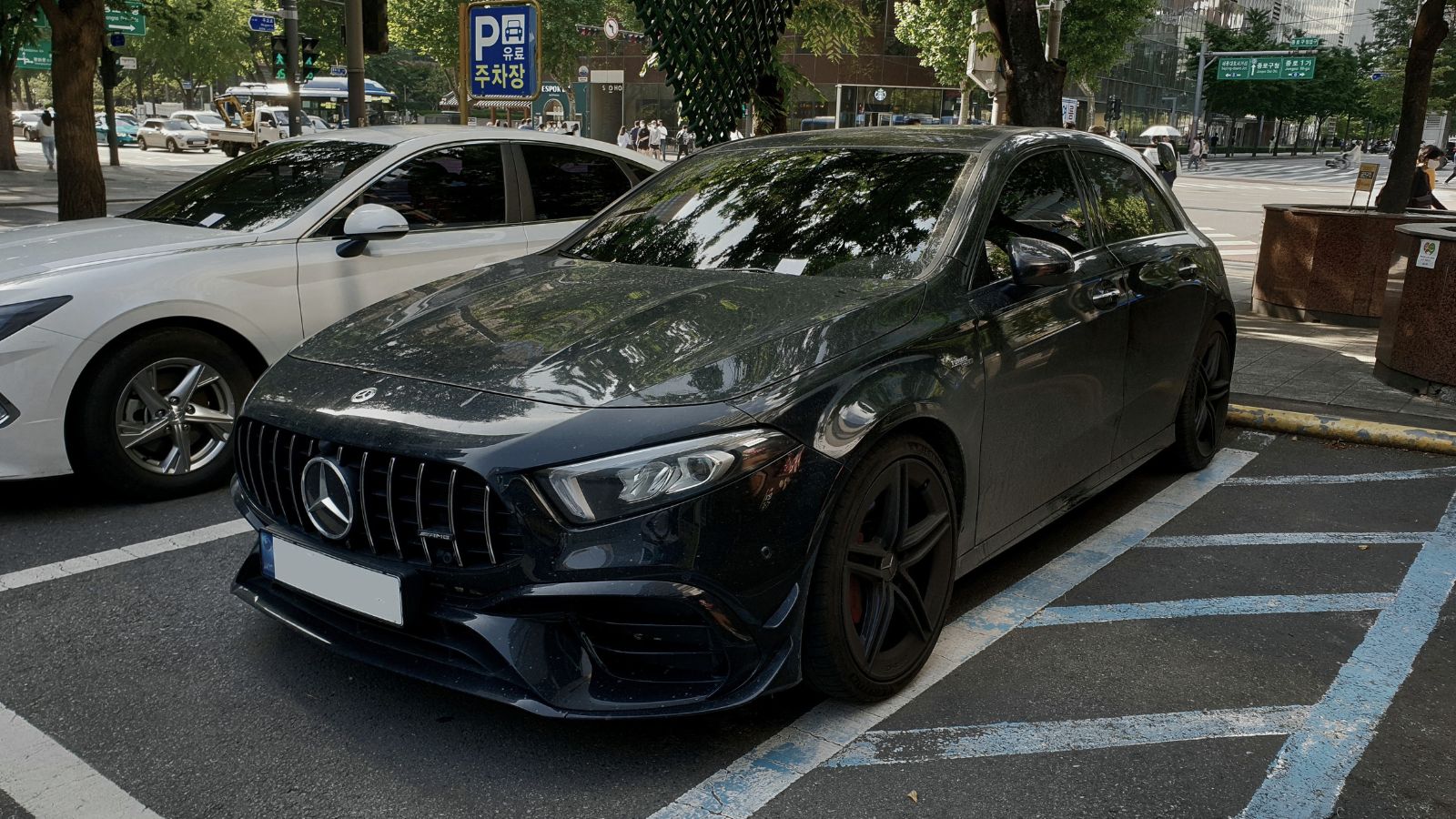
AMG rewrote the rulebook with this engine. Its 2.0-litre turbocharged four produces around 416 bhp, making it the most powerful production four-cylinder engine ever fitted to a road car. Hand-built and brutally efficient, it delivers relentless acceleration with zero apology. This motor alone changed how engineers approach small displacement performance.
Mitsubishi Lancer Evolution X FQ-440
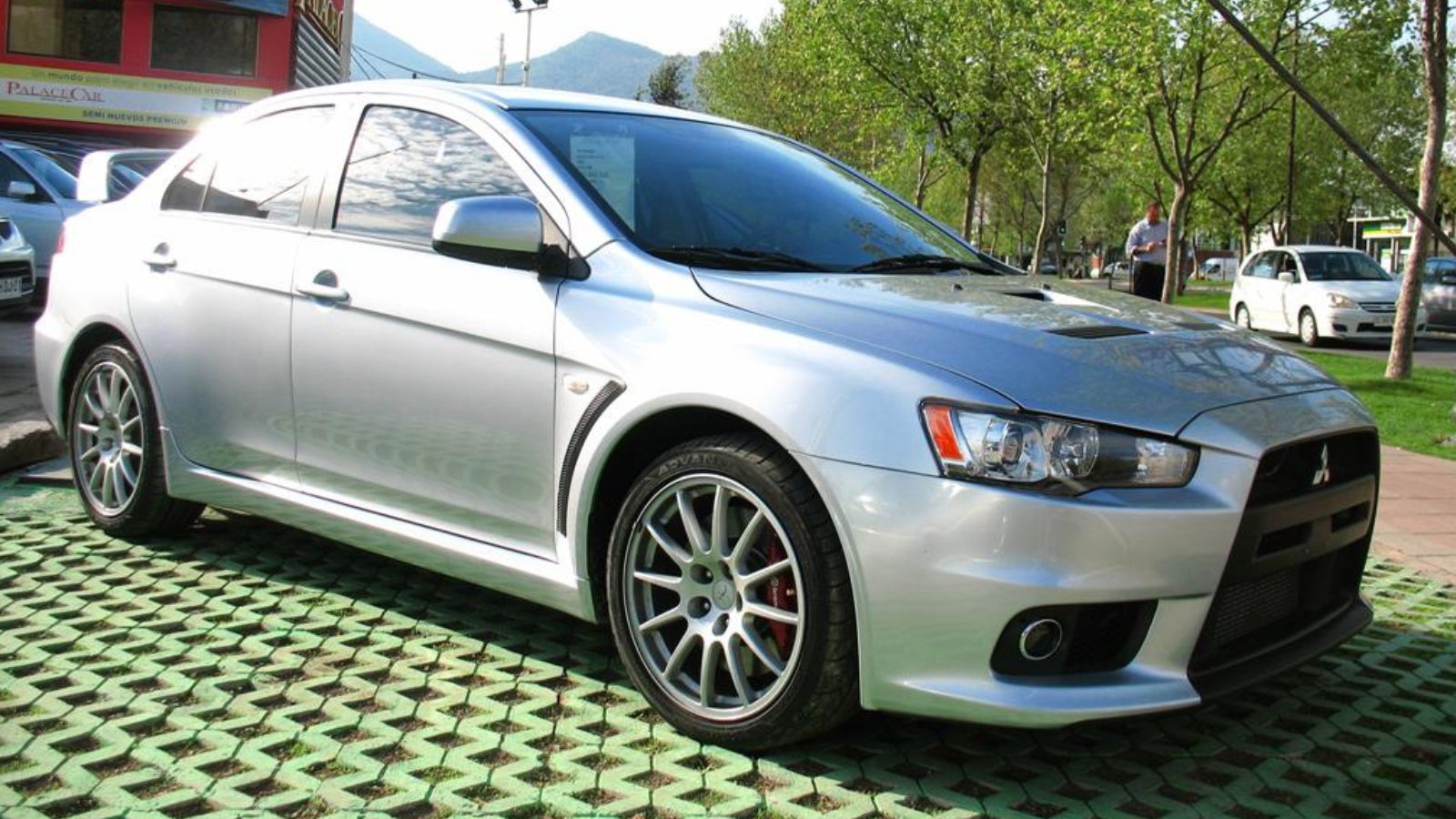
The FQ-440 pushed Mitsubishi’s 2.0-litre turbo four to a staggering 440 bhp. Built in extremely limited numbers, it was barely restrained enough for public roads. All-wheel drive helped manage the chaos, but this car existed purely to show how far the Evo platform could be pushed without exploding.
Ford Focus RS
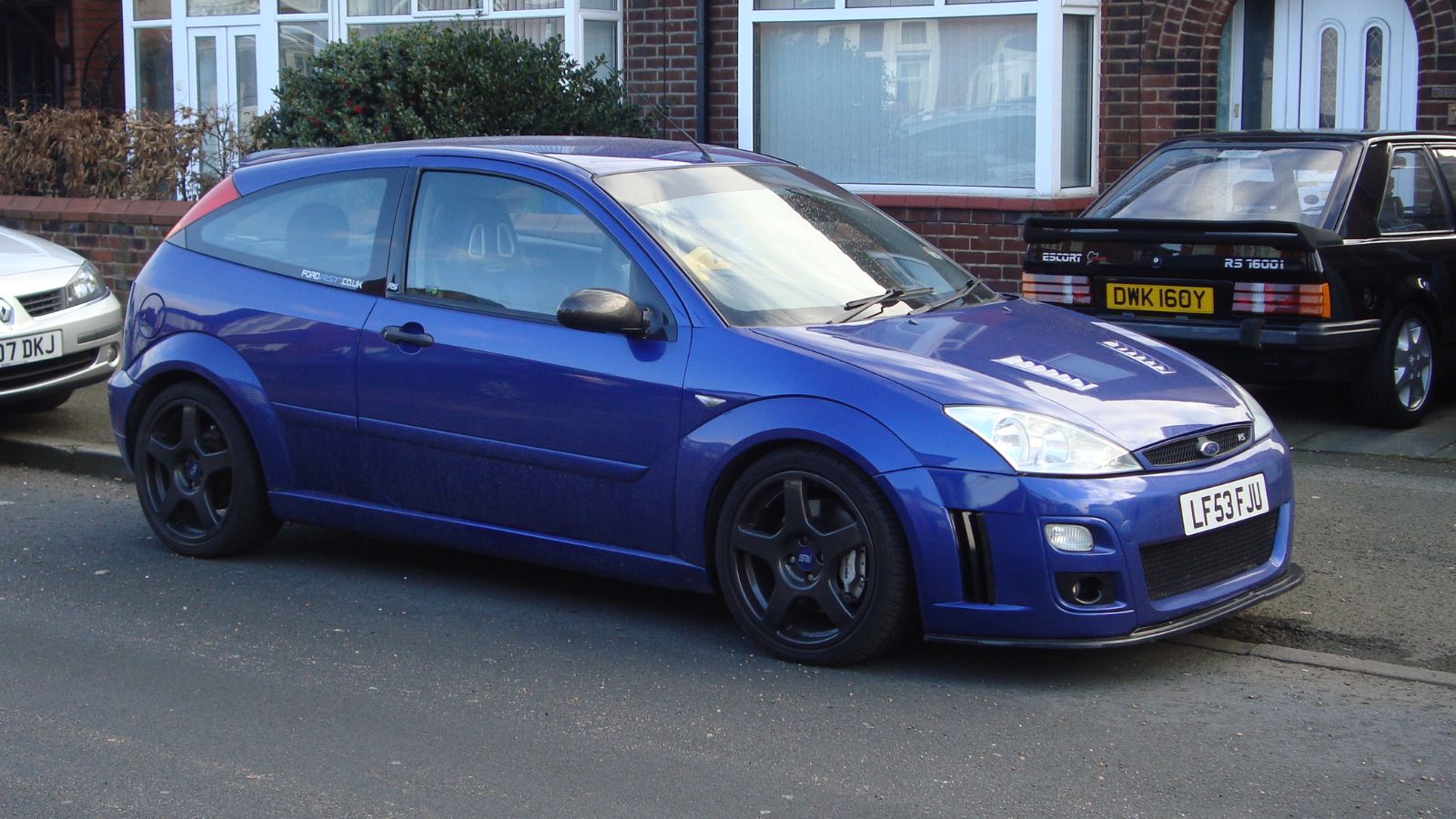
Ford’s 2.3-litre turbocharged four produces roughly 350 bhp and delivers it with real aggression. The Focus RS feels mechanical and urgent, especially under hard driving. It proved that a high-output four-cylinder could still feel raw rather than overly refined.
Honda Civic Type R
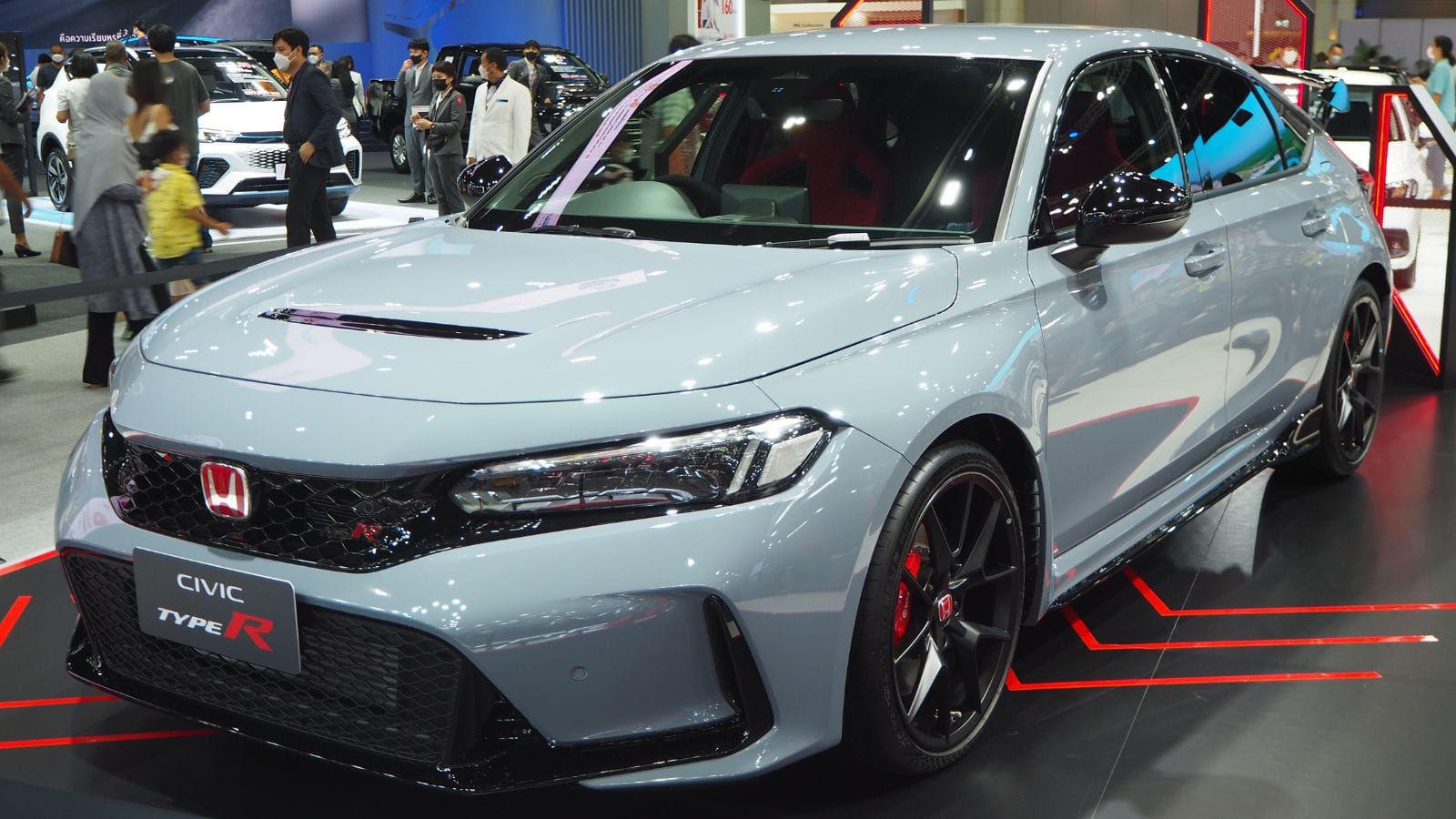
Honda’s 2.0-litre turbo four produces about 315 bhp, but the headline is durability. This engine thrives under track abuse while maintaining razor-sharp throttle response. It demonstrated that high output does not have to come at the expense of reliability or driver confidence.
Porsche 718 Cayman GTS
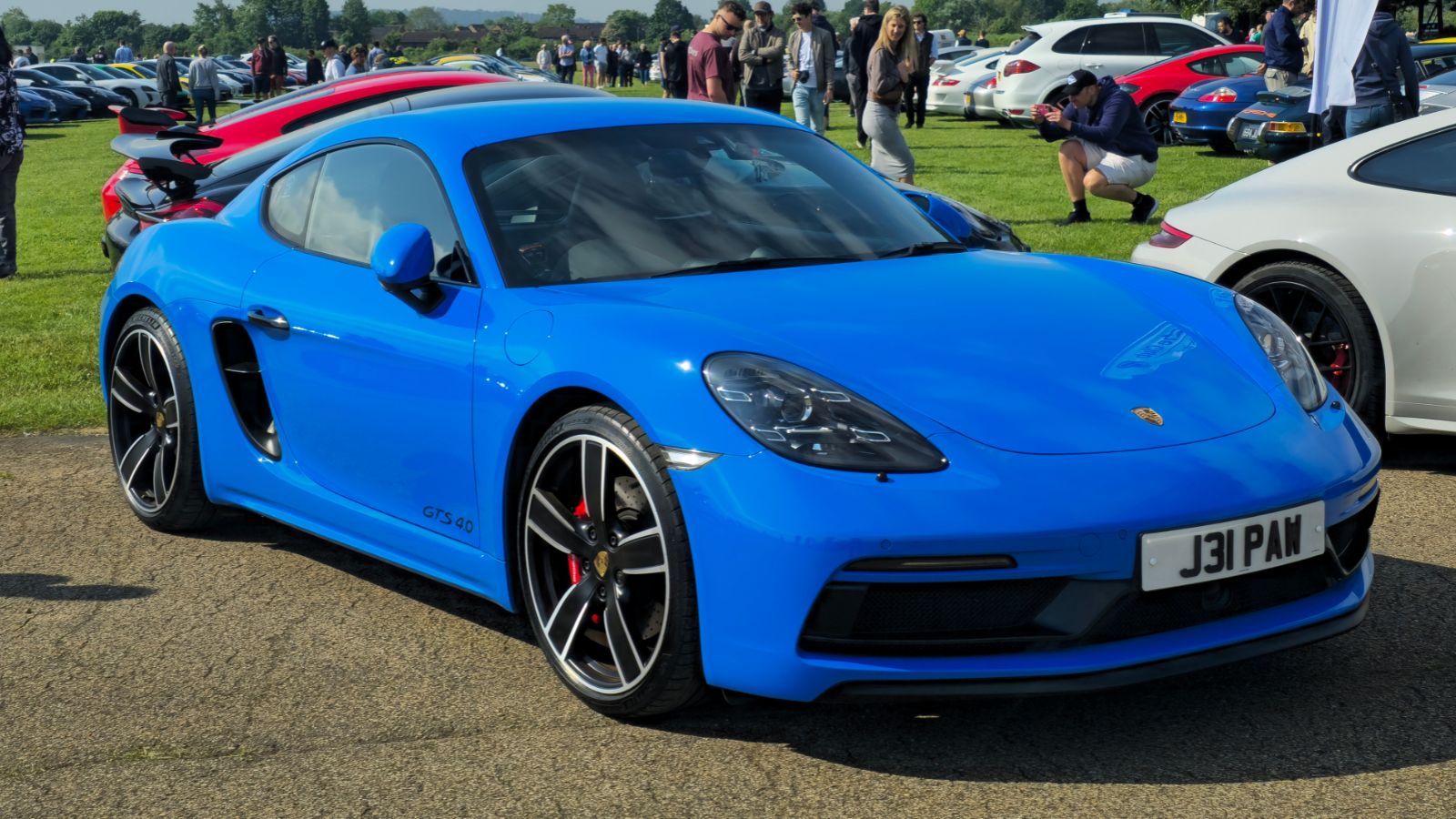
The Cayman GTS uses a 2.5-litre turbocharged flat-four producing around 365 bhp. Purists complained, but performance silenced most critics. The torque delivery is immense and the engine pulls hard from low revs, making the car devastatingly fast on real roads.
Subaru WRX STI S209
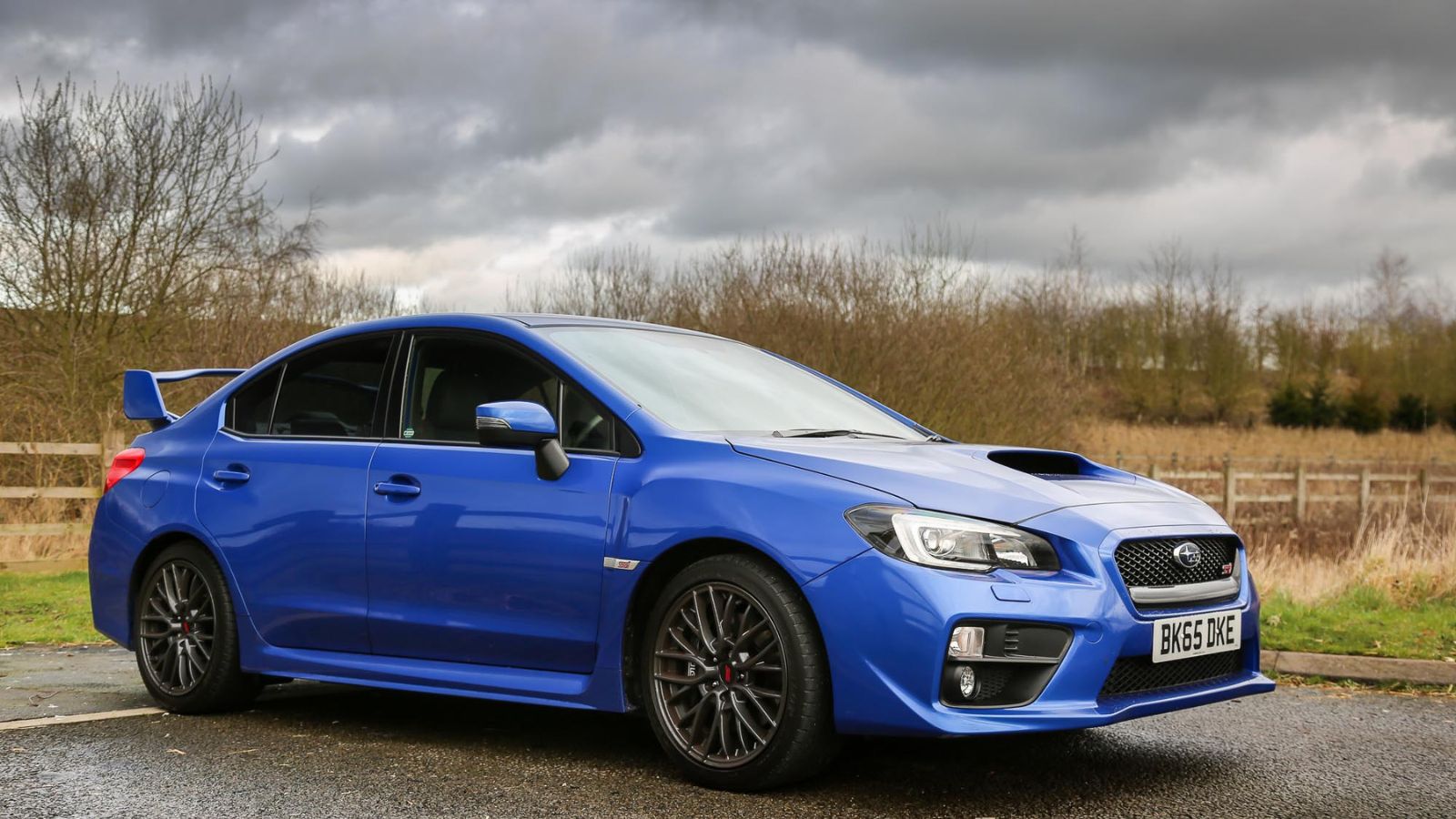
Subaru’s legendary boxer four was pushed to its limit here. The 2.5-litre turbo engine produces roughly 341 bhp and delivers it through a reinforced drivetrain. Built in limited numbers, the S209 represents the absolute peak of Subaru’s four-cylinder performance era.
Toyota GR Yaris
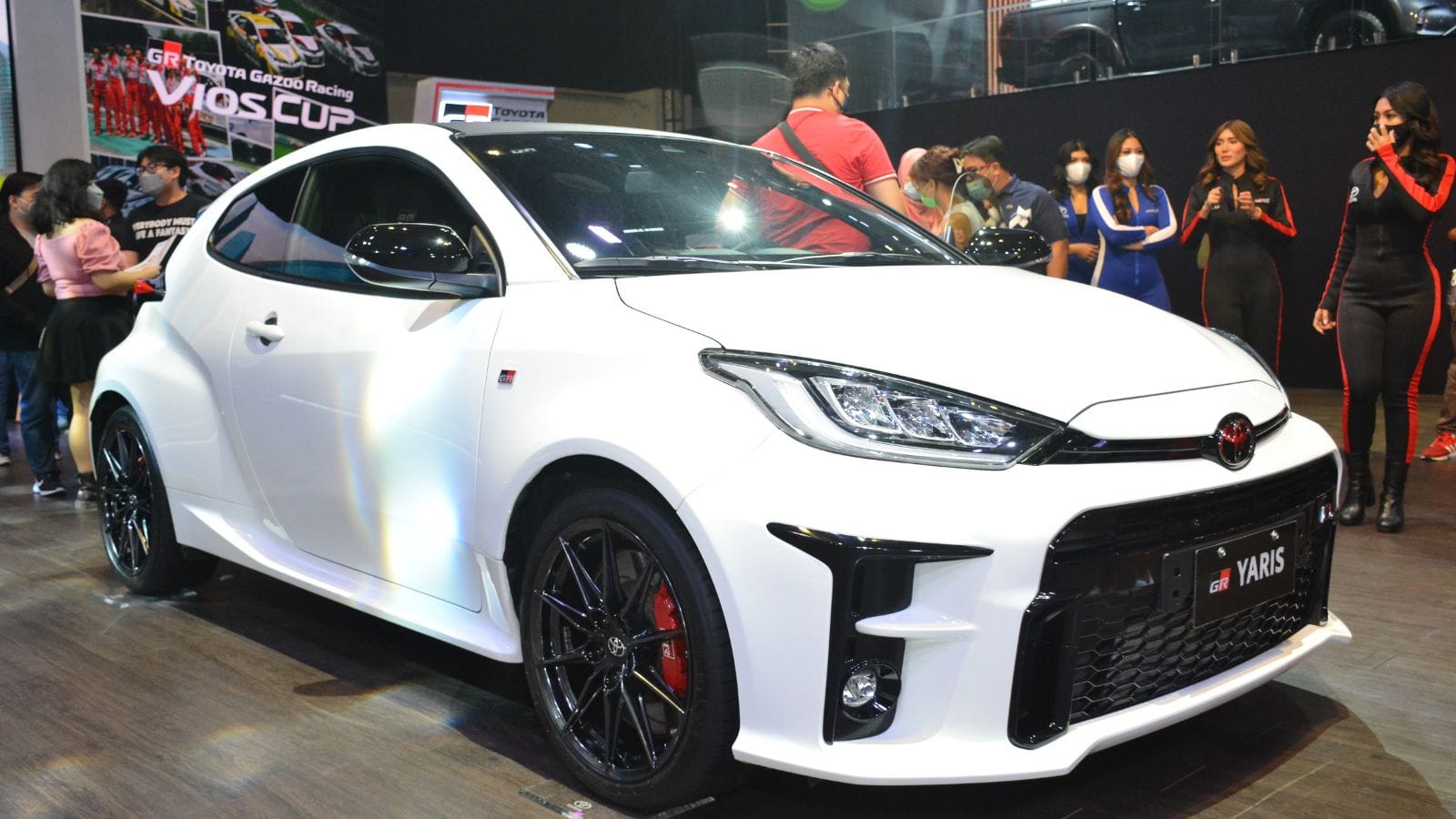
This car proves power is not just about numbers. Its 1.6-litre turbocharged three gets the attention, but the engineering philosophy rivals extreme four-cylinder builds. In tuned and motorsport form, outputs easily exceed 300 bhp, making its power-to-weight ratio genuinely explosive.
Lotus Exige Cup 430

Lotus extracted around 430 bhp from a supercharged 3.5-litre V6 in some versions, but earlier Cup models relied on brutally tuned four-cylinder platforms. In lighter Exige four-cylinder variants, outputs around 345 bhp felt far more intense than numbers suggest due to near-nonexistent mass.
BMW M3 DTM
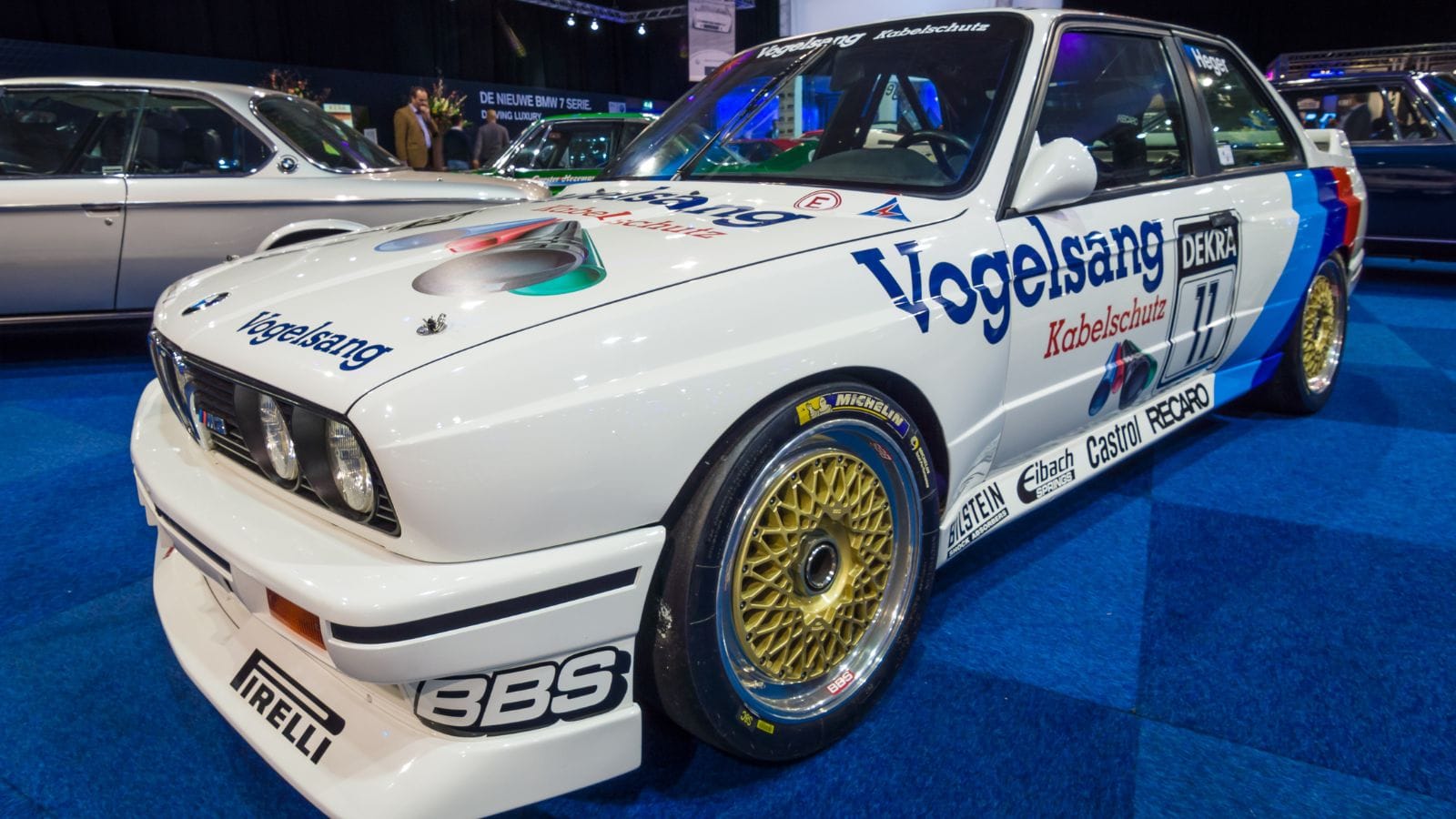
BMW’s DTM programme demonstrated what four cylinders could do when regulations removed restraint. Its 2.0-litre turbo engine produced well over 470 bhp in race trim. While not road legal, the technology directly influenced modern production four-cylinder performance philosophy.
Mercedes-Benz C63 AMG DTM Prototype
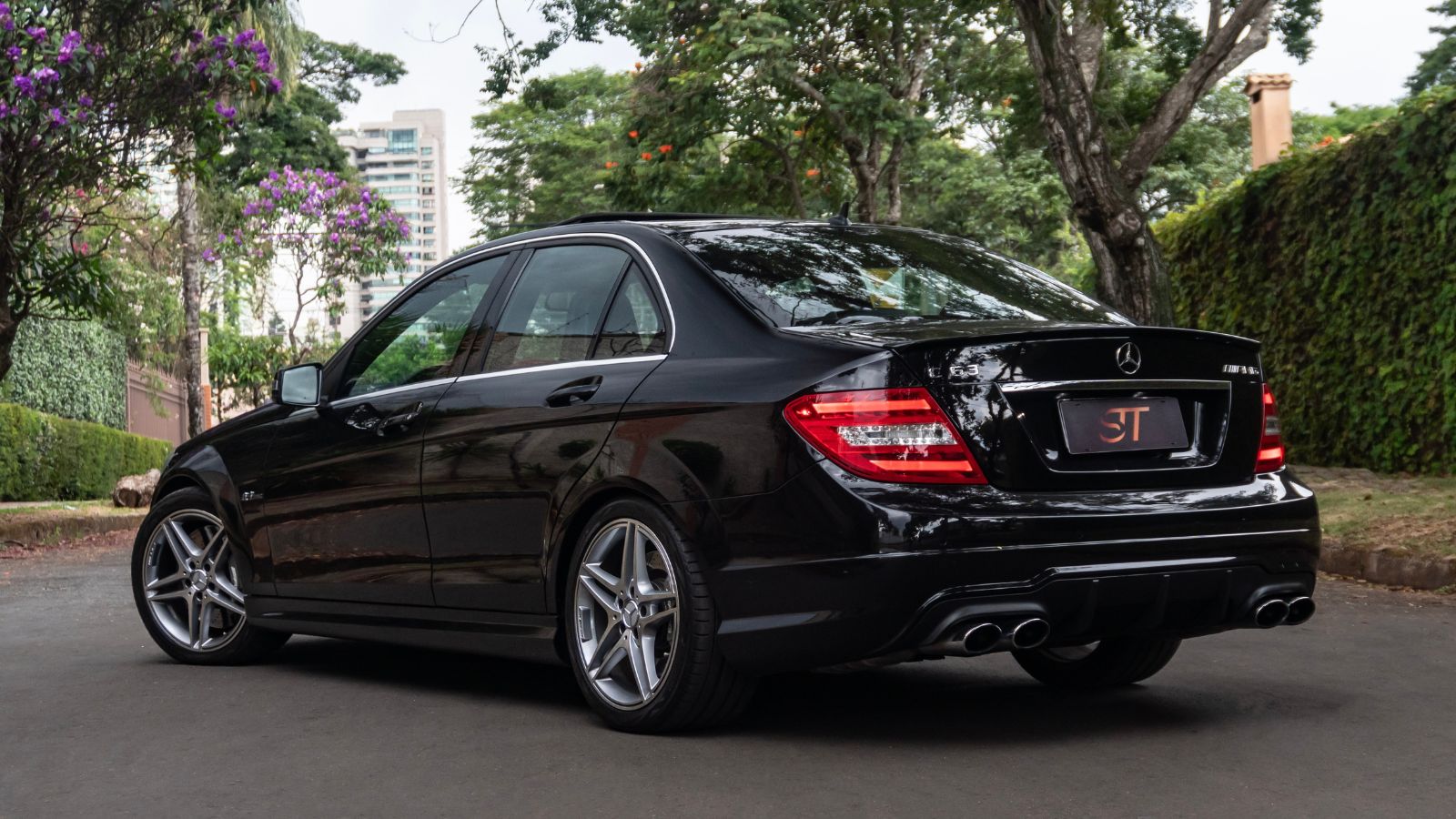
Another motorsport outlier that shaped road cars. A highly stressed 2.0-litre turbo four delivering close to 500 bhp showed manufacturers that extreme outputs were not only possible, but controllable. This thinking fed directly into AMG’s modern production engines.
25 Facts About Car Loans That Most Drivers Don’t Realize

Car loans are one of the most common ways people fund car purchases. Like any other kind of loan, car loans can have certain features that can be regarded as an advantage or a disadvantage to the borrower. Understanding all essential facts about car loans and how they work to ensure that you get the best deal for your financial situation is essential. Here are 25 shocking facts about car loans that most drivers don’t realize:
25 Facts About Car Loans That Most Drivers Don’t Realize
