
Modern cars can go longer between services than older models, yet many owners still feel unsure about what really matters. Manufacturer claims, dashboard reminders, and old school advice often conflict. The truth sits somewhere in the middle. Service intervals depend on how and where you drive, not just what the manual says. Understanding the why behind maintenance helps you avoid costly mistakes.
Oil Changes Are Still the Foundation
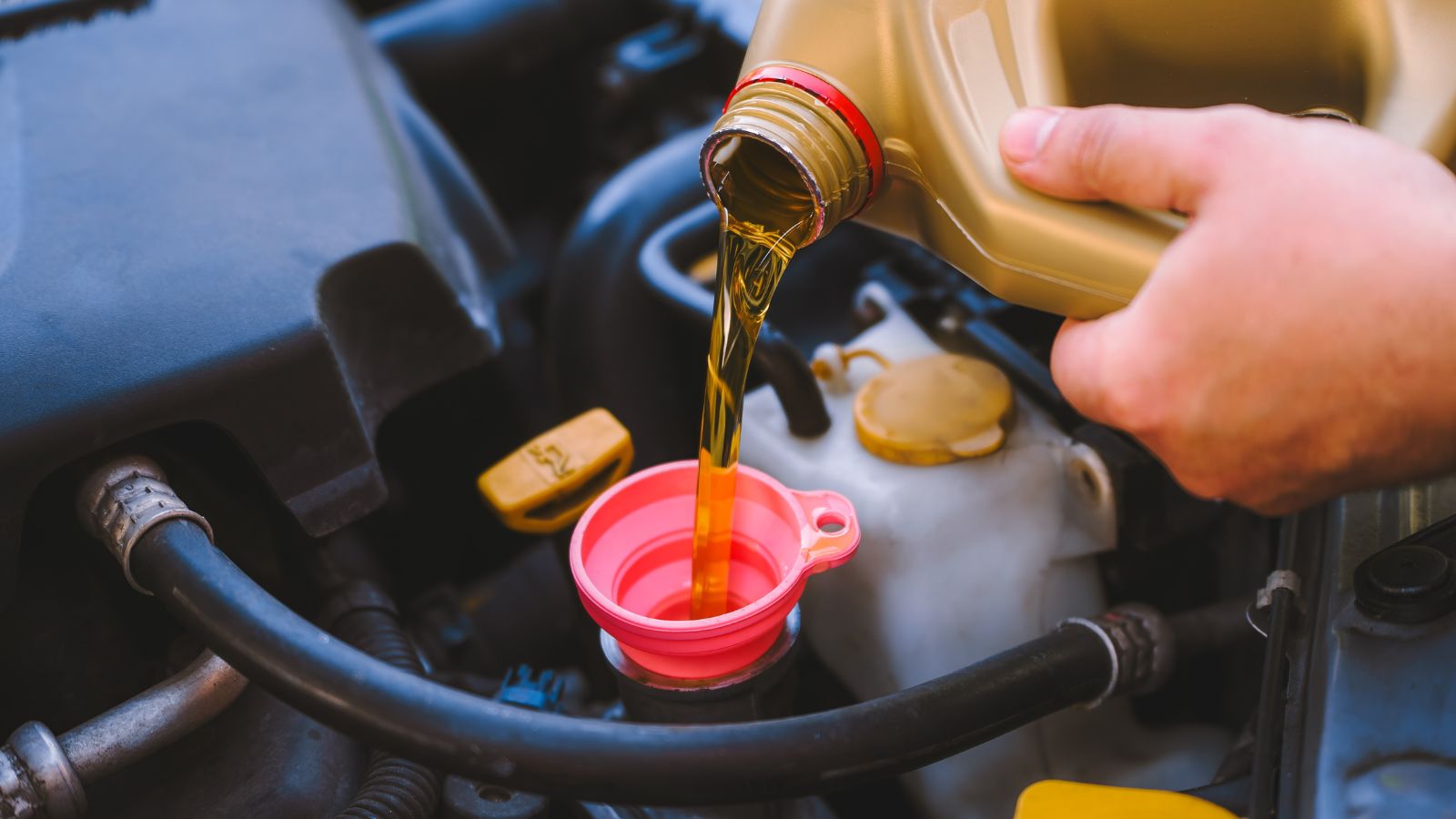
Oil remains the lifeblood of your engine, no matter how advanced it is. Even with modern synthetic oils, contamination builds up over time. Short trips, cold starts, and stop and go traffic all accelerate oil degradation. Waiting too long increases wear on bearings, camshafts, and timing components. Many engines fail not from bad design but from stretched oil intervals. Regular oil changes remain the cheapest form of engine insurance.
Manufacturer Intervals Are Not a Guarantee

Automakers often advertise long service intervals to lower ownership cost claims. These schedules assume ideal conditions and gentle driving. Real world use rarely matches that scenario. Towing, extreme temperatures, dusty roads, and heavy traffic all shorten service needs. Following the longest interval may keep warranty intact, but it does not always maximize engine life. Smart owners treat factory intervals as the upper limit, not a target.
Short Trips Are Harder Than Long Drives

Engines suffer more during short trips than highway cruising. Oil rarely reaches full temperature, moisture does not evaporate, and fuel dilution increases. This causes faster breakdown of lubricants. Drivers who only commute short distances should service more often than those who rack up highway miles. Many people assume low mileage means low wear, but frequent cold starts tell a different story.
Synthetic Oil Helps But Has Limits
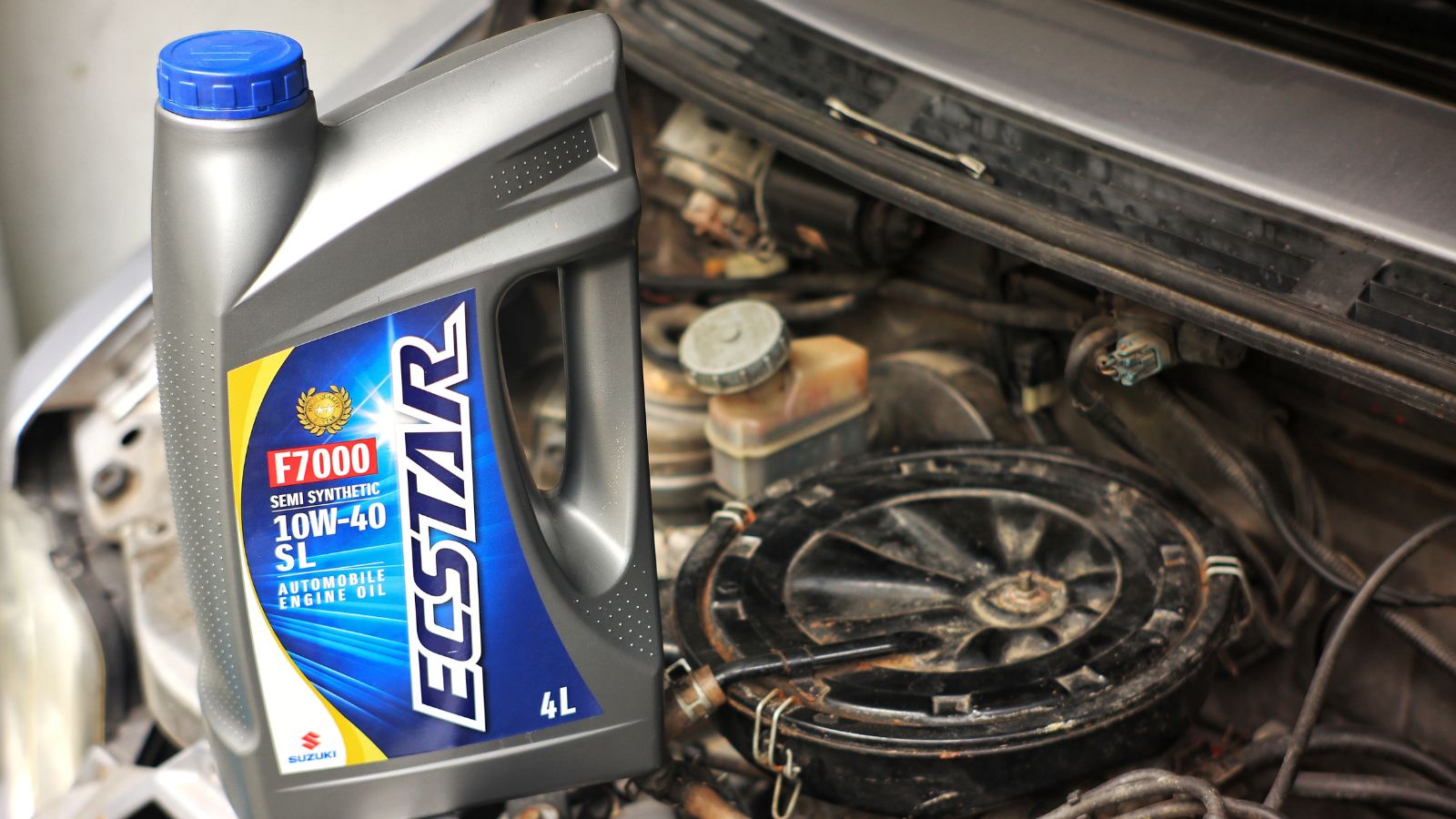
Synthetic oil resists breakdown better than conventional oil and flows well in cold weather. That does not make it immortal. It still collects metal particles, carbon, and contaminants. Filters also reach capacity over time. Stretching intervals simply because synthetic oil is used can backfire. Quality oil extends protection, but it does not eliminate the need for regular changes.
Oil Change Frequency Depends on Driving Style

Aggressive acceleration, high revs, and heavy loads all stress oil faster. Turbocharged engines add heat and pressure, which accelerates breakdown. Drivers who push their cars should service more frequently. Calm highway cruisers can stretch intervals modestly without risk. Honest assessment of driving habits matters more than mileage alone.
Modern Service Reminders Are Conservative
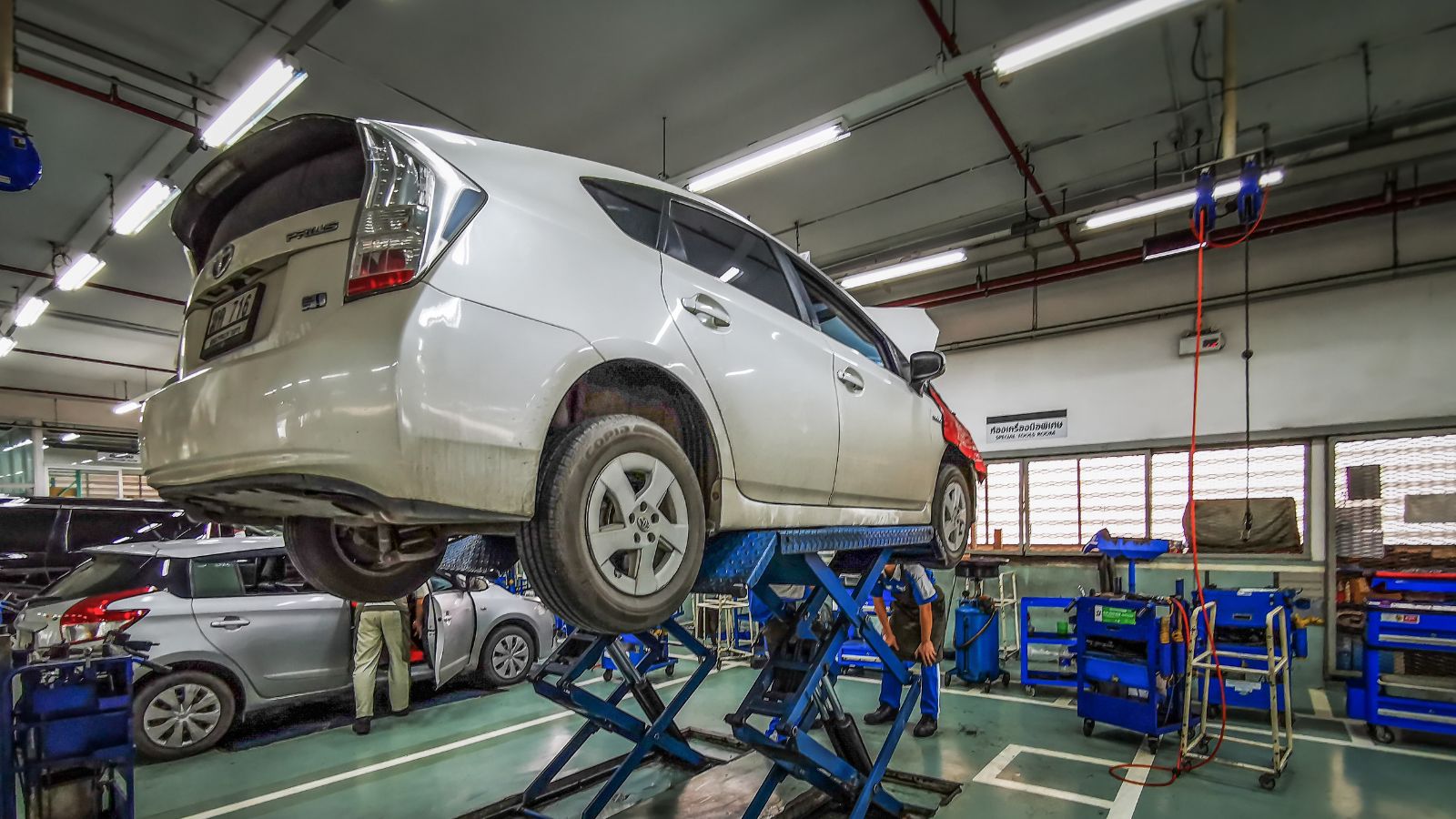
Most service reminder systems calculate intervals based on usage rather than fixed mileage. They monitor temperature cycles, engine load, and time. These systems usually err on the safe side. Ignoring them or resetting them without service defeats their purpose. They are a helpful guide, but they should work alongside common sense and inspection.
Other Fluids Matter Too
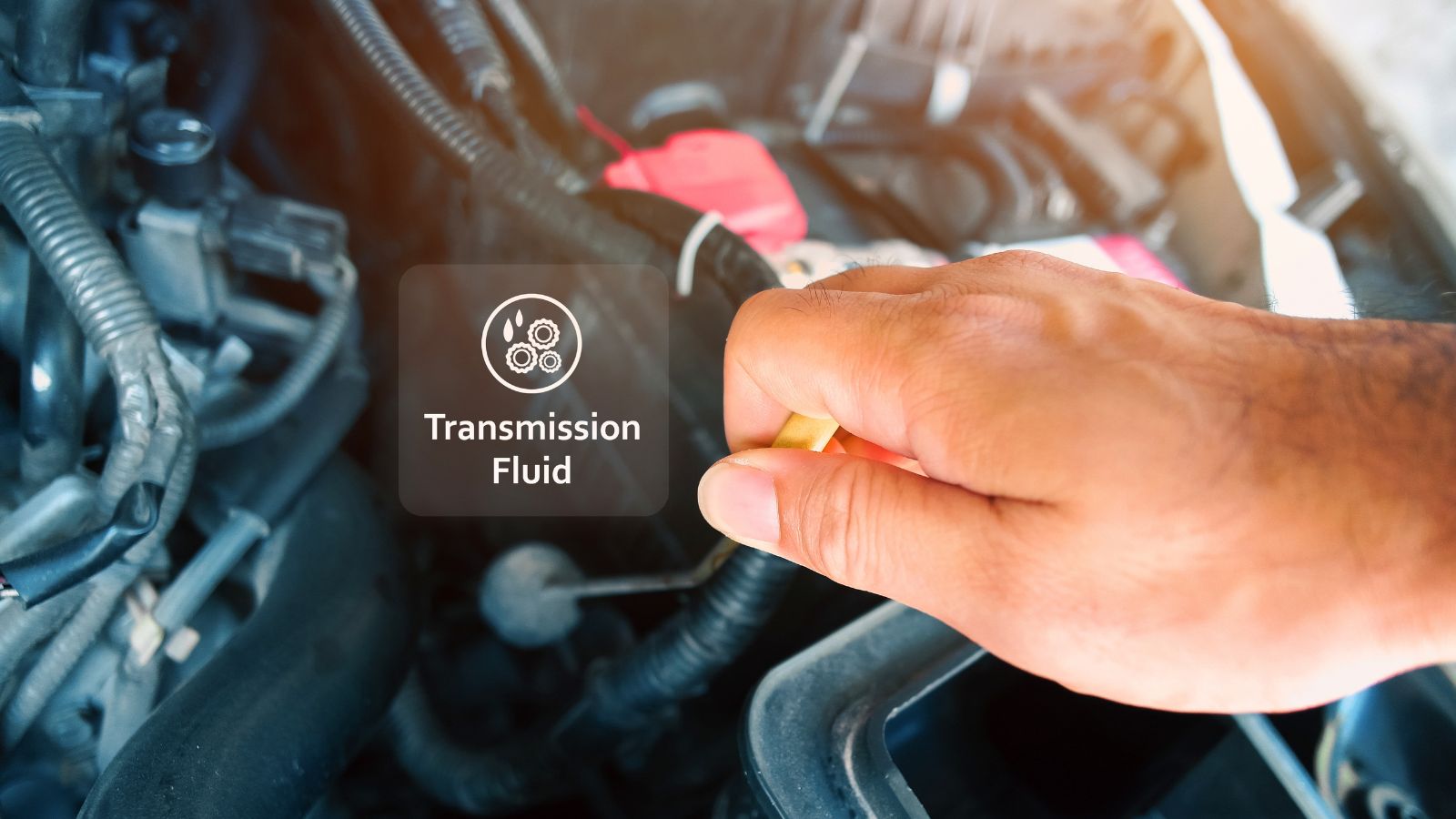
Oil gets the attention, but other fluids age quietly. Brake fluid absorbs moisture over time, reducing performance. Transmission fluid breaks down under heat and load. Coolant loses corrosion protection as it ages. Ignoring these services leads to expensive failures that oil changes alone cannot prevent. A complete service plan looks beyond just the engine.
Time Matters Even If You Drive Less

Cars that sit unused still need service. Oil degrades with time, seals dry out, and moisture accumulates. Many manufacturers specify time based service intervals for this reason. A car driven only a few thousand miles per year still benefits from annual maintenance. Low mileage does not mean low maintenance.
Skipping Service Costs More Later

Delaying service rarely saves money in the long run. Wear accelerates quietly until damage becomes obvious and expensive. Engines sludge up, timing components wear early, and sensors fail prematurely. Repair bills climb quickly once maintenance debt catches up. Regular servicing spreads cost predictably instead of delivering painful surprises.
A Realistic Service Rule of Thumb

For most drivers, oil changes every five to seven thousand miles or once a year offer a sensible balance. Hard use, short trips, and turbo engines benefit from shorter intervals. Light highway use allows modest extensions. The goal is longevity, not chasing the longest possible interval. Frequent service is still cheaper than replacement engines.
25 Facts About Car Loans That Most Drivers Don’t Realize

Car loans are one of the most common ways people fund car purchases. Like any other kind of loan, car loans can have certain features that can be regarded as an advantage or a disadvantage to the borrower. Understanding all essential facts about car loans and how they work to ensure that you get the best deal for your financial situation is essential. Here are 25 shocking facts about car loans that most drivers don’t realize:
25 Facts About Car Loans That Most Drivers Don’t Realize
