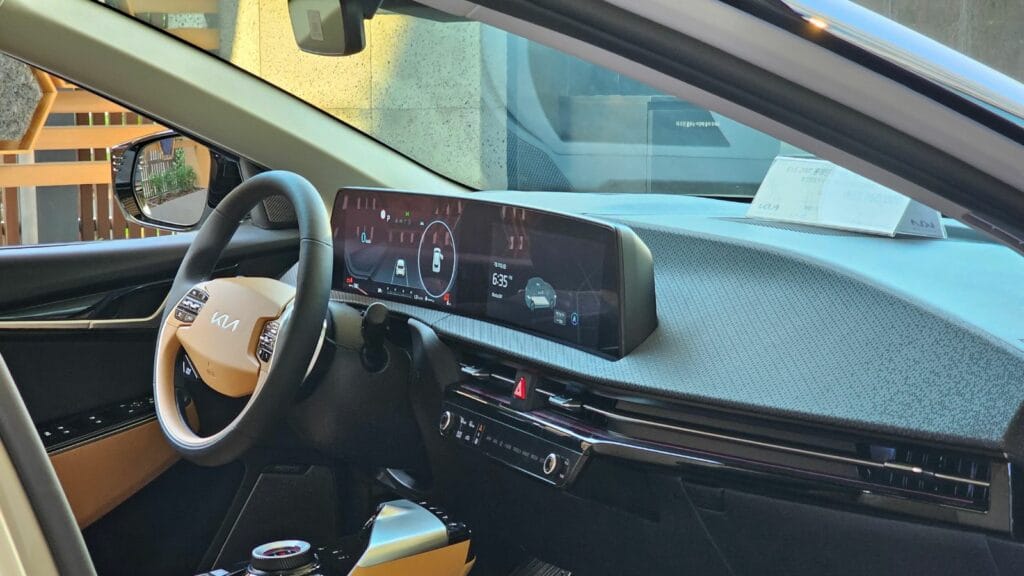
The next five years will quietly change how cars feel, think, and interact with drivers. This is not about flying cars or sci fi fantasies. It is about practical technology that reshapes ownership, driving, and daily use in subtle but meaningful ways. Some of these changes will feel invisible at first. Others will fundamentally alter what we expect from a modern automobile.
Predictive Suspension That Reads the Road Ahead
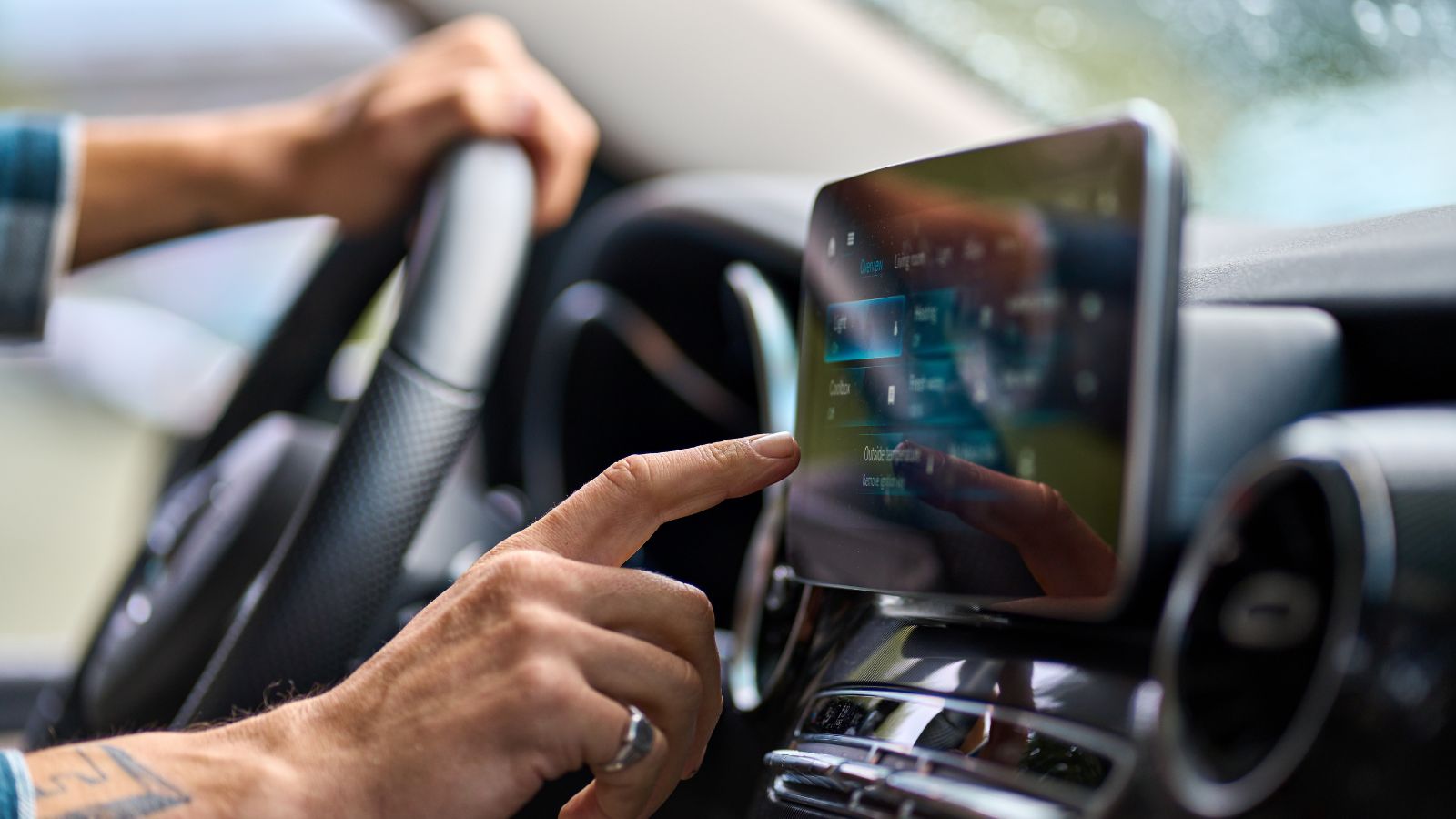
Suspension systems are about to get far smarter. Using cameras, radar, and stored map data, future cars will anticipate bumps, potholes, and road surfaces before the wheels hit them. Instead of reacting after impact, the suspension will prepare in advance. This will dramatically improve ride comfort on broken city roads and highways alike. Luxury brands will lead the charge, but the tech will trickle down quickly. It will make bad roads feel less punishing and long drives noticeably calmer.
Self Healing Paint and Exterior Surfaces
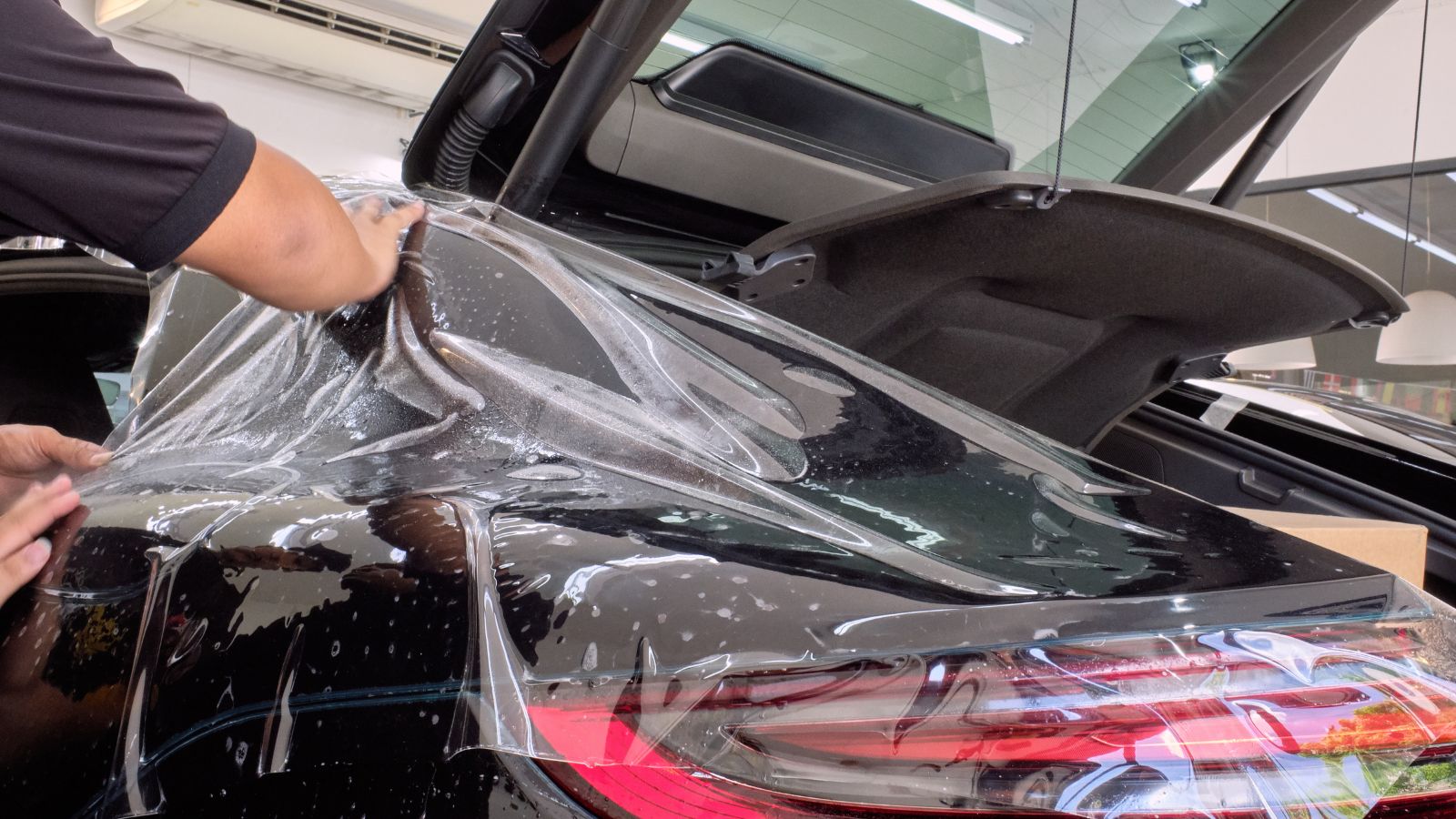
Minor scratches and swirl marks may soon become a thing of the past. New paint technologies using heat reactive polymers will allow light scratches to fade away over time or when exposed to sunlight. Some manufacturers are also experimenting with flexible exterior panels that resist cracking and stone chips. For daily drivers, this means cars that stay looking newer for longer without constant detailing. Ownership pride will last well beyond the warranty period.
Cabin Air Intelligence Beyond Simple Filters
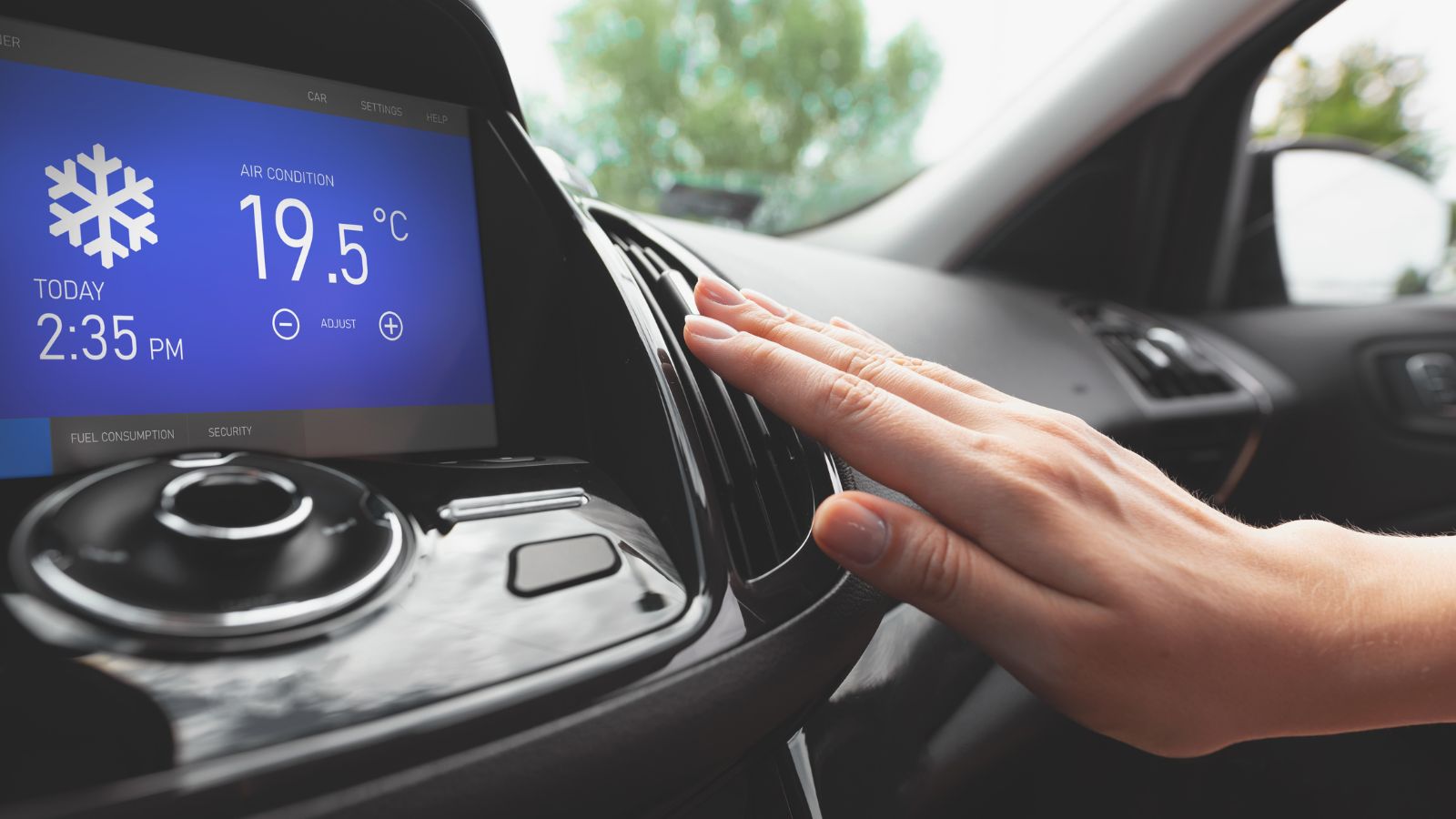
Future cars will actively monitor air quality inside and outside the cabin in real time. Instead of basic pollen filters, advanced systems will analyze pollution, allergens, and even viruses, adjusting airflow and filtration automatically. Urban commuters will benefit the most, especially in heavy traffic. Some systems will even pre clean the cabin before you enter. Cars will become rolling safe zones for air quality rather than passive boxes on wheels.
Adaptive Interiors That Learn the Driver
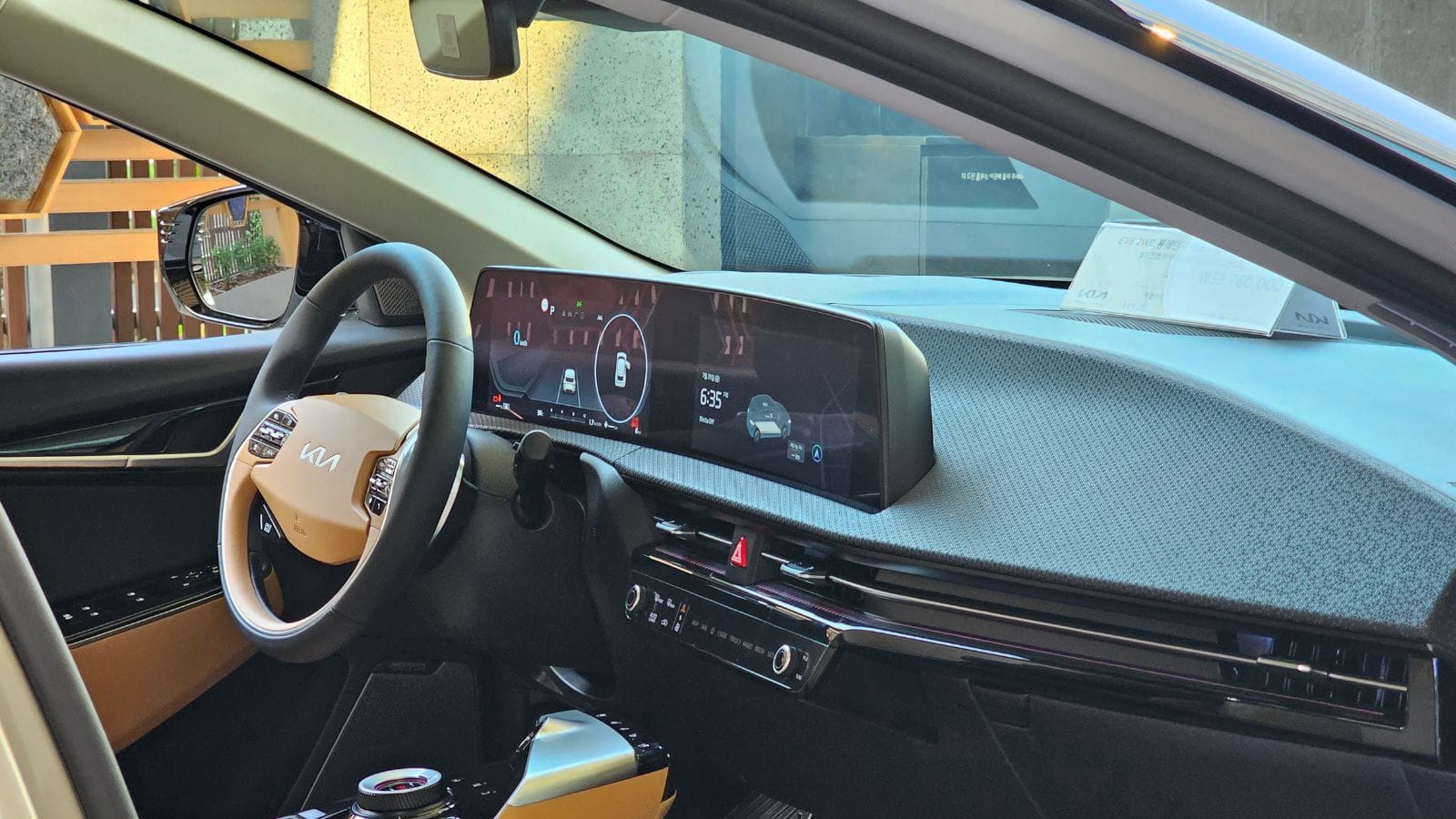
Seats, steering wheels, mirrors, and controls will soon adjust themselves based on who is driving without manual input. Facial recognition or key based profiles will trigger personalized settings instantly. Over time, the car will learn posture preferences, driving habits, and comfort adjustments. Long trips will feel less fatiguing because the car adapts continuously rather than staying static. The interior will feel more like a tailored environment than a generic cockpit.
Solid State Batteries Changing the EV Equation

Solid state battery technology promises faster charging, longer lifespan, and far greater energy density. This will reduce range anxiety and shorten charging times dramatically. It also improves safety by lowering fire risk. While early versions will be expensive, adoption will accelerate quickly. This technology will make electric cars feel less like early adoption experiments and more like obvious choices for mainstream buyers.
Cars That Monitor Their Own Health Proactively
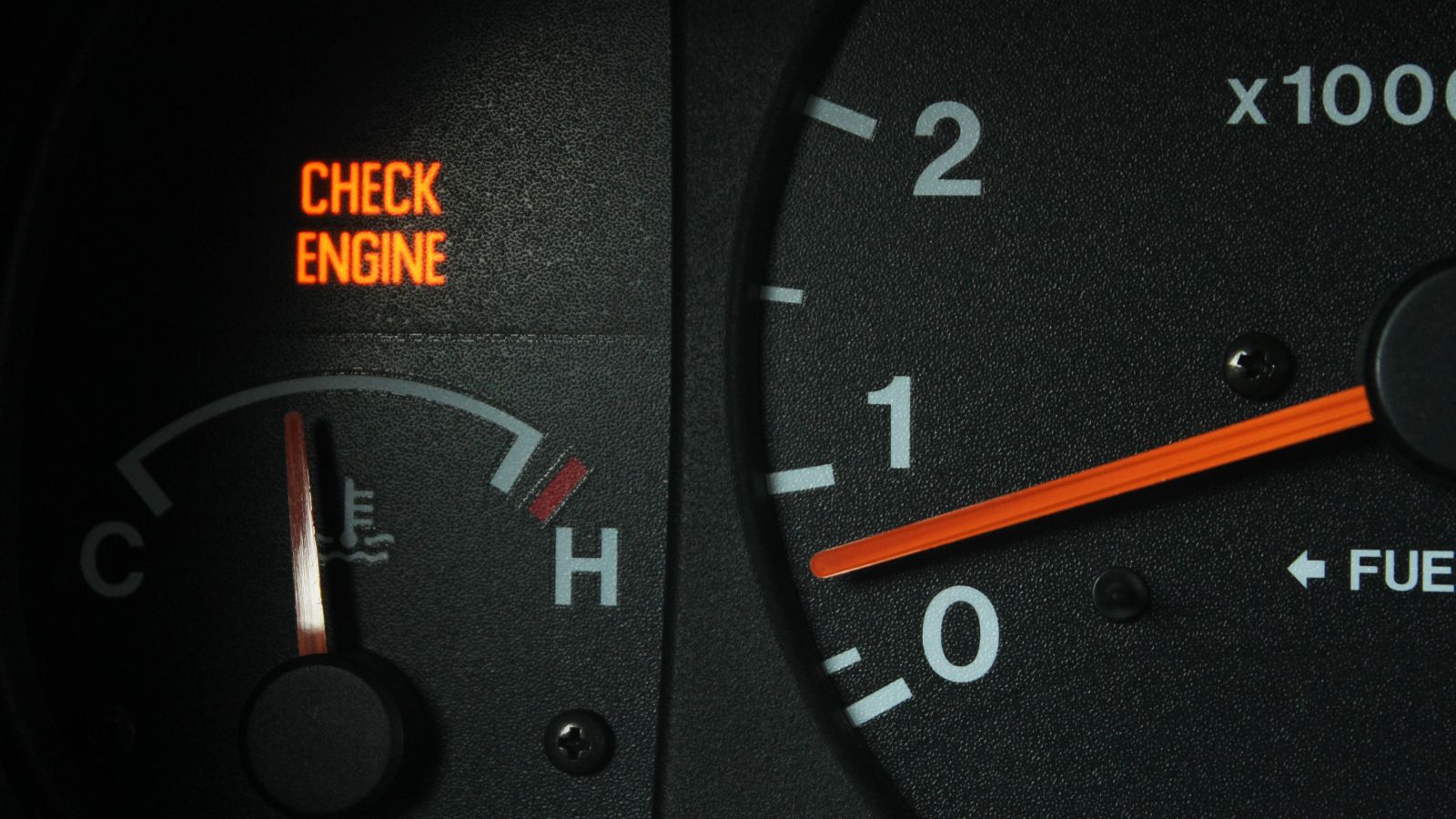
Instead of waiting for warning lights, future vehicles will continuously analyze wear patterns across critical components. Suspension bushings, brake systems, cooling circuits, and drivetrains will be monitored for early signs of failure. The car will recommend service before a breakdown occurs. This will reduce surprise repair bills and extend vehicle life. Ownership will feel more predictable and less reactive.
Intelligent Headlights That Project Information
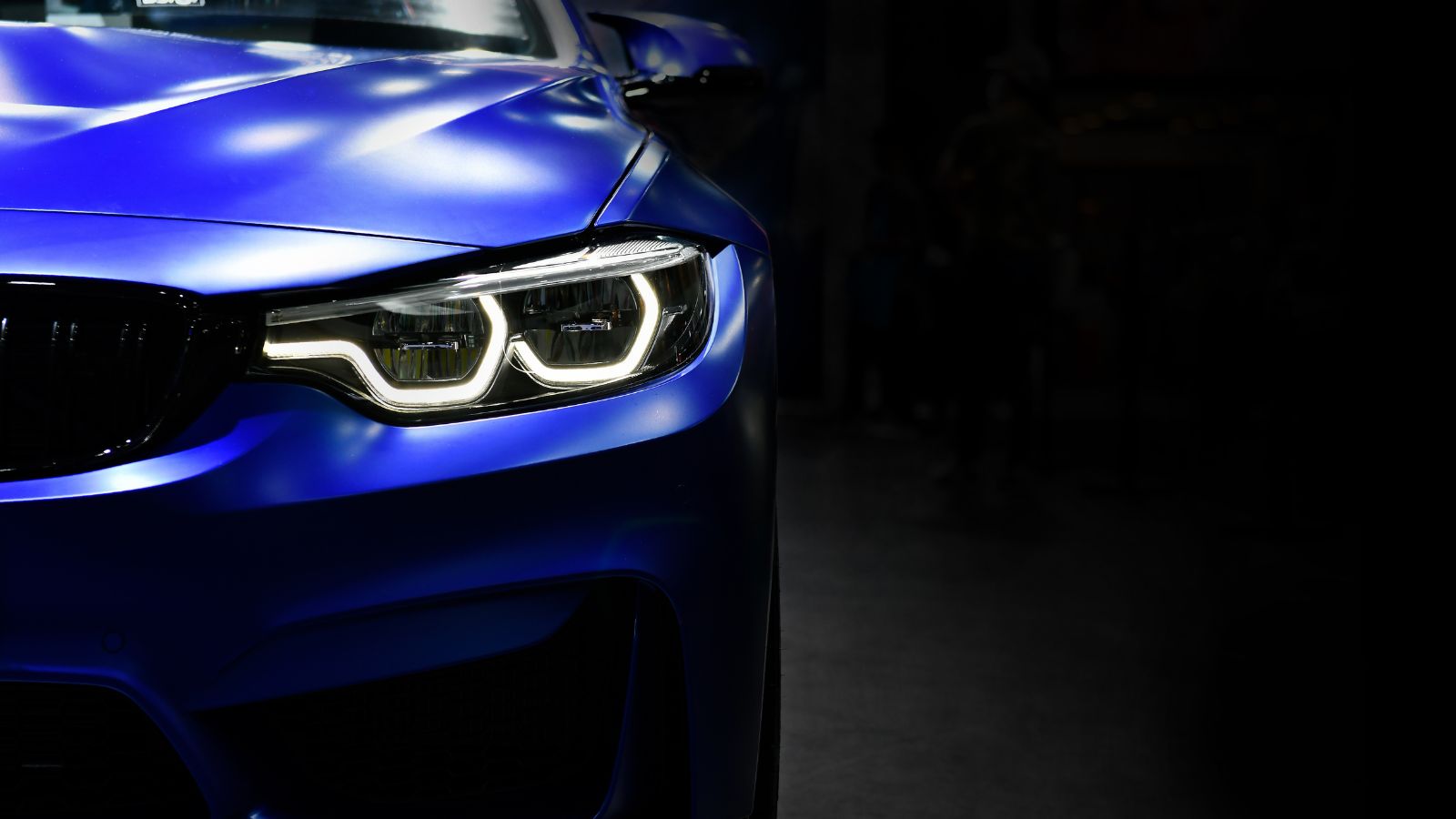
Headlights will soon do more than illuminate the road. Advanced systems will project guidance lines, hazard warnings, and navigation cues directly onto the pavement ahead. In poor visibility, this visual assistance will improve confidence and reaction time. Drivers will intuitively understand what the car sees without looking away from the road. Night driving will feel less stressful and more controlled.
Frictionless Payment Built Into the Car
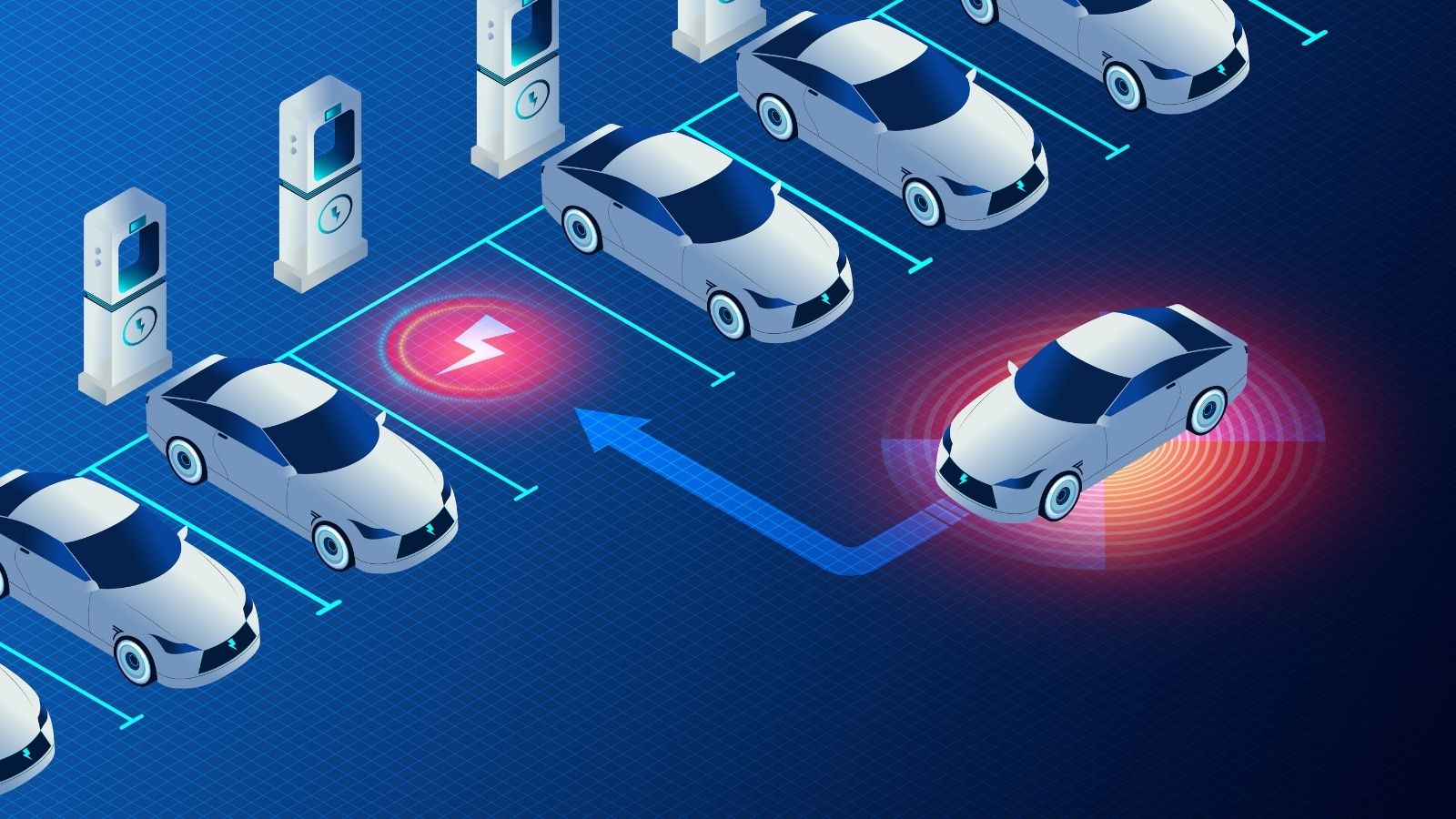
Cars will handle payments automatically for parking, tolls, charging, and even fuel in hybrid vehicles. Authentication will happen in the background using encrypted vehicle identity. Drivers will no longer fumble with apps or cards. This will make urban driving smoother and less interruptive. The car becomes a trusted digital wallet that removes small but constant annoyances from daily driving.
Materials That Adapt to Temperature and Use
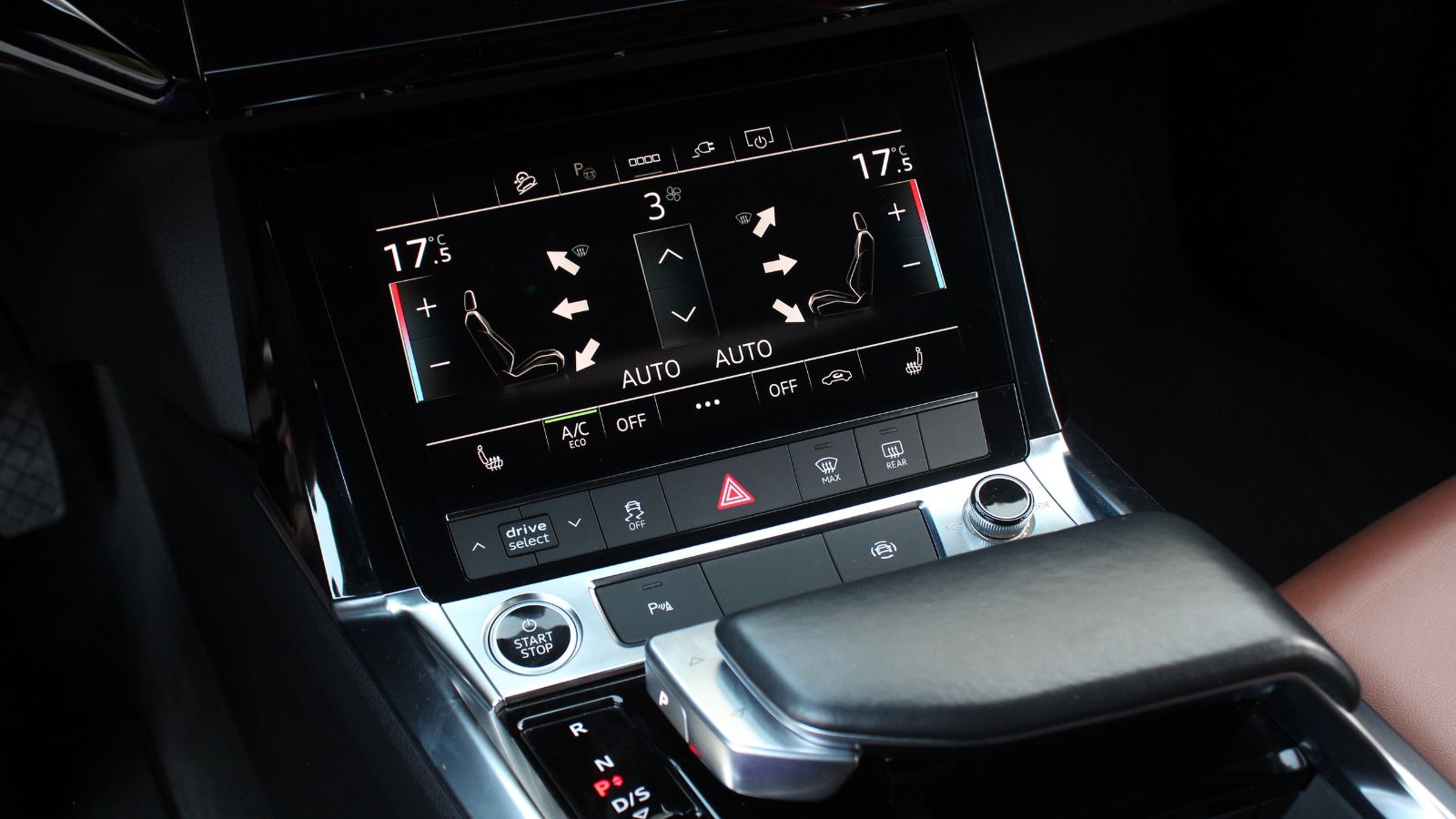
Interior materials are evolving fast. Seats that warm or cool only where your body needs it will replace blanket climate control. Surfaces will resist staining, odor absorption, and UV damage far better than today. Some materials will even change firmness based on driving mode. Cars will feel more durable and comfortable over time rather than aging visibly after a few years.
Driver Assistance That Feels Human Not Robotic
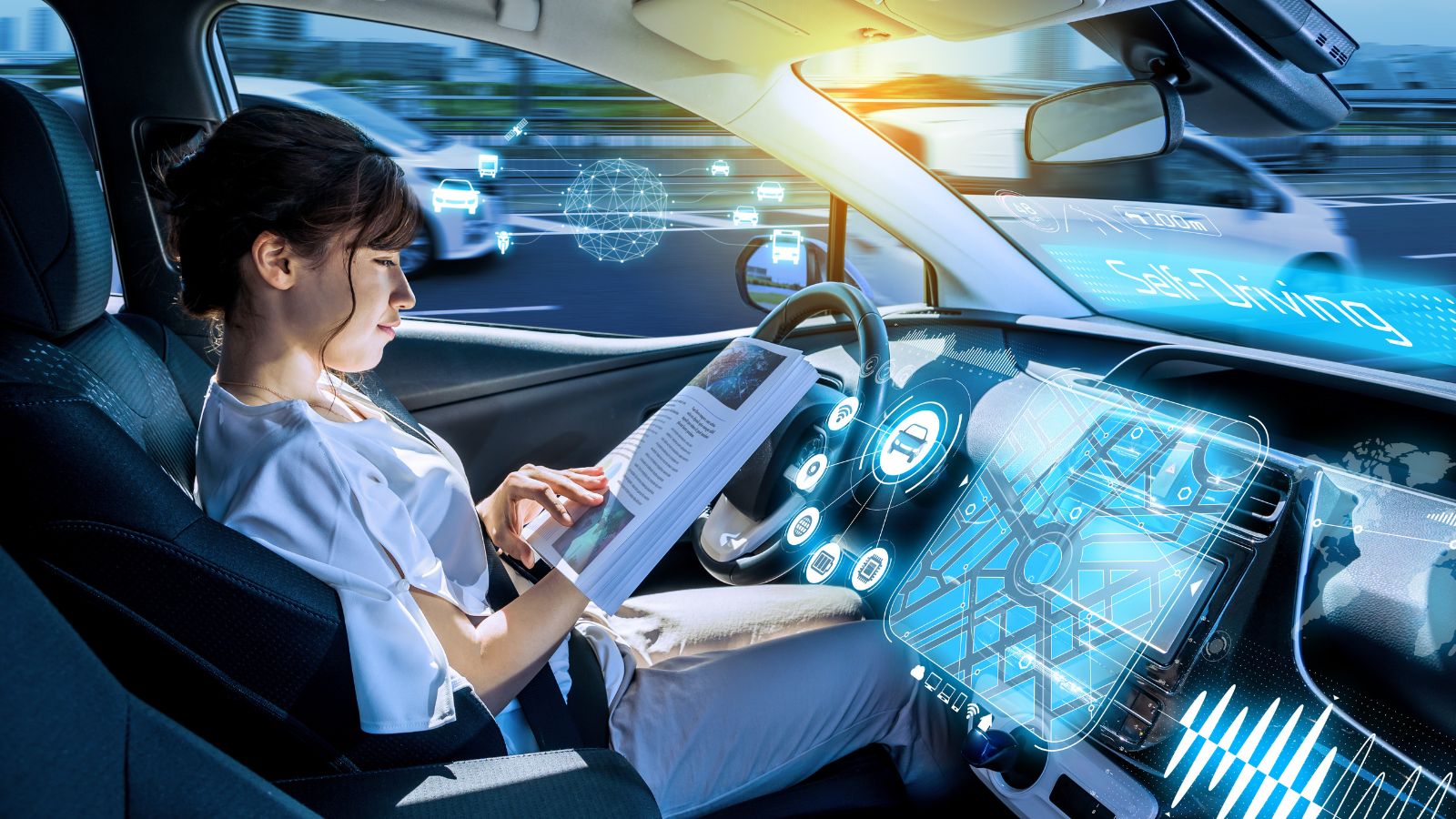
The next generation of driver assistance systems will focus less on control and more on collaboration. Instead of abrupt interventions, systems will subtly guide steering, braking, and throttle in a way that feels natural. The car will assist without startling the driver. This will rebuild trust in automation and reduce fatigue without taking control away. Driving will feel supported rather than supervised.
25 Facts About Car Loans That Most Drivers Don’t Realize

Car loans are one of the most common ways people fund car purchases. Like any other kind of loan, car loans can have certain features that can be regarded as an advantage or a disadvantage to the borrower. Understanding all essential facts about car loans and how they work to ensure that you get the best deal for your financial situation is essential. Here are 25 shocking facts about car loans that most drivers don’t realize:
25 Facts About Car Loans That Most Drivers Don’t Realize
