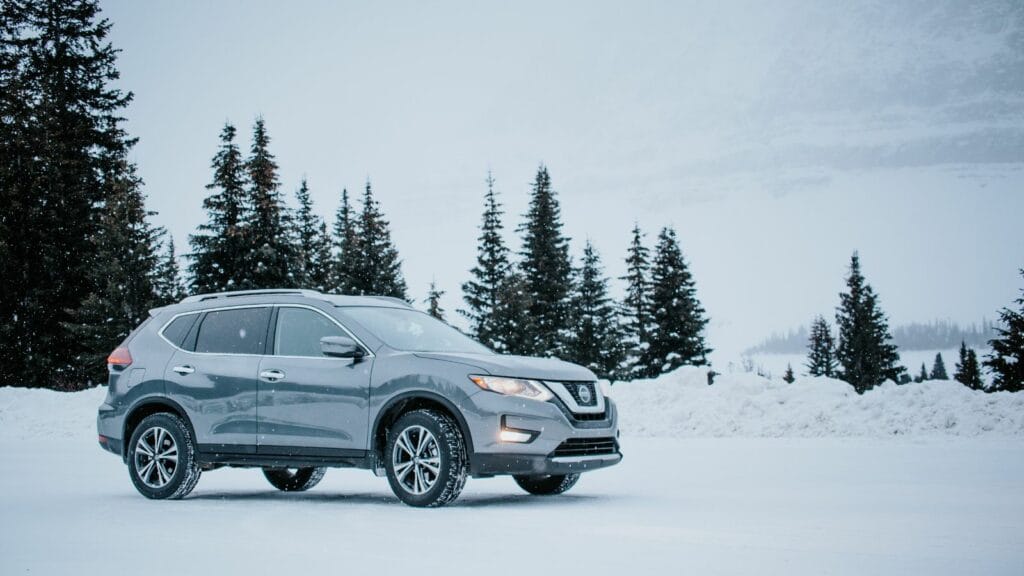
SUVs give drivers confidence in winter, but confidence can turn into complacency when conditions get rough. Extra weight, higher ride height, and all wheel drive help, but they do not break the laws of physics. Snow and ice demand a different mindset behind the wheel. These ten tips focus on real world driving habits that make winter travel safer, calmer, and far less stressful.
Good Winter Tires Matter More Than All Wheel Drive
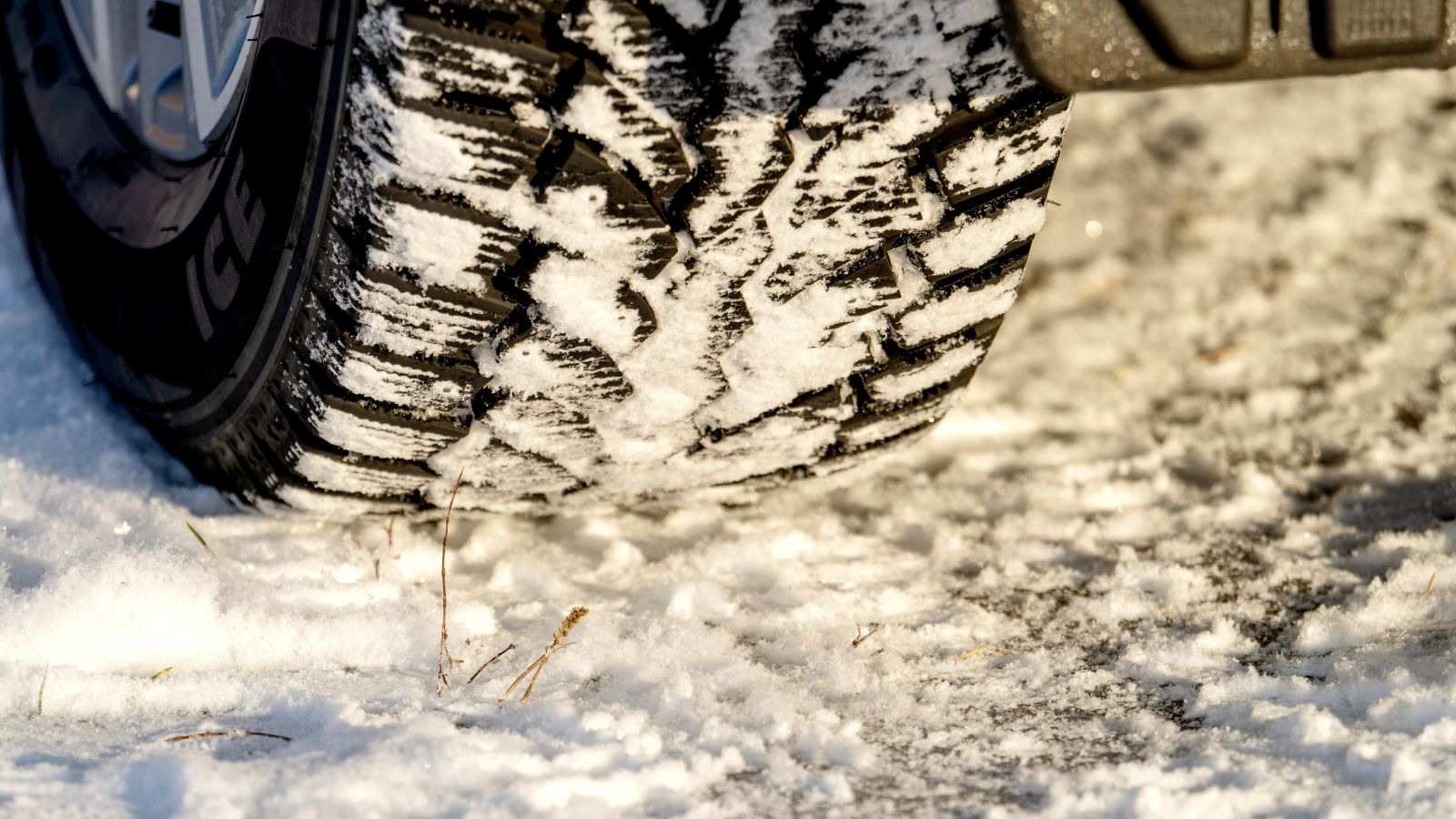
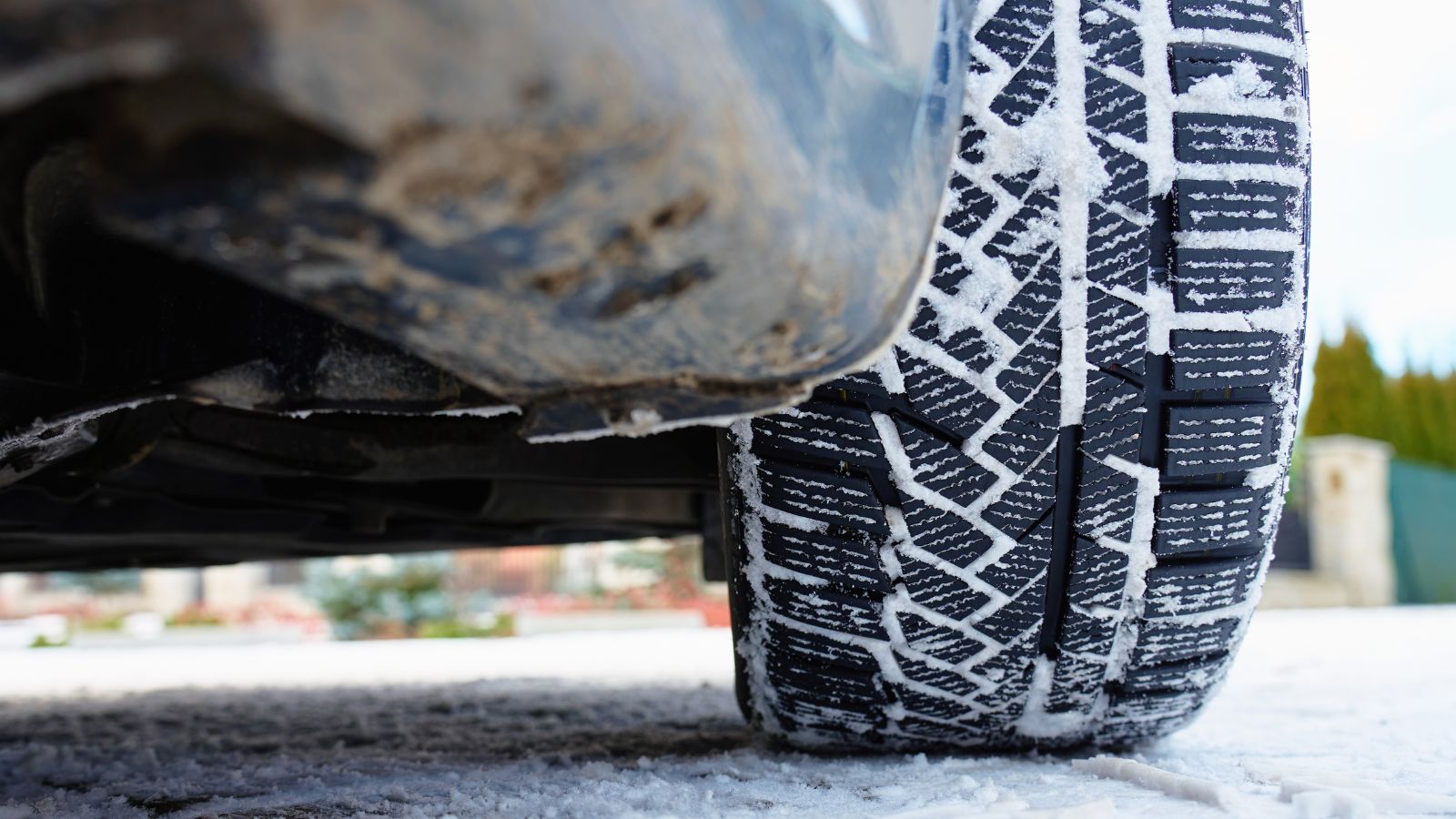
All wheel drive helps you get moving, but winter tires help you stop and turn. An SUV on all seasons will still slide on ice and packed snow. Proper winter tires dramatically improve grip in every situation. They shorten stopping distances and give steering inputs real effect. Many drivers overestimate drivetrain advantages and underestimate tire choice. In winter, rubber matters more than badges.
Slow Everything Down Before You Need To
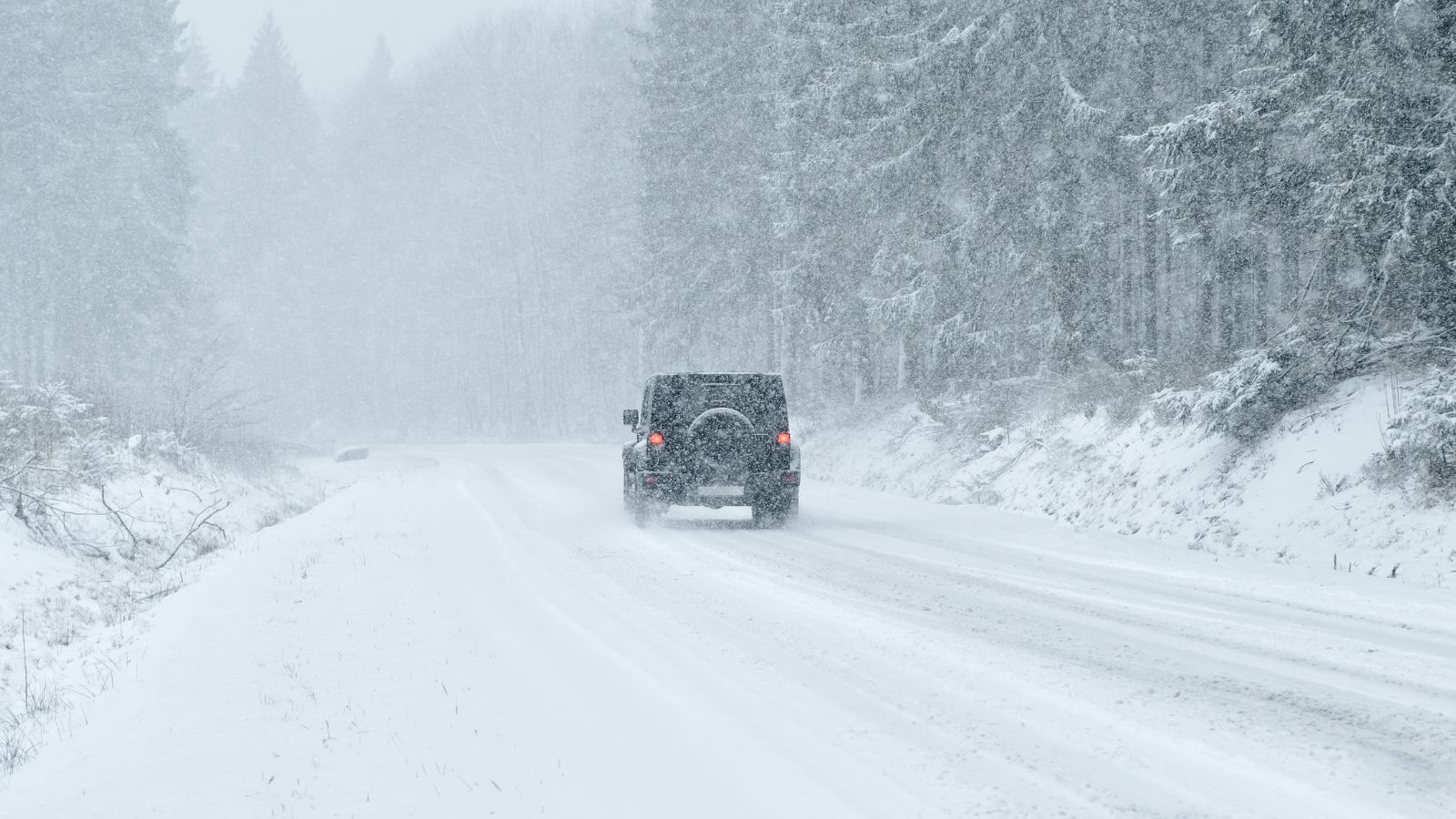
Smoothness is the goal in snow. Accelerate gently, brake earlier, and turn with patience. Sudden inputs overwhelm available traction quickly, especially in heavier SUVs. Planning ahead buys you time and space. If you drive at eight tenths instead of ten, the car stays predictable. Snow driving rewards anticipation more than reaction.
Understand What All Wheel Drive Actually Does
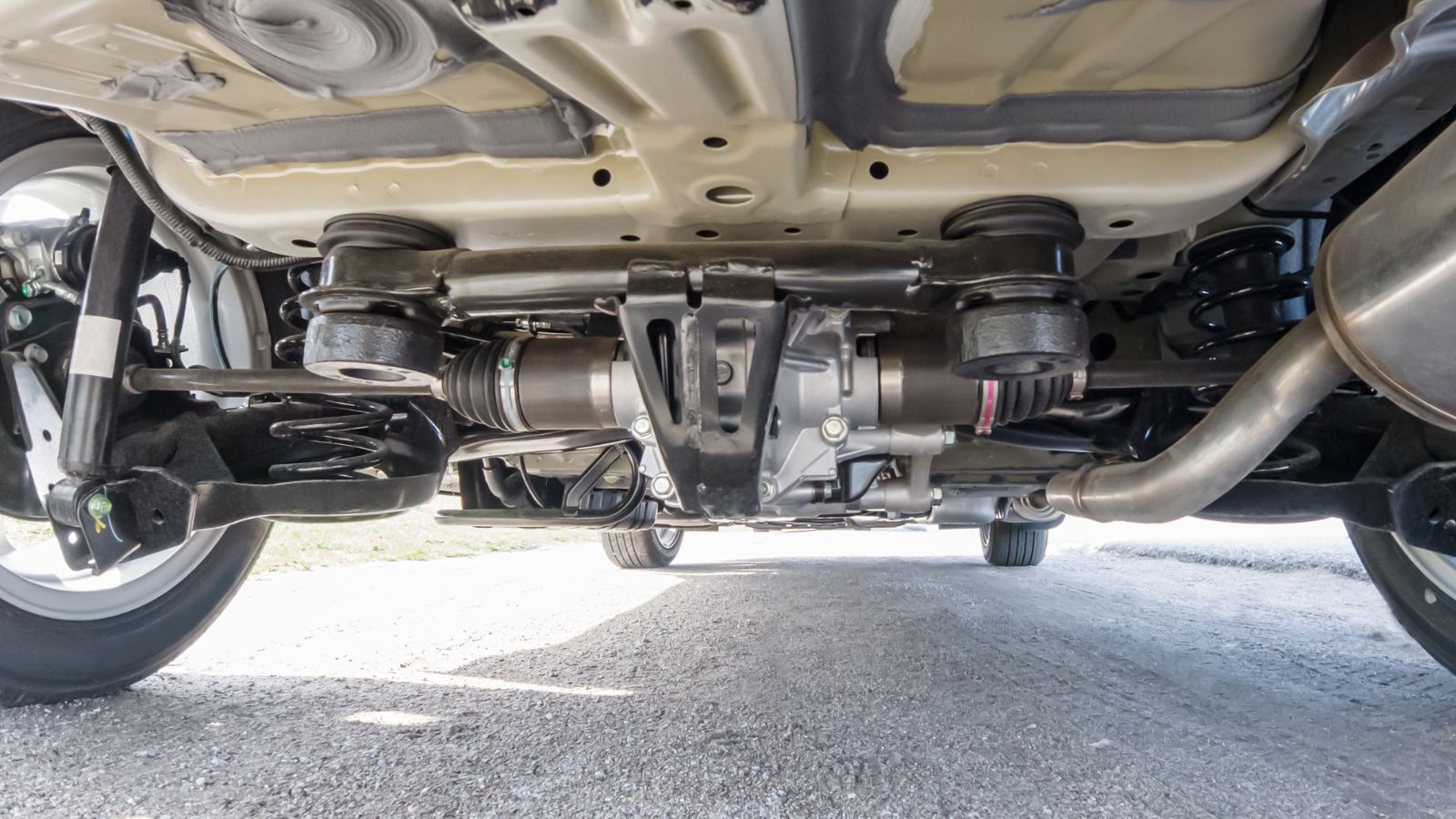
All wheel drive helps distribute power when accelerating, but it does not help you stop. Many winter crashes happen because drivers assume all wheel drive equals invincibility. Braking and cornering still rely on tire grip alone. Treat all wheel drive as a tool, not a safety shield. Respecting its limits keeps you out of trouble.
Increase Following Distance Significantly
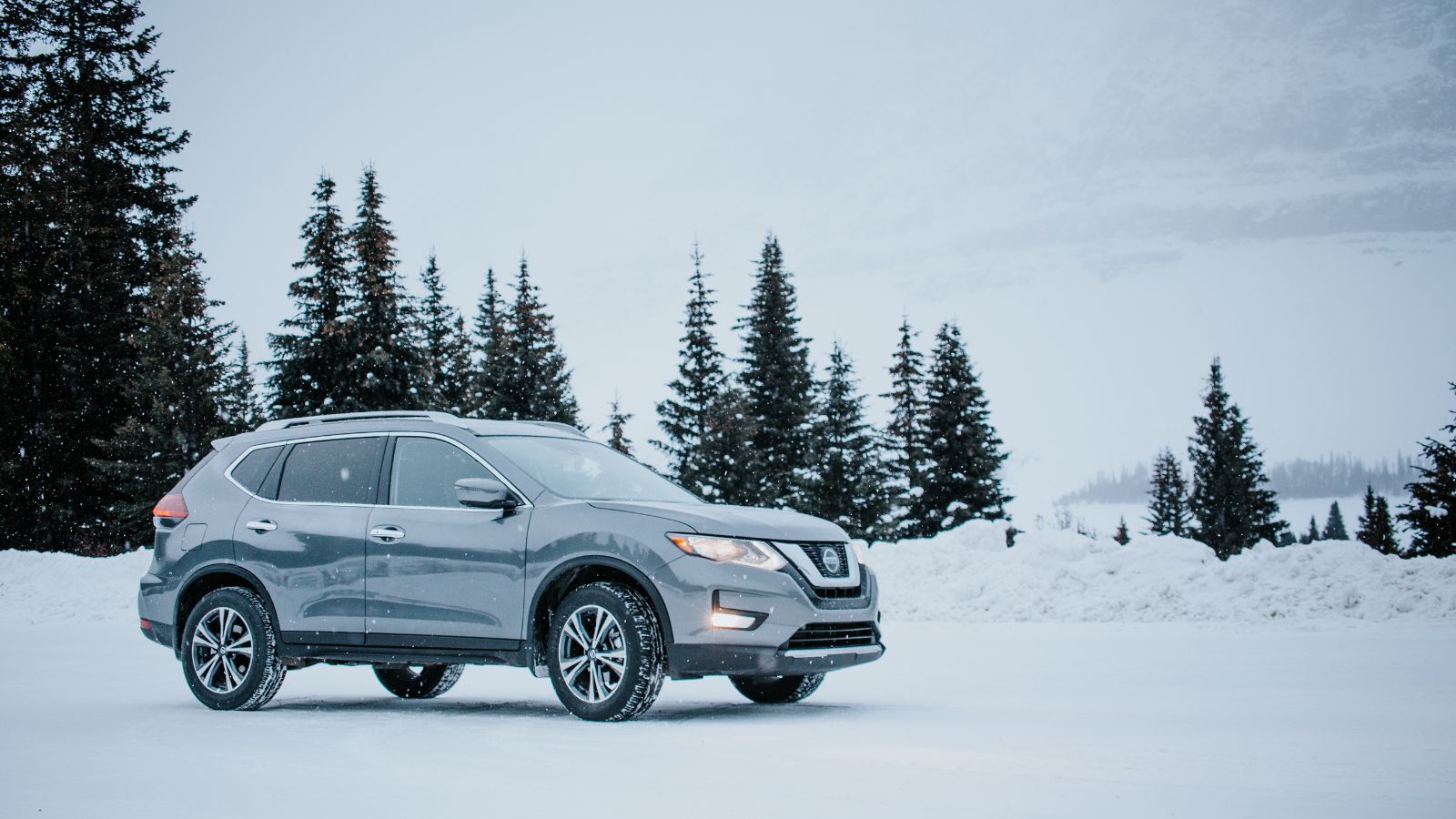
SUVs weigh more than cars, and weight works against you when stopping. Increase your following distance far beyond what feels normal. What looks like empty space in summer becomes your safety buffer in winter. If traffic stops suddenly, that extra distance can be the difference between a controlled stop and sliding into someone’s bumper.
Use Lower Gears on Slippery Descents
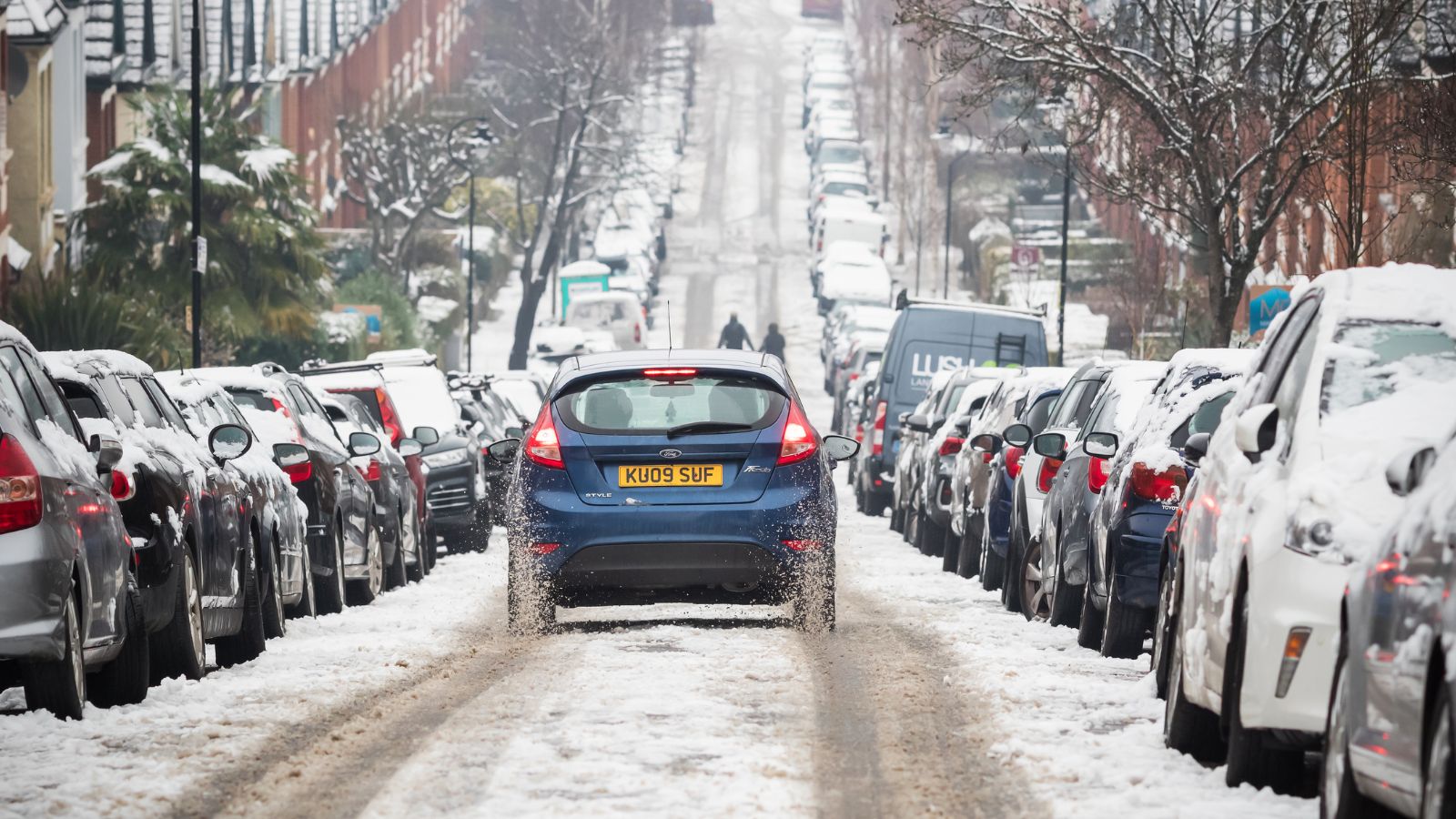
When going downhill, engine braking can help control speed without relying entirely on the brakes. Many SUVs allow manual gear selection or low range modes. Using them reduces brake lockup and keeps the vehicle more stable. Long icy descents are where brake inputs often cause loss of control. Let the drivetrain do some of the work.
Be Gentle With Steering Inputs
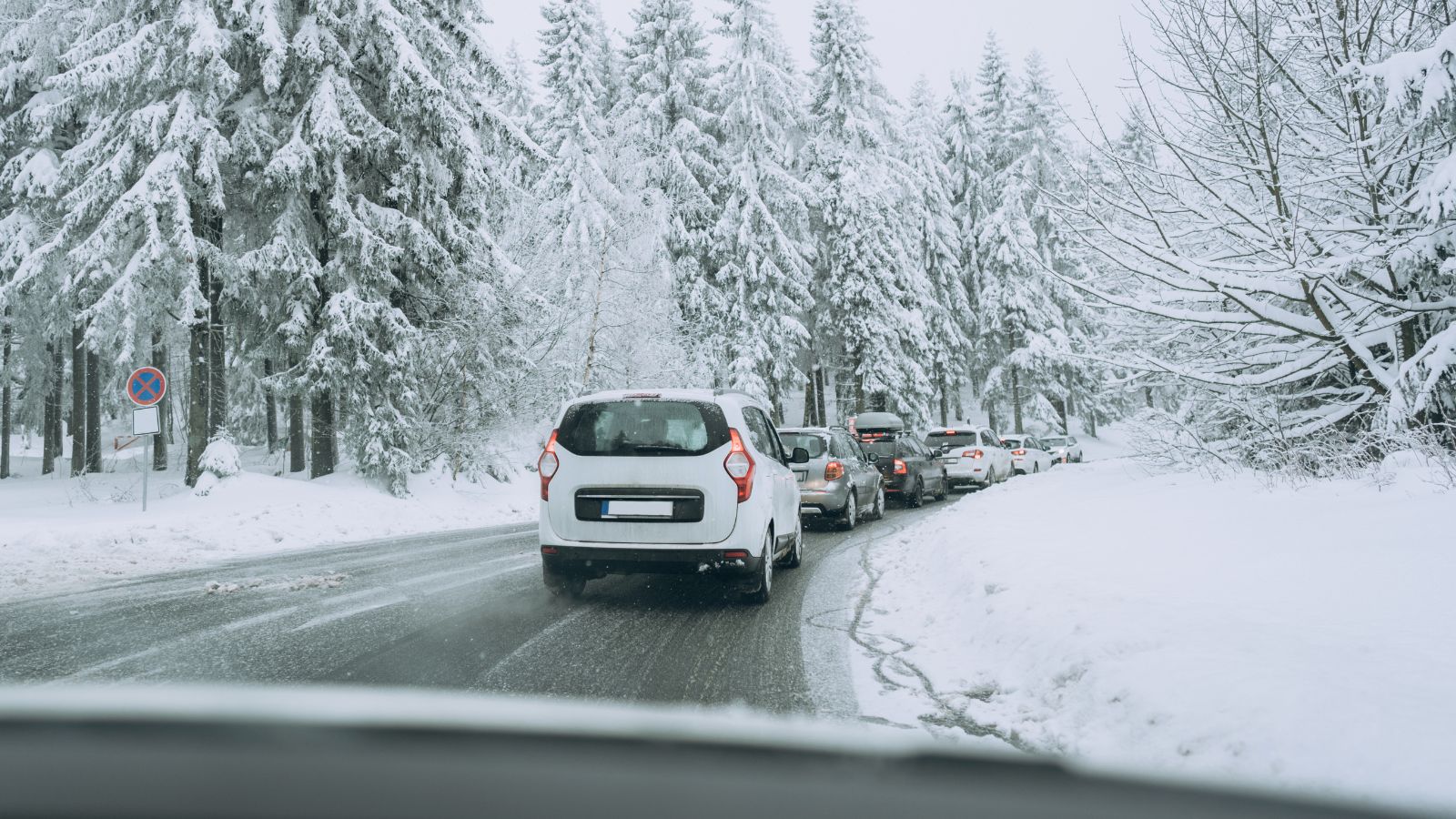
Quick steering corrections can unsettle an SUV’s higher center of gravity. In snow, small smooth steering movements keep the tires within their grip limits. If the vehicle starts to slide, ease off inputs rather than adding more. Calm hands lead to calm responses. Fighting the wheel usually makes things worse.
Clear Snow From the Entire Vehicle
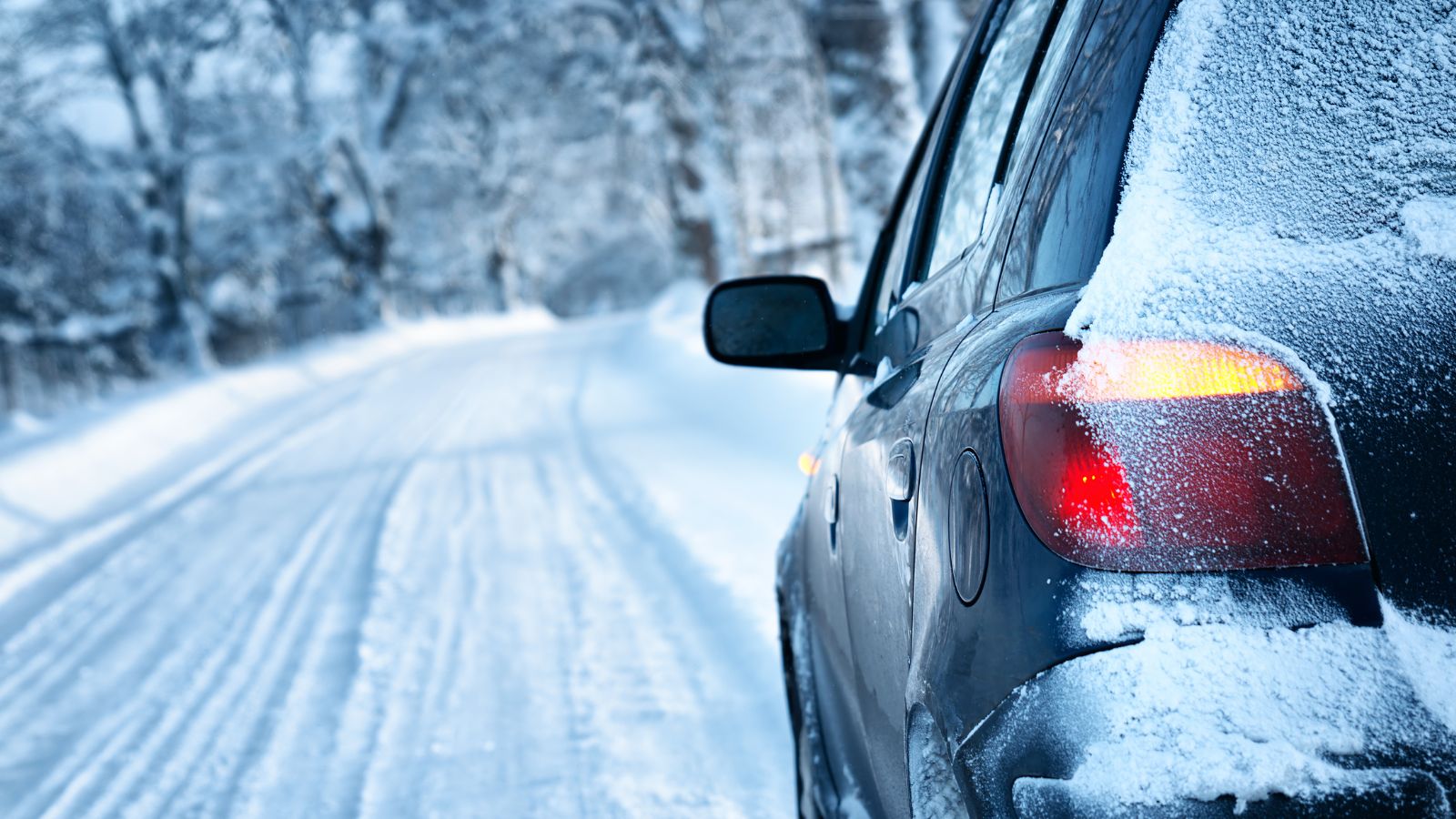
Snow left on the roof can slide forward under braking and block your windshield. Ice chunks flying off at speed endanger other drivers. Clear all windows, mirrors, lights, and the roof before driving. It takes a few extra minutes but dramatically improves visibility and safety. Good winter driving starts before the engine turns over.
Learn How Stability Control Feels When It Engages
Modern SUVs use stability control to help correct slides, but many drivers do not recognize when it is working. Feeling the system intervene means you are close to the limit. If the dashboard light flashes often, slow down. Treat it as feedback rather than a challenge. The system helps, but it cannot create grip where none exists.
Avoid Cruise Control in Snowy Conditions
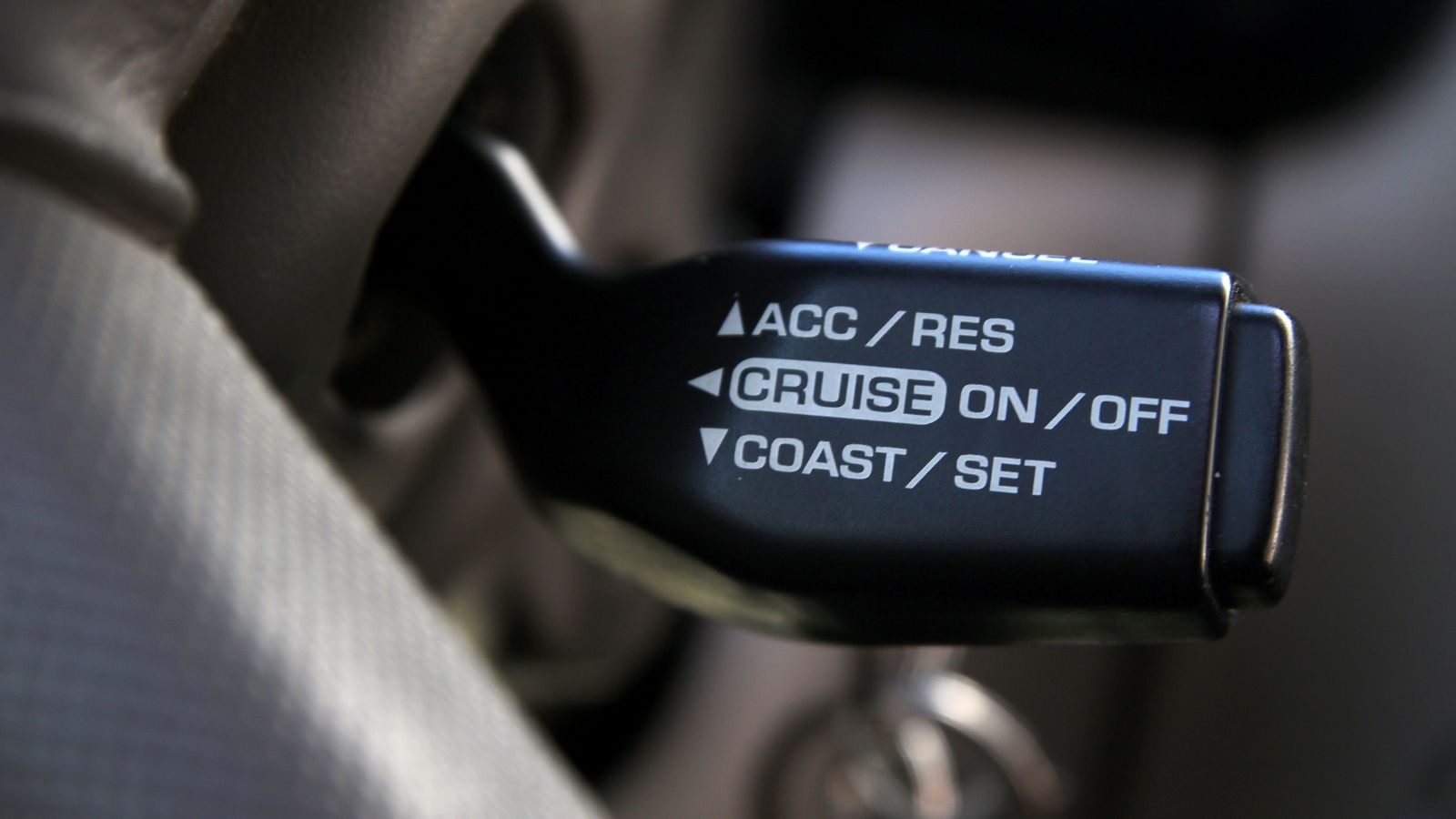
Cruise control can apply throttle unexpectedly when traction changes. On icy patches, that sudden power can cause wheelspin or instability. In winter, throttle control should stay in your right foot. Manually managing speed keeps you connected to road conditions and allows faster corrections when grip changes.
Practice in a Safe Empty Area
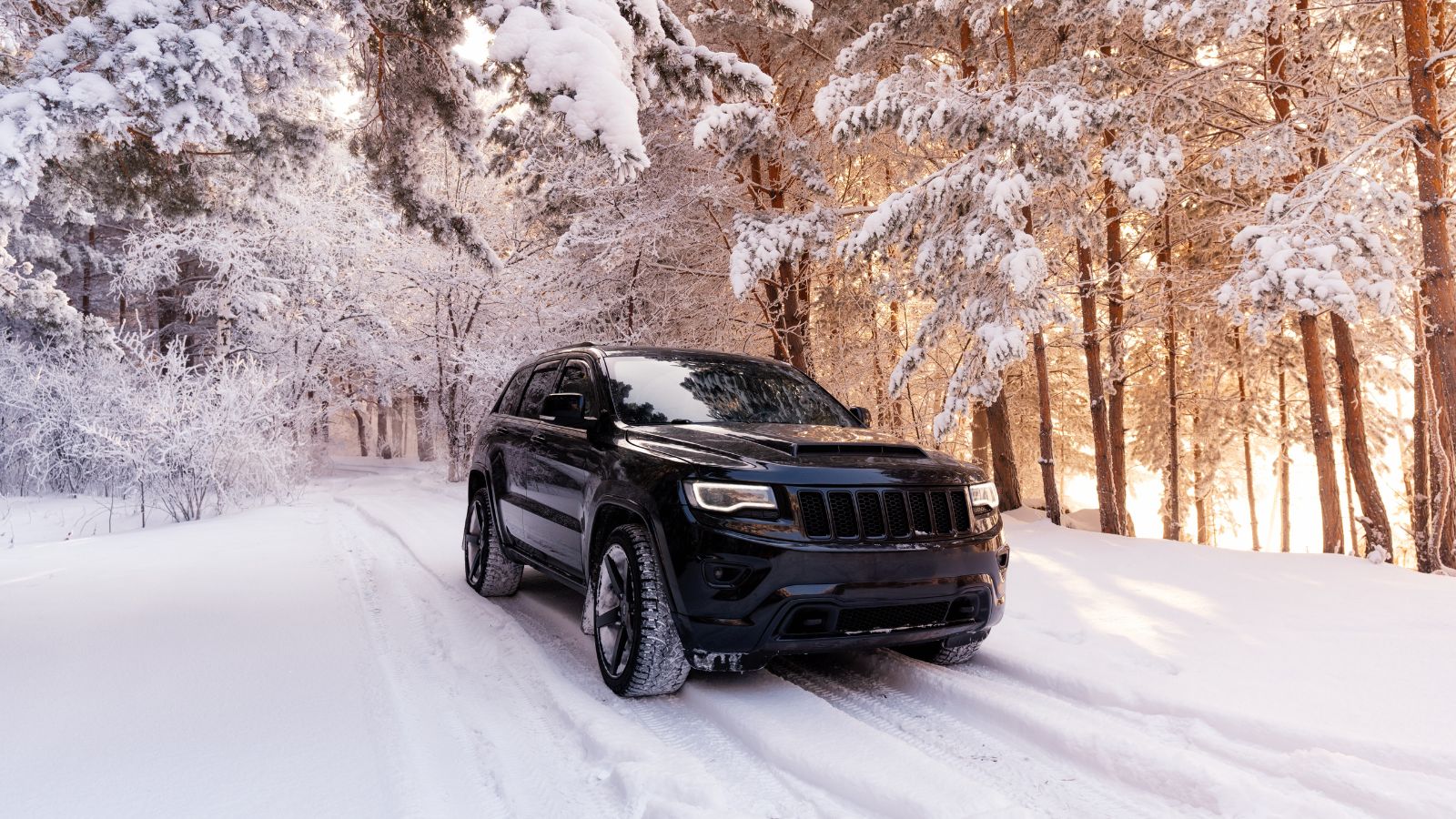
The best way to learn winter behavior is controlled experience. An empty snow covered parking lot lets you feel how your SUV reacts to braking, turning, and sliding at low risk. Understanding these reactions builds confidence without overconfidence. When something happens on the road, it will feel familiar rather than frightening.
25 Facts About Car Loans That Most Drivers Don’t Realize

Car loans are one of the most common ways people fund car purchases. Like any other kind of loan, car loans can have certain features that can be regarded as an advantage or a disadvantage to the borrower. Understanding all essential facts about car loans and how they work to ensure that you get the best deal for your financial situation is essential. Here are 25 shocking facts about car loans that most drivers don’t realize:
25 Facts About Car Loans That Most Drivers Don’t Realize
