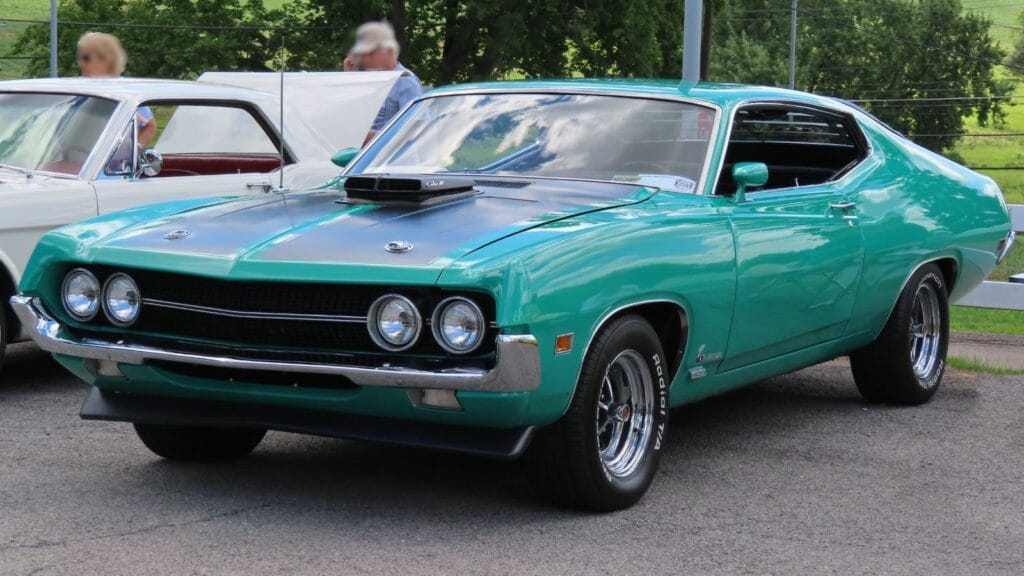
The 1970s usually get blamed for killing performance. Emissions rules tightened, fuel prices rose, and insurance got ugly. But that story skips a handful of genuinely interesting cars that still delivered speed, torque, and personality. They were overshadowed by earlier legends or later revivals, which is exactly why they faded from conversation. These ten deserve another look.
Pontiac Grand Prix SJ
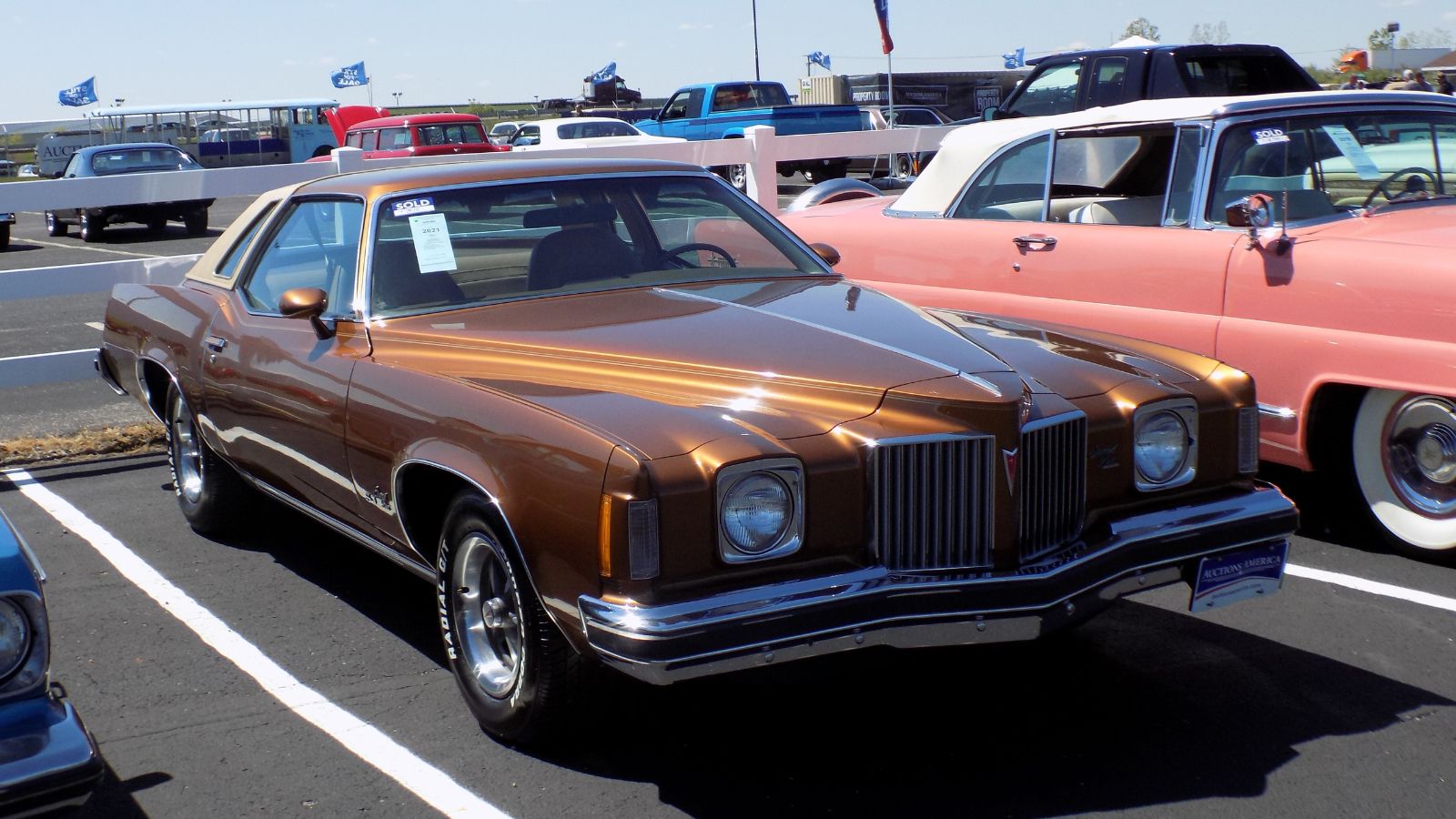
The Grand Prix SJ hid serious performance under luxury cues. Big torque V8s, rear wheel drive, and a long wheelbase made it devastating on highways. It was not a drag strip hero but it crushed real world miles with effortless pace. Owners remember how stable and confident it felt at speed, especially compared to lighter rivals.
Ford Torino Cobra
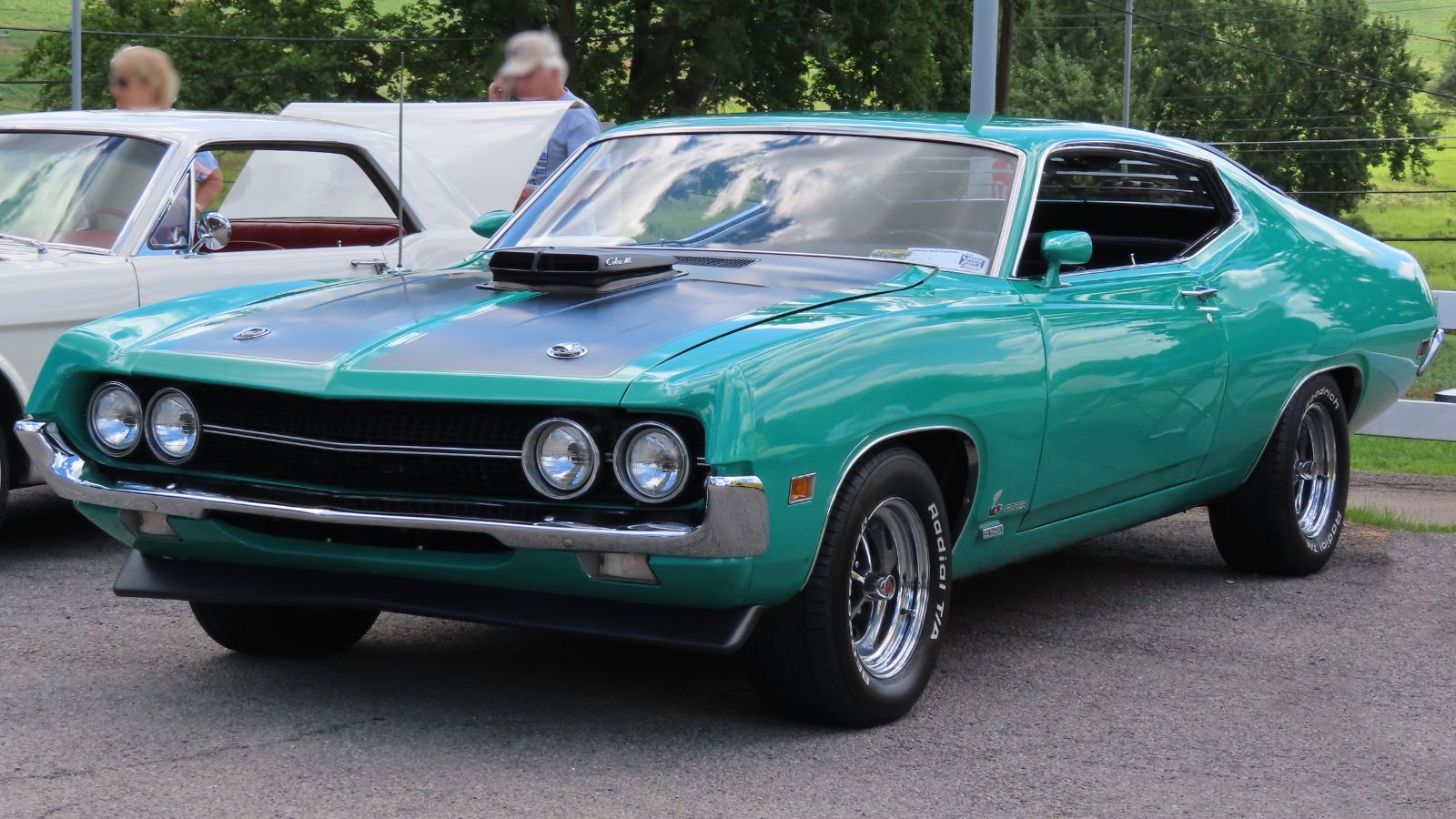
Overshadowed by Mustangs, the Torino Cobra packed genuine muscle. Big block power and NASCAR influence gave it real credibility. The chassis handled speed better than many expected, and the looks were aggressive without being flashy. It was a serious performance tool that simply lacked the pop culture spotlight.
Buick GS Stage 1

Buick quietly built one of the fastest street cars of its era. The Stage 1 focused on torque rather than peak horsepower. That made it brutally quick in everyday driving. It remains underrated because it did not chase image. Those who drove one knew exactly how fast it really was.
AMC Matador Machine
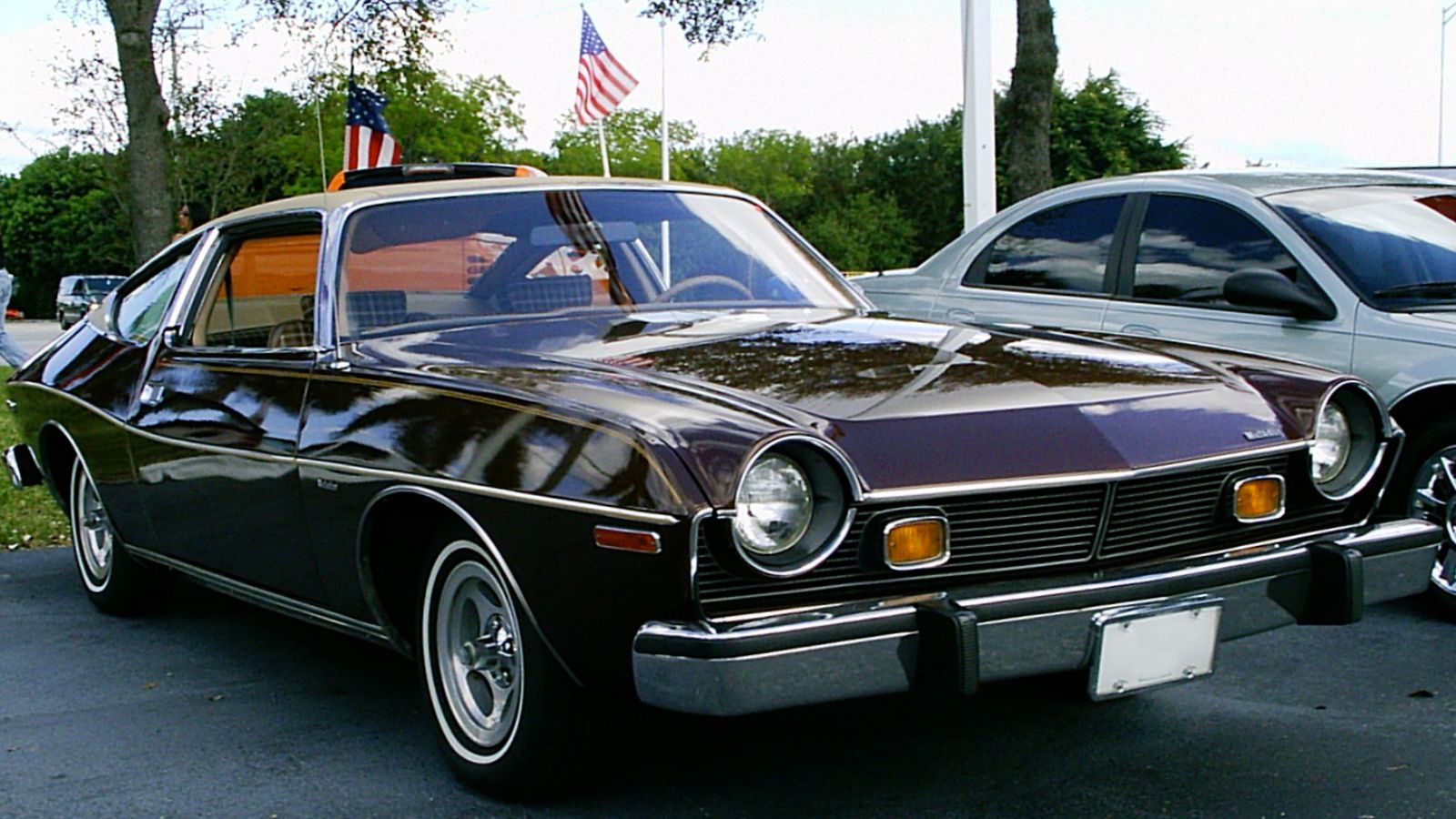
AMC took a risk and went all in on attitude. The Machine was loud, bold, and genuinely quick. Suspension tuning and gearing made it far more capable than the AMC badge suggested. It disappeared quickly, which only adds to its forgotten status today.
Chevrolet Laguna S-3
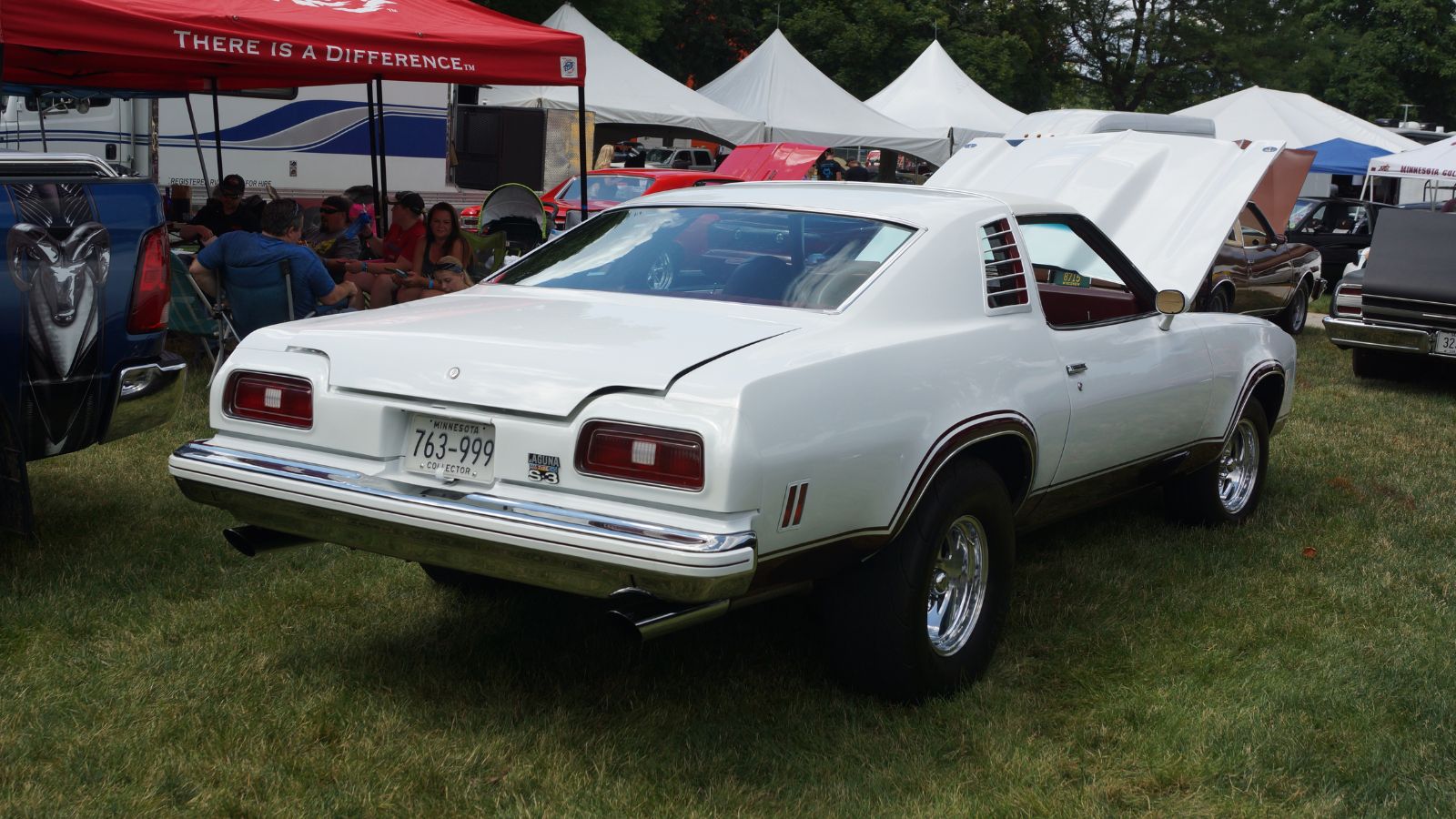
The Laguna S-3 arrived as the muscle era cooled off. Chevrolet leaned into handling and aerodynamics instead of brute force. NASCAR success proved the concept worked. On the street, it felt planted and confident, a different kind of performance that rarely gets credit.
Dodge Magnum XE
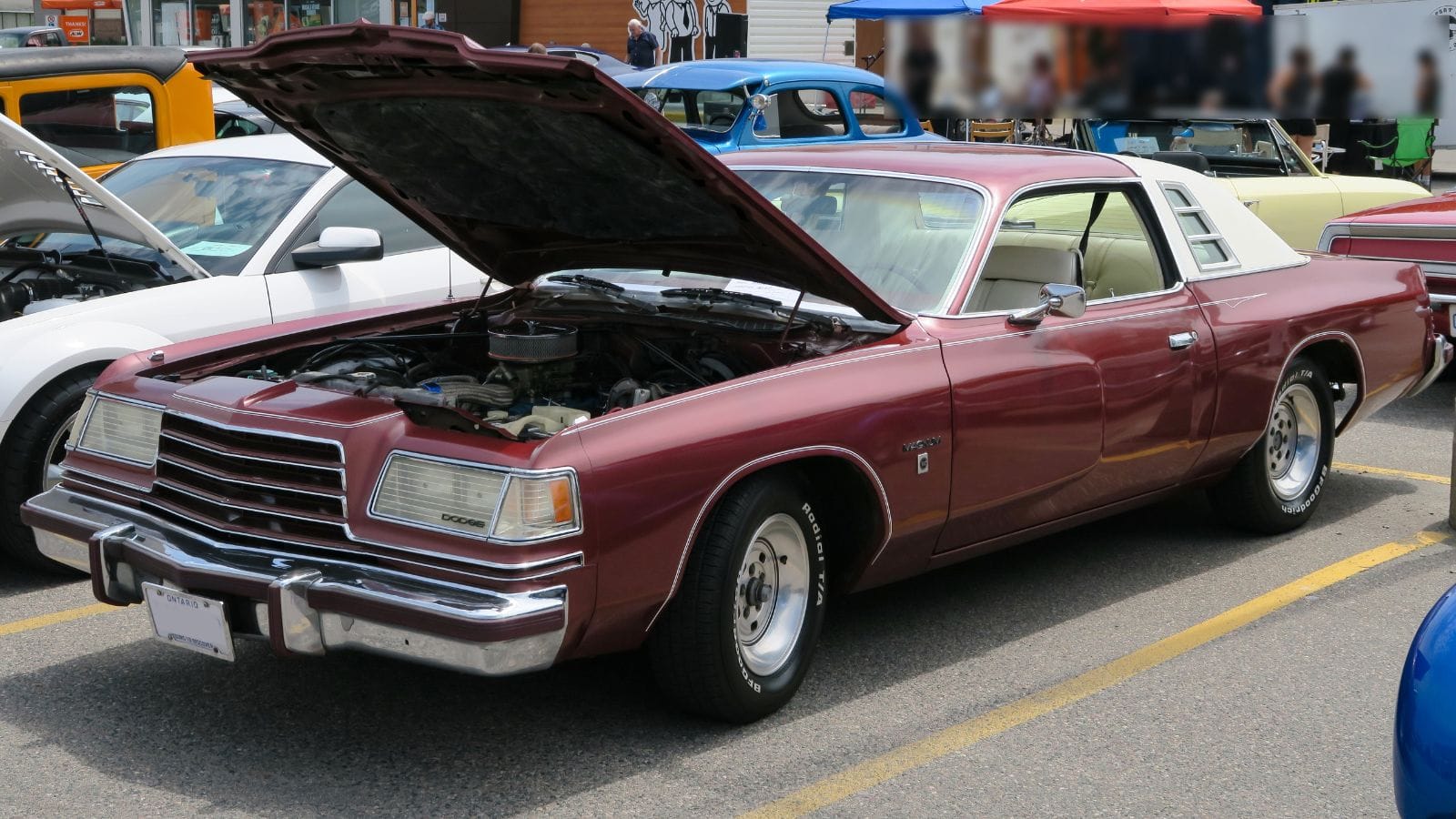
The Magnum XE looked aggressive at a time when many cars did not. V8 power and rear wheel drive kept it engaging even as regulations tightened. It was more grand tourer than muscle car, but that blend made it enjoyable to drive long distances quickly and comfortably.
Oldsmobile 442
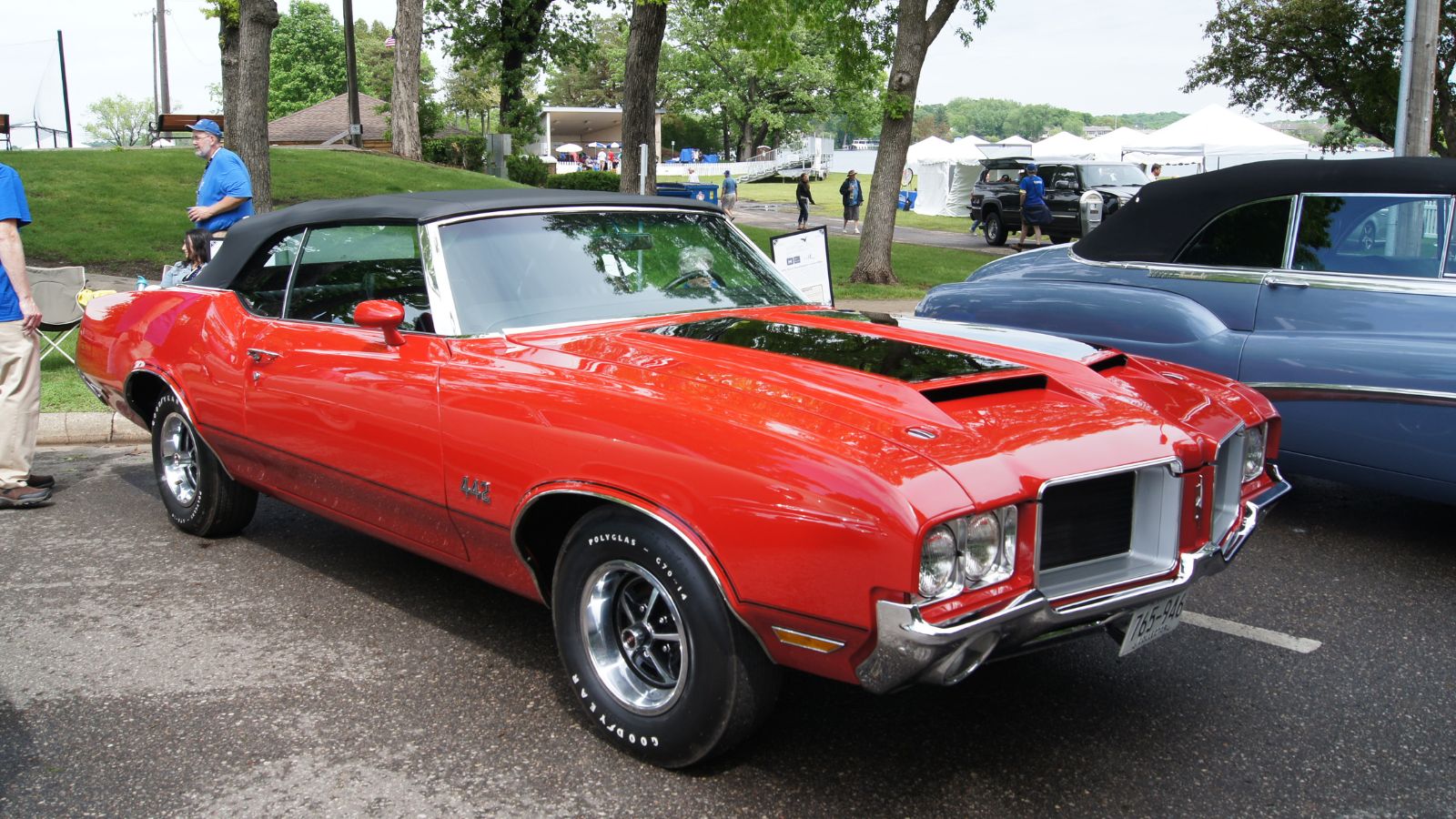
Later 442 models get dismissed unfairly. Yes power dropped, but balance and drivability improved. These cars delivered smooth torque and comfortable cruising. They were quick enough on the road and far more usable day to day than earlier raw muscle cars.
Mercury Cougar XR-7
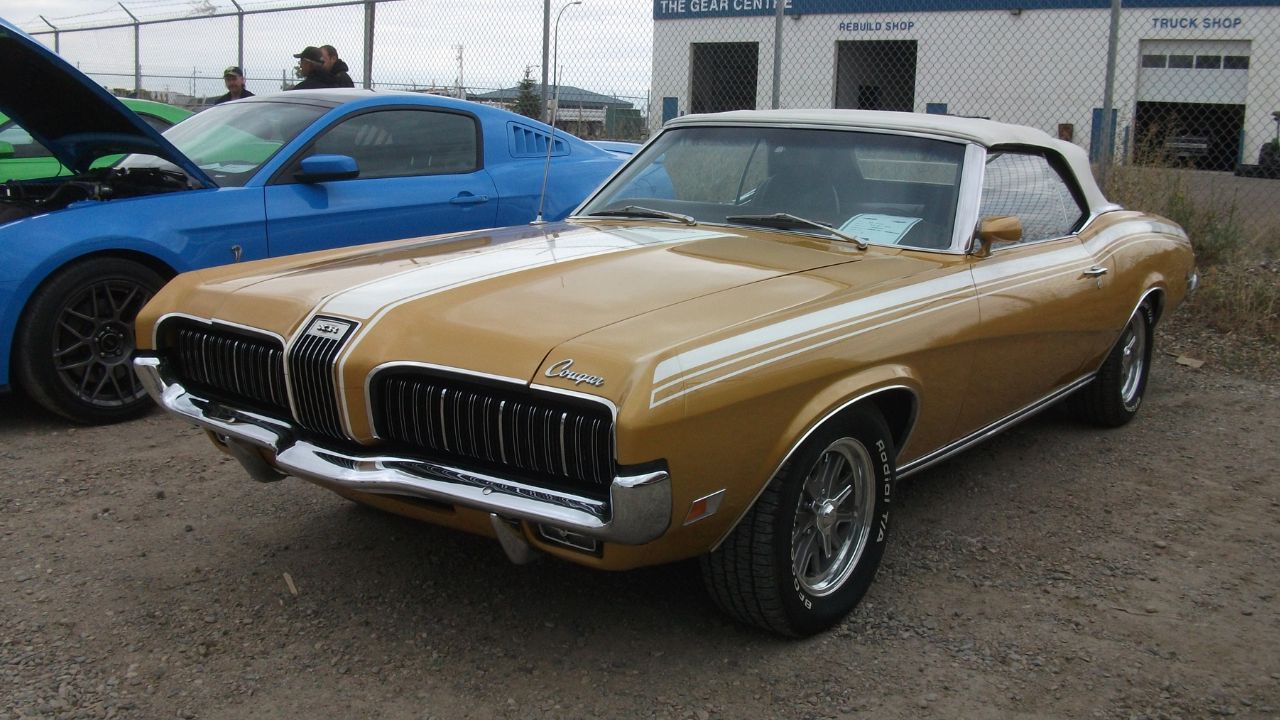
The XR-7 combined Mustang underpinnings with a more refined feel. Strong engines and a longer wheelbase made it stable at speed. It was fast without being frantic. That maturity cost it headlines, but owners appreciated the confidence it delivered.
Plymouth Road Runner
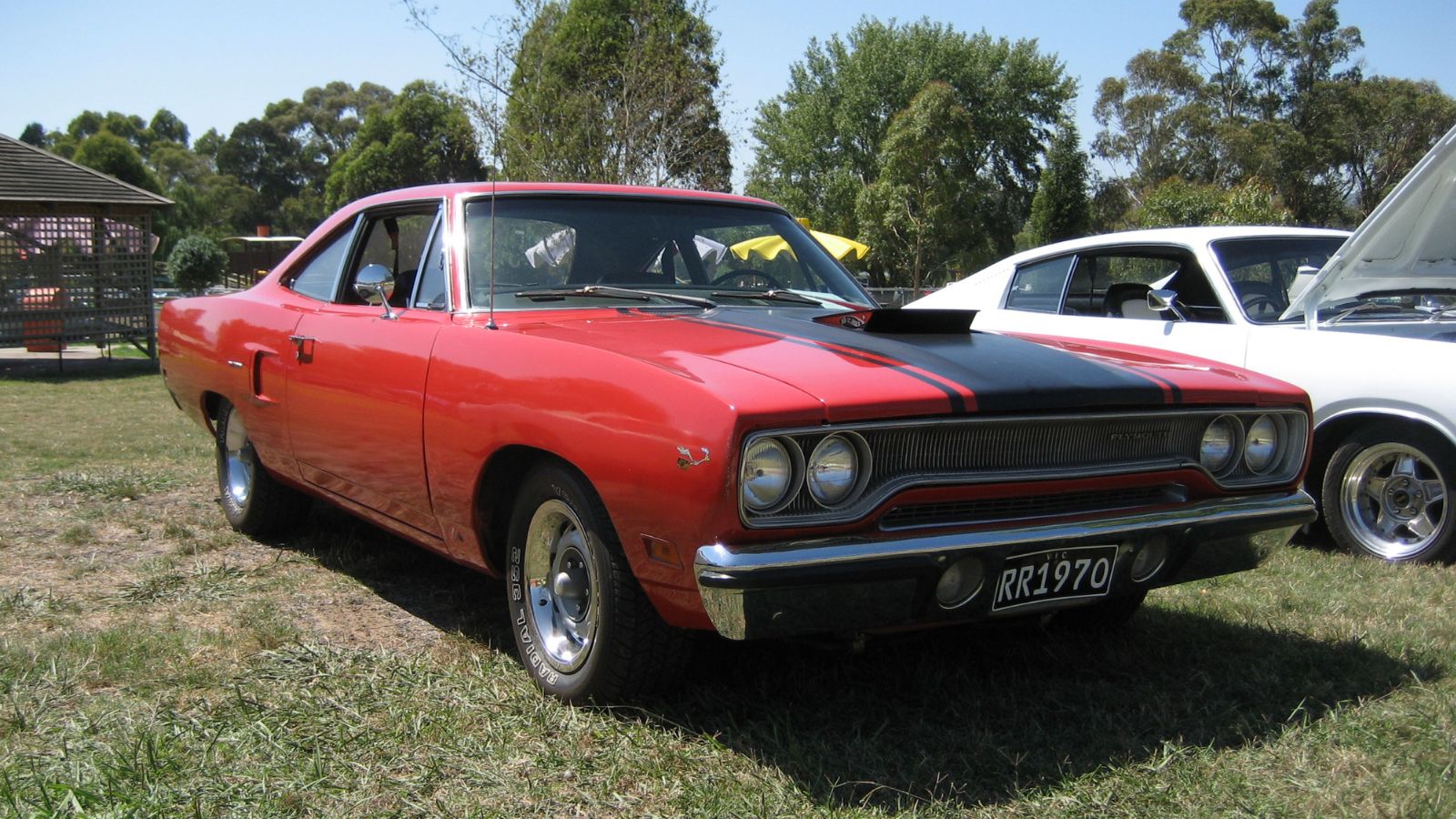
Later Road Runners lost their cartoon image but gained comfort and usability. Performance remained respectable, especially with the right engine choices. They became better real world drivers even if magazine stats fell. That shift made them easier to live with and easier to forget.
Pontiac LeMans GT
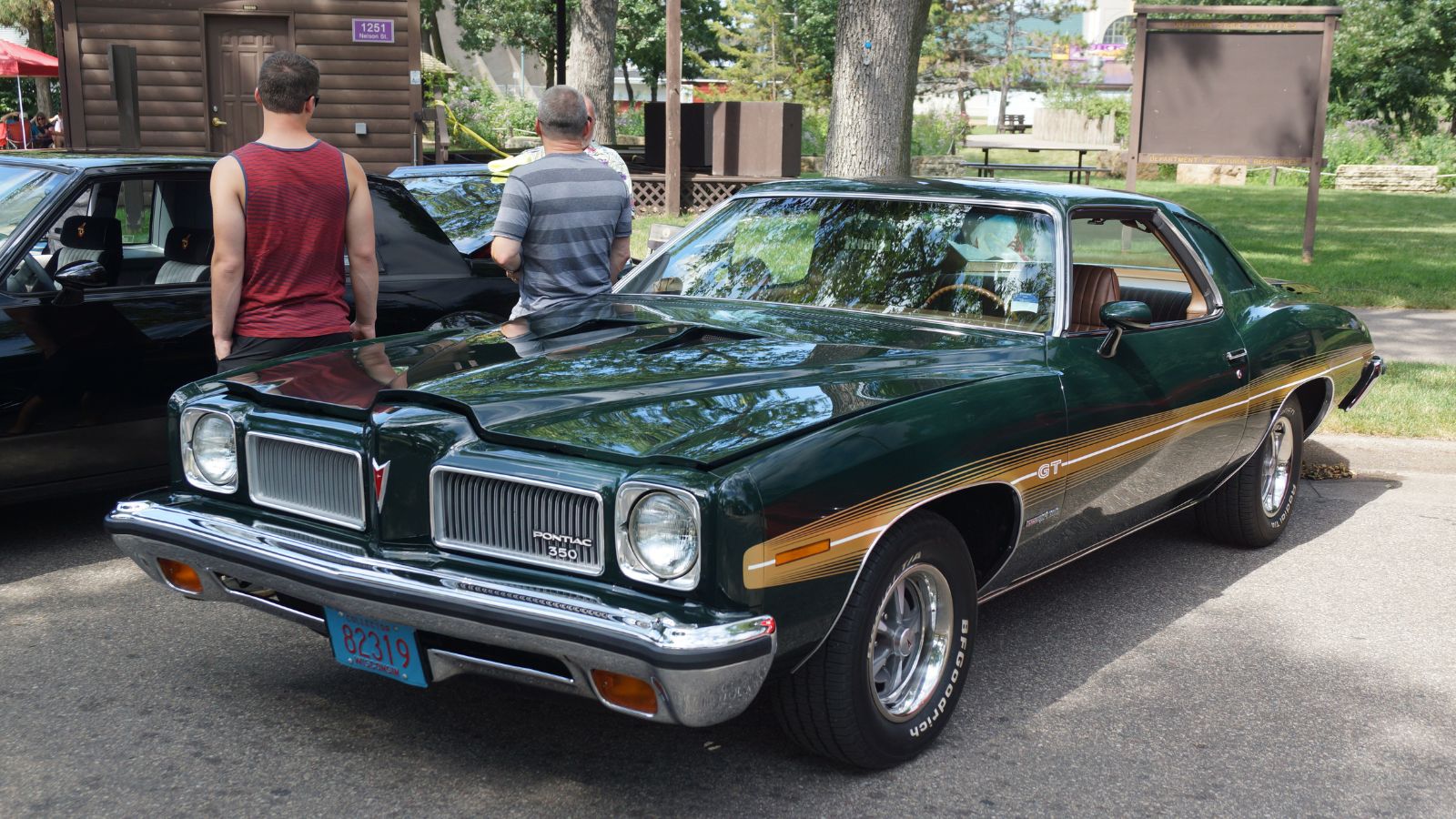
The LeMans GT flew under the radar next to the GTO. Lighter weight and similar engine options made it surprisingly quick. Handling felt more responsive and the looks were cleaner. It delivered performance without the badge tax, which is exactly why it deserves attention now.
25 Facts About Car Loans That Most Drivers Don’t Realize

Car loans are one of the most common ways people fund car purchases. Like any other kind of loan, car loans can have certain features that can be regarded as an advantage or a disadvantage to the borrower. Understanding all essential facts about car loans and how they work to ensure that you get the best deal for your financial situation is essential. Here are 25 shocking facts about car loans that most drivers don’t realize:
25 Facts About Car Loans That Most Drivers Don’t Realize
