
Toyota did not become a global benchmark by chasing headlines or trends. Its reputation was built slowly through discipline, consistency, and an almost obsessive focus on how cars behave after years of ownership. While rivals chased power, design flair, or novelty, Toyota concentrated on systems, processes, and long term trust. That approach reshaped the global auto industry and turned Toyota into one of the most respected manufacturers on earth.
A Relentless Focus on Reliability

At the core of Toyota’s reputation is durability. Toyota engines, gearboxes, and drivetrains earned trust by surviving neglect, harsh climates, and high mileage. Owners learned that a Toyota would start every morning and keep doing so for decades. This was not accidental. Toyota designed components to operate well within their limits rather than at the edge of performance.
The Toyota Production System

The Toyota Production System became one of the most influential manufacturing philosophies in history. It emphasized efficiency, waste reduction, and continuous improvement. Problems were identified early and solved permanently rather than patched. This system improved quality while lowering costs, allowing Toyota to scale globally without sacrificing consistency. Entire industries outside automotive later adopted its principles.
Engineering for the Real World
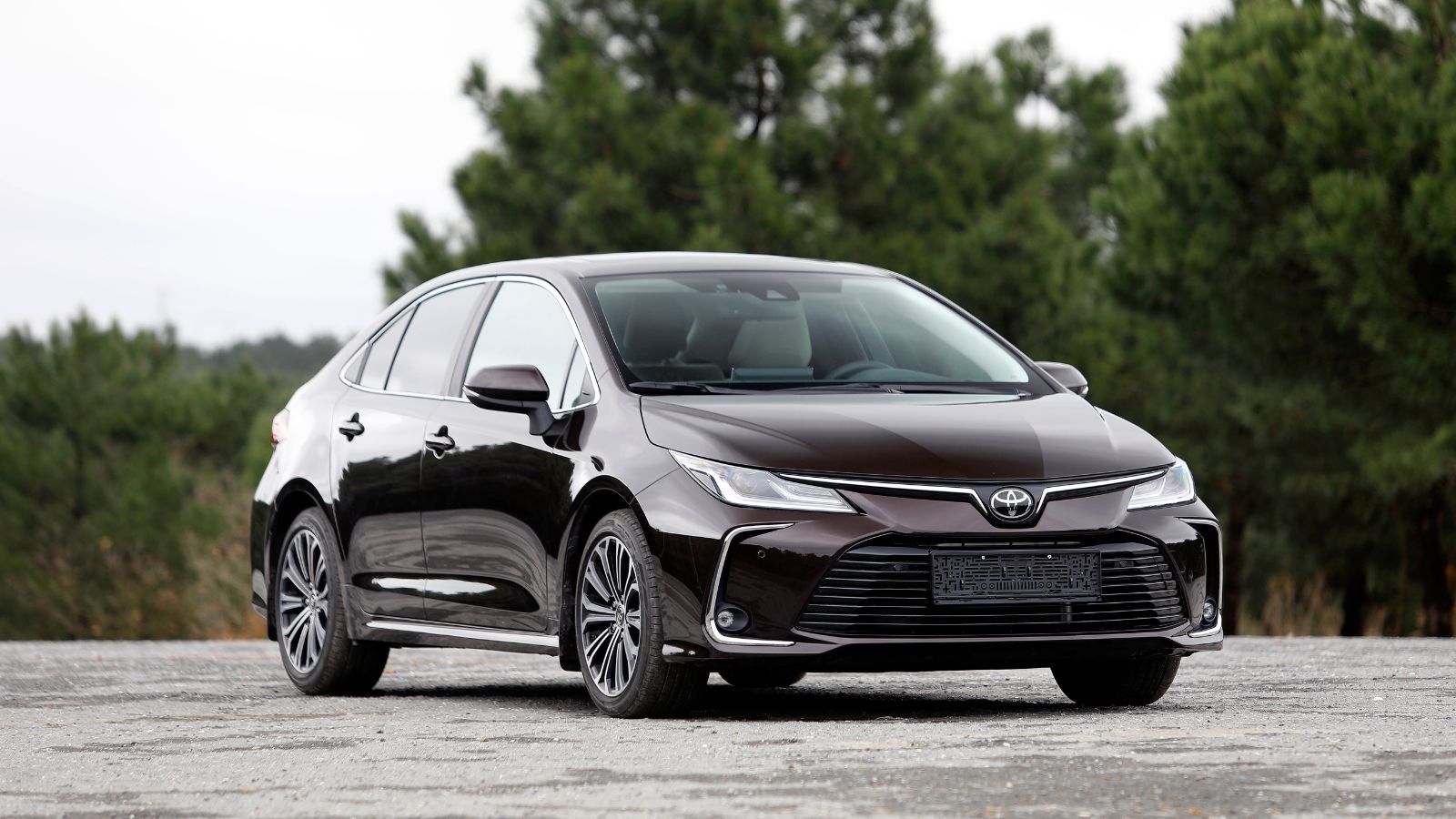
Toyota engineered cars for how people actually use them, not how they look on paper. Cooling systems were oversized. Materials were chosen for longevity rather than cost savings. Tolerances allowed for wear and imperfect maintenance. This made Toyotas feel conservative when new but remarkably resilient over time, especially in extreme climates.
Conservative Powertrain Strategy

While competitors chased cutting edge engines, Toyota refined proven designs. Naturally aspirated engines, robust automatics, and gradual updates reduced failure risk. When Toyota did introduce new technology, it was heavily tested and rolled out cautiously. This patience built confidence among buyers who valued predictability over novelty.
Global Adaptation Without Losing Identity

Toyota succeeded by adapting vehicles to local markets without abandoning its core values. Trucks were toughened for North America. Small cars were optimized for Europe and Asia. Yet build philosophy remained consistent. Whether built in Japan, Canada, or elsewhere, Toyotas delivered the same sense of solidity and reliability.
Early Leadership in Hybrid Technology
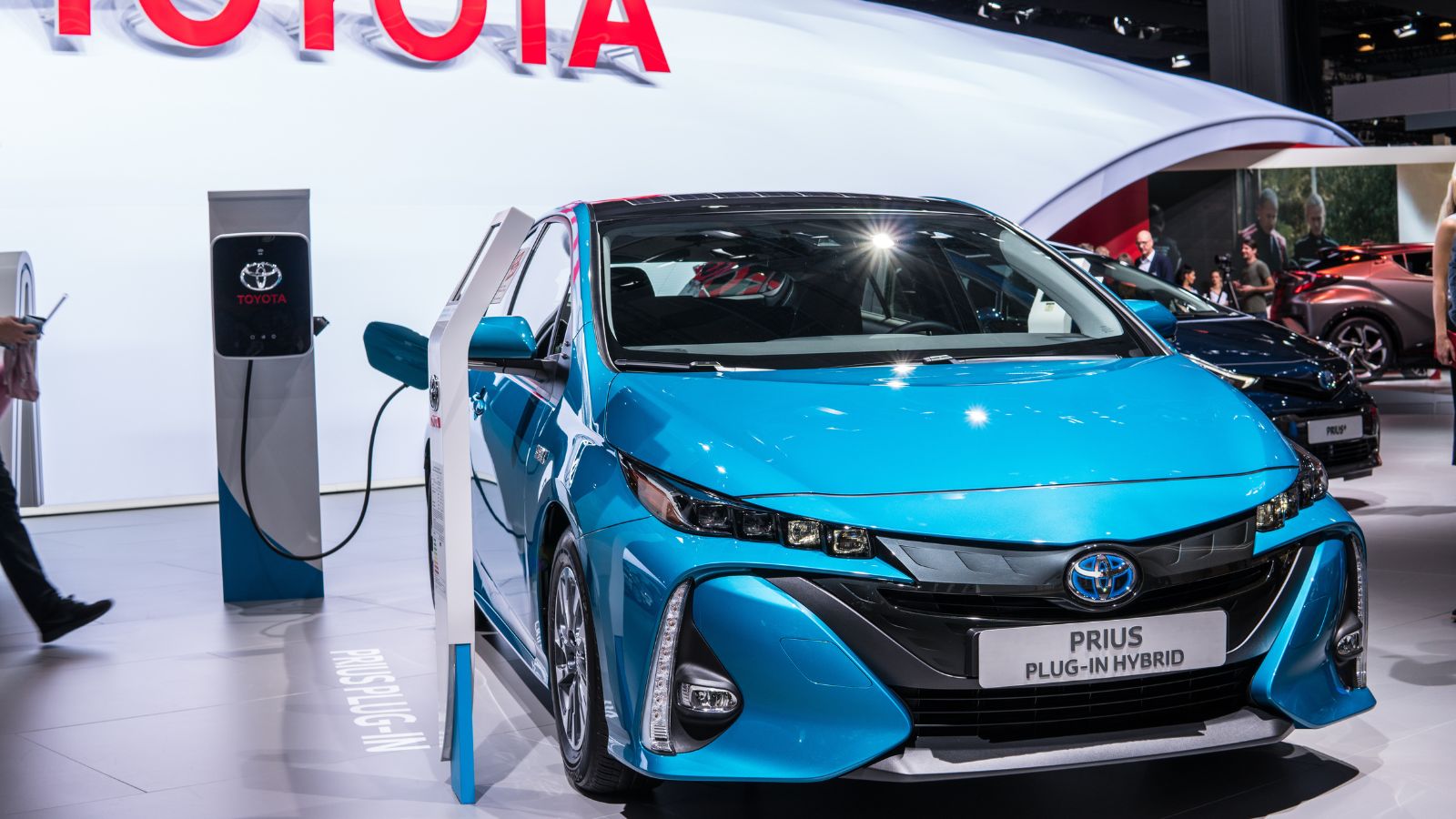
Toyota took a calculated risk with hybrids long before rivals. Instead of chasing full electrification, Toyota focused on efficiency gains that worked everywhere. Hybrid systems were refined over multiple generations, becoming smooth, durable, and widely trusted. This move positioned Toyota as an environmental leader without compromising reliability.
Reputation Built Through Owners Not Advertising

Toyota’s strongest marketing has always been its owners. High mileage stories, taxis running half a million kilometers, and vehicles passed down through families reinforced trust more effectively than advertising. Word of mouth carried Toyota’s reputation into markets where brand loyalty mattered more than style or performance.
Strong Dealer and Service Networks
Toyota invested heavily in dealer training and parts availability. Affordable maintenance and predictable service costs reinforced customer confidence. Owners knew repairs would be straightforward and downtime minimal. This ecosystem mattered as much as the cars themselves in building long term loyalty.
Resale Value as Proof of Trust

High resale values became a visible signal of Toyota’s reputation. Buyers learned that Toyotas depreciated slowly because demand remained strong. This reinforced the perception of smart ownership and reduced total cost over time. Resale strength turned reliability into a measurable financial advantage.
Consistency Over Decades

Perhaps Toyota’s greatest achievement is consistency. While other brands experienced swings in quality, strategy, or identity, Toyota stayed remarkably steady. This long view built trust across generations of buyers. In an industry prone to reinvention, Toyota’s refusal to chase trends became its defining strength.
25 Facts About Car Loans That Most Drivers Don’t Realize

Car loans are one of the most common ways people fund car purchases. Like any other kind of loan, car loans can have certain features that can be regarded as an advantage or a disadvantage to the borrower. Understanding all essential facts about car loans and how they work to ensure that you get the best deal for your financial situation is essential. Here are 25 shocking facts about car loans that most drivers don’t realize:
25 Facts About Car Loans That Most Drivers Don’t Realize
