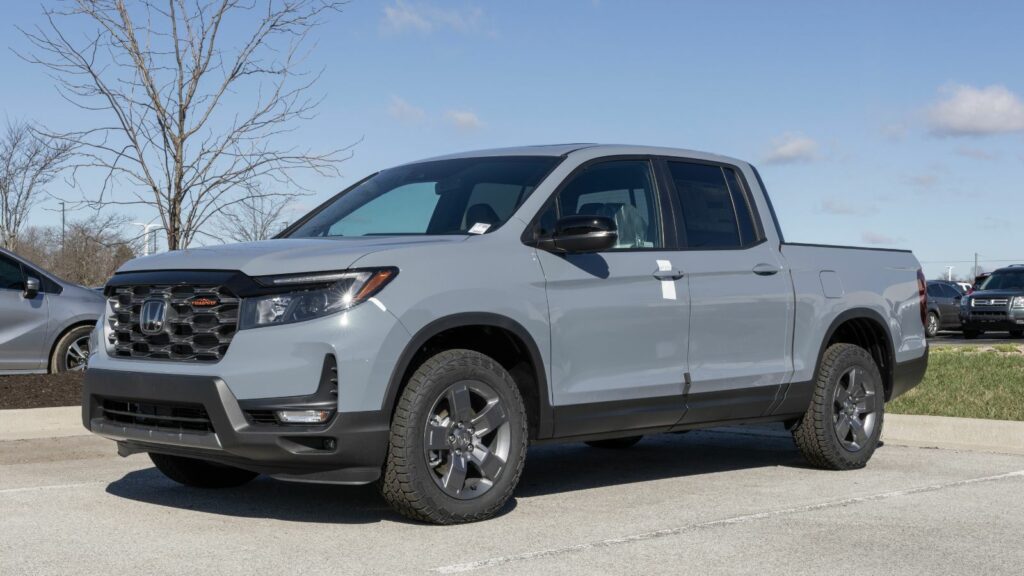
Pickup trucks are supposed to be dependable tools. In Canada, that expectation is even higher thanks to harsh winters, long distances, and owners who keep their trucks for years. When a pickup fails here, it fails hard. Some promised capability but delivered mechanical headaches. Others looked like good value until repair bills and depreciation erased any savings. These ten pickups struggled to earn the trust of Canadian owners and never fully delivered on reliability or long term value.
Dodge Dakota
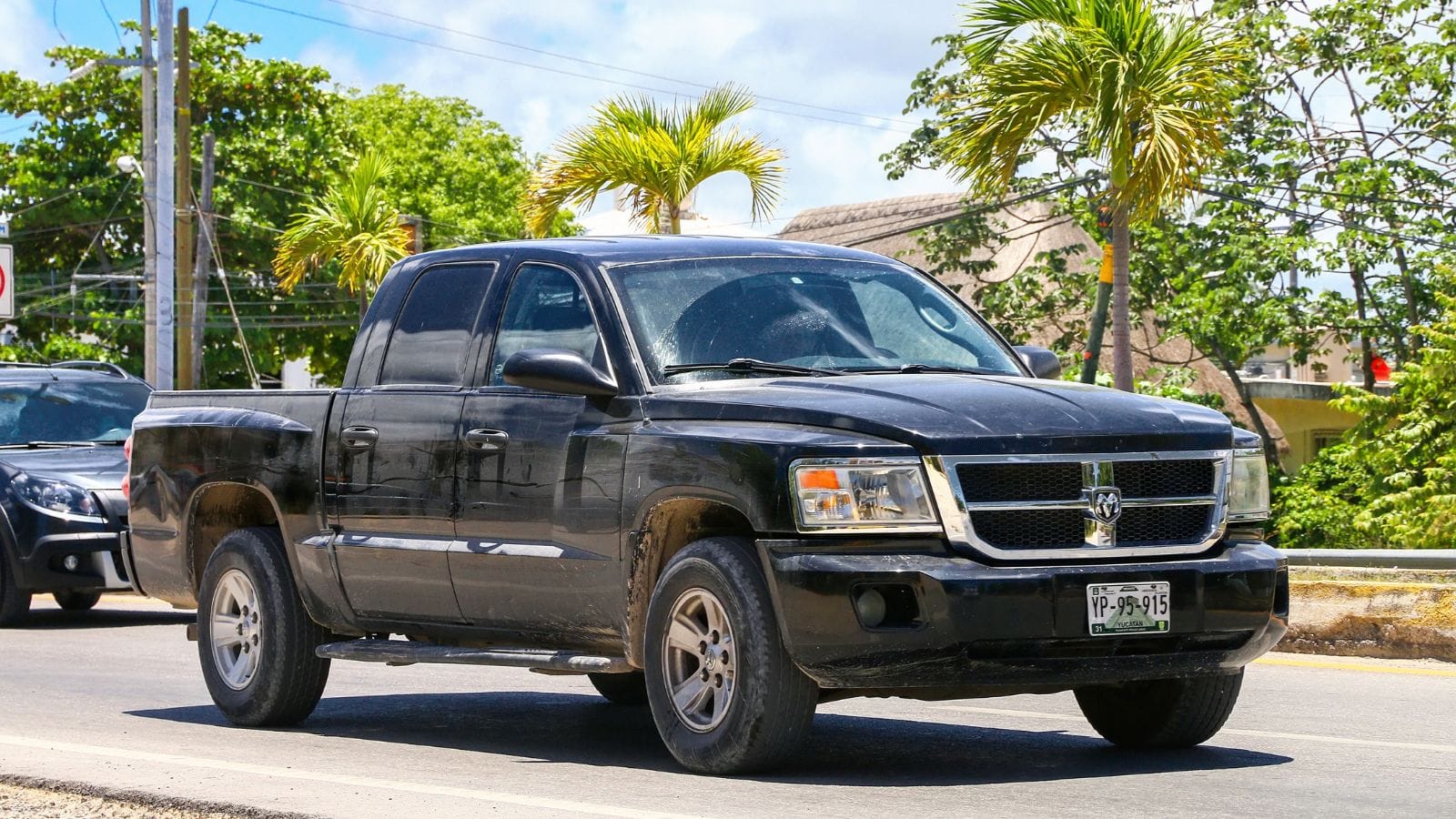
The Dakota was meant to bridge the gap between compact and full size trucks, but it ended up stuck in the middle. Fuel economy was poor for its size, while reliability issues with transmissions and suspension components hurt long term ownership. In Canada, rust and electrical problems were common complaints. Resale values dropped quickly, making it a poor value proposition compared to full size alternatives.
Nissan Titan
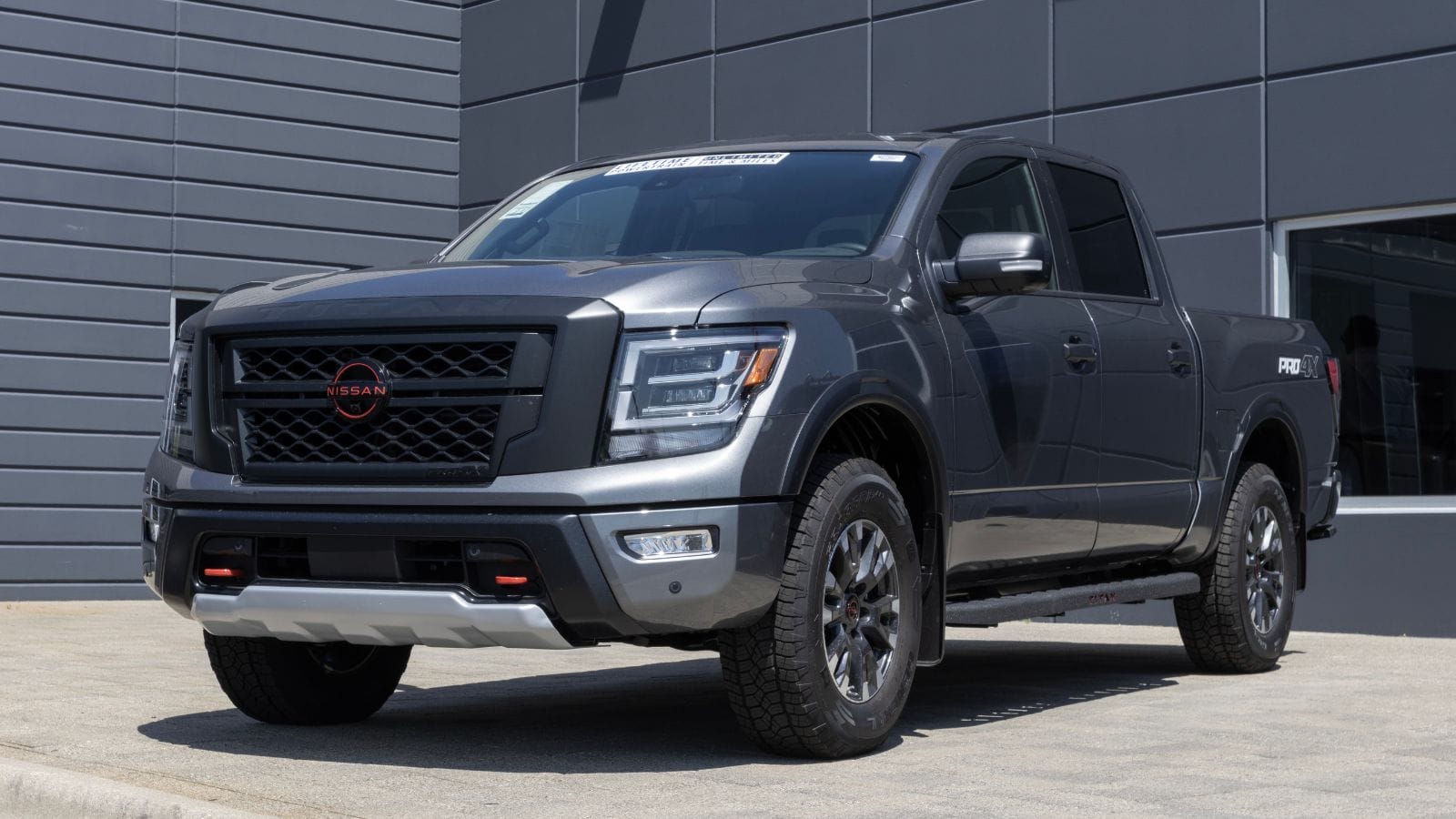
On paper, the Titan looked competitive. In reality, it struggled to match the durability and resale strength of established rivals. Fuel consumption was high, interior quality aged poorly, and parts availability in Canada was never as strong as domestic brands. Owners often found repair costs climbing just as values dropped, which hurt long term ownership confidence.
Ford F 150 with 5.4 Triton V8
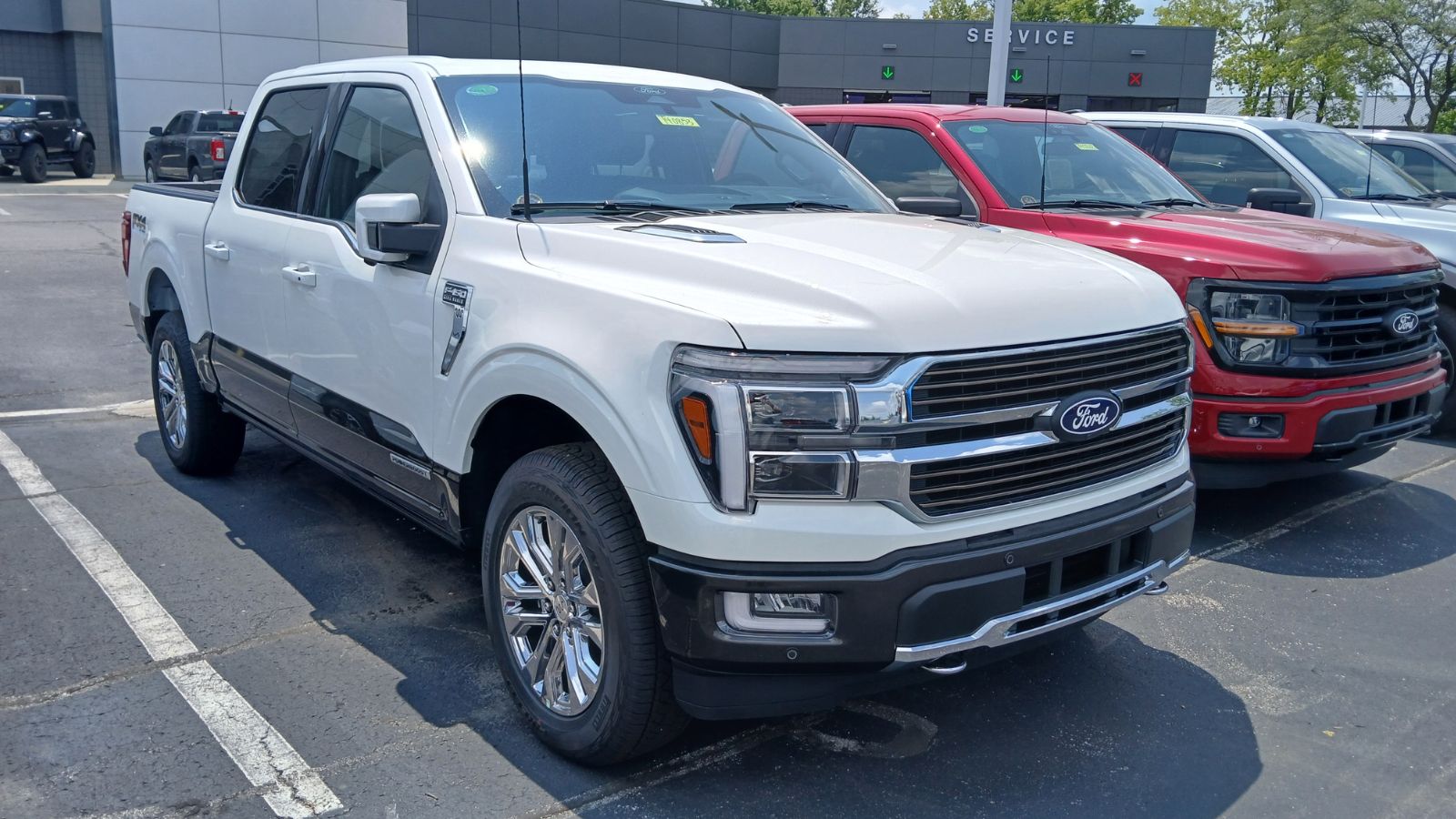
This version of the F 150 sold in huge numbers, but it left many Canadian owners frustrated. Spark plug issues, cam phaser failures, and timing chain problems became well known. Repairs were expensive and often appeared outside warranty coverage. Despite strong sales, this engine damaged the truck’s reputation for reliability.
Chevrolet Colorado First Generation
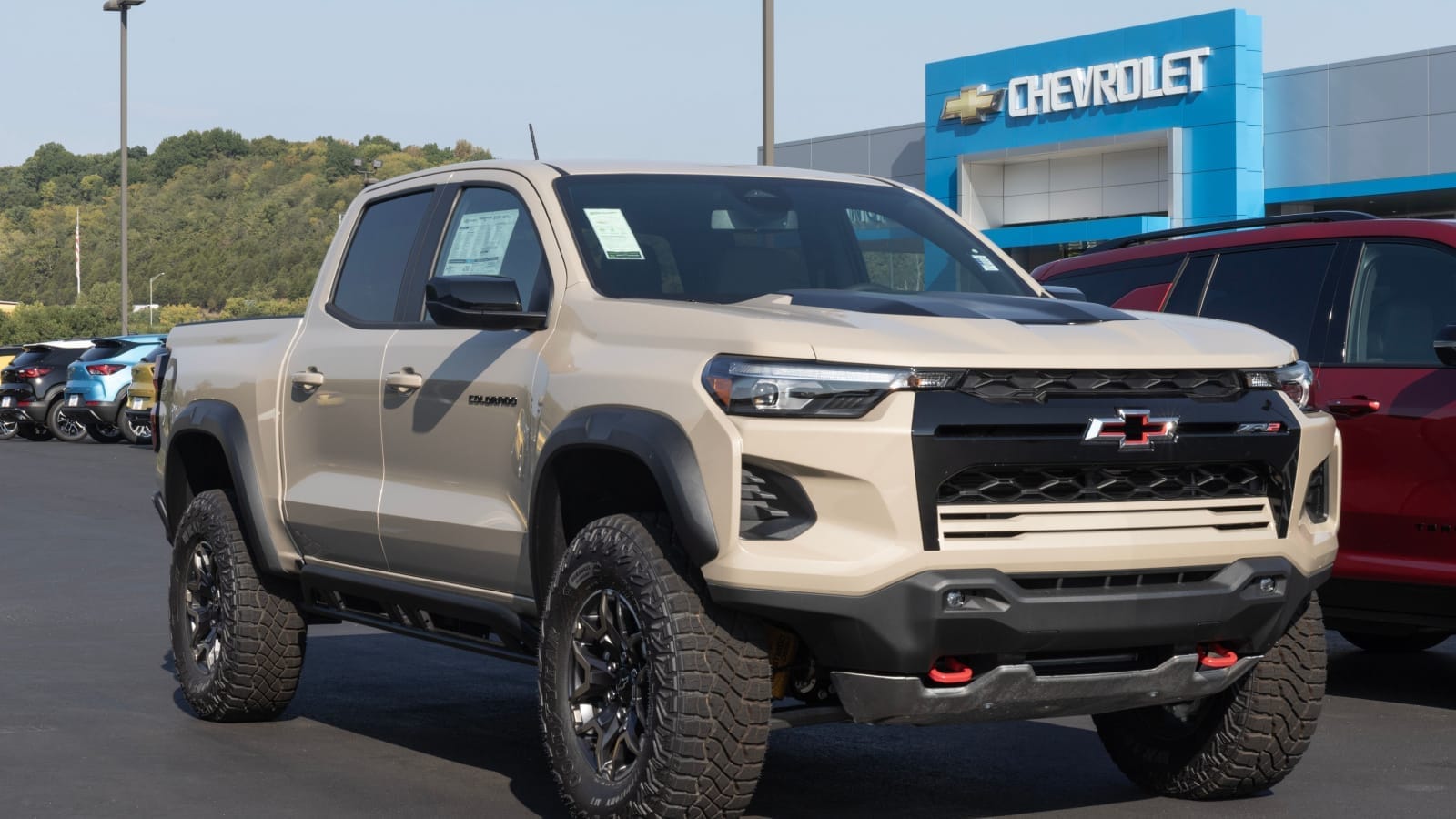
The original Colorado promised midsize practicality with full size toughness, but early build quality fell short. Engine issues, electrical faults, and weak interiors plagued Canadian owners. In winter climates, rust resistance was also disappointing. Many buyers felt it aged faster than expected, dragging down resale value.
GMC Canyon First Generation
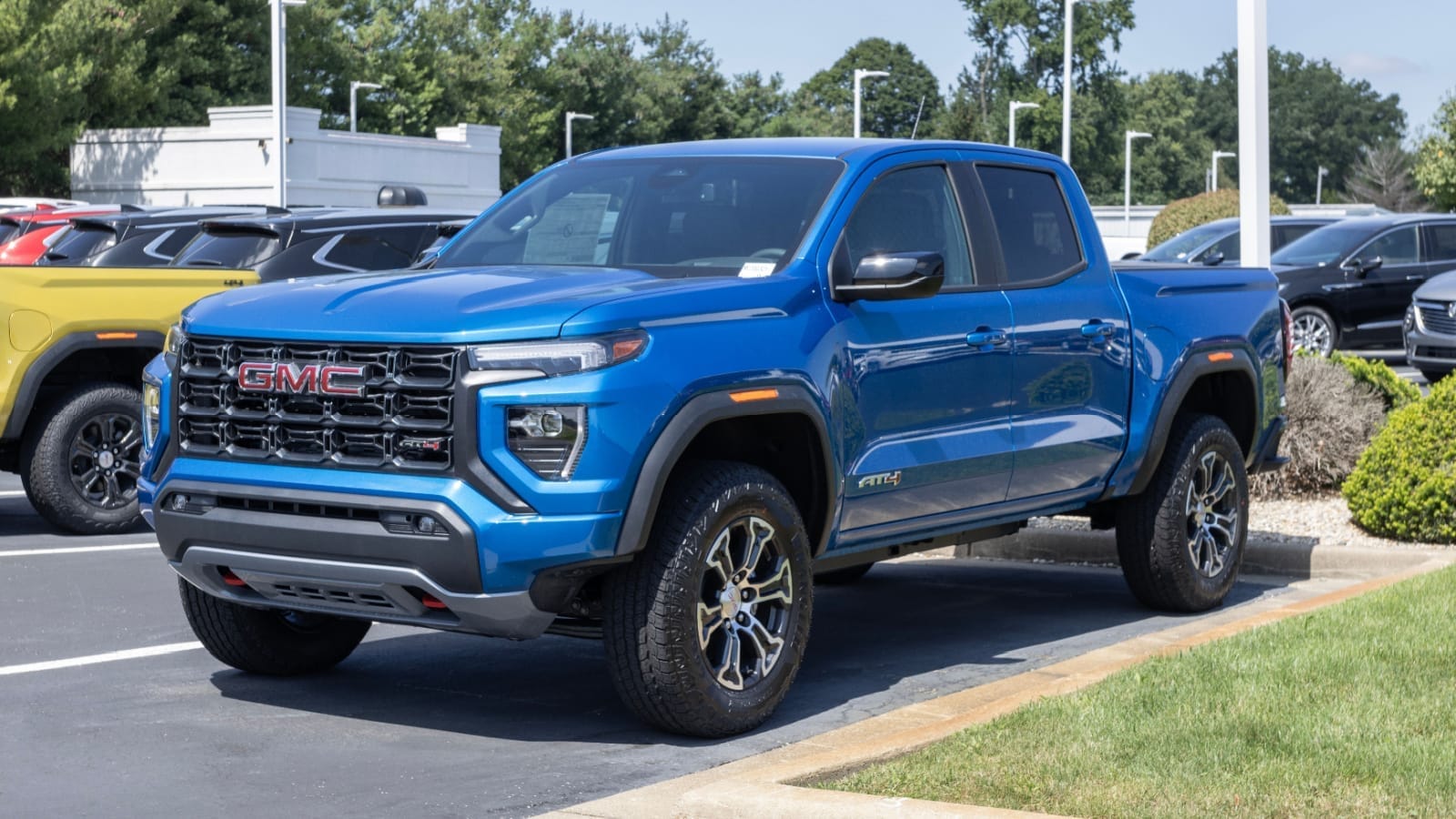
Sharing much of its DNA with the Colorado, the early Canyon suffered similar problems. While it wore a more premium badge, it did not deliver premium durability. Owners reported drivetrain and suspension issues earlier than expected. The higher purchase price made these shortcomings harder to justify.
Mitsubishi Raider
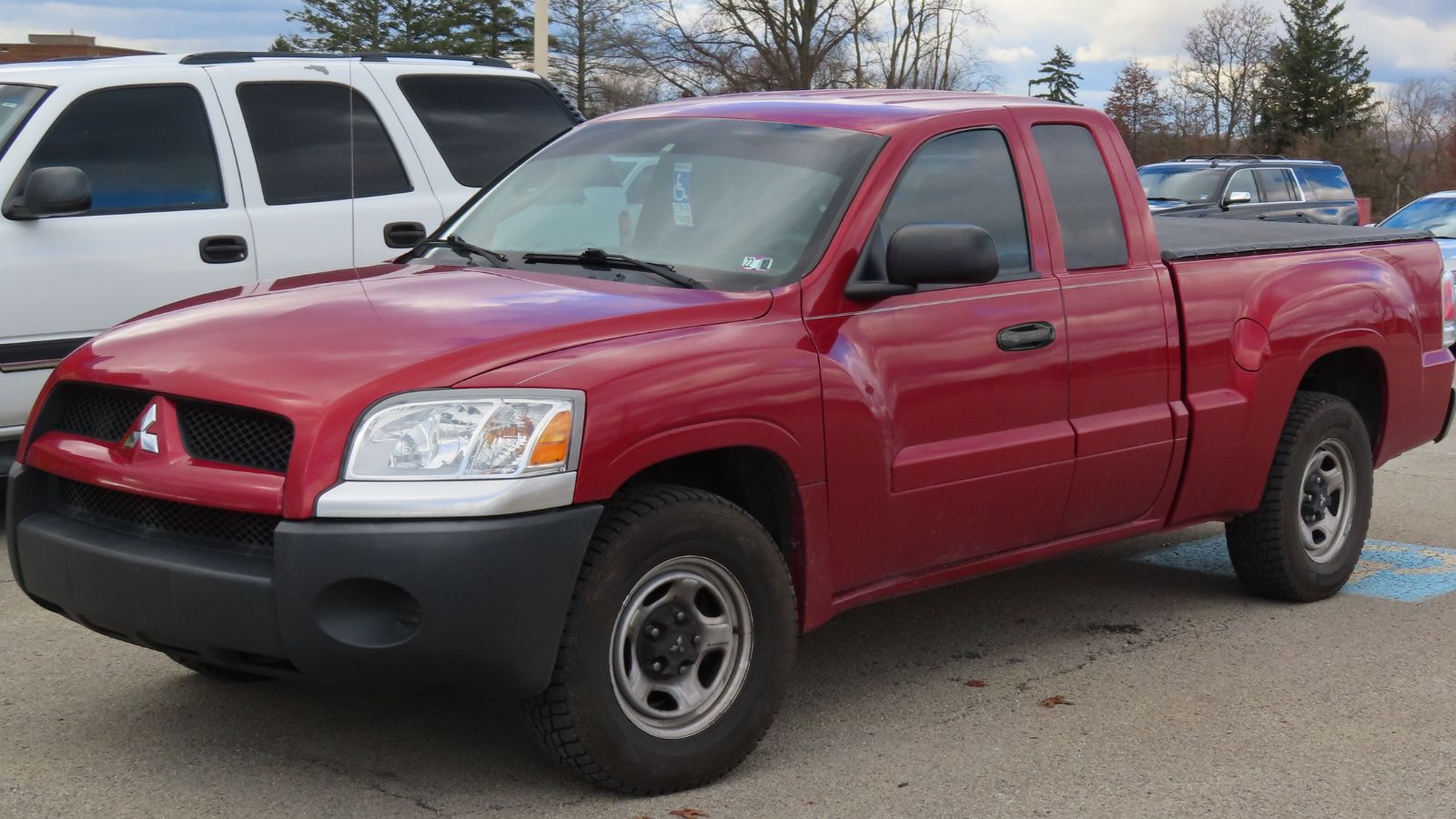
The Raider was a rebadged pickup that never found its audience in Canada. Limited dealer support, weak brand recognition, and questionable long term reliability hurt confidence. When problems appeared, parts and service availability became a real concern. Depreciation was steep, wiping out any initial value advantage.
Honda Ridgeline First Generation
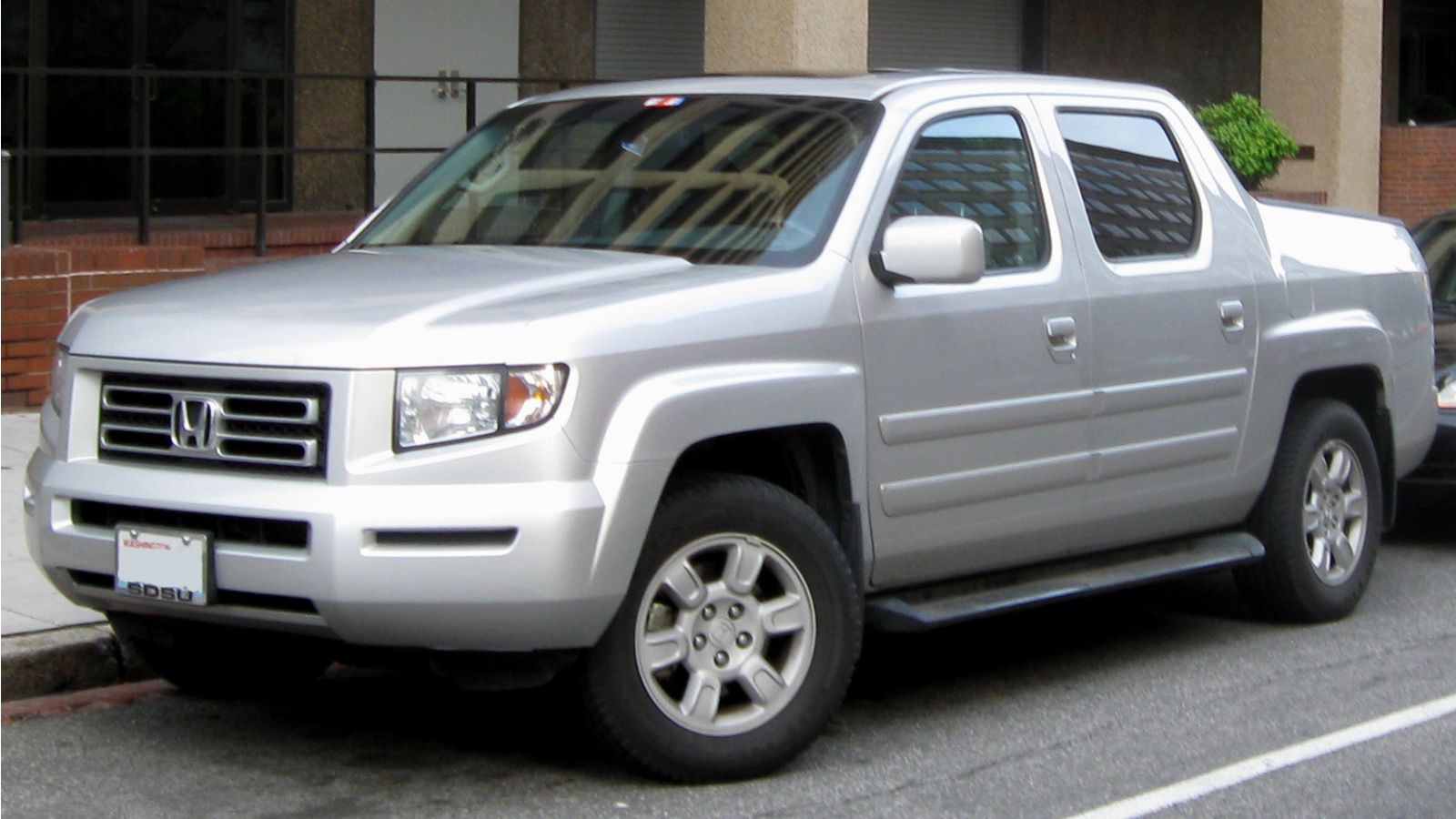
The Ridgeline divided opinion from the start. While comfortable, it lacked the rugged durability many Canadian truck buyers expect. Off road capability and towing strength disappointed owners who needed more than light duty use. As a result, many buyers felt it failed to justify its price compared to traditional pickups.
Chevrolet Silverado with Early Active Fuel Management
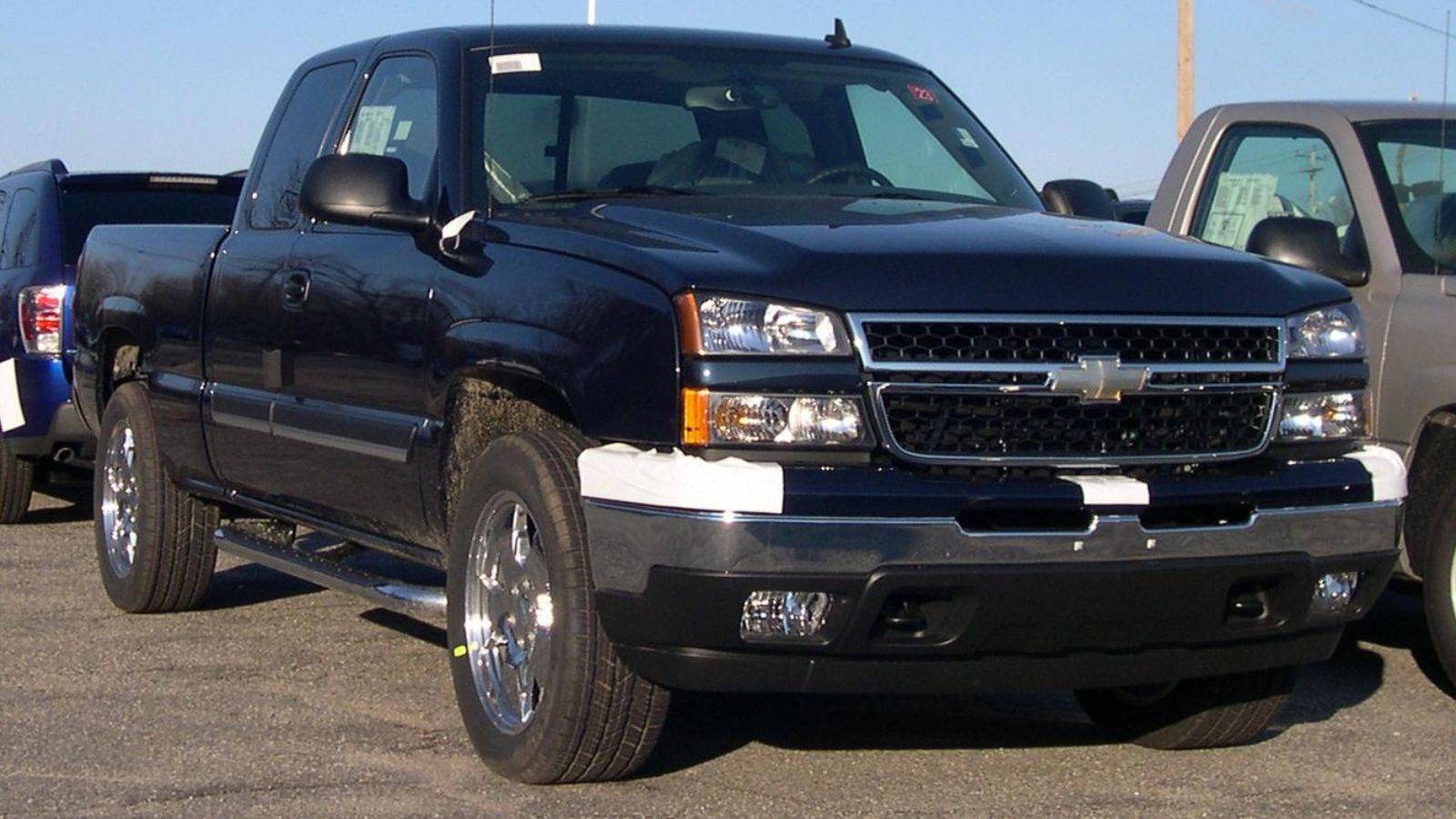
Some Silverado models equipped with early cylinder deactivation systems developed oil consumption and lifter issues. Canadian owners reported problems appearing after warranty periods ended. While not universal, the reputation damage was real. Repair costs often erased the truck’s value advantage over competitors.
Ram 1500 Early 2000s Models
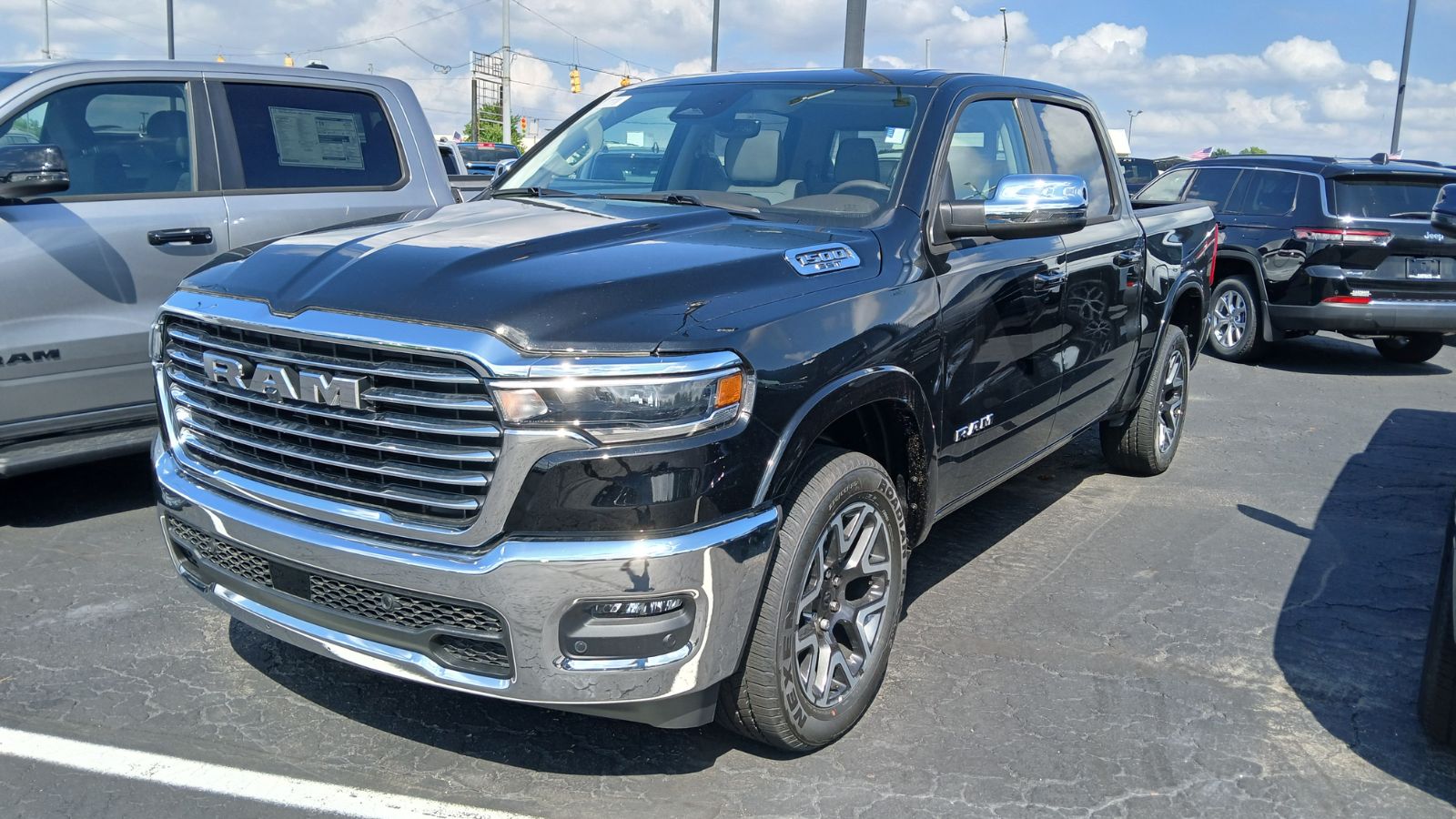
Early 2000s Ram trucks offered bold styling and strong engines but struggled with consistency. Transmission issues, suspension wear, and interior quality problems were common complaints. In Canadian winters, rust resistance lagged behind rivals. Long term reliability concerns hurt resale values significantly.
Isuzu i Series
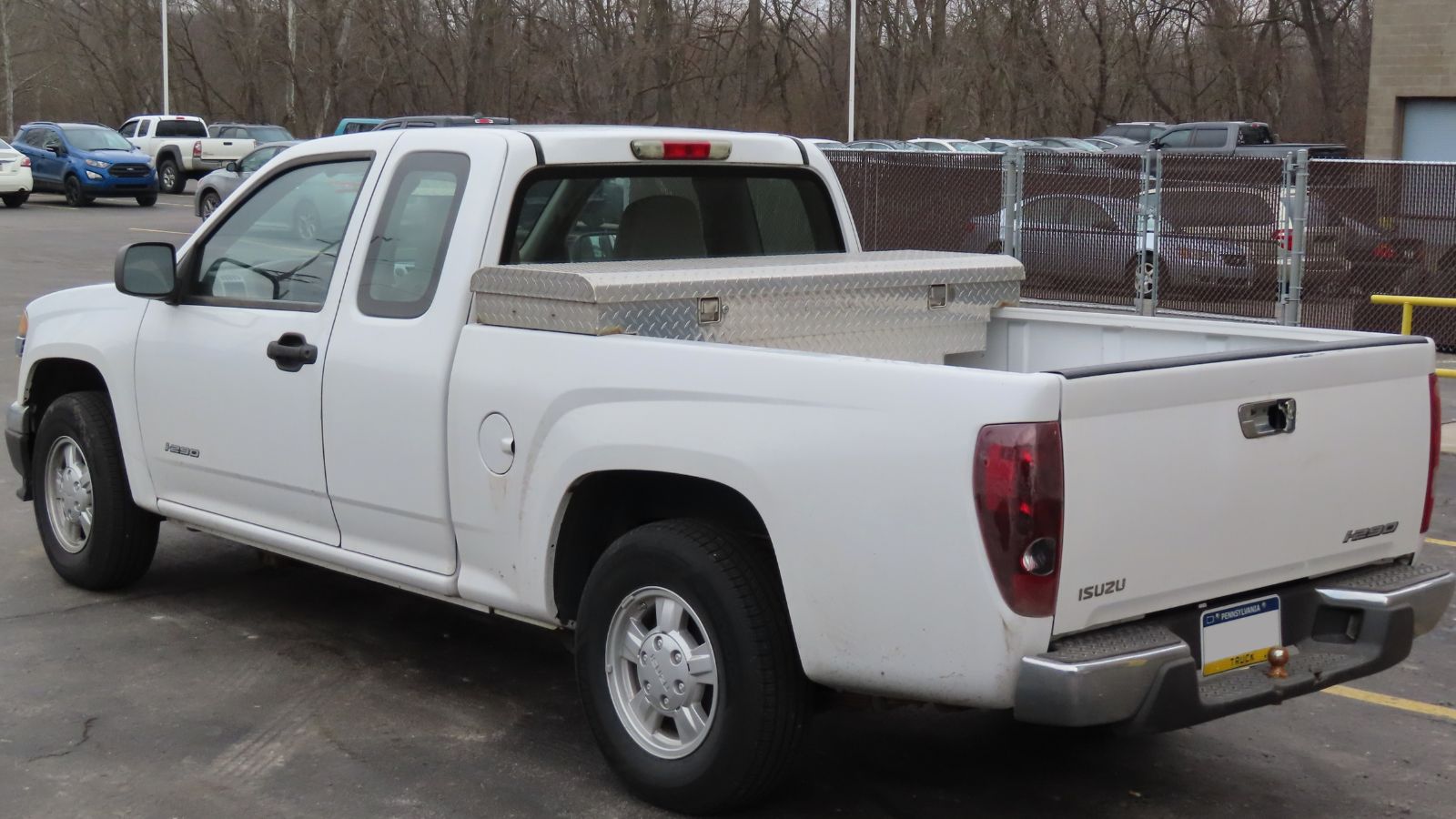
The Isuzu branded pickup arrived quietly and left just as quietly. Limited dealer coverage across Canada made ownership difficult. Mechanical issues combined with poor parts availability pushed many owners away. When resale time came, values were among the lowest in the segment.
25 Facts About Car Loans That Most Drivers Don’t Realize

Car loans are one of the most common ways people fund car purchases. Like any other kind of loan, car loans can have certain features that can be regarded as an advantage or a disadvantage to the borrower. Understanding all essential facts about car loans and how they work to ensure that you get the best deal for your financial situation is essential. Here are 25 shocking facts about car loans that most drivers don’t realize:
25 Facts About Car Loans That Most Drivers Don’t Realize
