
Electric cars are quiet, quick, and increasingly common, but many owners are discovering an unexpected downside. Tires wear out far faster than they did on comparable gasoline cars. Some drivers report needing replacements in half the usual time, often with shockingly low mileage. This is not bad luck or poor quality rubber. It is a direct result of how EVs are engineered and how they deliver power.
Instant Torque Is Brutal on Rubber
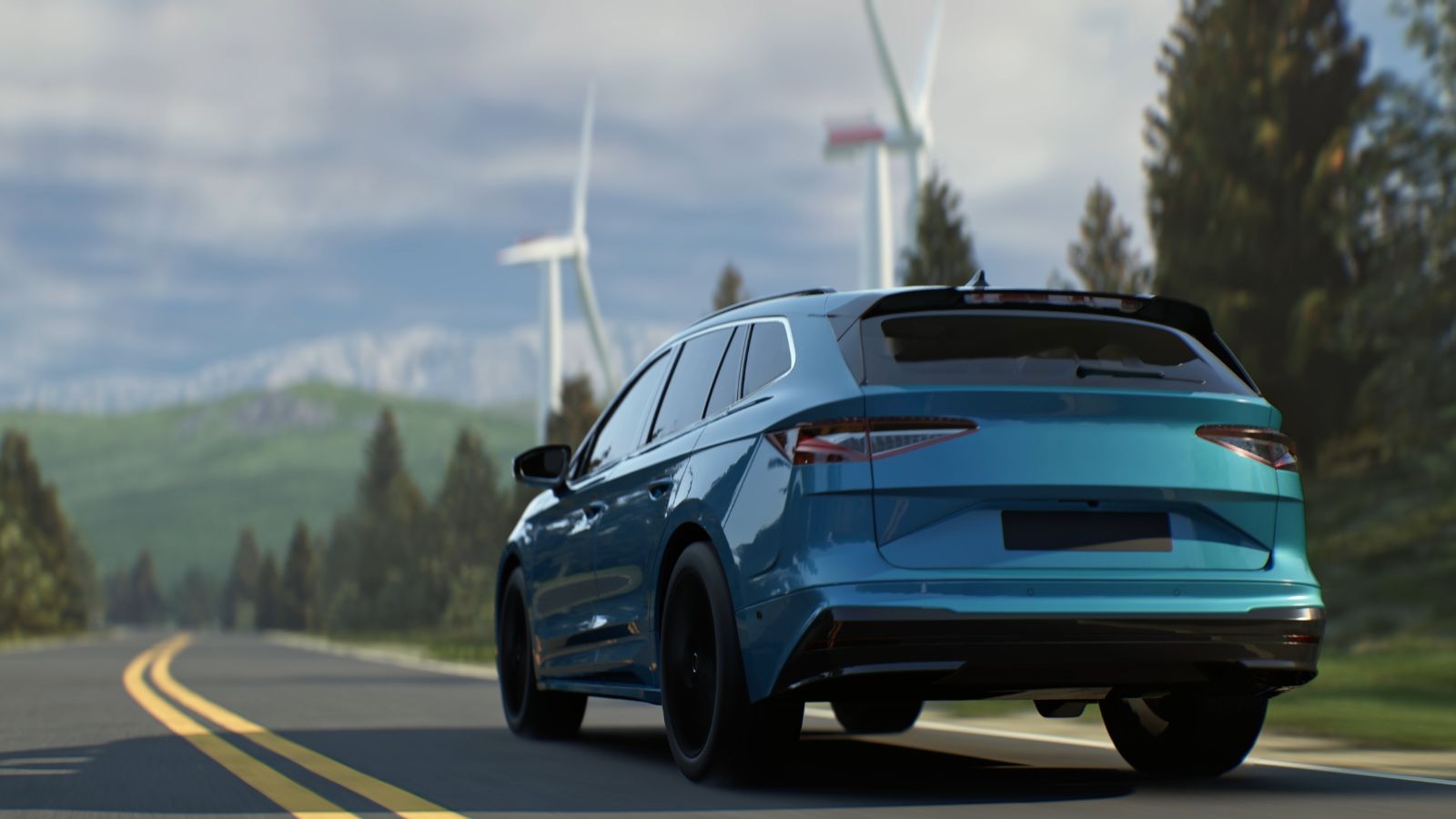
Electric motors deliver maximum torque the moment you touch the accelerator. There is no gradual buildup like in a gasoline engine. That instant shove twists tires against the pavement every time the car pulls away from a stop. Even gentle acceleration creates higher shear forces at the contact patch, slowly tearing through tread in a way most drivers never experienced before.
EVs Are Much Heavier Than They Look
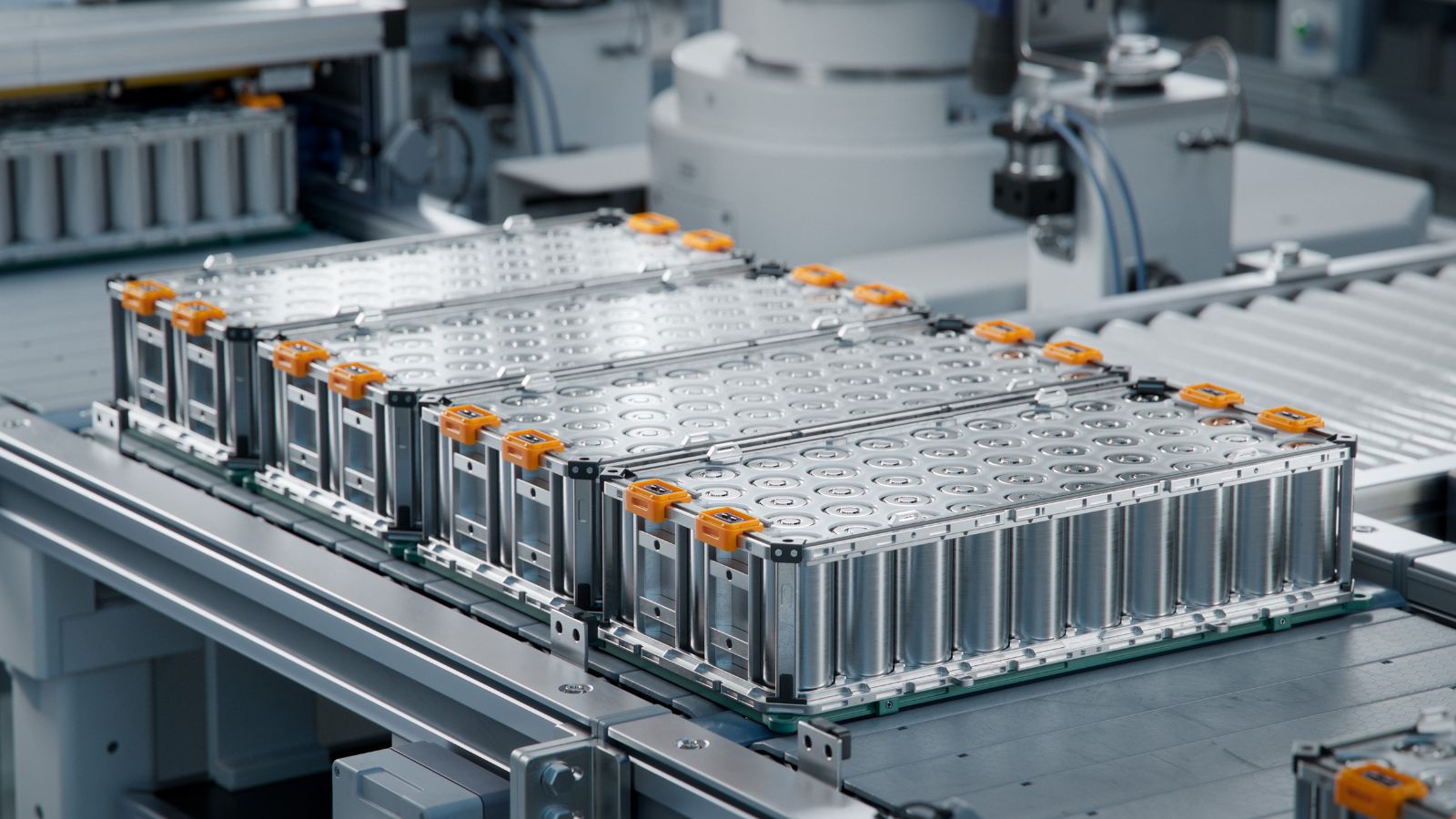
Batteries are heavy, and there is no way around it. Even compact electric cars often weigh hundreds of kilograms more than their gas equivalents. That extra mass presses harder on the tires at all times. Braking, cornering, and accelerating all generate higher loads, which accelerates wear across the entire tread surface.
Regenerative Braking Adds Constant Drag
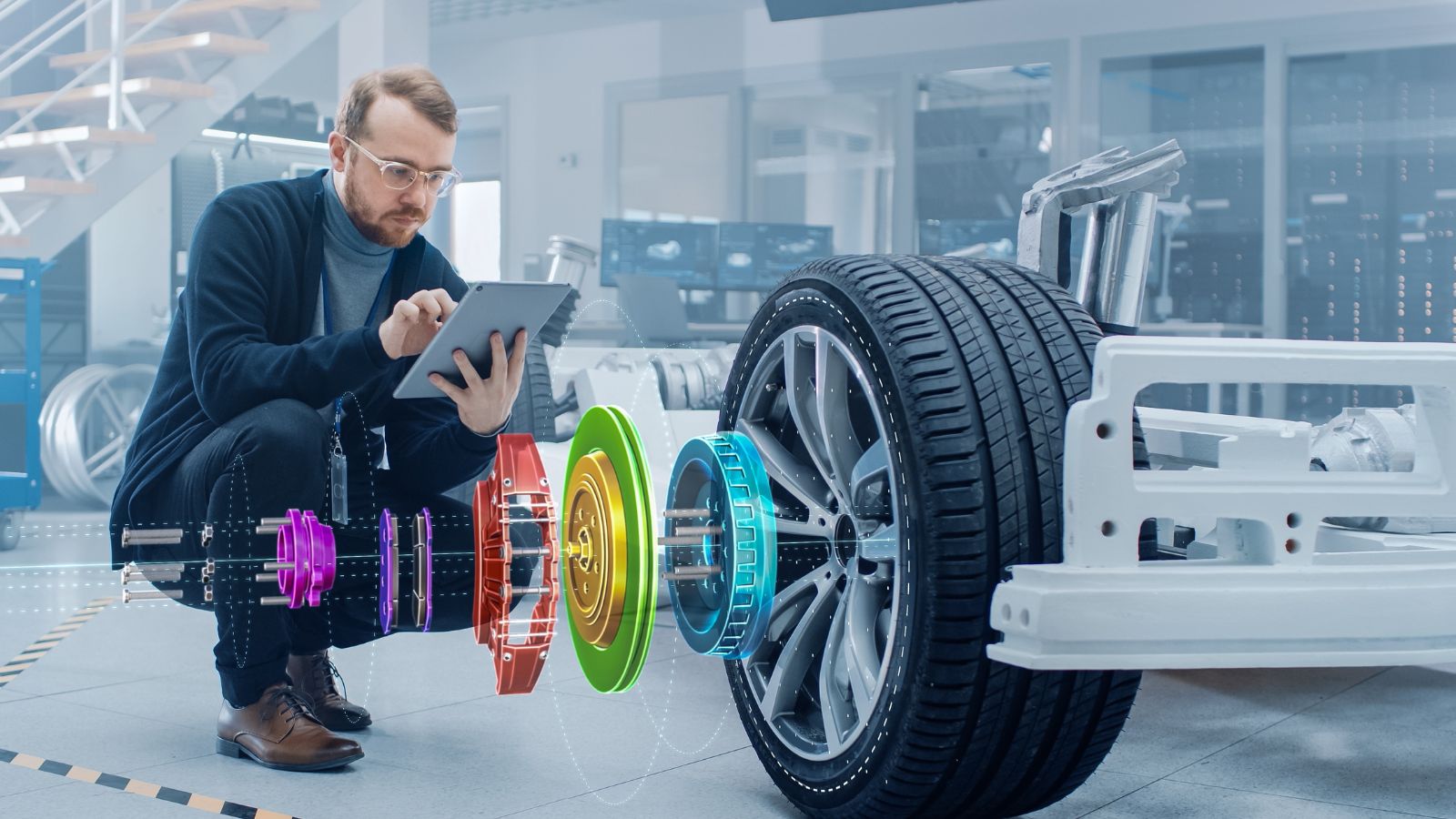
Regenerative braking sounds gentle, but it places continuous resistance through the drivetrain and tires. Instead of coasting freely, EVs are almost always slowing themselves slightly. This constant micro braking increases friction at the tire surface. Over tens of thousands of kilometers, that extra drag quietly eats away at tread depth.
Performance Oriented Tires Are Common
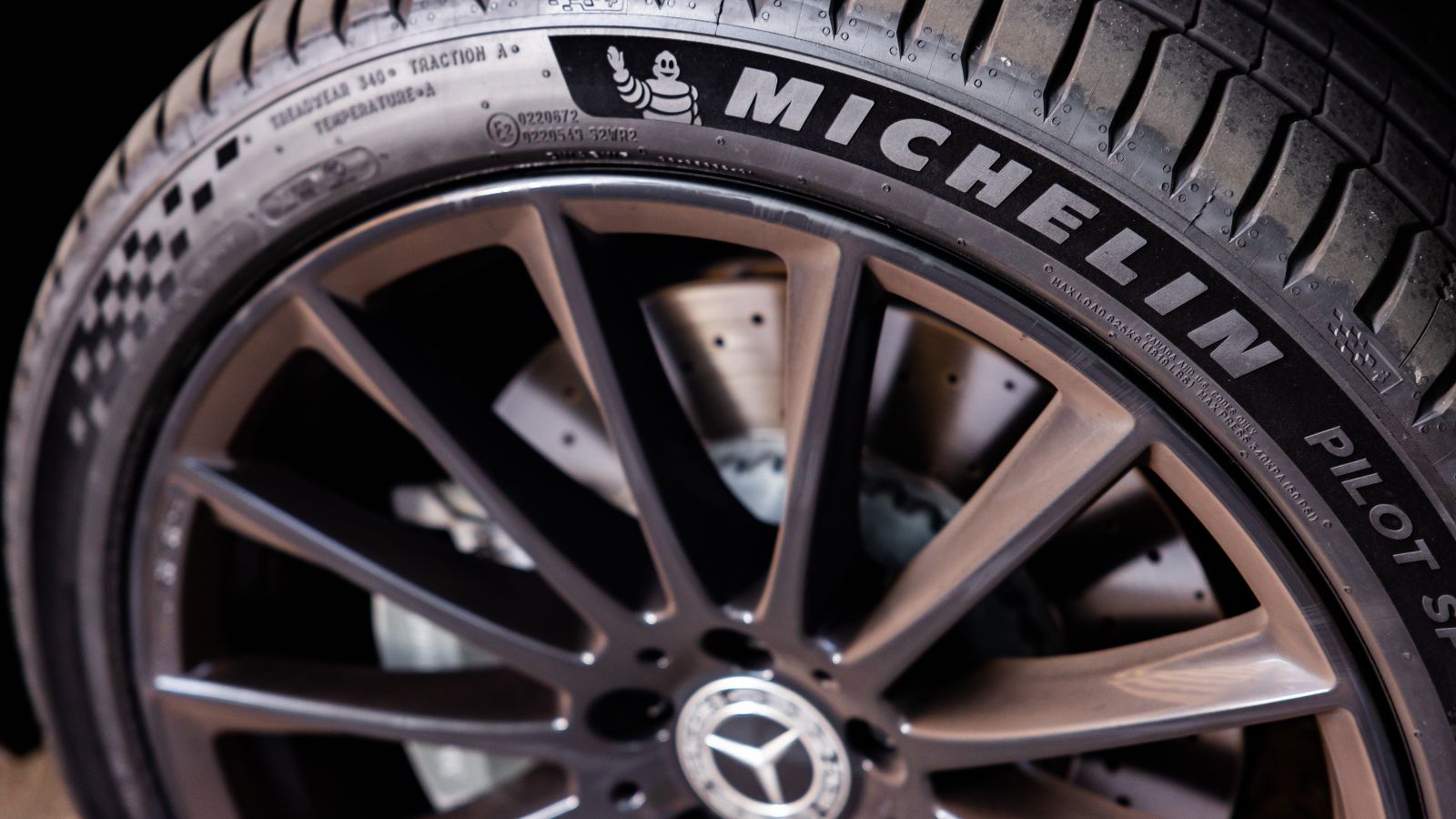
Many EVs ship with low rolling resistance or performance focused tires designed to maximize range or grip. These compounds are often softer than traditional all season rubber. Soft tires improve efficiency or handling but sacrifice longevity. Owners end up replacing expensive tires far sooner than expected.
Aggressive Weight Distribution
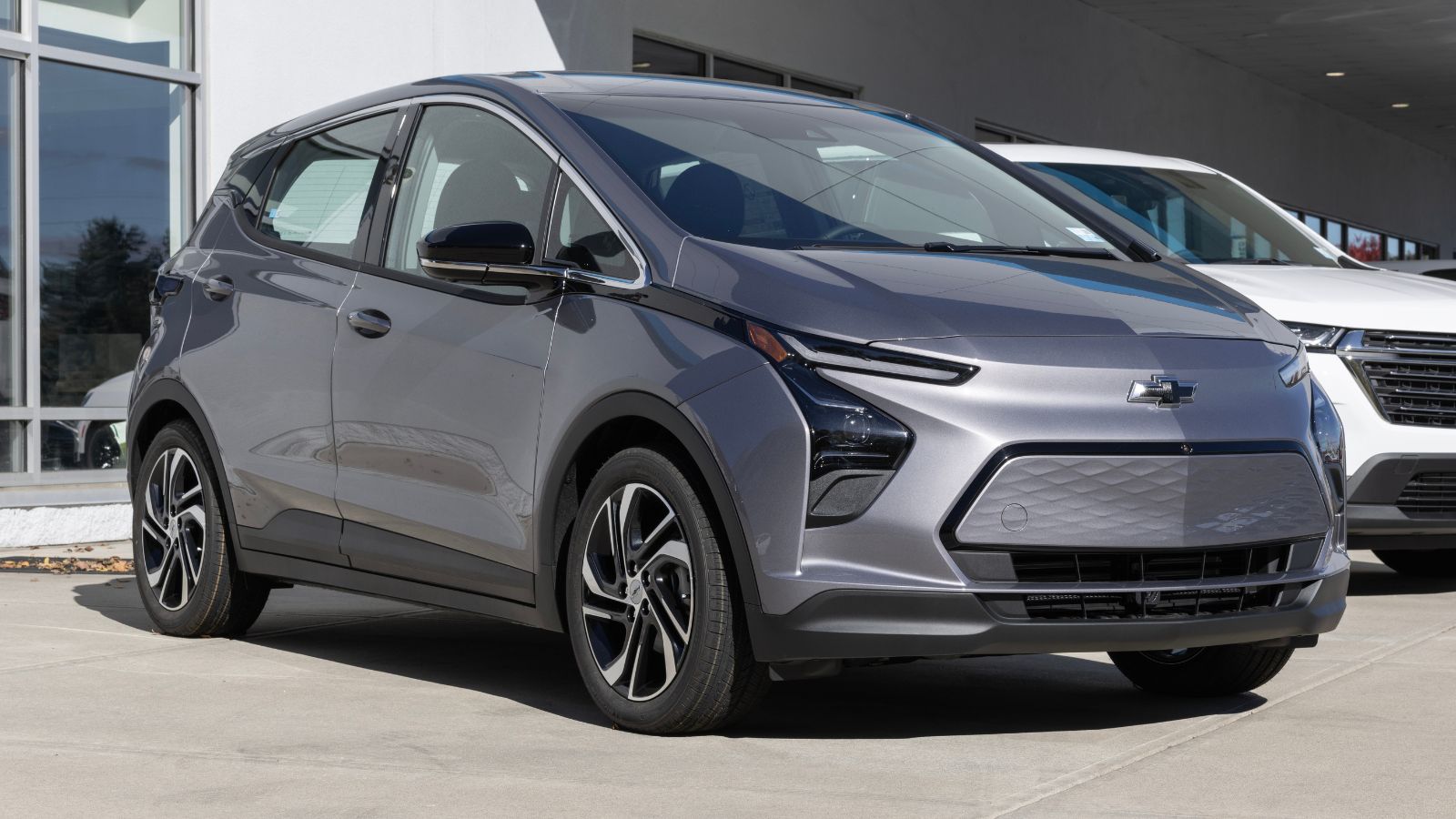
EVs carry most of their weight low and evenly across the chassis, which is great for handling but tough on tires. With so much mass distributed over a wide footprint, tires are constantly loaded during cornering. Even modest turns at city speeds create higher lateral forces than drivers are used to.
Faster Acceleration Encourages Harder Driving

Even drivers who do not consider themselves aggressive tend to use EV performance more often. Instant acceleration becomes addictive. Quick launches feel effortless and quiet, encouraging repeated hard starts. Over time, this behavior dramatically shortens tire life, even if the driver believes they are being gentle.
Higher Tire Pressures for Efficiency
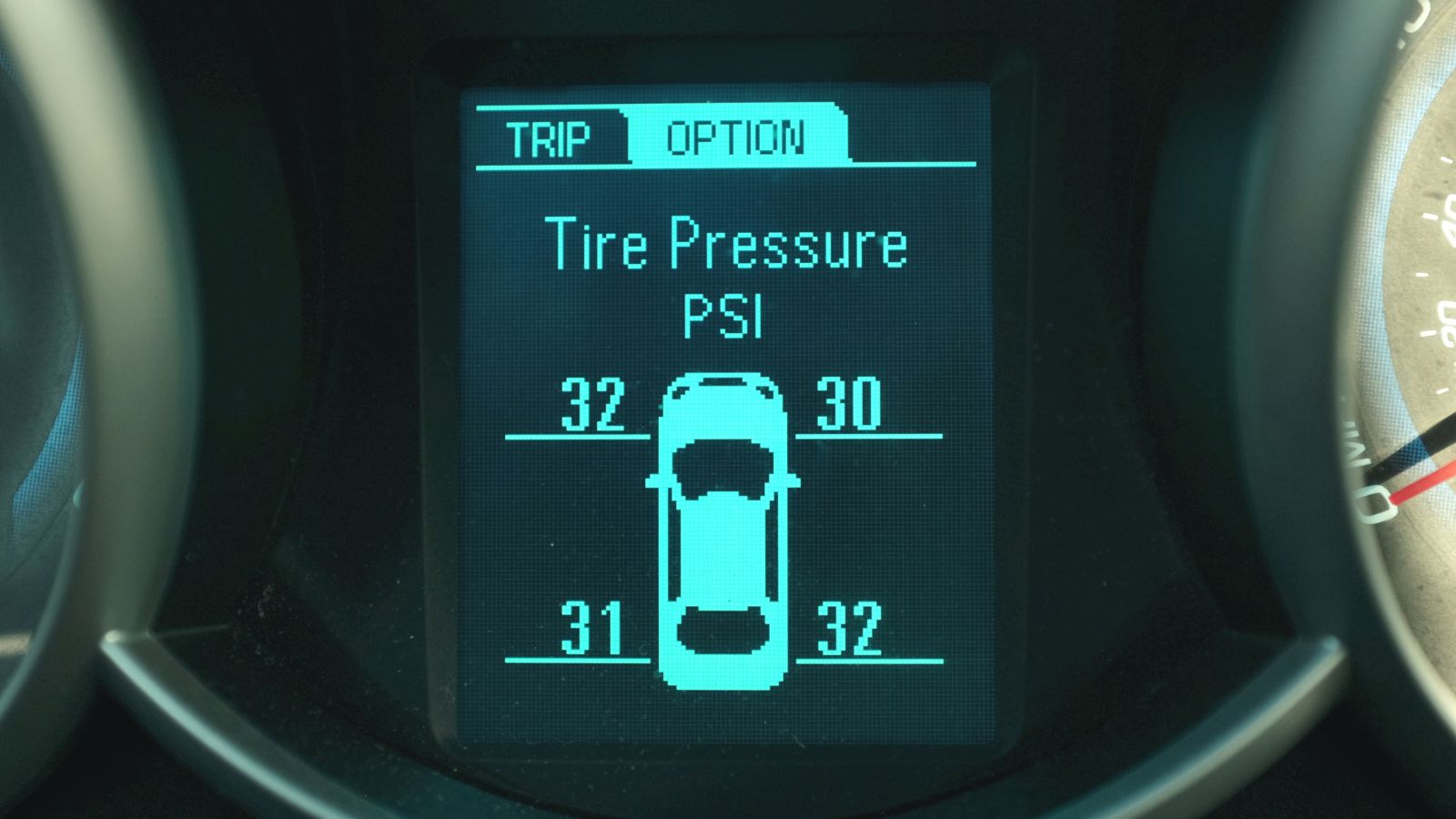
Manufacturers often recommend higher tire pressures on EVs to reduce rolling resistance and improve range. Higher pressures reduce the tire’s ability to absorb road imperfections. This leads to increased center tread wear and less even contact with the road surface, shortening overall tire lifespan.
Limited Tire Choices
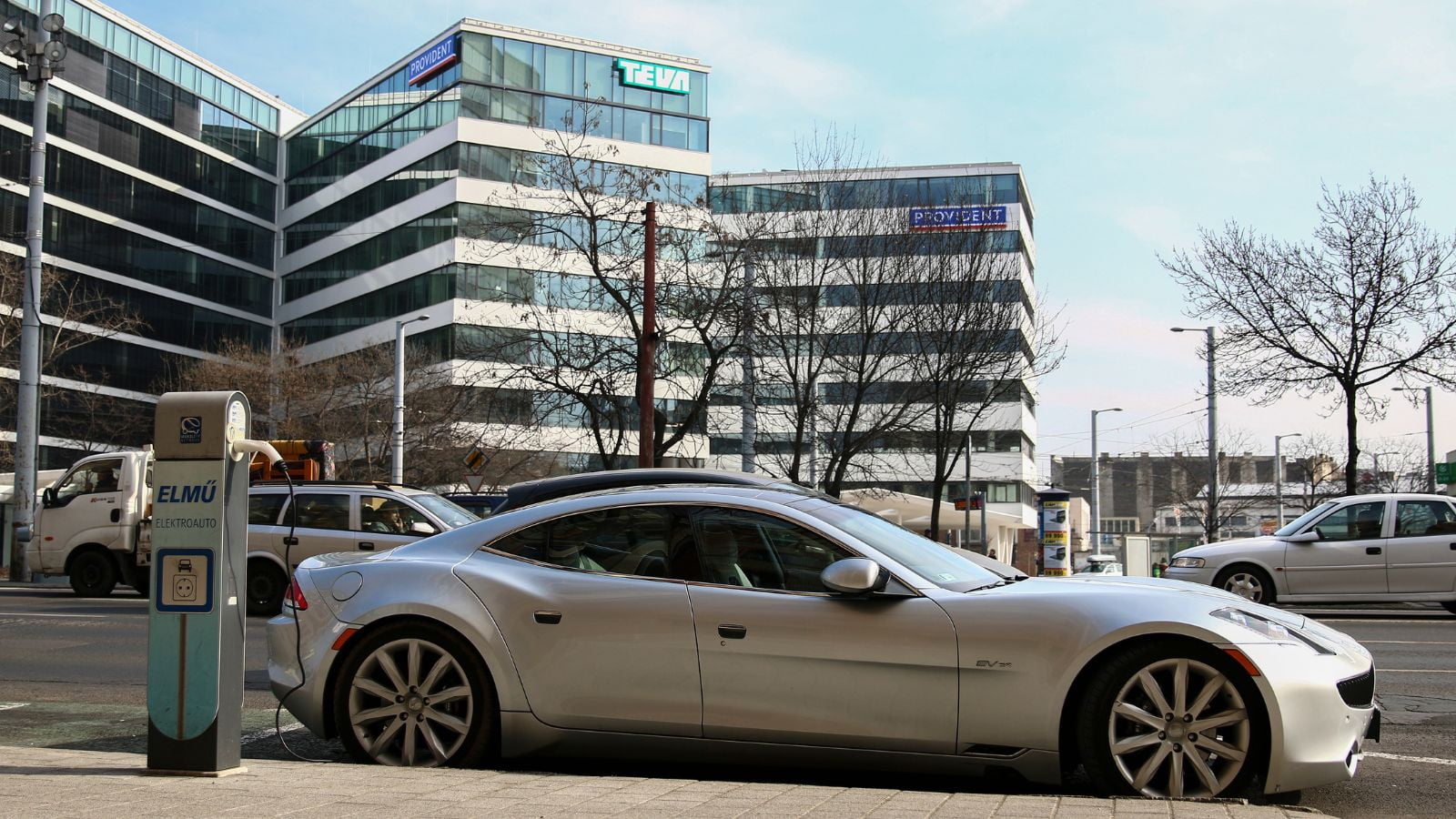
Not all tires are optimized for EV use yet. Some models require specialized load ratings and noise reducing foam inserts. These tires are expensive and limited in selection. Owners may end up choosing suboptimal replacements that wear faster under EV-specific loads.
All Wheel Drive Multiplies the Effect
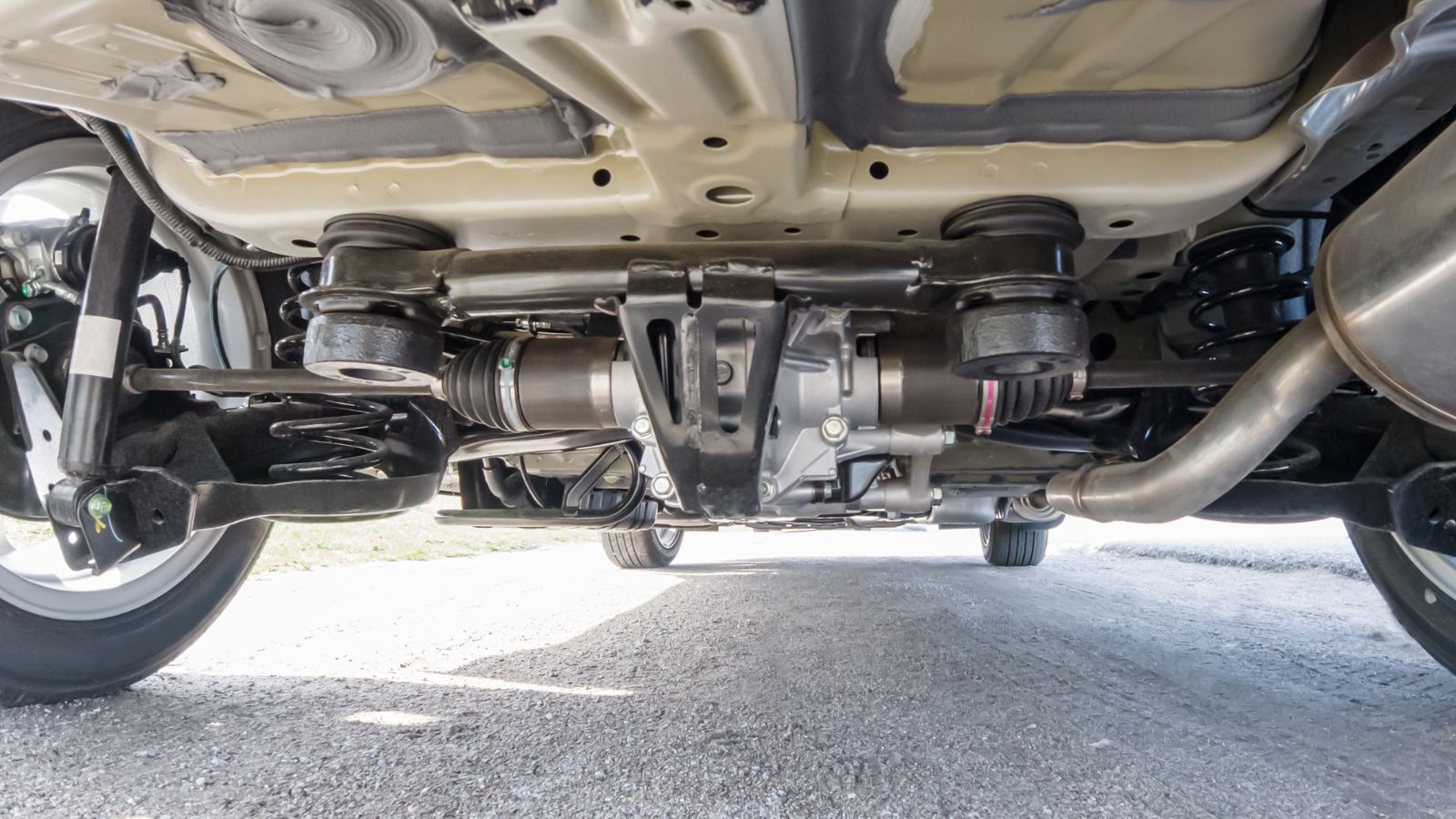
Many EVs use dual motors for all wheel drive. That means all four tires are actively driven and stressed. Instead of just the fronts or rears wearing faster, all four can degrade rapidly. Replacement often requires a full set rather than just two tires.
Alignment Sensitivity

EVs are highly sensitive to alignment due to weight and torque delivery. Minor misalignment that would be tolerable in a gas car can shred tires quickly on an EV. Potholes, curbs, and winter road damage make this especially problematic in colder climates.
25 Facts About Car Loans That Most Drivers Don’t Realize

Car loans are one of the most common ways people fund car purchases. Like any other kind of loan, car loans can have certain features that can be regarded as an advantage or a disadvantage to the borrower. Understanding all essential facts about car loans and how they work to ensure that you get the best deal for your financial situation is essential. Here are 25 shocking facts about car loans that most drivers don’t realize:
25 Facts About Car Loans That Most Drivers Don’t Realize
