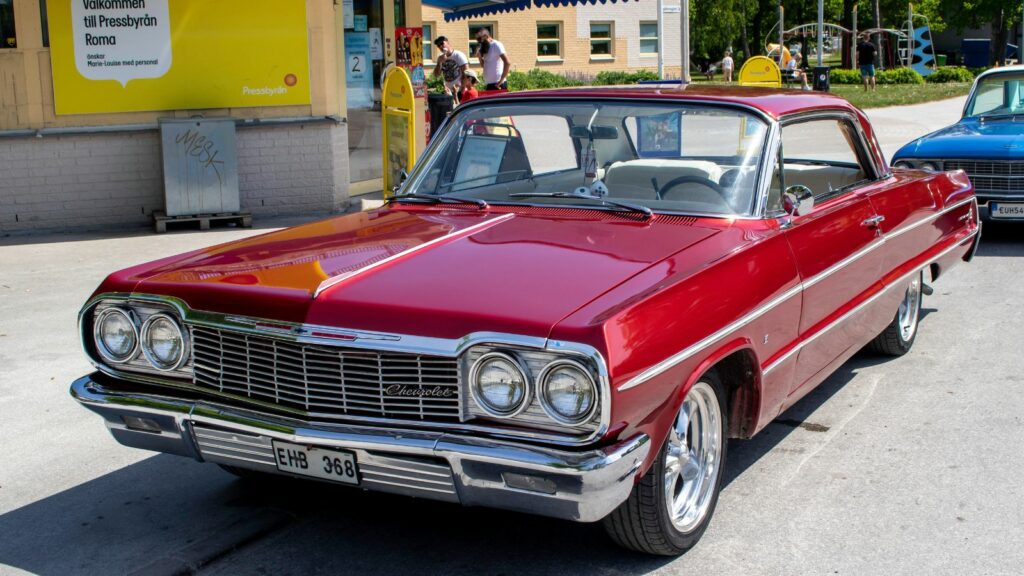
The 1960s were the golden age of automotive excess. Cars were built long, wide, and unapologetically spacious, with bench seats that felt like sofas and trunks big enough for a family vacation. Parking ease and fuel economy were afterthoughts. Comfort, presence, and interior room were the priorities. These ten cars represent the peak of that thinking, delivering space and scale that feels almost unreal today.
Cadillac Fleetwood
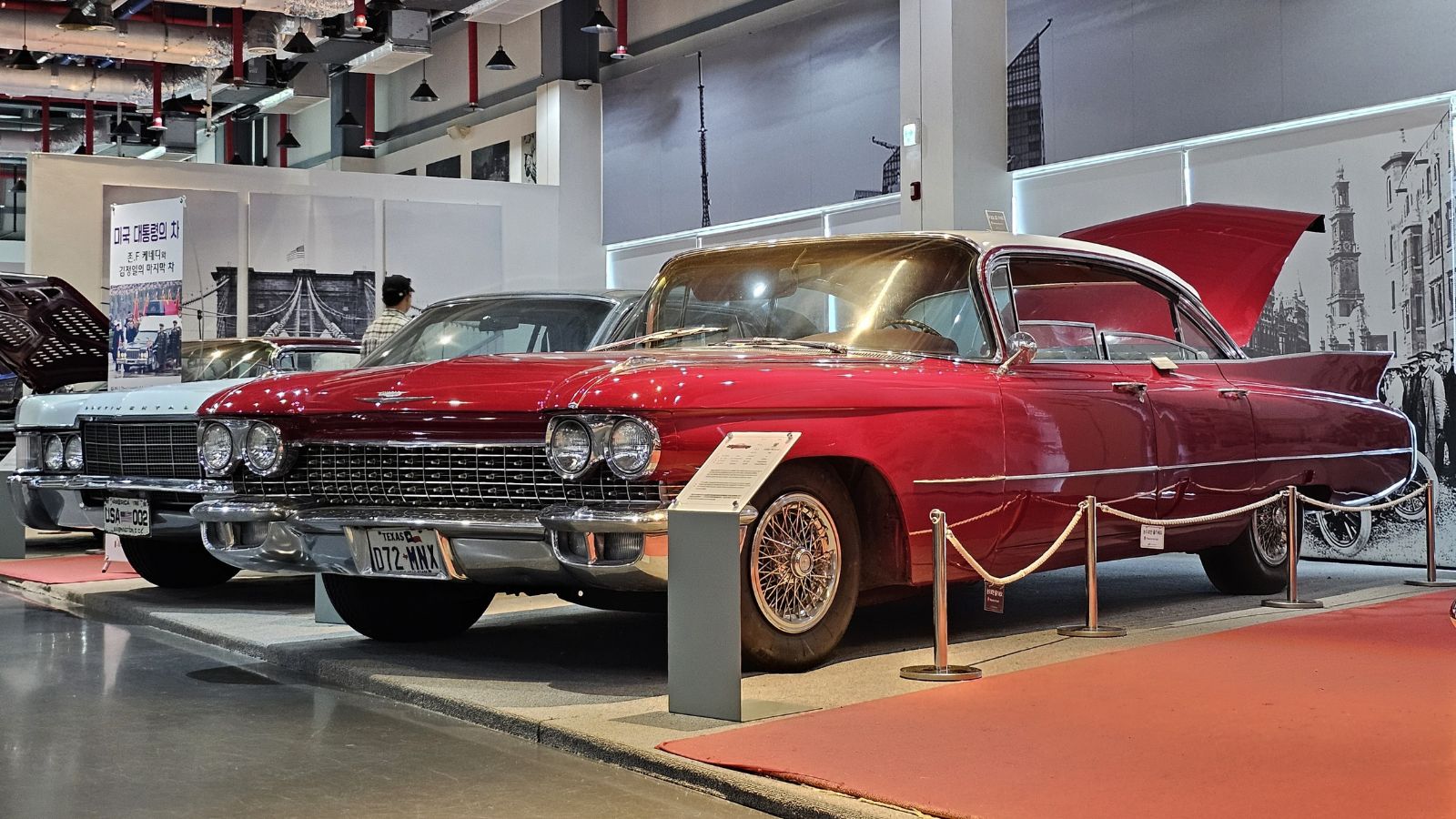
The Fleetwood defined American luxury in the 1960s. Stretching well over 18 feet, it offered massive rear legroom, broad bench seats, and a ride tuned for absolute isolation. Rear passengers could stretch out with ease, and the trunk seemed endless. It was less a car and more a rolling living room.
Lincoln Continental
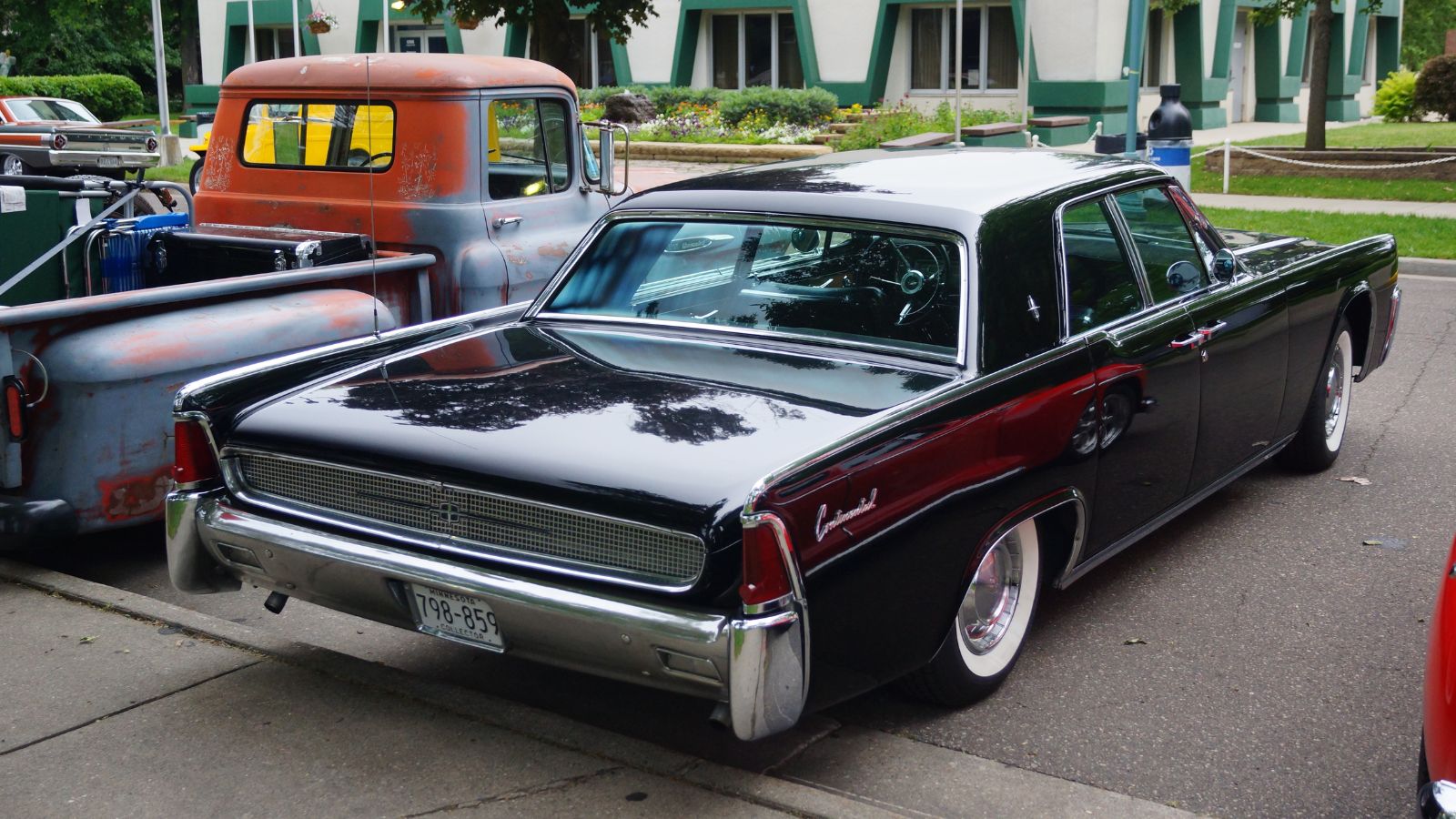
The slab sided Continental became an icon for its clean design and sheer size. Suicide doors made entry effortless, especially for rear passengers. Interior space was generous in every direction, and the long wheelbase delivered a smooth, commanding ride. It felt formal, deliberate, and incredibly spacious.
Chrysler Imperial
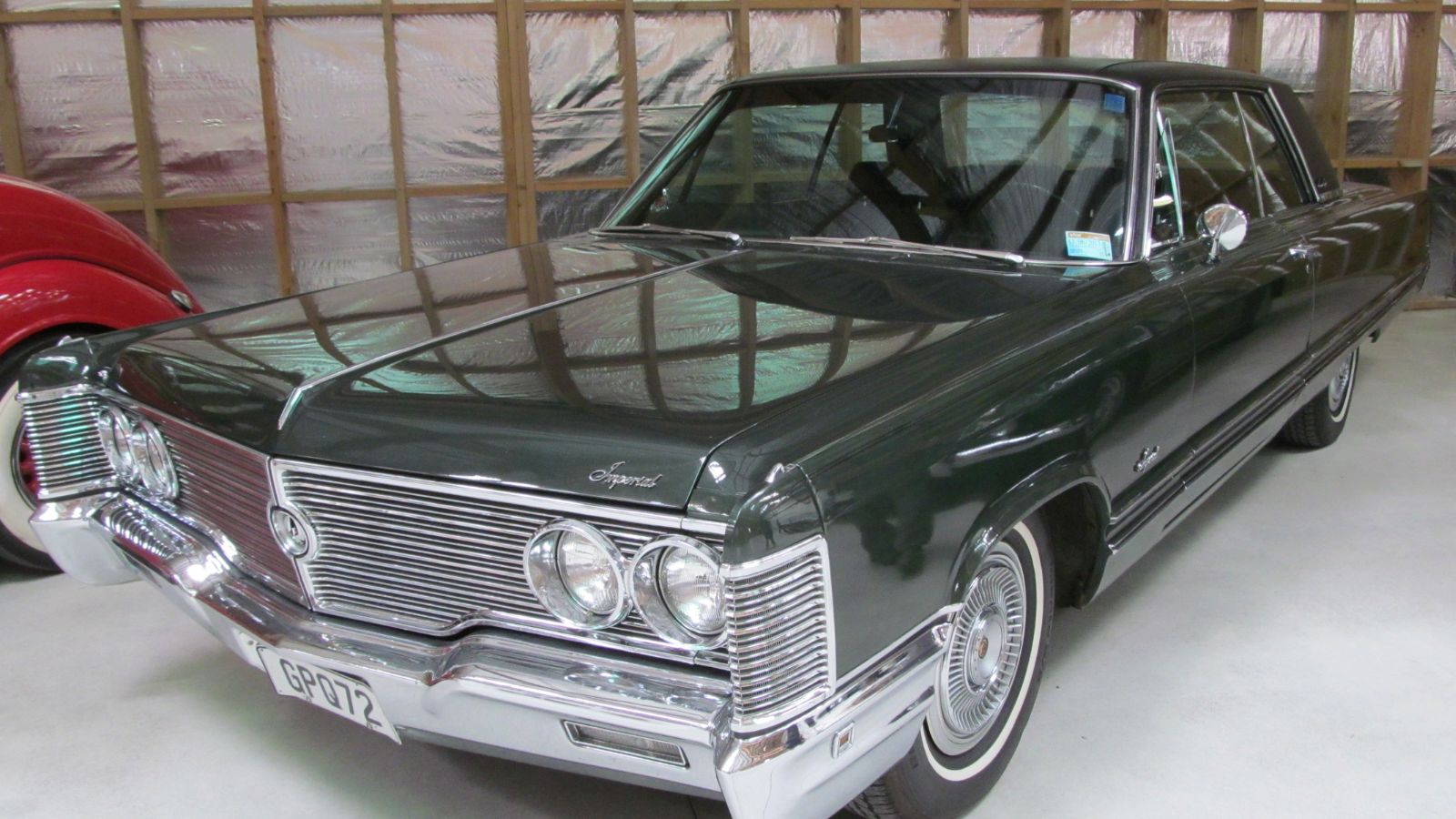
The Imperial often flew under the radar compared to Cadillac and Lincoln, but it was every bit their equal in size. Wide seats, enormous doors, and a cavernous rear compartment made it ideal for long distance cruising. Chrysler engineered it to compete at the very top of the luxury hierarchy.
Chevrolet Impala
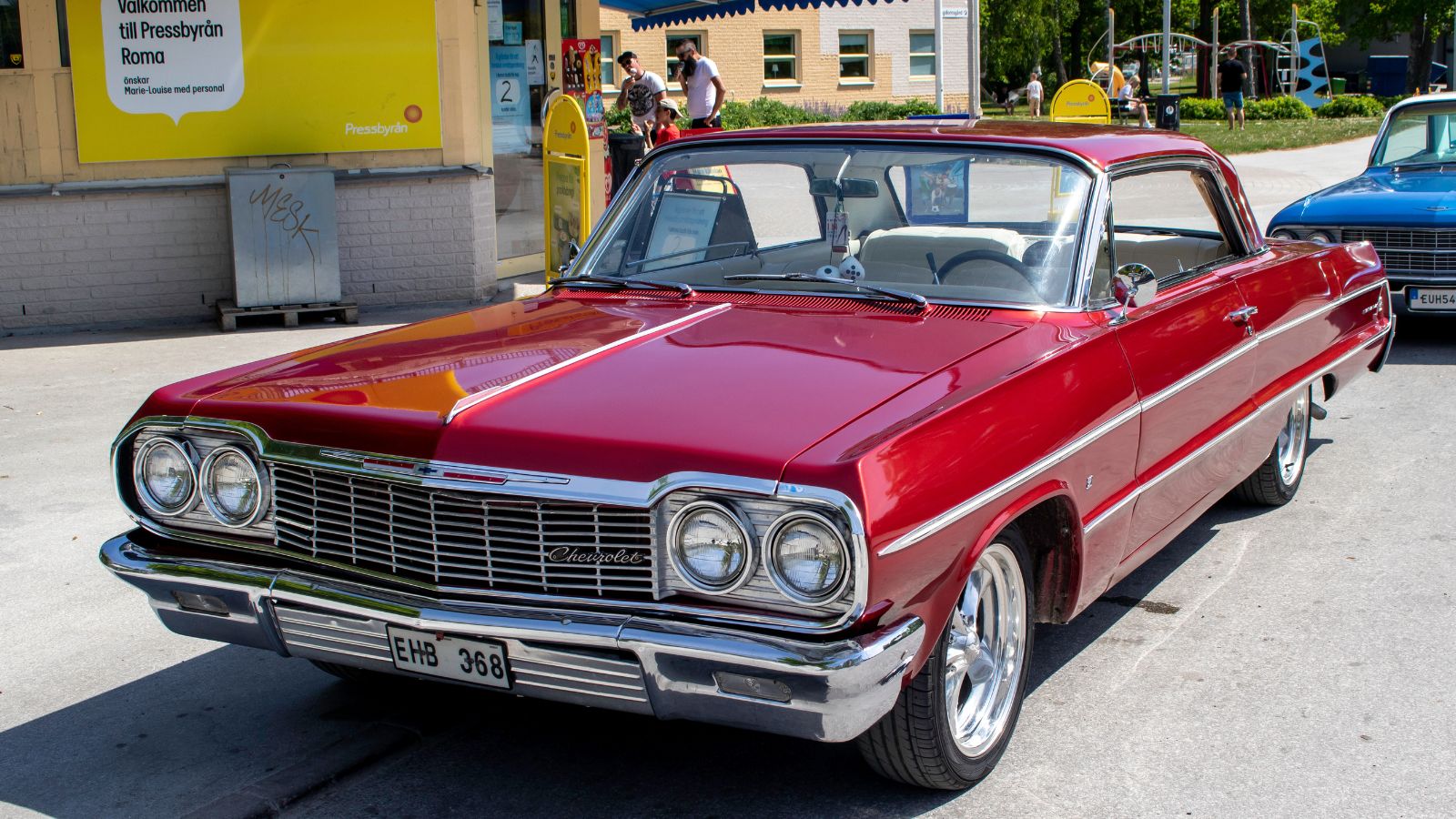
The Impala brought full size comfort to the mainstream. Its long body and wide cabin made it a family favorite, with room for six adults without complaint. While less formal than luxury sedans, it delivered impressive legroom and trunk space at a more accessible price.
Buick Electra 225
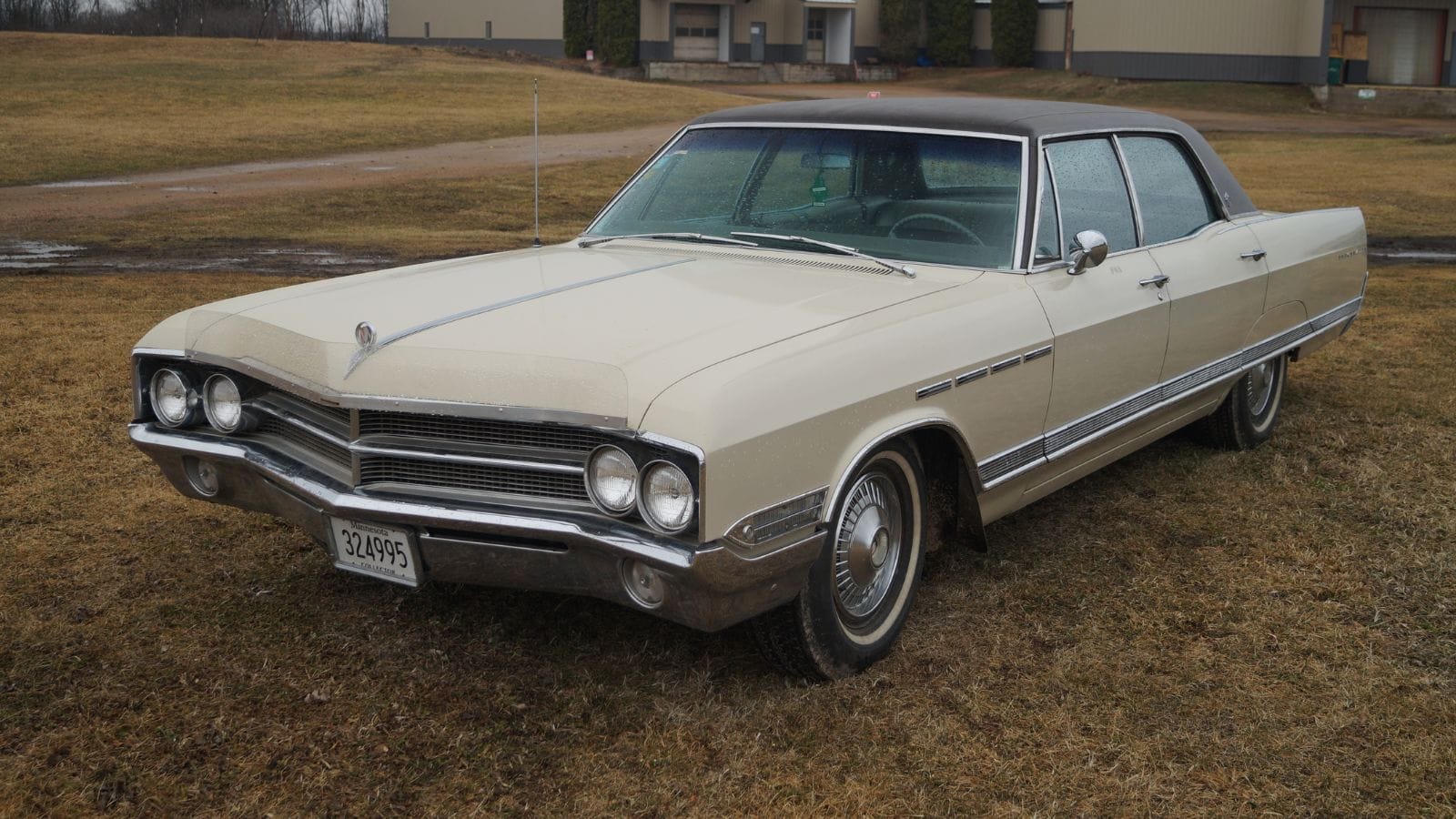
Nicknamed the Deuce and a Quarter, the Electra 225 lived up to its name. At over 225 inches long, it was massive even by 1960s standards. The interior emphasized quiet comfort and space, appealing to buyers who wanted luxury without Cadillac flash.
Oldsmobile Ninety Eight
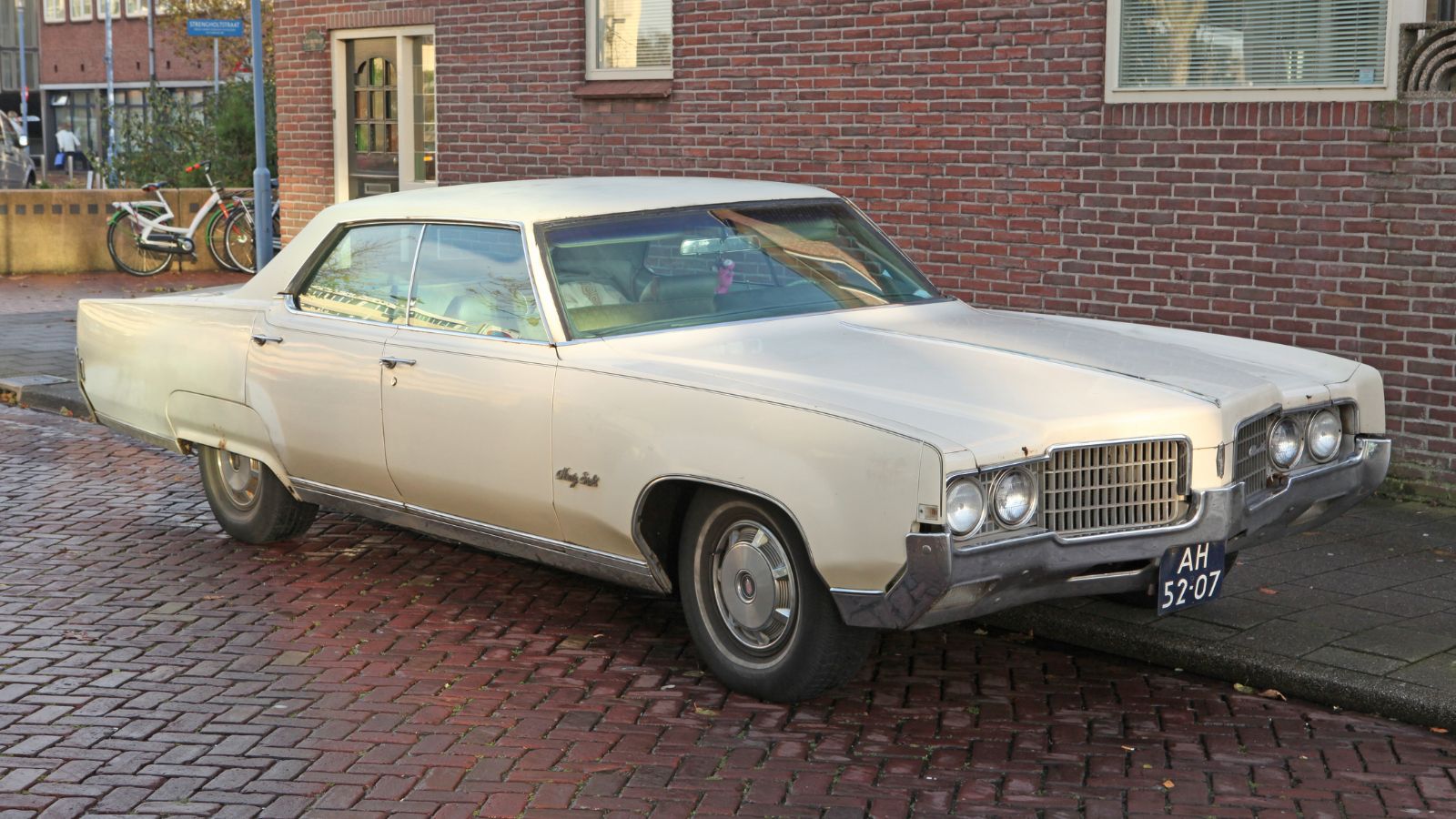
The Ninety Eight blended luxury and performance with serious size. Rear seat legroom was generous, and the wide cabin allowed three across seating without compromise. It was a favorite among buyers who wanted prestige and comfort without stepping into ultra luxury territory.
Ford Galaxie 500
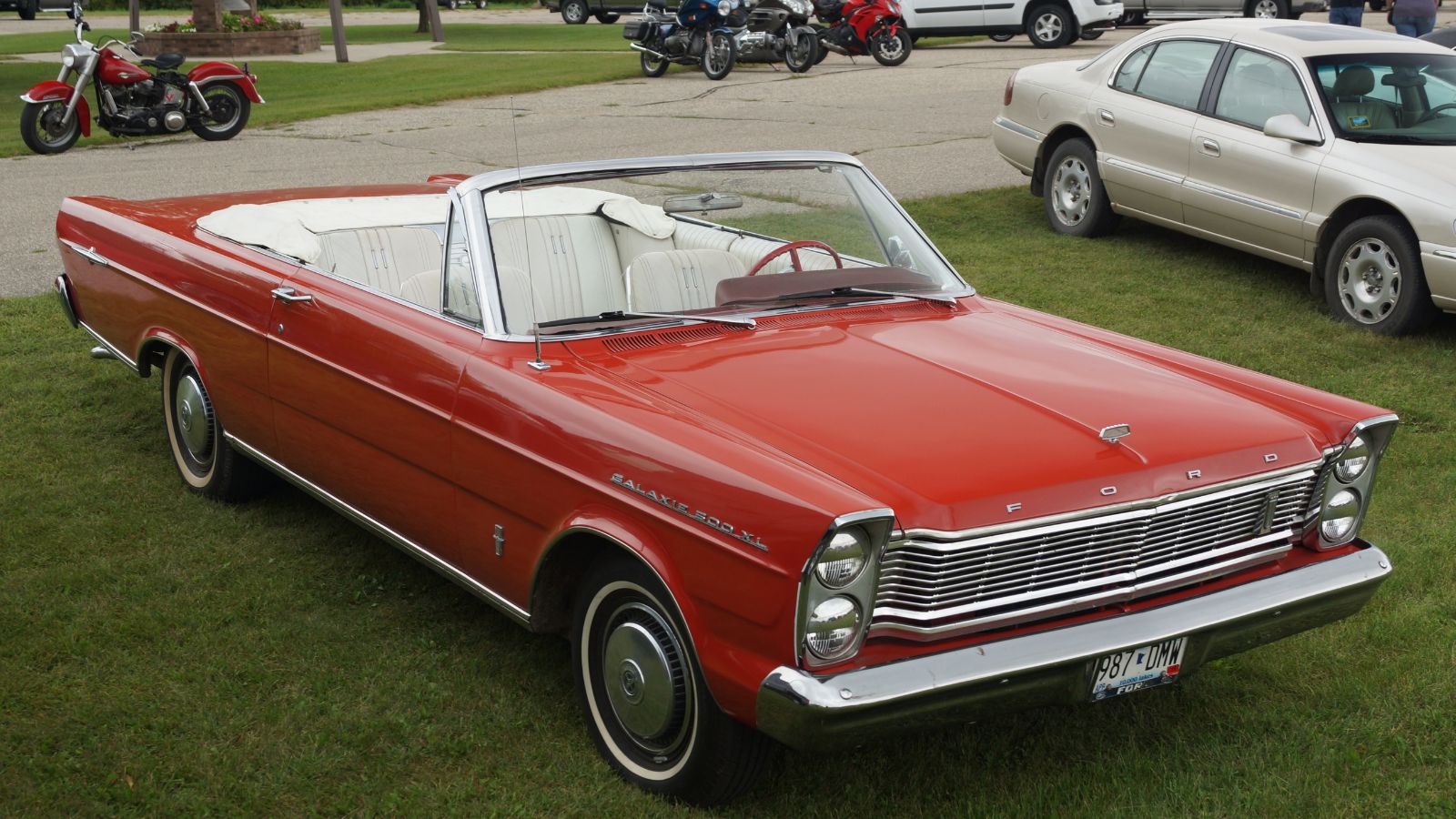
The Galaxie 500 was a staple of American roads throughout the decade. Its long wheelbase translated into excellent rear seat comfort, and its interior was airy and open. It balanced family usability with highway stability, making it a popular long distance cruiser.
Mercury Monterey
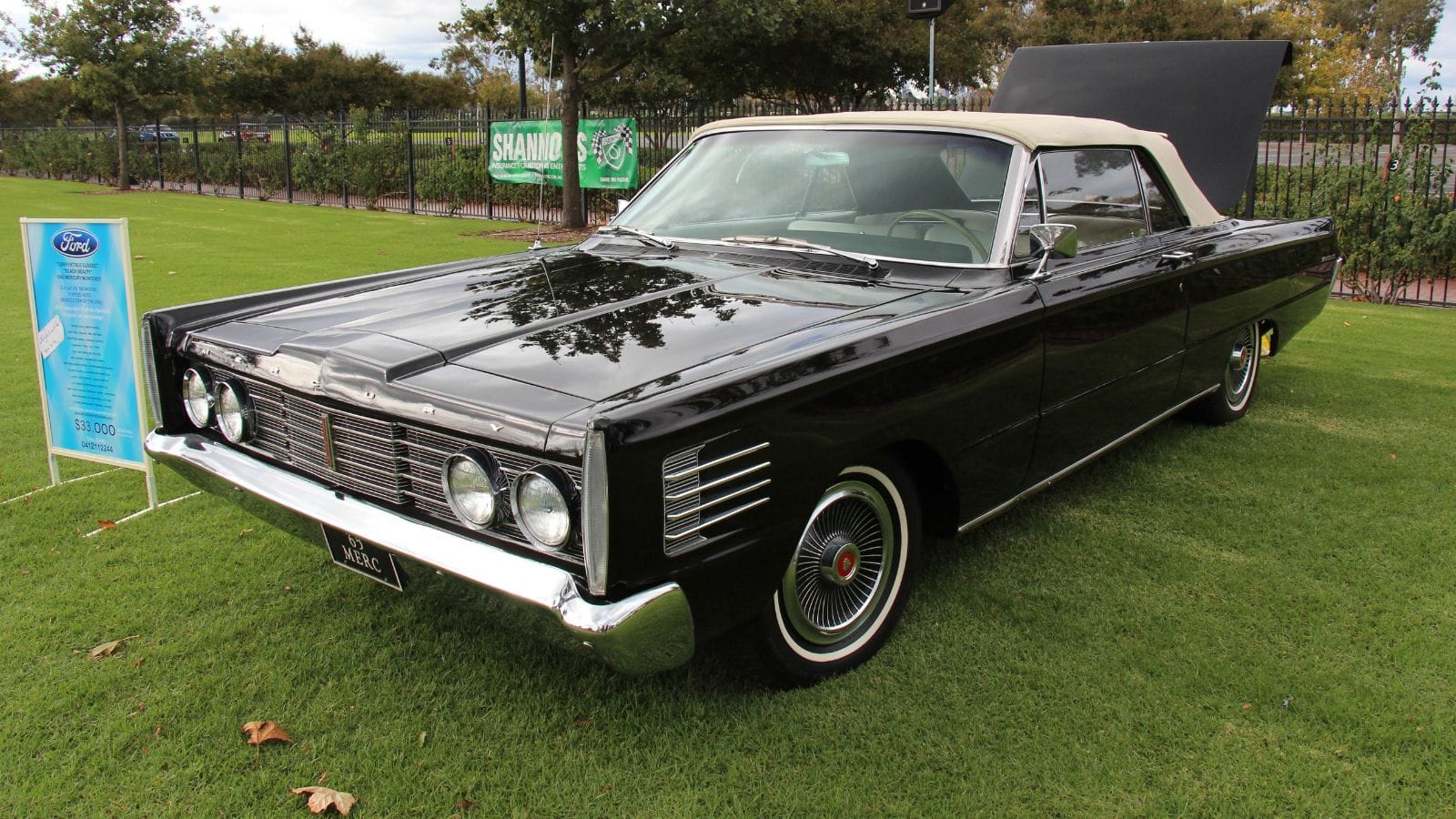
Positioned above Ford but below Lincoln, the Monterey offered impressive size and comfort. Interior space rivaled more expensive cars, and the ride quality leaned toward soft and relaxed. It was built for drivers who valued space without extravagance.
Pontiac Bonneville
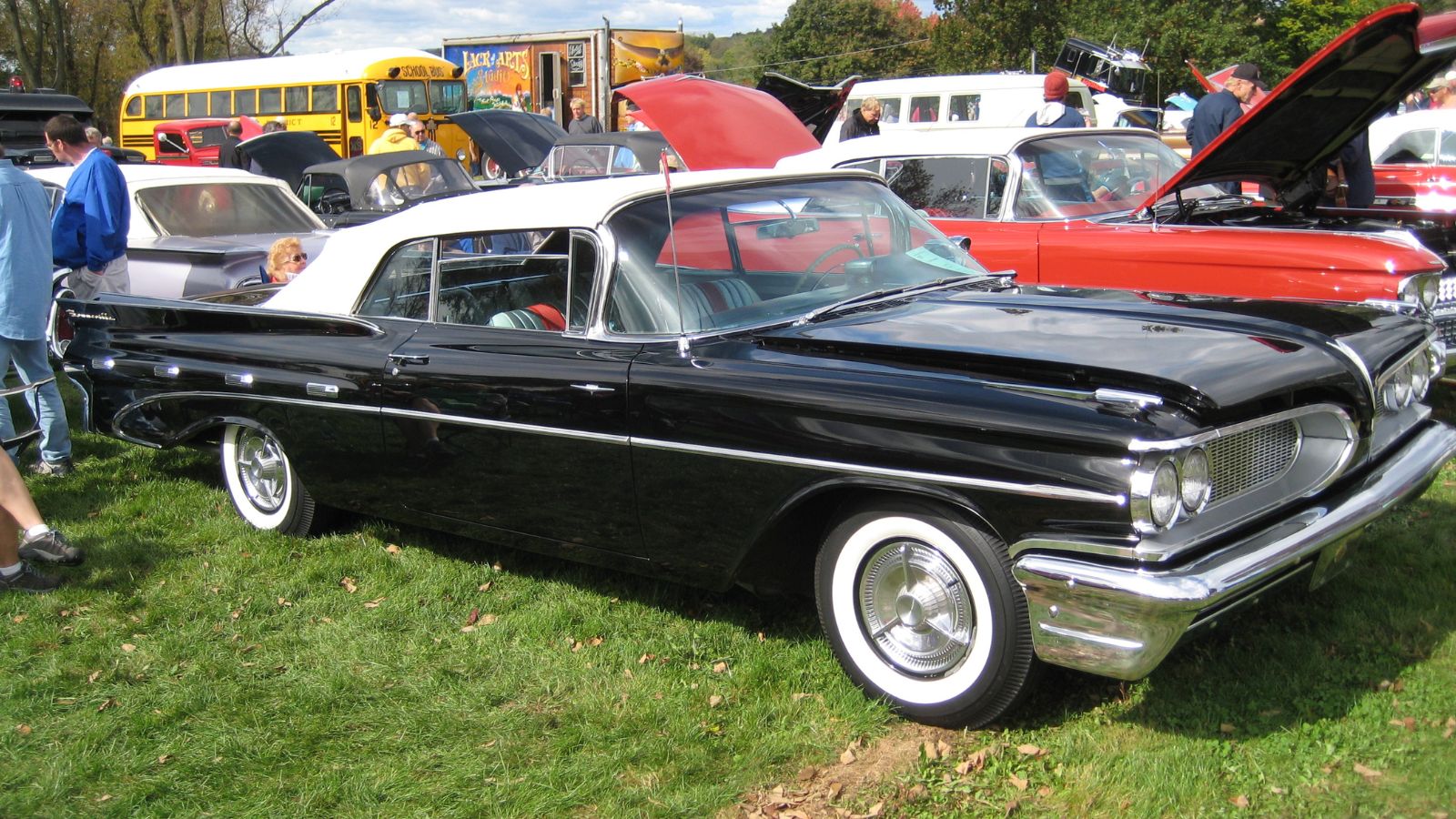
The Bonneville combined performance image with serious interior room. Long doors, a wide cabin, and deep seats made it comfortable for full size families. It delivered space with a slightly sportier edge, which helped it stand out among its peers.
Dodge Polara
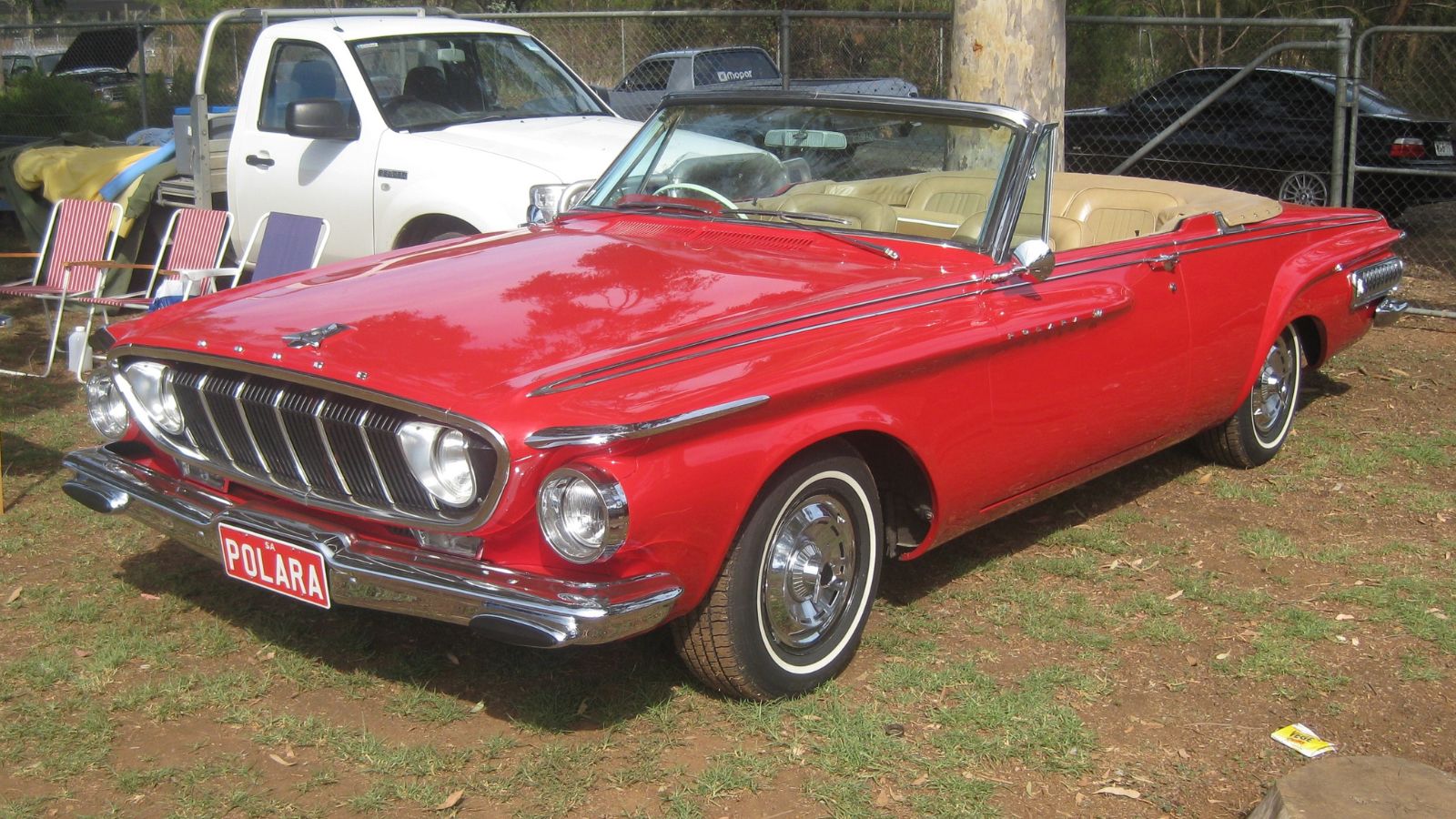
The Polara embraced Chrysler’s full size philosophy. Long, wide, and built for comfort, it offered generous rear legroom and a massive trunk. While its styling divided opinion, there was no arguing with the amount of space it delivered.
Cars like these simply do not exist anymore. Modern vehicles may be more efficient and safer, but none offer the effortless space and presence of a true 1960s land yacht. These machines were built for an era when the open road seemed endless and comfort came first.
25 Facts About Car Loans That Most Drivers Don’t Realize

Car loans are one of the most common ways people fund car purchases. Like any other kind of loan, car loans can have certain features that can be regarded as an advantage or a disadvantage to the borrower. Understanding all essential facts about car loans and how they work to ensure that you get the best deal for your financial situation is essential. Here are 25 shocking facts about car loans that most drivers don’t realize:
25 Facts About Car Loans That Most Drivers Don’t Realize
