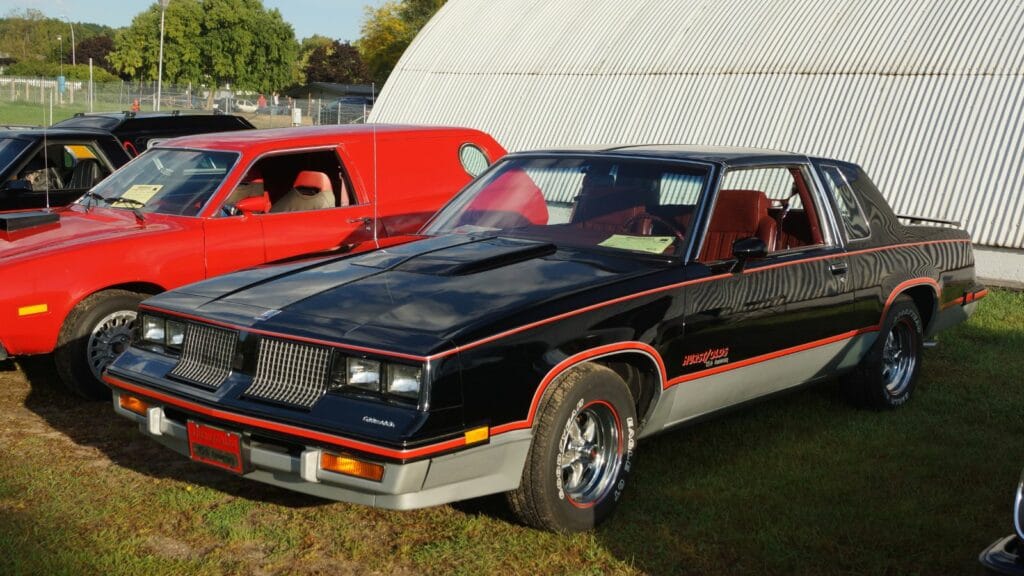
Every automaker gets it wrong sometimes. An engine that looked promising on paper can turn into a warranty nightmare once real world miles pile on. Poor lubrication design, weak materials, rushed development, or emissions driven compromises have all produced powerplants that owners would rather forget. These nine engines earned reputations for costly failures, frustrating quirks, or outright mechanical disasters, along with the vehicles that carried them.
Chevrolet Vega and the Aluminum Block 2.3L
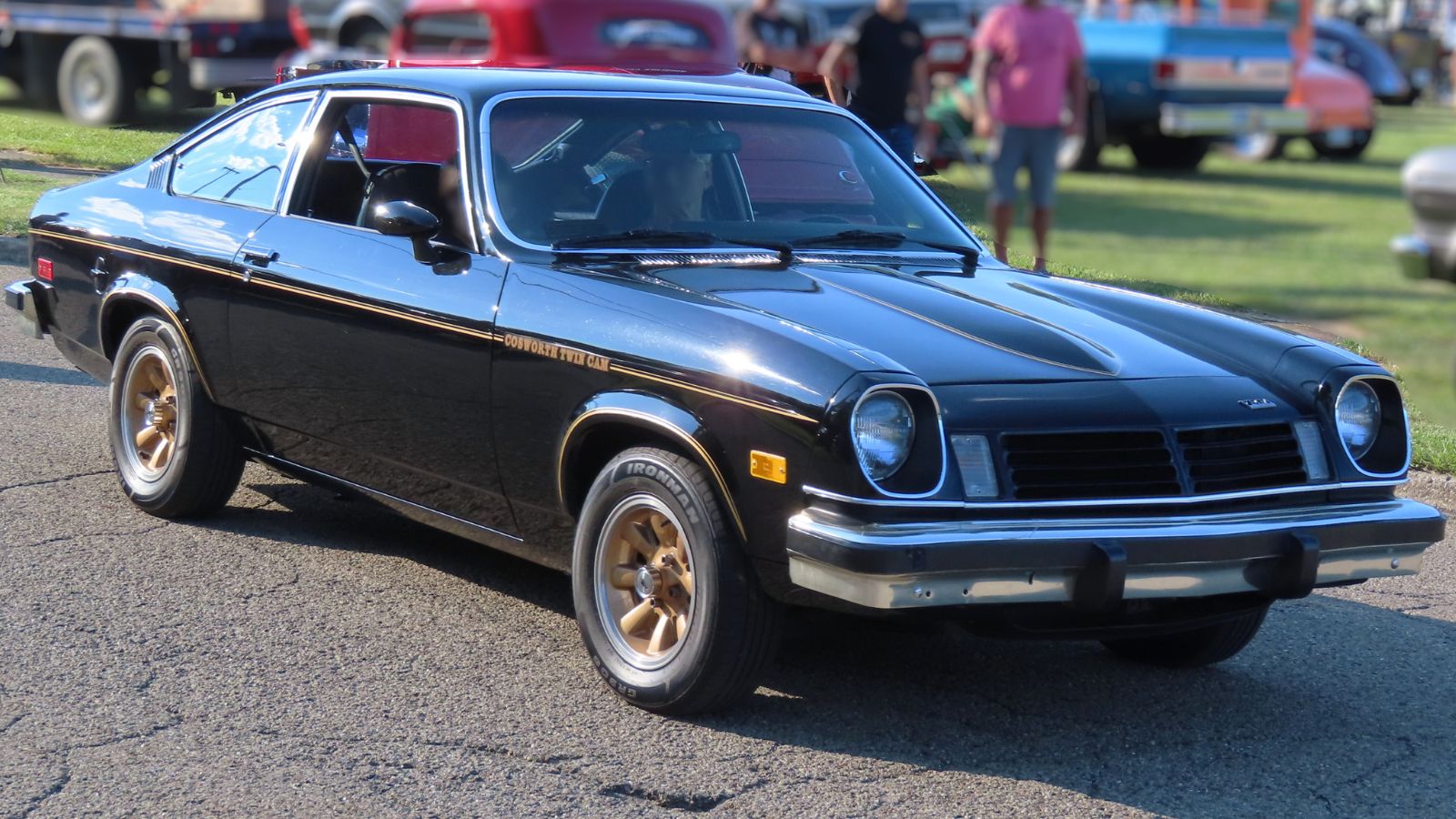
The Vega’s 2.3 litre aluminum block four cylinder was ambitious but flawed. Poor cooling design and inadequate cylinder wall durability led to oil consumption and overheating. Many engines failed prematurely, damaging General Motors’ reputation at a time when competition from Japan was rising fast.
Oldsmobile Cutlass and the 5.7L Diesel V8
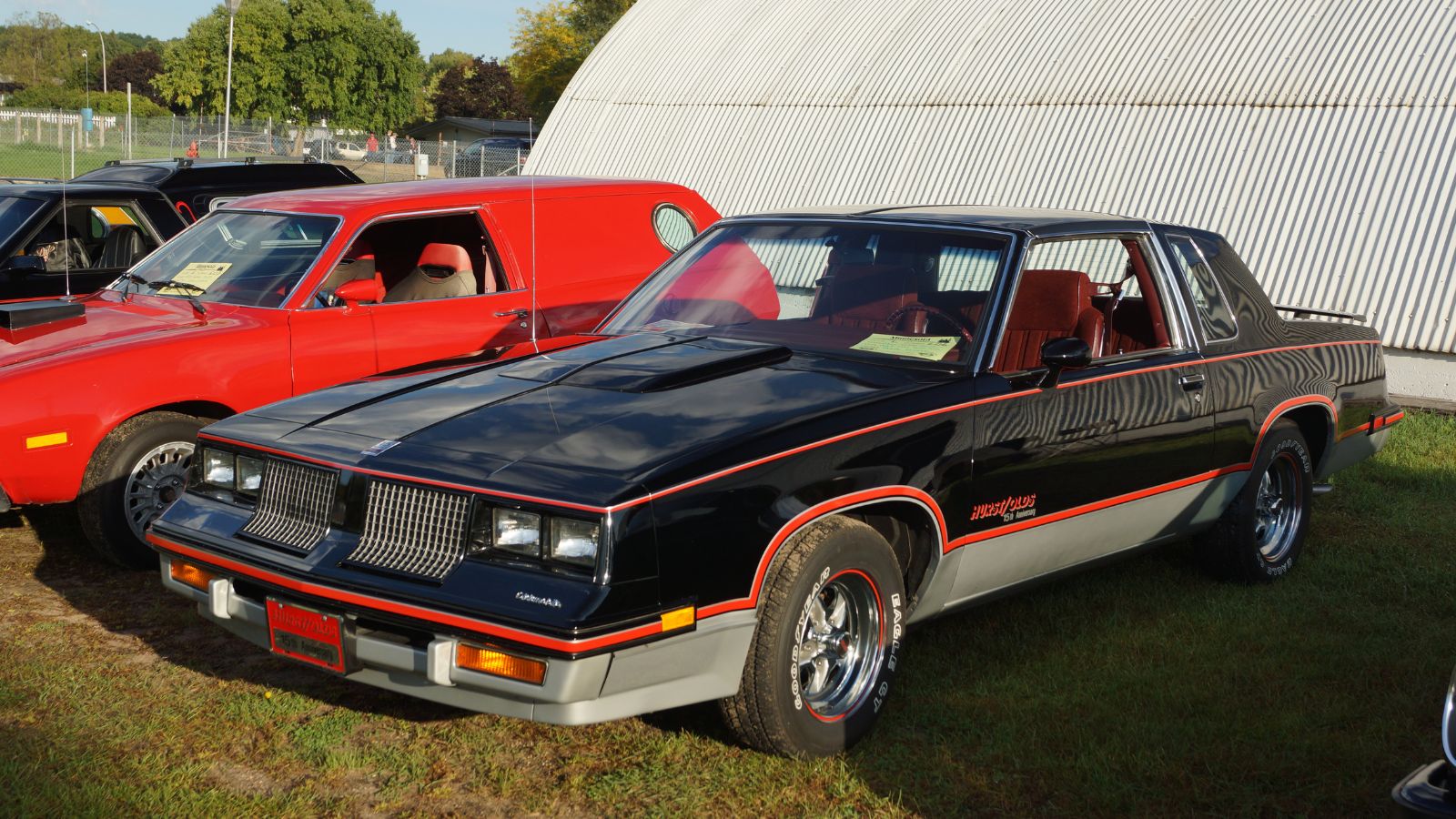
General Motors converted a gasoline V8 into a diesel without fully redesigning it for diesel stresses. The result was weak head bolts, blown head gaskets, and widespread reliability issues. It soured American buyers on diesel passenger cars for decades.
Chrysler Sebring and the 2.7L V6
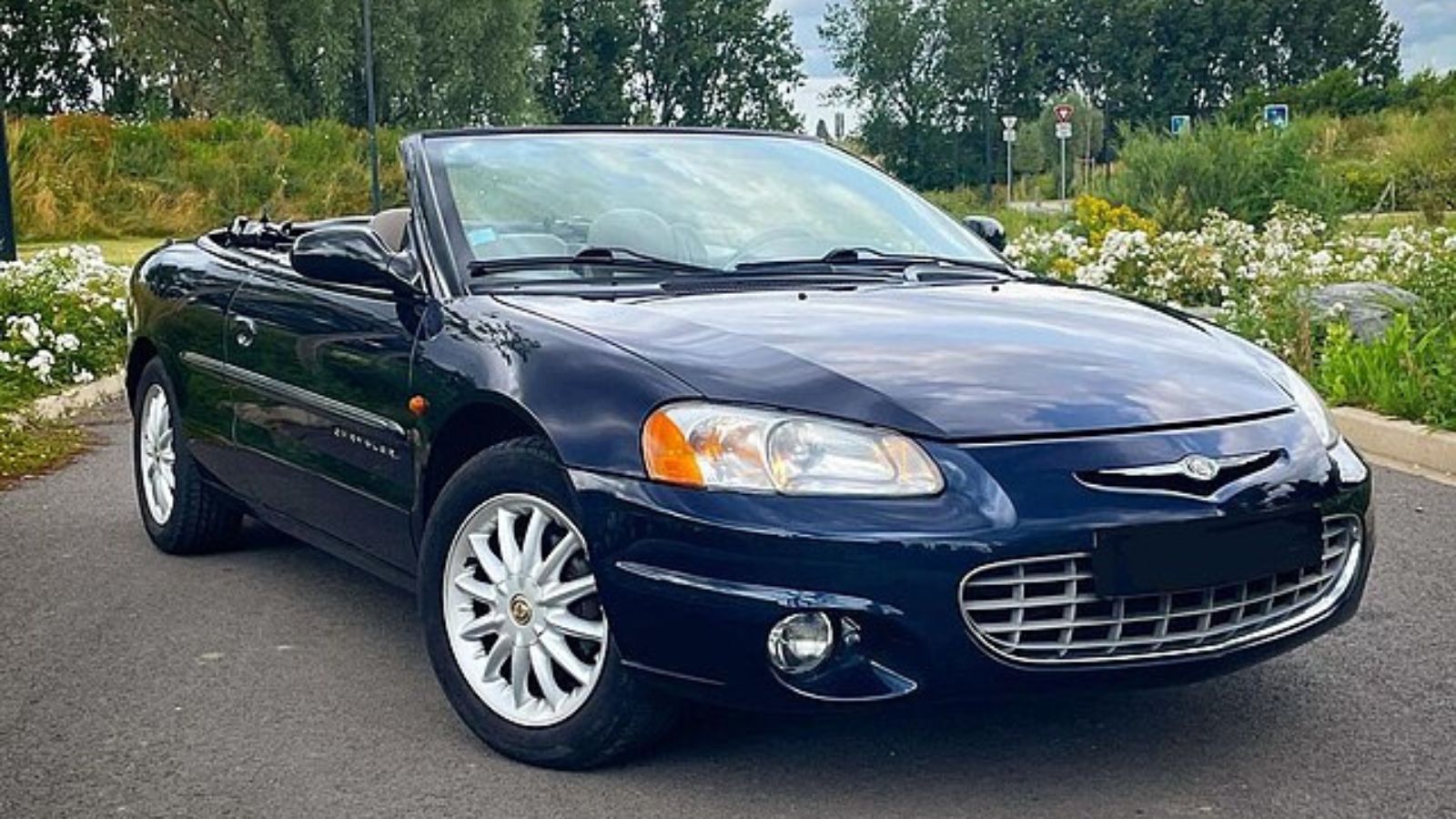
Chrysler’s 2.7 litre V6 became infamous for sludge buildup and oil starvation. Poor internal oil passage design and neglected maintenance accelerated failures, often resulting in seized engines well before 160,000 kilometers. Repair costs frequently exceeded vehicle value.
Subaru Outback and the Early 2.5L Boxer
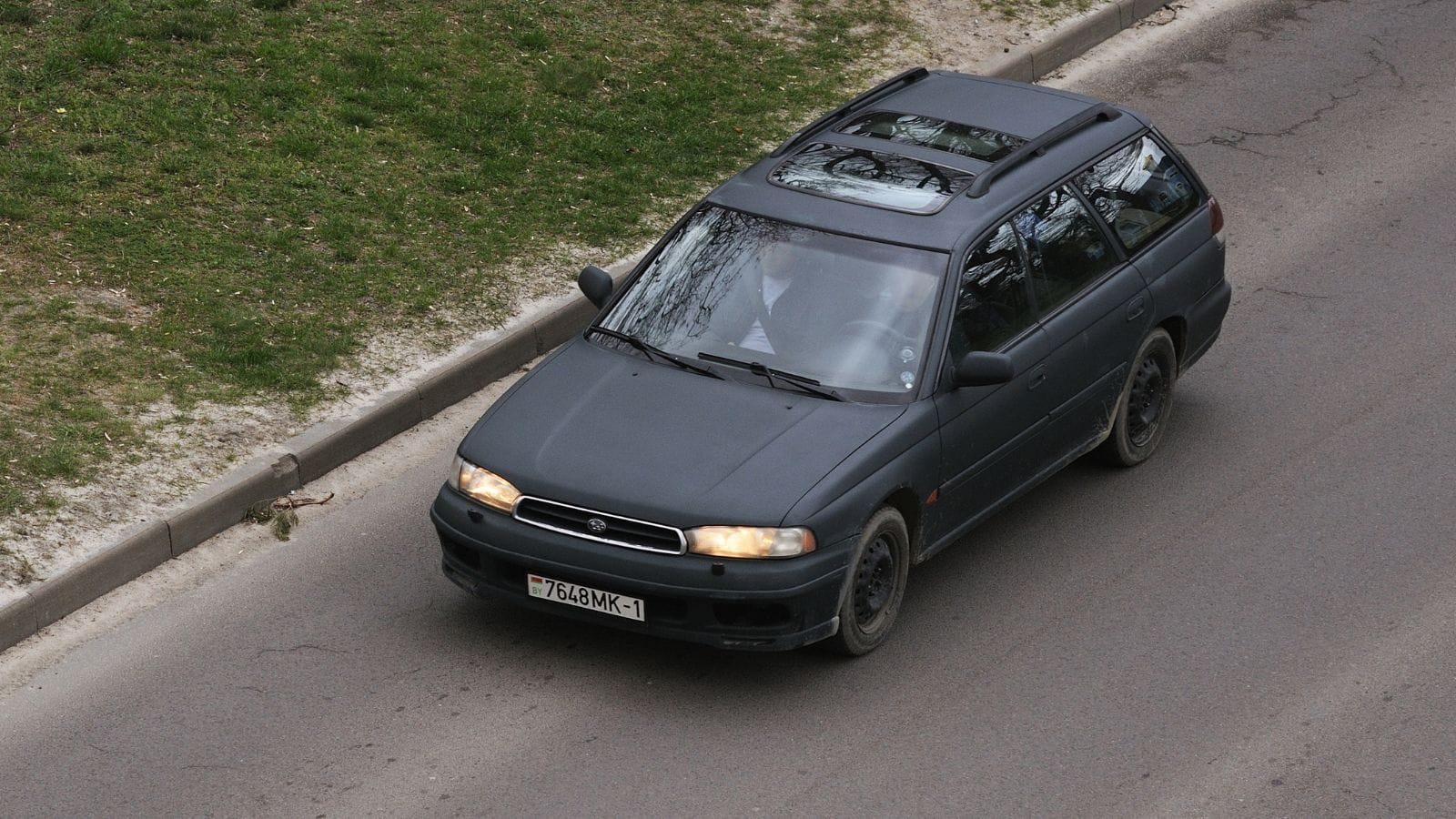
Certain late 1990s and early 2000s Subaru 2.5 litre engines suffered from chronic head gasket failures. Coolant leaks and overheating became common complaints. While later revisions improved durability, early models left many owners facing expensive repairs.
BMW 5 Series and the N63 V8

BMW’s twin turbo N63 V8 promised effortless power but delivered complex reliability headaches. Excessive oil consumption, timing chain issues, and high heat stress plagued early versions. Maintenance costs rose quickly, particularly once warranties expired.
Mini Cooper and the 1.6L Turbo

The turbocharged 1.6 litre engine used in certain Mini models suffered from carbon buildup, timing chain tensioner failures, and high oil consumption. Owners often encountered costly repairs at relatively low mileage.
Ford Focus and the Early 1.0L EcoBoost
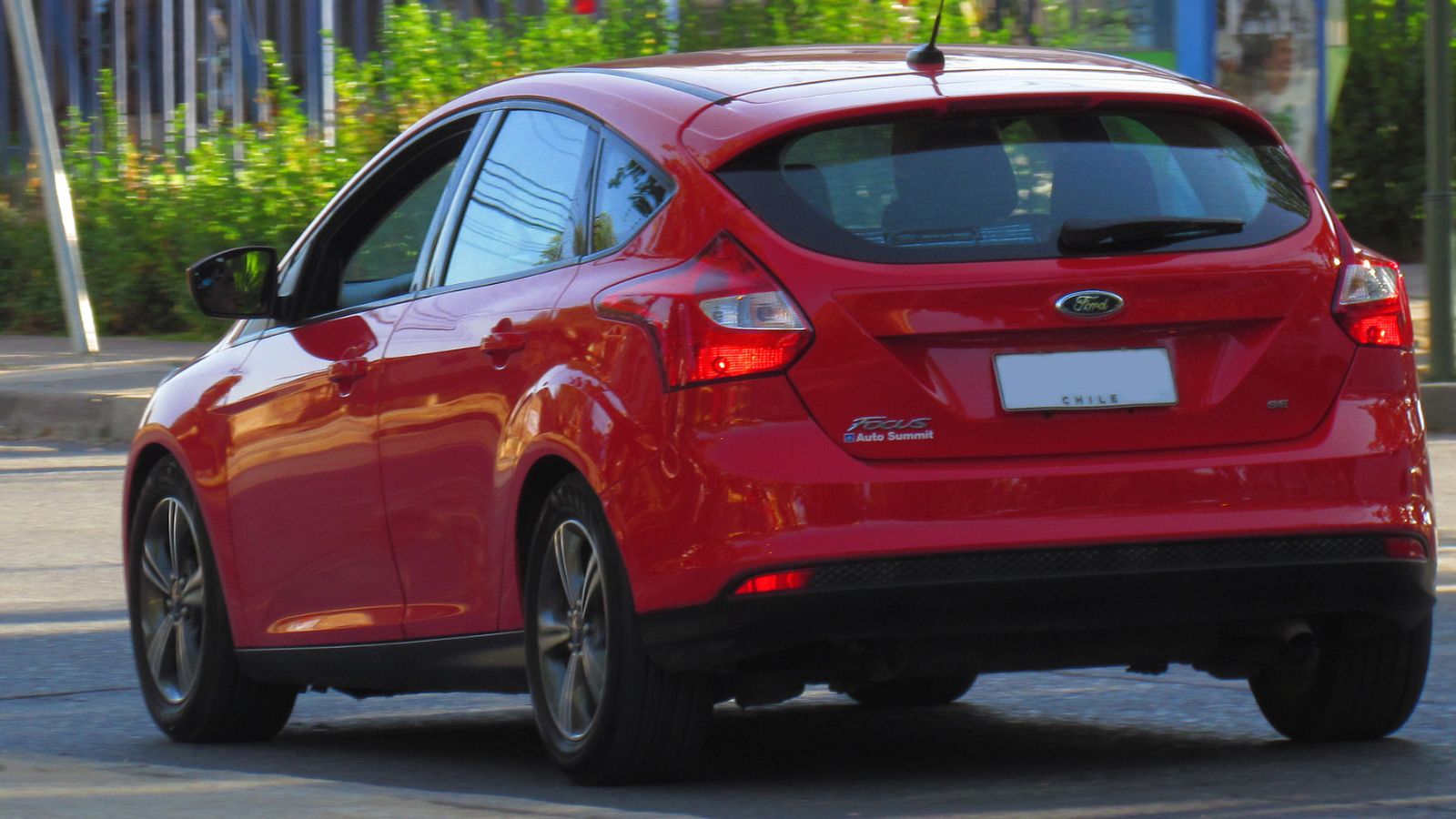
While innovative, early small displacement turbocharged EcoBoost engines experienced cooling system design flaws in some markets. Coolant intrusion and overheating led to engine replacements in certain cases, highlighting the risks of downsizing without adequate testing.
Audi A4 and the 2.0T TFSI
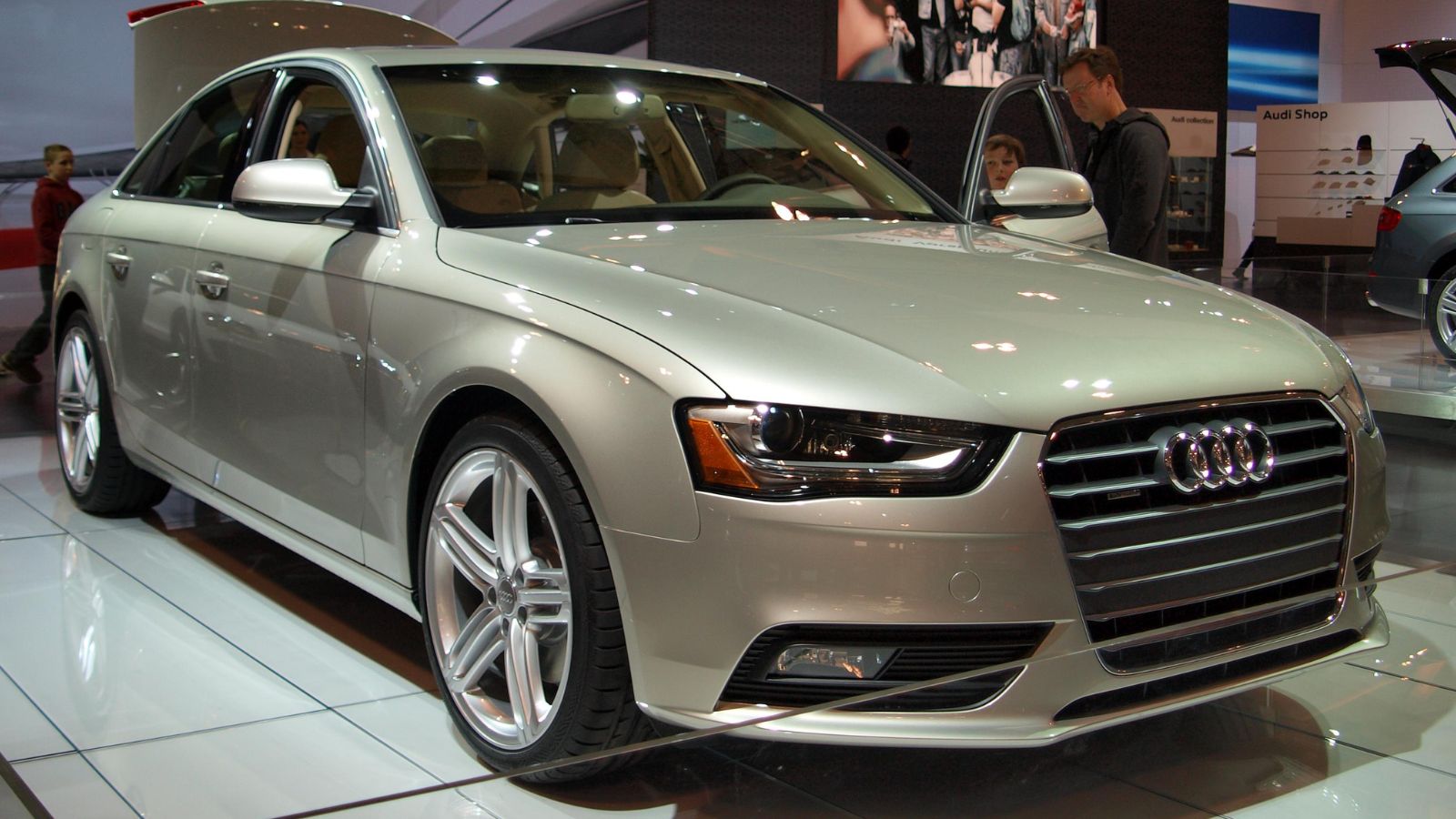
Early versions of Audi’s 2.0 litre turbocharged engine developed excessive oil consumption issues due to piston ring design. Owners reported frequent oil top ups and, in severe cases, engine rebuilds. Though later corrected, the damage to trust lingered.
Hyundai Sonata and the Theta II 2.4L
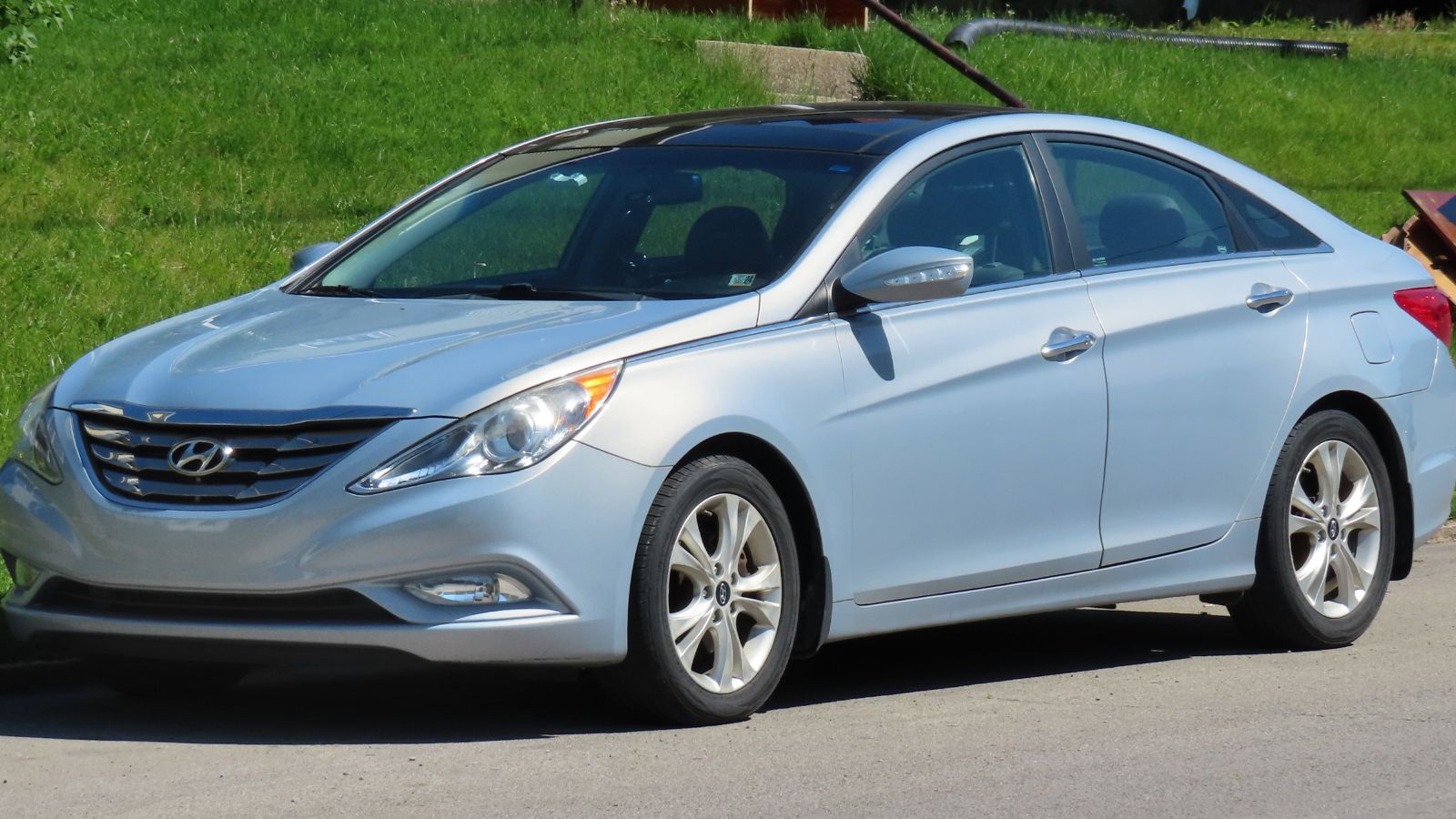
The Theta II 2.4 litre engine faced recalls related to bearing wear and potential engine seizure. Metal debris left during manufacturing processes contributed to failures in some units. Hyundai extended warranties and issued recalls, but the engine remains controversial among used car buyers.
Bad Motors

Bad engines rarely exist in isolation. They affect brand reputation, resale value, and owner confidence long after production ends. While many of these vehicles had other strengths, their problematic powerplants overshadowed them. For used car buyers, understanding engine history is just as important as admiring the badge on the grille.
25 Facts About Car Loans That Most Drivers Don’t Realize

Car loans are one of the most common ways people fund car purchases. Like any other kind of loan, car loans can have certain features that can be regarded as an advantage or a disadvantage to the borrower. Understanding all essential facts about car loans and how they work to ensure that you get the best deal for your financial situation is essential. Here are 25 shocking facts about car loans that most drivers don’t realize:
25 Facts About Car Loans That Most Drivers Don’t Realize
