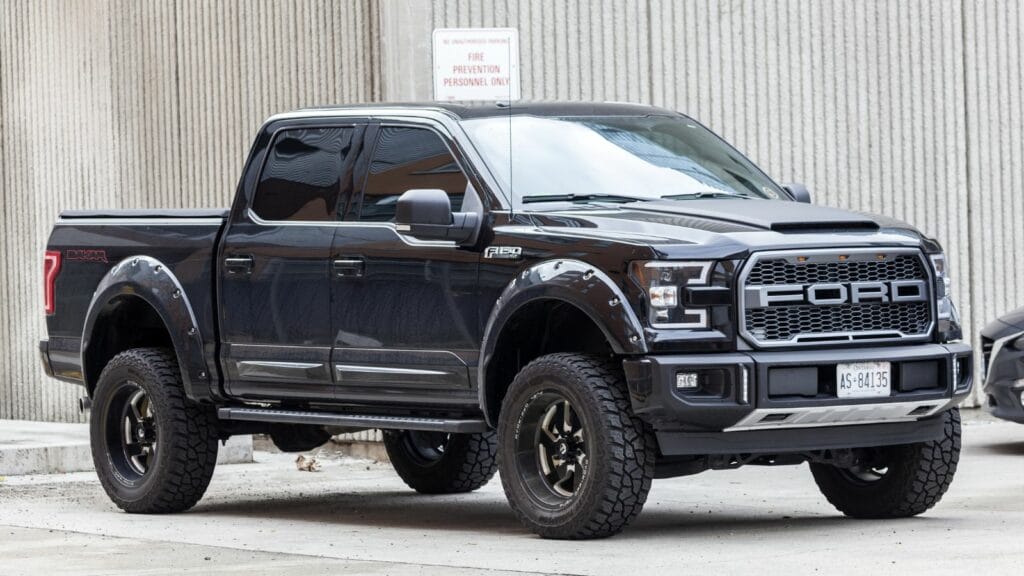
For decades, Canadian cities adapted themselves to cars getting bigger. Wider lanes, taller parking garages, reinforced curbs. Now the conversation may be turning the other way. Faced with congestion, pedestrian safety concerns, emissions targets, and aging infrastructure, policymakers could soon begin asking an uncomfortable question. Do the largest vehicles actually belong in dense urban cores at all hours of the day?
The idea sounds extreme, but similar proposals are already being discussed quietly in planning departments and transportation studies.
How the Idea Is Taking Shape
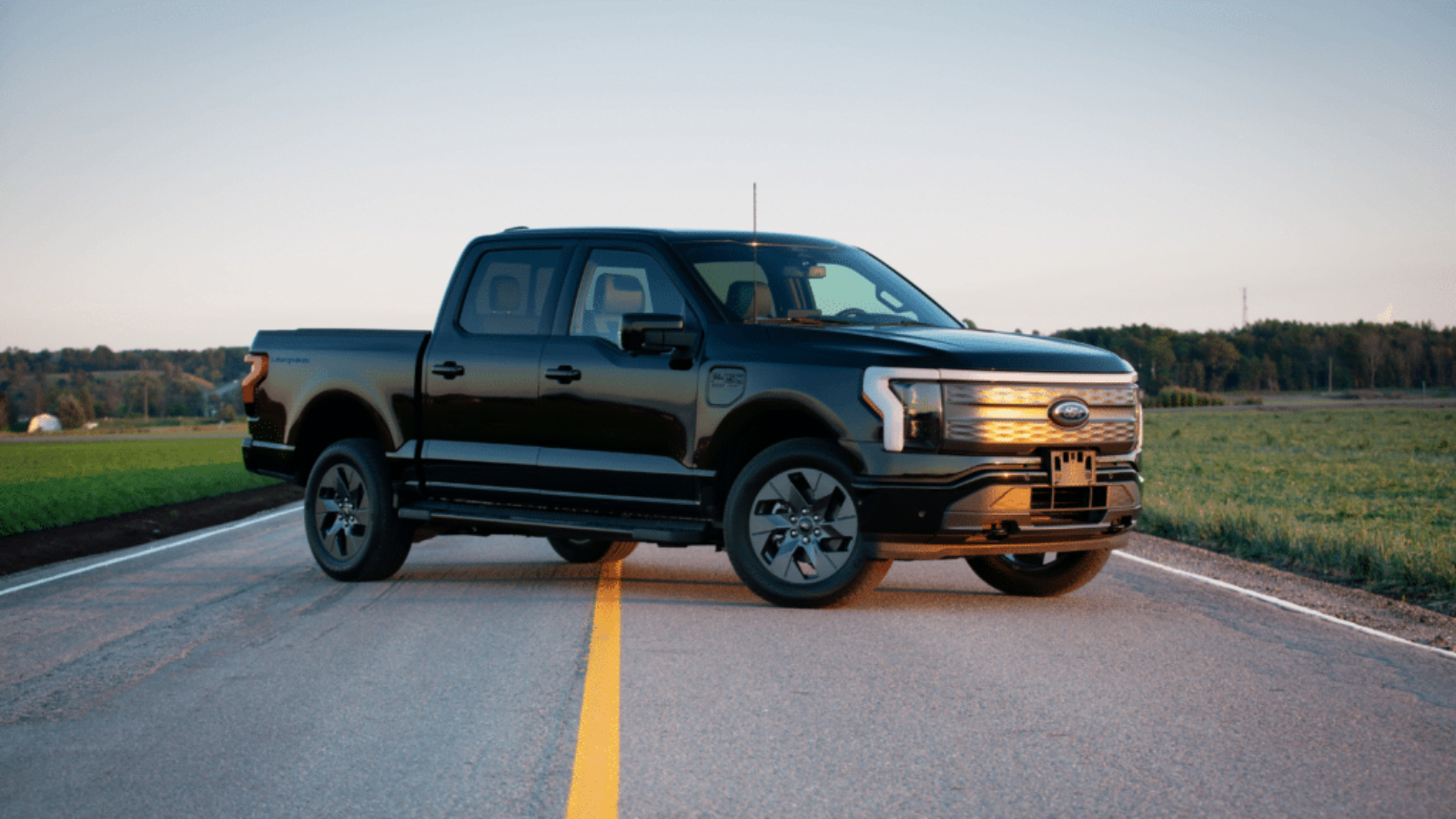
Urban planners have been tracking vehicle size growth for years. Modern full size pickups and large SUVs are significantly wider, taller, and heavier than vehicles from even fifteen years ago. In tight downtown environments, that size creates knock on effects. Narrowed sightlines at crosswalks, increased damage in low speed collisions, higher curb and road wear, and reduced space for cyclists and pedestrians.
Rather than banning vehicles outright, policymakers are exploring time based restrictions. The goal would be to limit the impact during peak congestion hours, not eliminate ownership.
What a Time-Based Ban Could Look Like
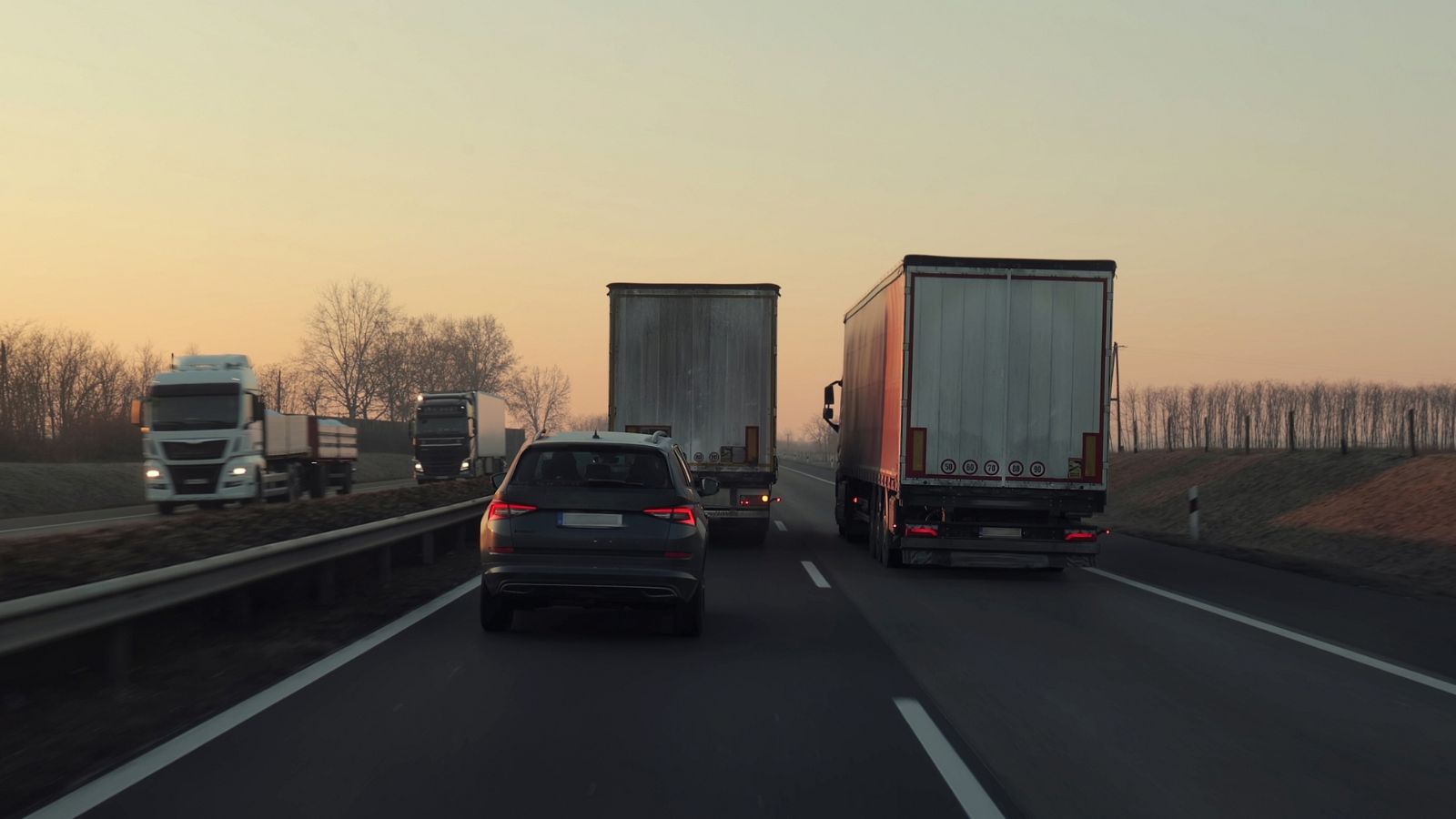
Under a hypothetical framework, the largest vehicles would be restricted from entering core downtown zones during weekday rush hours. Morning and late afternoon windows would be the primary focus. Outside those hours, access would return to normal.
This approach mirrors existing delivery truck restrictions already used in some Canadian cities. The difference is scale. Instead of targeting commercial vehicles only, size thresholds would apply to private passenger vehicles as well.
Which Vehicles Would Be Affected
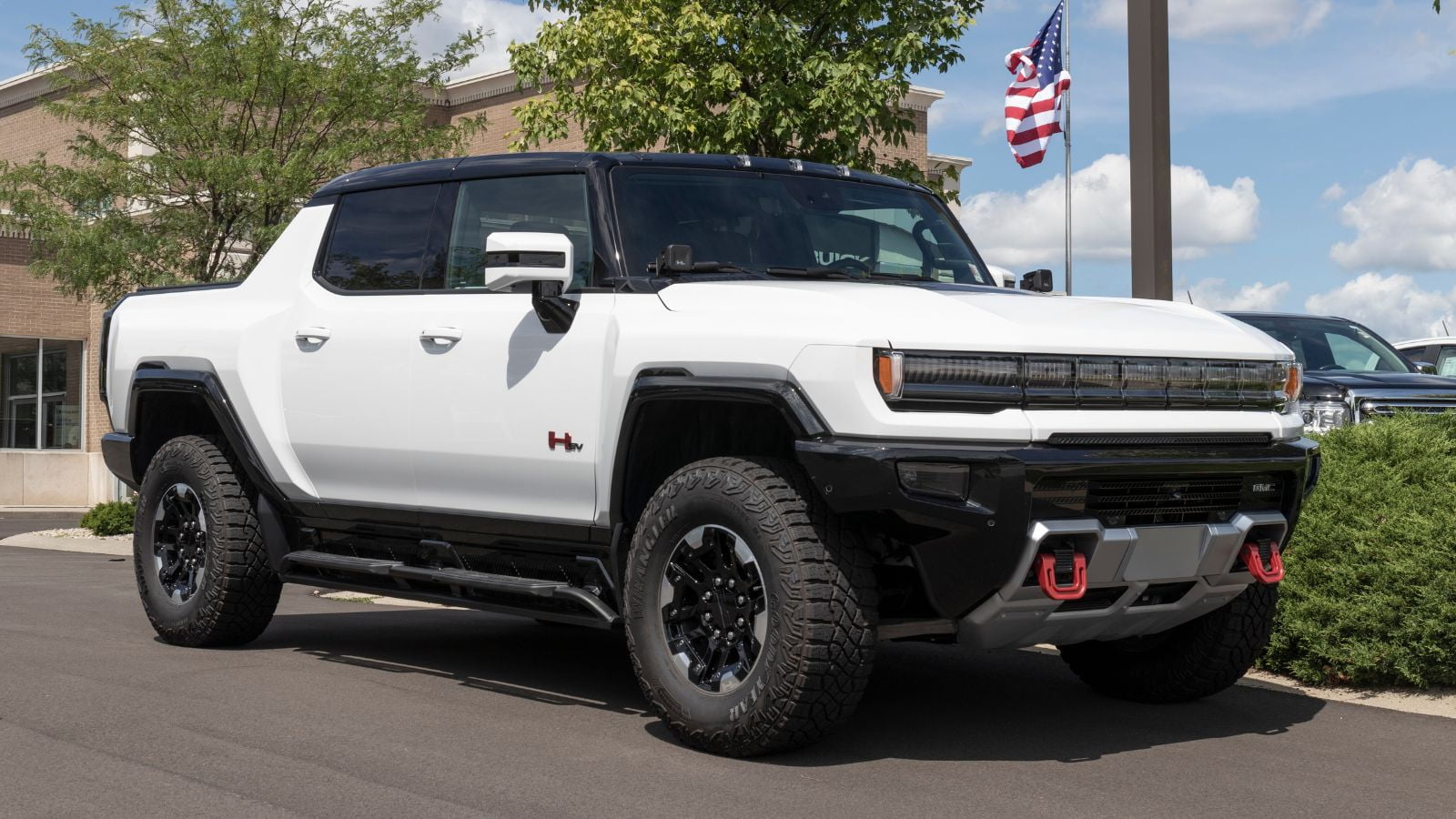
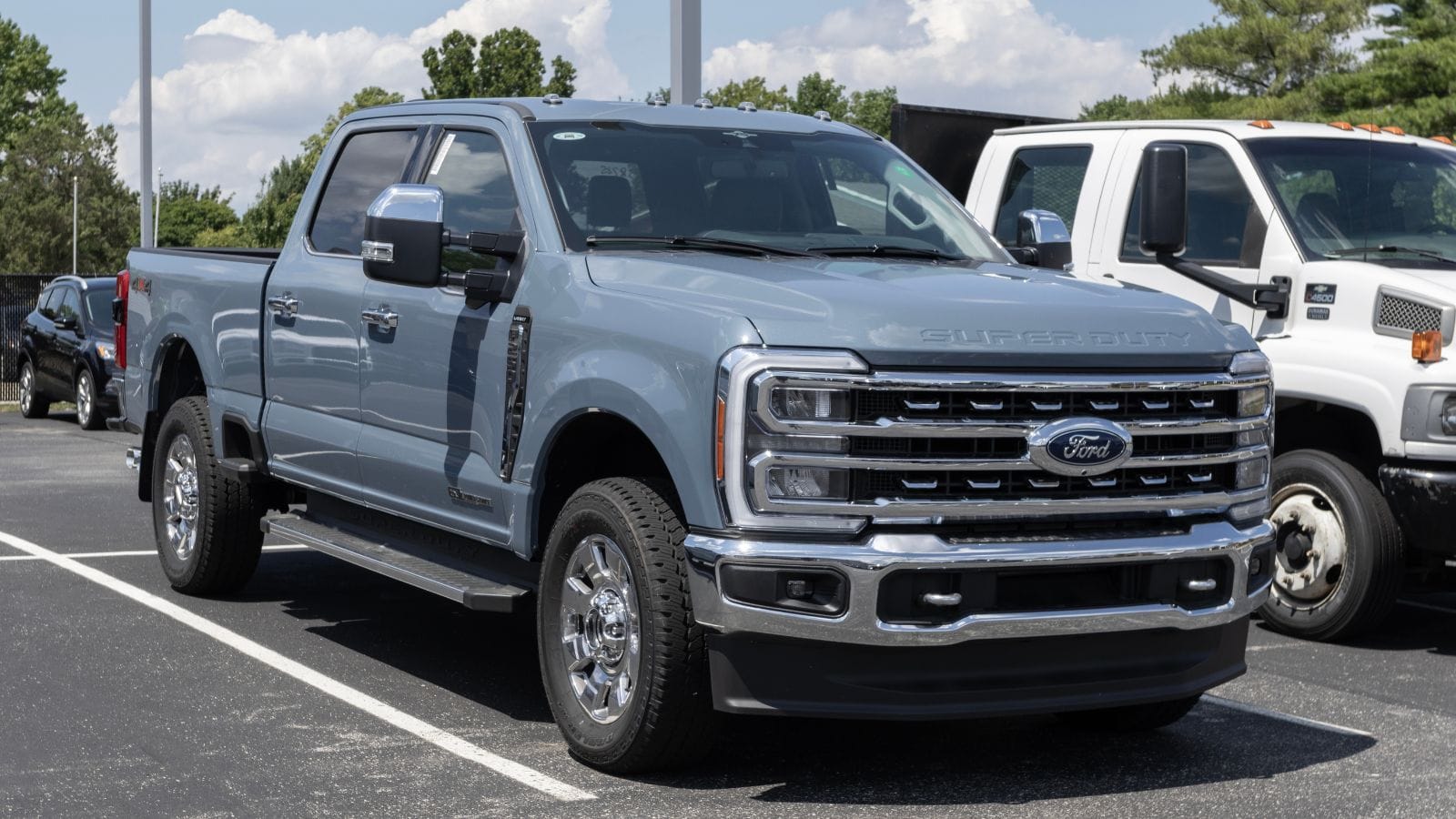
The focus would likely be on vehicles exceeding specific width, height, or weight limits rather than brand or body style. Full size pickups, extended length SUVs, and certain luxury off-road oriented models would be the most impacted.
Mid size SUVs, crossovers, and compact pickups would likely fall below the threshold. The intent would be to discourage the largest and heaviest vehicles in the densest spaces, not punish everyday family transport.
Safety Is the Political Justification
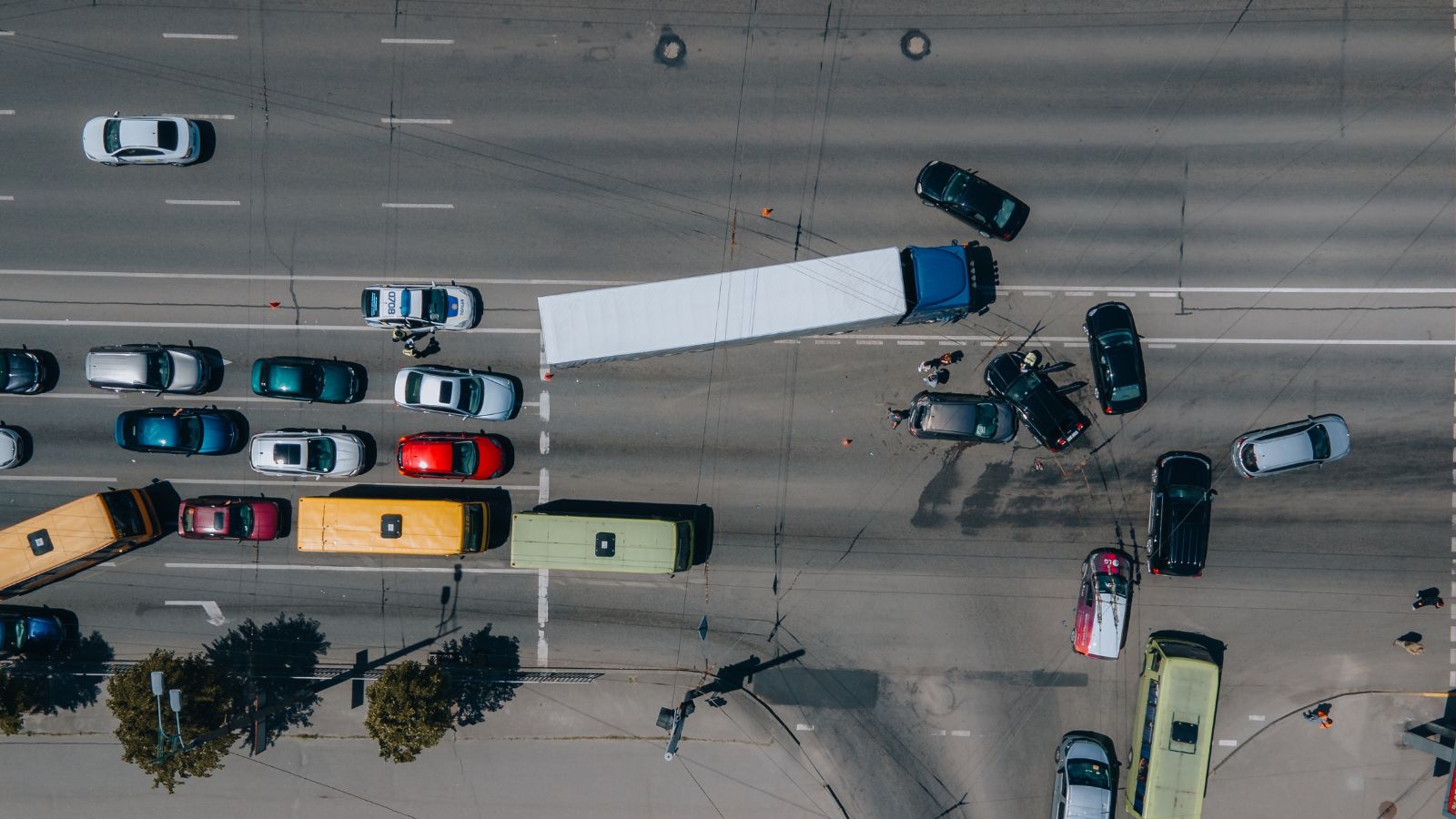
Safety would be the headline argument. Studies consistently show that larger vehicles cause more severe injuries to pedestrians and cyclists in urban collisions. Higher hoods and flatter front ends reduce visibility of children and shorter adults near the vehicle.
By limiting access during high foot traffic periods, cities could argue they are reducing risk without forcing drivers to give up their vehicles entirely.
Infrastructure and Cost Pressures
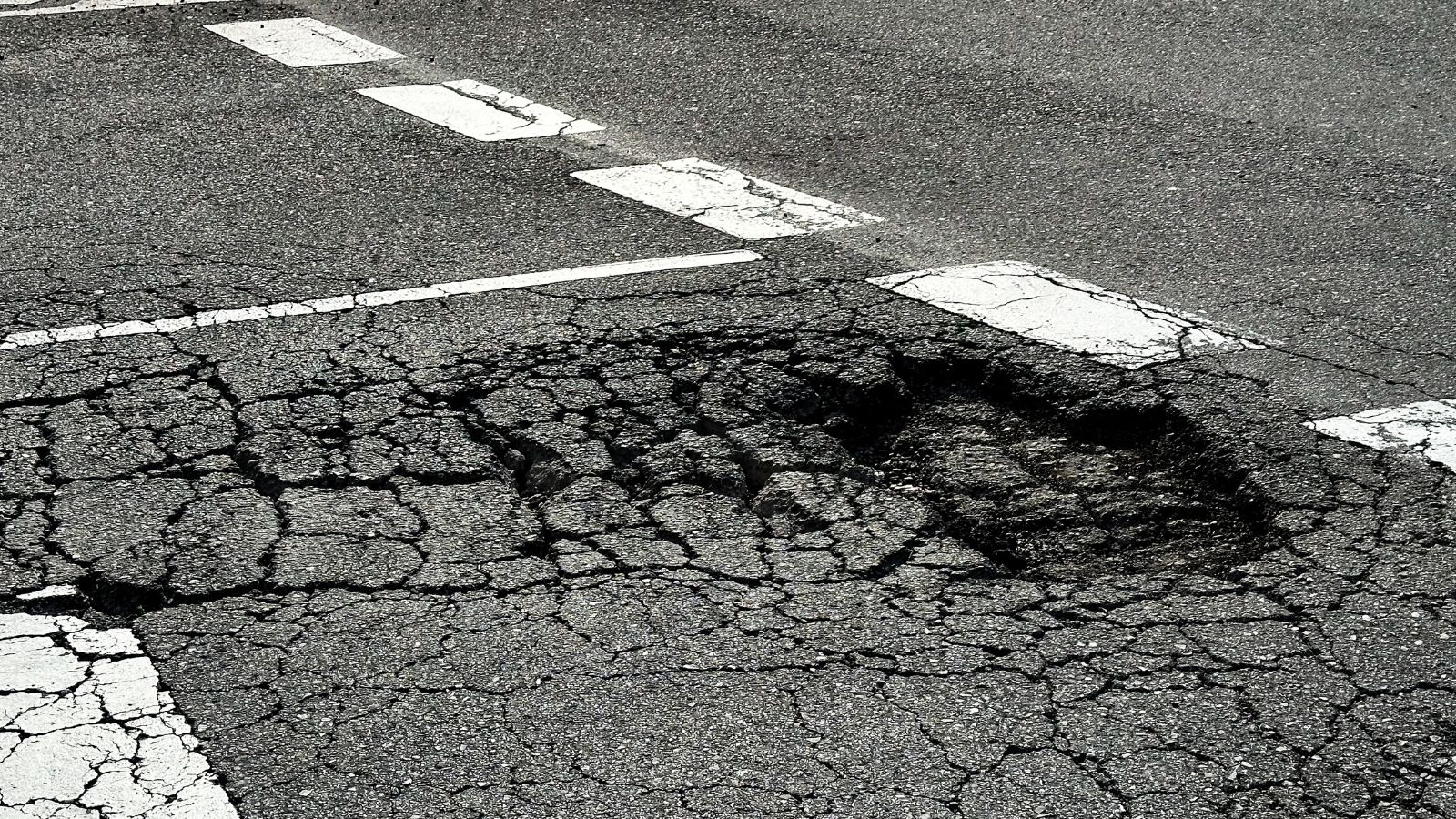
Road damage increases exponentially with vehicle weight. Heavier vehicles accelerate wear on pavement, bridges, and underground infrastructure. In older city cores, that maintenance burden is becoming harder to ignore.
Restricting heavy vehicles during peak hours could be framed as an infrastructure preservation measure rather than a lifestyle attack, making it more politically palatable.
Climate and Emissions Targets

Large vehicles generally produce higher emissions, especially in stop and go traffic. Urban idling, short trips, and congestion amplify that impact. Time based restrictions would allow cities to claim emissions reductions without implementing blanket bans or new taxes.
For municipalities under pressure to meet climate commitments, this kind of policy offers visible action with limited enforcement complexity.
How Enforcement Would Work

Enforcement would likely rely on automated systems. License plate readers, vehicle registration databases, and city zone cameras already exist. Size classifications could be tied to registration records, triggering fines automatically if a restricted vehicle enters during prohibited hours.
Physical checkpoints would be unlikely. The system would function much like congestion charges or bus lane enforcement.
Exemptions and Pushback
Tradespeople, emergency services, and accessibility needs would almost certainly receive exemptions. Residents living within restricted zones might also be granted permits.
Still, public reaction would be intense. Pickup owners in particular would see it as discrimination against practical vehicles. Rural and suburban drivers commuting into cities would argue the policy ignores real world needs.
Why This Is Politically Risky

Cars are emotional purchases. Trucks even more so. Any policy that singles out vehicle size risks backlash, especially in provinces where pickups dominate sales charts.
Lawmakers would need to frame restrictions carefully. Not as punishment, but as targeted urban management. Messaging would matter more than the rule itself.
Why It Might Still Happen
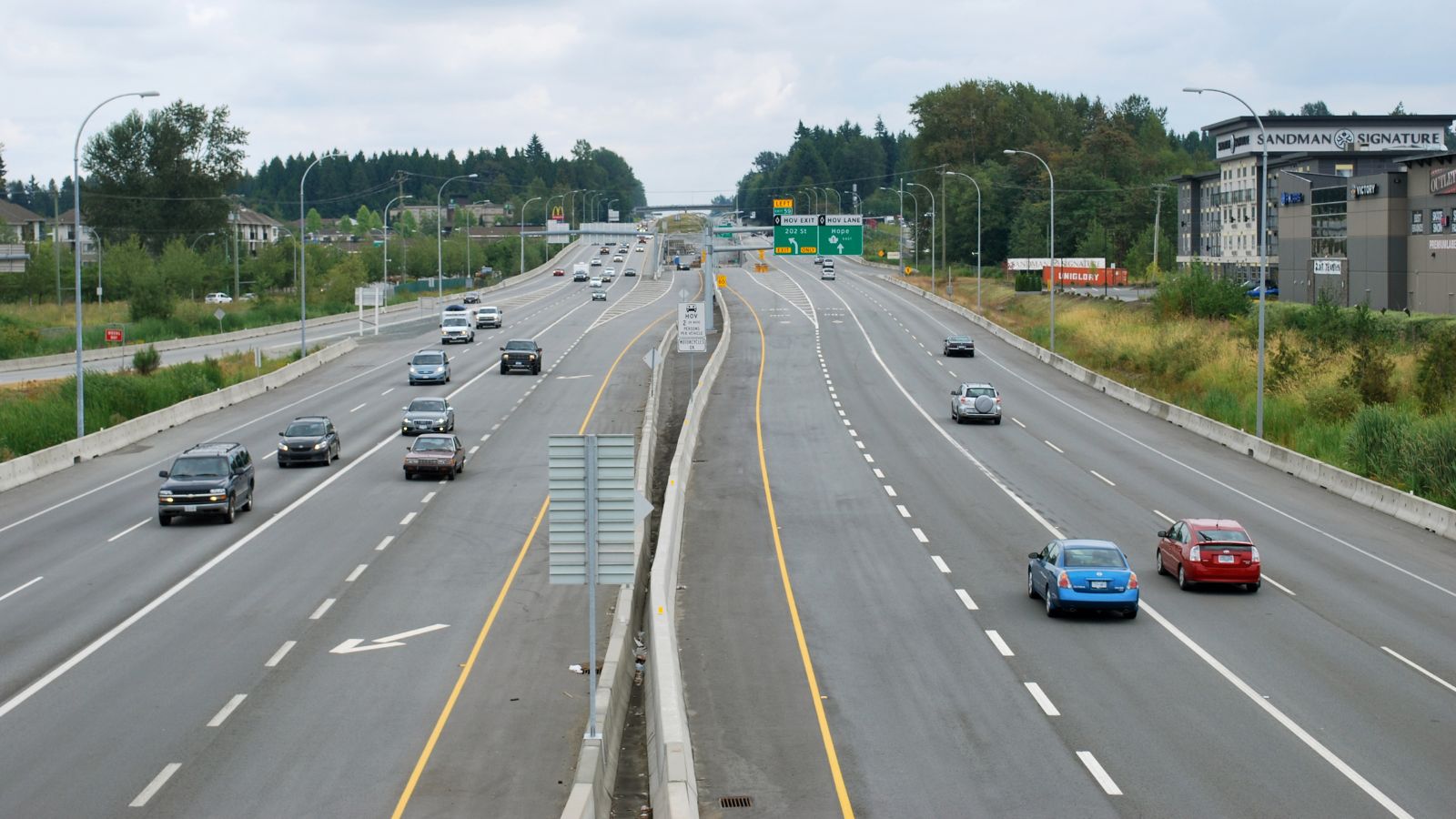
Cities are running out of space and patience. Congestion is worsening, pedestrian fatalities are rising, and infrastructure budgets are stretched thin. Time based vehicle restrictions allow governments to look proactive without forcing immediate, sweeping change.
What sounds hypothetical today often becomes reality quietly, pilot project first, permanent policy later.
If such bans arrive, they will not be announced as an attack on trucks or big SUVs. They will be framed as safety windows, congestion relief tools, or infrastructure protection measures. For drivers of large vehicles, the impact may not be losing the truck. It may simply be losing the freedom to take it anywhere, anytime, without consequence.
25 Facts About Car Loans That Most Drivers Don’t Realize

Car loans are one of the most common ways people fund car purchases. Like any other kind of loan, car loans can have certain features that can be regarded as an advantage or a disadvantage to the borrower. Understanding all essential facts about car loans and how they work to ensure that you get the best deal for your financial situation is essential. Here are 25 shocking facts about car loans that most drivers don’t realize:
25 Facts About Car Loans That Most Drivers Don’t Realize
