The term SUV is everywhere these days. But for many models on the market, it’s mostly a marketing term. True SUVs combine rugged capability, optional four-wheel drive, decent ground clearance, and the ability to handle unpaved roads with confidence. In contrast, many vehicles wearing the SUV badge are really tall hatchbacks with glued-on plastic cladding fine for shopping and highway cruising but ill-equipped for anything beyond pavement.
Here are ten SUVs that are SUVs in name only, great for styling and cargo space, but not much else when the road ends.
Nissan Qashqai
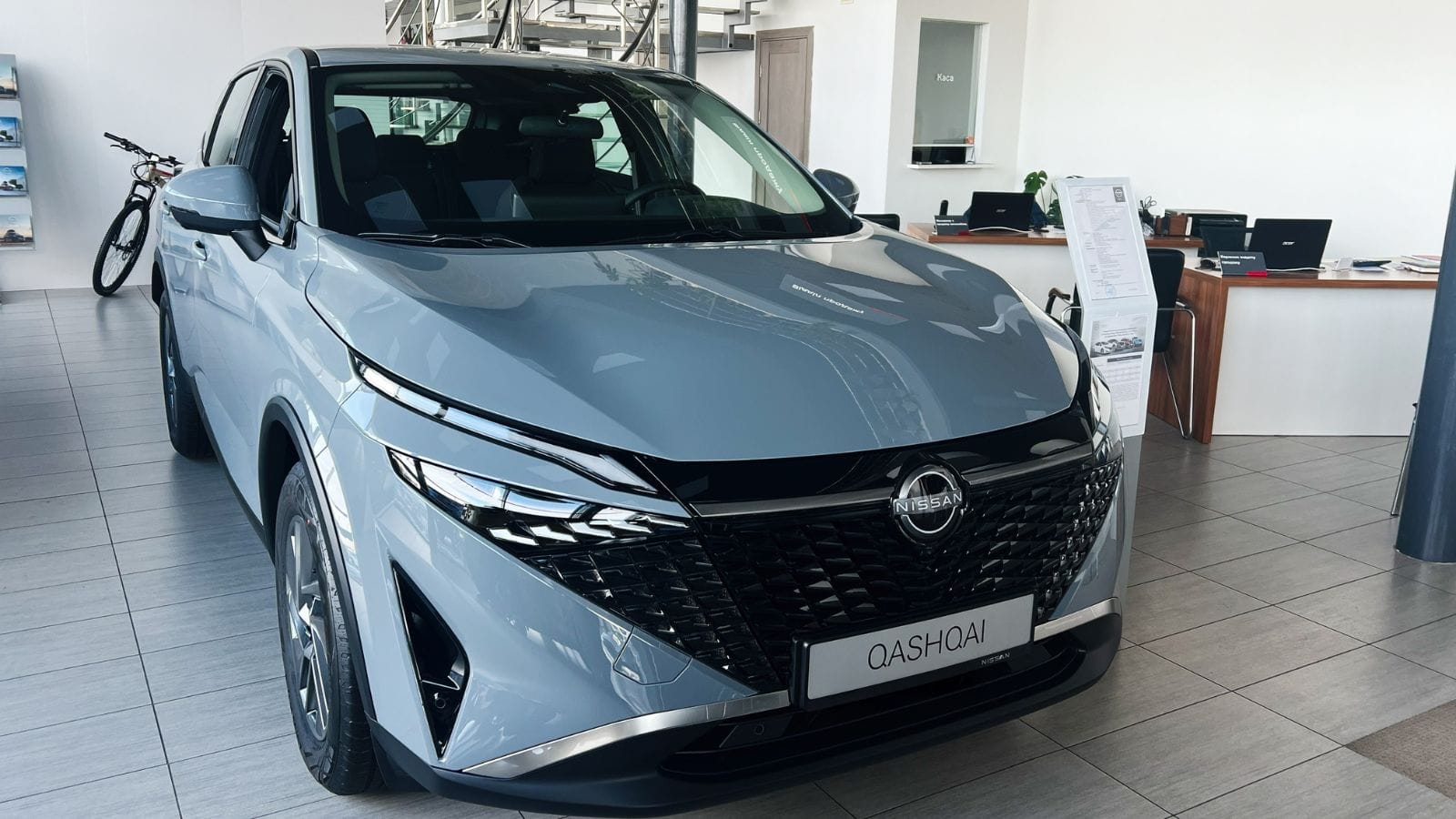
The Qashqai helped popularize the crossover movement, but its abilities stop at mild gravel. Ground clearance is low, front-wheel drive is standard, and even AWD variants lack the hardware needed for real trail work. It’s a comfortable commuter, not an off-road explorer.
Honda HR-V
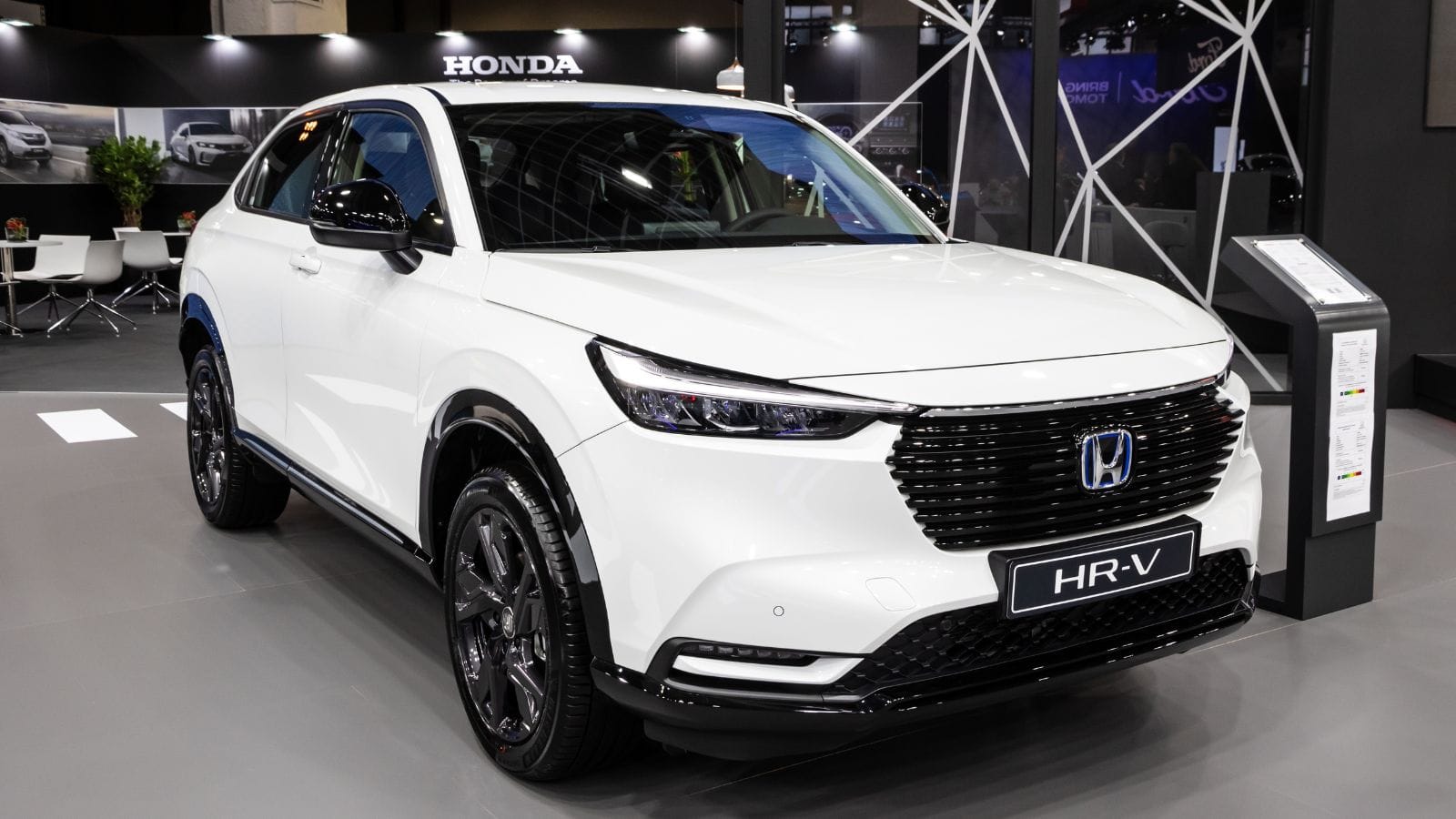
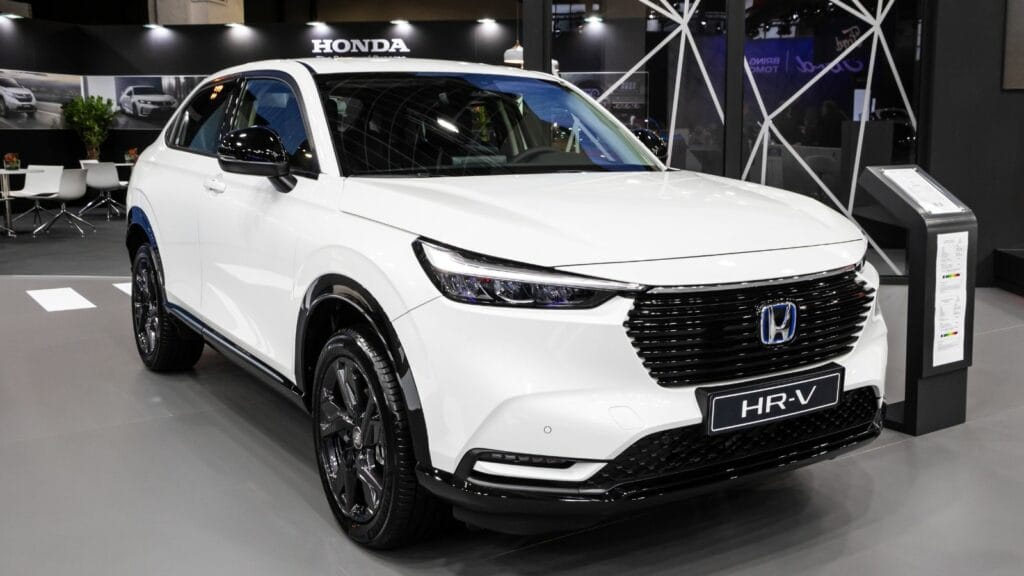
Built on a car platform with economy priorities, the HR-V offers excellent practicality and fuel economy. What it doesn’t offer is capability. With modest ride height and front-drive bias, it struggles on loose surfaces and steep grades compared to true SUVs.
Toyota C‑HR
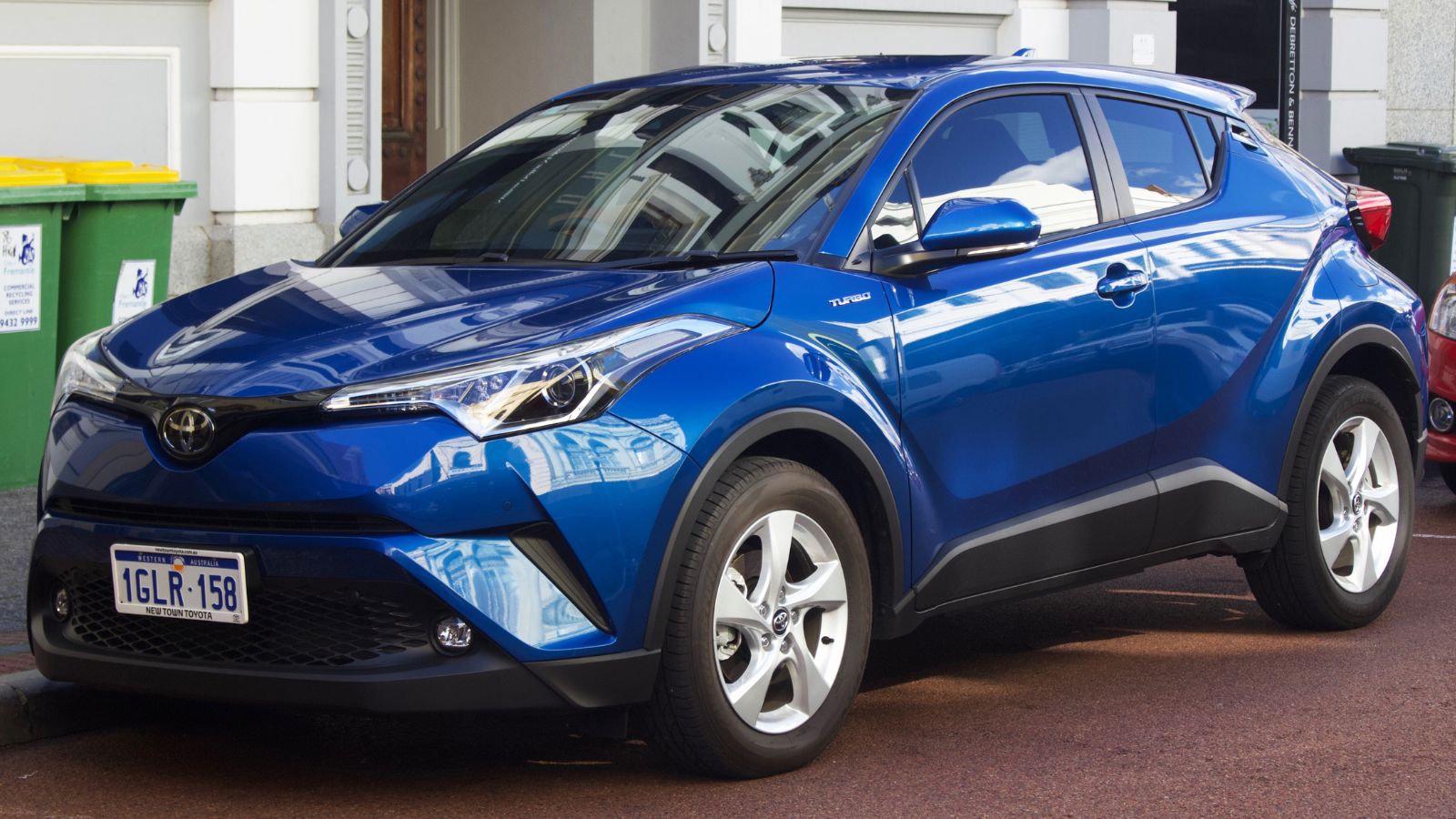
The CH-R emphasizes coupe-like styling over utility. There’s no AWD option in Canada, and its low suspension travel ensures it remains firmly an urban machine. Rugged roads and trails? Not its intention.
Mazda CX‑30
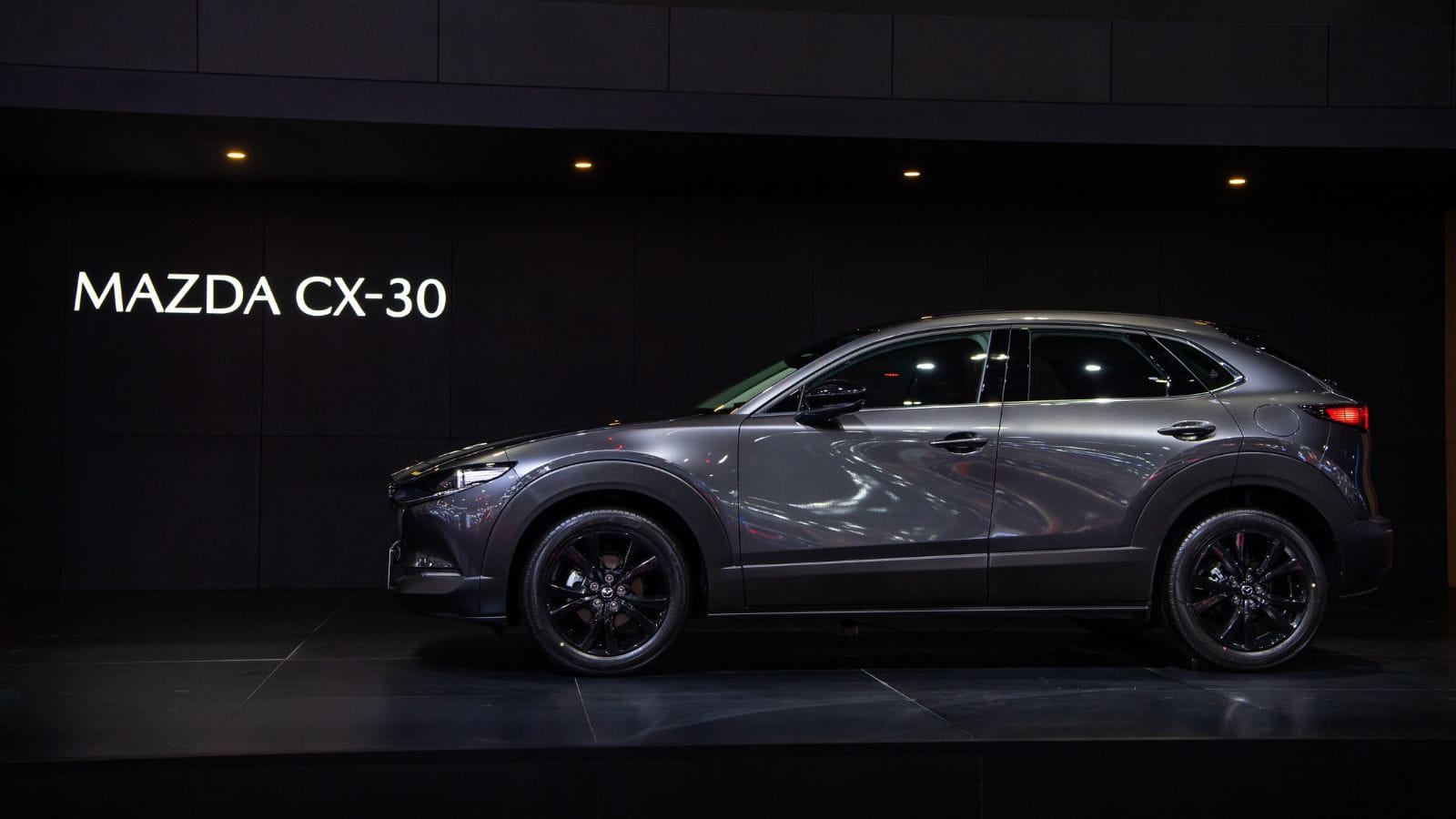
The CX-30 is stylish, fun to drive, and comfortable — but its crossover AWD is tuned for slippery pavement more than dirt or snow tracks. Despite available AWD, its ground clearance and drivetrain logic favor traction over torque transfer, making it less capable than price and badge imply.
Volkswagen Taos
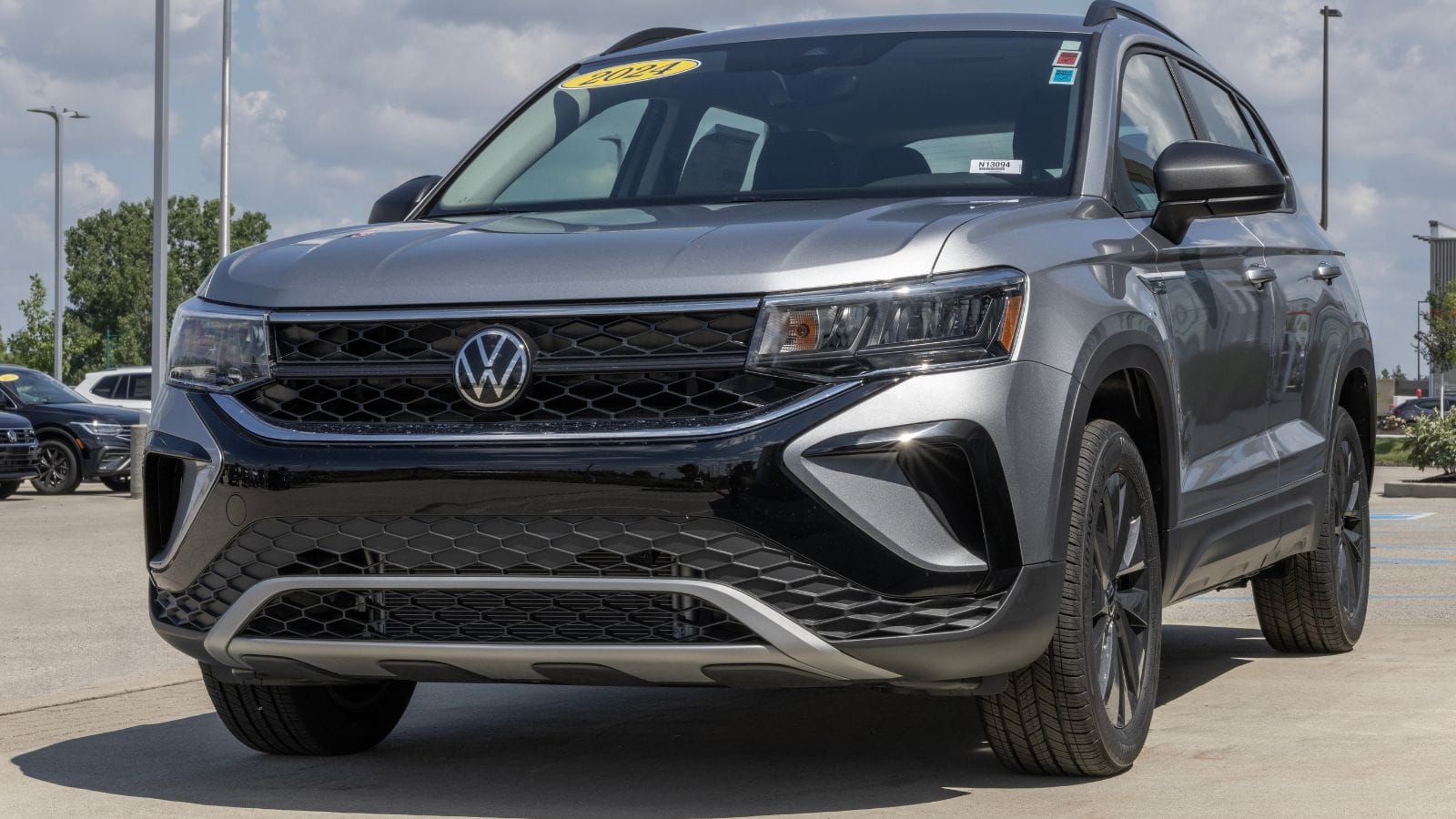
The Taos is an efficient, practical commuter with AWD optional on higher trims, but its system lacks true low-traction management. It’s excellent in rain and mild snow, but don’t expect it to tackle technical trails or deep gravel with confidence.
Hyundai Kona
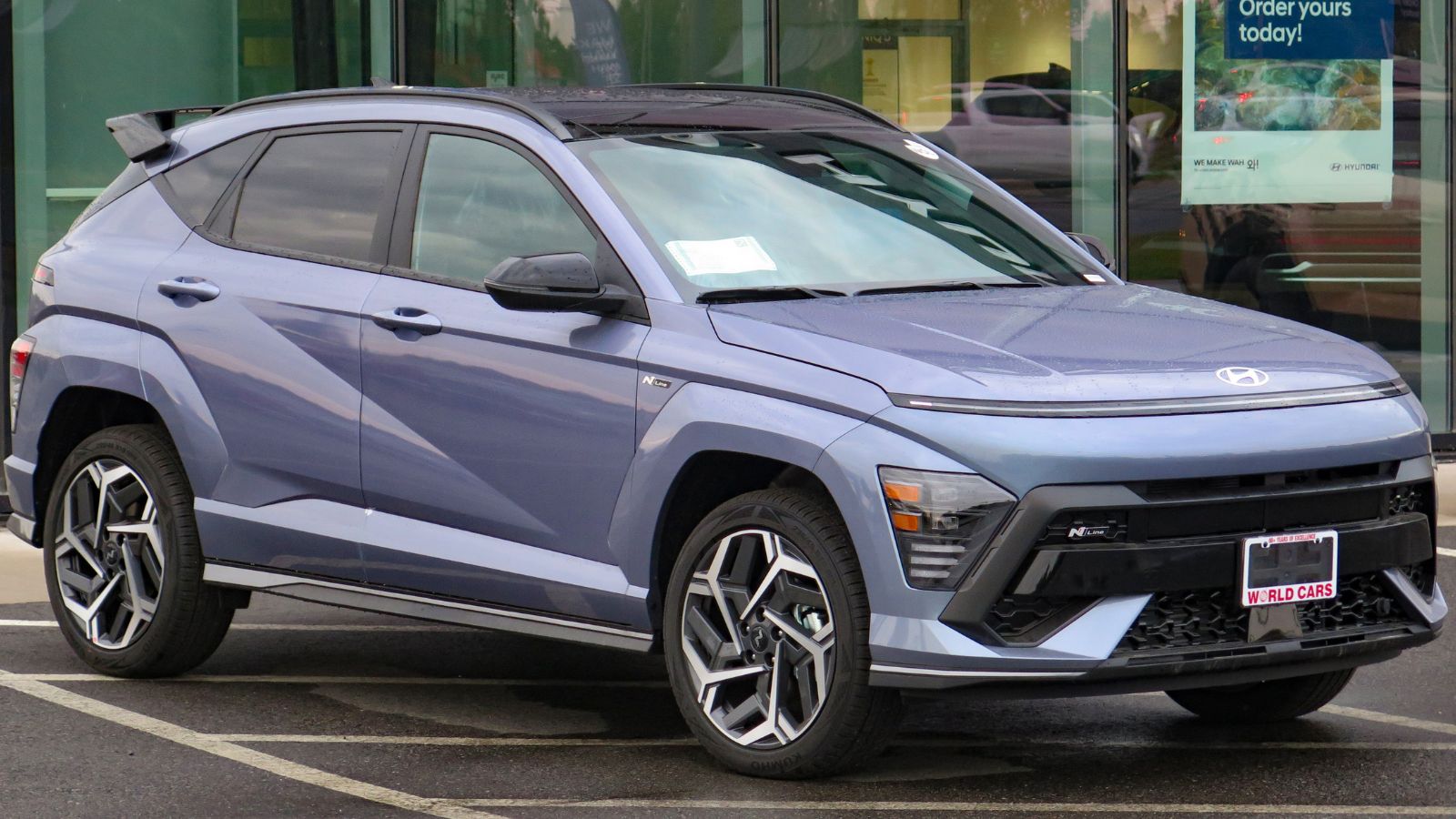
Like many subcompact crossovers, the Kona leans toward car-based design and road comfort. AWD helps on slippery roads, but it is not engineered for off-road use. Minimal ground clearance and traction systems tuned for tarmac limit its SUV credentials.
Kia Seltos
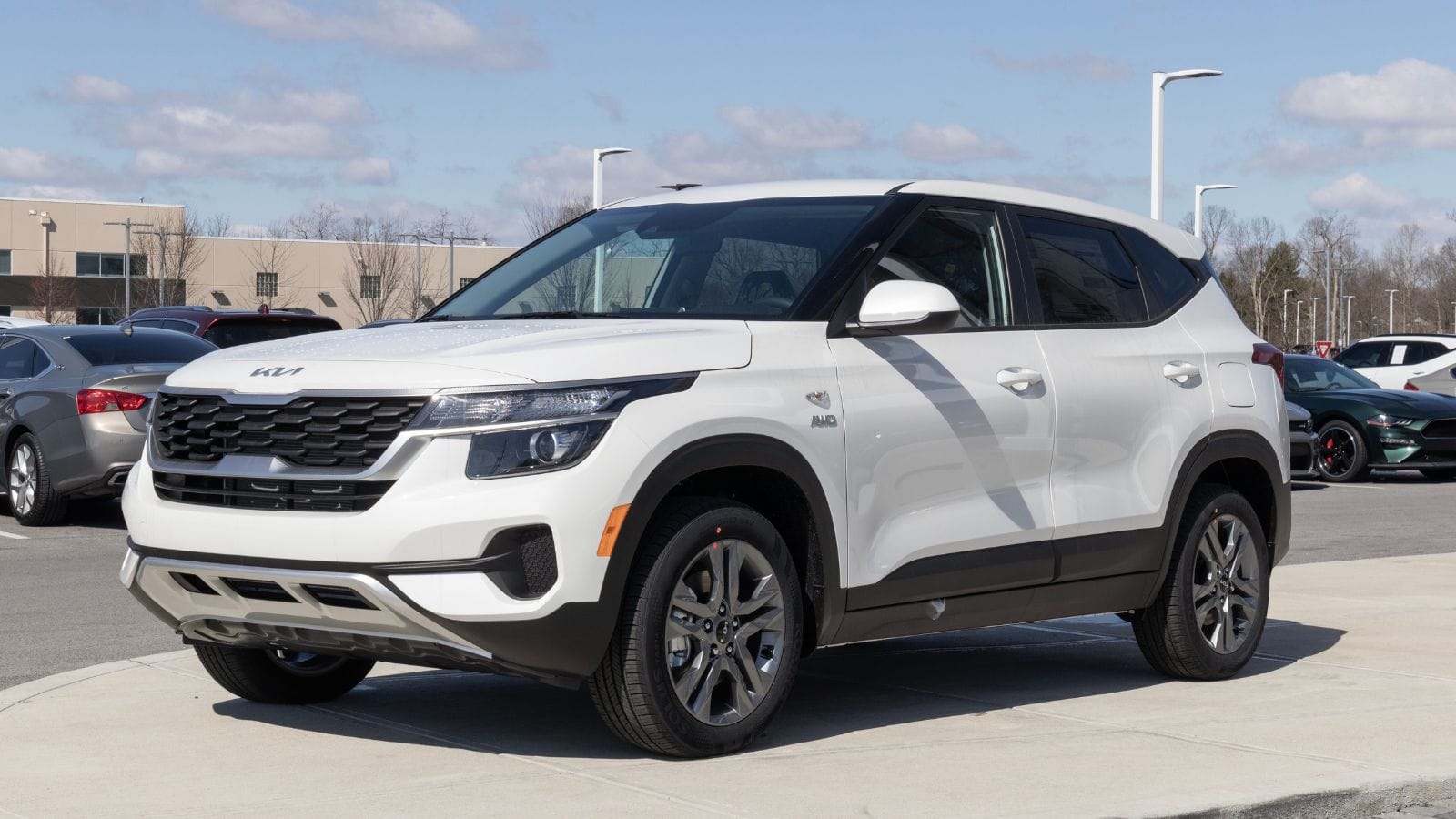
The Seltos is an attractive package with an available AWD model, but that AWD is more safety system than serious traction system. It’s great in rain and light snow but has neither the gear ratios nor suspension geometry needed for true off-pavement performance.
Chevrolet Trailblazer
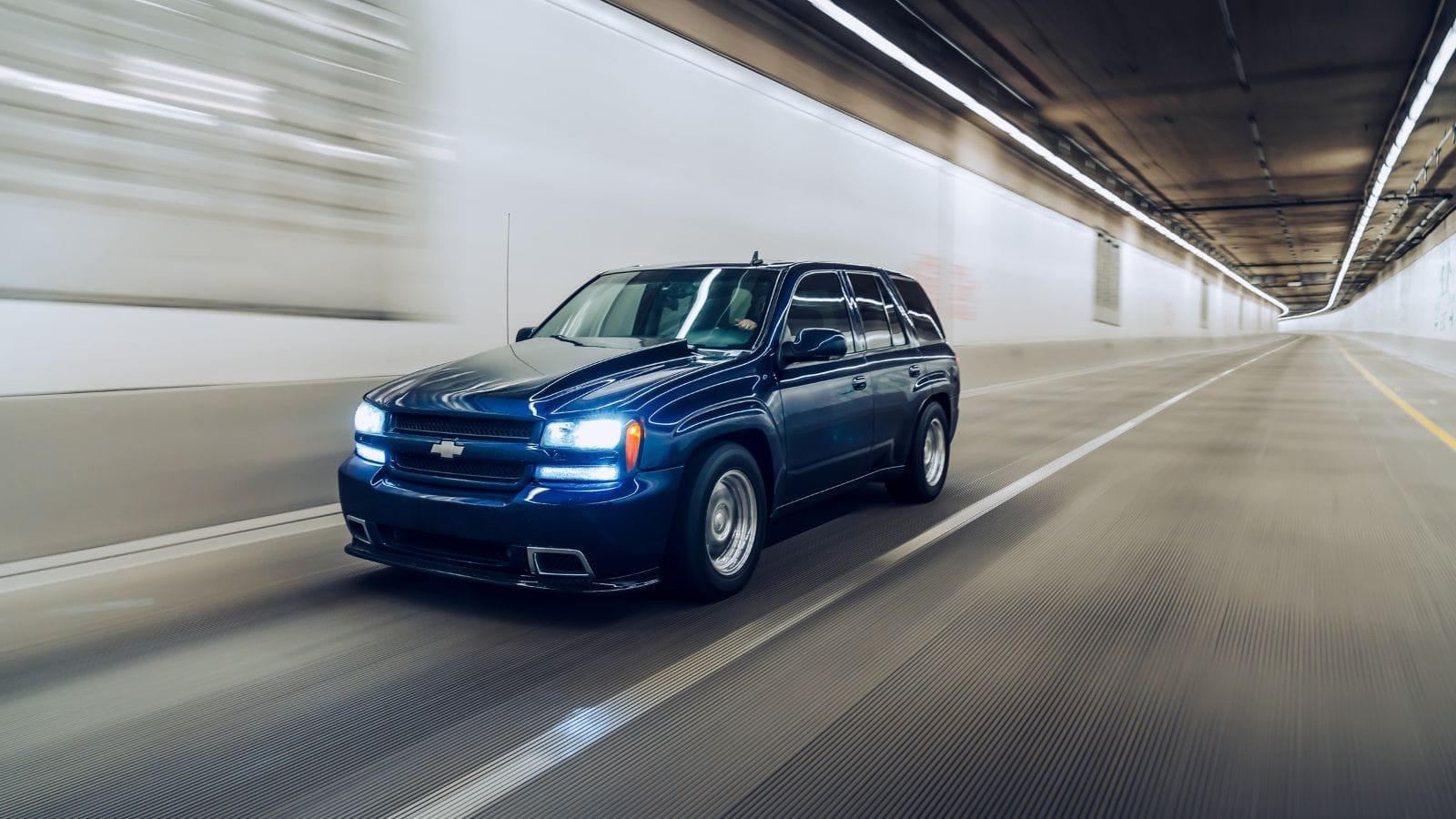
Despite its name, the Trailblazer is more civic crossover than wilderness blazer. AWD, where available, is tuned for highway stability and inclement pavement rather than technical terrain. Its low profile and soft suspension make rough roads uncomfortable and confidence low.
Ford Escape
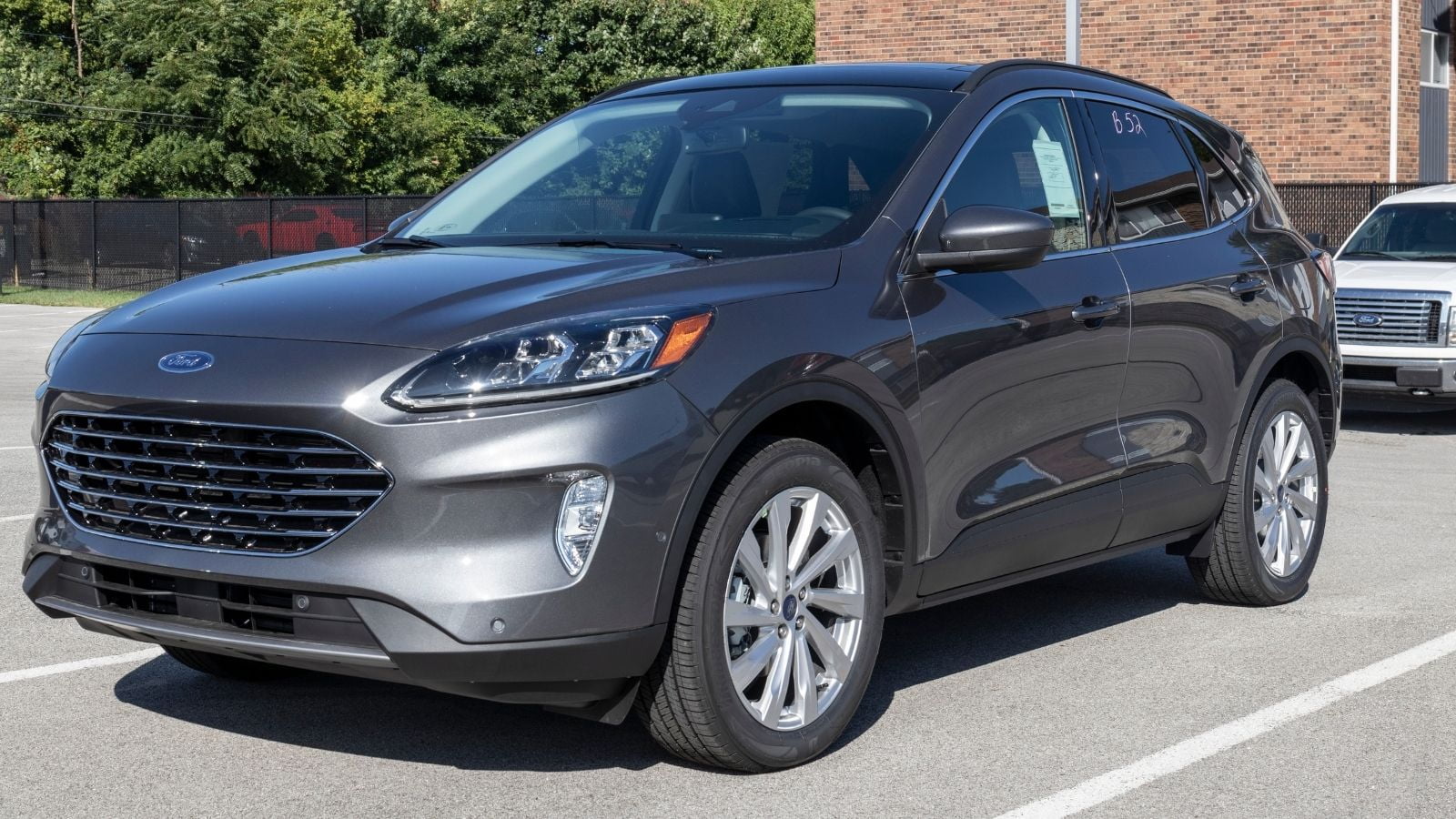
The Escape is a solid, comfortable compact SUV with available AWD, but it too stops at mild gravel and snow. Its chassis and ground clearance are tuned for efficiency and comfort, not rough roads and trail exploration.
Jeep Compass
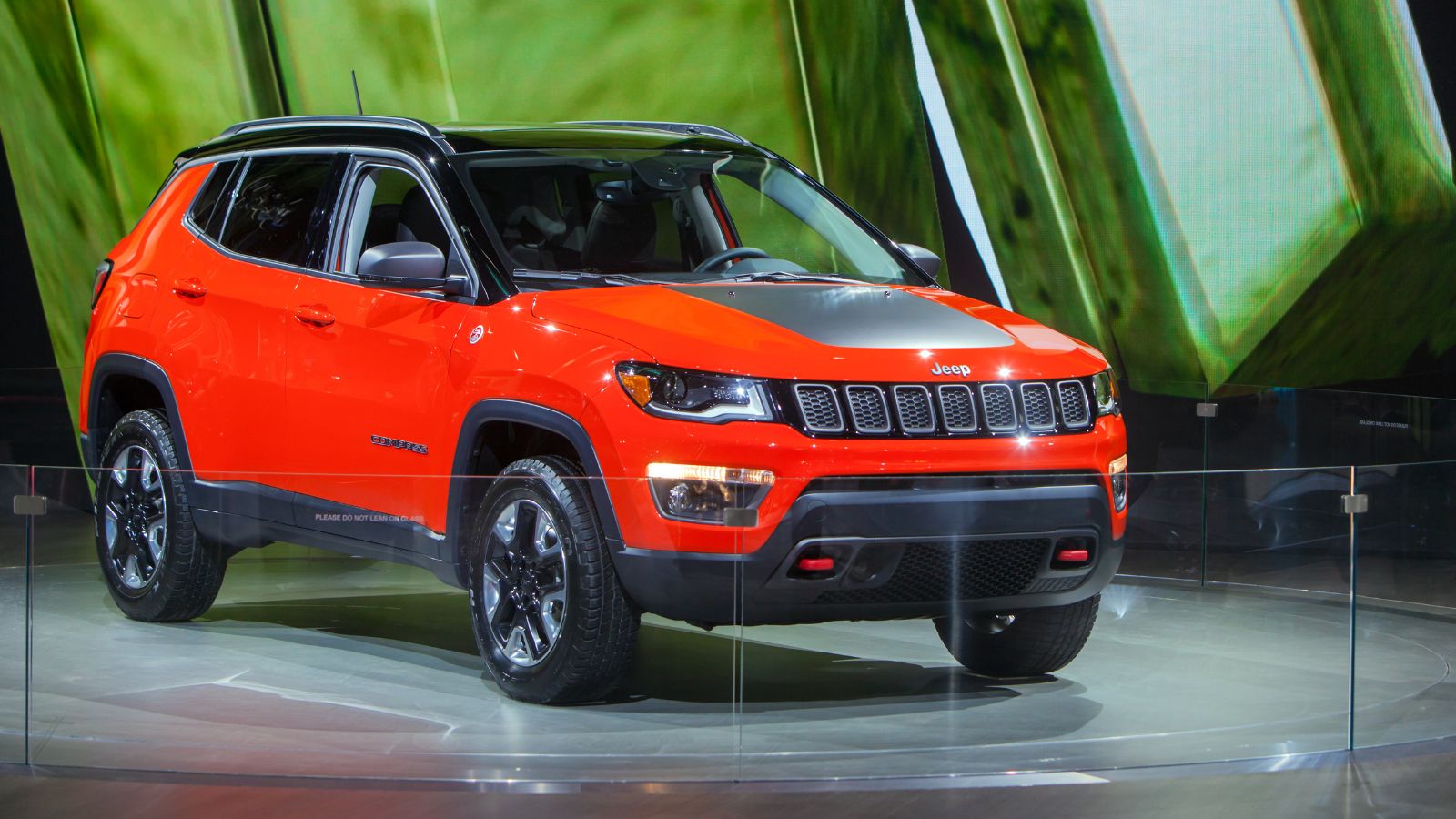
This one may surprise some readers, because Jeep heritage implies capability. The Compass offers AWD and selectable drive modes, but outside of the most off-road focused Trailhawk trim, its systems and suspension setup are closer to crossover behavior than classic Jeep 4×4 grit. Even the AWD variants struggle once terrain gets technical.
25 Facts About Car Loans That Most Drivers Don’t Realize

Car loans are one of the most common ways people fund car purchases. Like any other kind of loan, car loans can have certain features that can be regarded as an advantage or a disadvantage to the borrower. Understanding all essential facts about car loans and how they work to ensure that you get the best deal for your financial situation is essential. Here are 25 shocking facts about car loans that most drivers don’t realize:
25 Facts About Car Loans That Most Drivers Don’t Realize
