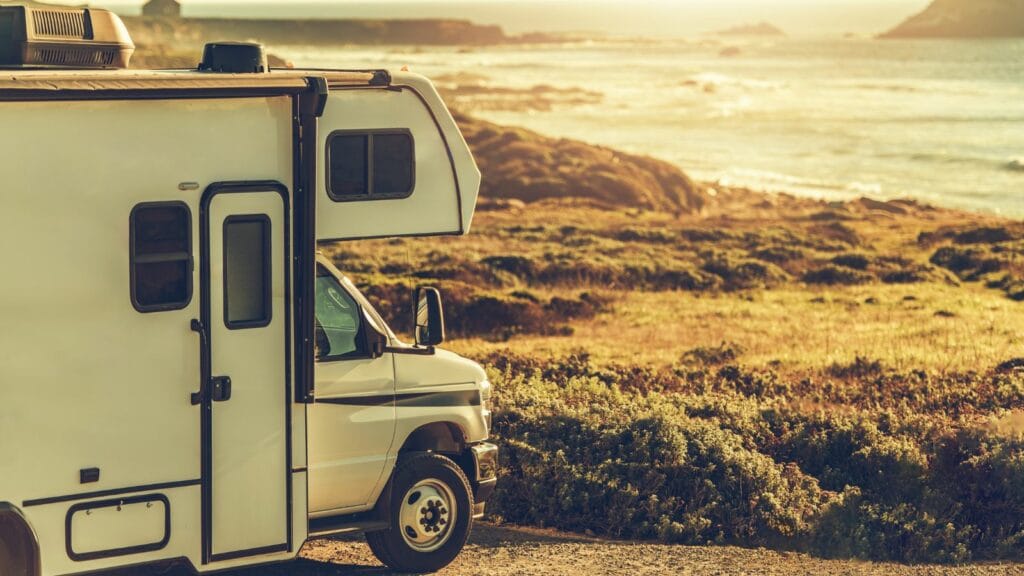
RV ownership promises freedom, flexibility, and access to places most travelers never see. But that freedom only exists as long as RV owners act responsibly. Across Canada, complaints about noise, waste, parking abuse, and environmental damage are driving stricter bylaws and outright bans. Most of these rules aren’t enforced by police first. They’re enforced by frustrated residents and land managers who’ve seen enough.
Responsible RV behavior isn’t about being overly cautious. It’s about protecting access for everyone who travels this way.
Respect Local Parking Laws
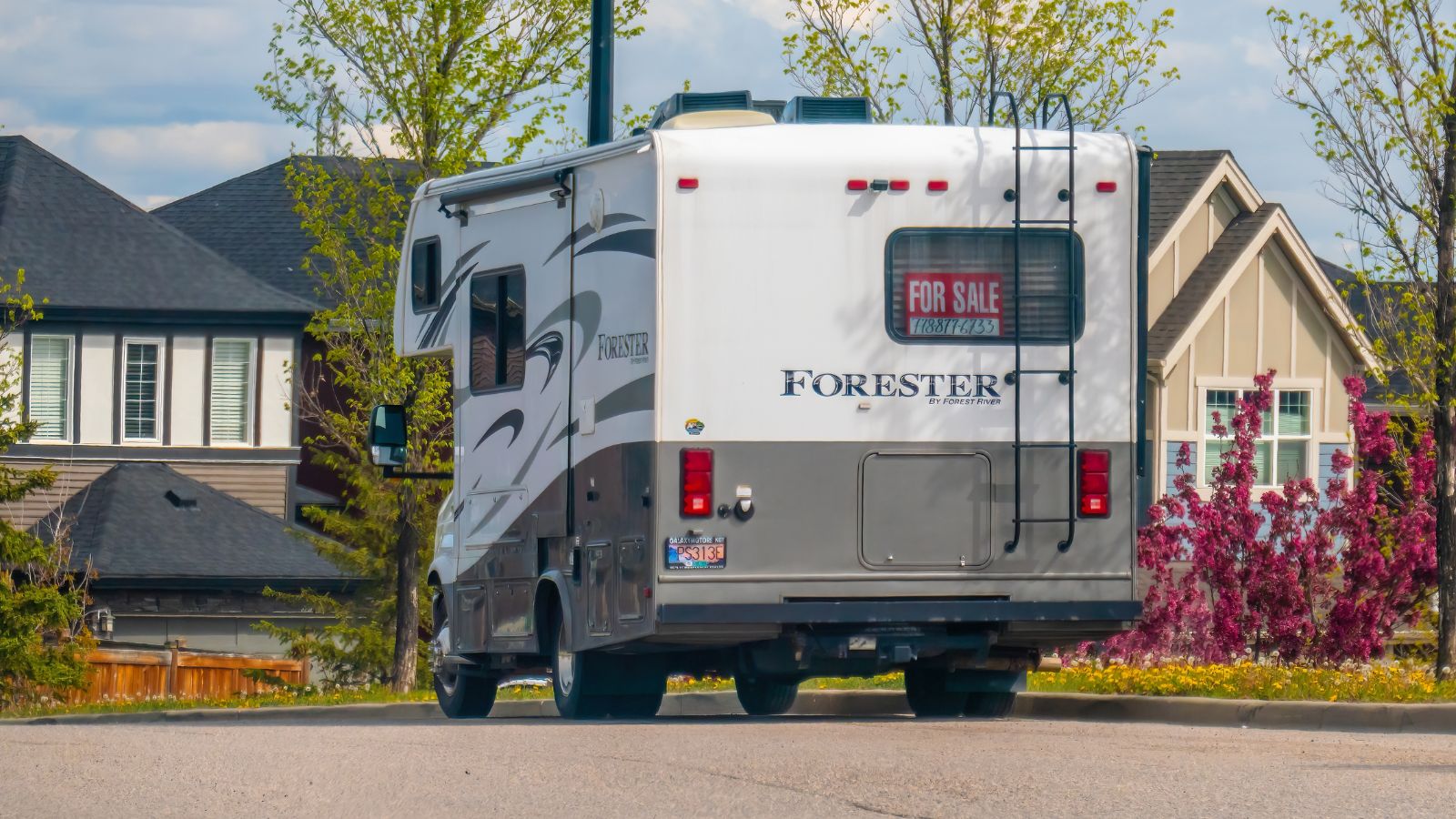
Not all towns welcome RVs the same way. Some allow overnight parking only in specific zones. Others ban it entirely. Slide-outs, levelling jacks, generators, and even window covers can violate local bylaws. Assuming “everyone does it” is how tickets get written and access disappears. Always check signage, municipal websites, and posted restrictions before settling in.
Never Dump Waste Illegally
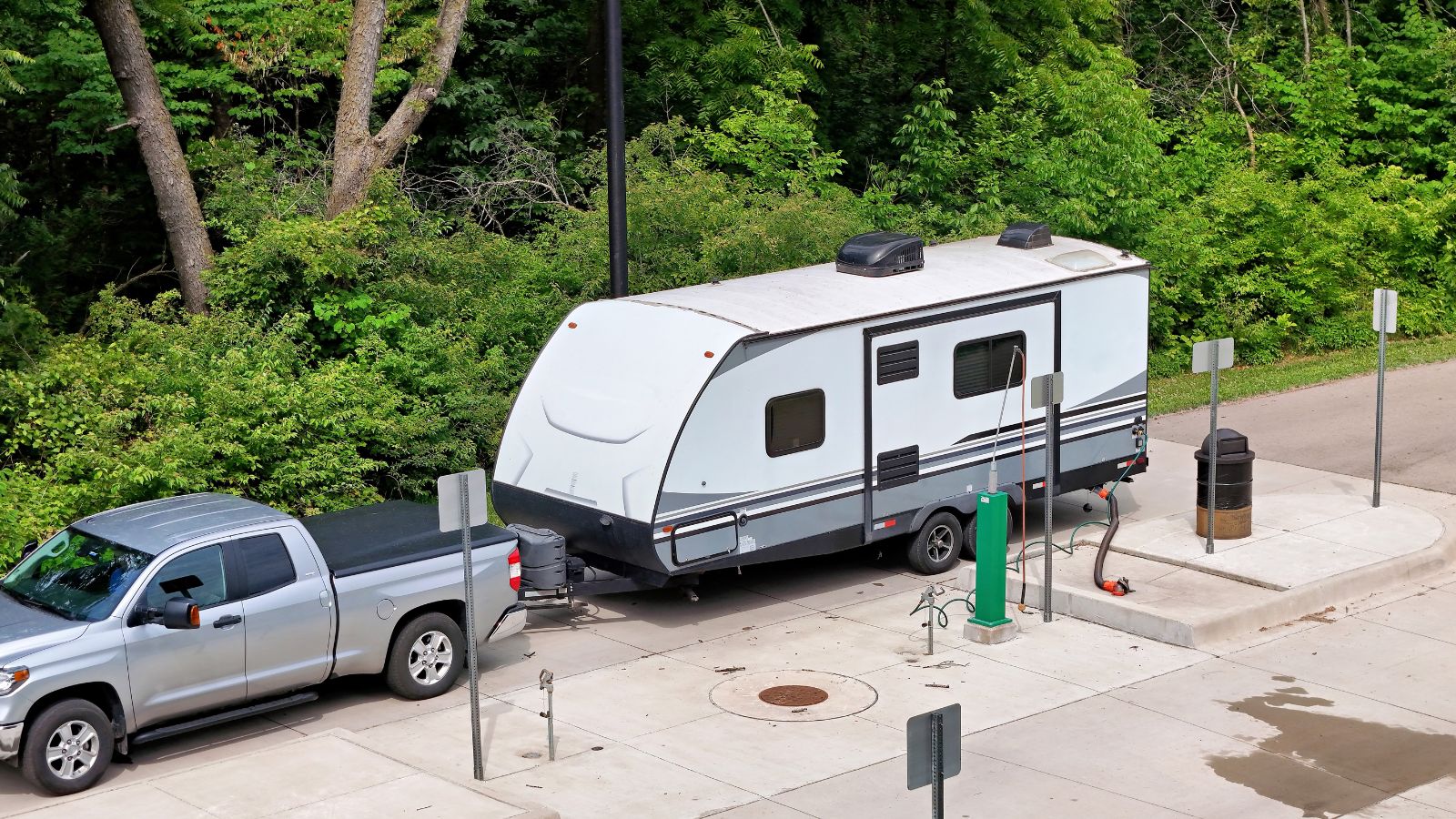
Illegal dumping is the fastest way to ruin RV access anywhere. Grey water may look harmless, but it contains soaps, food residue, and chemicals that damage soil and waterways. Black water dumping is far worse. Responsible RV owners plan their routes around dump stations and never treat public land as disposable.
Keep Noise Under Control

RV noise travels farther than most people realize, especially at night. Generators, outdoor speakers, diesel engines warming up, and even slamming doors carry through campgrounds and quiet towns. Quiet hours aren’t suggestions. Even outside posted times, courtesy goes a long way toward keeping RVs welcome.
Stay Within Designated Areas
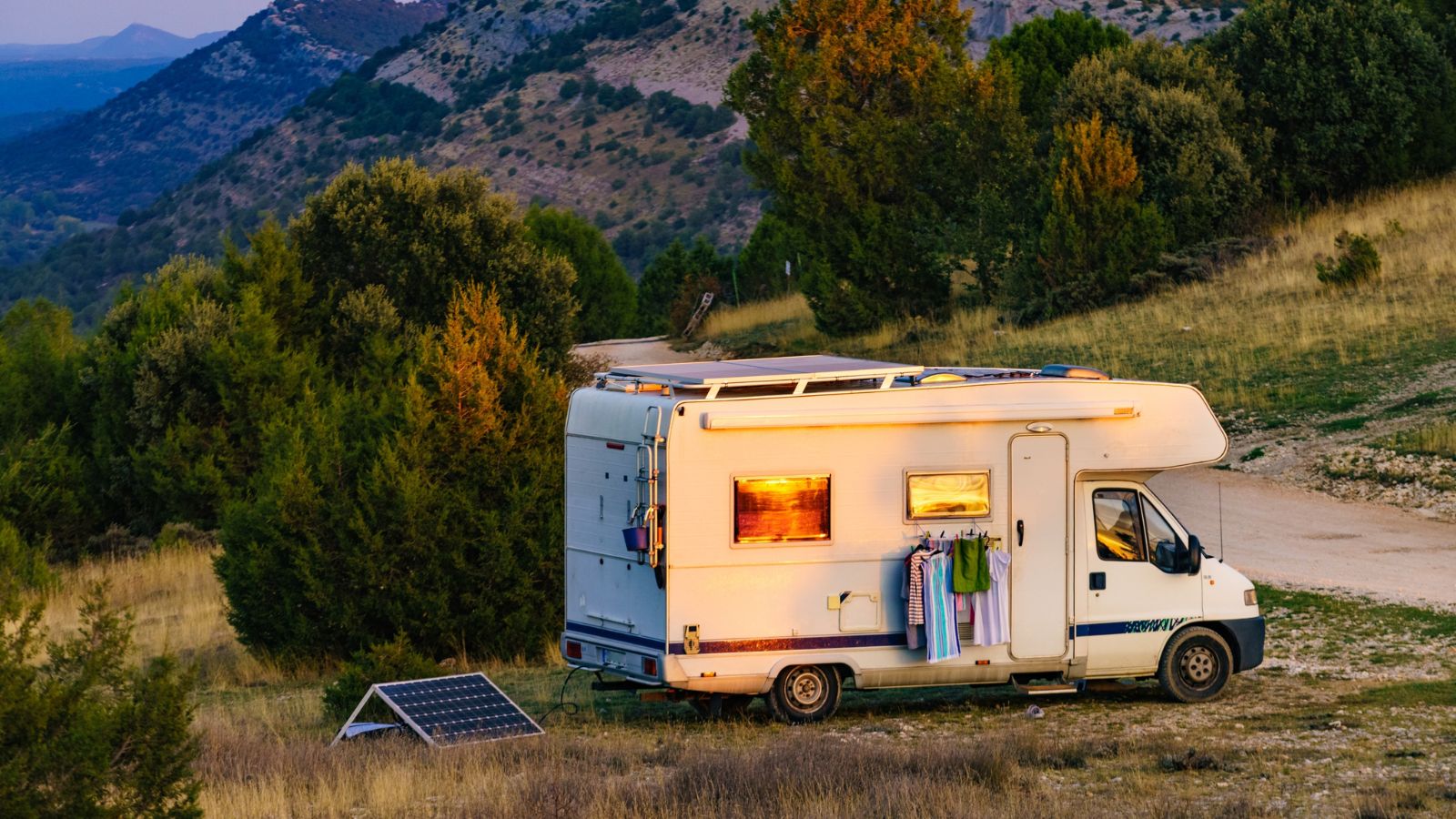
Driving off designated pads or parking outside marked zones damages vegetation, soft shoulders, and underground infrastructure. In parks and on crown land, even small tire tracks can cause long-term erosion. Once damage is visible, closures often follow. Staying within allowed areas protects both the land and future access.
Manage Trash Like a Guest
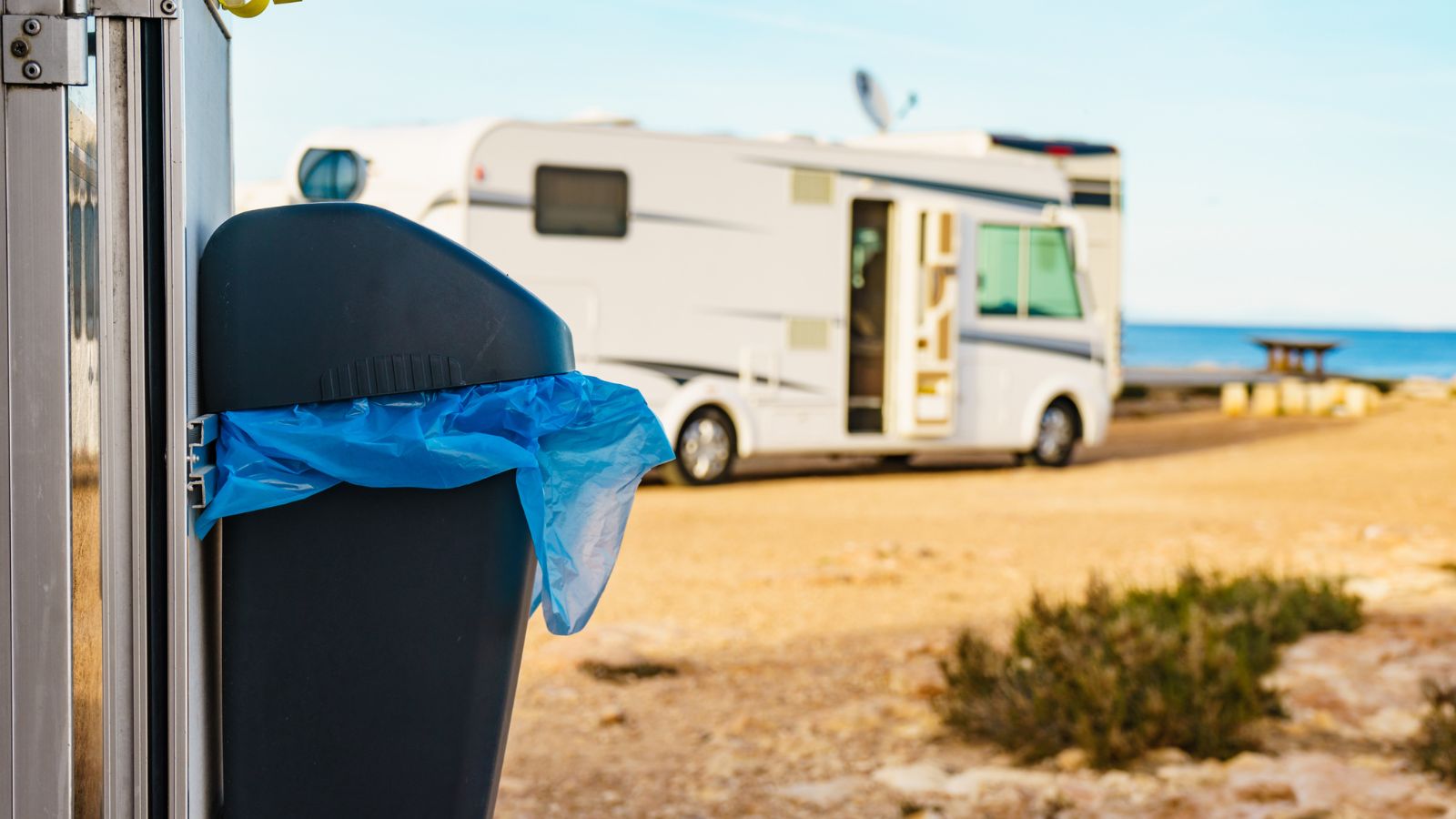
Garbage problems escalate quickly in RV-heavy areas. Overflowing bins, loose bags, and food scraps attract animals and create safety issues. Wildlife that becomes accustomed to human food often has to be relocated or destroyed. Responsible RV owners secure trash properly and pack out what they pack in.
Control Pets at All Times
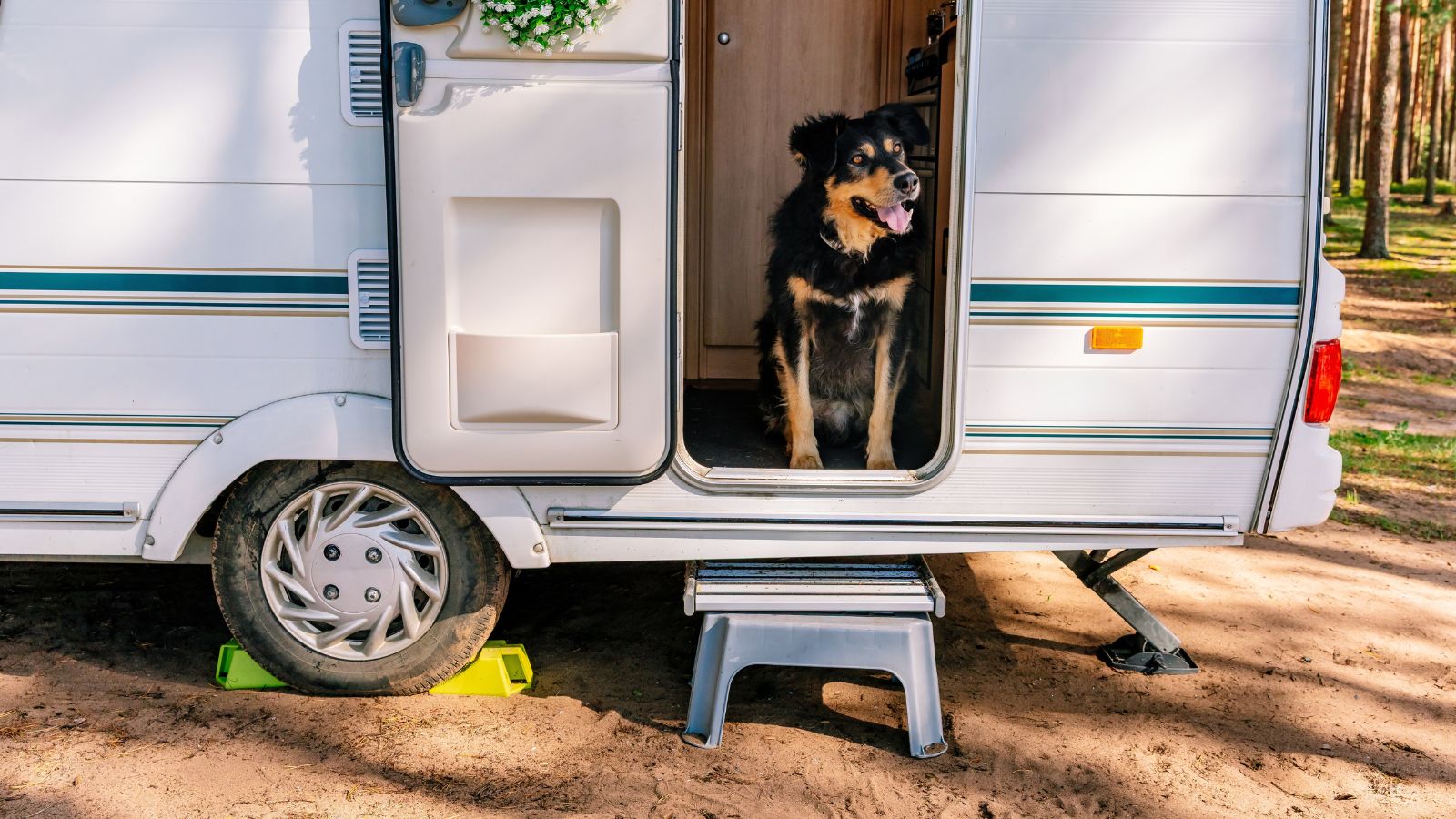
Pets are one of the most common sources of complaints. Unleashed dogs, excessive barking, and uncollected waste create conflict fast. Even friendly animals can intimidate others. Keeping pets leashed, quiet, and cleaned up after isn’t optional. It’s part of being a respectful guest.
Limit Stay Duration

Boondocking is about temporary access, not semi-permanent living. Staying too long draws attention from residents and authorities alike. Many areas have posted limits, but even unposted locations have tolerance thresholds. Rotating spots and respecting time limits keeps areas open longer.
Be Mindful of Size and Weight
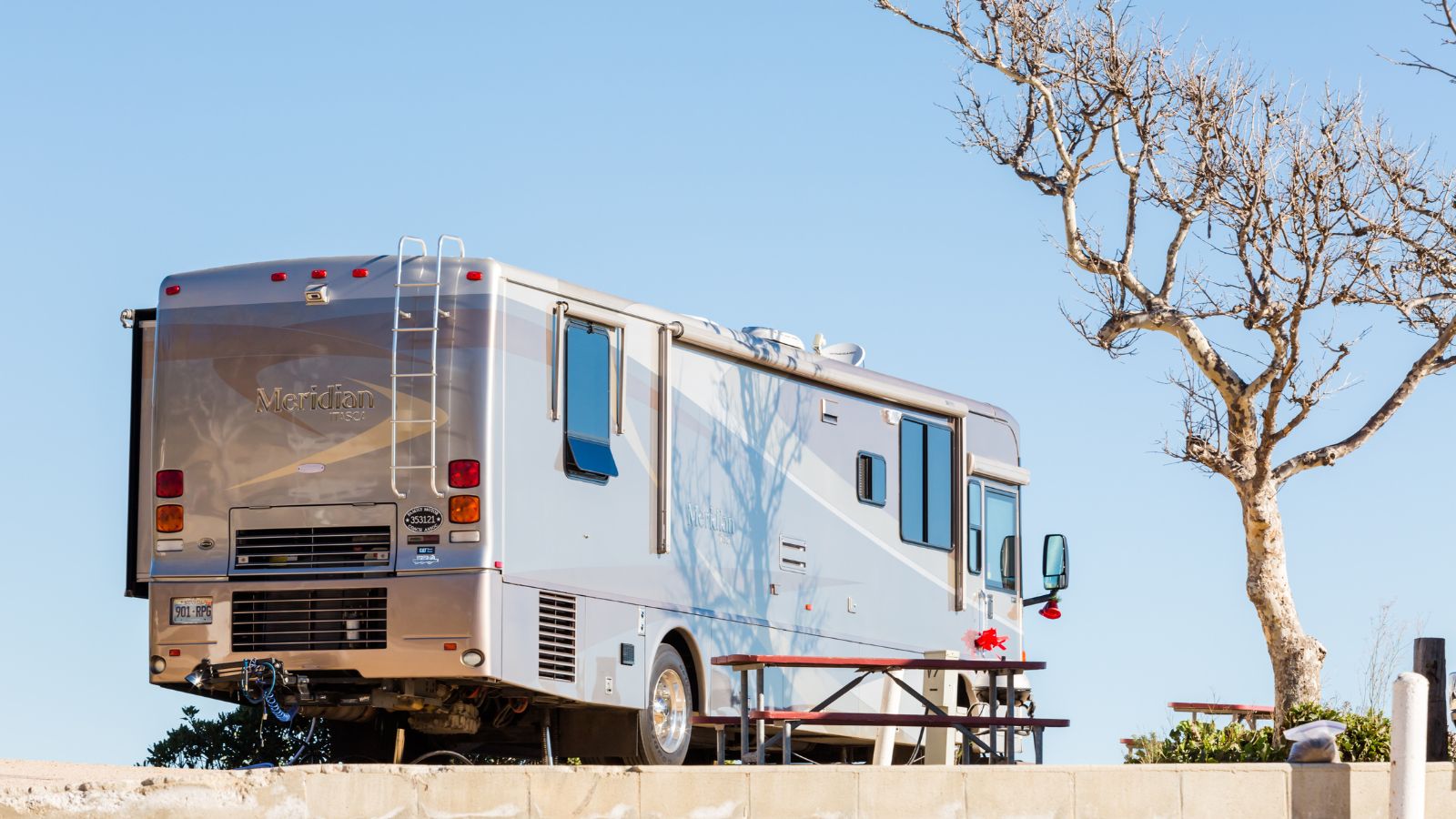
Modern RVs are bigger and heavier than many roads and parking areas were designed for. Residential streets, ferry ramps, gravel shoulders, and rural bridges can suffer damage quickly. Obey posted weight limits and accept that some places simply aren’t appropriate for large rigs.
Support Local Businesses
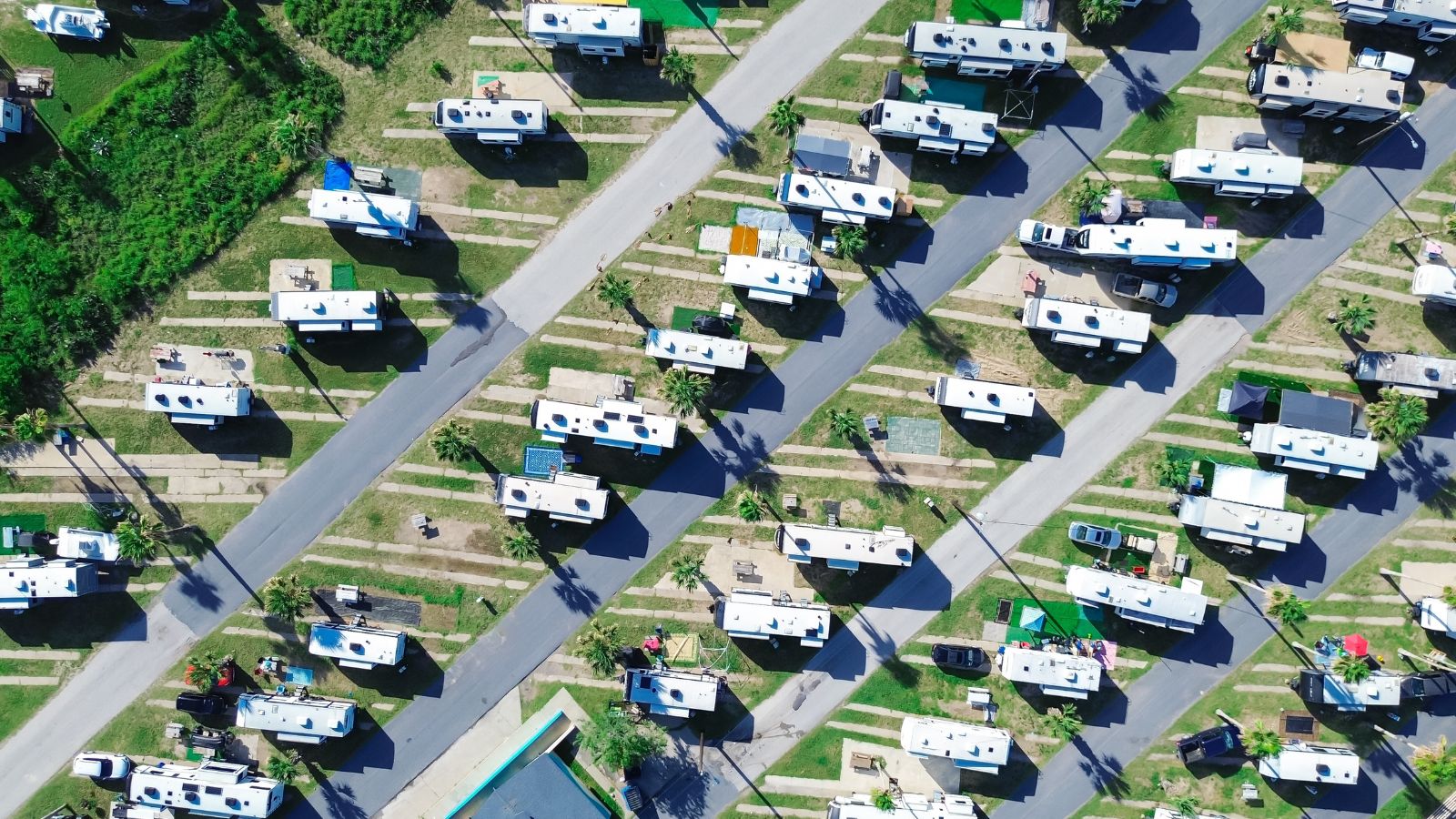
Communities notice when RV travelers use local services responsibly and contribute economically. Buying fuel, groceries, campground nights, repairs, or meals helps offset infrastructure use. Towns that benefit from RV tourism are far more likely to remain welcoming.
Leave Places Better Than You Found Them
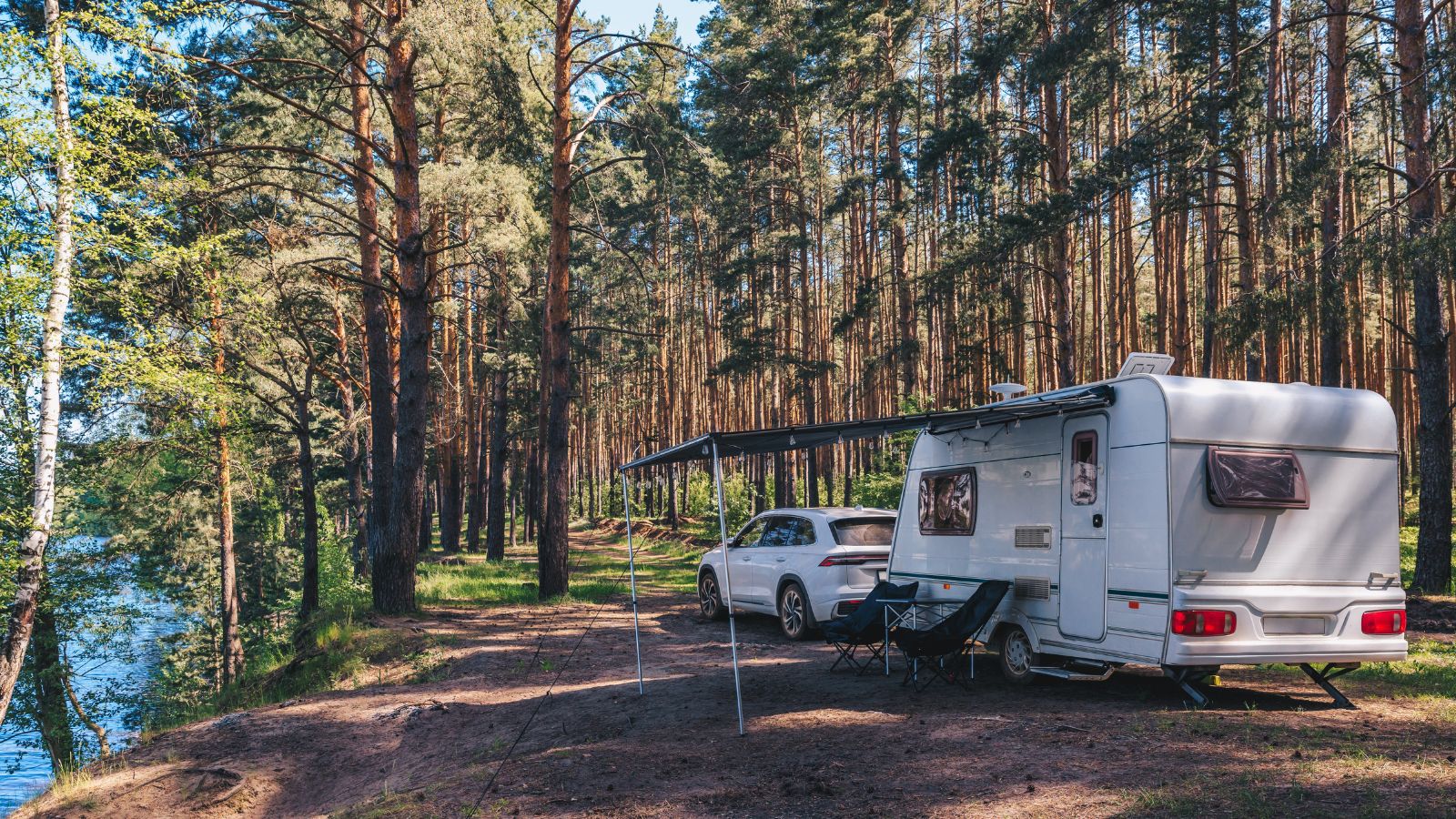
This is the standard every RV owner should aim for. Pick up litter even if it isn’t yours. Avoid damaging surfaces. Be polite to residents and other travelers. One good interaction can outweigh several bad assumptions. One careless act can undo years of goodwill.
Why These Rules Matter More Than Ever
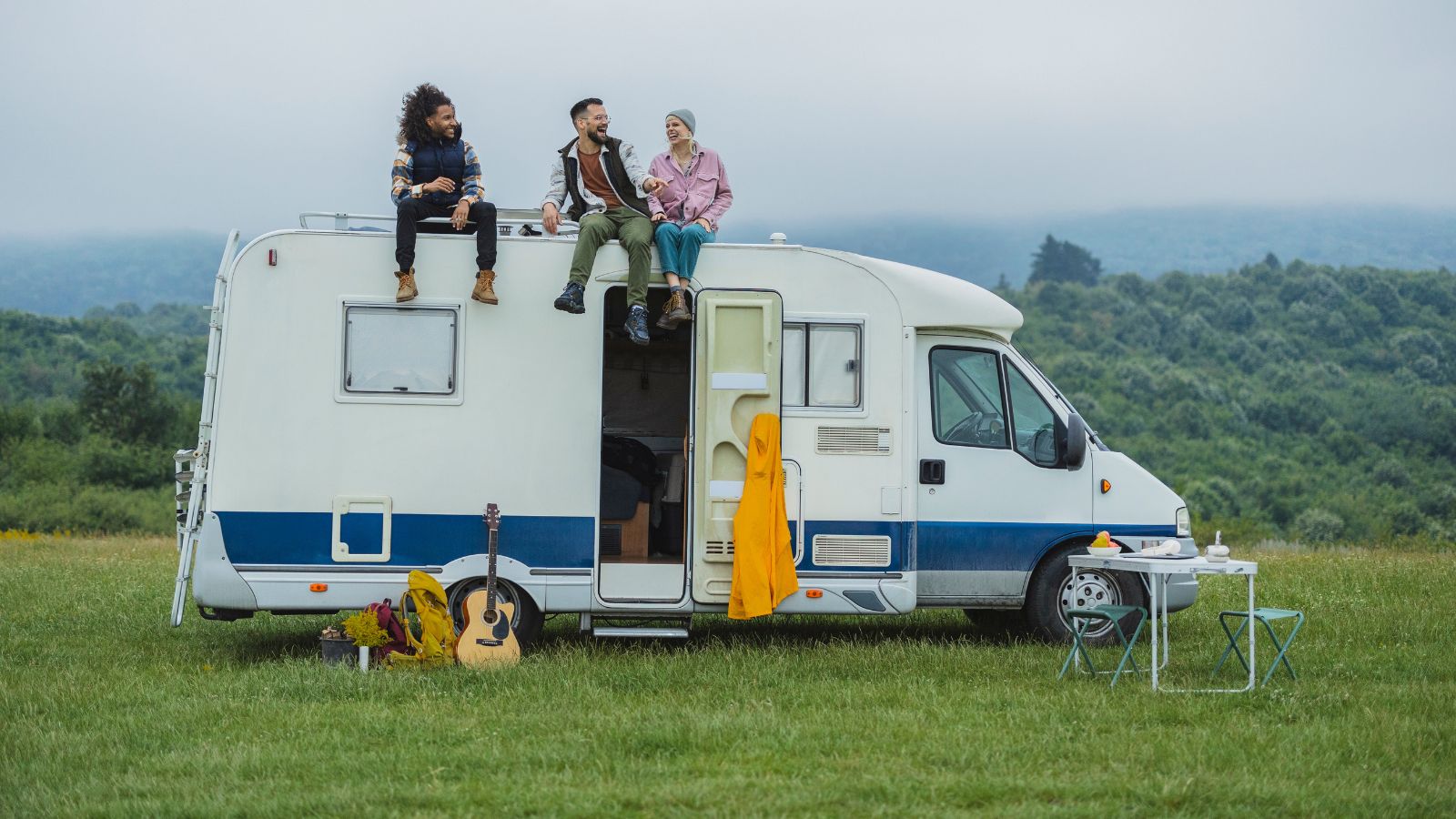
RV travel has surged, but tolerance hasn’t grown at the same pace. Cities, towns, and parks are responding quickly to misuse with tighter bylaws and closures. Responsible behavior isn’t just about courtesy. It’s about preserving access.
Every poor decision becomes justification for new restrictions. Every respectful visit quietly protects freedom for everyone else. RV owners don’t just represent themselves. They represent the entire community of travelers who rely on trust.
Follow these rules, and RV travel stays what it should be. Open, respectful, and welcome.
25 Facts About Car Loans That Most Drivers Don’t Realize

Car loans are one of the most common ways people fund car purchases. Like any other kind of loan, car loans can have certain features that can be regarded as an advantage or a disadvantage to the borrower. Understanding all essential facts about car loans and how they work to ensure that you get the best deal for your financial situation is essential. Here are 25 shocking facts about car loans that most drivers don’t realize:
25 Facts About Car Loans That Most Drivers Don’t Realize
