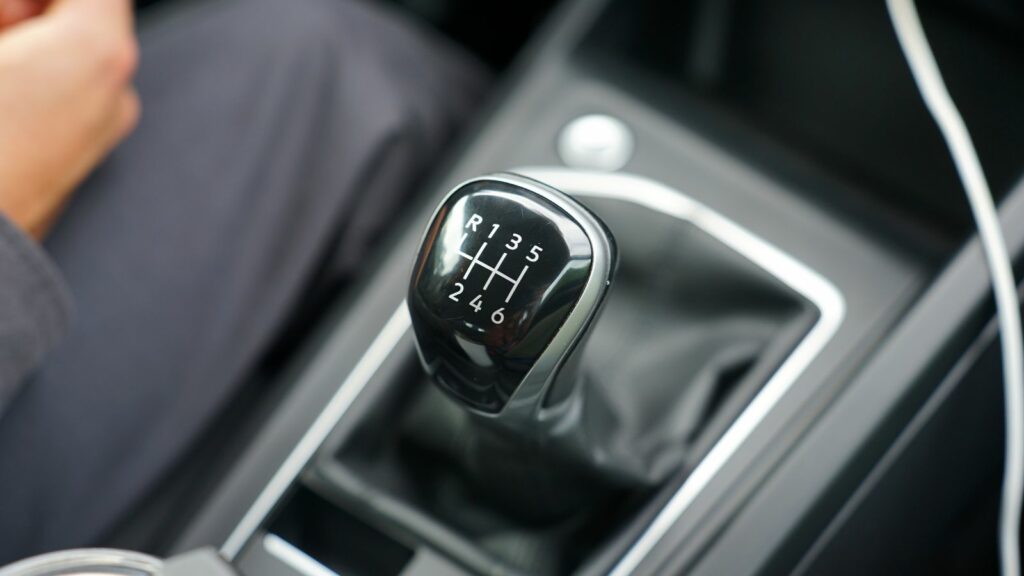
Manual transmissions are quietly disappearing, but the reasons people still love them haven’t changed. Driving a stick shift isn’t about nostalgia or showing off. It’s about control, connection, and a different relationship with the car. For many drivers, once you learn it, everything else feels slightly muted.
More Control Over the Car
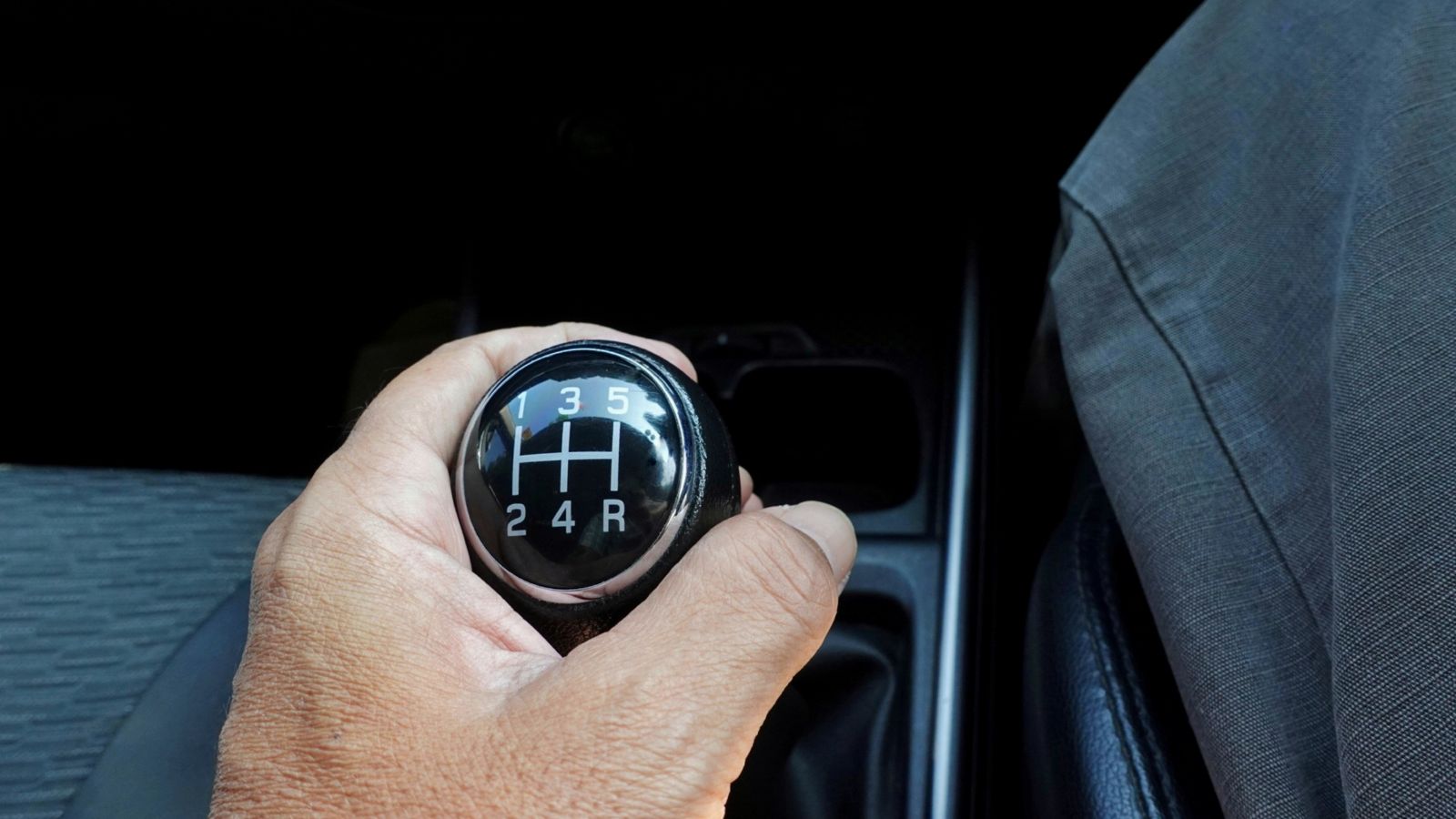
A manual gearbox puts the driver in charge of gear selection at all times. You decide when the engine revs, how power is delivered, and how the car responds. That control matters on winding roads, in bad weather, and when you want the car to behave exactly as you intend.
Stronger Driver Engagement
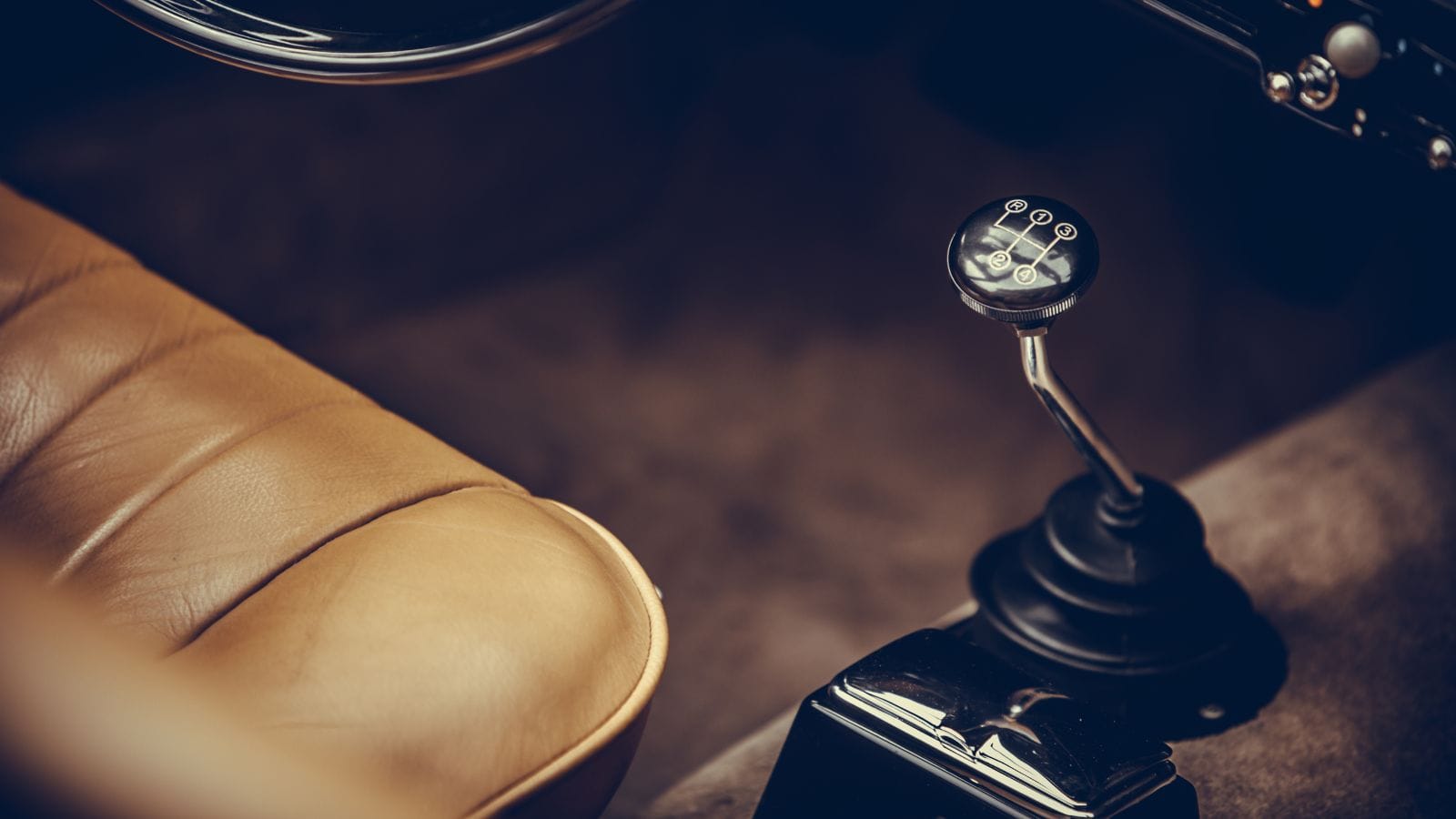
Driving a stick keeps you involved. Your hands and feet are constantly working together, which makes even ordinary trips feel more engaging. It’s harder to zone out, and many drivers find that makes driving more enjoyable and more focused.
Better Use of Engine Power
With a manual, you can keep the engine exactly where it performs best. Whether that’s holding a lower gear for passing or downshifting early for engine braking, a stick shift lets you extract more usable performance from the same engine.
Improved Winter Control
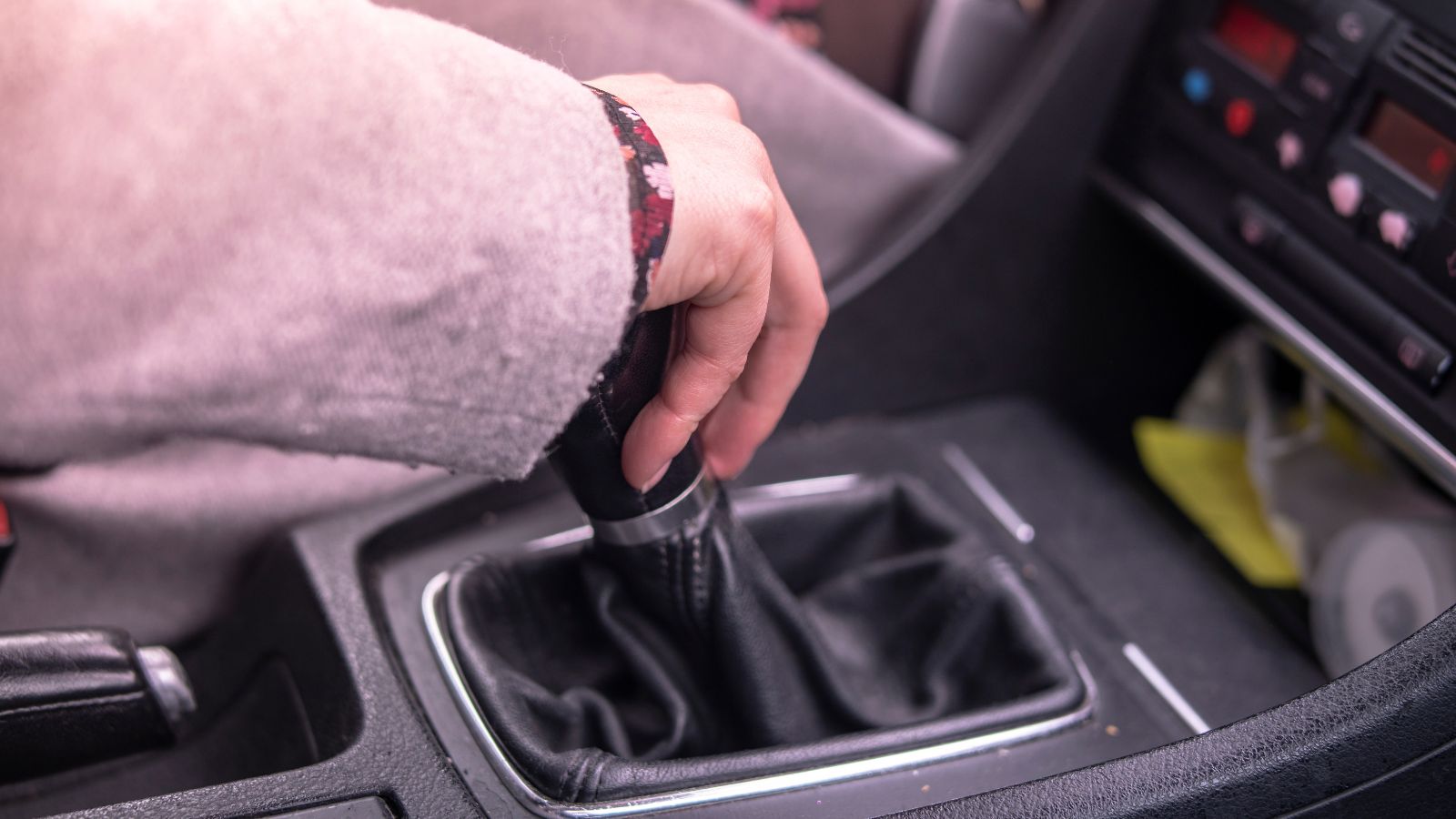
In snow and ice, manuals offer advantages many drivers overlook. Starting in a higher gear reduces wheelspin, and engine braking helps control speed on slippery descents. For Canadian winters, that extra control can make a real difference.
Lower Purchase and Repair Costs
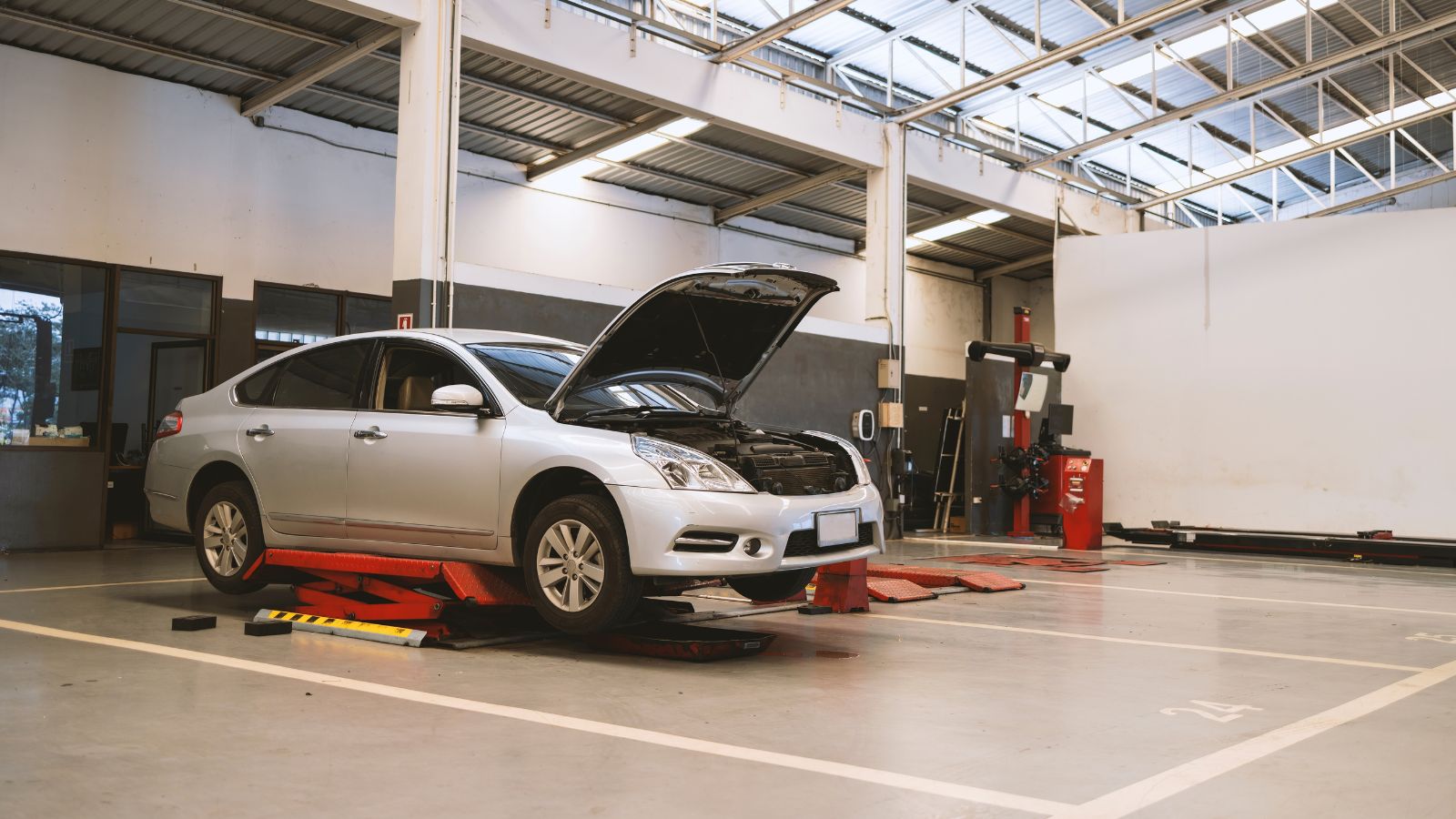
Manual-equipped cars often cost less to buy, both new and used. They also tend to be simpler mechanically. Clutches wear, but automatic transmissions are far more complex and expensive when they fail. Long-term ownership often favours manuals.
Better Fuel Efficiency in Real Driving
While modern automatics can be efficient on paper, manuals often perform better in real-world driving when used properly. Drivers who understand shift timing can keep revs low and efficiency high, especially on highways and rural roads.
Increased Driver Skill
Learning to drive a stick teaches mechanical sympathy. You learn how engines respond, how torque works, and how momentum affects driving. Those skills carry over to every vehicle you drive afterward.
Less Distraction From Screens
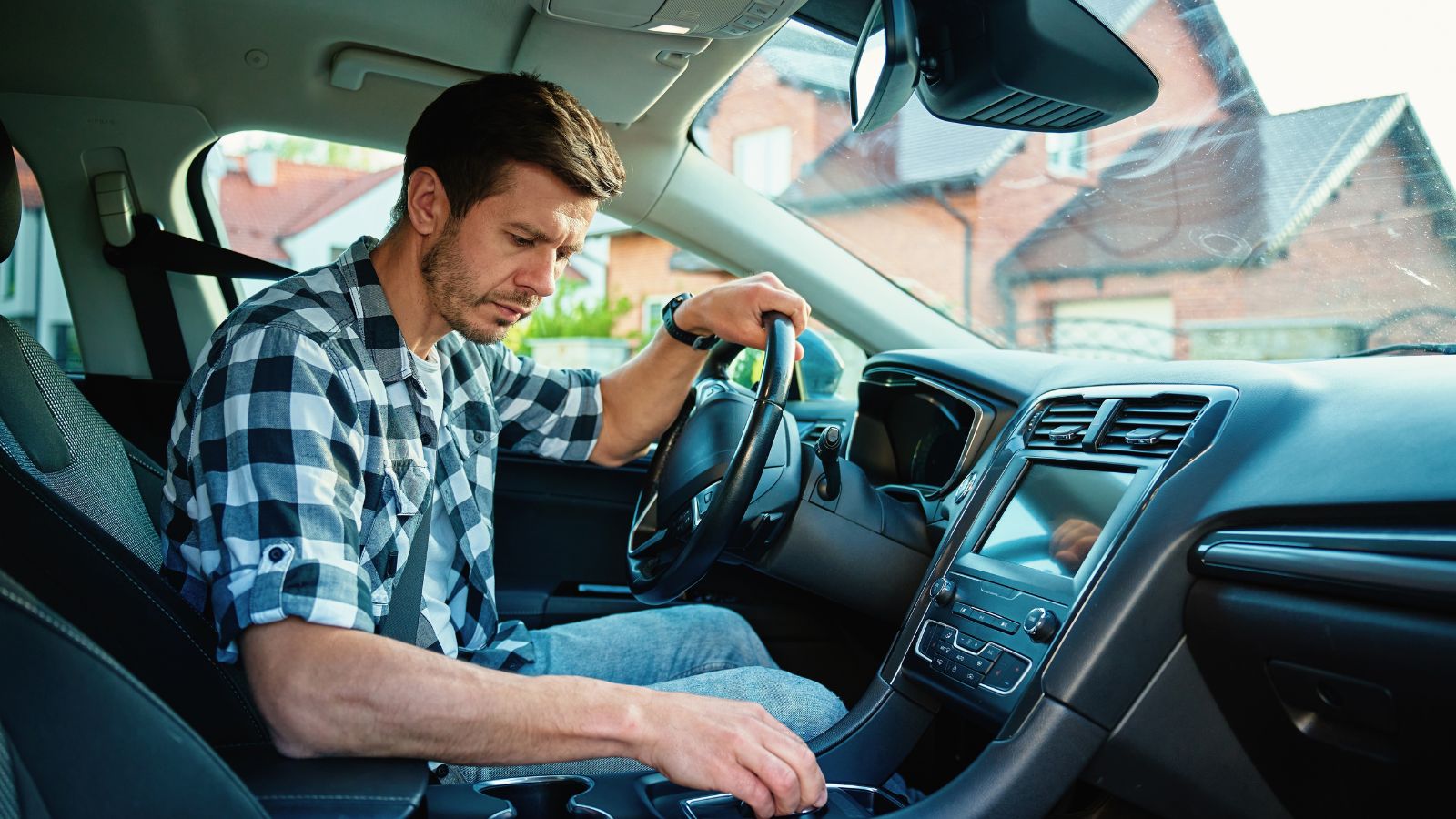
Manual cars tend to attract drivers who are more focused on driving than infotainment. When you’re shifting gears, you’re less likely to scroll menus or fiddle with screens. The driving itself becomes the main event again.
Stronger Resale Appeal to Enthusiasts

While manuals are rarer, that scarcity can work in your favour. Enthusiasts actively seek them out, especially in sports cars and performance models. The right manual car can hold value better than its automatic counterpart.
It Simply Feels More Rewarding
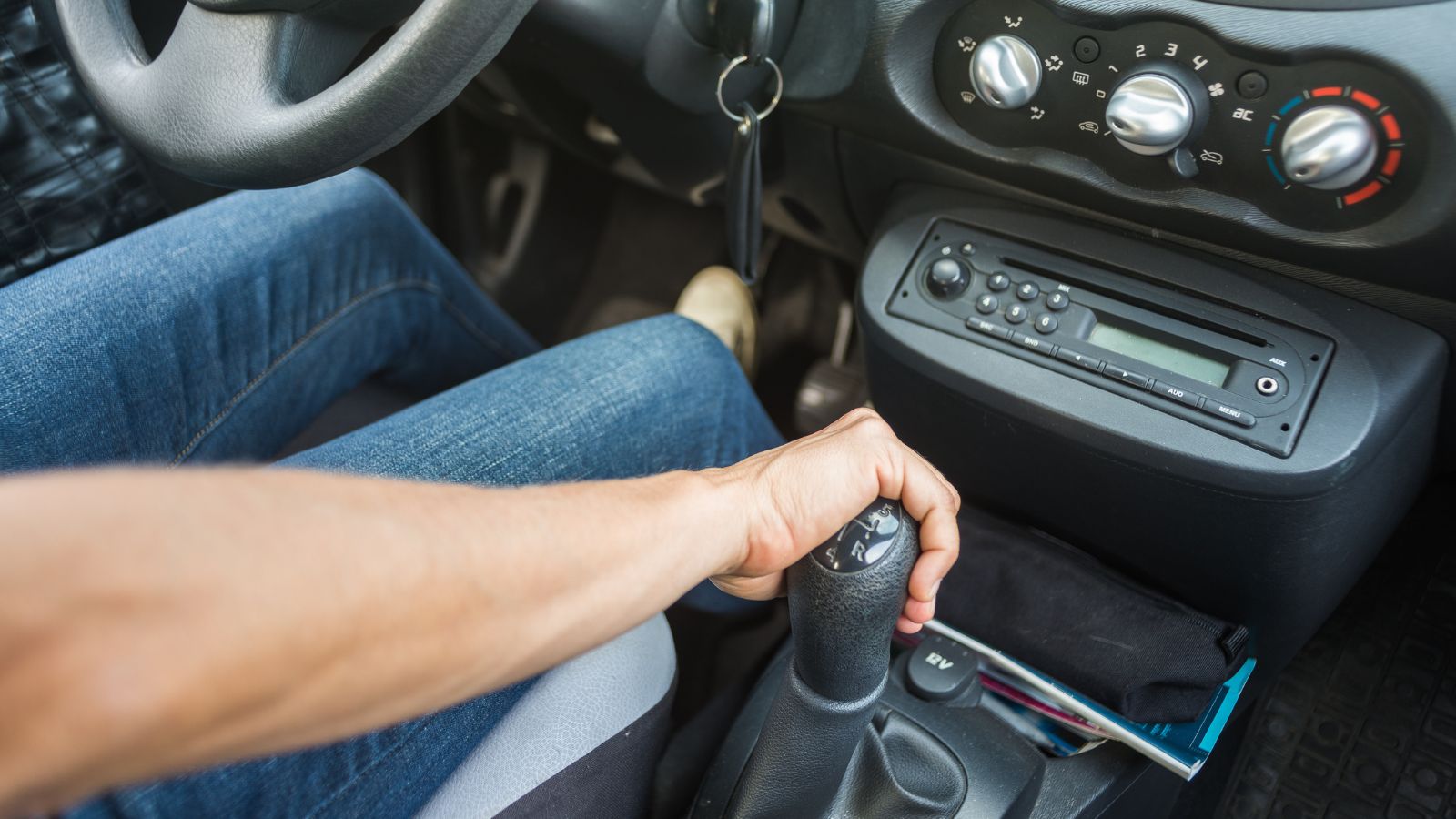
This is the benefit no spec sheet can measure. Nailing a perfect shift, matching revs on a downshift, or flowing through a set of corners in the right gear delivers satisfaction automatics struggle to replicate. It turns driving from a task into an experience.
Why Manuals Still Matter
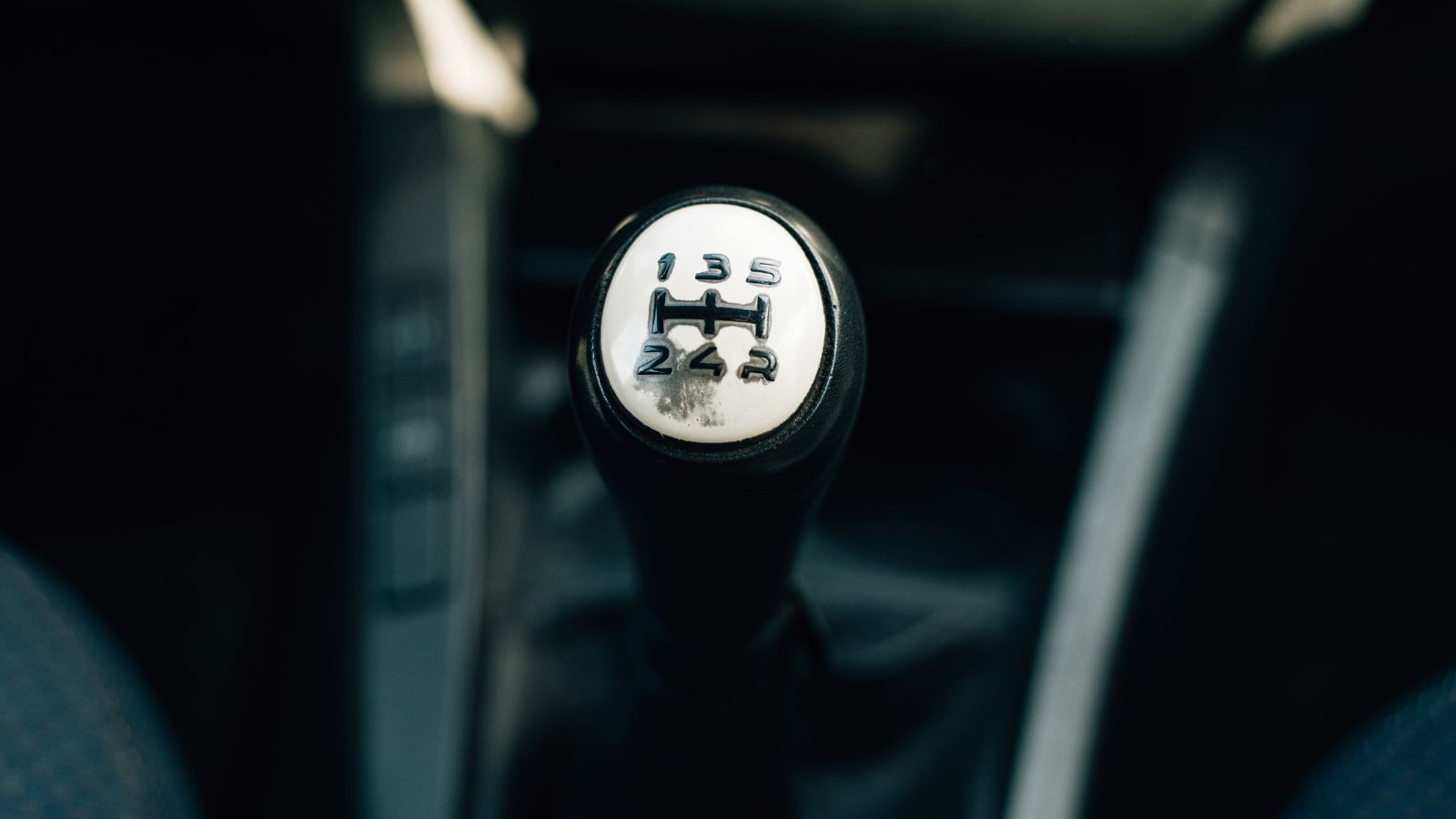
Stick shifts aren’t better for everyone, and that’s fine. But for drivers who value involvement, control, and connection, they offer something increasingly rare. As cars become quieter, heavier, and more automated, the manual transmission remains one of the last ways to truly interact with the machine.
25 Facts About Car Loans That Most Drivers Don’t Realize

Car loans are one of the most common ways people fund car purchases. Like any other kind of loan, car loans can have certain features that can be regarded as an advantage or a disadvantage to the borrower. Understanding all essential facts about car loans and how they work to ensure that you get the best deal for your financial situation is essential. Here are 25 shocking facts about car loans that most drivers don’t realize:
25 Facts About Car Loans That Most Drivers Don’t Realize
