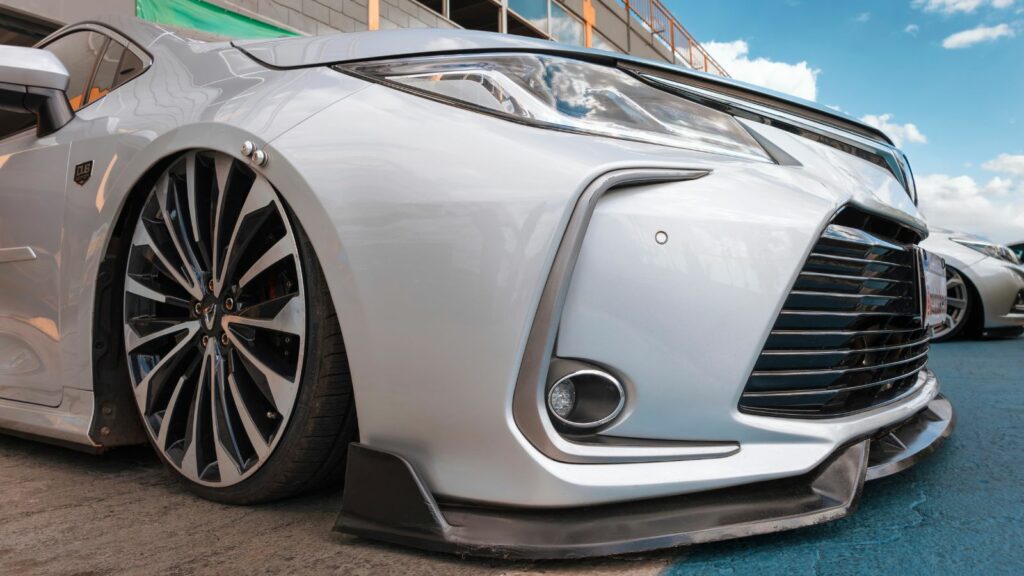
Car modification is part of enthusiast culture, but Canada draws a firm line between personalization and public safety. What is legal in one province may earn you a ticket in another, and many drivers are surprised to learn that common mods can trigger roadside inspections, fines, or even vehicle impoundment. These are ten modifications that regularly attract police attention across Canada.
Excessively Loud Exhaust Systems
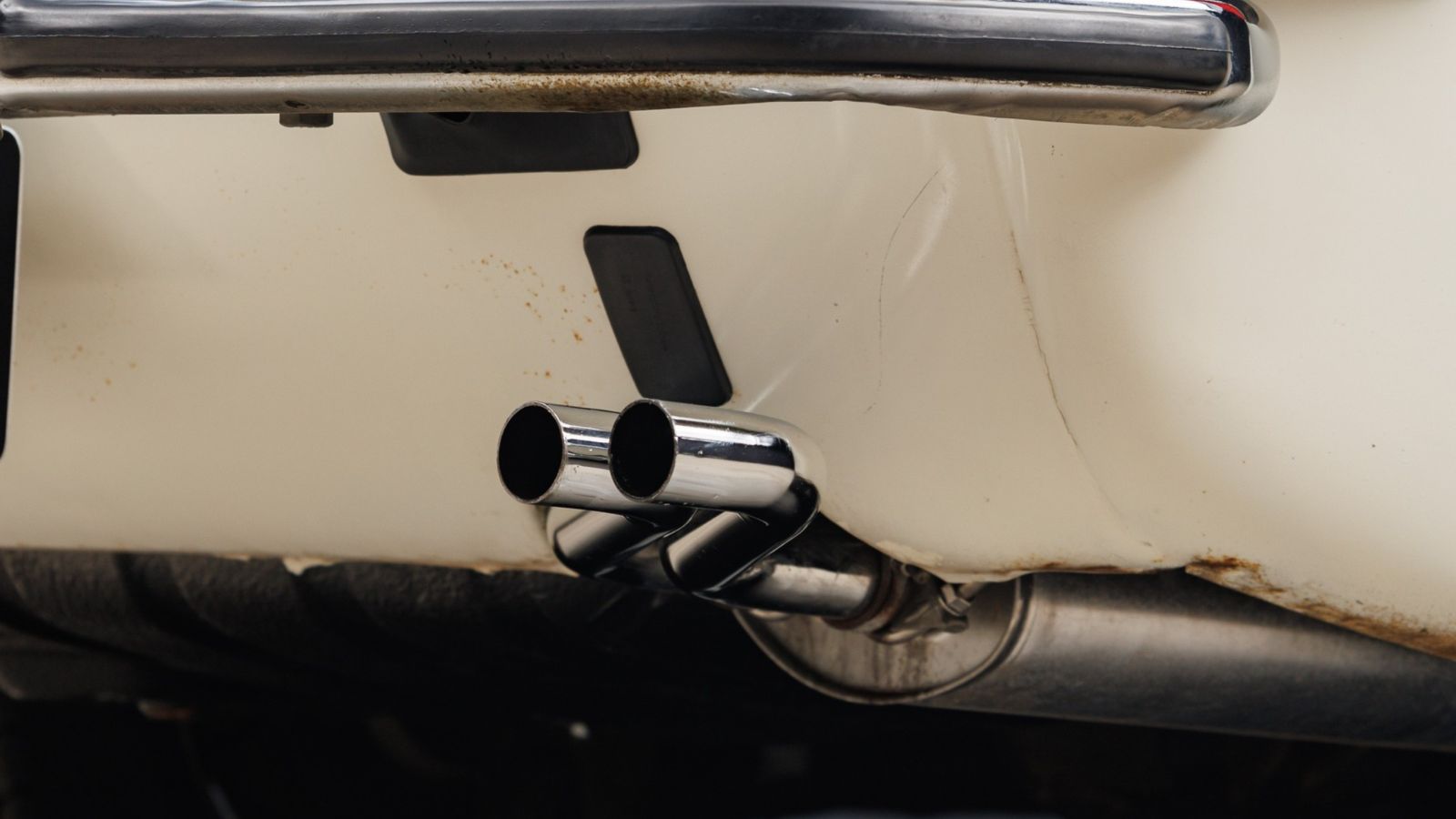
Aftermarket exhausts are one of the fastest ways to get noticed, and not always in a good way. Provinces enforce noise limits differently, but overly loud exhausts can result in tickets anywhere in Canada. Police do not need a decibel meter in many jurisdictions; if the exhaust is clearly louder than stock, that can be enough. Cold starts, pops, and crackles make enforcement even more likely, especially in residential areas.
Dark Window Tint
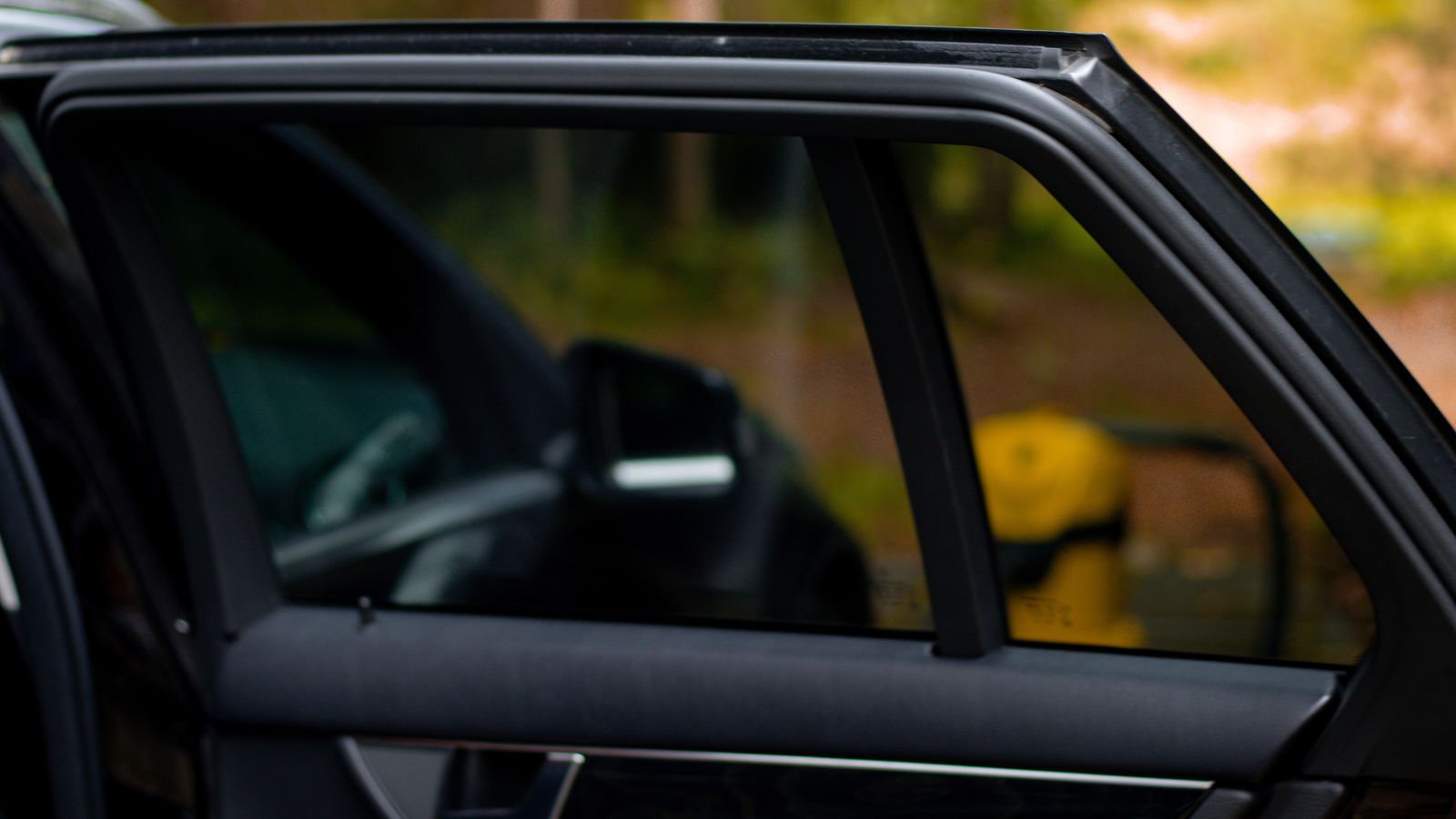
Window tint laws are strict and widely enforced. Front side windows and windshields are the biggest problem areas, with many provinces allowing little to no tint up front. Dark tint reduces visibility for police during traffic stops, which is why it draws attention. Even factory style tint applied too dark can earn a fix it notice or fine, and repeat offenders may face vehicle inspections.
Lowered Suspension Beyond Legal Limits
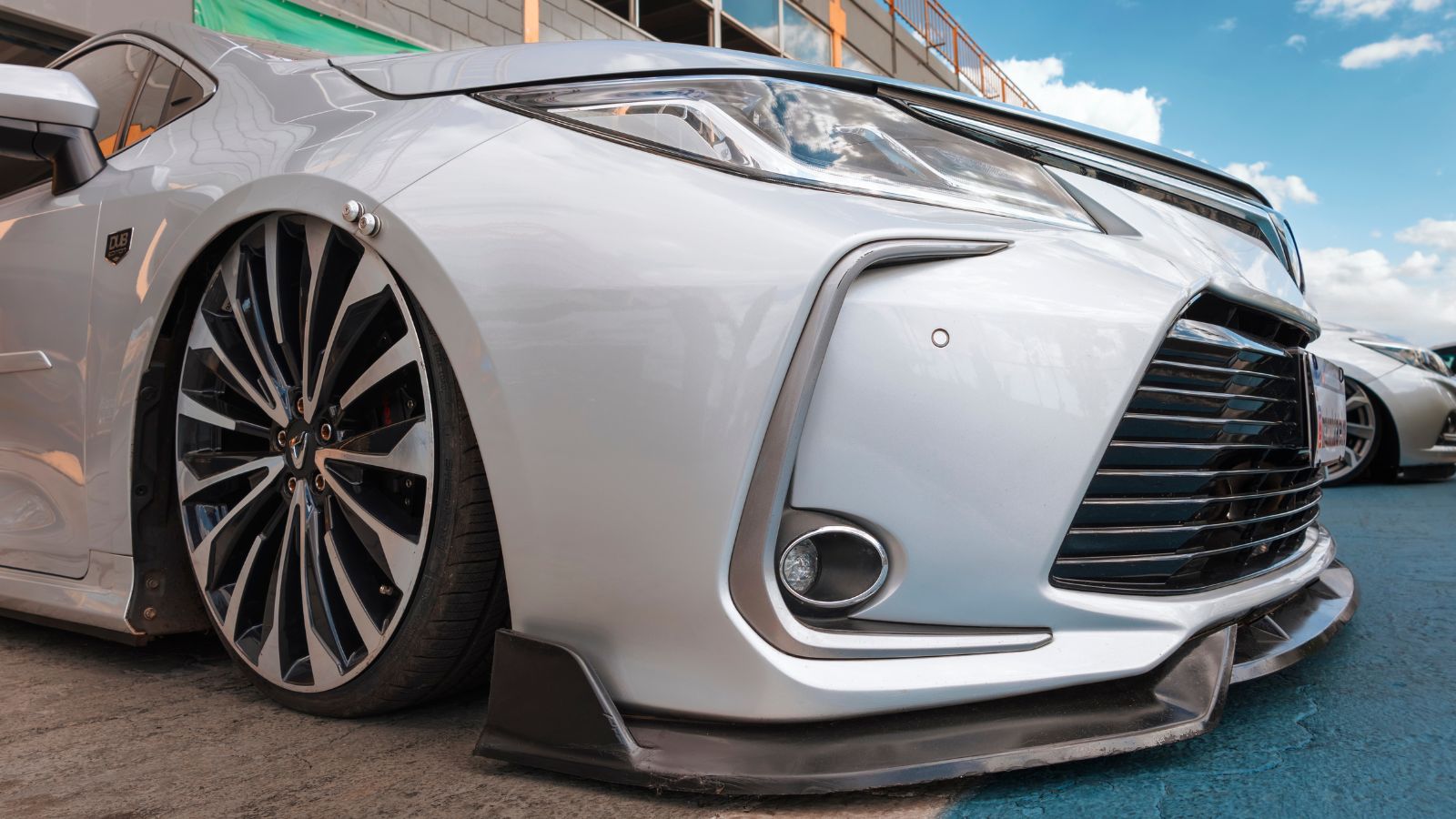
Lowering a car improves stance and handling, but there are limits. If your vehicle rides too low, scrapes the road, or alters suspension geometry excessively, police can deem it unsafe. Many provinces require a minimum ground clearance and intact suspension travel. Extreme camber, rubbing tires, or damaged underbody panels make stops more likely and harder to argue against.
Aftermarket Headlights and LED Conversions
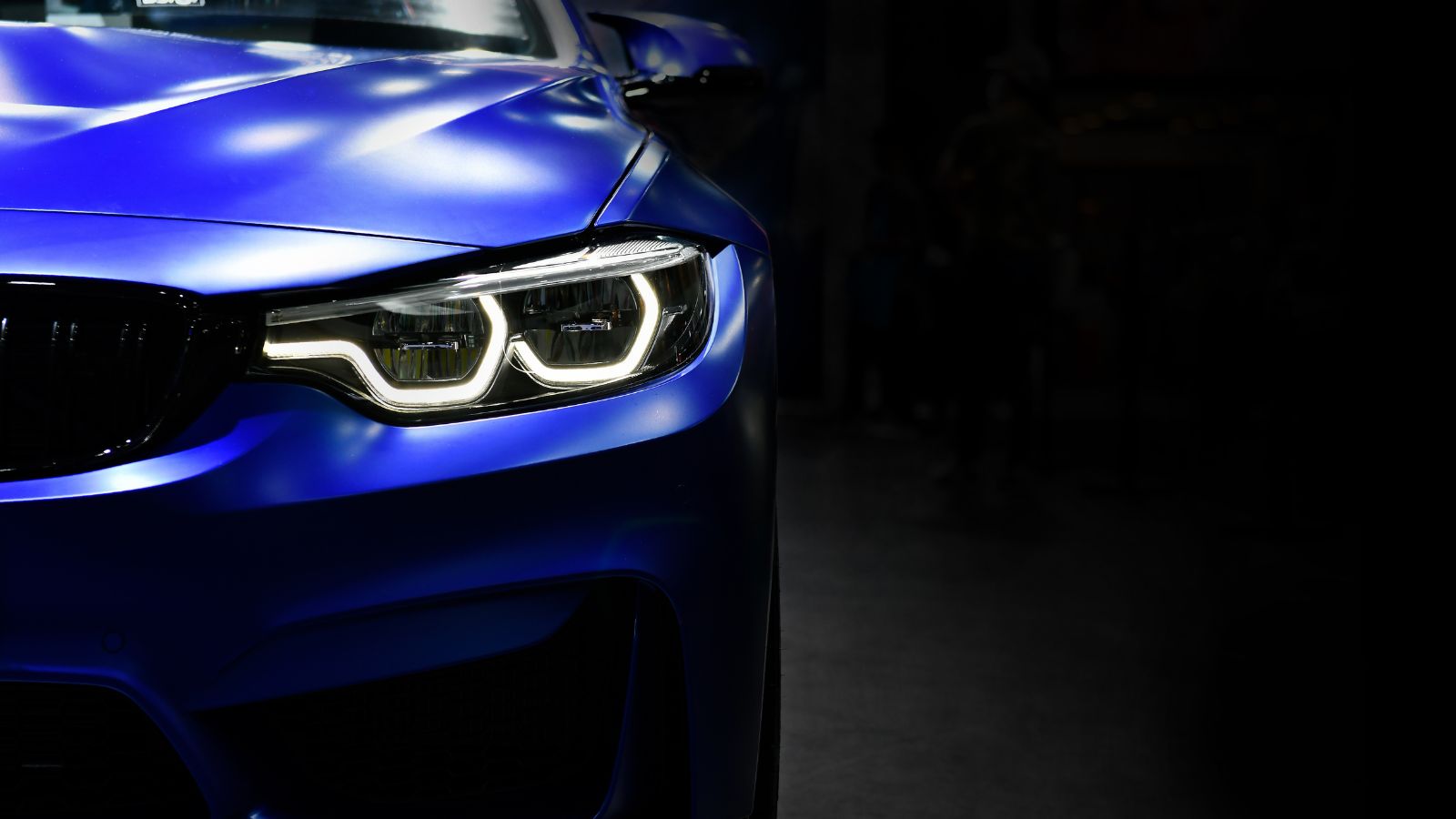
Improper lighting is a major enforcement focus. LED or HID conversion kits installed in housings not designed for them often scatter light and blind oncoming drivers. Blue tinted bulbs, overly bright setups, or poorly aimed headlights are all grounds for tickets. In some cases, police can order the vehicle off the road until lighting is returned to legal condition.
License Plate Covers and Obstructions
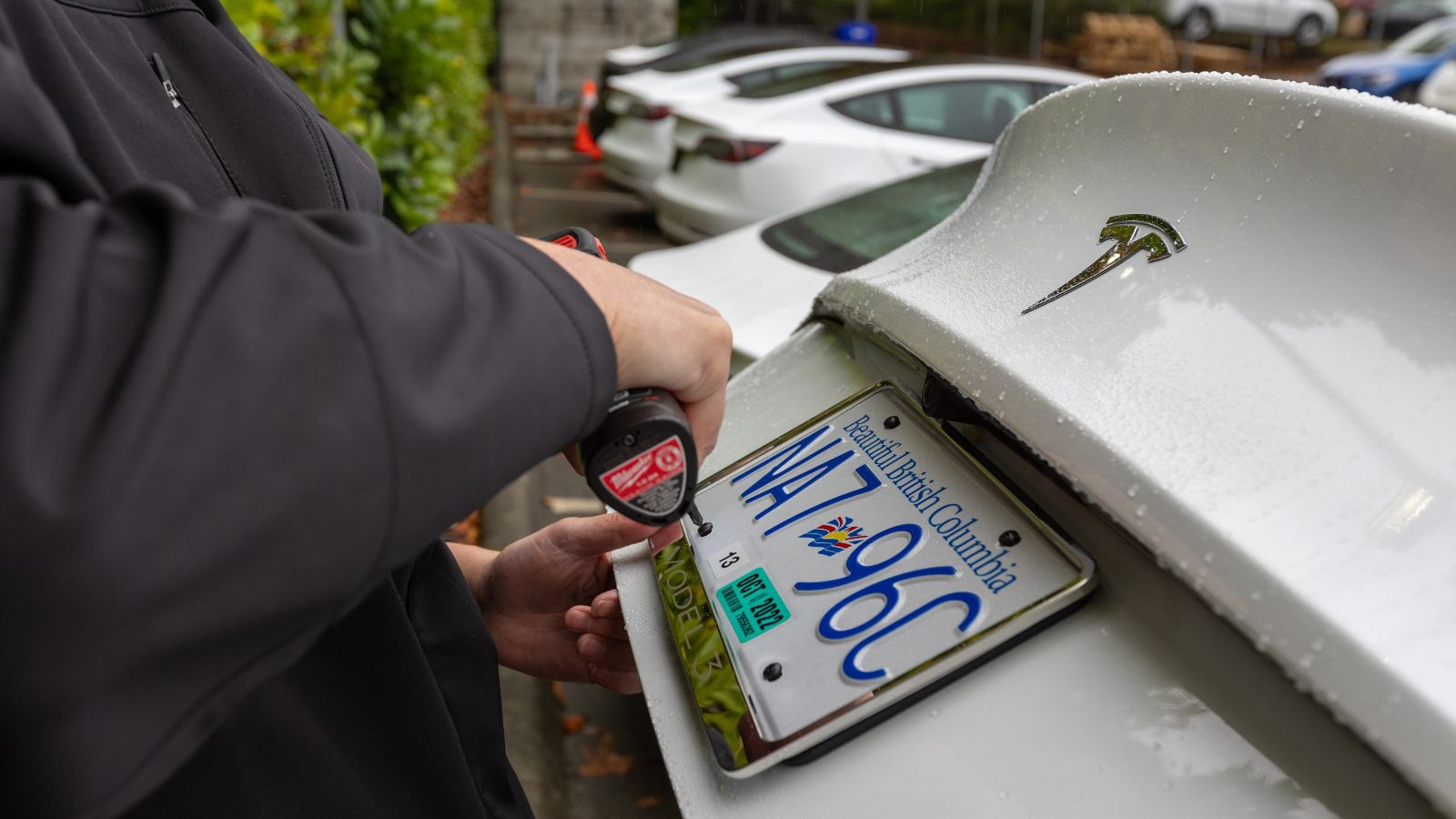
Clear plate covers are often sold as legal, but many provinces prohibit anything that obscures plate visibility, including tinted covers, frames, or novelty designs. Police treat this seriously because it interferes with plate recognition. Even dealership frames that block parts of lettering can be cited. This is one of the easiest tickets to avoid and one of the most common.
Wheel Spacers and Tires That Protrude Past Fenders
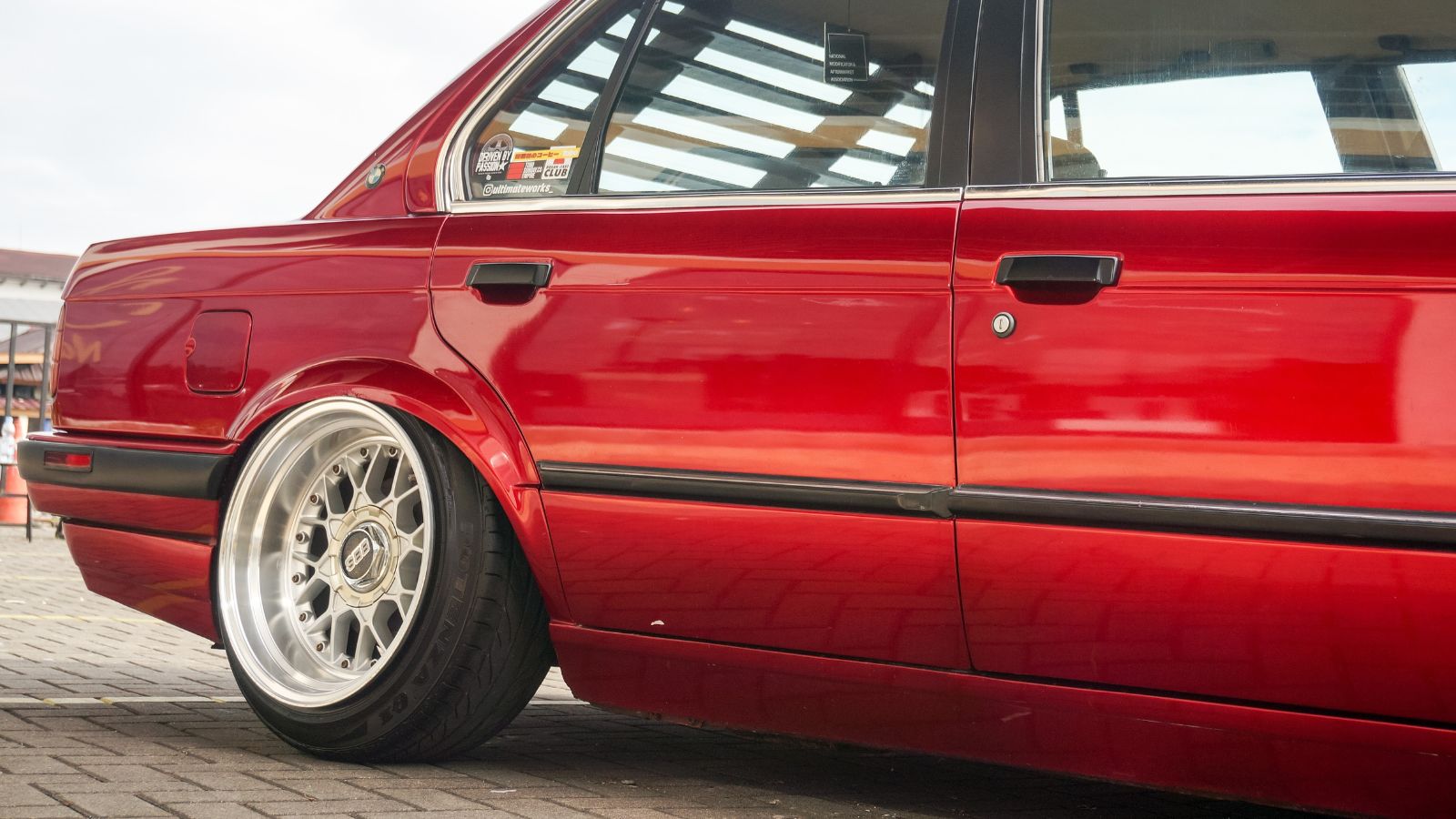
Aggressive wheel fitment looks great in photos, but exposed tires are a legal issue. In many provinces, tire tread cannot extend past the body or fender line. Wheel spacers that push wheels outward increase the risk of debris spray and loss of control. If your tires stick out, expect attention during roadside checks or safety inspections.
Modified or Removed Emissions Equipment
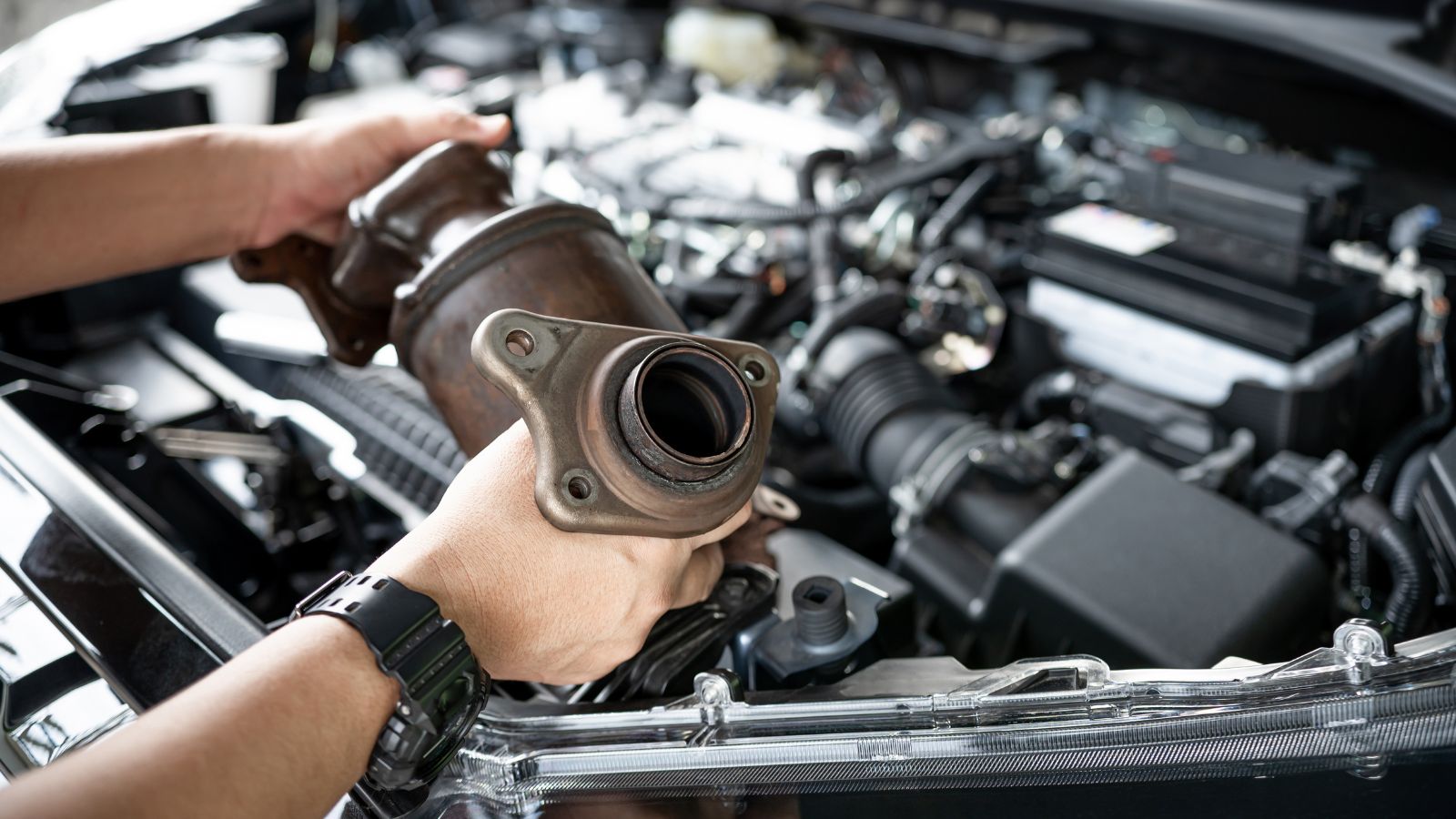
Tampering with emissions systems can get you into serious trouble. Removing catalytic converters, disabling sensors, or running straight pipes is illegal nationwide. Even in provinces without emissions testing, police can still issue tickets for visible emissions modifications. Fines can be steep, and some violations carry mandatory repairs before the vehicle can return to the road.
Colored or Flashing Exterior Lights

Underglow, accent lighting, and colored bulbs are tightly regulated. Red and blue lights are reserved for emergency vehicles, and flashing lights of any color are generally prohibited. Even static underglow can be illegal depending on color and visibility while driving. What looks cool at a car meet can quickly turn into a roadside conversation.
Modified Steering Wheels Without Airbags

Aftermarket steering wheels are popular in track focused builds, but removing an airbag from a street driven car is illegal in most of Canada. Airbags are mandatory safety equipment, and disabling them can result in fines or failed inspections. Police may issue an immediate violation if they notice an aftermarket wheel without proper airbag integration.
Excessive Engine Modifications Without Supporting Safety Upgrades
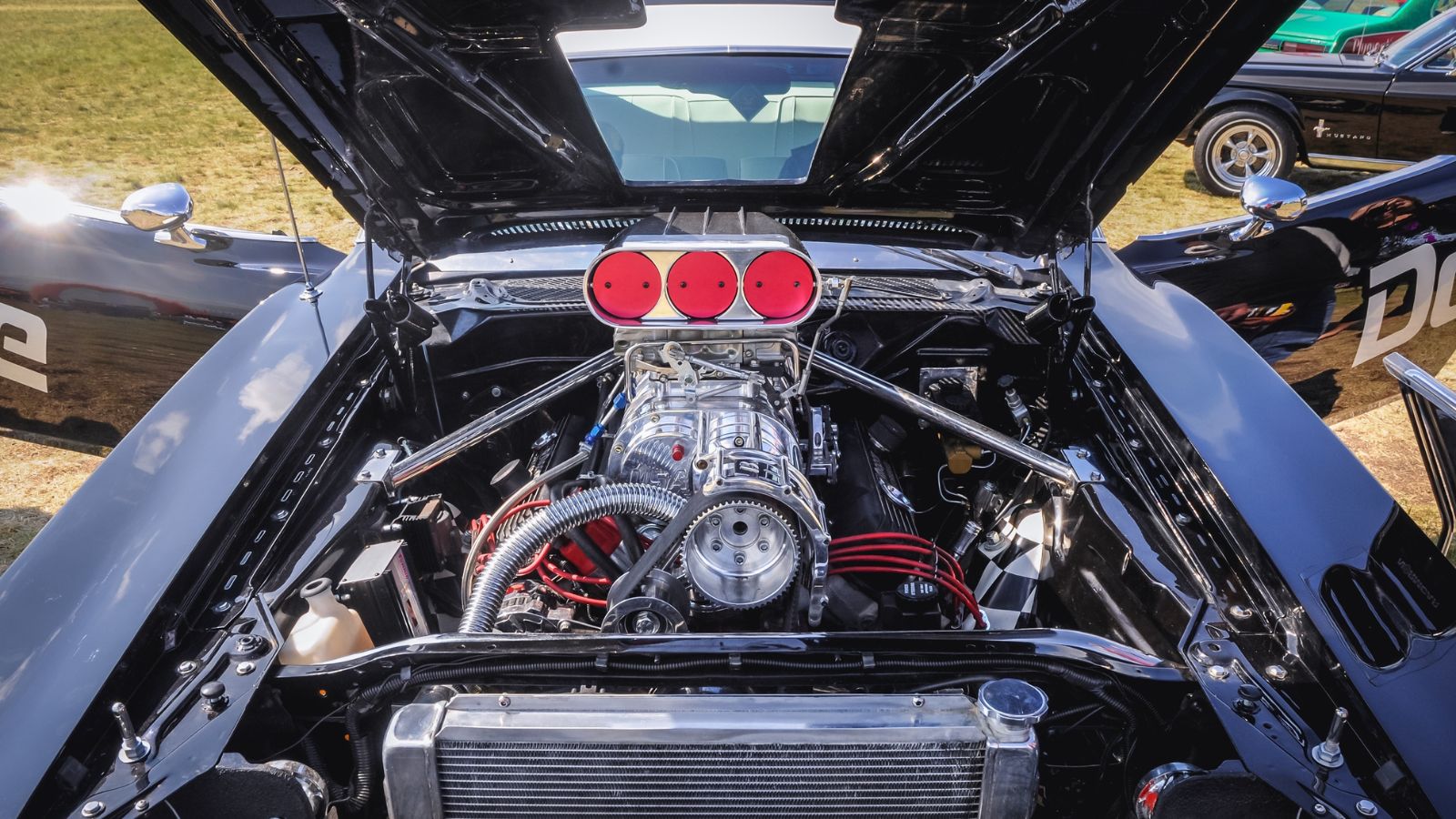
High horsepower builds draw attention, especially when paired with stock brakes, suspension, or tires. While power mods alone are not always illegal, police can cite vehicles they believe are unsafe for public roads. Smoke, loud turbo noises, aggressive launches, and obvious engine bay modifications increase scrutiny. In extreme cases, vehicles can be ordered for mechanical inspection or impounded.
Car modification is not illegal in Canada, but ignorance of the rules can be expensive. Laws vary by province, enforcement changes by city, and what passes unnoticed one day may get flagged the next. The safest approach is balance: build with intention, understand local regulations, and remember that subtle mods tend to stay fun longer than flashy ones.
25 Facts About Car Loans That Most Drivers Don’t Realize

Car loans are one of the most common ways people fund car purchases. Like any other kind of loan, car loans can have certain features that can be regarded as an advantage or a disadvantage to the borrower. Understanding all essential facts about car loans and how they work to ensure that you get the best deal for your financial situation is essential. Here are 25 shocking facts about car loans that most drivers don’t realize:
25 Facts About Car Loans That Most Drivers Don’t Realize
