
Auto tariffs are usually framed as a threat to consumers, but for Canada they could also become a powerful economic lever. With domestic manufacturing under pressure, supply chains exposed, and global competition intensifying, tariffs have the potential to reshape how vehicles are built, sold, and supported in this country. If applied strategically, the effects could reach far beyond the auto sector.
Reviving Domestic Auto Manufacturing
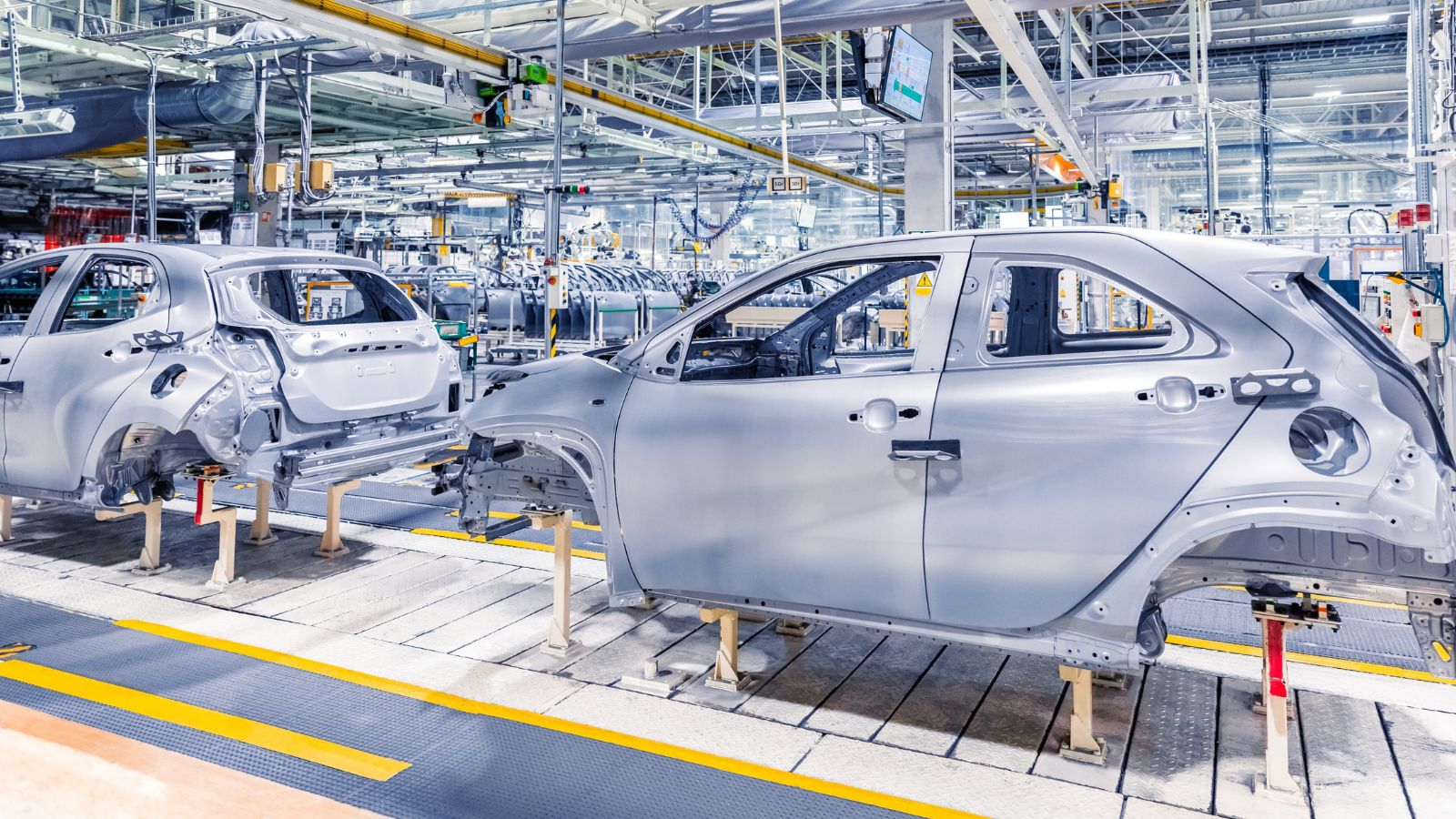
Tariffs can immediately narrow the price gap between imported vehicles and those built in Canada. That shift gives automakers a financial reason to allocate production to Canadian plants rather than offshore facilities. More domestic production means stronger industrial output and a renewed role for Canada in global manufacturing.
Protecting Canadian Auto Jobs

The auto industry supports hundreds of thousands of Canadian jobs, from assembly workers to logistics and maintenance roles. Tariffs help slow the offshoring of production by making imported vehicles less attractive. Job stability in this sector has a direct impact on household spending and regional economies.
Strengthening Local Supply Chains
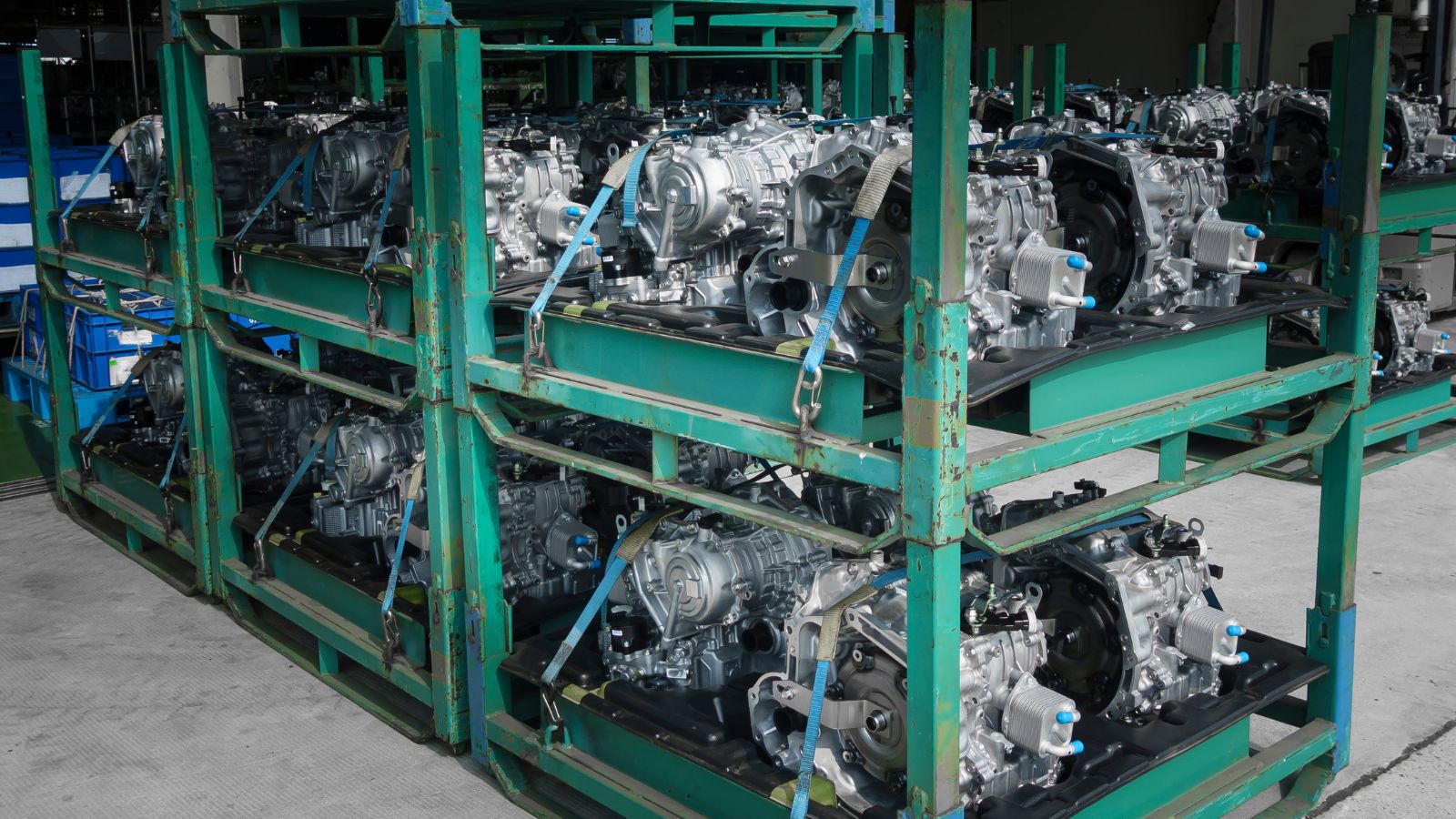
Tariffs encourage automakers to source parts closer to where vehicles are assembled. That strengthens Canadian suppliers and reduces dependence on fragile global supply networks. A more localized supply chain improves resilience during disruptions and keeps more economic activity within Canada.
Encouraging Long-Term Investment

When importing vehicles becomes less profitable, manufacturers are more likely to invest in Canadian facilities. That includes plant upgrades, new tooling, and future product commitments. Long-term investment creates sustained economic benefits rather than short-term gains.
Supporting Skilled and Unionized Labor

Canada’s auto workforce is highly skilled and largely unionized. Tariffs help protect these jobs from being undercut by lower-cost labor abroad. Maintaining strong wages and benefits supports the middle class and keeps purchasing power inside the economy.
Reducing Trade Imbalances

Canada imports far more vehicles than it exports. Tariffs can help slow the flood of imports while encouraging domestic production. A more balanced trade position strengthens the national economy and reduces reliance on foreign manufacturing.
Increasing Government Revenue

Tariffs generate revenue that can be reinvested into infrastructure, training programs, or industrial incentives. When managed properly, that money can be used to strengthen the very industries tariffs are designed to protect.
Encouraging Fair Competition

Some foreign manufacturers benefit from government subsidies, lower environmental standards, or weaker labor protections. Tariffs help level the playing field, allowing Canadian-built vehicles to compete on more equal terms rather than being undercut unfairly.
Improving Economic Security

Domestic vehicle production is not just an economic issue but a strategic one. A strong auto industry supports national resilience during global crises. Tariffs can help ensure Canada maintains the ability to build essential vehicles and components at home.
Stabilizing Regional Economies

Auto plants anchor entire communities, particularly in Ontario. When production shifts abroad, local economies suffer. Tariffs that support domestic manufacturing help stabilize these regions and prevent economic decline tied to plant closures.
Driving Industrial Modernization

Tariffs can push manufacturers to modernize Canadian facilities rather than abandon them. Investment in automation, efficiency, and cleaner production methods strengthens Canada’s industrial base and future competitiveness.
Creating Leverage in Trade Negotiations
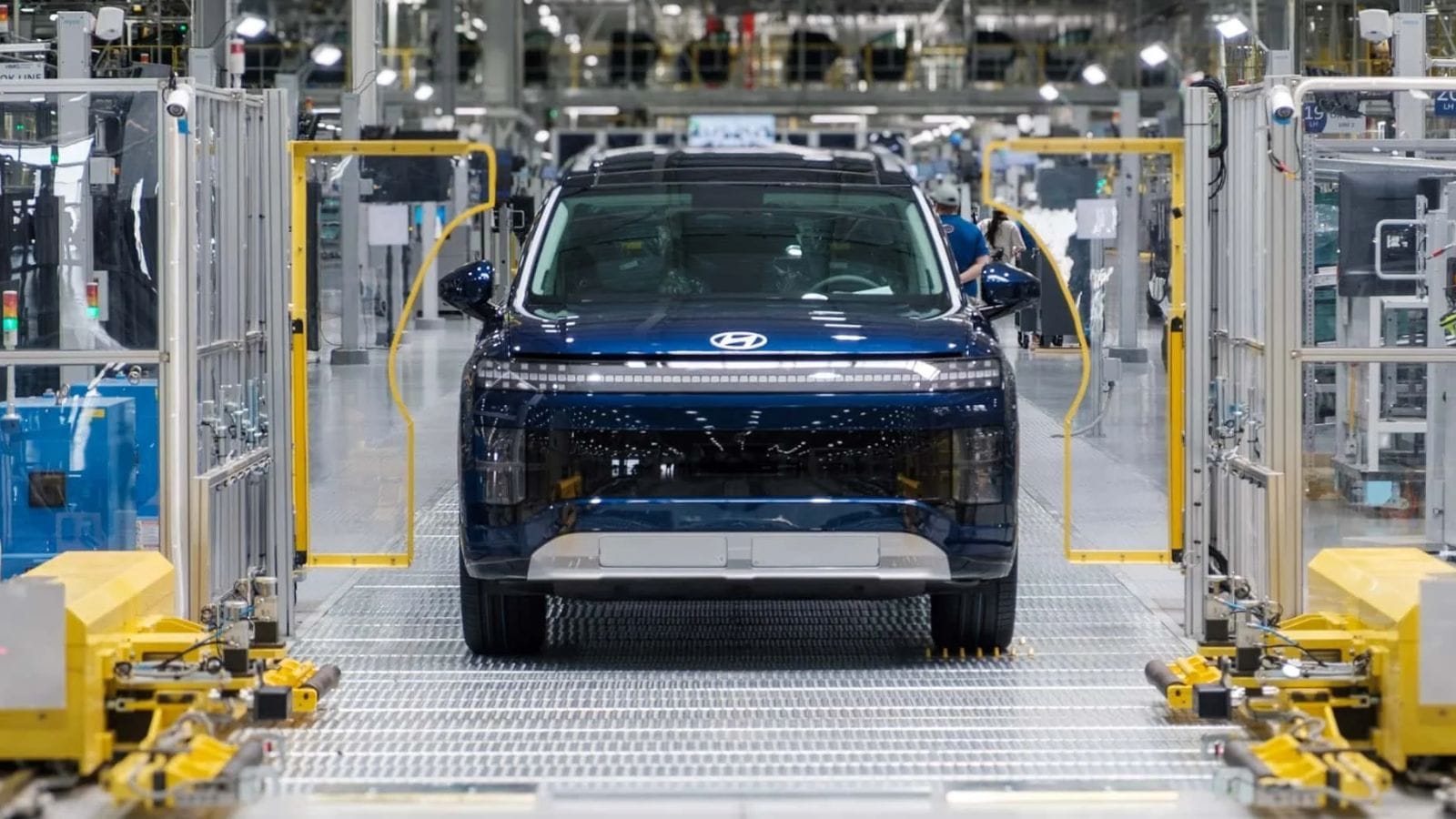
Tariffs give Canada bargaining power in international trade discussions. They can be used strategically to secure better market access, protect domestic interests, or counter unfair trade practices without permanently closing borders.
Auto tariffs are not a silver bullet, and poorly designed policies can hurt consumers. But when targeted and paired with smart industrial strategy, they have the potential to reshape Canada’s economy, strengthen manufacturing, and restore confidence in one of the country’s most important sectors.
25 Facts About Car Loans That Most Drivers Don’t Realize

Car loans are one of the most common ways people fund car purchases. Like any other kind of loan, car loans can have certain features that can be regarded as an advantage or a disadvantage to the borrower. Understanding all essential facts about car loans and how they work to ensure that you get the best deal for your financial situation is essential. Here are 25 shocking facts about car loans that most drivers don’t realize:
25 Facts About Car Loans That Most Drivers Don’t Realize
