Winter in Canada is unforgiving. Snow, ice, salt, and bone-chilling cold aren’t minor inconveniences — they’re relentless tests of a vehicle’s capability. Yet every year, drivers fall for style over substance and buy cars that simply aren’t cut out for Canadian winters. These are not just “less ideal” vehicles. They’re cars that tend to struggle in snow, spin tires on the first slick road, or become headaches once temperatures drop below zero.
Fiat 500
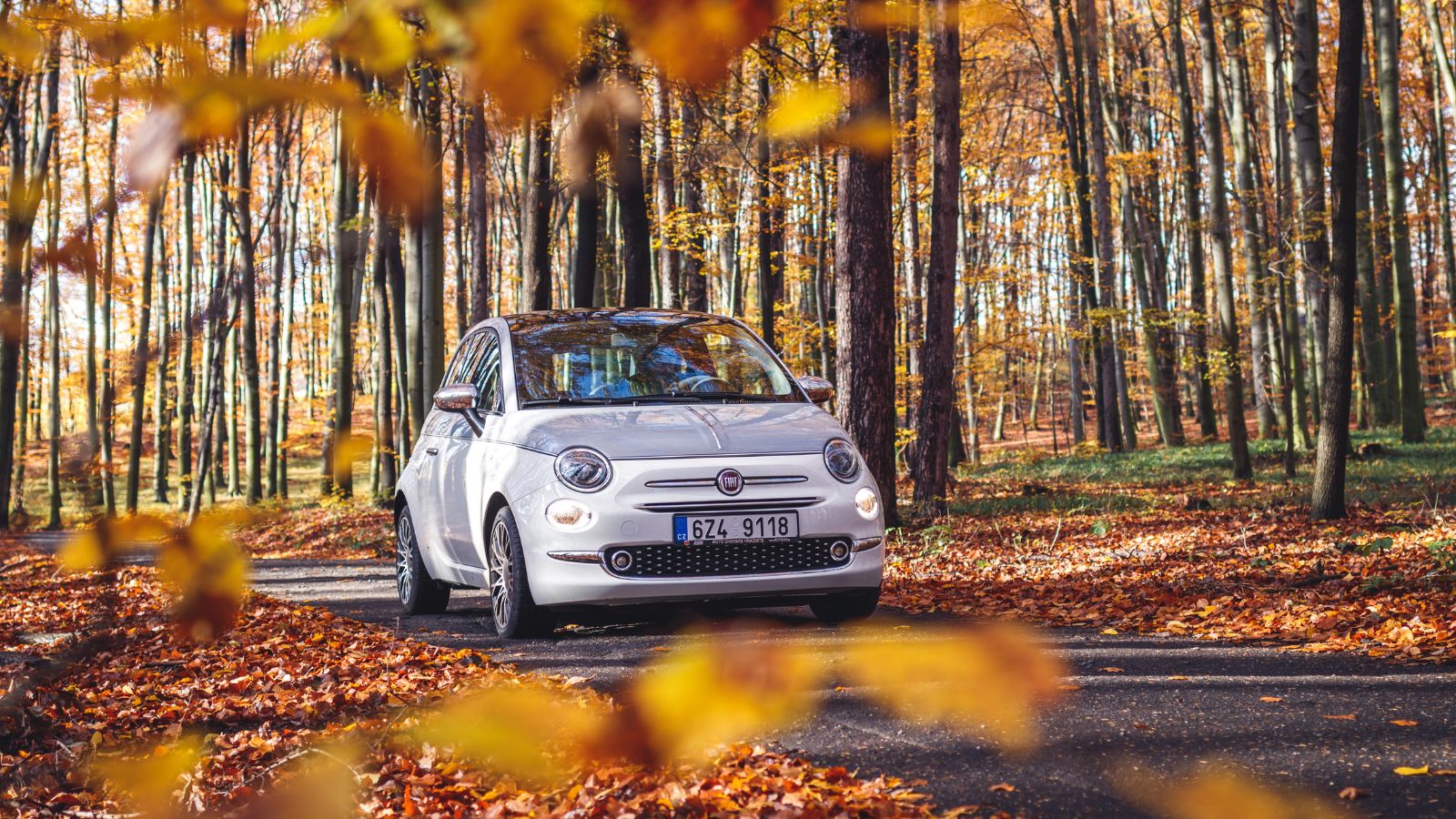
The Fiat 500 looks cute, but charm doesn’t translate to traction. Tiny tires, minimal weight over the front wheels, and front-wheel drive mean it fights for grip the moment snow hits. In slippery conditions, it’s more likely to spin than sprint. Winter tires help, but physics still matter — and the 500 simply has too little mass to push through serious snow.
Mini Cooper Hardtop
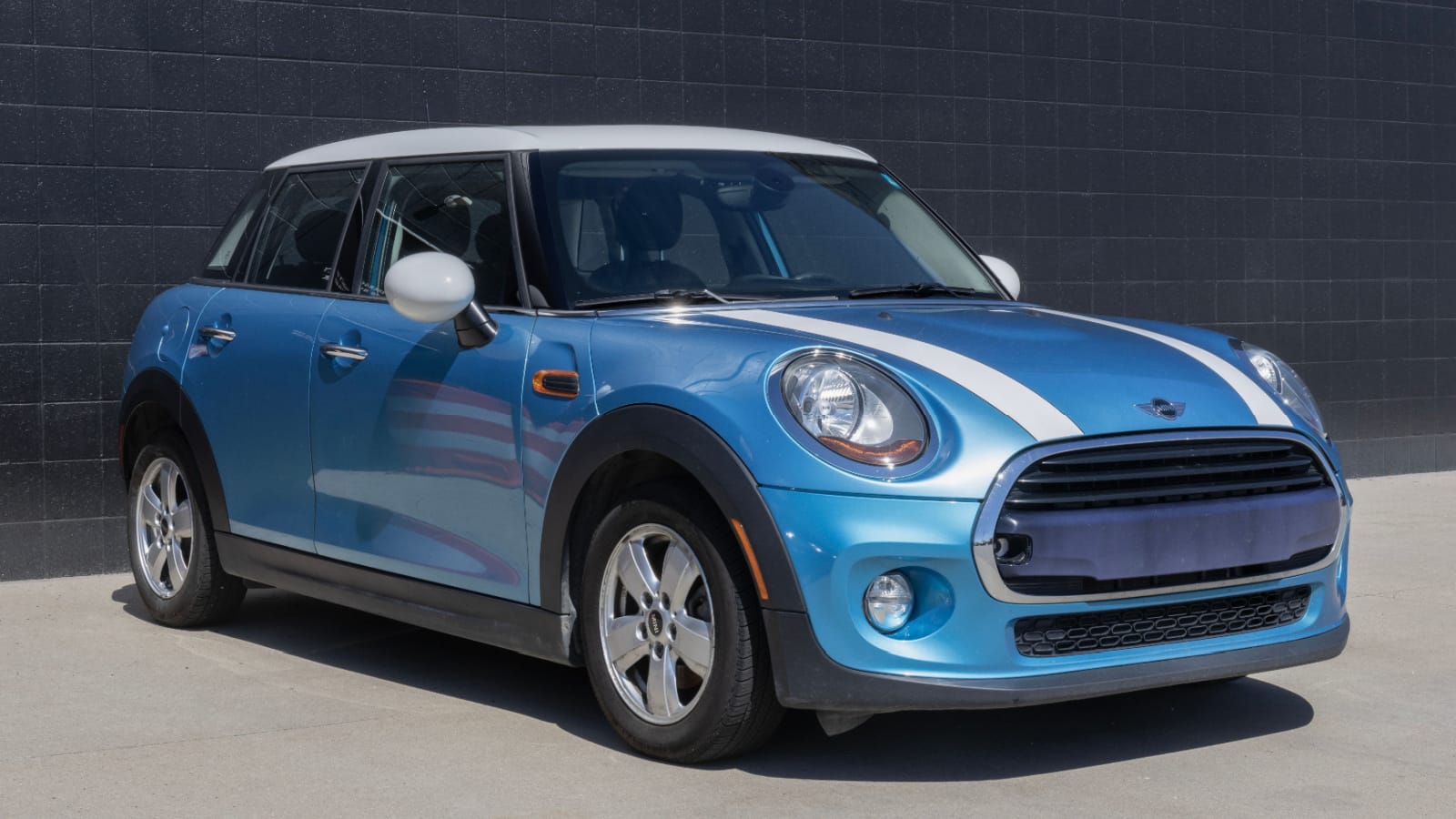
The Mini Cooper’s go-kart feel on dry roads becomes a liability on ice. Short wheelbase, playful handling, and serious torque mean tailouts in snowy turns are common. Enthusiasts love them, but in Canadian winter conditions without all-wheel drive, they are one of the wrong cars sold to exactly the wrong climate.
Mazda MX‑5 Miata
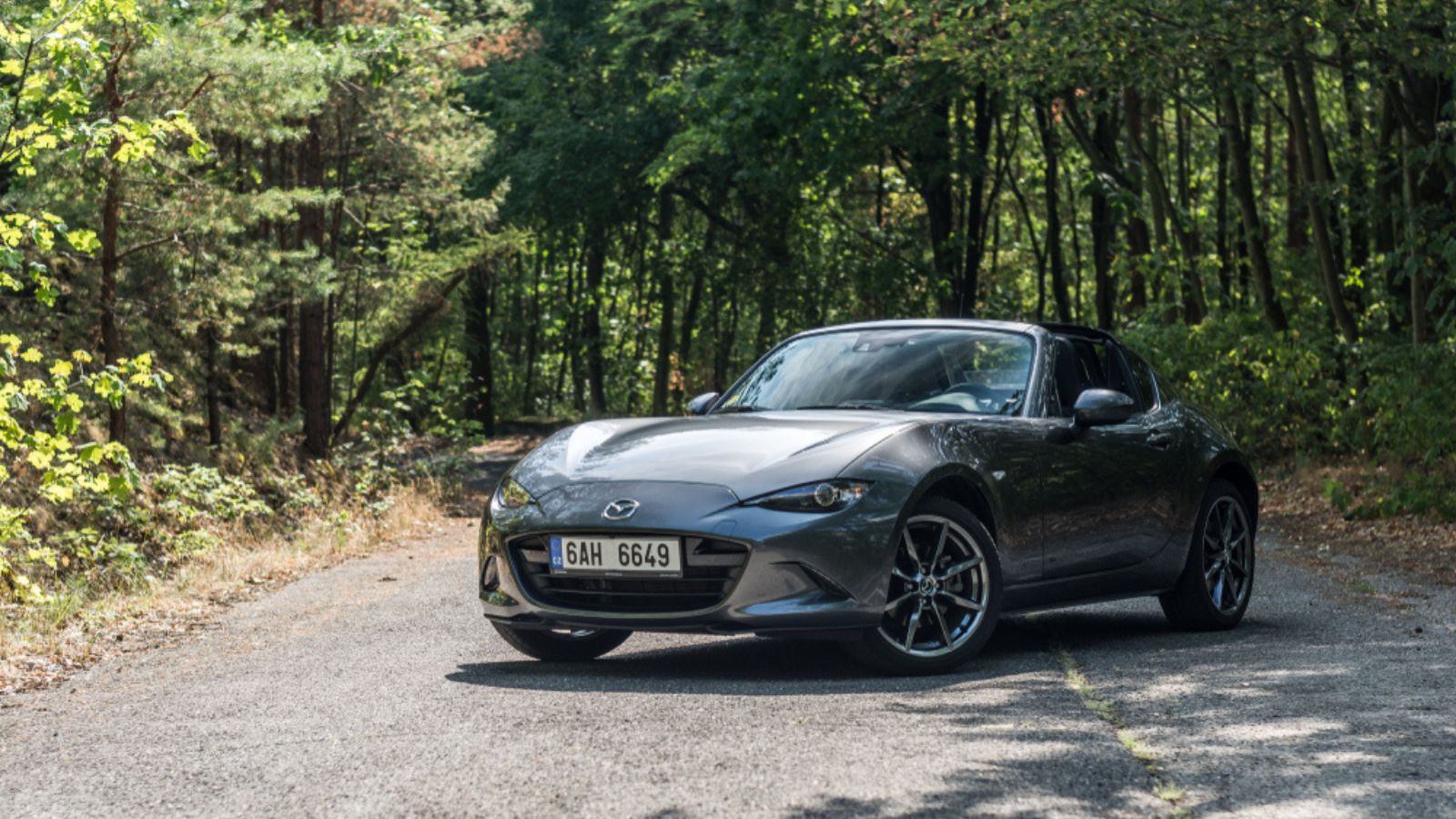
The Miata is pure joy in good weather, but winter? Not so much. Rear-wheel drive, light weight, and limited ground clearance make it nearly unusable once snow piles up. Every winter-obsessed driver has a story about a Miata sliding sideways — an experience far less fun when temperatures are below freezing.
Tesla Model 3 Performance
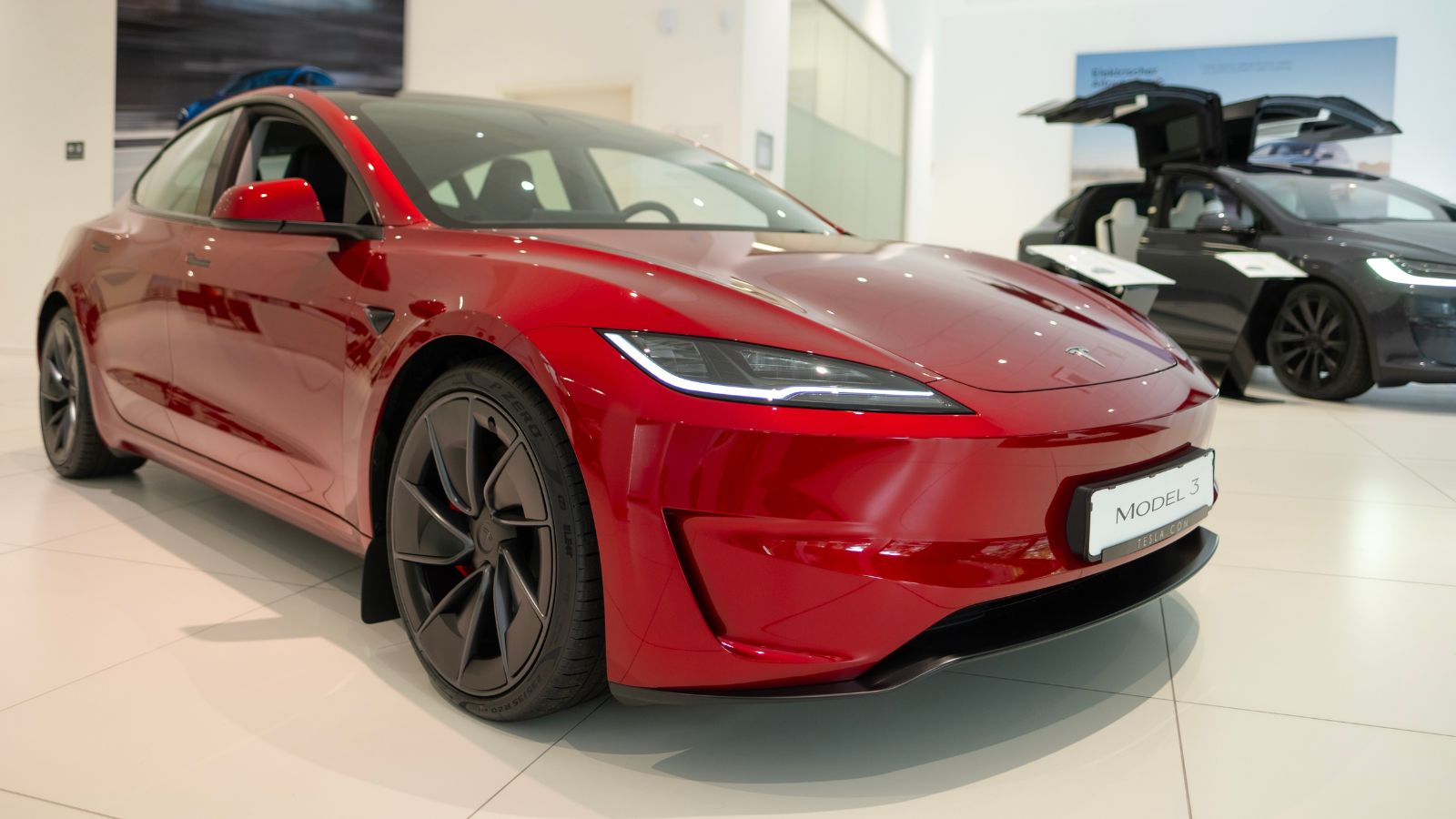
This might ruffle some feathers, but hear it out. The Performance version feels planted in summer, but torque delivery on slick ice without proper winter setup can surprise even experienced drivers. Without dedicated winter tires or careful throttle control, the instant torque that feels thrilling on dry pavement becomes unpredictable on snow and ice.
Chevrolet Camaro
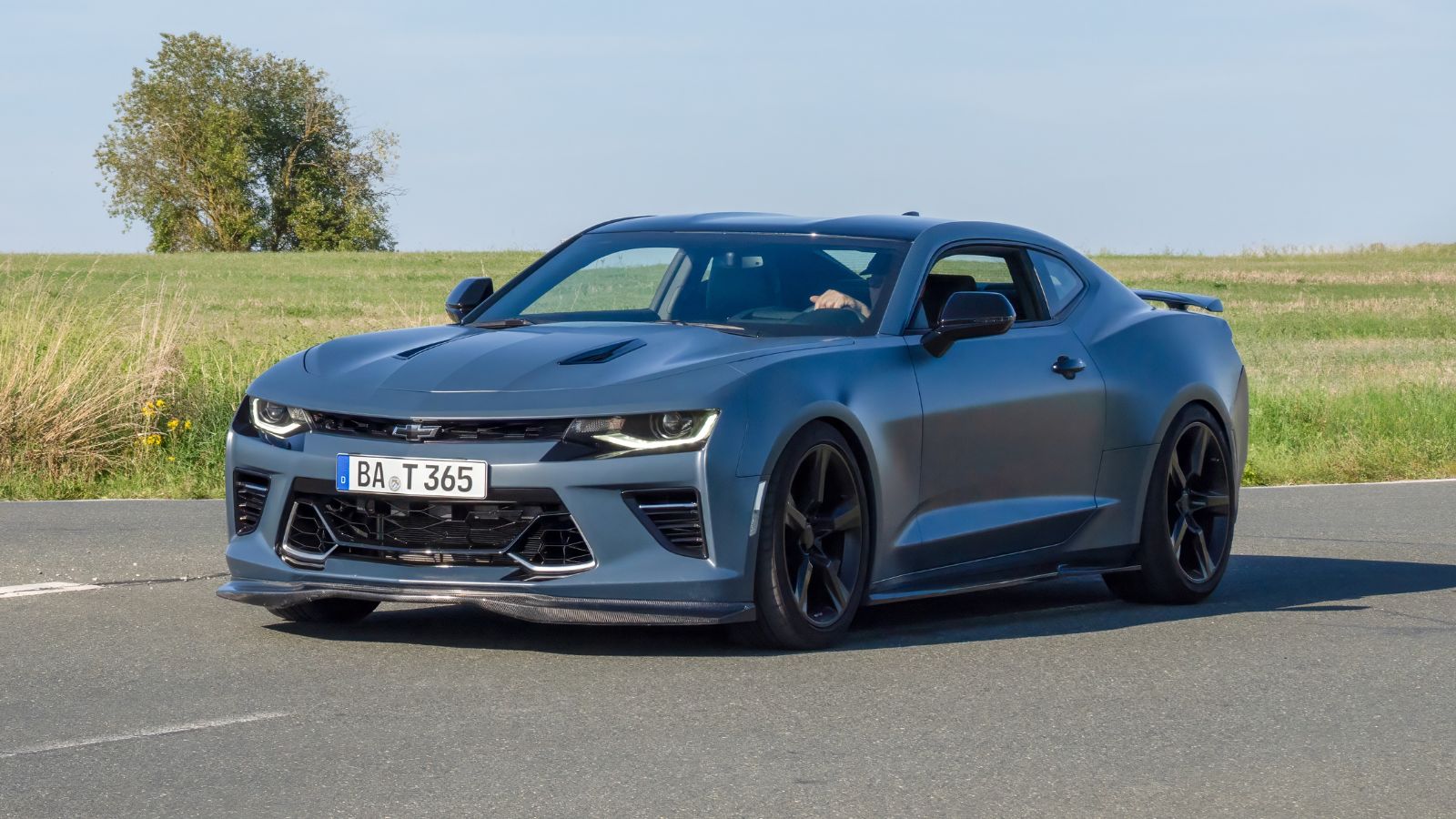
Camaro looks mean, but most Canadian winters show its limitations quickly. Rear-wheel drive and performance tires mean early snowfall turns the experience into a battle rather than a commute. Unless you invest in four-season rubber and limit your ambitions, winter driving becomes a chore — not a thrill.
Ford Mustang
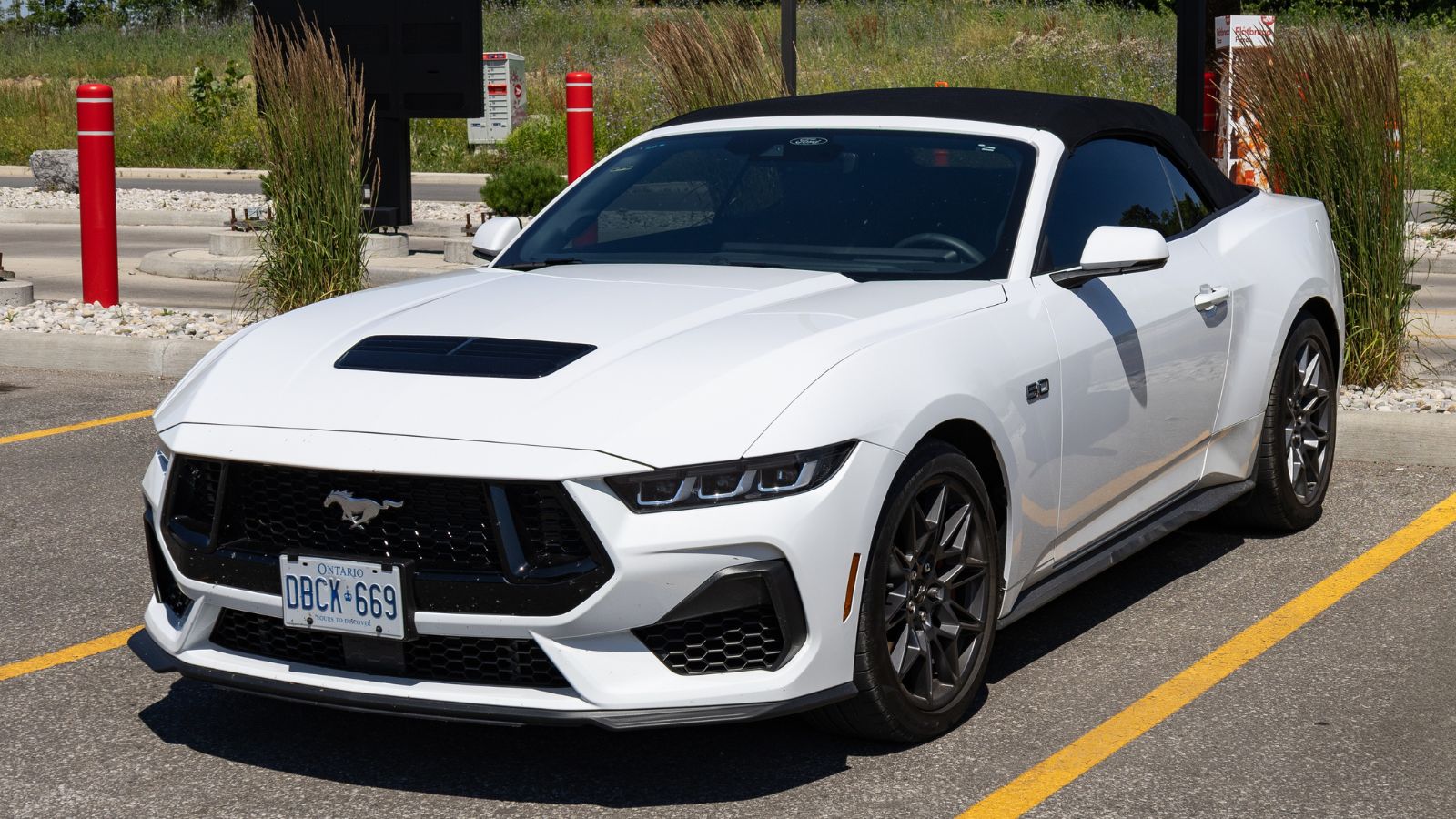
Like its Chevy cousin, the Mustang’s powertrain and chassis are built for rear-wheel excitement, not winter traction. Even with traction control, low cold-weather grip and torque make for long, anxious mornings before roads get scraped clear. It’s fun in summer, frustrating in winter.
Mini Cooper Countryman (FWD)
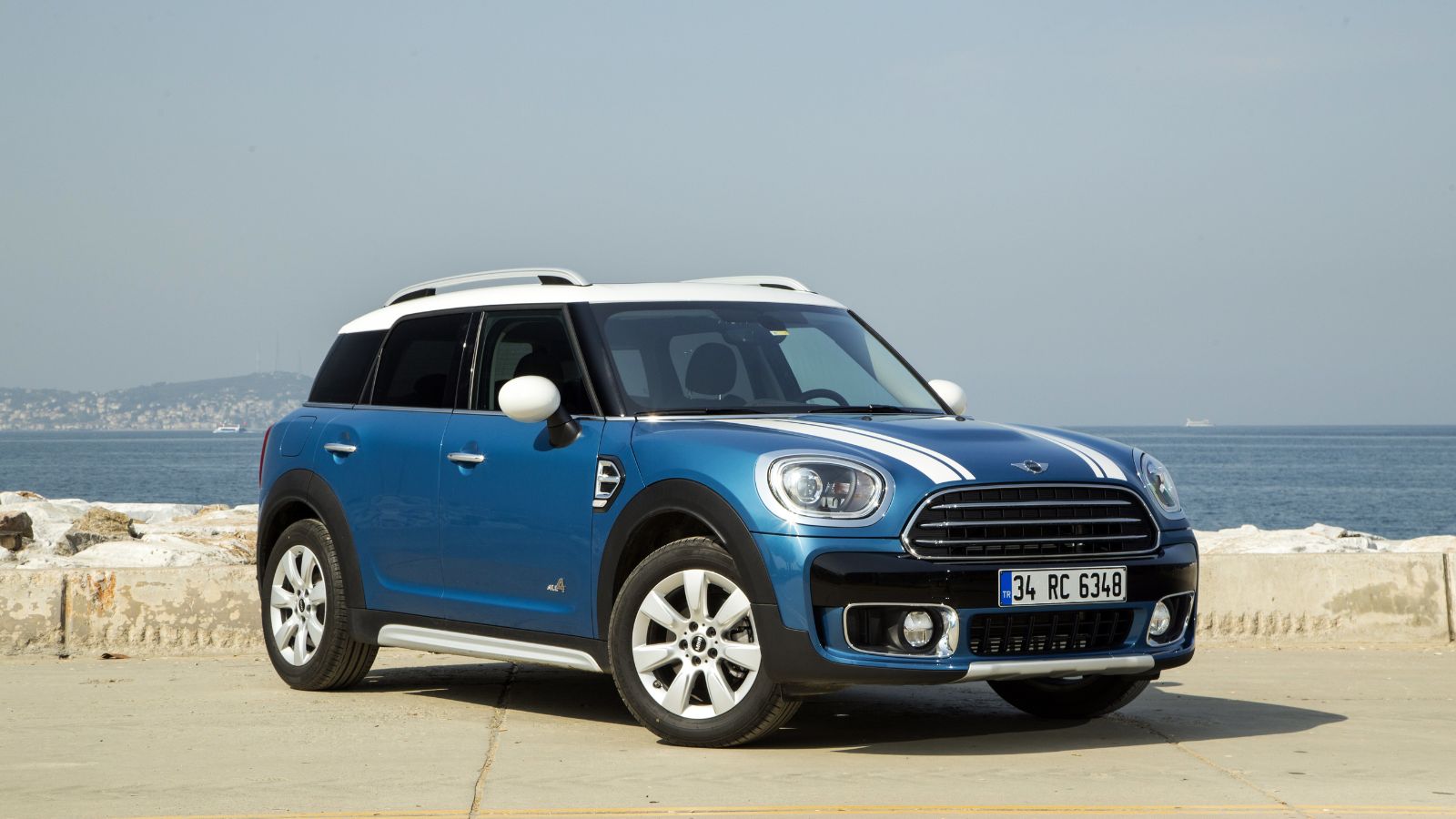
Some Countrymans come only in front-wheel drive, and that tells the story. Slightly taller body and crossover look don’t magically cure winter weakness. The light front end and limited AWD availability on base trims leave it battling snow far more often than routing through it.
Smart Fortwo
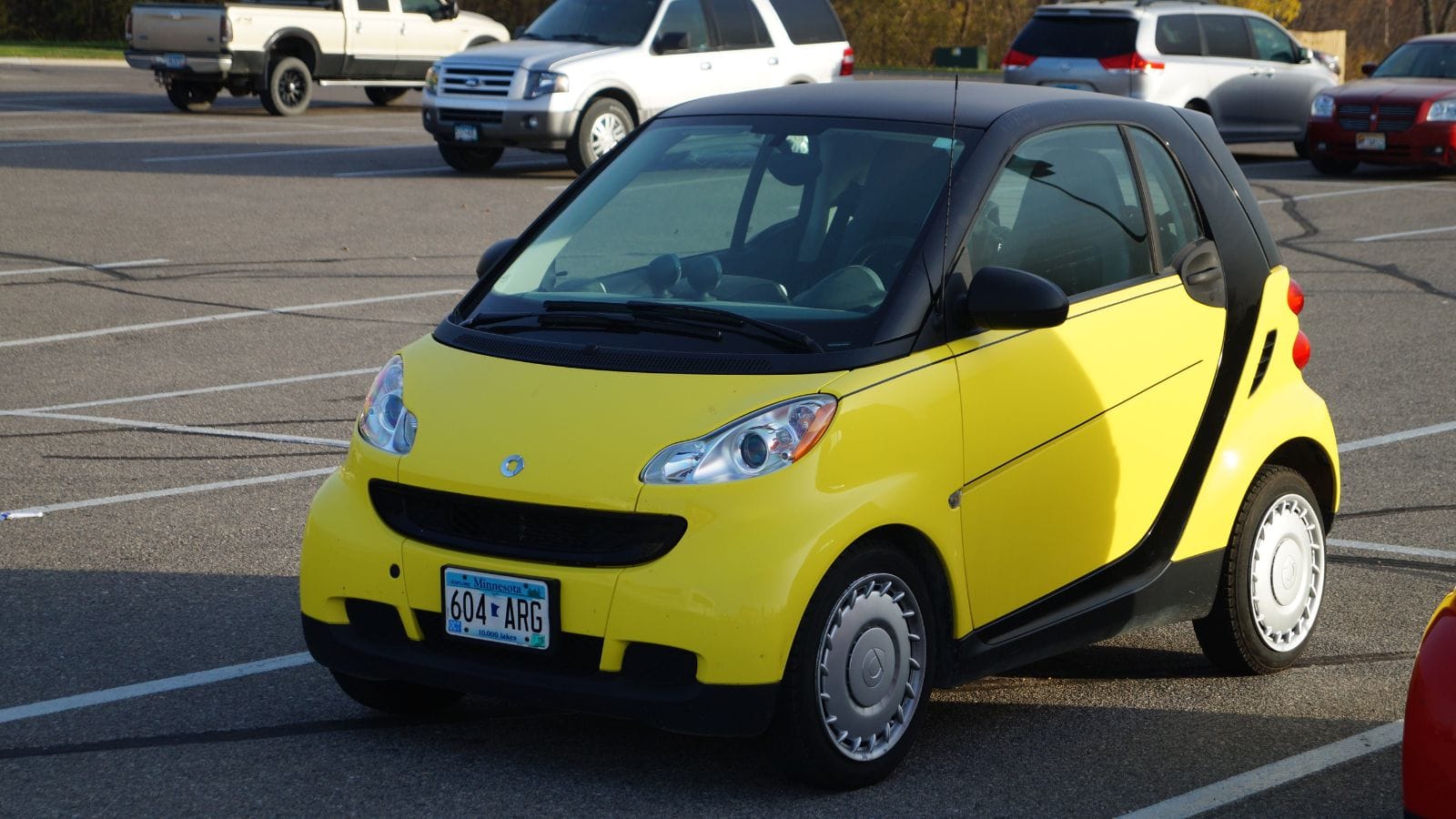
The Fortwo’s microcar dimensions are charming in downtown summers but a liability in icy suburbs. Short wheelbase equals instability, tiny tires equal minimal traction, and its light curb weight means it floats on slush rather than plows through it. It’s cute until you need to get home in a snowstorm.
Toyota 86 / Subaru BRZ
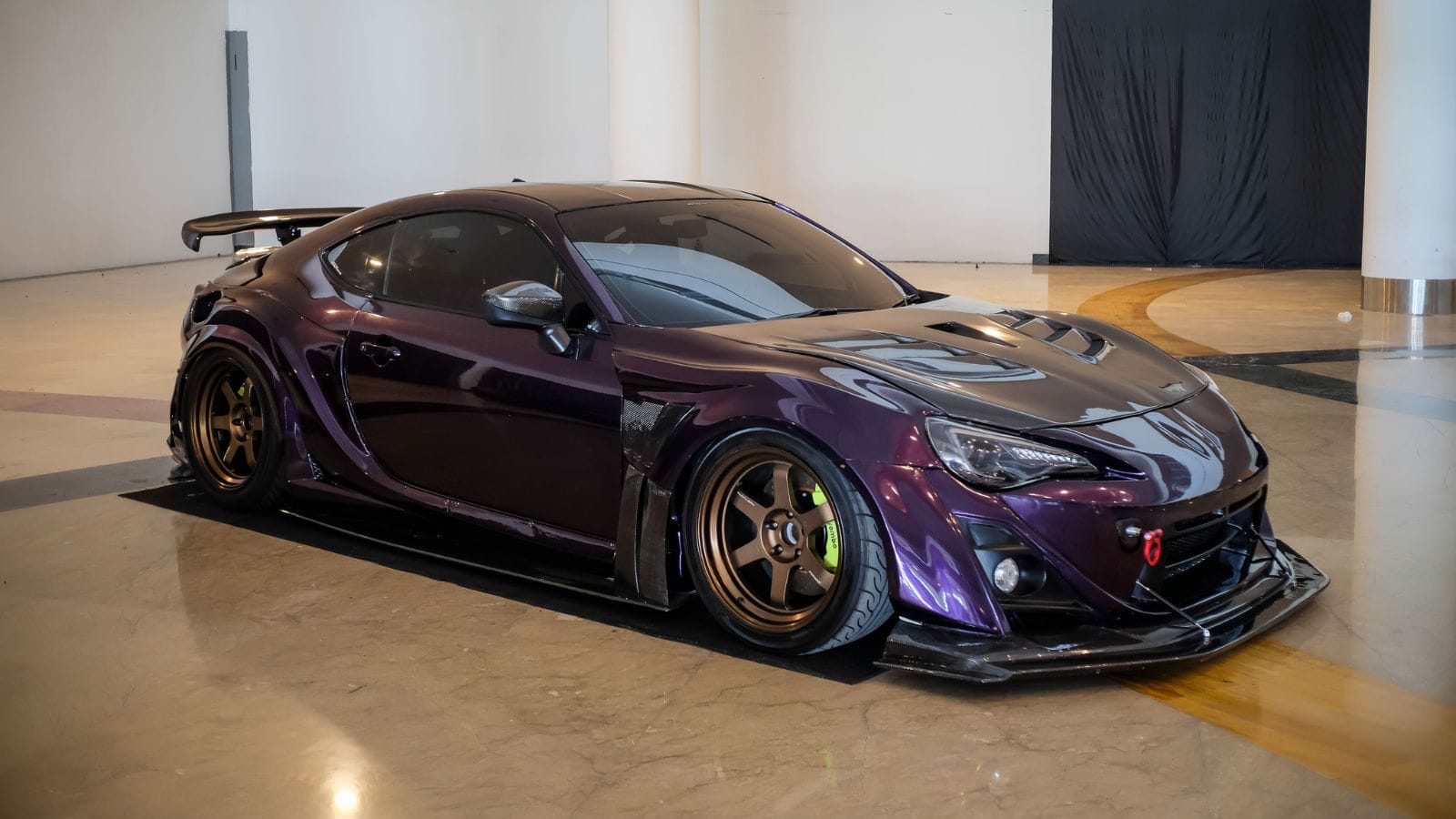
Balanced chassis and rear-wheel drive make these amazing summer fun cars, but winter weather exposes their Achilles’ heel. Without AWD and with performance tires, you’re left sliding at the first sign of snow. Enthusiasts argue snow tires help — and they do — but even then you’re fighting physics rather than embracing control.
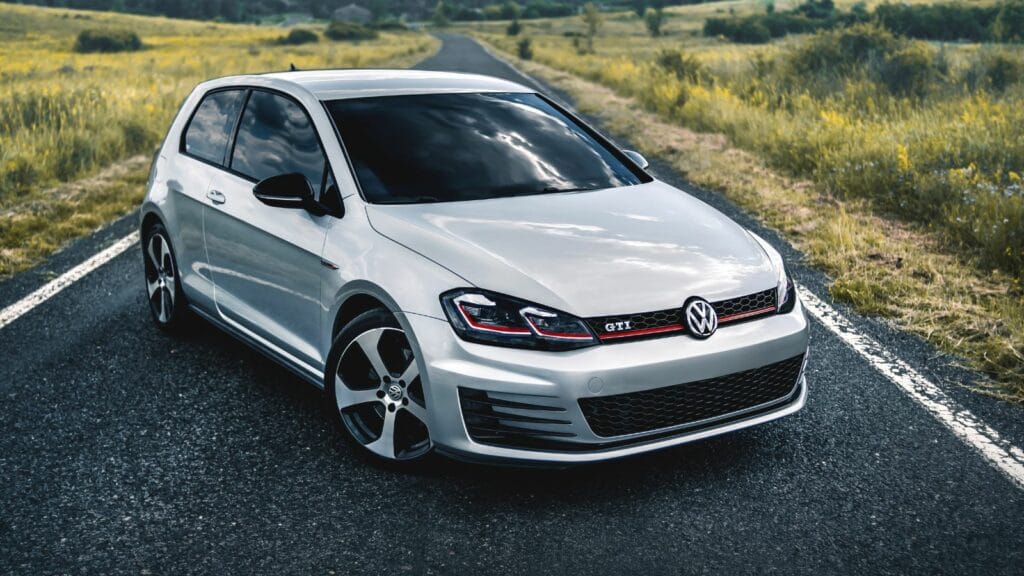
Volkswagen Golf (2WD)
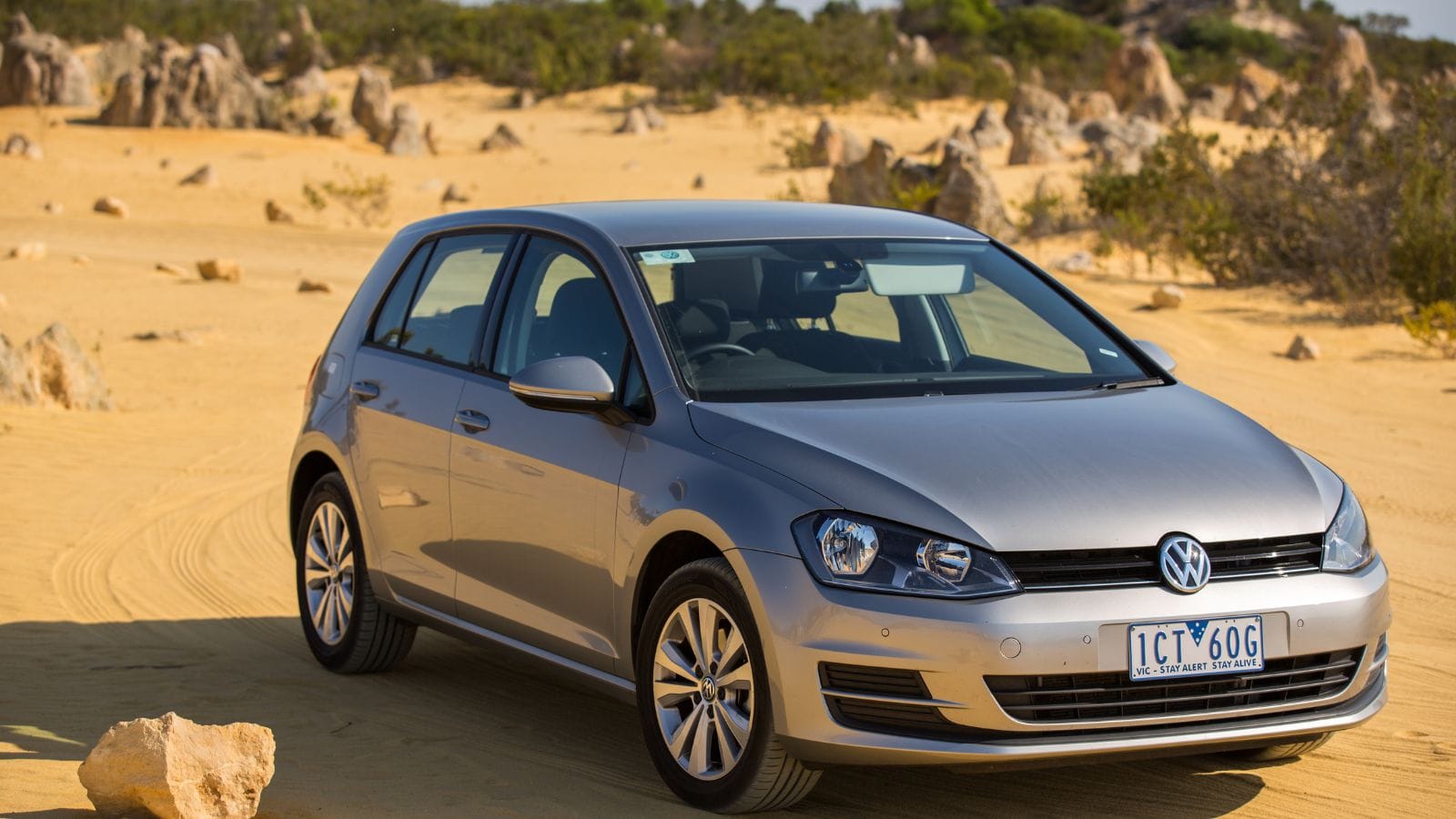
The front-wheel drive Golf is competent in most conditions, but in deep snow or during long winter storms it can struggle compared with AWD alternatives. Canadian winters demand versatility, and two-wheel-drive driving limits traction when you need it most. The AWD versions are better — the base ones less so.
Why These Cars Keep Getting Bought

Part of the issue is perception. Buzzwords, styling, and sporty appeal matter until the first winter commute. Many buyers assume traction control or stability systems can substitute for real mechanical grip. They can’t. Snow tires help tremendously, but they don’t change the physics of vehicle weight distribution, drivetrain layout, or tire contact patch size.
Canadian winters reward vehicles with heavy weight over driven wheels, all-wheel drive, and good ground clearance. When buyers ignore these basics for aesthetics or brand appeal, they often end up regretting it come January.
These cars aren’t terrible machines they’re just imperfect tools for a tough job. Understanding what winter demands makes all the difference in choosing something that won’t leave you stuck, sliding, or stressed on the road. After all, winter isn’t a season to survive; it’s a season to be prepared for.
25 Facts About Car Loans That Most Drivers Don’t Realize

Car loans are one of the most common ways people fund car purchases. Like any other kind of loan, car loans can have certain features that can be regarded as an advantage or a disadvantage to the borrower. Understanding all essential facts about car loans and how they work to ensure that you get the best deal for your financial situation is essential. Here are 25 shocking facts about car loans that most drivers don’t realize:
25 Facts About Car Loans That Most Drivers Don’t Realize
