
Every time global tensions rise, energy markets react first. Oil futures jump, shipping routes tighten, and Canadian drivers watch pump prices climb almost overnight. That cycle has repeated often enough to make many buyers rethink their next vehicle. Electric vehicles promise freedom from gas stations, but they also rely on infrastructure and battery supply chains. So are EVs truly the safer bet when energy markets turn unstable?
Oil Markets React Fast

Gasoline prices in Canada are tied to global crude benchmarks, not just domestic production. Even as an oil-producing nation, Canada feels international price shocks immediately. EV owners largely sidestep that volatility. Electricity rates move slowly, usually through regulated adjustments rather than sudden spikes. In times of geopolitical stress, that price stability becomes attractive.
Electricity Is More Diversified

Canada’s electricity mix is broad. Hydroelectric power dominates in Quebec and British Columbia, nuclear plays a major role in Ontario, and renewables continue expanding nationwide. That diversification buffers extreme swings in pricing. While rates can increase over time, they rarely fluctuate daily like gasoline does.
Home Charging Changes the Equation

The biggest advantage of an EV during uncertainty is home charging. Plugging in overnight eliminates exposure to public fuel pricing entirely. For urban homeowners, that is a powerful layer of predictability. Apartment dwellers without reliable charging access face a different reality, as public charging can introduce variability in both cost and availability.
Winter Is Still a Factor

Canadian winters remain a challenge for EVs. Cold temperatures reduce battery efficiency and increase energy demand for cabin heating. Range drops are real, particularly in extreme conditions. While modern EVs have improved significantly, drivers must plan more carefully during long-distance winter travel.
Battery Supply Chains Matter

EVs remove reliance on oil but depend heavily on battery materials such as lithium, nickel, and cobalt. These materials move through complex global supply chains. Geopolitical instability in mining or processing regions can affect production costs. That may influence vehicle pricing, even if it does not directly affect daily operation.
Maintenance Is Simpler
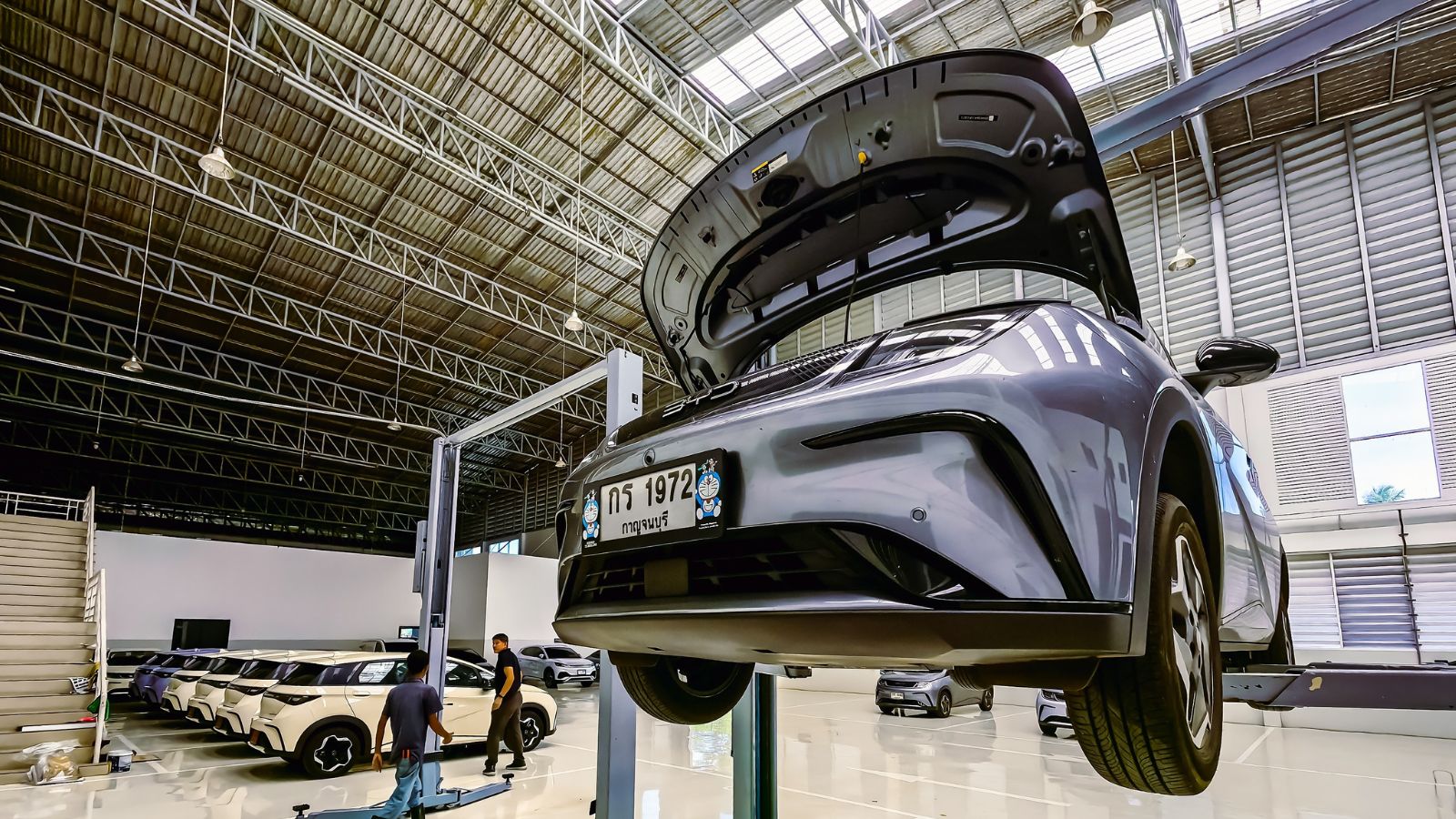
Electric drivetrains contain fewer moving parts than internal combustion engines. There are no oil changes, fewer belts, and less mechanical complexity overall. In uncertain economic times, predictable maintenance costs become an added advantage. Regenerative braking also reduces wear on traditional brake systems, lowering long-term service expenses.
Grid Stability Is the Counterpoint
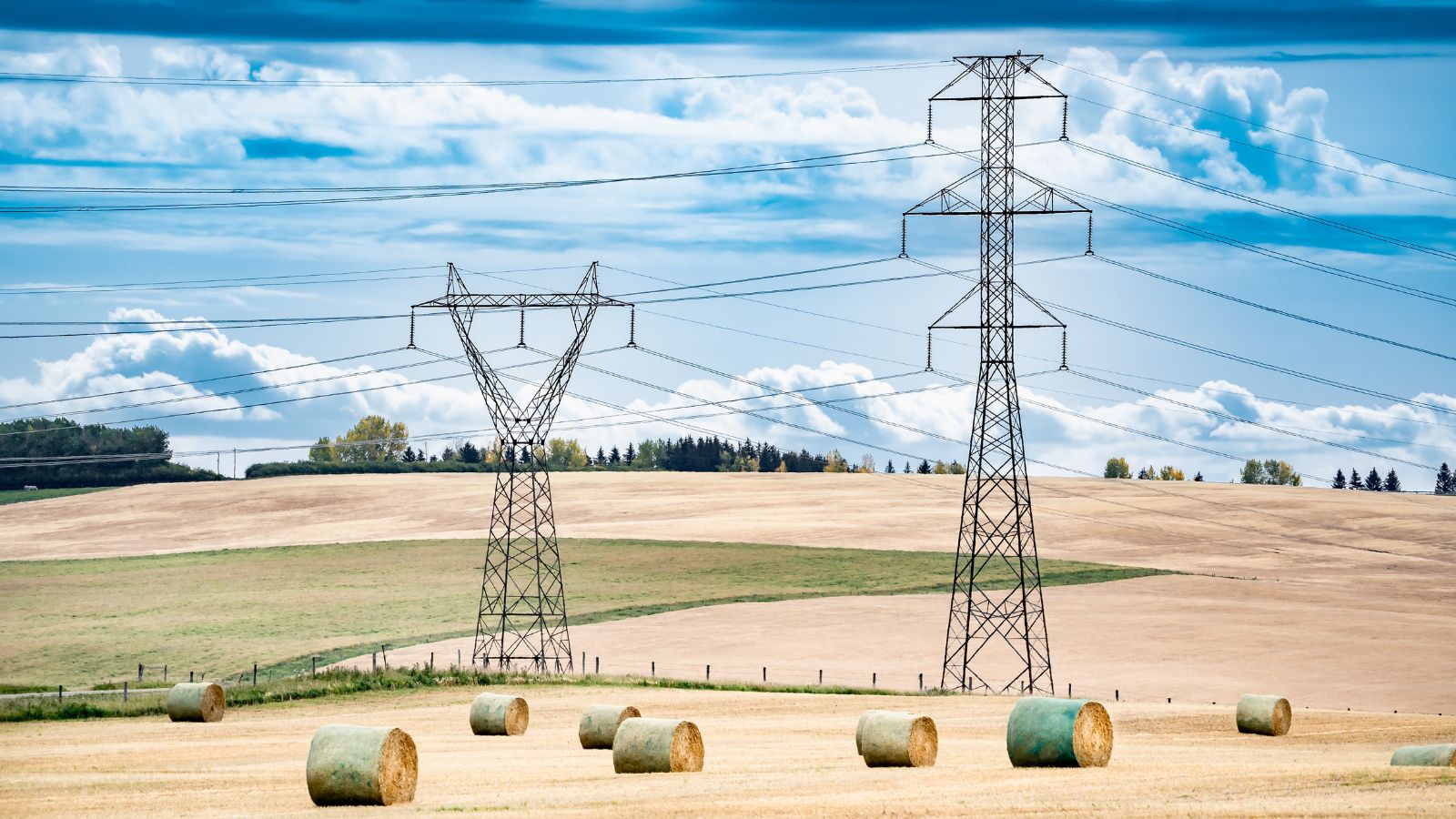
Energy independence through electricity depends on grid reliability. Canada’s grid is generally stable, but severe weather events or infrastructure strain can create outages. While rare, these situations highlight that EVs shift dependence rather than eliminate it entirely.
Long-Term Cost Predictability

EV buyers often pay more upfront. However, operating costs tend to be more predictable over time. When oil prices surge, the financial case for EVs strengthens quickly. Drivers covering high annual mileage feel that benefit the most.
Resale Value Trends

Demand for EVs typically increases during fuel spikes. That demand can stabilize or even lift resale values, helping offset depreciation. Market momentum often follows energy headlines, and EVs benefit when gasoline prices dominate the news cycle.
Psychological Security

There is also a psychological element. Avoiding gas stations during periods of global tension offers a sense of insulation. For some Canadians, that emotional comfort is as meaningful as the financial calculation.
EVs are not immune to global instability, but they do insulate drivers from the most visible and volatile part of the energy equation: gasoline pricing. For Canadians with dependable charging access and predictable driving patterns, electric vehicles can offer meaningful stability during uncertain times. The safer bet depends less on global headlines and more on how and where you drive every day.
25 Facts About Car Loans That Most Drivers Don’t Realize

Car loans are one of the most common ways people fund car purchases. Like any other kind of loan, car loans can have certain features that can be regarded as an advantage or a disadvantage to the borrower. Understanding all essential facts about car loans and how they work to ensure that you get the best deal for your financial situation is essential. Here are 25 shocking facts about car loans that most drivers don’t realize:
25 Facts About Car Loans That Most Drivers Don’t Realize
