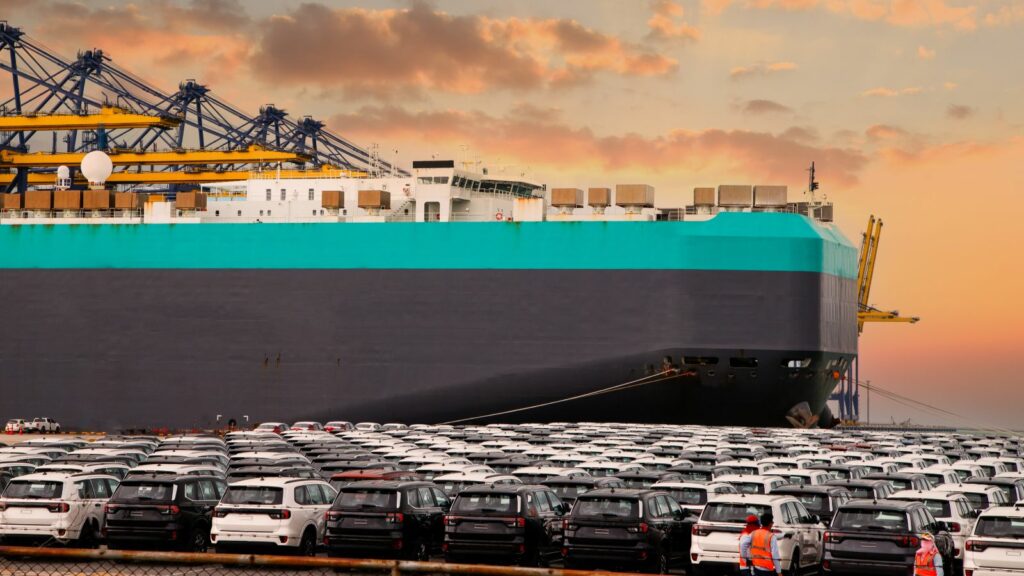
Buying a car used to mean walking into a dealership and choosing from rows of inventory. In recent years, that certainty has disappeared. Global tensions, shipping bottlenecks, semiconductor shortages, and material supply disruptions have reshaped how vehicles reach Canada. If instability continues, your next car purchase may take longer than expected. Here is why global events can ripple all the way to your local showroom.
Modern Cars Depend on Global Parts
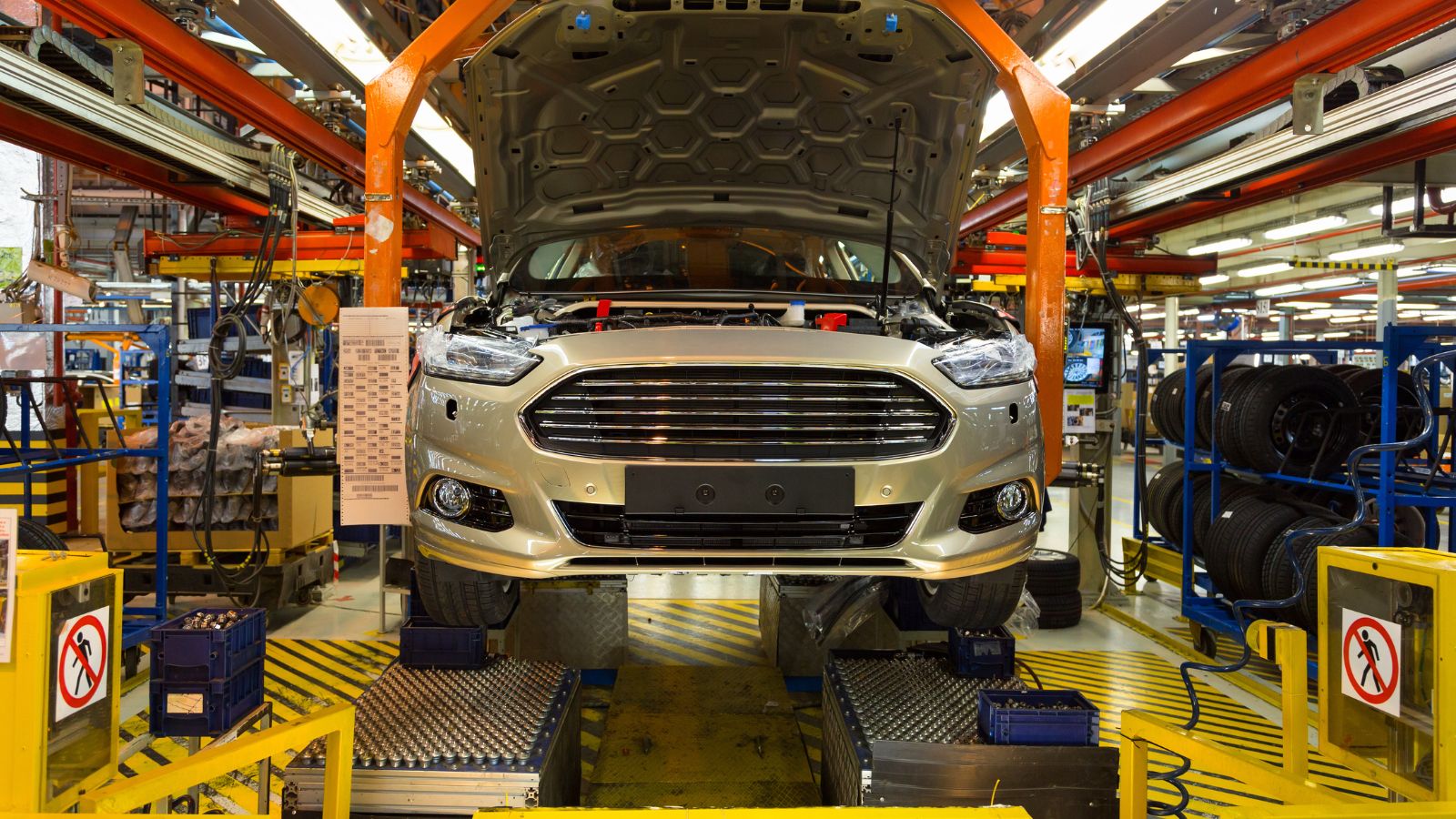
Today’s vehicles are global products. A single SUV assembled in Ontario might rely on semiconductors from Asia, wiring harnesses from Eastern Europe, aluminum from the Middle East, and battery materials from South America. When geopolitical tensions disrupt any link in that chain, production slows. Even one missing microchip can halt an entire assembly line.
Semiconductor Vulnerability Remains
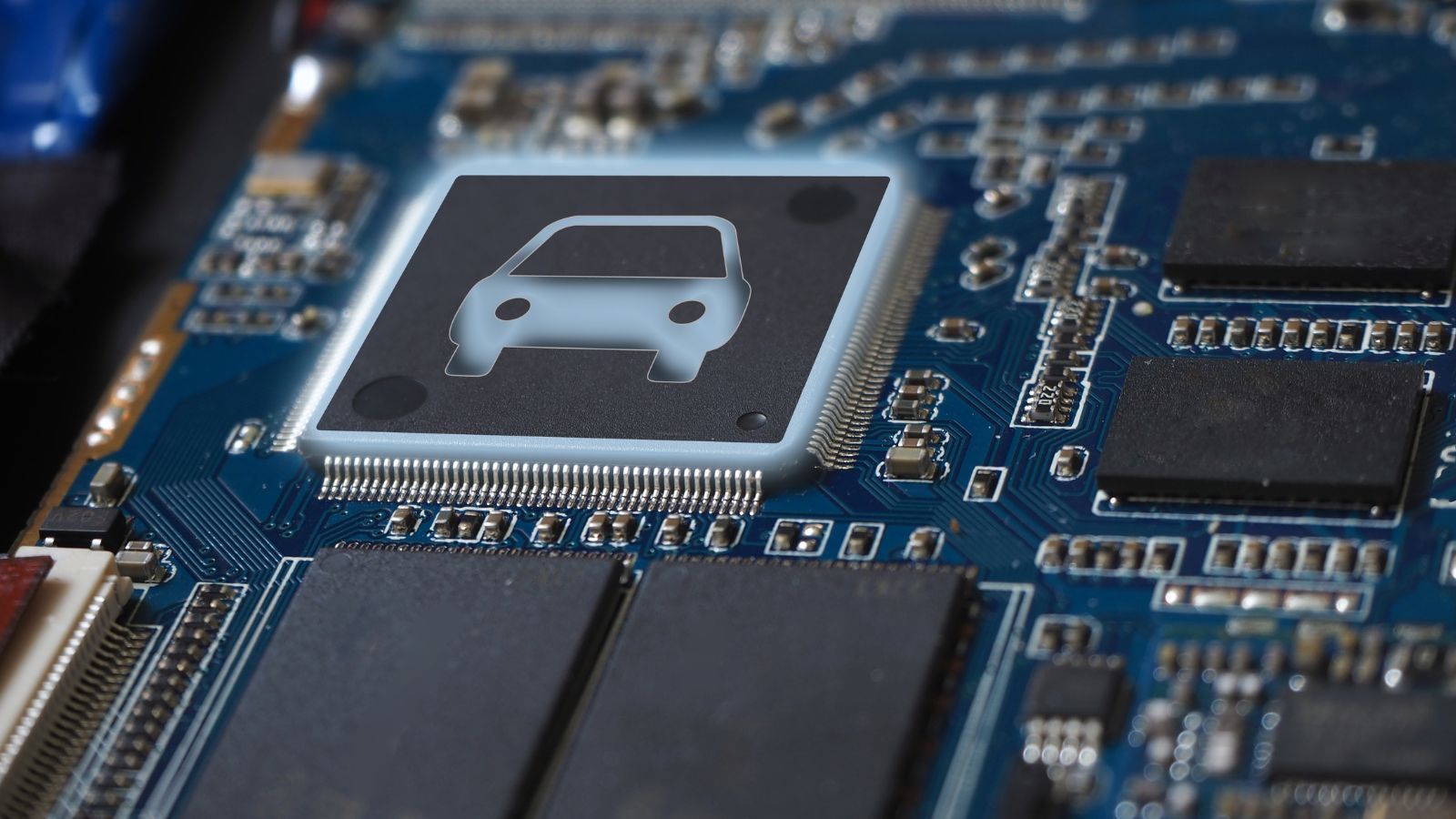
The pandemic exposed how dependent automakers are on advanced chips. While supply has improved, it remains sensitive to geopolitical instability in key manufacturing regions. If tensions affect major semiconductor hubs, production schedules can quickly tighten again, reducing available inventory in Canada.
Shipping Routes Are Fragile
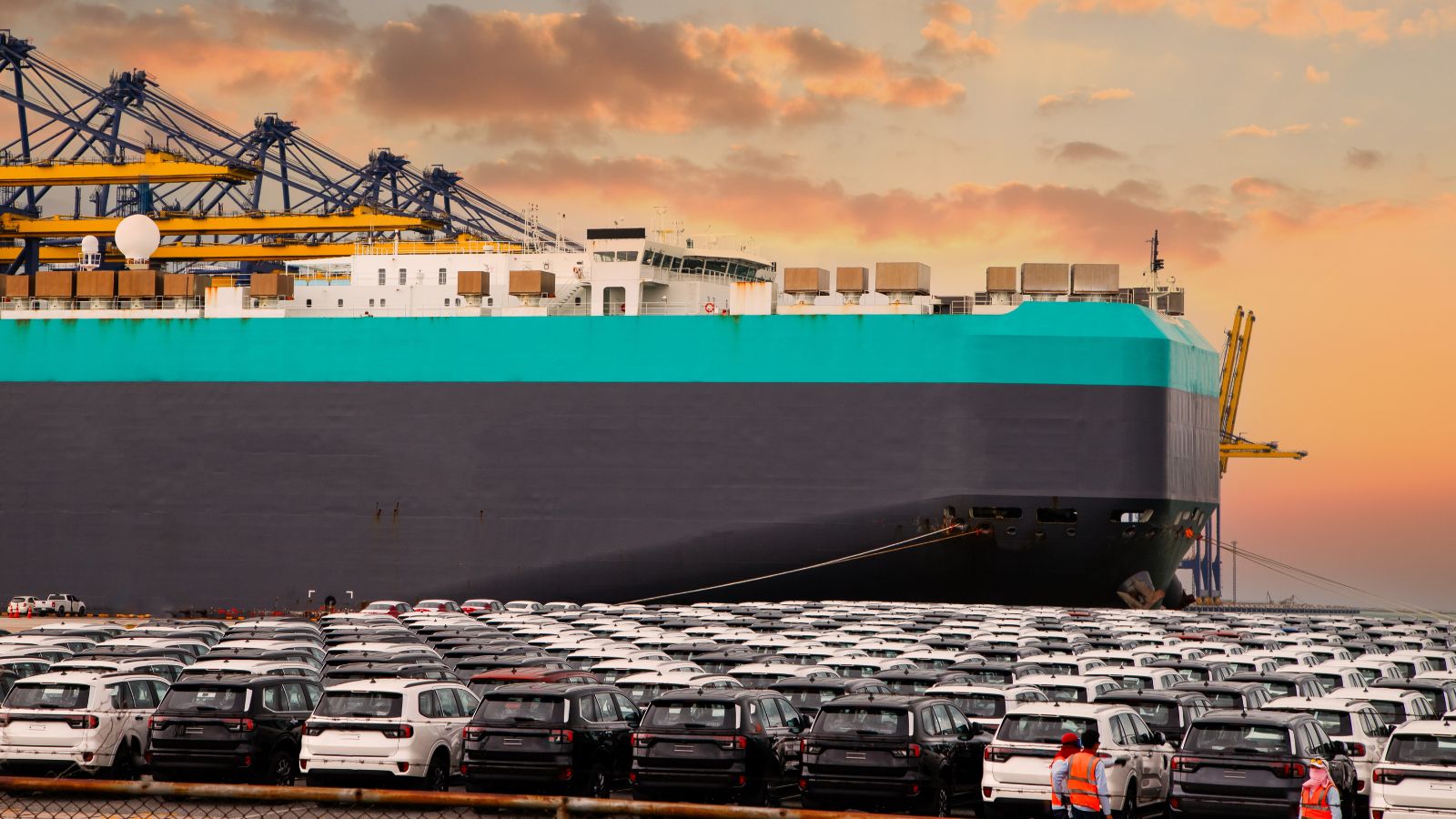
Global trade depends on stable sea lanes. Conflicts or security risks in key shipping corridors can increase insurance costs, delay transit times, or reroute vessels entirely. When shipping slows, vehicles and parts sit in transit longer, pushing delivery dates further out for Canadian buyers.
Raw Materials Face Price Swings

Steel, aluminum, lithium, and rare earth elements are essential for vehicle production. Many of these materials originate in politically sensitive regions. Sanctions, export controls, or regional instability can restrict supply and increase costs. Automakers often respond by adjusting production volumes or raising prices.
Tariffs Can Shift Production Plans
Trade disputes can lead manufacturers to redirect production to avoid tariffs. That reshuffling may benefit some markets while reducing supply to others. Canada’s integrated relationship with the United States means it often feels the impact of trade adjustments quickly.
EV Production Is Especially Sensitive
Electric vehicles rely heavily on global battery supply chains. If tensions affect lithium mining, battery cell production, or component shipping, EV availability may tighten. Delays in battery supply can cascade into slower final vehicle assembly.
Dealer Inventory Has Not Fully Recovered

Many dealerships never returned to pre-pandemic inventory levels. Manufacturers adopted leaner production strategies, reducing excess stock. That means even minor supply disruptions can leave showrooms thin on options, forcing buyers to order vehicles rather than drive them home immediately.
Custom Orders Take Longer

Buyers seeking specific trims, colors, or options may face extended wait times if parts shortages limit configuration flexibility. Manufacturers often prioritize high-volume models, leaving specialty builds delayed.
Currency Volatility Adds Pressure

World tensions frequently trigger currency swings. A weaker Canadian dollar increases the cost of imported vehicles and parts. Manufacturers may slow shipments or adjust pricing strategies while exchange rates stabilize.
Demand Can Spike Unexpectedly
When buyers fear shortages, they often rush into the market. That surge in demand can compound supply constraints, creating longer wait times and fewer negotiation opportunities. The result is a market that feels tight even if overall production has not collapsed.
Supply chains are complex and interdependent. World tensions do not need to shut factories down entirely to cause delays. Even small disruptions can ripple across continents and slow the flow of vehicles into Canada. If you are planning a purchase this year, flexibility on timing, model choice, and configuration may be just as important as negotiating price.
25 Facts About Car Loans That Most Drivers Don’t Realize

Car loans are one of the most common ways people fund car purchases. Like any other kind of loan, car loans can have certain features that can be regarded as an advantage or a disadvantage to the borrower. Understanding all essential facts about car loans and how they work to ensure that you get the best deal for your financial situation is essential. Here are 25 shocking facts about car loans that most drivers don’t realize:
25 Facts About Car Loans That Most Drivers Don’t Realize
