Some cars impress owners with performance or luxury. Others earn quiet respect in repair shops. Mechanics often judge vehicles by a different standard entirely. They value logical engineering, simple access to parts, and components that last longer than expected. A few models consistently earn praise in garages because they make servicing straightforward and predictable. These are ten vehicles mechanics regularly describe as genuinely satisfying to work on.
Toyota Corolla (1990s to Present)
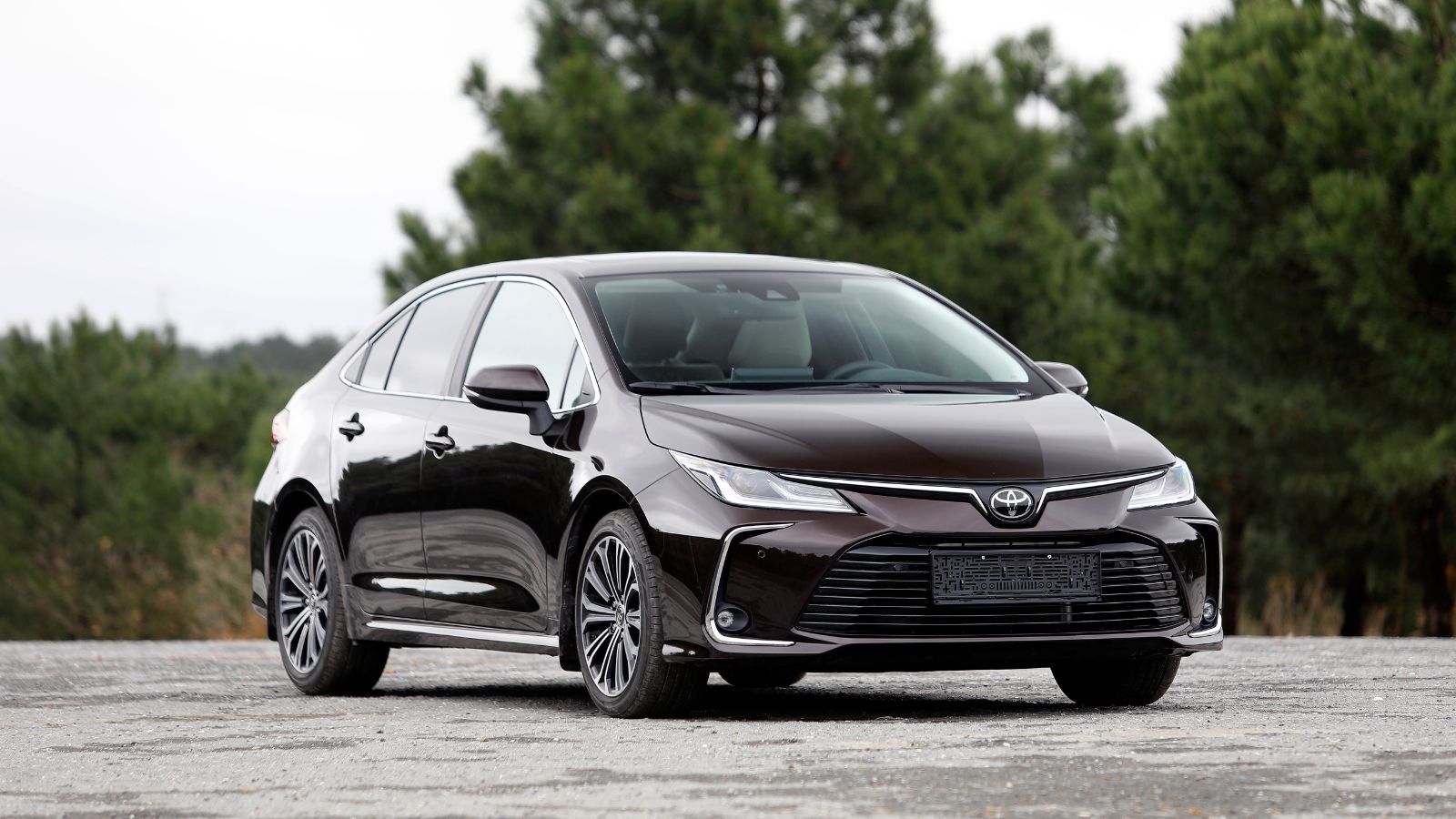
Few cars have built a reputation for mechanical honesty quite like the Toyota Corolla. Generations from the 1990s through the early 2000s are particularly loved by mechanics because everything feels simple and accessible. Spark plugs, belts, filters, and sensors are easy to reach without dismantling half the engine bay.
The Corolla’s straightforward four cylinder engines were designed with longevity and practicality in mind. Mechanics often mention that routine maintenance rarely uncovers unpleasant surprises. Even major jobs such as alternator replacement or starter motor swaps tend to be refreshingly quick. For a technician trying to keep customers happy and labor hours predictable, the Corolla often feels like the gold standard of sensible engineering.
Ford Crown Victoria (1998 to 2011)
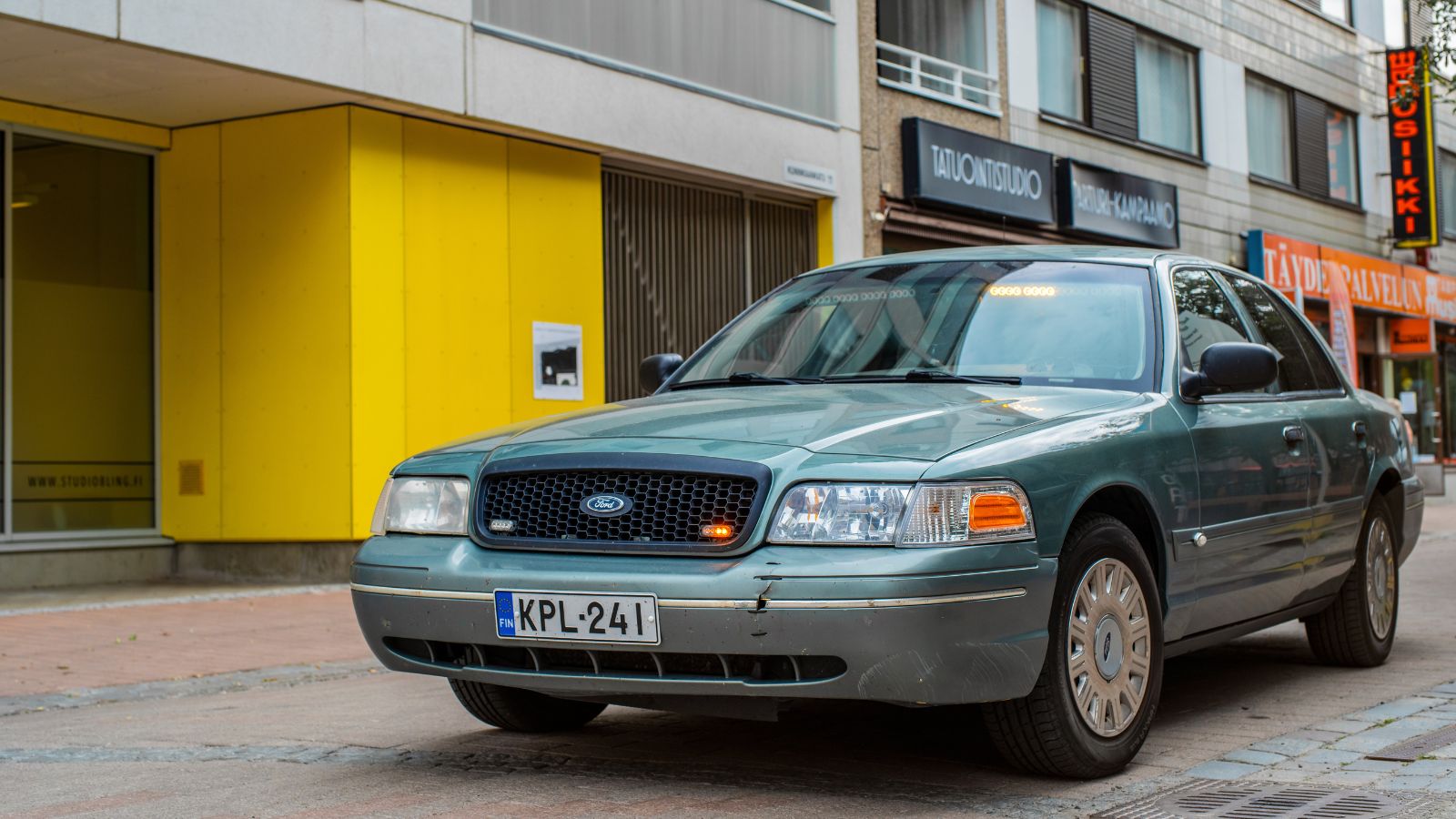
Police departments and taxi fleets across North America relied on the Ford Crown Victoria for decades. Mechanics understand exactly why. The body on frame layout and large engine bay make repairs remarkably easy compared with most modern sedans.
The 4.6 liter modular V8 is durable and familiar to almost every American technician. Many components can be reached without removing surrounding parts, which saves time and frustration. Suspension pieces are also straightforward to replace thanks to the simple architecture underneath.
Because so many were built between 1998 and 2011, parts remain plentiful and inexpensive. Mechanics often say that working on a Crown Victoria feels like servicing a large, well organized machine rather than wrestling with cramped modern packaging.
Honda Civic (1990s to Mid 2000s)

The Honda Civic has always been a favorite among enthusiasts, but mechanics appreciate it for different reasons. Models from the 1990s and early 2000s stand out because of their intelligent layout and durable engines.
Honda’s small displacement four cylinders from this era are remarkably robust and easy to maintain. Timing belt jobs, valve adjustments, and accessory replacements rarely require complex disassembly. Everything feels logically placed and engineered with serviceability in mind.
Many technicians also praise how predictable these cars are. When something eventually needs attention, it tends to follow a familiar pattern rather than surprising the mechanic with obscure failures. That kind of predictability builds long term trust among repair professionals.
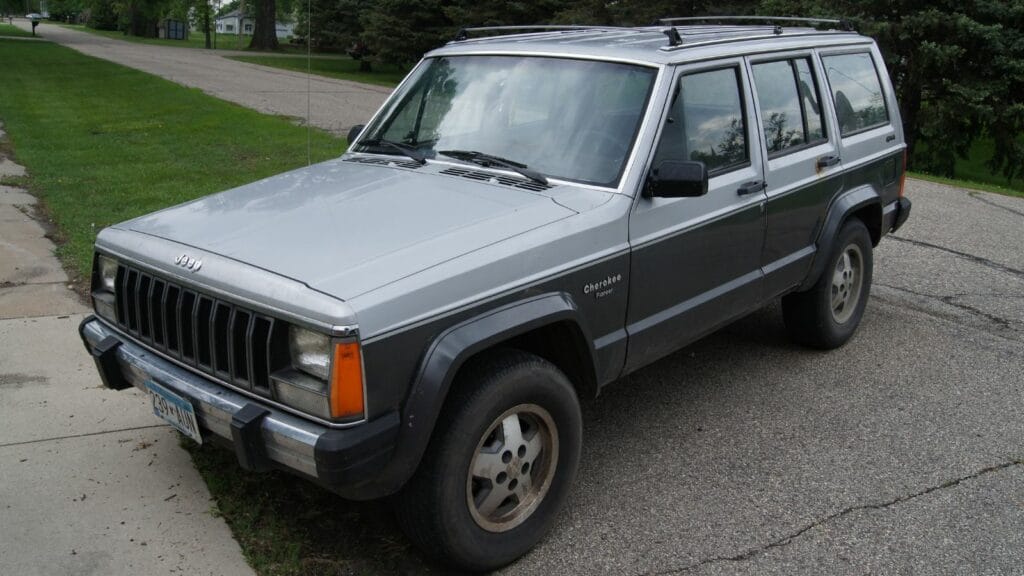
Jeep Cherokee XJ (1984 to 2001)

The Jeep Cherokee XJ has achieved legendary status among off road enthusiasts, but mechanics appreciate it for a different reason. Its simplicity makes it one of the easiest SUVs ever built to repair.
The famous 4.0 liter inline six engine is extremely durable and surprisingly accessible. Spark plugs line the side of the engine in plain view, and many common service jobs require minimal tools. The drivetrain components are also rugged and easy to diagnose.
Mechanics often point out that the Cherokee feels honest. There are no complex electronic systems trying to outsmart the technician. For many shops, working on an XJ feels closer to traditional mechanical work than modern diagnostic troubleshooting.
Chevrolet Silverado 1500 (1999 to 2007)
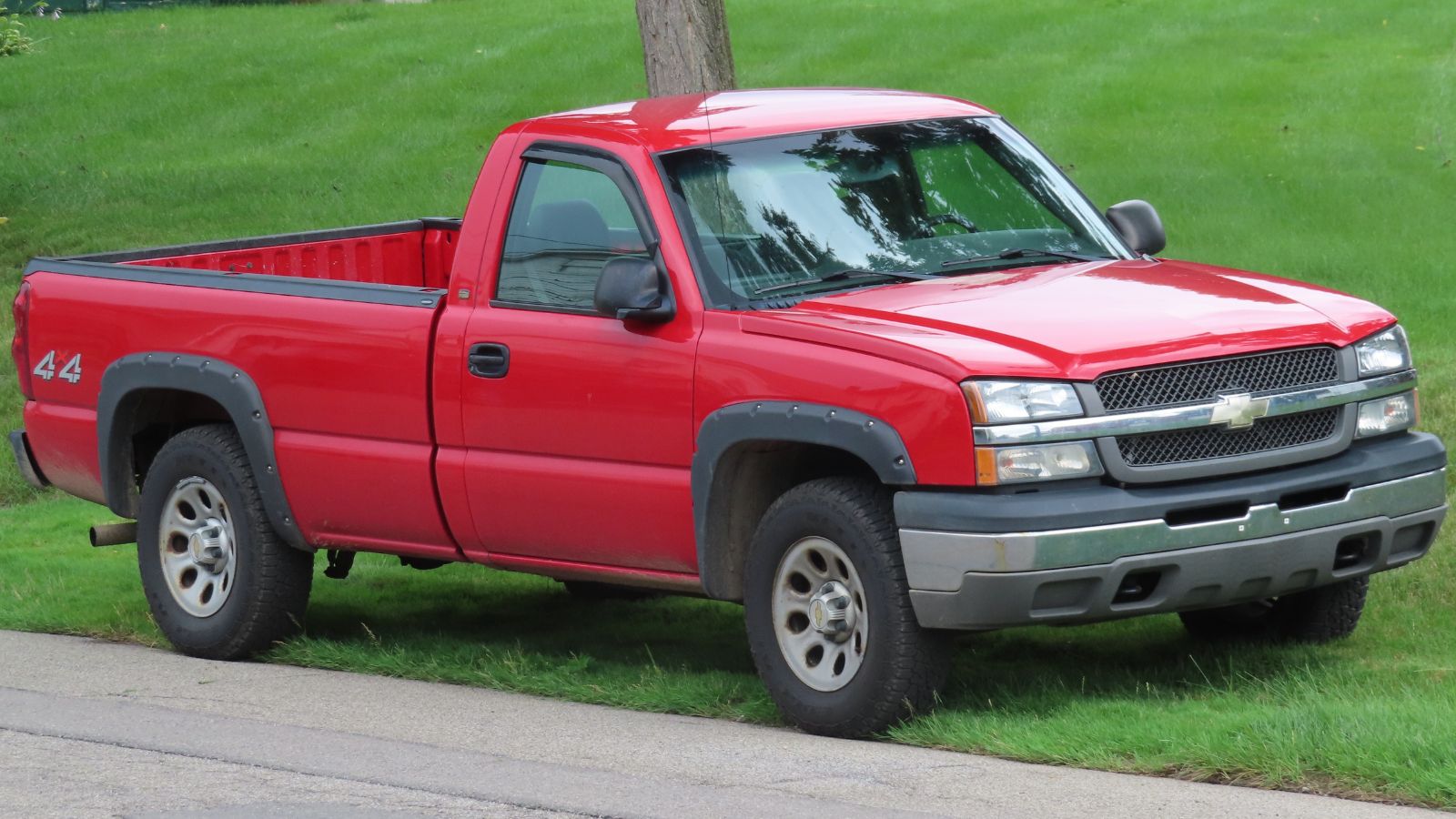
Pickup trucks often provide generous working space under the hood, but the Chevrolet Silverado from the early 2000s takes this to another level. The trucks built between 1999 and 2007 are widely praised for their straightforward mechanical layout.
The GM small block V8 engines are familiar territory for American mechanics. Everything from water pumps to ignition coils can be serviced quickly, often without removing surrounding components. That simplicity reduces labor time and keeps repair costs reasonable.
These trucks were also built in huge numbers, which means parts availability remains excellent. For many technicians, the Silverado represents the kind of practical engineering that modern trucks sometimes sacrifice in the pursuit of complexity.
Lexus LS400 (1990 to 2000)
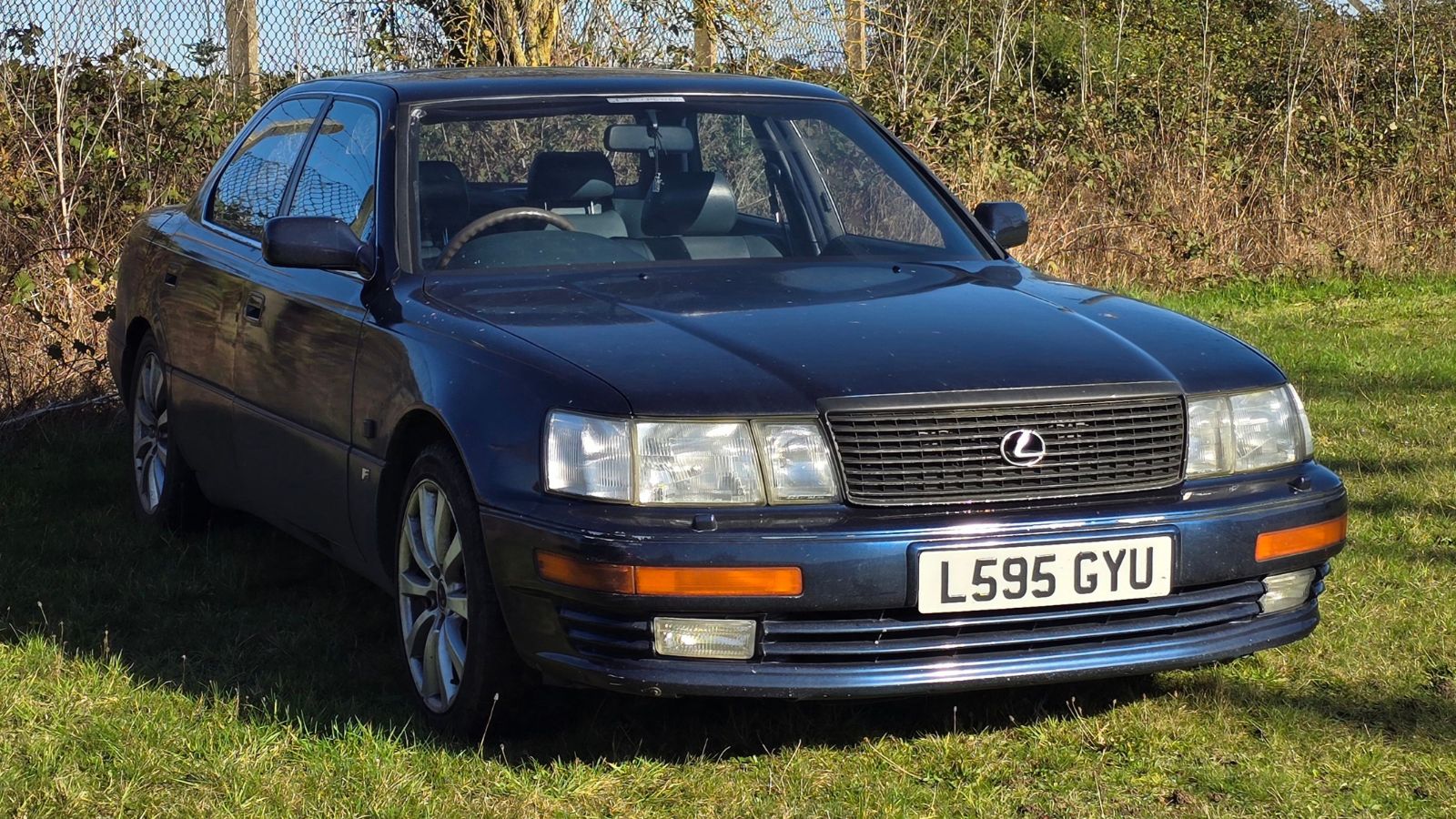
Luxury cars are not usually known for easy maintenance, but the Lexus LS400 is a notable exception. When Toyota introduced it in 1990, the company engineered the car with extraordinary attention to detail.
The 4.0 liter V8 is remarkably smooth and durable, but mechanics often highlight something else. The engine bay was designed with service access in mind. Many components are positioned logically, with thoughtful clearances around major parts.
Technicians frequently say the LS400 feels overbuilt rather than overcomplicated. Even when major work is required, the car rarely fights the mechanic. That careful engineering has helped the LS400 develop a reputation as one of the most satisfying luxury cars to service.
Mazda Miata (1989 to Present)
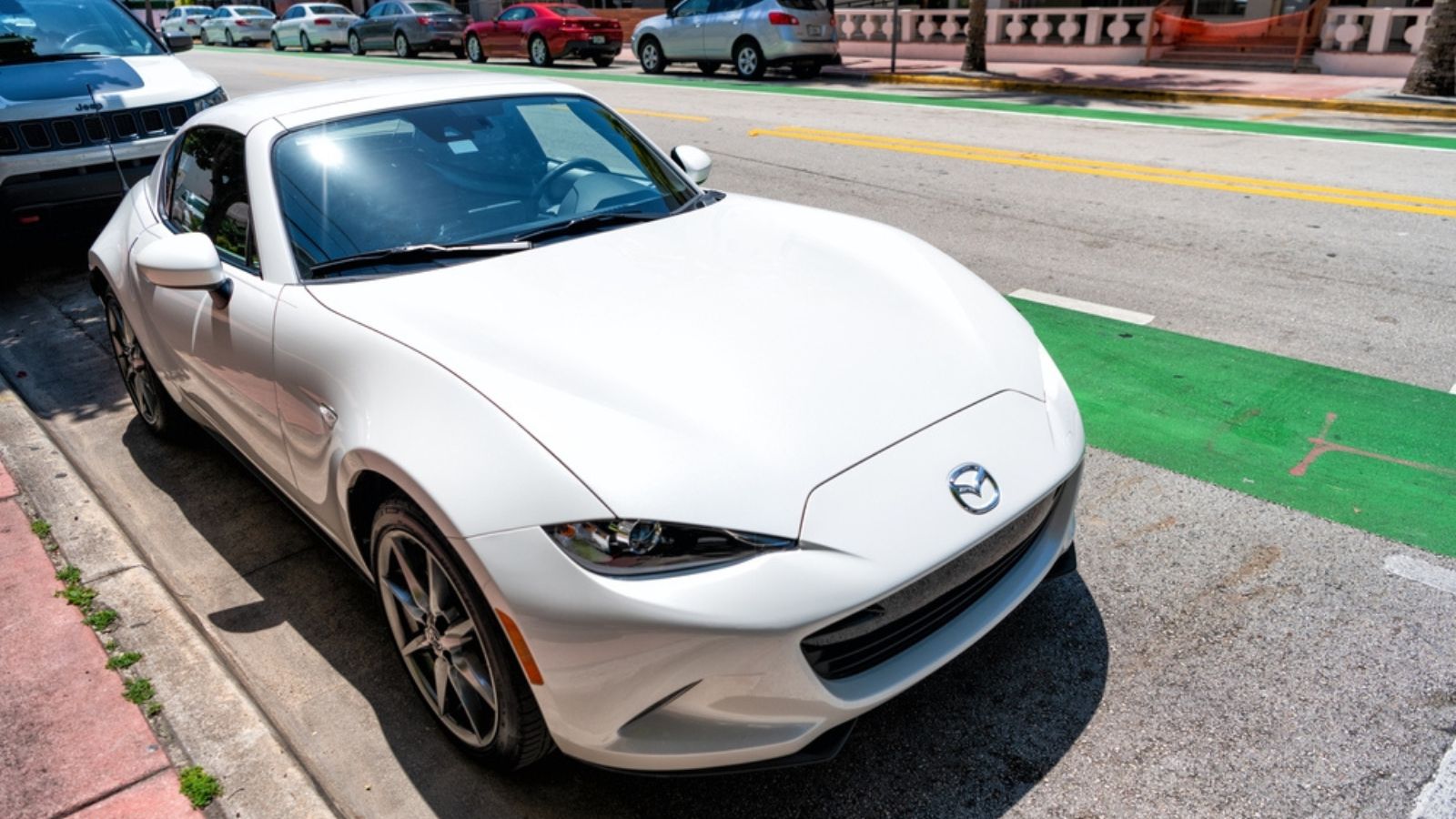
The Mazda Miata has always been about simplicity and driving enjoyment. That philosophy extends directly to its mechanical layout.
Early generations of the Miata are particularly beloved by mechanics because the compact roadster offers excellent access to major components. The lightweight four cylinder engine is easy to service, and the overall design avoids unnecessary complexity.
Routine maintenance often takes far less time than on larger vehicles. Brake jobs, clutch replacements, and suspension work can be completed quickly compared with heavier sports cars. For technicians who appreciate straightforward engineering, the Miata is a refreshing reminder that sports cars do not have to be difficult to maintain.
Toyota Land Cruiser (1990s to Early 2000s)

Mechanics who specialize in durable trucks often praise the Toyota Land Cruiser. Models from the 1990s and early 2000s combine rugged construction with surprisingly thoughtful engineering.
The engines and drivetrains are built for longevity, but they are also accessible enough to service without excessive disassembly. Many routine maintenance tasks can be completed quickly despite the vehicle’s size.
The Land Cruiser also benefits from Toyota’s traditional approach to mechanical design. Components are typically over engineered rather than pushed to their limits. For mechanics, that means fewer catastrophic failures and more predictable maintenance schedules.
Volvo 240 (1975 to 1993)
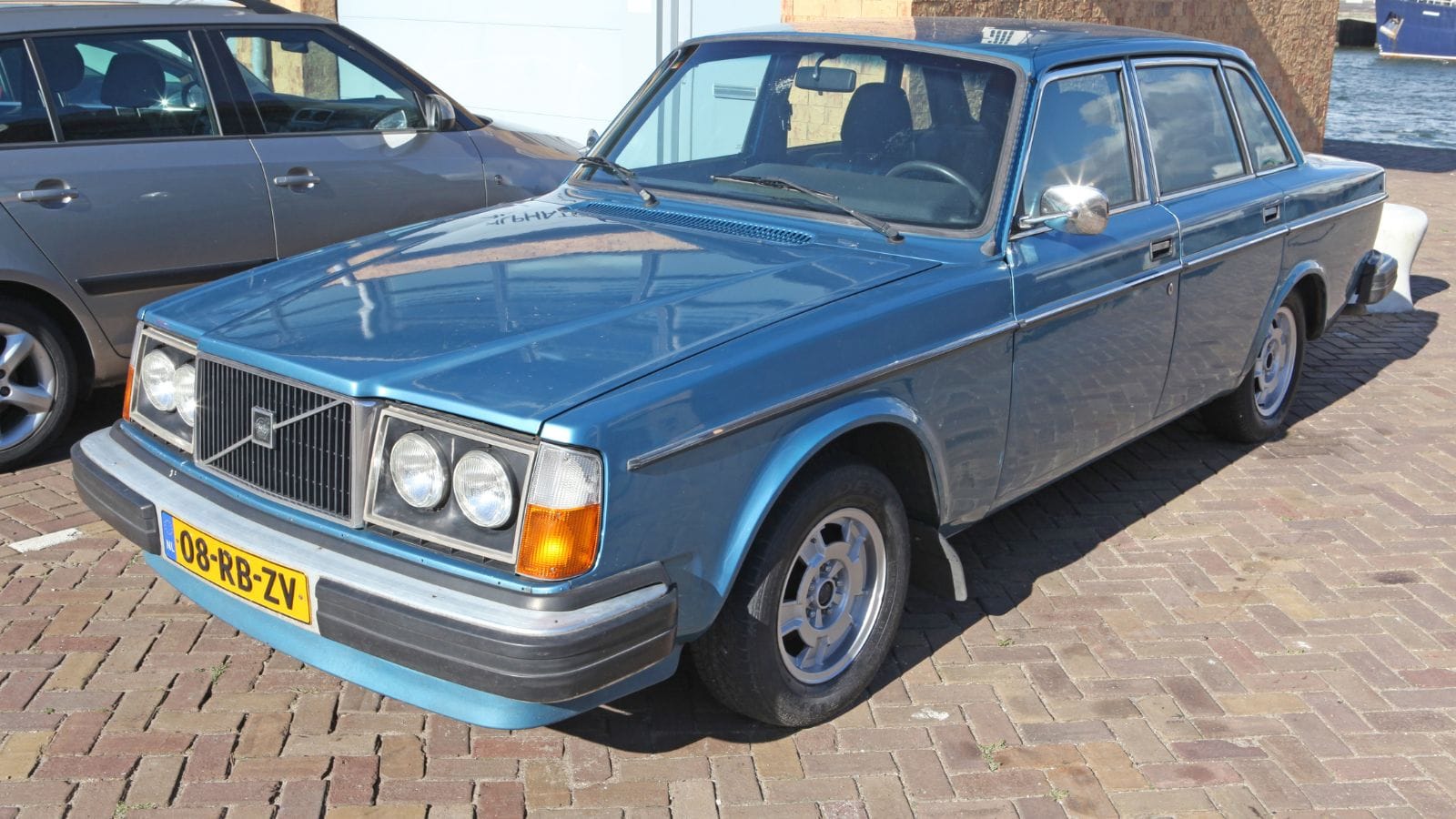
Few cars have earned as much respect from mechanics as the Volvo 240. Produced from 1975 through 1993, it represents an era when durability and serviceability were central design goals.
The engine bay is spacious, and most mechanical components are easy to identify and reach. Routine maintenance feels straightforward because the car was built before electronics became deeply integrated into every system.
Technicians often mention how logical the Volvo feels. When something needs attention, diagnosing the issue is usually simple. That combination of durability and mechanical clarity explains why so many Volvo 240s remain on the road decades later.
Ford F150 (1990s to Early 2000s)
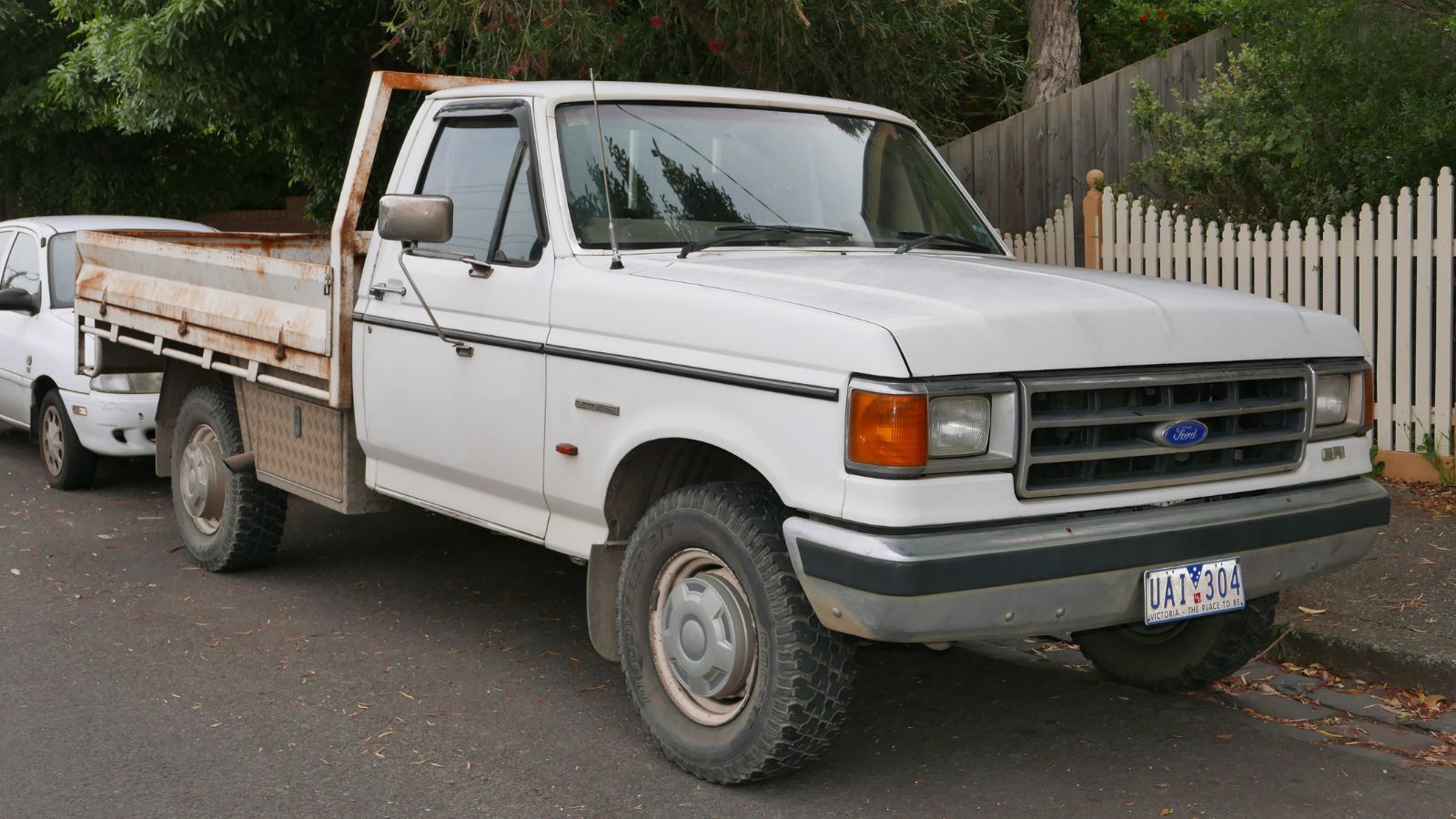
America’s best selling truck also happens to be one that mechanics often enjoy servicing. Ford F150 models from the 1990s and early 2000s are especially appreciated for their accessible mechanical layout.
The engines used during this era were robust and widely understood by technicians across North America. Large engine bays allow plenty of room to reach key components, which reduces labor time for common repairs.
Because millions were produced, replacement parts are easy to find and reasonably priced. Mechanics often view the F150 as the kind of truck that balances durability with practicality. It may not be exotic, but it represents the kind of engineering that keeps repair shops running smoothly.
25 Facts About Car Loans That Most Drivers Don’t Realize

Car loans are one of the most common ways people fund car purchases. Like any other kind of loan, car loans can have certain features that can be regarded as an advantage or a disadvantage to the borrower. Understanding all essential facts about car loans and how they work to ensure that you get the best deal for your financial situation is essential. Here are 25 shocking facts about car loans that most drivers don’t realize:
25 Facts About Car Loans That Most Drivers Don’t Realize
