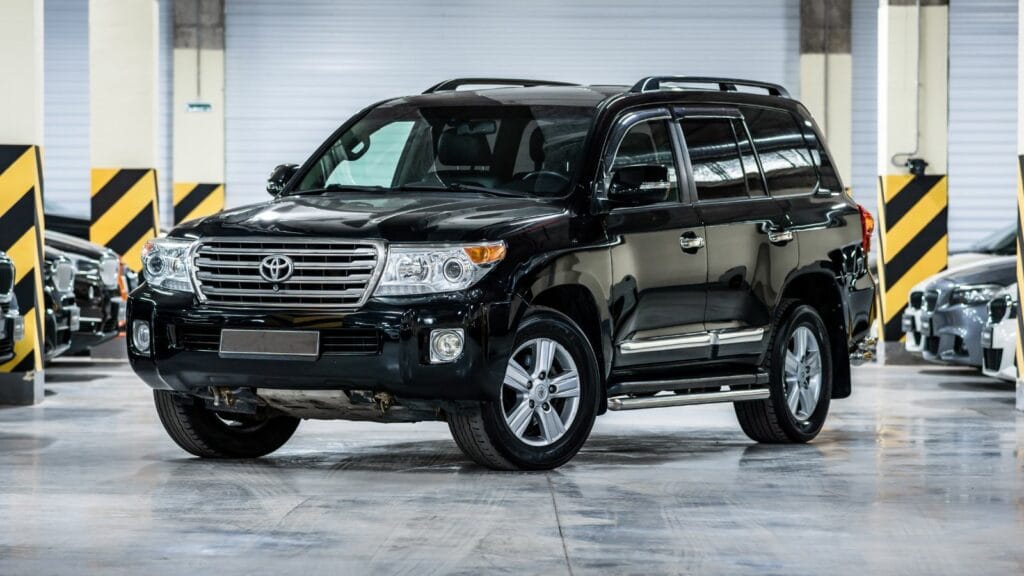
Sport utility vehicles have evolved from rugged off road machines into some of the most versatile vehicles on the road. For many drivers they offer the perfect balance of practicality, capability, and comfort. Over the decades a few SUVs have stood out for their durability, engineering, and long term appeal. These are ten SUVs that helped define the segment and earned lasting respect from owners and enthusiasts.
Toyota Land Cruiser (1951 to Present)
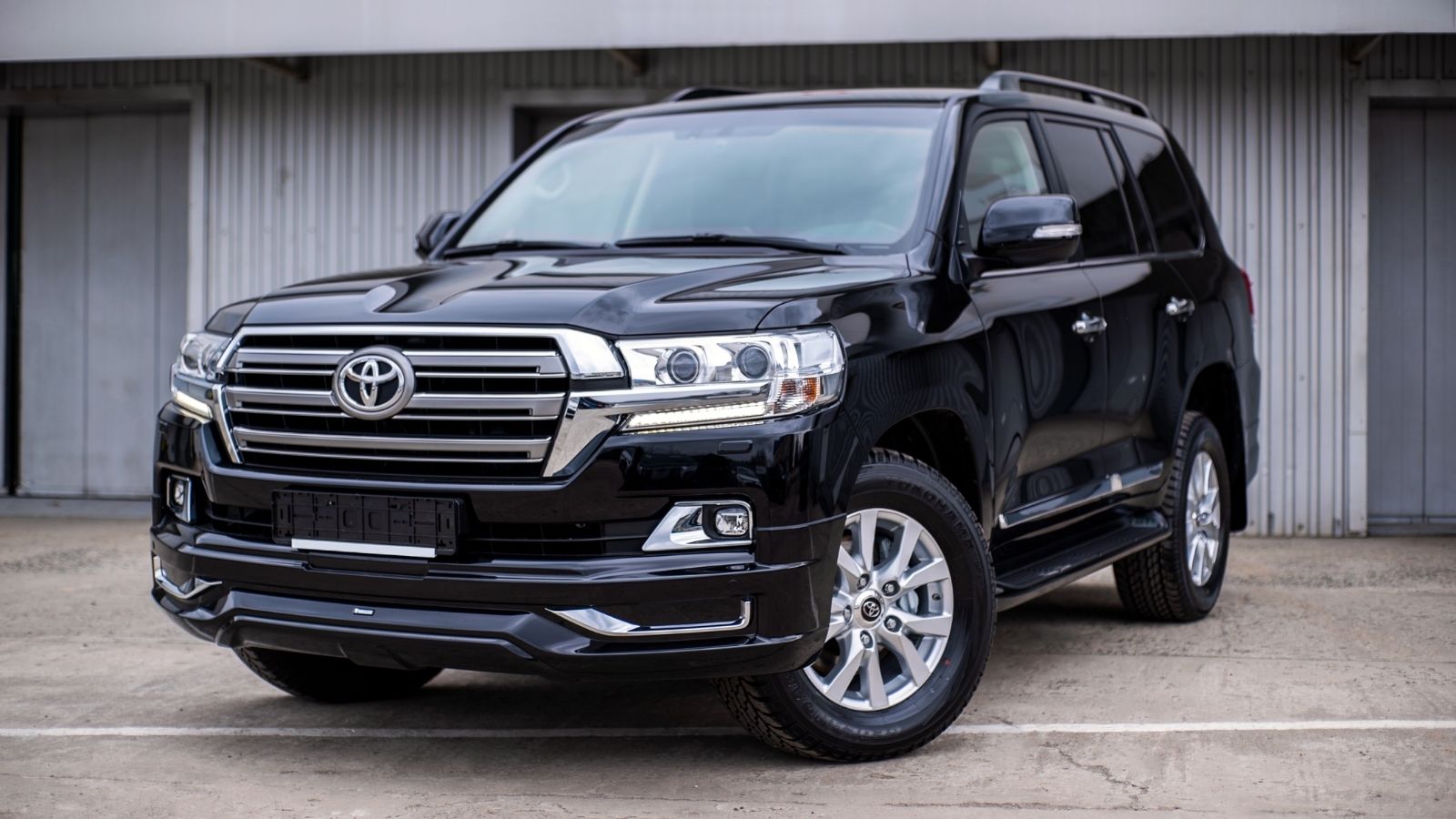
Few vehicles have earned a reputation for durability like the Toyota Land Cruiser. Since its introduction in the early 1950s it has become one of the most trusted SUVs in the world.
Built with serious off road capability and strong engineering, the Land Cruiser has served everyone from families to humanitarian organizations operating in remote regions. Generations like the 80 Series and 100 Series became especially popular for their reliability and long lifespan. Even after hundreds of thousands of miles many examples continue running strong.
Jeep Wrangler (1987 to Present)

The Jeep Wrangler traces its roots back to the original military Jeep of the 1940s. When the modern Wrangler arrived in 1987 it carried forward that legacy of simple rugged capability.
Solid axles, removable doors, and serious trail ability make the Wrangler one of the most capable off road SUVs ever built. Owners also appreciate the vehicle’s customization potential. From desert trails to snowy Canadian roads, the Wrangler remains a symbol of adventurous driving.
Range Rover (1970 to Present)
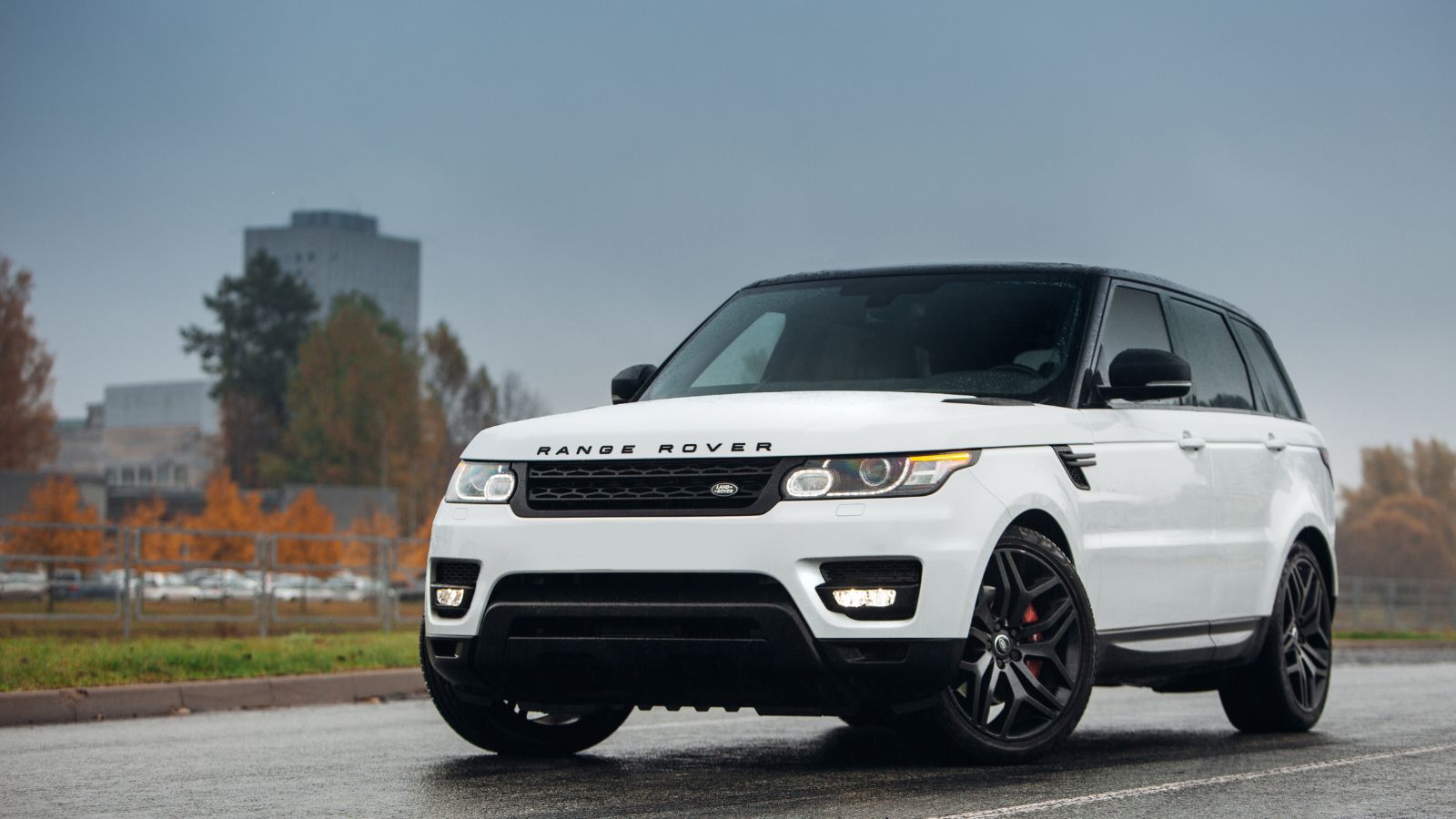
When the original Range Rover debuted in 1970 it created an entirely new idea of what an SUV could be. It combined genuine off road ability with luxury and comfort.
That combination quickly made the vehicle popular with both rural drivers and urban buyers seeking refinement. Over the decades the Range Rover has continued evolving into a luxury flagship while maintaining impressive off road credentials.
Toyota RAV4 (1994 to Present)
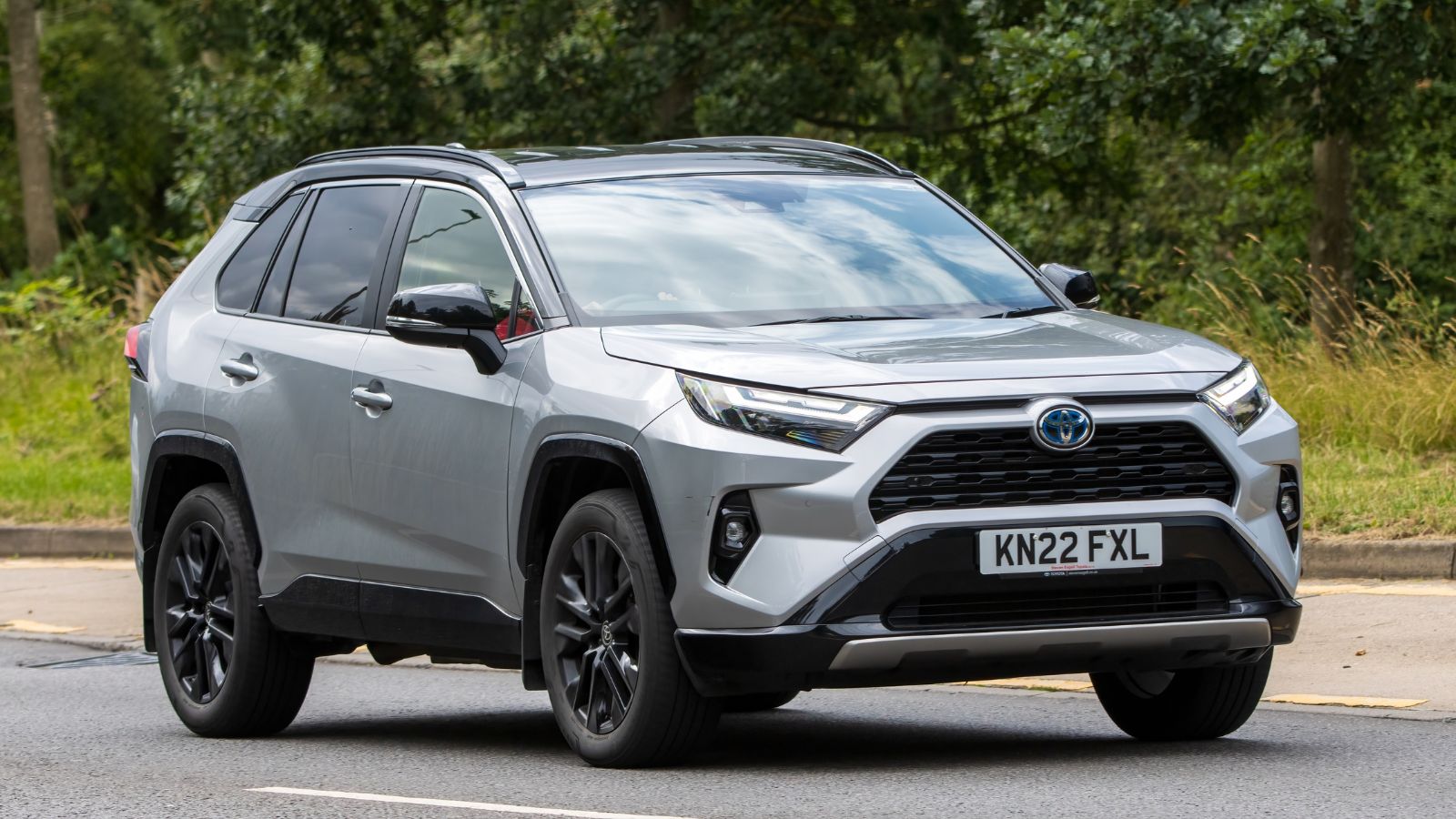
The Toyota RAV4 helped redefine the SUV market when it arrived in the mid 1990s. Instead of a large truck based vehicle, Toyota introduced a compact crossover designed for everyday driving.
The formula proved incredibly successful. Drivers appreciated the higher seating position, practical interior, and manageable size. Over time the RAV4 has become one of the best selling SUVs in the world and remains a benchmark for reliability and efficiency.
Ford Explorer (1991 to Present)
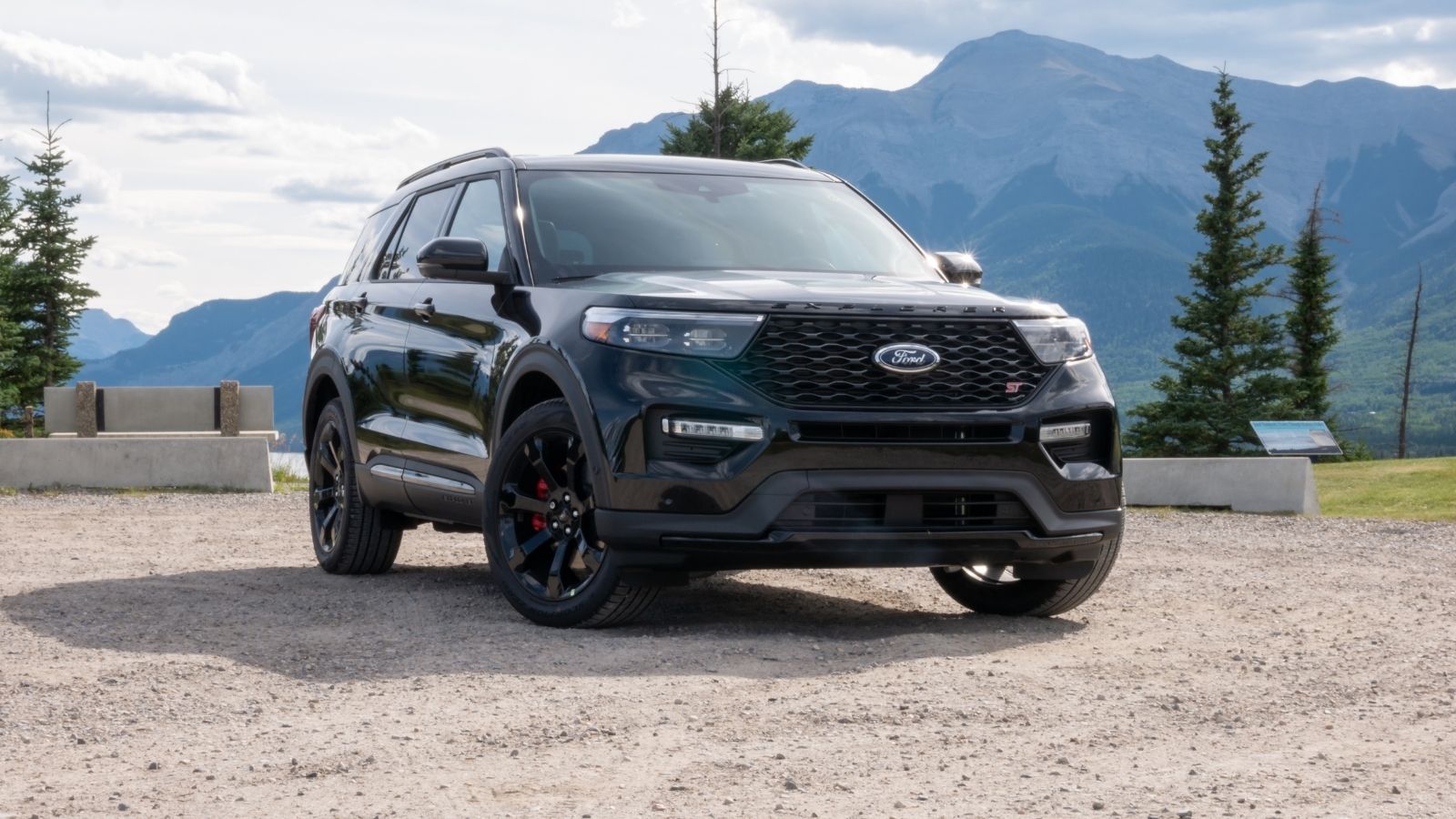
During the 1990s the Ford Explorer became one of the vehicles that popularized SUVs across North America. Families who previously drove station wagons suddenly had a new option.
The Explorer offered spacious seating, strong towing ability, and the confidence of four wheel drive. While the model has evolved into a more refined crossover over the years, it remains one of the most recognizable SUVs ever built.
Lexus LX (1996 to Present)
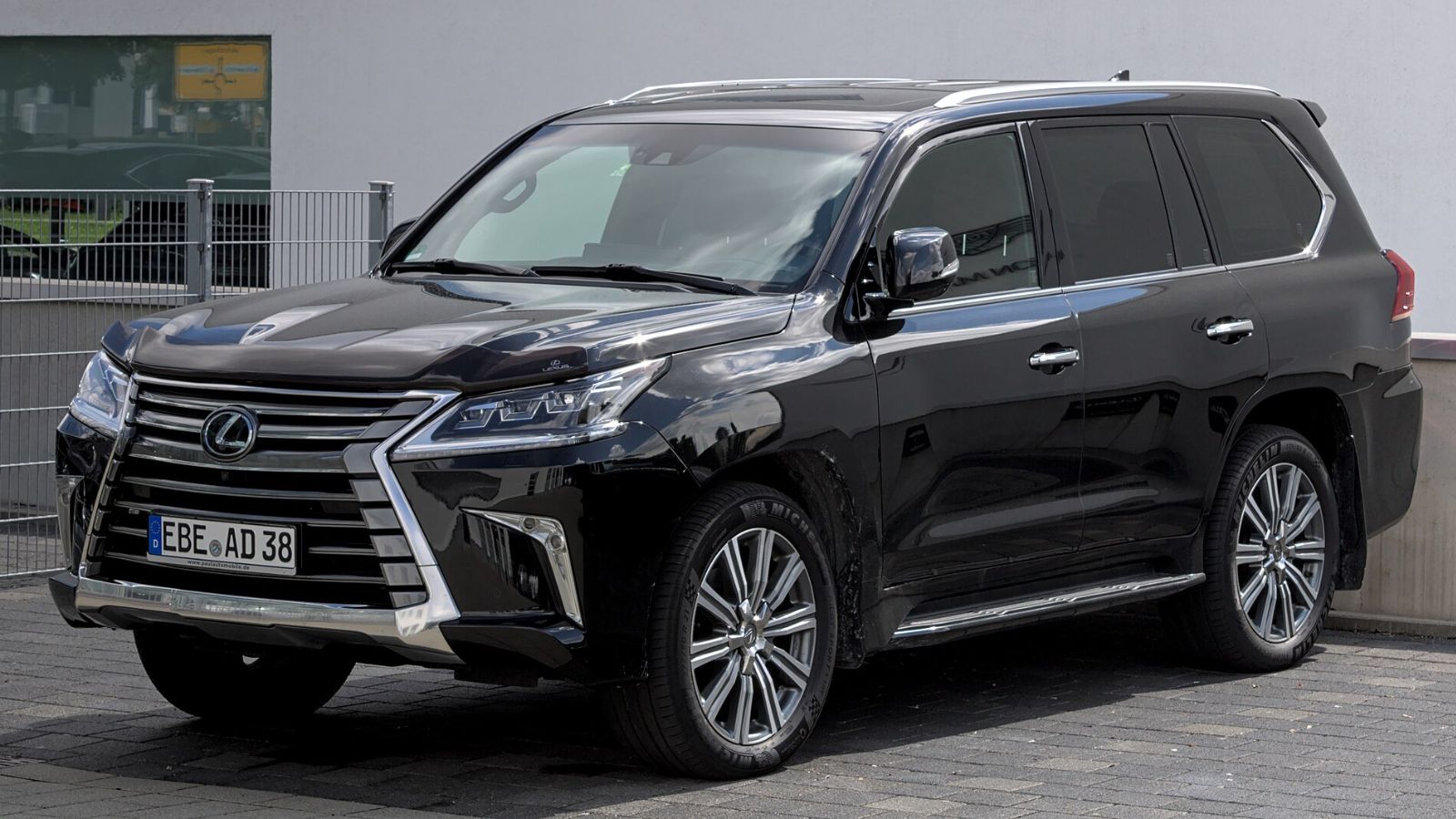
The Lexus LX takes the proven durability of the Toyota Land Cruiser platform and adds luxury refinement. Introduced in 1996, the LX quickly became known for its smooth ride and exceptional build quality.
Owners appreciate that it offers both comfort and serious off road ability. While many luxury SUVs sacrifice rugged capability for style, the LX maintains the toughness expected from its Land Cruiser roots.
Chevrolet Suburban (1935 to Present)
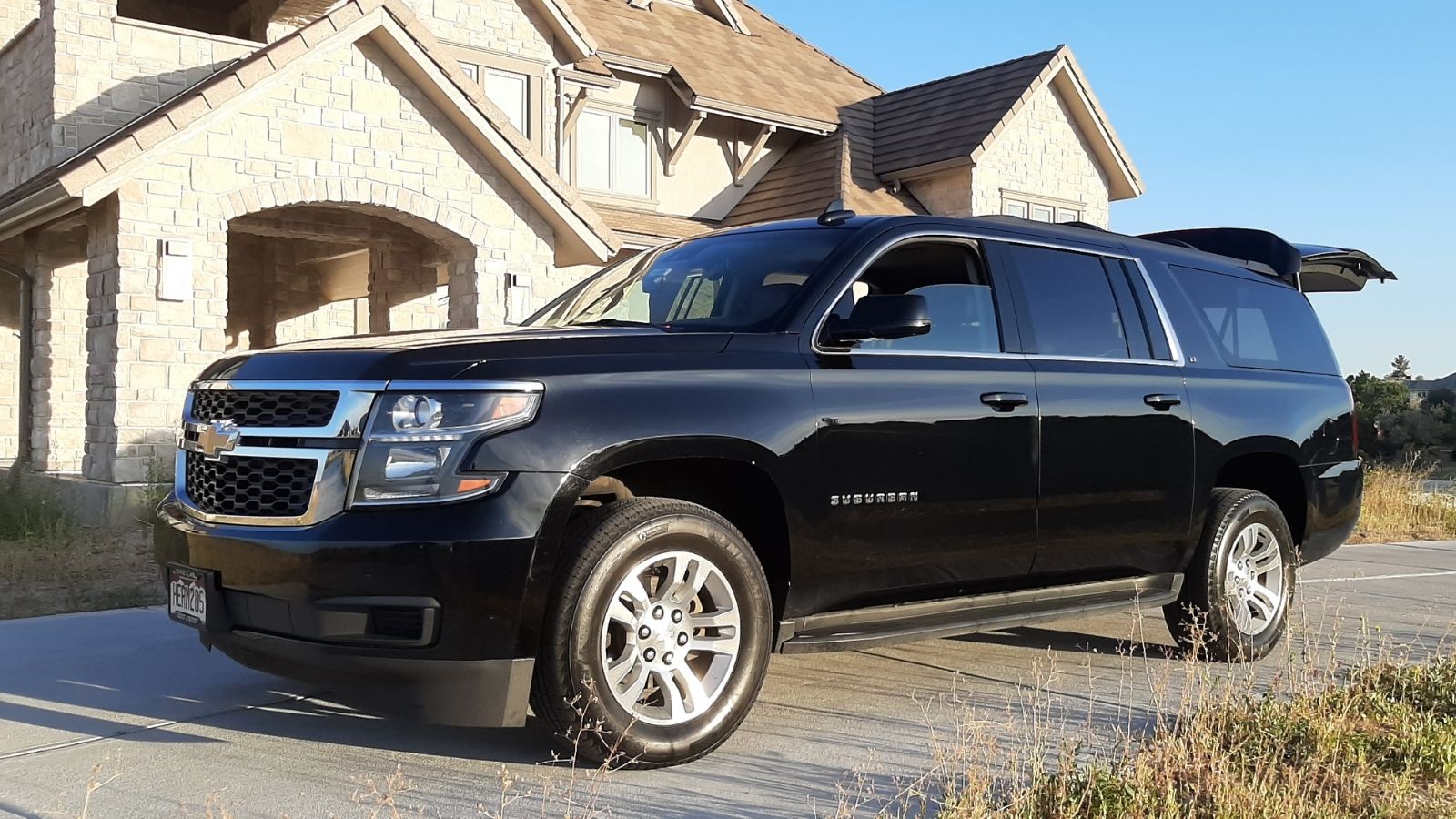
The Chevrolet Suburban holds the distinction of being one of the longest running vehicle nameplates in automotive history. Its origins date back to the 1930s.
Over the decades the Suburban has become the ultimate large family SUV. With enormous cargo space and seating for large families, it has remained popular with drivers who need maximum practicality. Despite its size, modern versions offer impressive comfort and towing capability.
Honda CR V (1997 to Present)
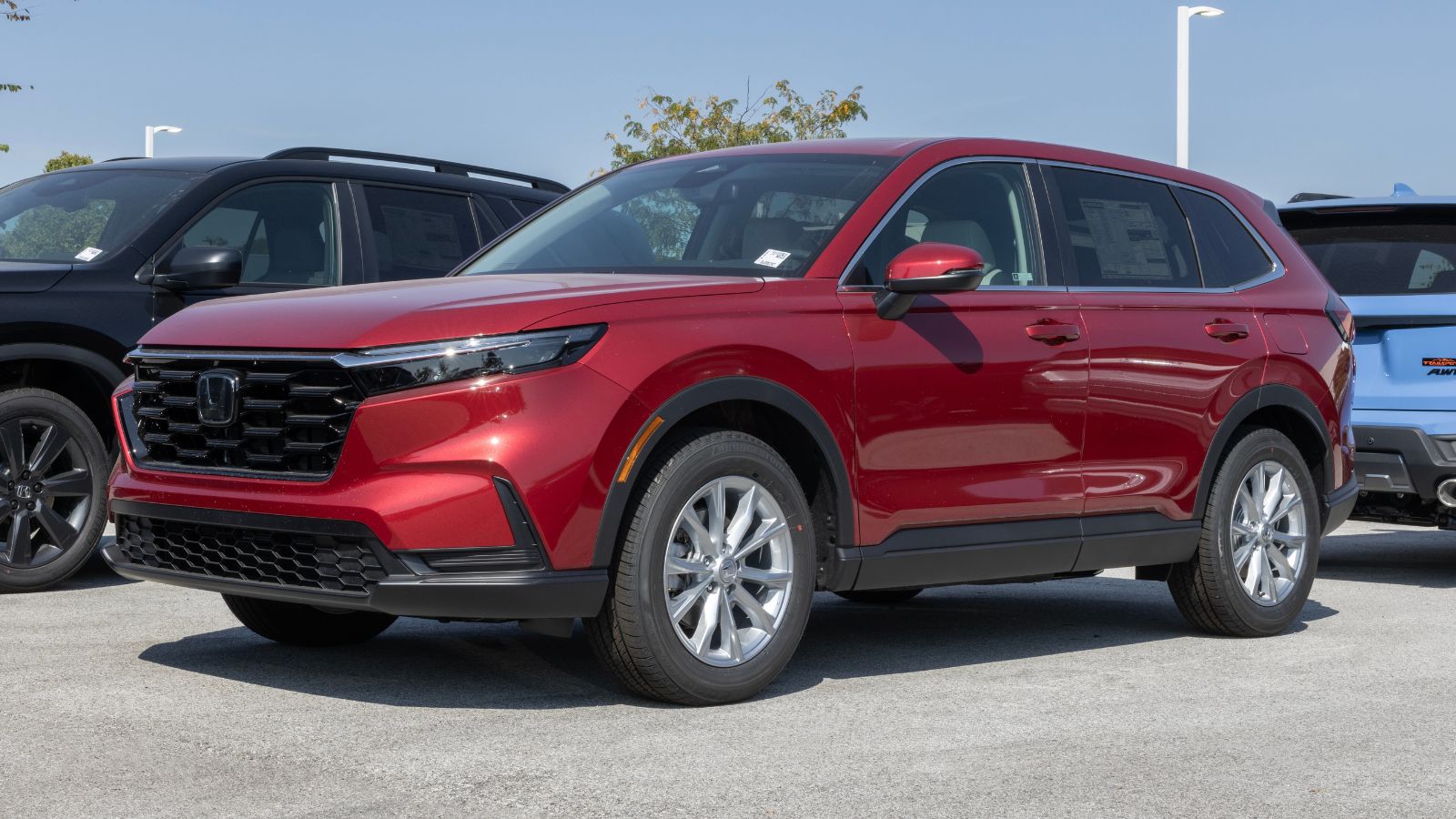
The Honda CR V helped shape the modern compact SUV segment. Introduced in the late 1990s, it focused on reliability, practicality, and everyday usability.
The vehicle quickly gained a reputation for durability and low ownership costs. Generations of CR V models have continued delivering comfortable driving characteristics while maintaining the efficiency and practicality buyers expect from a compact SUV.
Porsche Cayenne (2002 to Present)
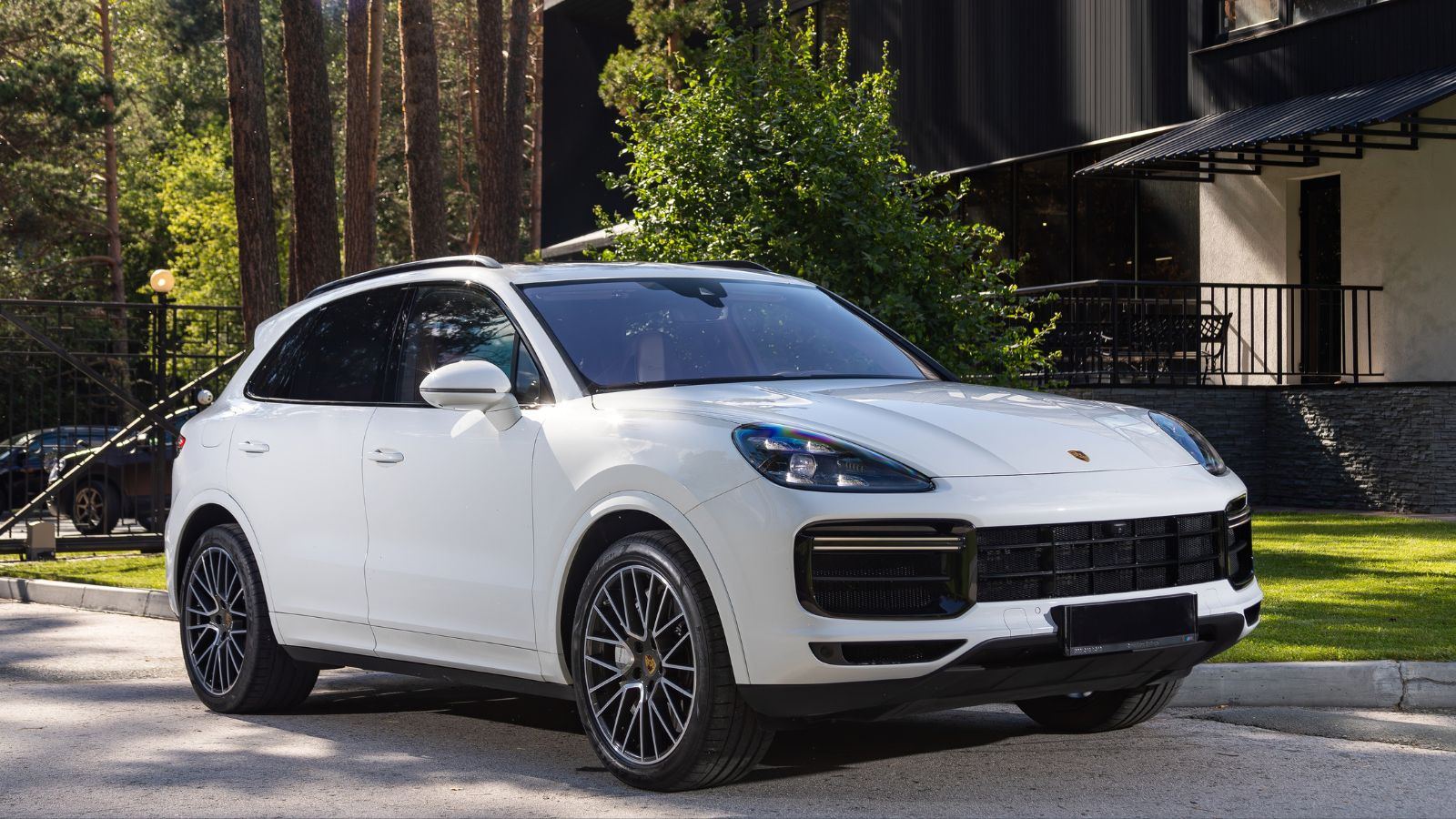
When Porsche introduced the Cayenne in 2002 many enthusiasts were skeptical. The idea of a Porsche SUV seemed unusual at the time.
Yet the Cayenne quickly proved that an SUV could deliver genuine sports car performance. With powerful engines and sharp handling, it redefined expectations for what a luxury SUV could achieve. Today it remains one of the most successful vehicles Porsche has ever produced.
Mercedes Benz G Class (1979 to Present)

The Mercedes Benz G Class began life as a military style utility vehicle designed for extreme durability. Over time it evolved into one of the most recognizable luxury SUVs on the road.
Despite its upscale interior and powerful engines, the G Class still retains serious off road capability. Its boxy shape has changed little over decades, which has helped it become one of the most iconic SUV designs ever created.
25 Facts About Car Loans That Most Drivers Don’t Realize

Car loans are one of the most common ways people fund car purchases. Like any other kind of loan, car loans can have certain features that can be regarded as an advantage or a disadvantage to the borrower. Understanding all essential facts about car loans and how they work to ensure that you get the best deal for your financial situation is essential. Here are 25 shocking facts about car loans that most drivers don’t realize:
25 Facts About Car Loans That Most Drivers Don’t Realize
