
Trade disputes often sound like distant political issues, but they can quickly affect everyday life for drivers. Canada and the United States share one of the most integrated automotive supply chains in the world. Cars, trucks, and parts often cross the border several times before a vehicle is completed. When tariffs enter that system, the added costs ripple through the market and eventually reach Canadian drivers.
New Vehicle Prices Can Climb
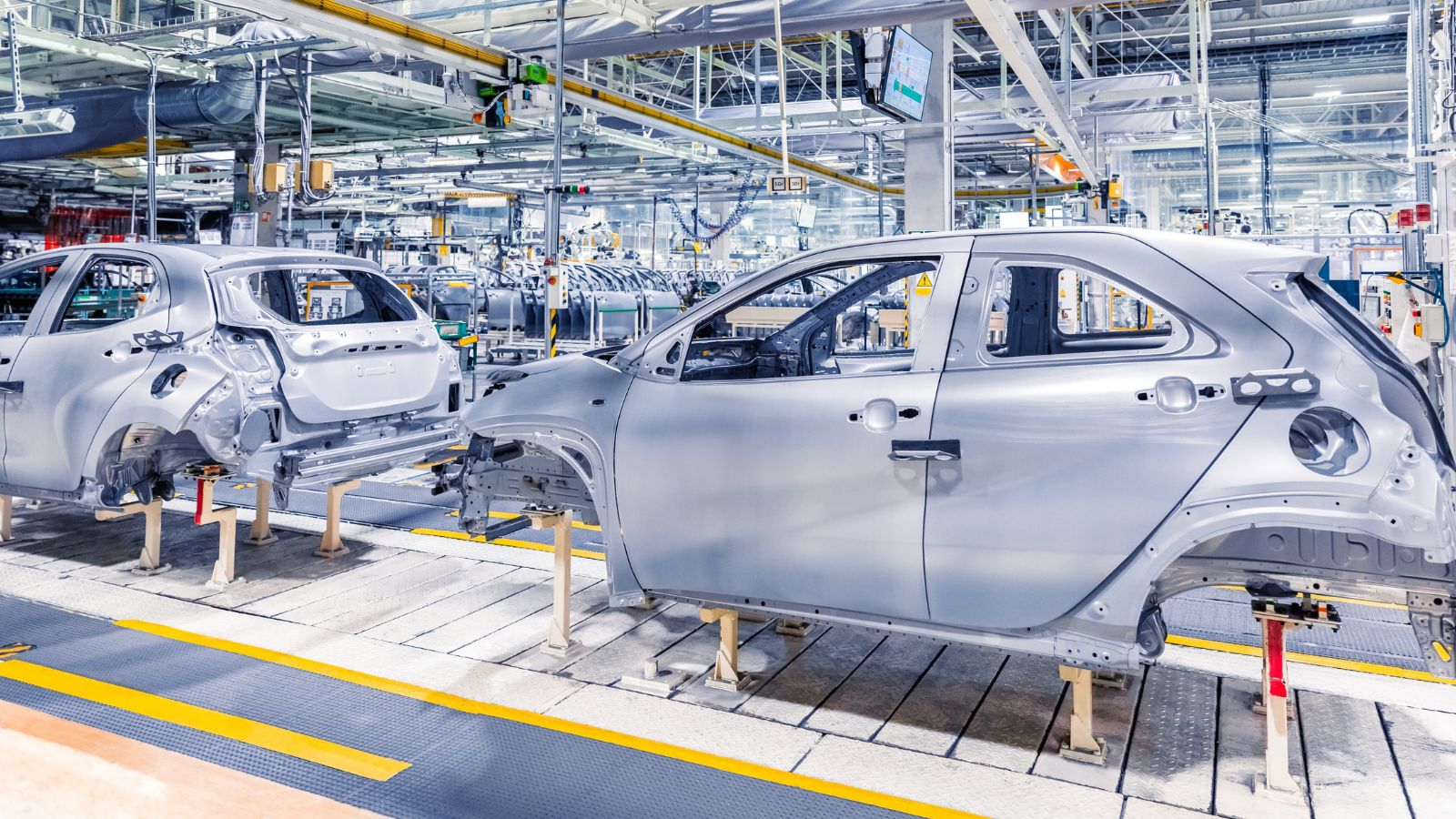
Tariffs on automotive components increase manufacturing costs for automakers. Even vehicles assembled in Canada often rely heavily on American parts and materials.
When those parts become more expensive, the additional cost usually finds its way into vehicle pricing. Buyers may notice higher sticker prices on everything from compact sedans to large pickup trucks.
Used Car Prices Often Rise Too
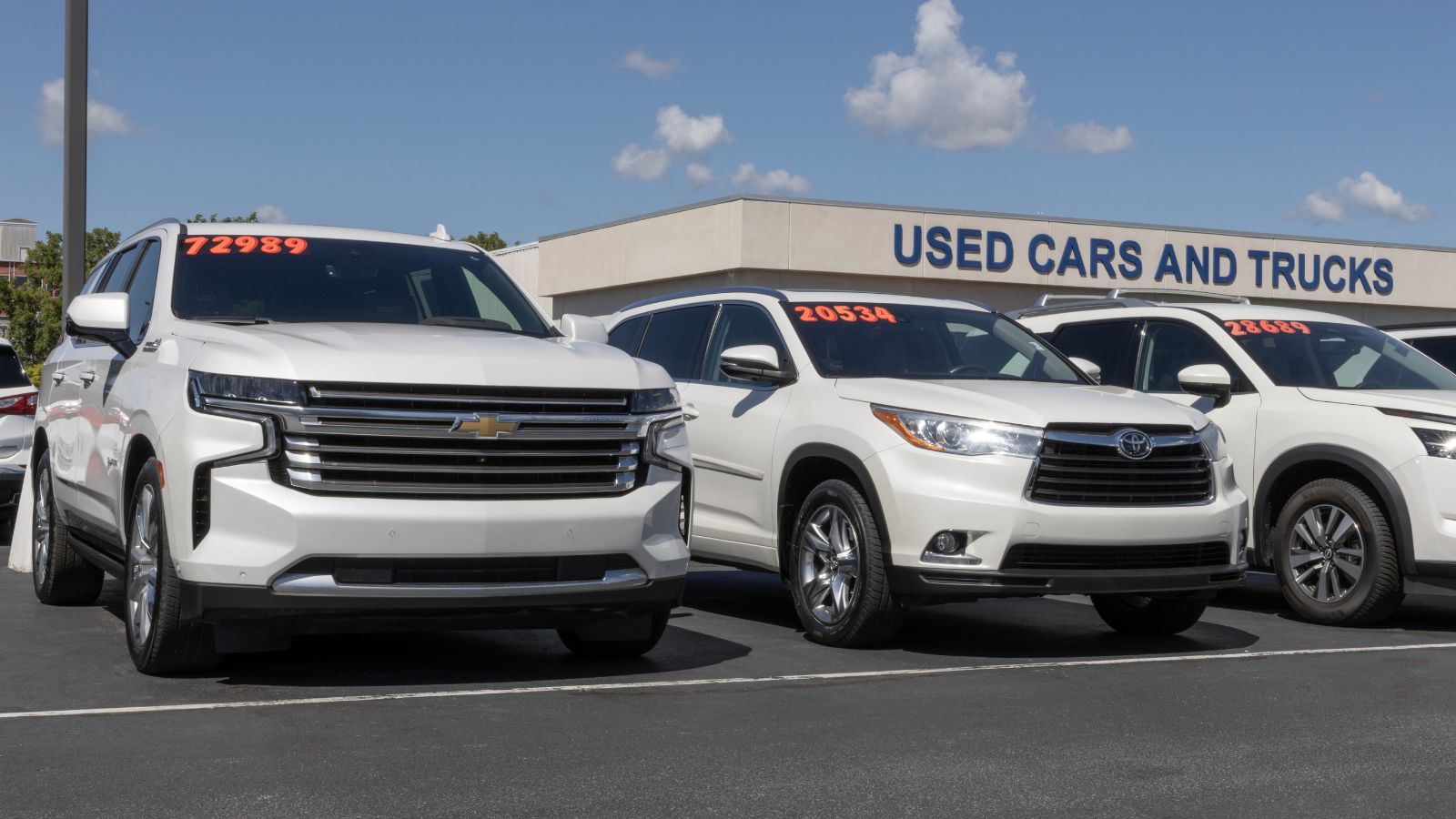
When new vehicles become more expensive, many buyers shift toward the used market instead. That increased demand can quickly tighten supply.
As more drivers compete for available used vehicles, prices often climb. This effect can make it harder for budget conscious Canadians to find affordable transportation.
Pickup Trucks Can Become Much Pricier

Pickup trucks are among the most popular vehicles in Canada. Many models rely on cross border supply chains for engines, electronics, and structural components.
Tariffs affecting materials such as steel, aluminum, and specialized parts can raise production costs. For drivers who rely on trucks for work or towing, these price increases can be especially frustrating.
Repairs and Replacement Parts Cost More
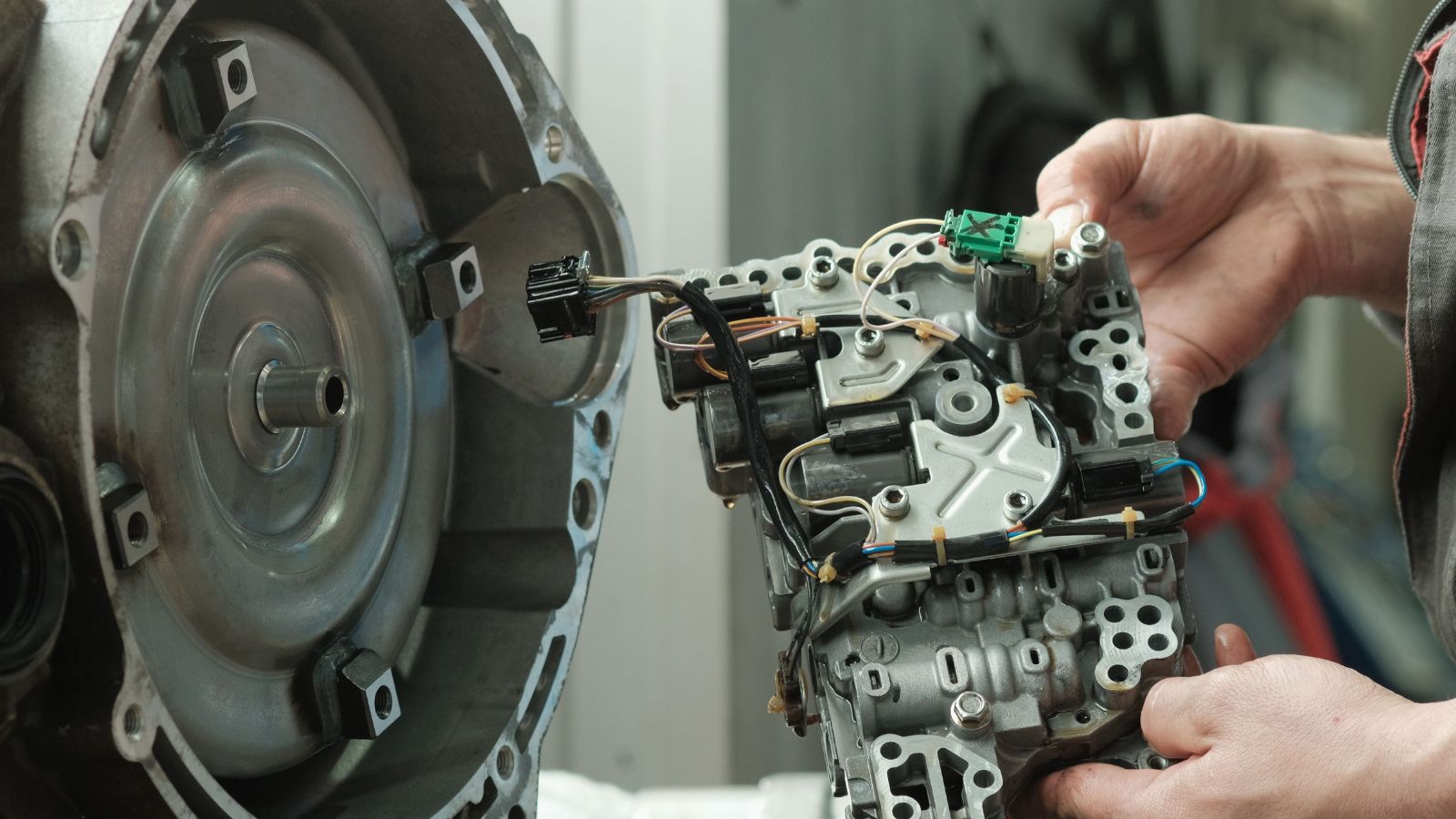
Canadian repair shops frequently use replacement parts sourced from the United States. Tariffs applied to these components increase the cost of maintaining older vehicles.
Drivers may notice higher prices for everything from brake components to electronic sensors. Even routine repairs can become noticeably more expensive.
Insurance Costs Can Increase

When repair costs rise, insurance companies often face higher claim expenses. Replacement parts, body panels, and electronic systems all contribute to the cost of fixing damaged vehicles.
Over time those higher repair bills can influence insurance premiums for drivers across the country.
Supply Chains Become Less Efficient

The North American automotive industry depends on extremely efficient supply chains. Parts may cross the Canada United States border multiple times during production.
Tariffs disrupt that process by adding costs at each stage. As manufacturers absorb those costs, the impact eventually reaches buyers through higher vehicle prices.
Dealership Inventory Can Shrink

When trade tensions disrupt supply chains, manufacturers sometimes slow production or redirect vehicles to other markets.
Lower production levels mean fewer vehicles arriving at dealerships. With less inventory available, buyers may find fewer choices and less room to negotiate pricing.
Financing and Leasing Become More Expensive

As vehicle prices rise, the cost of financing and leasing also increases. Higher purchase prices usually translate into larger monthly payments.
Drivers who prefer leasing may also see payments climb because vehicle values and residual costs are affected by rising prices.
Work Vehicles Become More Expensive to Operate

Businesses that depend on fleets of trucks or vans often feel the effects quickly. Higher purchase prices and more expensive repairs increase operating costs.
Those additional expenses can eventually show up in higher prices for goods and services across the economy.
Electric Vehicle Costs Can Be Affected Too

Electric vehicles rely on complex supply chains that include batteries, electronics, and charging equipment. Many of these components come from international suppliers connected to North American manufacturing.
Tariffs affecting electrical equipment and vehicle components can increase the cost of EVs and charging hardware. For drivers considering electric vehicles, that can raise the barrier to entry.
Trade disputes may seem distant from everyday driving, but their consequences can quickly reach the automotive market. For Canadian drivers, tariffs often appear not in headlines but in higher prices, repair bills, and monthly payments.
25 Facts About Car Loans That Most Drivers Don’t Realize

Car loans are one of the most common ways people fund car purchases. Like any other kind of loan, car loans can have certain features that can be regarded as an advantage or a disadvantage to the borrower. Understanding all essential facts about car loans and how they work to ensure that you get the best deal for your financial situation is essential. Here are 25 shocking facts about car loans that most drivers don’t realize:
25 Facts About Car Loans That Most Drivers Don’t Realize
