
Car insurance premiums rarely change overnight without a reason. Insurers closely track the cost of repairs, replacement parts, vehicle values, and accident claims when calculating rates. When global supply chains tighten, those factors can shift quickly. Drivers may not immediately connect global logistics disruptions with their insurance bills, but the two are closely linked. If supply chains become strained again, insurance costs could quietly follow.
Repair Costs Are a Major Factor in Insurance Pricing

Insurance companies base a large part of their pricing on how much it costs to repair vehicles after accidents. Modern cars are packed with advanced sensors, cameras, and electronic systems that make repairs more complex than they were decades ago.
When the price of these components rises, insurance companies must pay more to restore damaged vehicles. Higher repair costs often translate into higher premiums for drivers.
Replacement Parts Can Become Scarce

Global supply chains play a major role in delivering automotive parts to repair shops. Components may come from different countries before reaching North America.
If shipping routes become disrupted or manufacturing slows, certain parts can become difficult to obtain. Limited supply often pushes prices higher, which increases the cost of repairing insured vehicles.
Longer Repair Times Increase Claims Costs
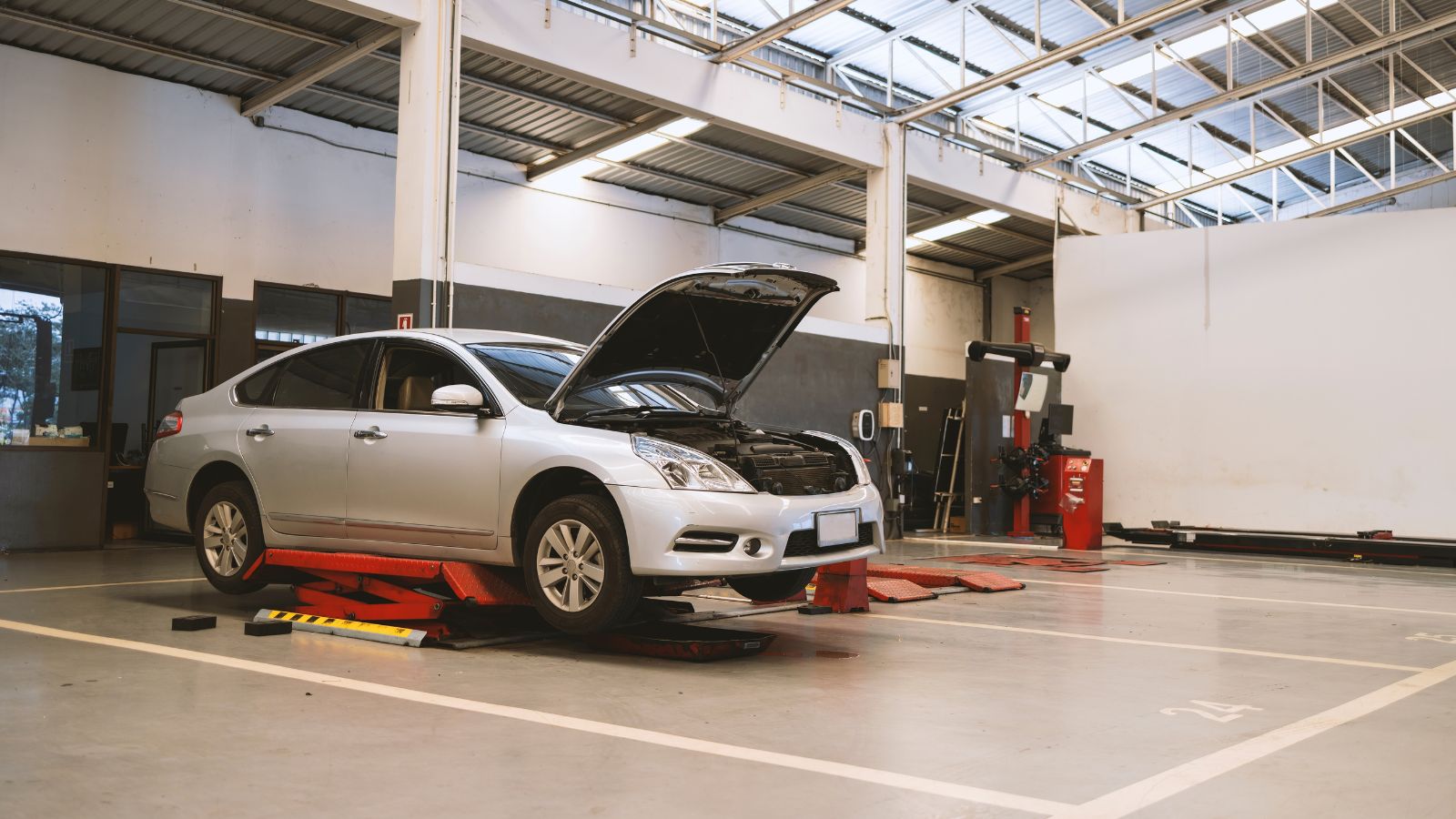
When repair shops struggle to obtain parts, vehicles can remain in the shop for longer periods. This delay creates additional expenses for insurance companies.
Insurers may need to pay for extended rental car coverage or additional storage costs. Over time these extra expenses can contribute to rising insurance rates across the market.
Modern Vehicles Contain Expensive Electronics

Today’s vehicles rely heavily on technology such as driver assistance systems, radar sensors, and digital displays. Even relatively minor accidents can damage these sophisticated components.
If supply chain disruptions make electronic parts harder to obtain, repair costs can climb quickly. Insurance companies must factor those higher costs into their future pricing models.
Vehicle Values Can Rise During Supply Shortages
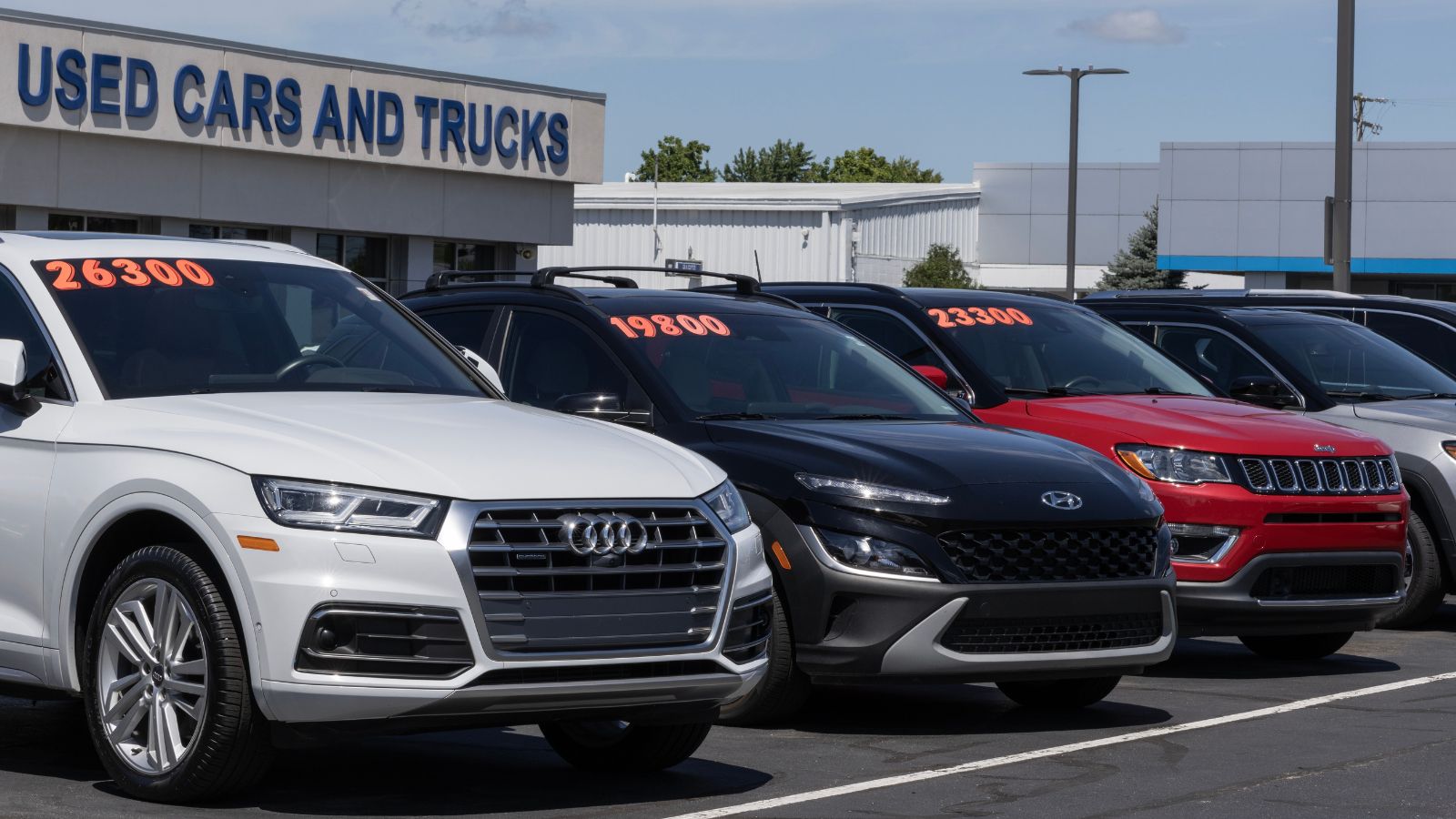
Supply chain disruptions do not only affect parts. They can also reduce the number of new vehicles reaching dealerships.
When new vehicle supply drops, used car prices often rise because buyers compete for fewer available vehicles. Higher vehicle values increase the cost of insurance claims when cars are declared total losses.
Shipping Costs Affect Parts Pricing

Transporting automotive components across oceans or through international ports adds another layer of cost. When global logistics become strained, shipping prices can increase.
Parts suppliers must account for these higher transportation costs. As those increases move through the supply chain, repair shops and insurers eventually feel the impact.
Insurance Companies Adjust Slowly

Insurance premiums usually do not change instantly when costs rise. Insurers typically adjust rates gradually as new data reflects higher claim expenses.
This means drivers may experience rising premiums months after supply chain disruptions begin affecting repair costs.
Global Events Can Influence Everyday Expenses
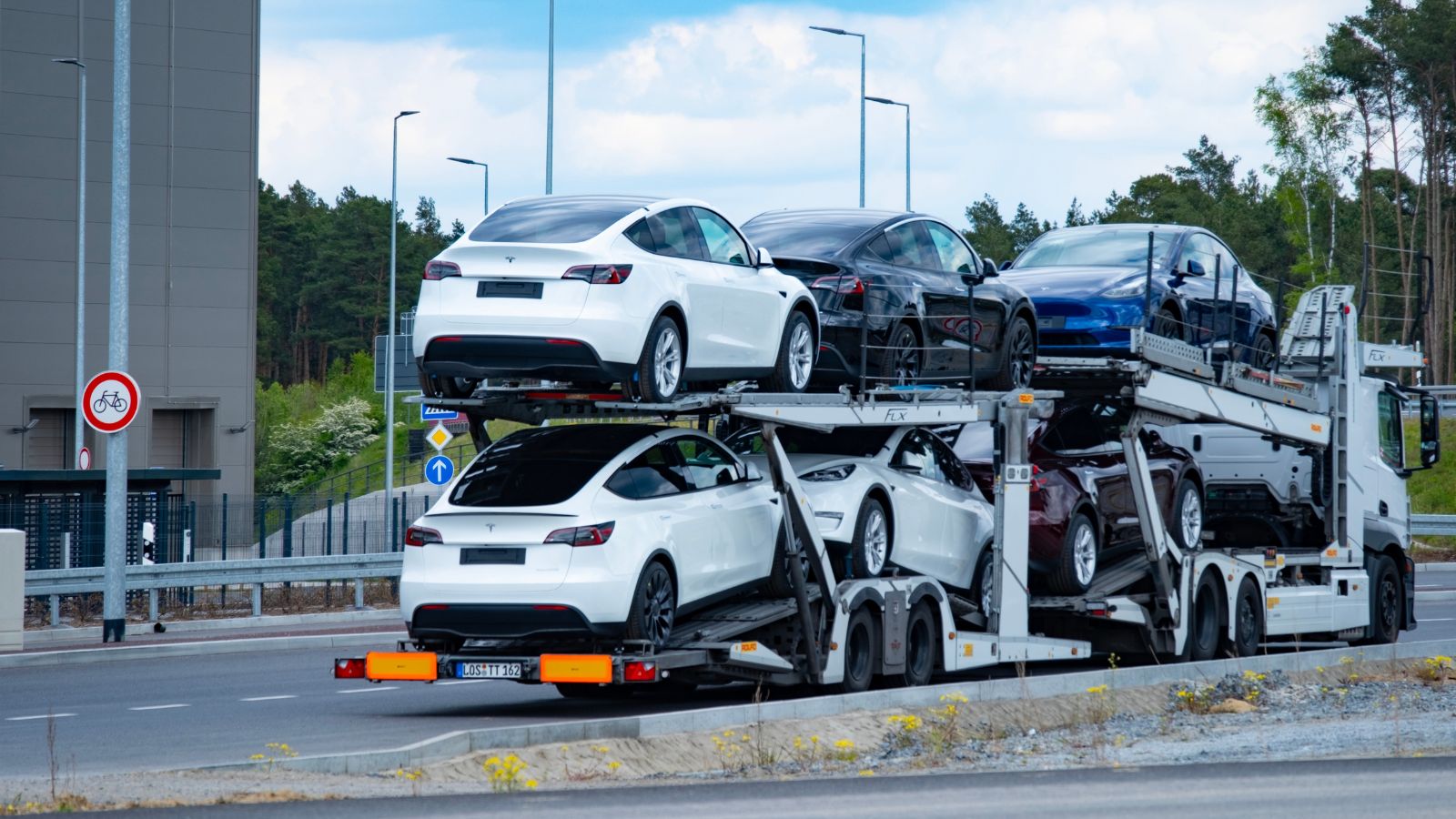
Many drivers view supply chain disruptions as distant economic issues. However, the automotive industry relies on an international network of suppliers, factories, and shipping routes.
When those networks become unstable, the effects spread through vehicle production, parts availability, and repair costs. Insurance companies respond by adjusting pricing to reflect the changing reality.
Drivers May Notice the Effects Over Time

If supply chains tighten again, drivers may not immediately connect global logistics issues with their insurance bills. Yet rising repair costs and vehicle values can gradually influence premiums.
Over time, these changes remind drivers how closely everyday expenses are tied to global supply networks that operate far beyond the local repair shop.
25 Facts About Car Loans That Most Drivers Don’t Realize

Car loans are one of the most common ways people fund car purchases. Like any other kind of loan, car loans can have certain features that can be regarded as an advantage or a disadvantage to the borrower. Understanding all essential facts about car loans and how they work to ensure that you get the best deal for your financial situation is essential. Here are 25 shocking facts about car loans that most drivers don’t realize:
25 Facts About Car Loans That Most Drivers Don’t Realize
