
Automakers constantly search for ways to make their vehicles stand out. Sometimes that means meaningful improvements in safety, efficiency, or performance. Other times it results in features that sound clever during marketing presentations but offer very little real world benefit. Over the years manufacturers have experimented with plenty of strange ideas. Some disappeared quickly, while others left drivers wondering why they existed at all.
Motorized Seat Belts
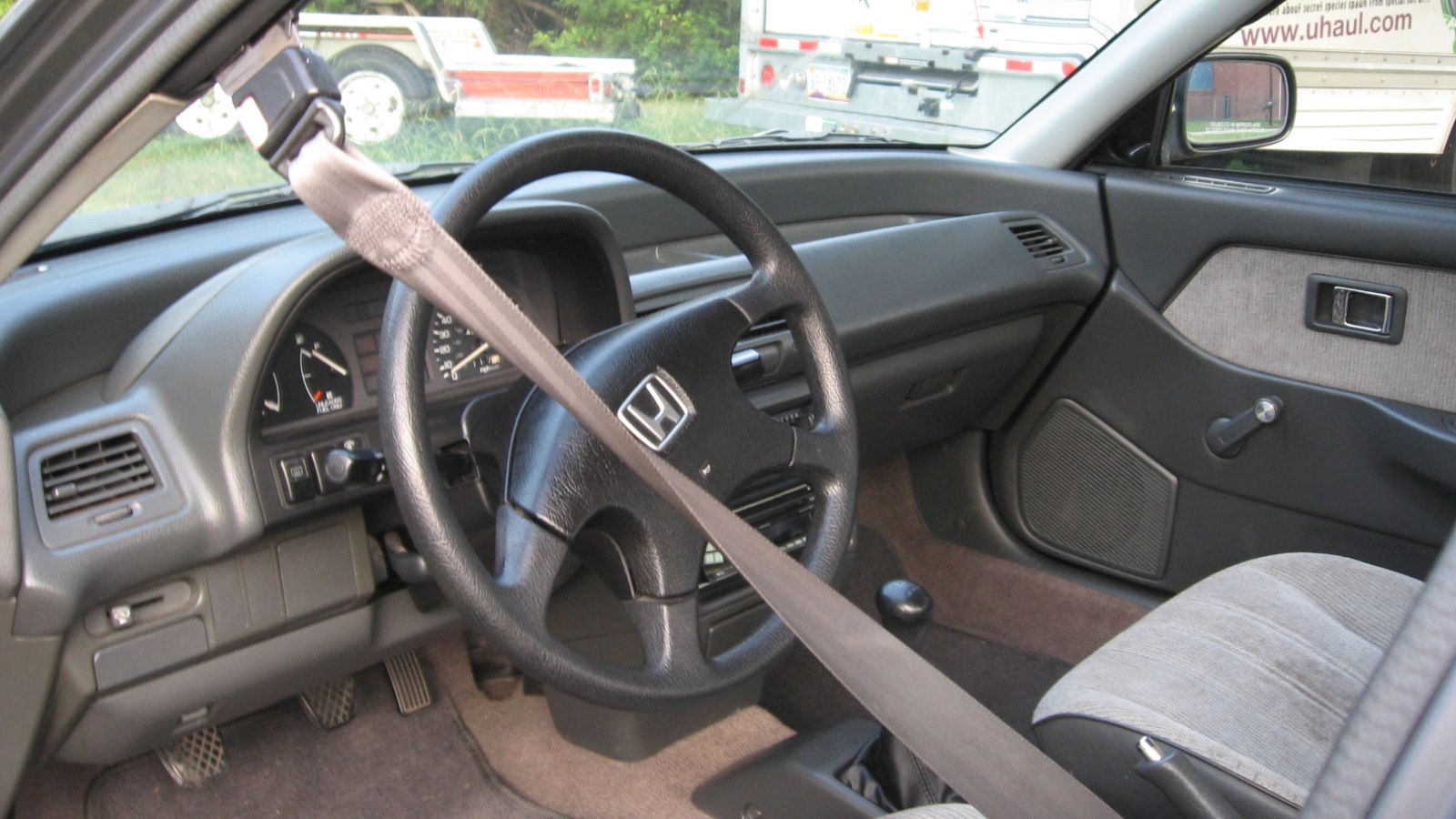
During the late 1980s and early 1990s, several manufacturers experimented with automatic seat belts that moved along the door frame when the door closed. The idea was to ensure occupants were always protected without requiring them to buckle up manually.
In practice the system often became annoying rather than helpful. Drivers still needed to fasten a lap belt separately, and the moving mechanism sometimes failed or became noisy with age. Once airbags became more common, motorized seat belts quickly disappeared.
Touch Sensitive Climate Controls
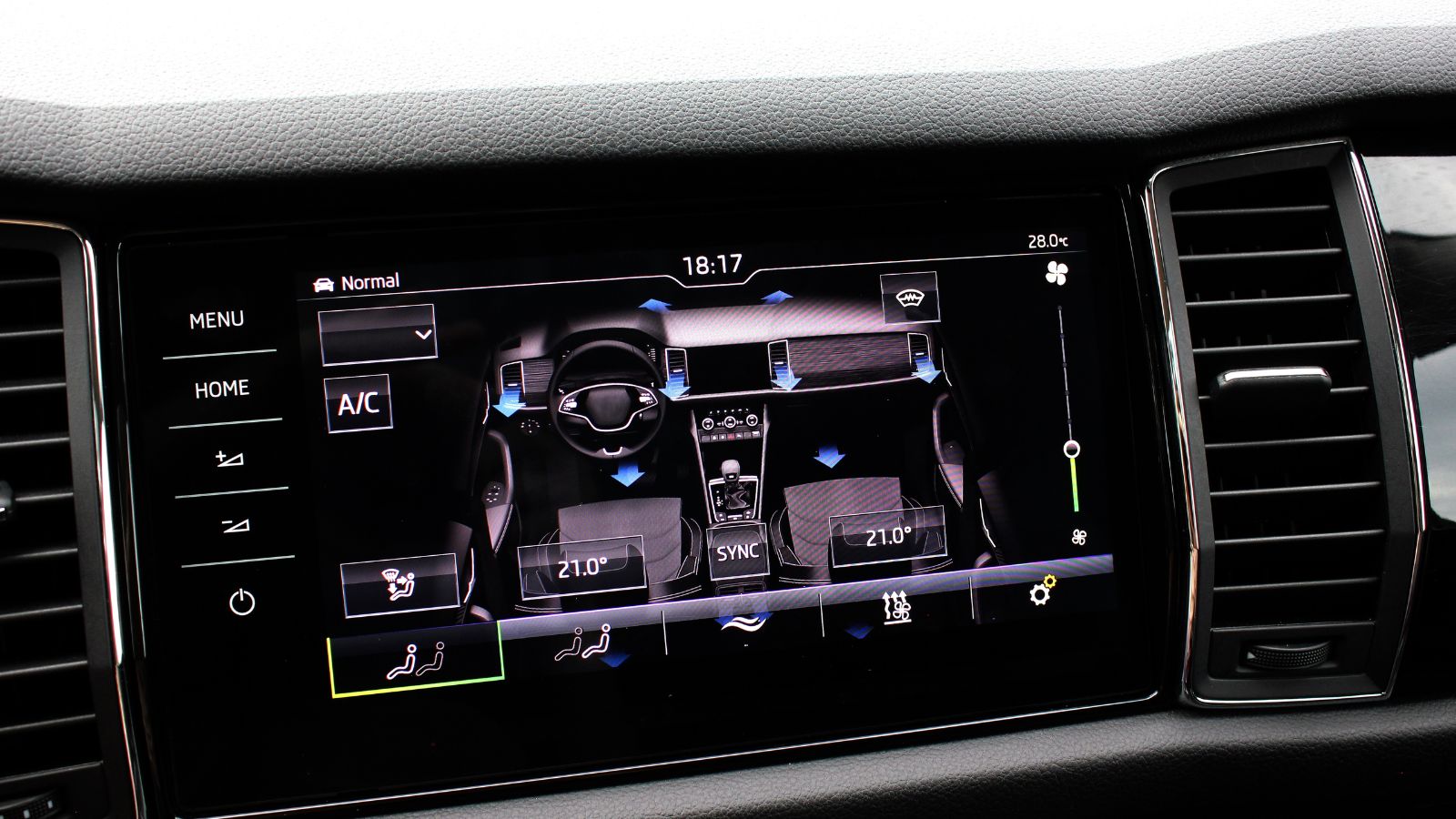
Some vehicles replaced traditional buttons with touch sensitive panels for climate controls. These systems looked modern and futuristic in showroom displays.
However they often made simple adjustments more difficult. Drivers had to look away from the road to ensure their finger was in the correct place, something that physical knobs and switches avoided. Many drivers eventually preferred the simplicity of traditional controls.
Fake Engine Noise
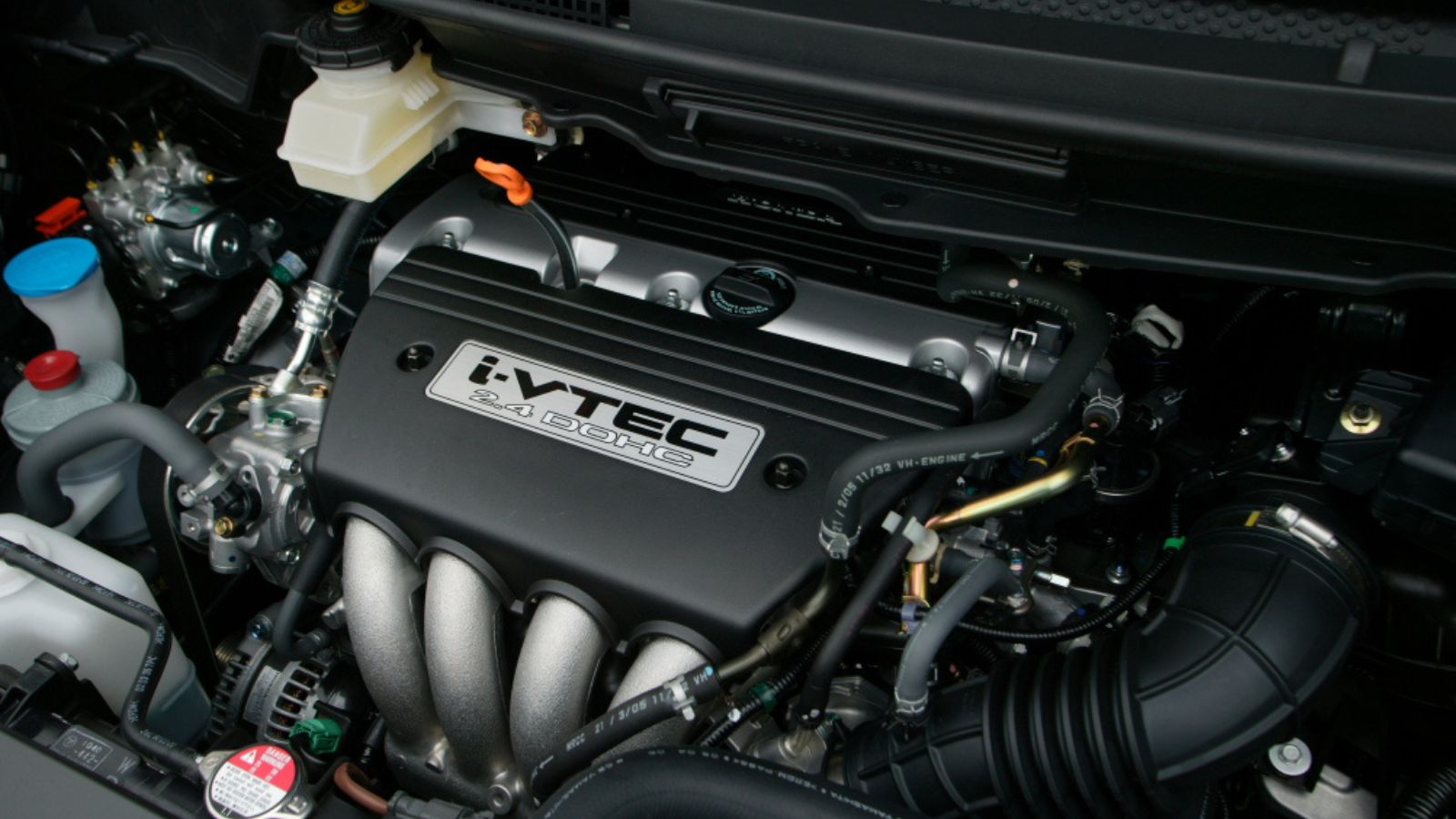
As cars became quieter, some manufacturers introduced systems that artificially enhance engine sound through the speakers. The goal was to create a more exciting driving experience.
Many drivers quickly noticed that the sound did not match the real mechanical noise coming from the engine. For enthusiasts who appreciate authentic engine sounds, artificial audio enhancements often feel unnecessary.
Built In Perfume Dispensers

A few luxury vehicles introduced systems that release fragrance into the cabin through the ventilation system. The idea was to create a premium sensory experience.
While the feature may sound appealing, most drivers are perfectly happy using a simple air freshener if needed. The built in systems add complexity and cost without providing much practical value.
Gesture Control Systems

Some modern vehicles allow drivers to control certain functions with hand gestures in the air. In theory the system reduces the need to touch buttons or screens.
In reality many drivers find gesture controls unpredictable or unnecessary. Simple actions like turning a knob or pressing a button often remain faster and more reliable.
Pop Up Headlights

Pop up headlights were once popular on sports cars because they improved aerodynamics and styling when the lights were hidden. Cars such as the Mazda RX7 and Chevrolet Corvette used them extensively.
However the mechanisms added weight and complexity, and the motors could fail over time. Fixed headlights eventually replaced the design as lighting technology improved.
Automatic Parking Systems

Automatic parking systems promise to steer the car into tight spaces while the driver controls the pedals. While the technology can work in ideal situations, many drivers rarely use it.
Experienced drivers often find it quicker to park manually rather than waiting for the system to scan and position the vehicle. For many owners the feature remains unused after the first few demonstrations.
Built In Navigation With Outdated Maps
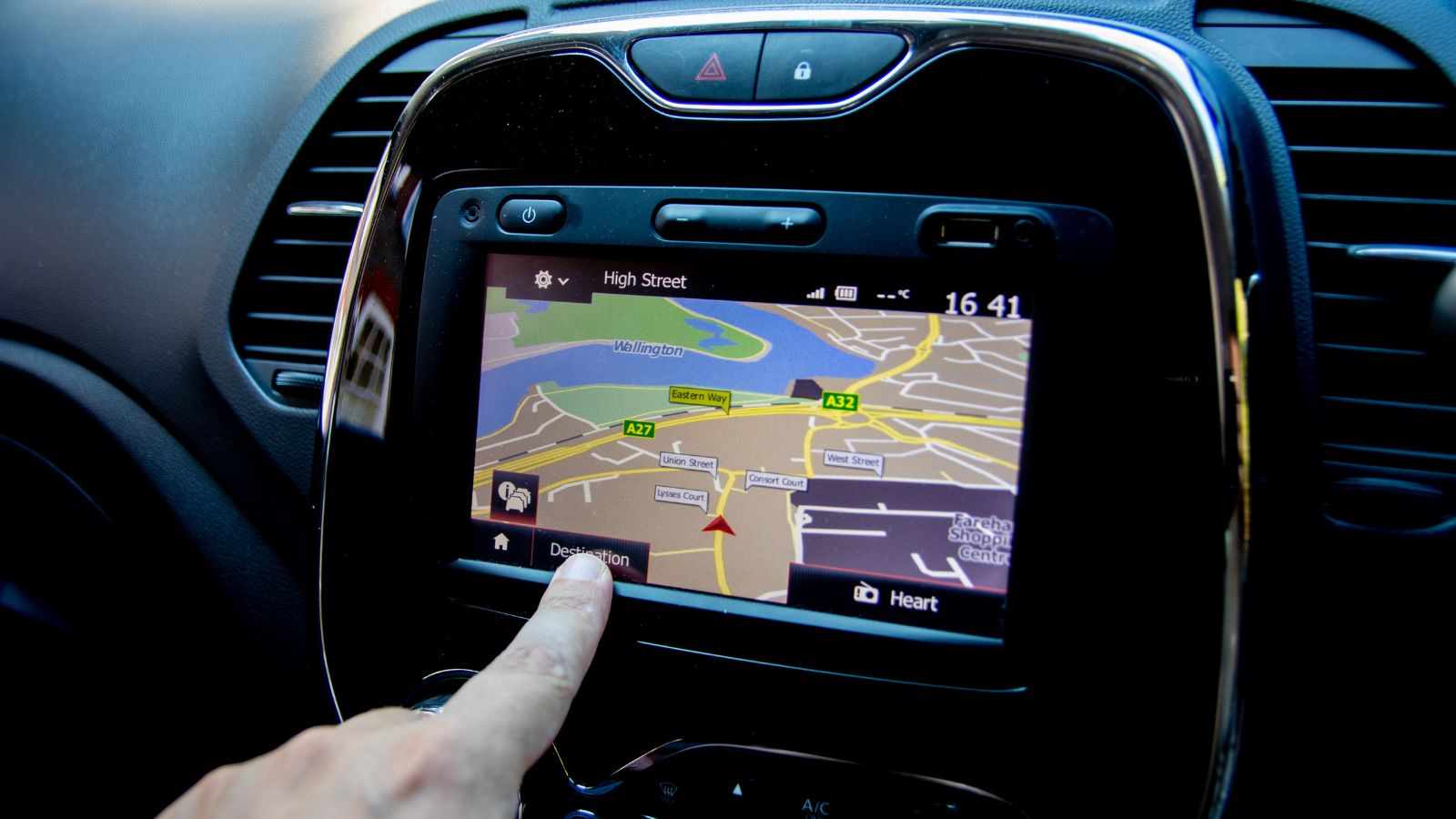
Before smartphones became widespread, many cars included factory navigation systems with built in maps. At the time the feature seemed extremely advanced.
The problem was that updating maps often required expensive software updates or dealership visits. Many drivers eventually found smartphone navigation apps easier and more accurate.
Rear Seat Entertainment Systems
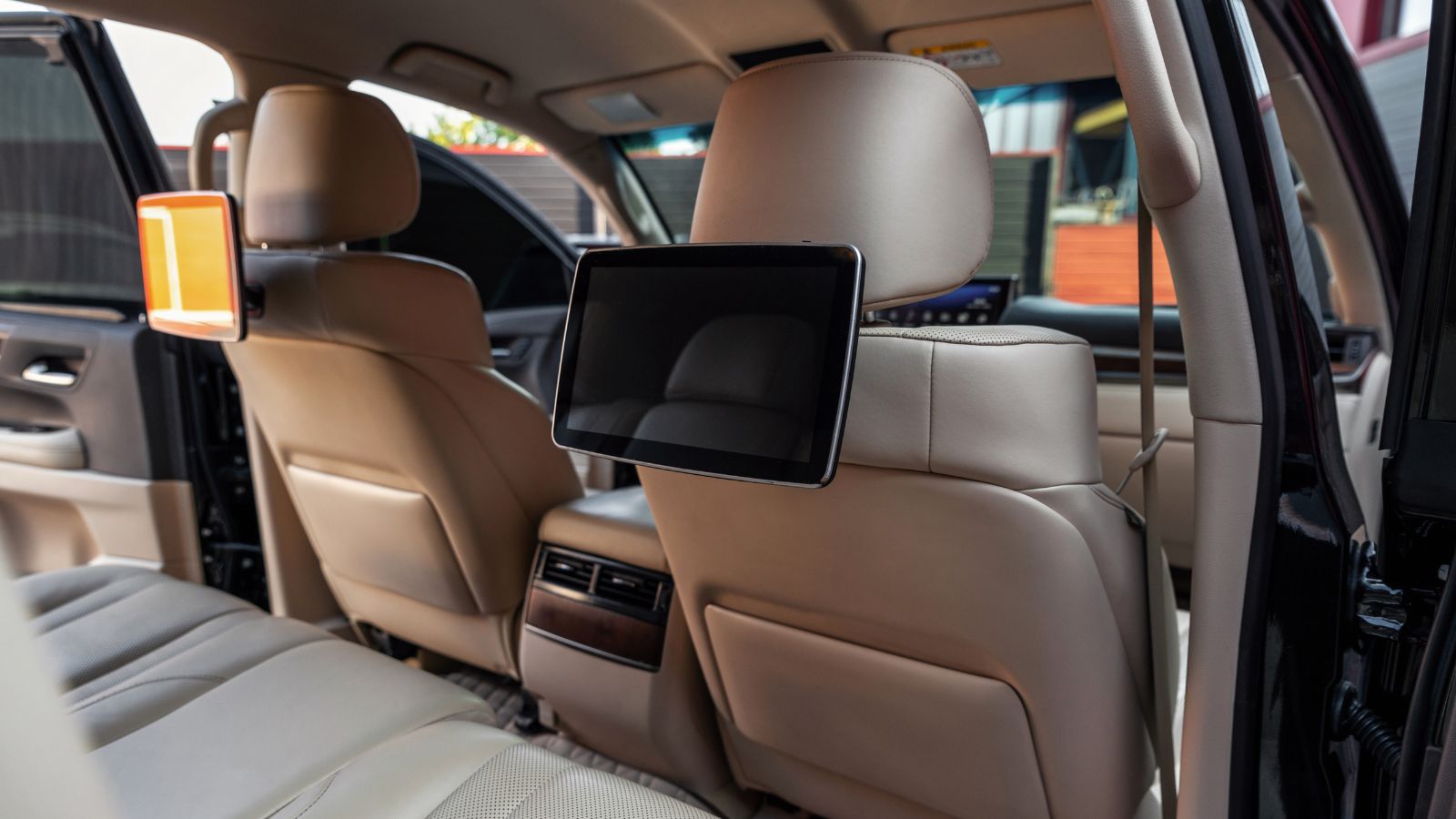
Rear seat screens once seemed like the ultimate luxury feature for family vehicles. They allowed passengers to watch movies during long trips.
However tablets and smartphones quickly replaced the need for built in screens. Portable devices offer more flexibility and entertainment options without adding cost to the vehicle itself.
Digital Owner’s Manuals Hidden in Menus

Some modern vehicles replace traditional printed owner’s manuals with digital versions stored in the infotainment system. While this may save paper, it can be inconvenient when drivers need information quickly.
Finding instructions buried in touchscreen menus is often slower than flipping through a simple printed manual. Many drivers prefer having a physical reference available when something needs attention.
Automakers continue experimenting with new ideas in an effort to stand out in a competitive market. While some innovations become essential features, others quietly fade away after drivers discover they are more novelty than necessity.
25 Facts About Car Loans That Most Drivers Don’t Realize

Car loans are one of the most common ways people fund car purchases. Like any other kind of loan, car loans can have certain features that can be regarded as an advantage or a disadvantage to the borrower. Understanding all essential facts about car loans and how they work to ensure that you get the best deal for your financial situation is essential. Here are 25 shocking facts about car loans that most drivers don’t realize:
25 Facts About Car Loans That Most Drivers Don’t Realize
