
Gasoline prices often feel unpredictable to drivers, but they are closely tied to global events. Oil is traded in an international market where political instability, production changes, and transportation risks can influence prices almost immediately. When tensions rise in key regions of the world, those developments can ripple through energy markets. For Canadian drivers, the result can appear quickly at the pump in the form of higher fuel prices.
Oil Markets React Quickly to Global Events

Oil prices are heavily influenced by expectations about future supply and demand. When geopolitical tensions increase, energy traders often anticipate potential disruptions in oil production or transportation.
Even if no physical disruption occurs, the risk alone can push prices upward. Markets react quickly because oil is a globally traded commodity, and uncertainty often leads to price volatility.
Major Oil Producing Regions Matter
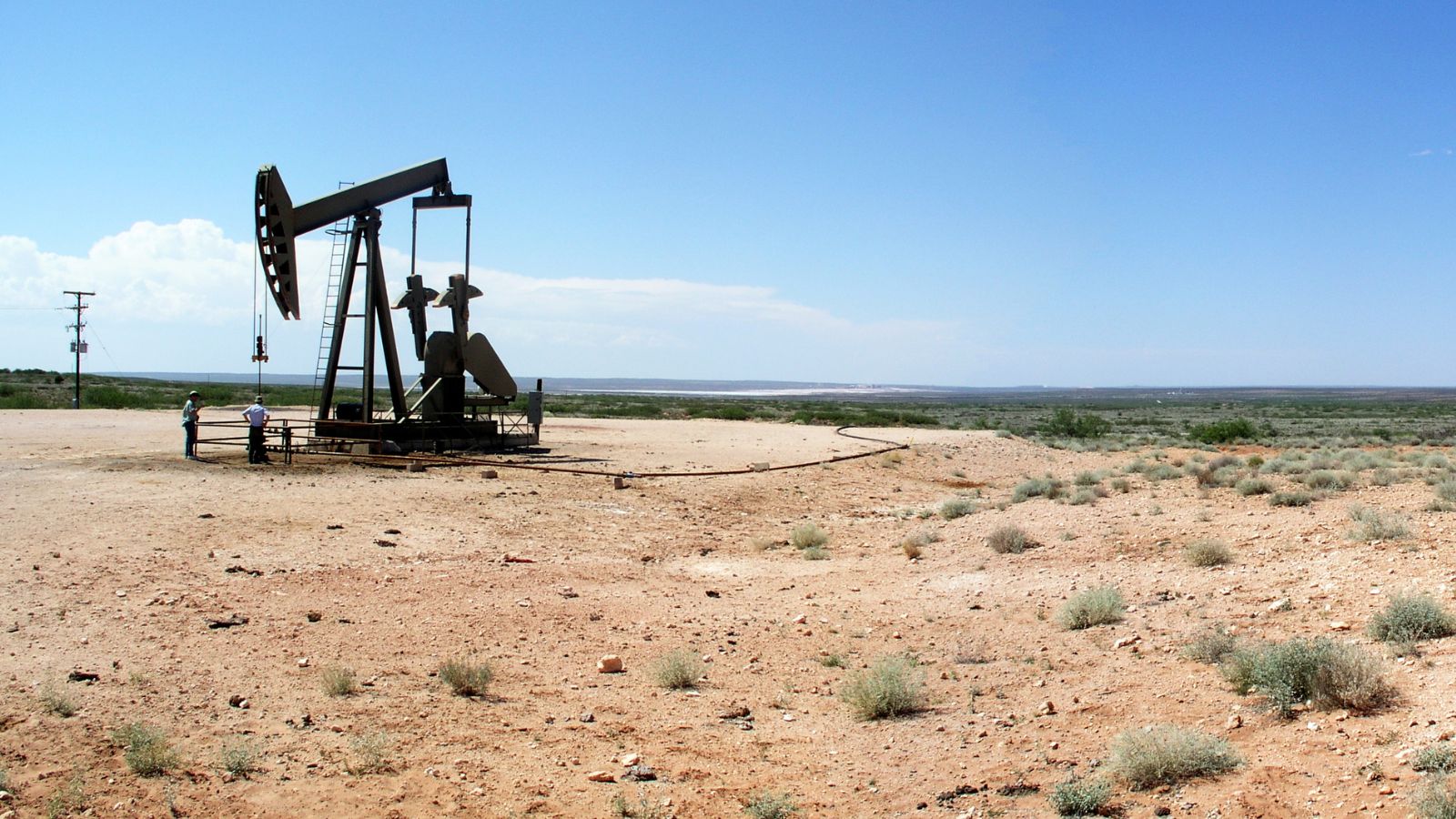
Several regions that play important roles in global oil production are also areas where political tensions sometimes occur. The Middle East, in particular, remains one of the most significant oil producing regions in the world.
When instability affects this region, markets often respond with concern about possible supply disruptions. That concern can push crude oil prices higher, which eventually affects gasoline prices in many countries.
Transportation Routes Are Critical
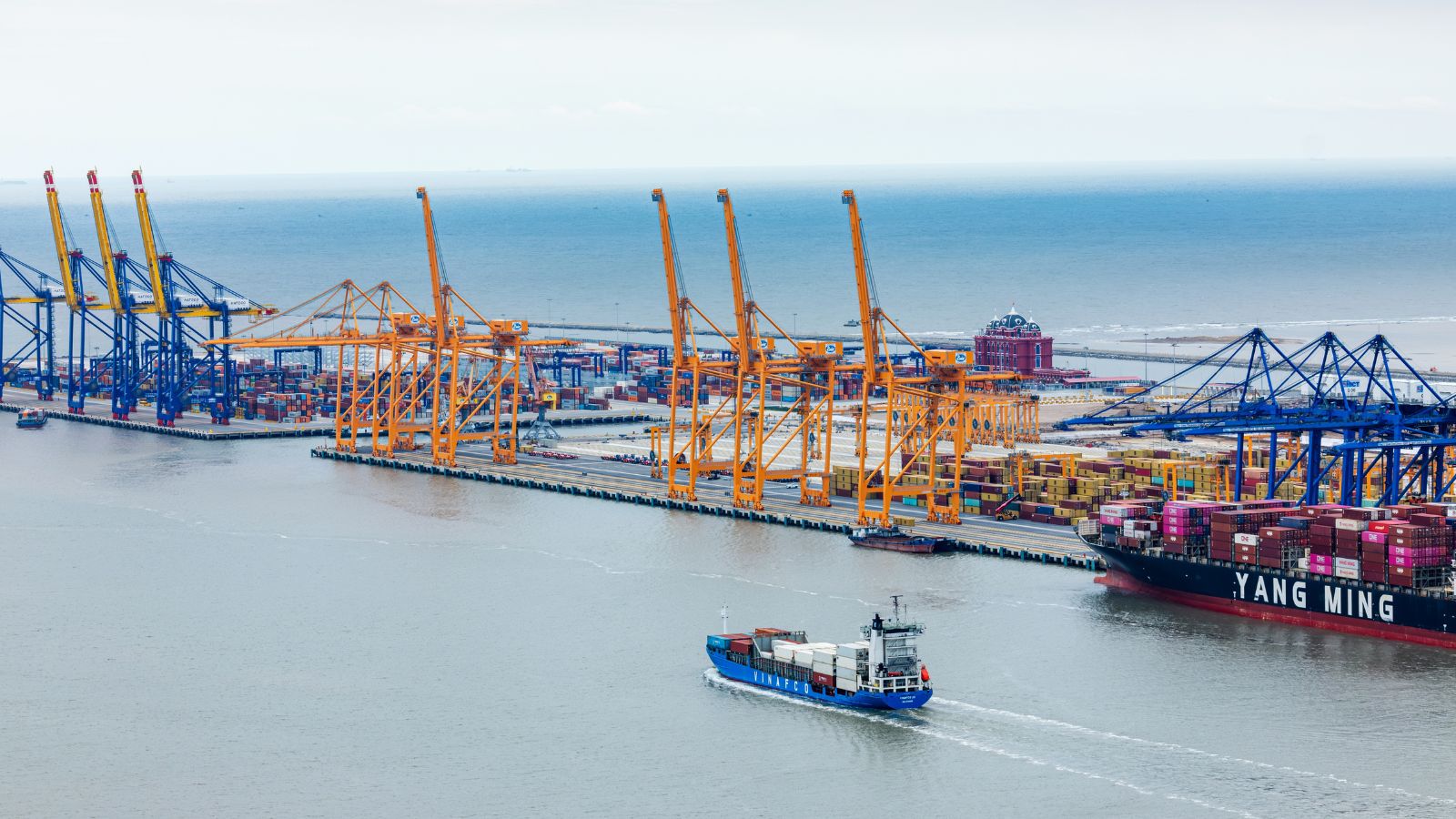
Oil does not simply appear at refineries. It must be transported through pipelines, shipping routes, and tanker fleets before reaching global markets.
Strategic waterways and shipping lanes are essential for moving large volumes of oil. When tensions threaten these routes, shipping costs and insurance premiums can rise. These additional costs may influence the price of fuel in importing countries.
Refineries Also Play a Role

Canada has several refineries that process crude oil into gasoline and other fuels. However the price of gasoline still depends heavily on global crude oil markets.
If the price of crude oil rises internationally, refiners must pay more for the raw material used to produce fuel. Those higher costs often flow through the supply chain and eventually appear at the pump.
Currency Exchange Can Influence Prices

Fuel prices in Canada are also affected by the value of the Canadian dollar relative to the U.S. dollar. Oil is typically traded internationally in U.S. dollars.
If global tensions strengthen the U.S. dollar or weaken the Canadian dollar, the cost of importing oil can increase. This exchange rate effect can amplify the impact of rising crude oil prices.
Seasonal Demand Adds Pressure
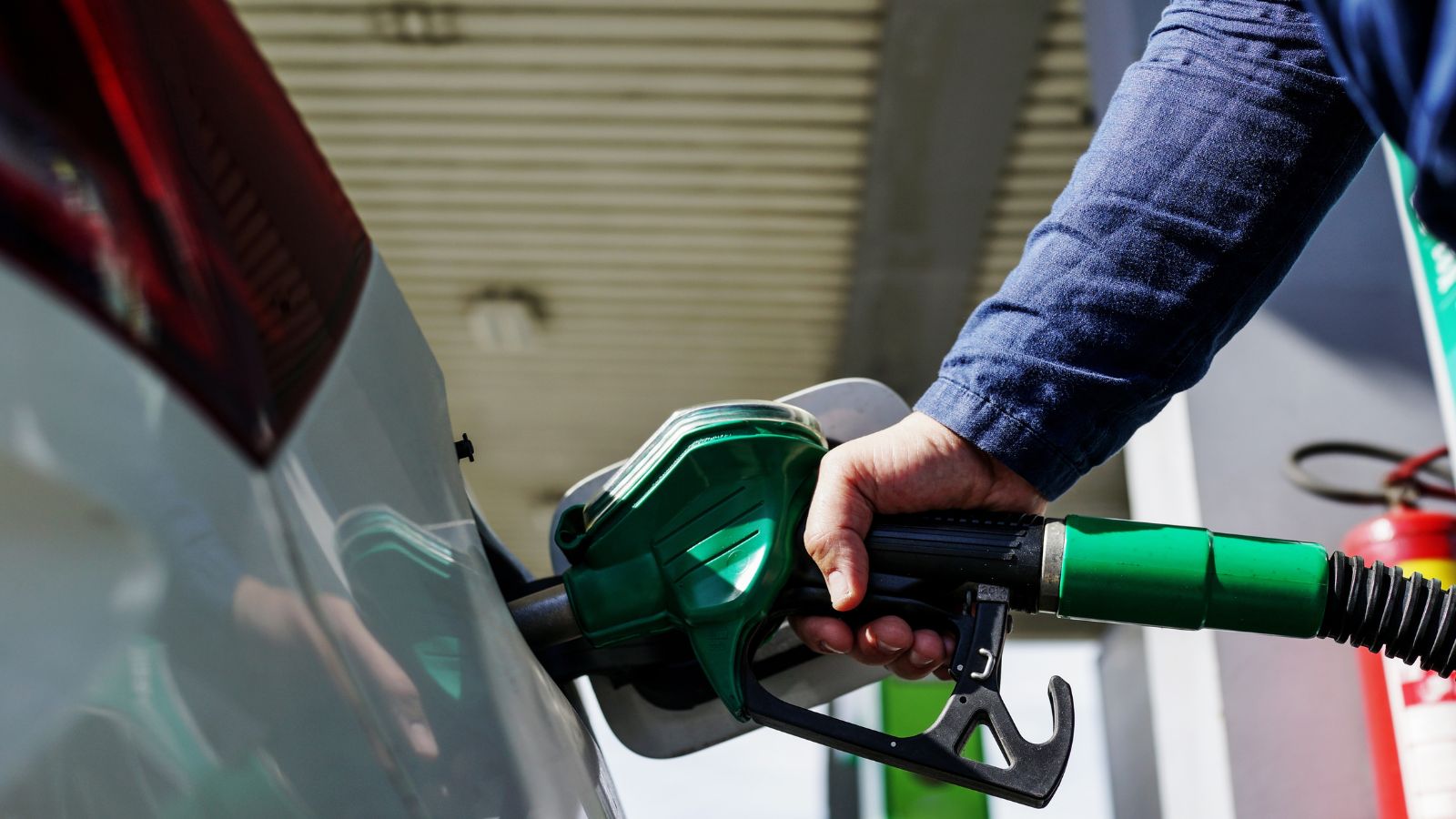
Gasoline demand tends to increase during certain times of the year, especially during the summer travel season. If geopolitical tensions occur during periods of high demand, price increases may become more noticeable.
Drivers planning road trips or long commutes may feel the effects more strongly when both demand and global uncertainty rise simultaneously.
Global Markets Affect Local Pumps

Although Canada produces significant amounts of oil, fuel prices are still influenced by international markets. Canadian refineries and fuel distributors operate within a global energy system.
This means events occurring thousands of miles away can influence the price Canadians pay for gasoline.
Price Spikes Often Reflect Market Expectations

Fuel price increases during periods of global tension do not always mean supply has already been disrupted. In many cases markets are reacting to the possibility of future disruptions.
If tensions ease or supply remains stable, prices may stabilize again. However uncertainty itself often creates short term volatility.
Drivers Often Feel the Effects Quickly
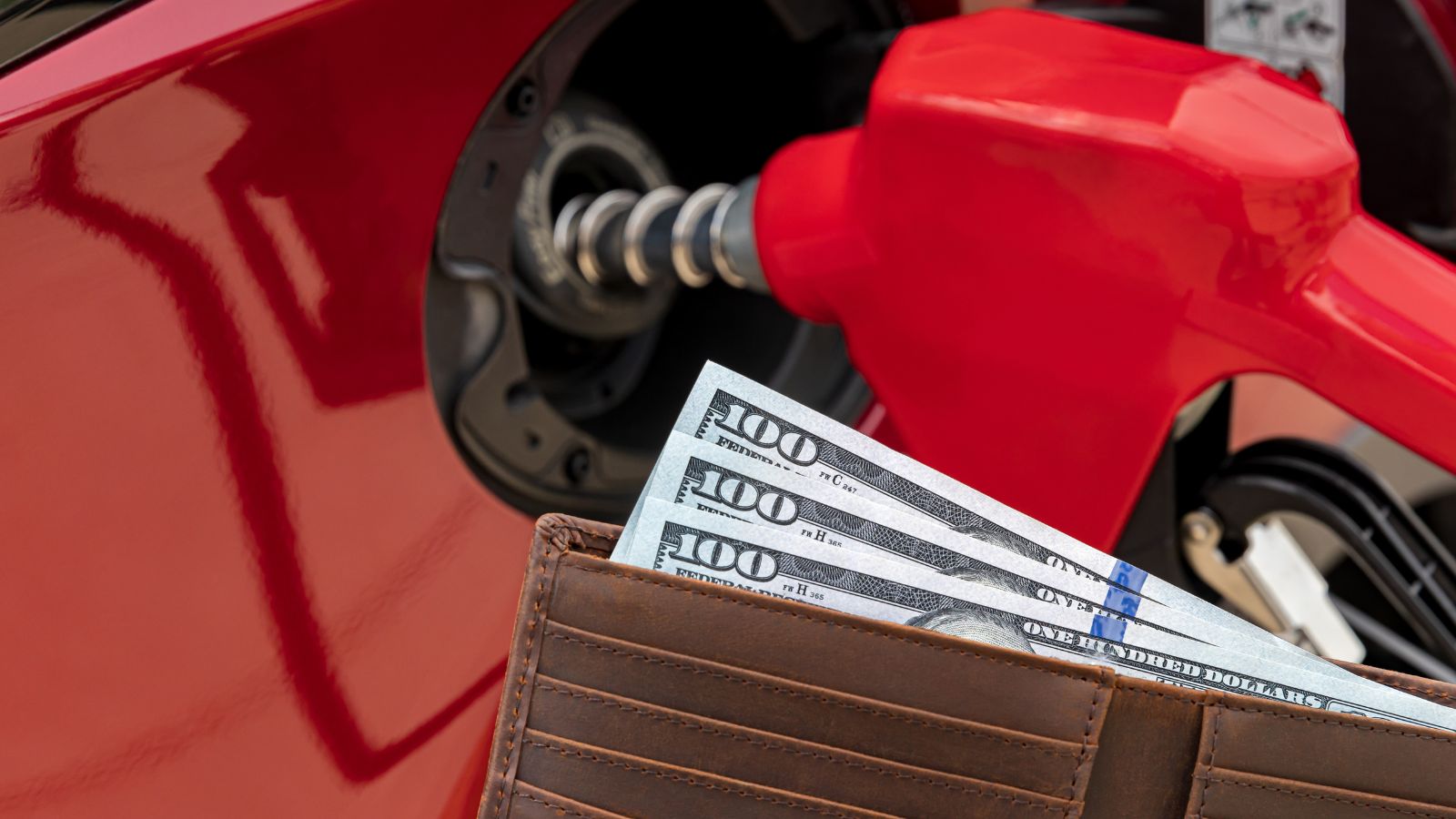
For most Canadians the most visible impact of global tensions appears at the fuel pump. Rising gasoline prices can affect commuting costs, travel plans, and household budgets.
While many factors influence fuel prices, global political events remain one of the most powerful forces shaping oil markets. When tensions rise internationally, Canadian drivers often feel the effects closer to home.
25 Facts About Car Loans That Most Drivers Don’t Realize

Car loans are one of the most common ways people fund car purchases. Like any other kind of loan, car loans can have certain features that can be regarded as an advantage or a disadvantage to the borrower. Understanding all essential facts about car loans and how they work to ensure that you get the best deal for your financial situation is essential. Here are 25 shocking facts about car loans that most drivers don’t realize:
25 Facts About Car Loans That Most Drivers Don’t Realize
