
Car prices in Canada are influenced by far more than dealership negotiations or manufacturer promotions. The automotive industry operates through an enormous global network of factories, suppliers, shipping routes, and raw material sources. When international tensions rise or supply chains become uncertain, those systems can feel the pressure quickly. For Canadian buyers planning to purchase a new vehicle, global instability may quietly influence what they ultimately pay.
Modern Vehicles Depend on Global Supply Chains

The production of a modern vehicle involves thousands of individual components sourced from around the world. Engines, electronics, wiring harnesses, and interior materials may all originate from different countries before reaching final assembly plants.
When global instability disrupts these supply chains, manufacturers can face delays or higher costs. Even small interruptions in the availability of key components can slow production and affect vehicle availability.
Shipping Costs Can Influence Vehicle Prices

Many vehicles sold in Canada are built overseas and transported by specialized cargo ships. Shipping routes connect North America with manufacturing centers in Europe, Japan, and South Korea.
If global tensions disrupt major shipping lanes or increase maritime insurance costs, transporting vehicles becomes more expensive. These additional costs can eventually be reflected in the retail price of imported vehicles.
Raw Materials Play a Major Role

Automakers rely on large quantities of steel, aluminum, copper, and specialized materials to build modern vehicles. The prices of these commodities can fluctuate significantly during periods of global instability.
When material costs rise, manufacturers must pay more to produce each vehicle. Over time those increases can influence the pricing of new models in the marketplace.
Electronics Supply Remains Critical

Today’s vehicles contain sophisticated electronics that manage everything from engine performance to driver assistance systems. These components rely on semiconductors and other advanced materials.
Supply disruptions affecting electronics manufacturers can slow vehicle production. If automakers cannot obtain enough components, they may reduce output, which limits the number of vehicles available for sale.
Limited Inventory Can Push Prices Up

When supply tightens while demand remains strong, prices often rise. This basic economic principle has influenced the automotive market several times in recent years.
If fewer vehicles reach Canadian dealerships due to supply chain disruptions, buyers may face higher prices and reduced negotiating power.
Currency Exchange Rates Matter

Another factor affecting vehicle prices is the exchange rate between the Canadian dollar and other major currencies. Many vehicles and components are purchased internationally.
If global instability weakens the Canadian dollar relative to the U.S. dollar or other currencies, importing vehicles and parts becomes more expensive for manufacturers and distributors.
Automakers May Adjust Production Strategies
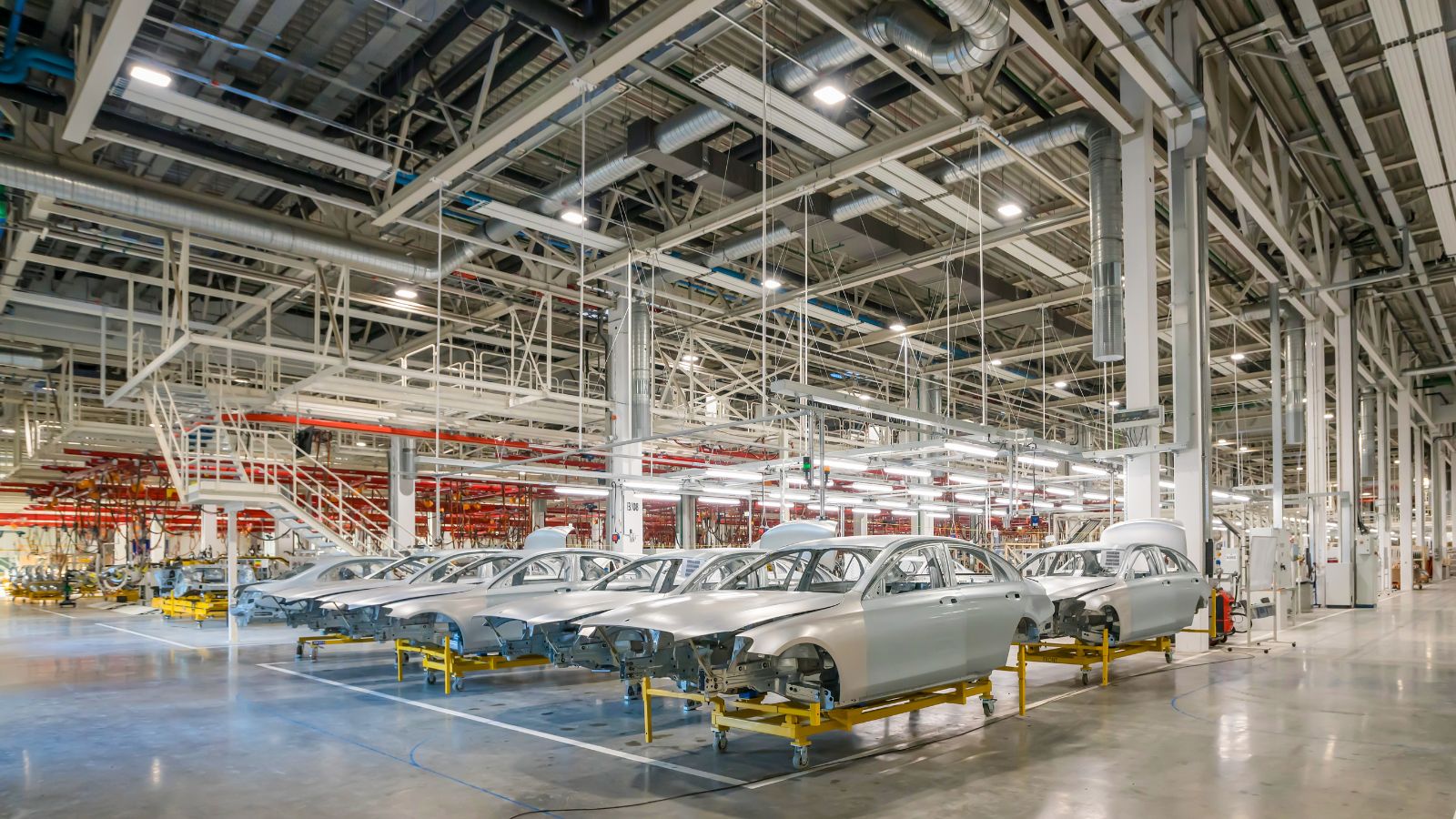
Manufacturers sometimes respond to uncertainty by shifting production priorities. Factories may focus on higher margin models or delay the introduction of certain vehicles.
These decisions can influence which vehicles are readily available in Canada and which models become harder to find.
Buyers May Notice Changes Slowly

Unlike gasoline prices, which can change rapidly, new car prices tend to move gradually. Automakers and dealerships adjust pricing over time as costs evolve.
For buyers, the effects of global instability may appear as smaller discounts, longer waiting lists, or fewer incentives rather than sudden price increases.
Global Events Can Shape the Local Market
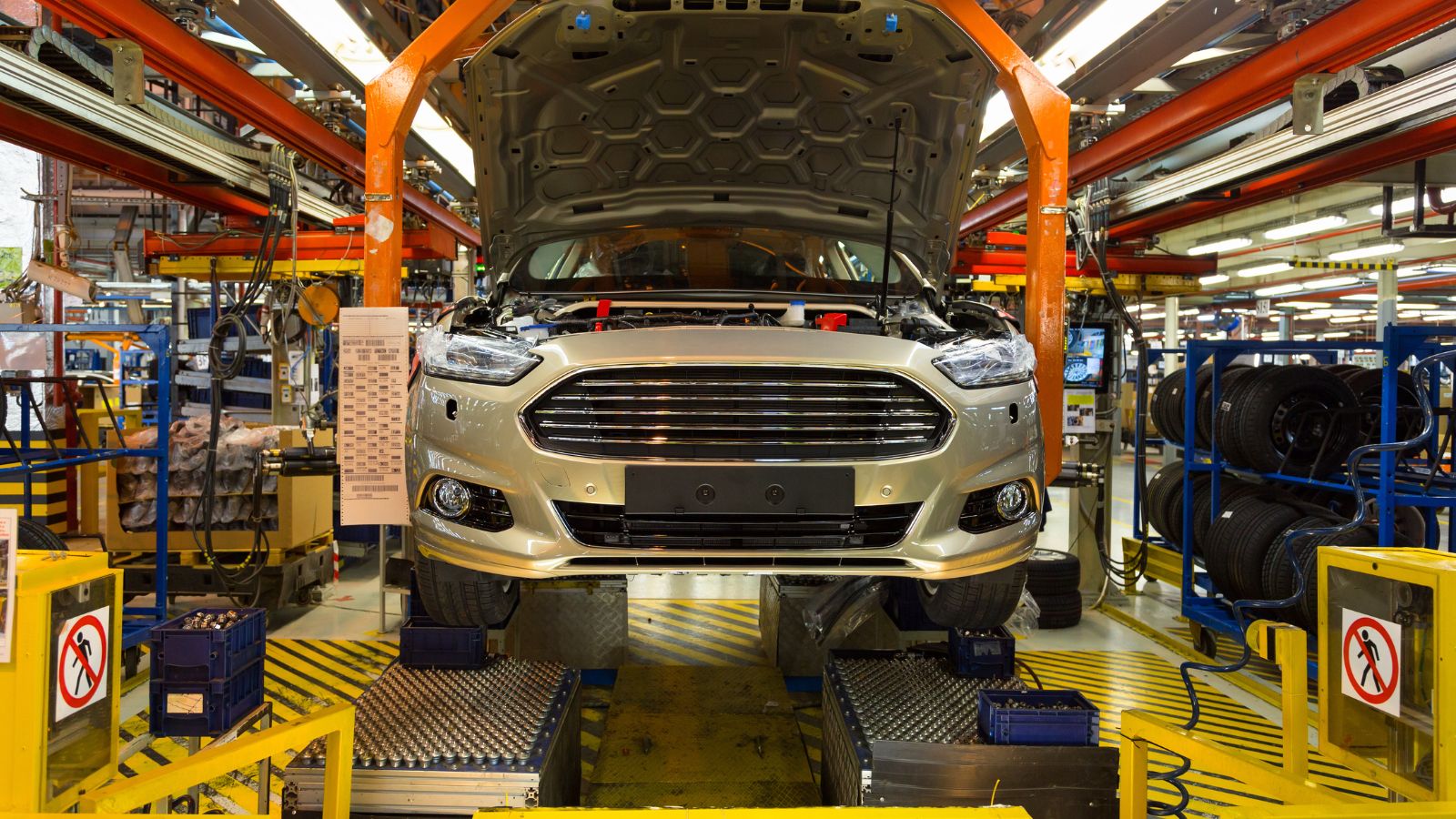
The automotive market in Canada is closely connected to global manufacturing and trade networks. Events occurring thousands of miles away can influence production schedules, shipping costs, and supply availability.
While not every period of global tension leads to higher vehicle prices, instability can increase the likelihood of supply disruptions that affect the market.
For Canadian buyers planning their next vehicle purchase, global developments may seem distant. Yet those events can quietly shape the price and availability of the cars and trucks arriving at local dealerships.
25 Facts About Car Loans That Most Drivers Don’t Realize

Car loans are one of the most common ways people fund car purchases. Like any other kind of loan, car loans can have certain features that can be regarded as an advantage or a disadvantage to the borrower. Understanding all essential facts about car loans and how they work to ensure that you get the best deal for your financial situation is essential. Here are 25 shocking facts about car loans that most drivers don’t realize:
25 Facts About Car Loans That Most Drivers Don’t Realize
