
Sport utility vehicles remain one of the most popular vehicle categories in Canada. From compact crossovers to large family haulers, many of the SUVs Canadians buy every year are produced outside the country and shipped across oceans before arriving at dealerships. Because of this global supply chain, the cost of imported SUVs can be sensitive to changes in international trade routes. If global shipping becomes more difficult or expensive, those effects may eventually appear in showroom prices.
Many SUVs Sold in Canada Are Imported

A large number of SUVs available in Canada are built overseas. Popular models often arrive from factories in Japan, South Korea, Europe, and other regions before reaching North American ports.
These vehicles are transported on specialized cargo ships designed to carry thousands of cars at a time. When international trade routes operate smoothly, the system works efficiently and keeps supply moving steadily.
Shipping Costs Can Influence Vehicle Prices
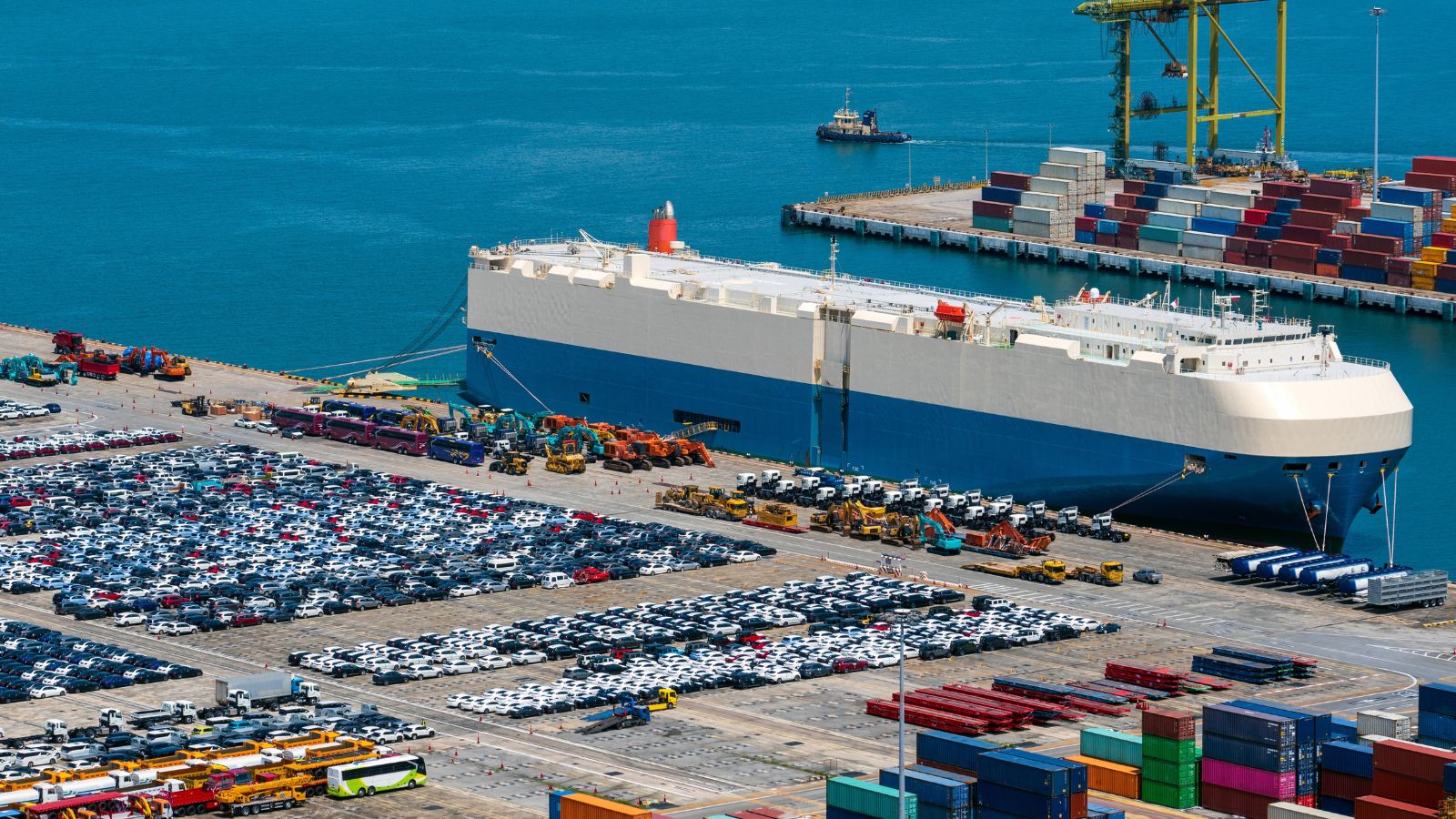
Transportation is a significant part of the cost of bringing imported vehicles to market. Ocean shipping, port handling, and inland transport all add to the final price a dealership pays for a vehicle.
If trade routes become less efficient or require longer detours, shipping expenses can increase. These additional costs may eventually influence the retail prices buyers see.
Global Shipping Routes Are Vulnerable to Disruption

Major shipping lanes pass through strategic waterways that are critical for global trade. When geopolitical tensions or security concerns affect these areas, shipping companies may need to adjust their routes.
Longer routes increase fuel costs and transit time for cargo vessels. When transport takes longer or becomes more expensive, the cost of moving vehicles across oceans can rise.
Insurance Costs Can Rise During Uncertainty

Cargo ships carrying thousands of vehicles must be insured against potential risks. When shipping routes become less predictable, insurance companies often raise premiums.
Higher insurance costs add another layer of expense to vehicle transportation. Over time, these costs may be reflected in the price of imported SUVs.
Delays Can Reduce Inventory

When shipping disruptions occur, deliveries to ports can slow. Fewer vehicles arriving at dealerships means inventory becomes tighter.
Limited supply combined with steady demand can create upward pressure on vehicle prices. Buyers may notice fewer discounts or longer waiting times for certain models.
Automakers May Adjust Production Strategies

Manufacturers often respond to global uncertainty by adjusting production and distribution plans. Some may prioritize markets closer to production facilities to reduce shipping risks.
Others may increase production at North American plants if possible. These changes can influence which SUVs remain widely available in Canada.
Currency Exchange Can Add Another Variable

Imported vehicles are also affected by currency fluctuations. If global instability weakens the Canadian dollar, purchasing vehicles built overseas becomes more expensive for importers.
This effect can amplify any price increases caused by higher shipping costs or supply disruptions.
Buyers May Notice Changes Gradually

Unlike gasoline prices, which can change rapidly, vehicle prices tend to move more slowly. Automakers and dealerships usually adjust pricing gradually as costs evolve.
Drivers might notice fewer incentives, smaller discounts, or longer delivery times before seeing major changes in sticker prices.
Global Trade Shapes the SUV Market
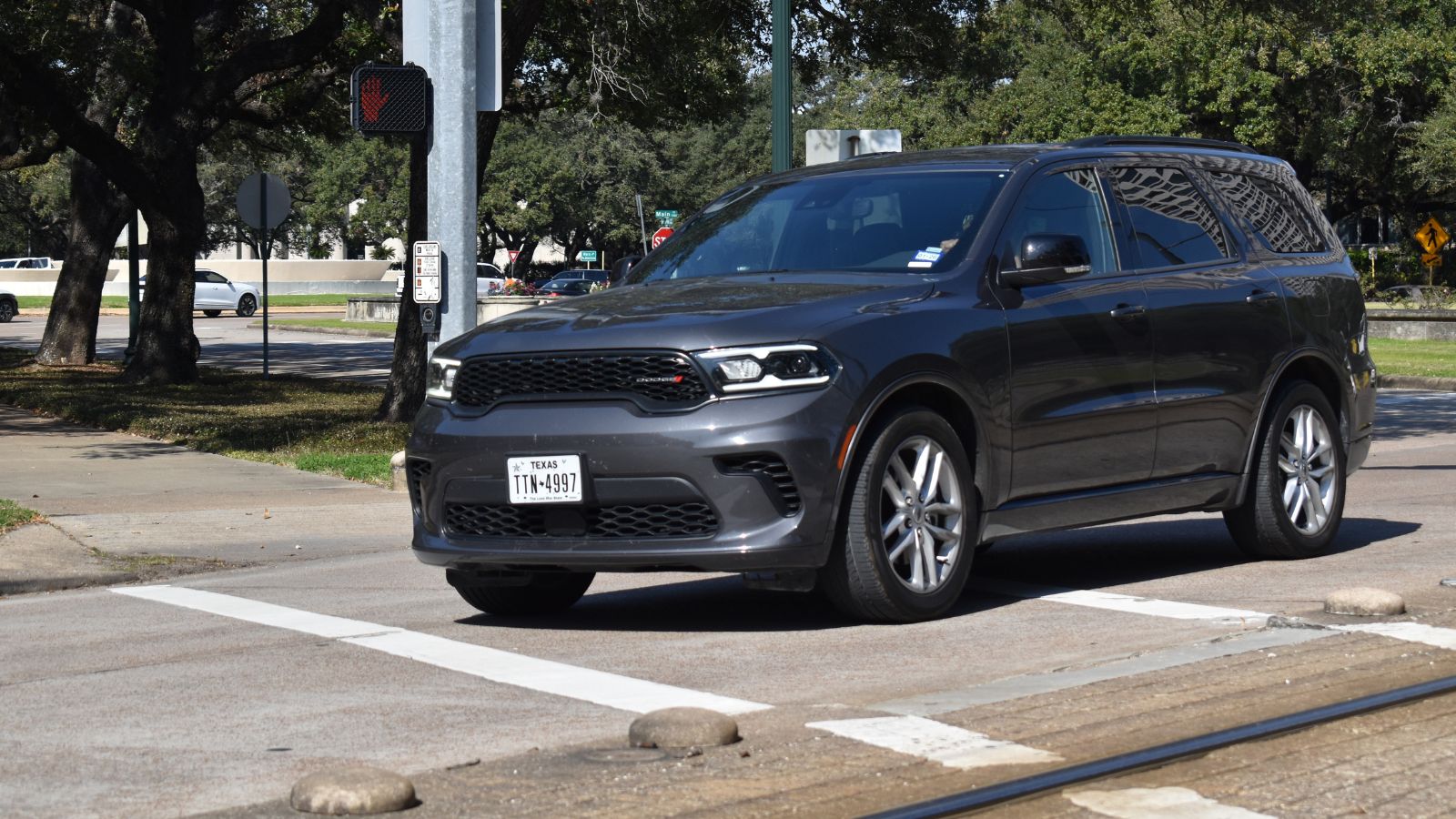
The modern automotive market depends heavily on international trade networks. Vehicles, components, and raw materials move across continents before reaching buyers.
When those networks function smoothly, imported SUVs remain widely available at competitive prices. If trade routes tighten or become more expensive, the cost of bringing those vehicles to Canada could slowly rise.
For Canadian buyers considering their next SUV, global trade conditions may seem distant. Yet those conditions can quietly influence both the price and availability of many of the vehicles found on local dealership lots.
25 Facts About Car Loans That Most Drivers Don’t Realize

Car loans are one of the most common ways people fund car purchases. Like any other kind of loan, car loans can have certain features that can be regarded as an advantage or a disadvantage to the borrower. Understanding all essential facts about car loans and how they work to ensure that you get the best deal for your financial situation is essential. Here are 25 shocking facts about car loans that most drivers don’t realize:
25 Facts About Car Loans That Most Drivers Don’t Realize
