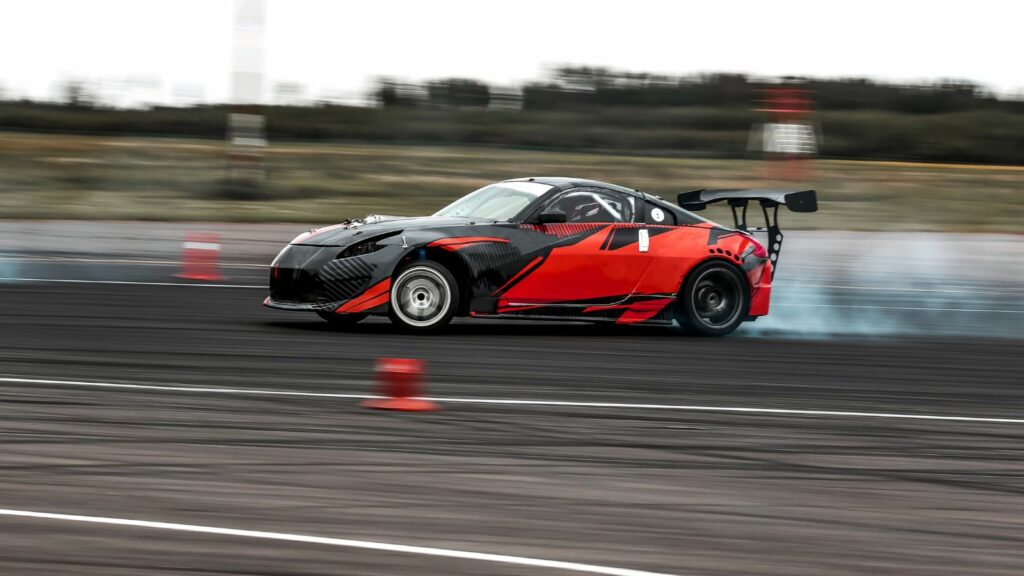
Manual transmissions offer a level of control that many drivers never fully explore. Beyond smooth daily driving, there are techniques used by enthusiasts and racers to extract maximum performance from a car. One of the most talked about is power shifting, a method designed to keep acceleration uninterrupted during gear changes. At the same time, racers use their own refined shifting techniques on short road courses where every fraction of a second matters. Understanding both approaches reveals how much difference shifting technique can make.
What Power Shifting Actually Is

Power shifting, sometimes called flat shifting, is a technique where the driver keeps the throttle fully open while changing gears. Instead of lifting off the accelerator during a shift, the driver depresses the clutch, shifts quickly, and re engages the clutch while the engine is still at high revs.
The goal is simple. By keeping the throttle open, the engine speed does not drop as much between gears, allowing the car to maintain momentum and accelerate more quickly.
How to Perform a Power Shift
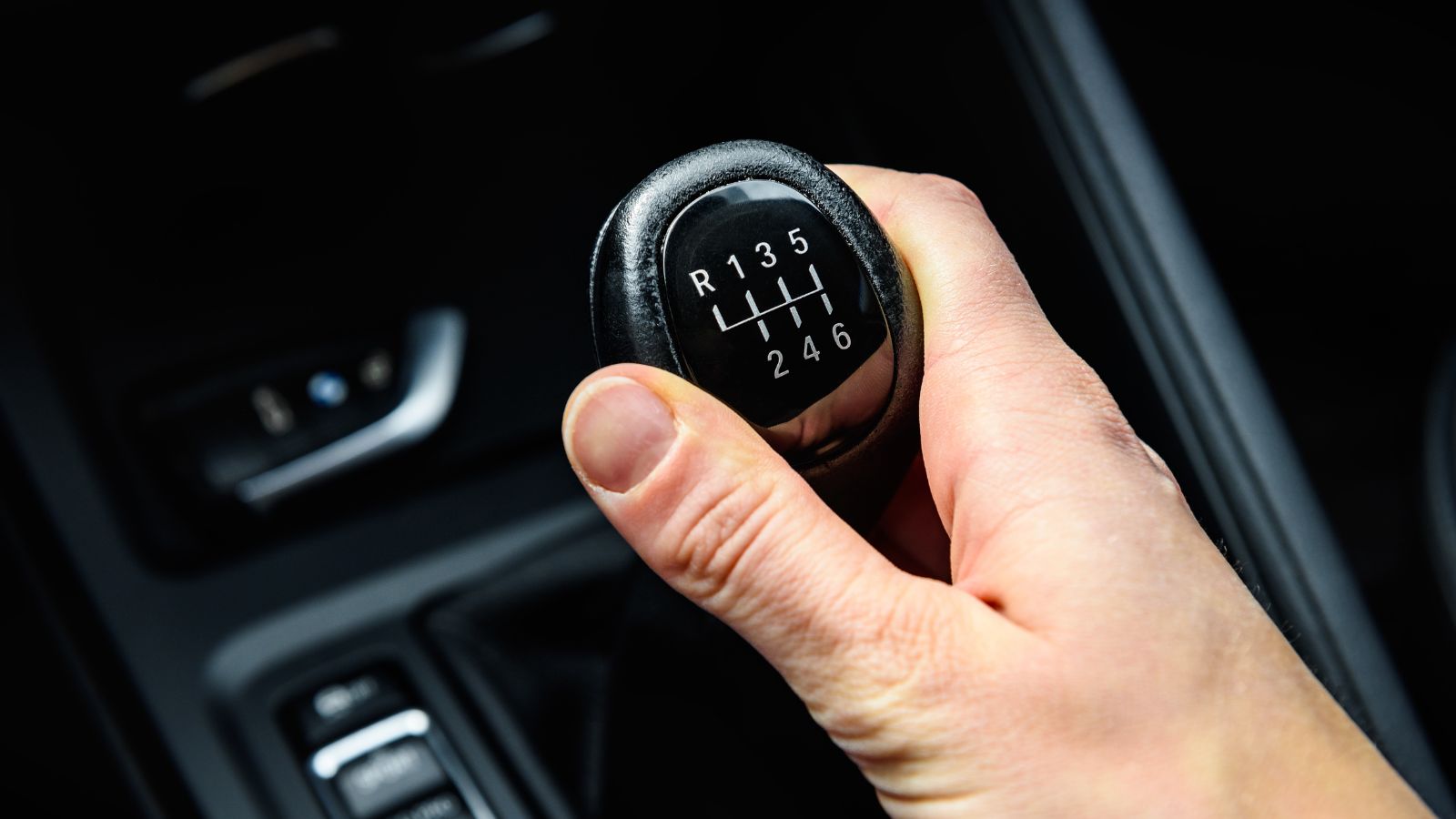
Executing a power shift requires precision and mechanical sympathy. The driver accelerates hard toward the desired shift point, then quickly presses the clutch while keeping the throttle planted.
At the same time, the gear lever is moved decisively into the next gear. The clutch is then released quickly but smoothly to avoid shocking the drivetrain. Timing is critical because any hesitation can reduce the benefit or increase wear.
This technique is most commonly used in straight line acceleration where maintaining engine speed is crucial.
Why Power Shifting Is Hard on Components

While power shifting can improve acceleration, it places significant stress on the transmission, clutch, and drivetrain components. The lack of throttle lift increases load on the gears and synchronizers.
Repeated use can accelerate wear on the clutch and transmission internals. For most street cars, power shifting is not recommended as a regular driving technique because repair costs can quickly outweigh any performance gains.
How Racers Shift on Short Road Courses

On short road courses, racers use a different approach that balances speed with control. Instead of focusing only on acceleration, they prioritize smoothness and vehicle balance.
Drivers typically lift the throttle slightly during shifts to reduce stress on the drivetrain while maintaining stability. Smooth, quick shifts help keep the car settled, especially when entering or exiting corners.
Rev Matching and Downshifting
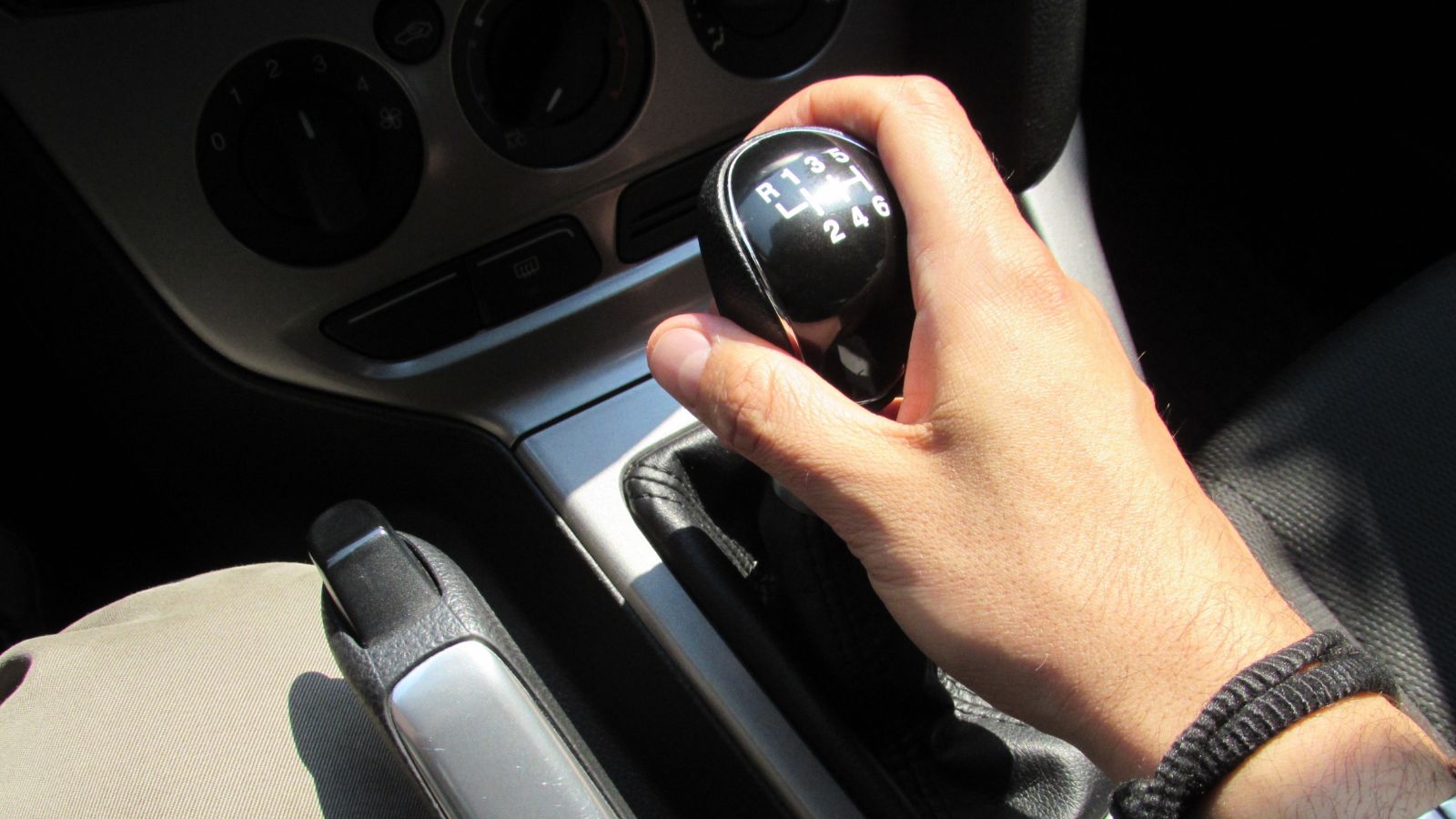
One of the most important techniques used by racers is rev matching during downshifts. When braking for a corner, drivers match engine speed to the lower gear before releasing the clutch.
This prevents sudden jolts that can upset the car’s balance. On a short track where corners come quickly, maintaining stability during braking and downshifting is essential for fast lap times.
Heel and Toe Technique
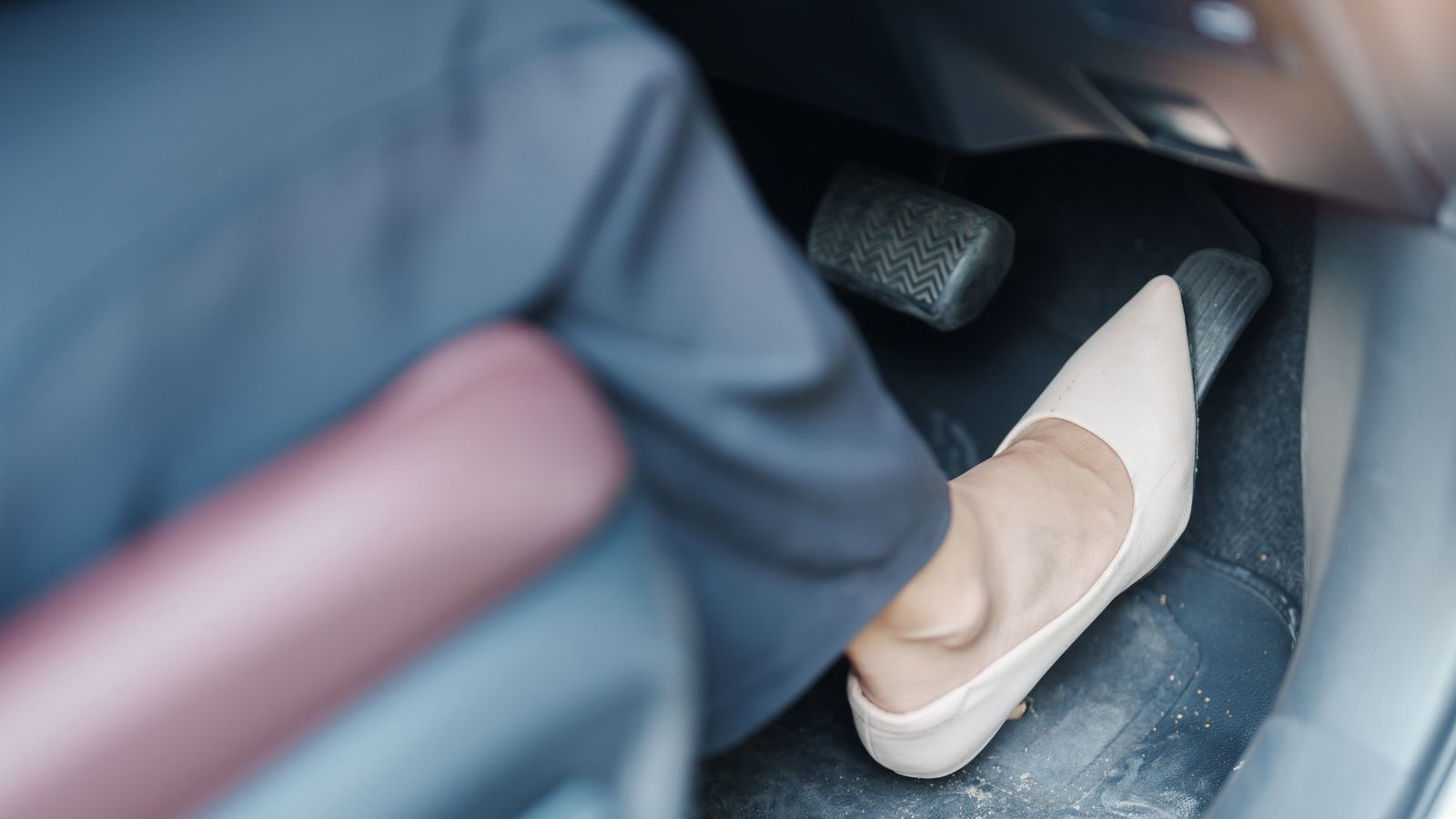
Heel and toe downshifting is another key skill used on road courses. While braking, the driver uses one foot to operate both the brake and throttle.
By blipping the throttle while braking, the engine speed increases to match the lower gear. This allows for smoother downshifts and keeps the car balanced as it enters the corner.
Short Shifting for Traction
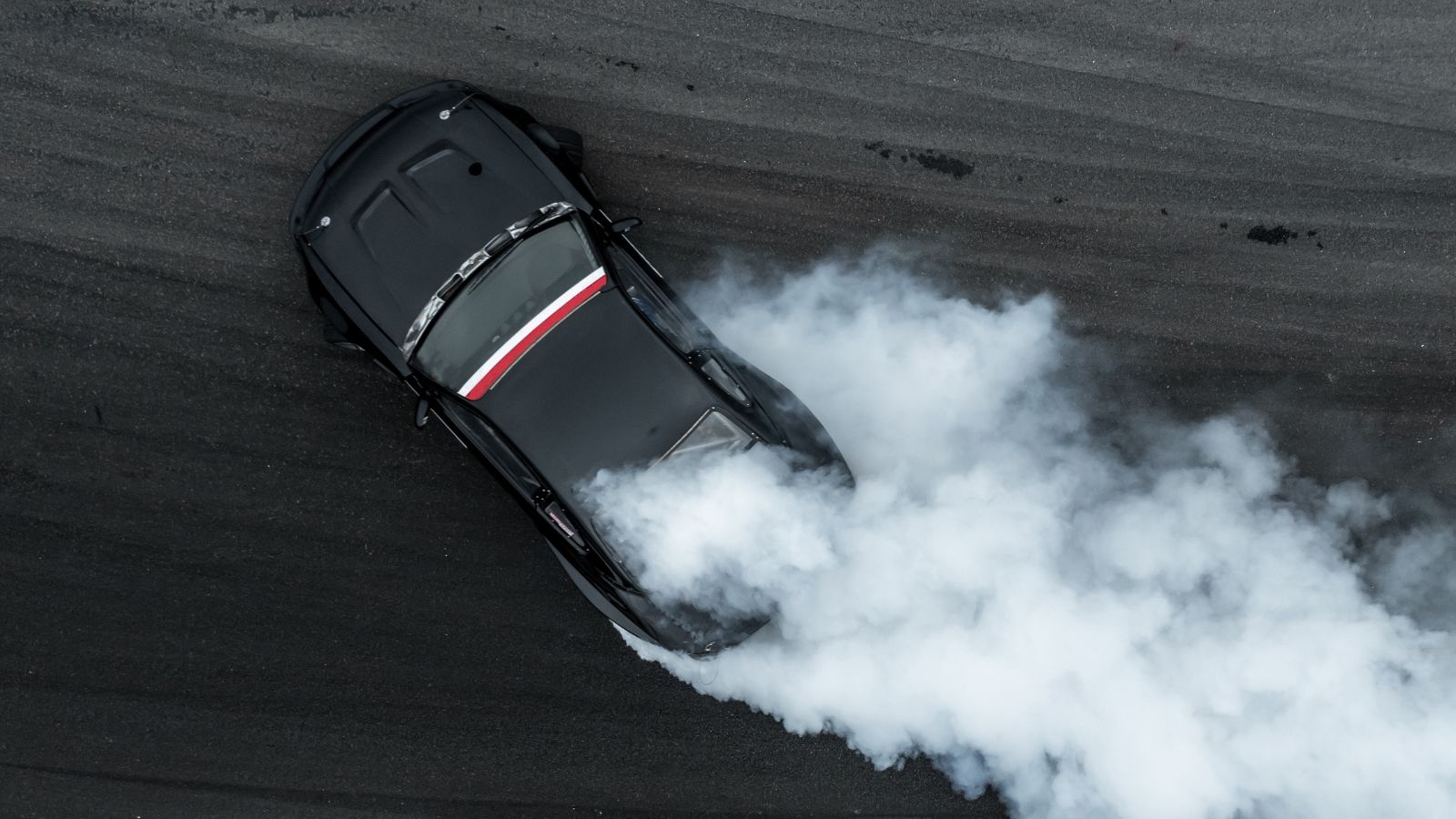
Racers do not always shift at maximum engine speed. On tight or technical circuits, they may short shift to a higher gear earlier than expected.
This reduces wheelspin and helps maintain traction when exiting corners. The goal is not just maximum power, but usable power that can be applied efficiently.
Precision Matters More Than Aggression
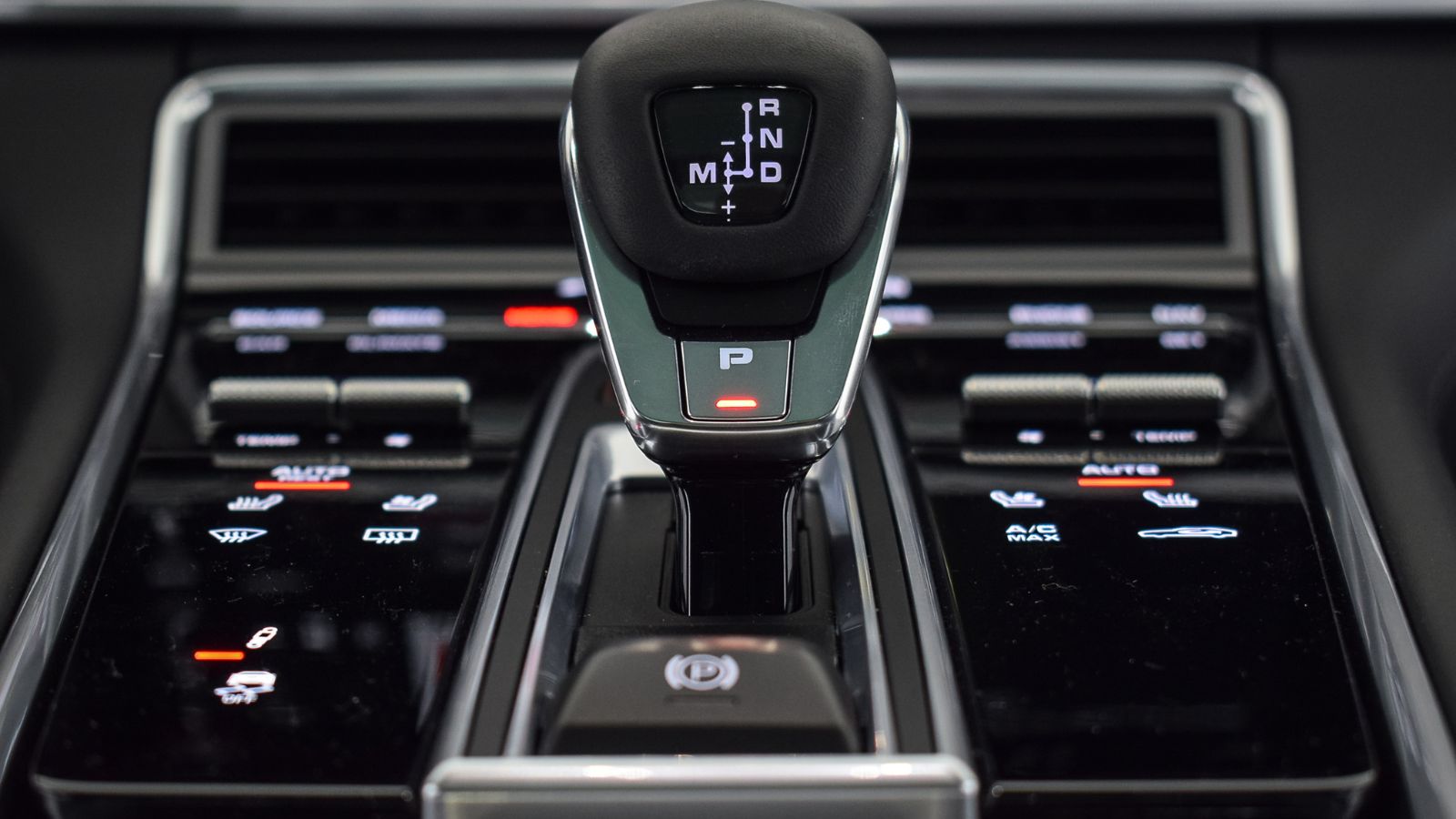
On a short road course, aggressive shifting alone does not make a driver faster. Precision and consistency are far more important.
Smooth inputs allow the car to remain stable and predictable. Over the course of a race, this approach often results in faster lap times than overly aggressive driving.
The Balance Between Speed and Mechanical Sympathy
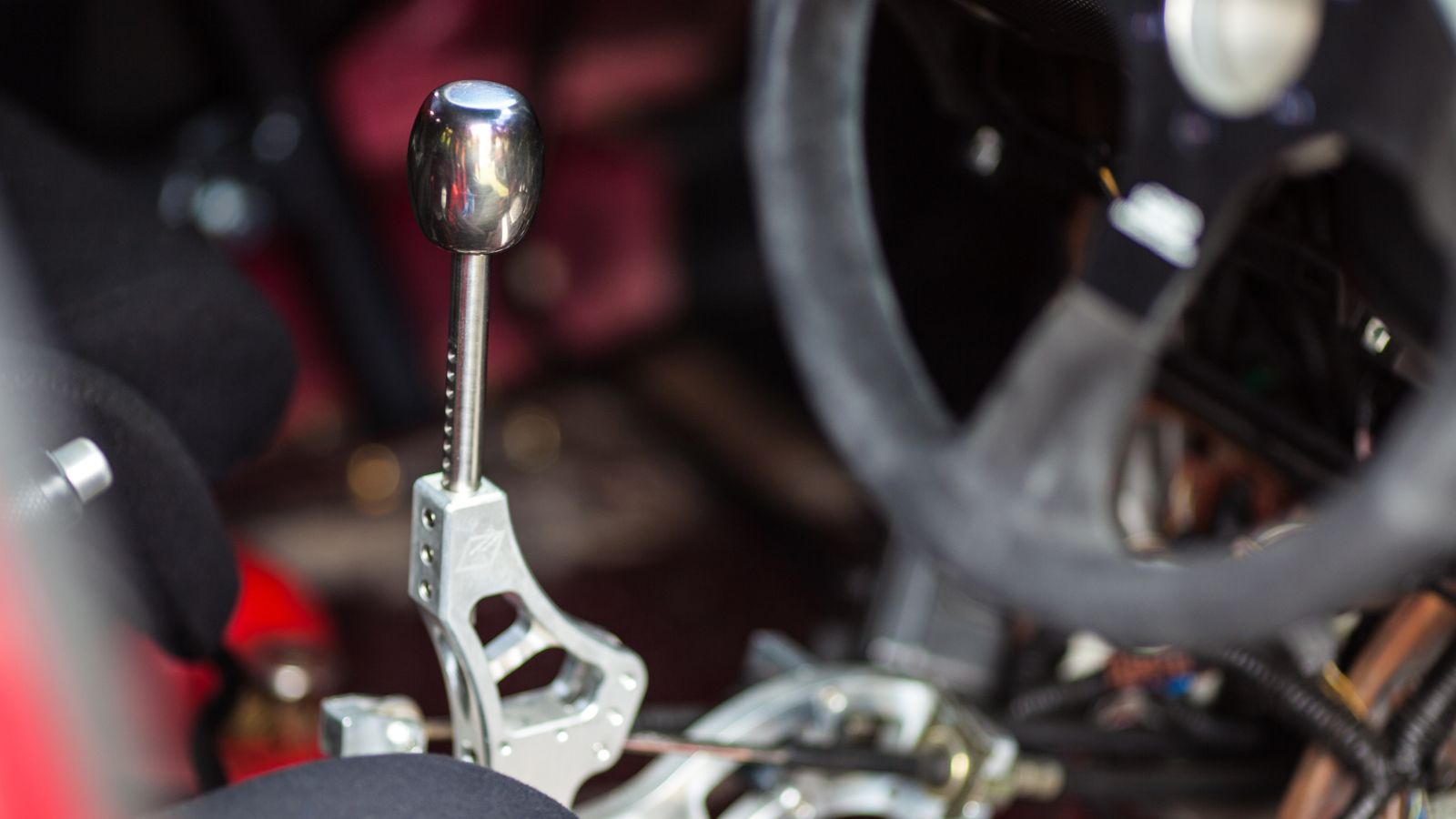
Both power shifting and racing techniques highlight an important truth. Extracting performance from a manual transmission requires balancing speed with mechanical sympathy.
Power shifting prioritizes maximum acceleration at the cost of increased wear. Racing techniques focus on maintaining control and consistency while still shifting quickly.
Manual transmissions reward skill and understanding. Whether on a straight road or a tight circuit, the way a driver shifts gears can make a significant difference in both performance and vehicle longevity.
25 Facts About Car Loans That Most Drivers Don’t Realize

Car loans are one of the most common ways people fund car purchases. Like any other kind of loan, car loans can have certain features that can be regarded as an advantage or a disadvantage to the borrower. Understanding all essential facts about car loans and how they work to ensure that you get the best deal for your financial situation is essential. Here are 25 shocking facts about car loans that most drivers don’t realize:
25 Facts About Car Loans That Most Drivers Don’t Realize
