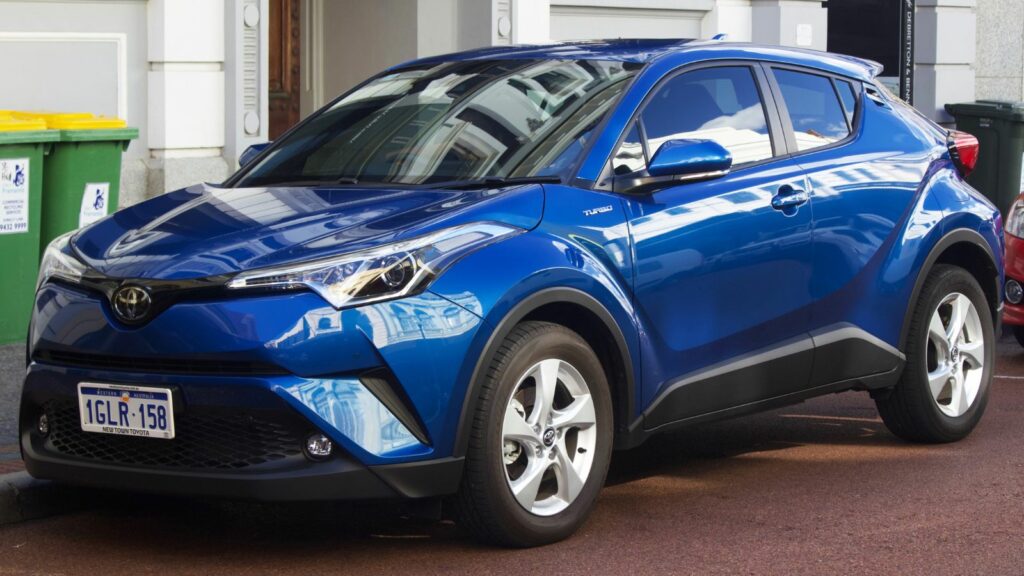
SUVs promise a lot. Space, versatility, all weather confidence, and the ability to handle rougher conditions when needed. But not every SUV lives up to that promise. Some look the part but fall short where it matters, whether that is ground clearance, durability, or simple practicality. These are the SUVs that struggle when asked to do actual SUV things, and why they leave owners disappointed when conditions get real.
Nissan Murano CrossCabriolet (2011 to 2014)
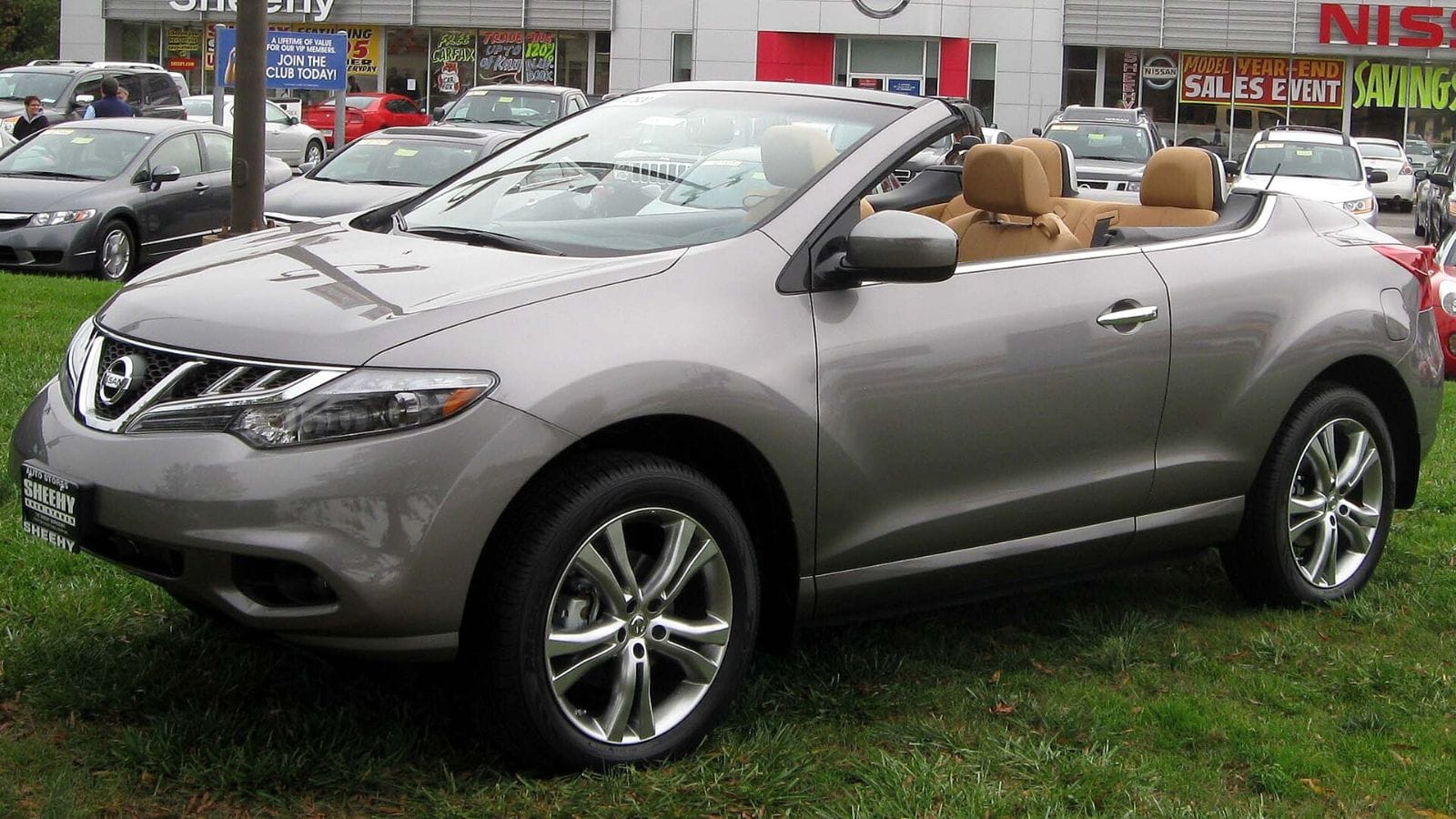
The Murano CrossCabriolet is one of the strangest SUVs ever made. A convertible SUV sounds bold, but it came at a cost.
Reduced structural rigidity and limited cargo space made it impractical. It looked adventurous, but it was far from capable when conditions demanded more.
BMW X6 (2008 to Present)
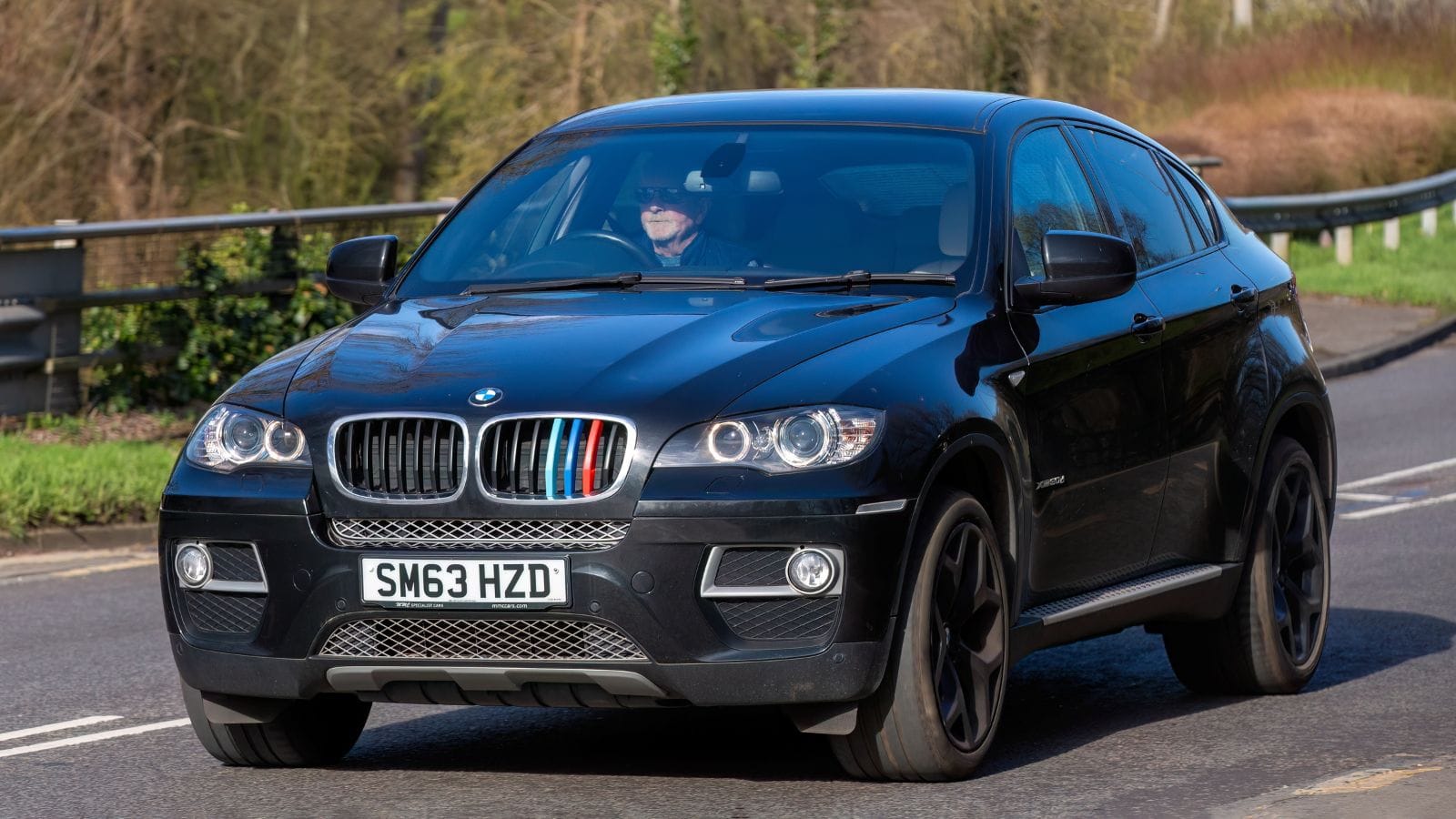
The BMW X6 created the coupe SUV trend, but it sacrificed utility for style. Its sloping roofline cuts into rear headroom and cargo space.
It delivers performance on the road, but as an SUV, it misses the point. Practicality takes a back seat to design.
Range Rover Evoque Convertible (2016 to 2019)
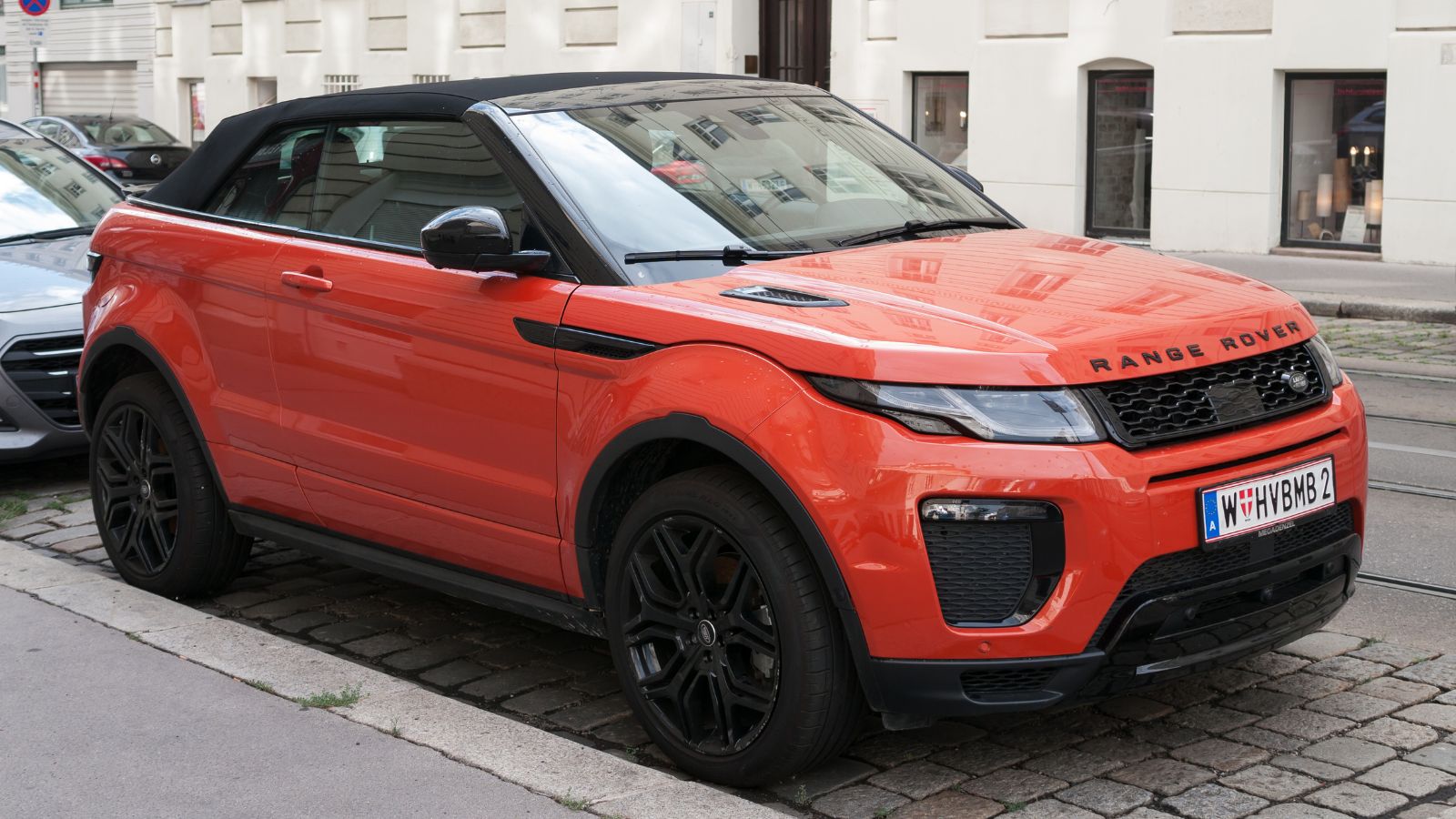
Another attempt at a convertible SUV, the Evoque Convertible struggled with the same issues as the Murano.
Limited space and compromised usability made it more of a statement piece than a functional vehicle.
Toyota C HR (2018 to Present)
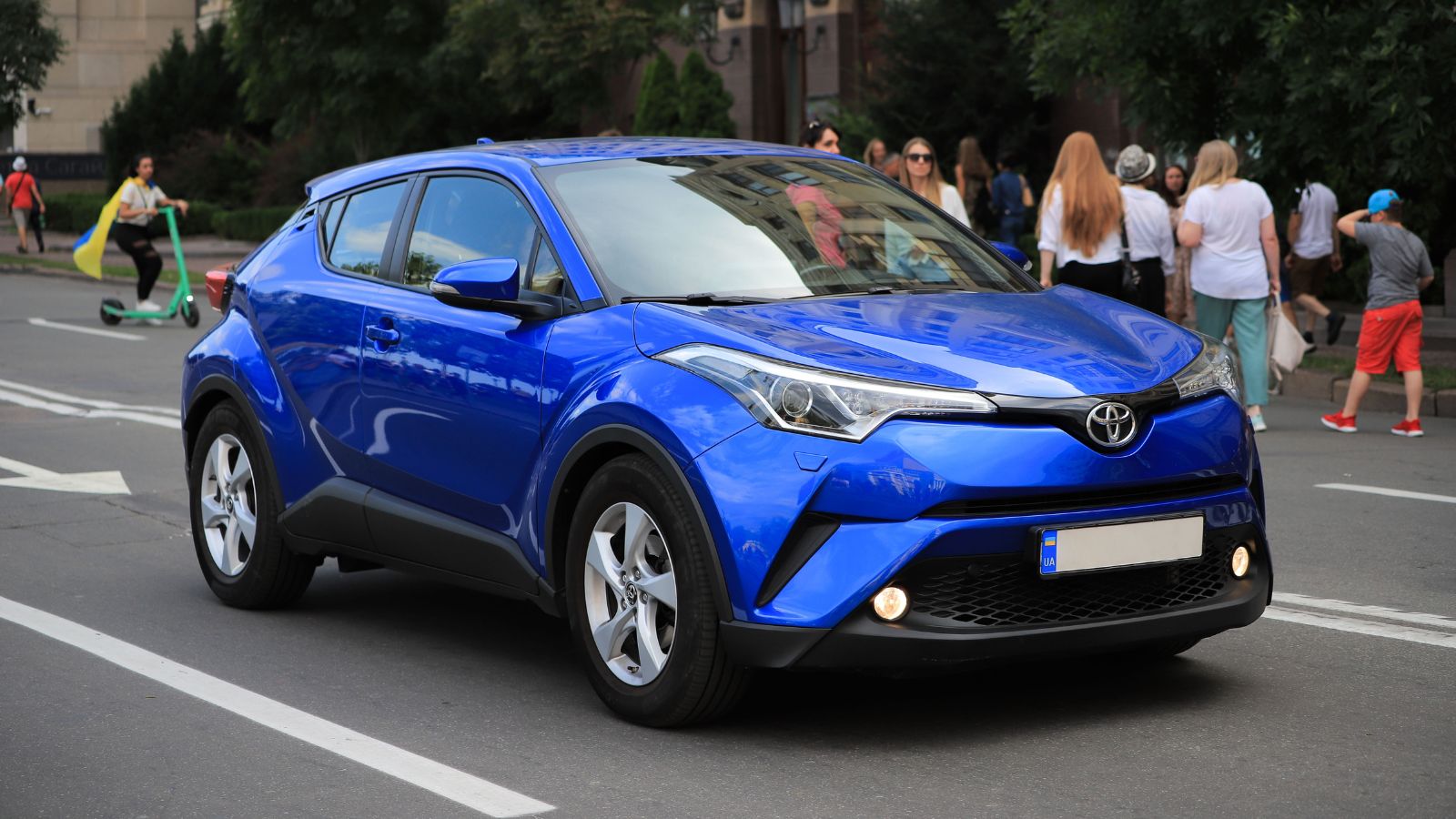
The C HR looks like an SUV, but it behaves more like a hatchback. It lacks all wheel drive in many markets and offers limited interior space.
It is fine for city driving, but it does not deliver the versatility most buyers expect from an SUV.
Mazda CX 3 (2016 to 2021)
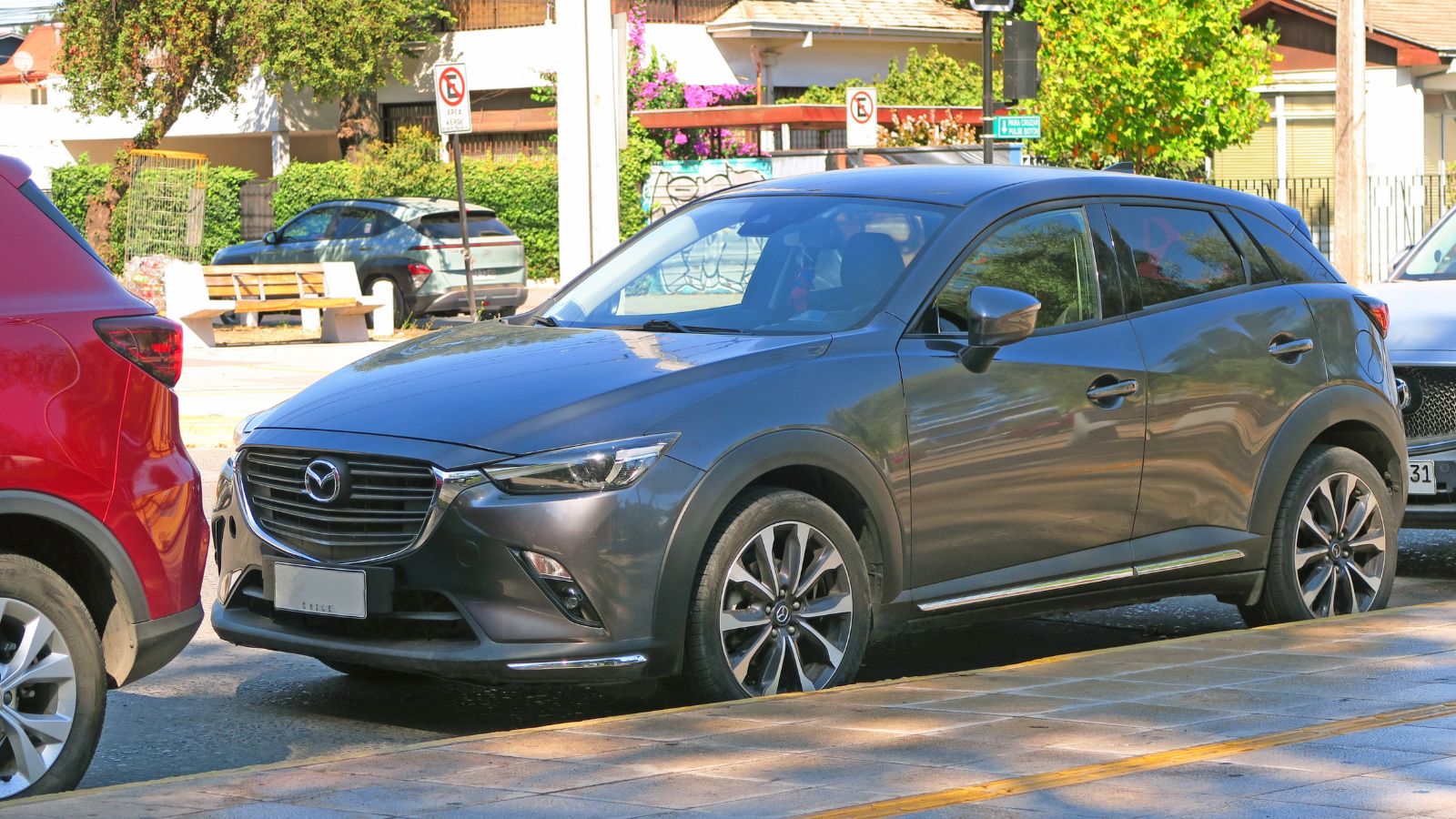
The CX 3 offers sharp handling, but its compact size limits its usefulness as an SUV. Rear space and cargo capacity are tight.
It feels more like a raised compact car than a true utility vehicle.
Jeep Compass (Early Generations 2007 to 2016)
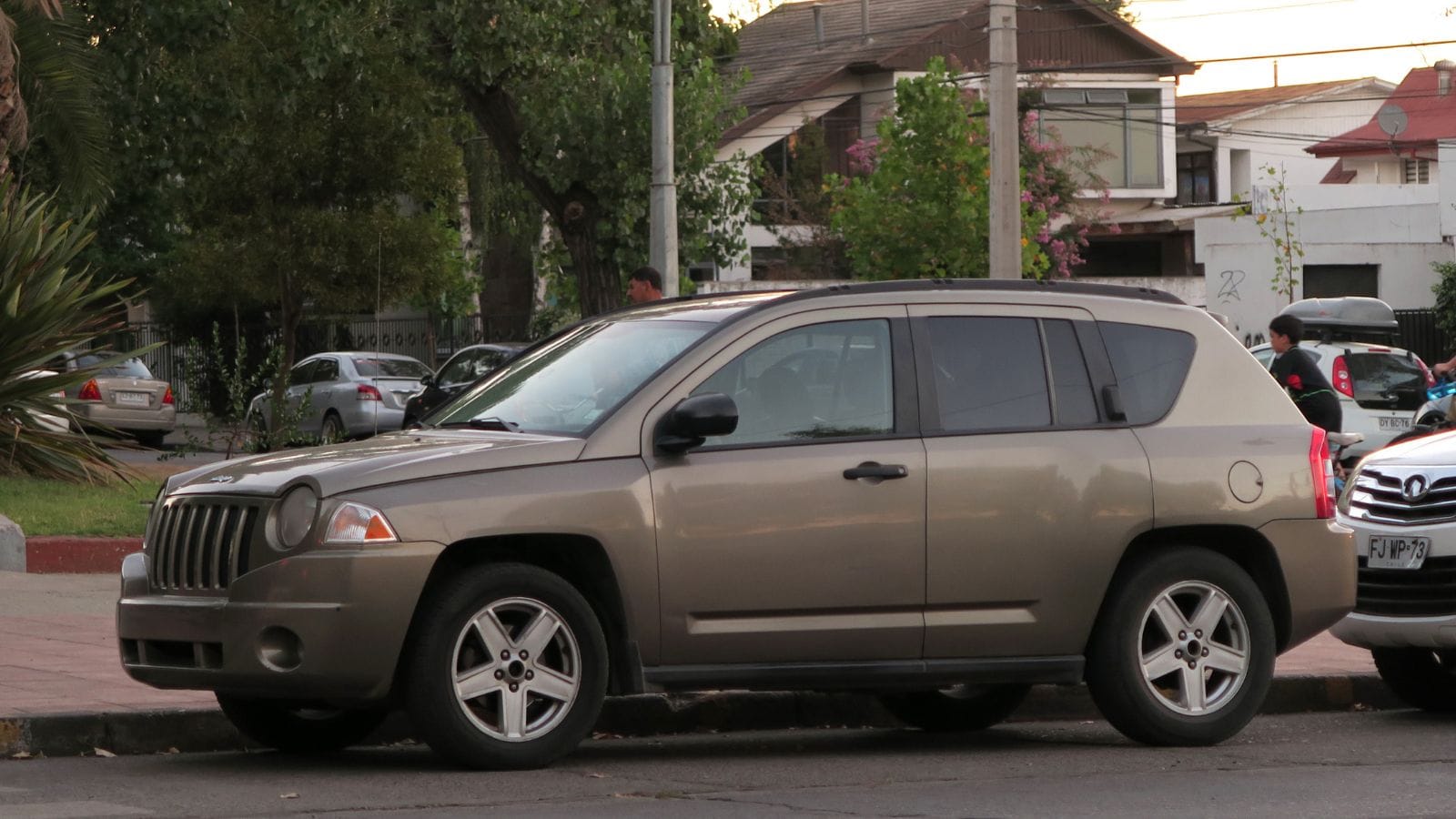
The early Jeep Compass carried the Jeep name but not the capability. Its off road performance was limited, and build quality was inconsistent.
For a brand known for rugged vehicles, this was a disappointing entry.
Ford EcoSport (2018 to 2022 North America)
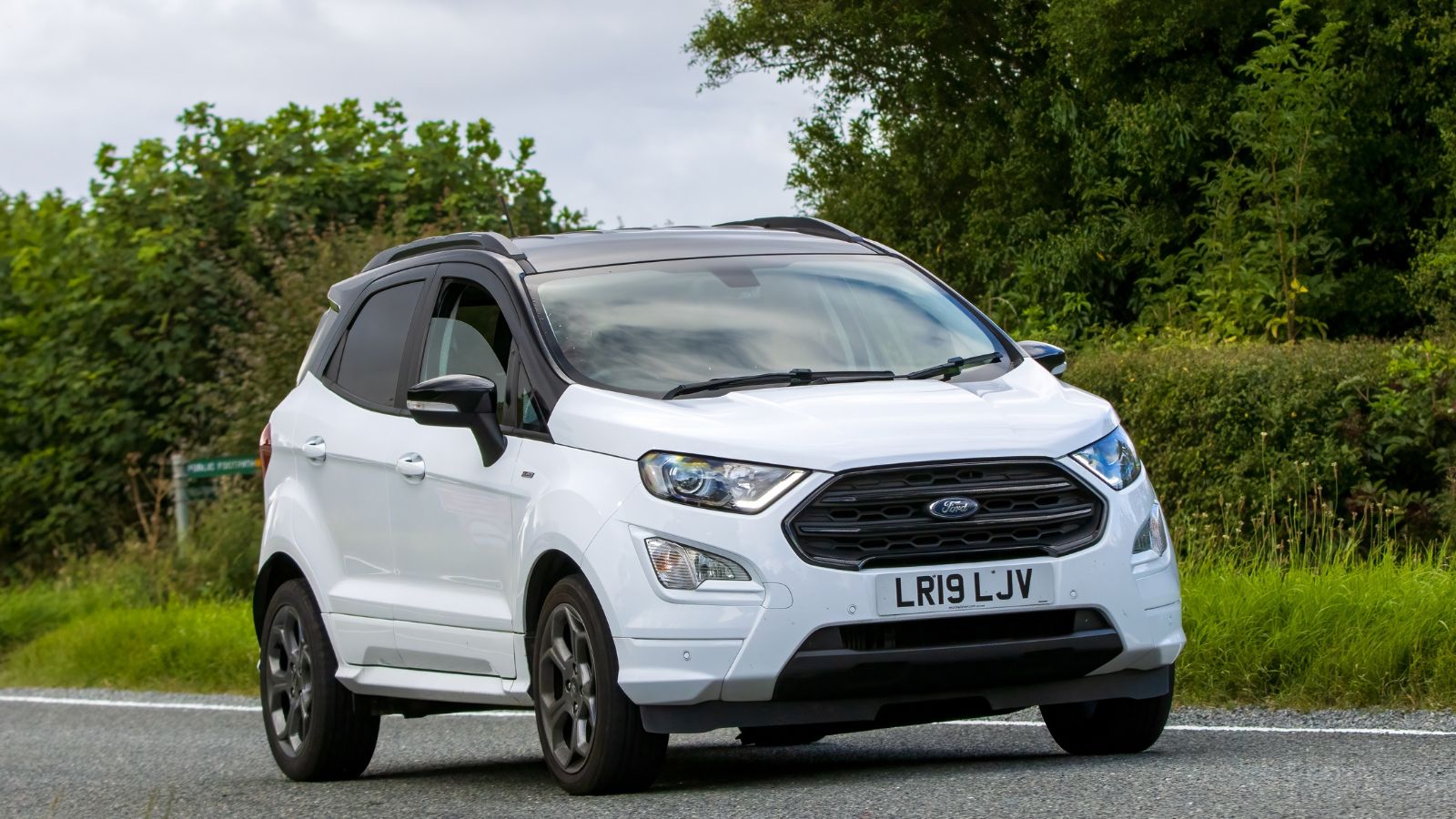
The EcoSport struggled to justify its SUV label. It offered limited space, modest performance, and a driving experience that felt outdated.
It was more about fitting into a category than delivering on its promise.
Infiniti QX30 (2017 to 2019)
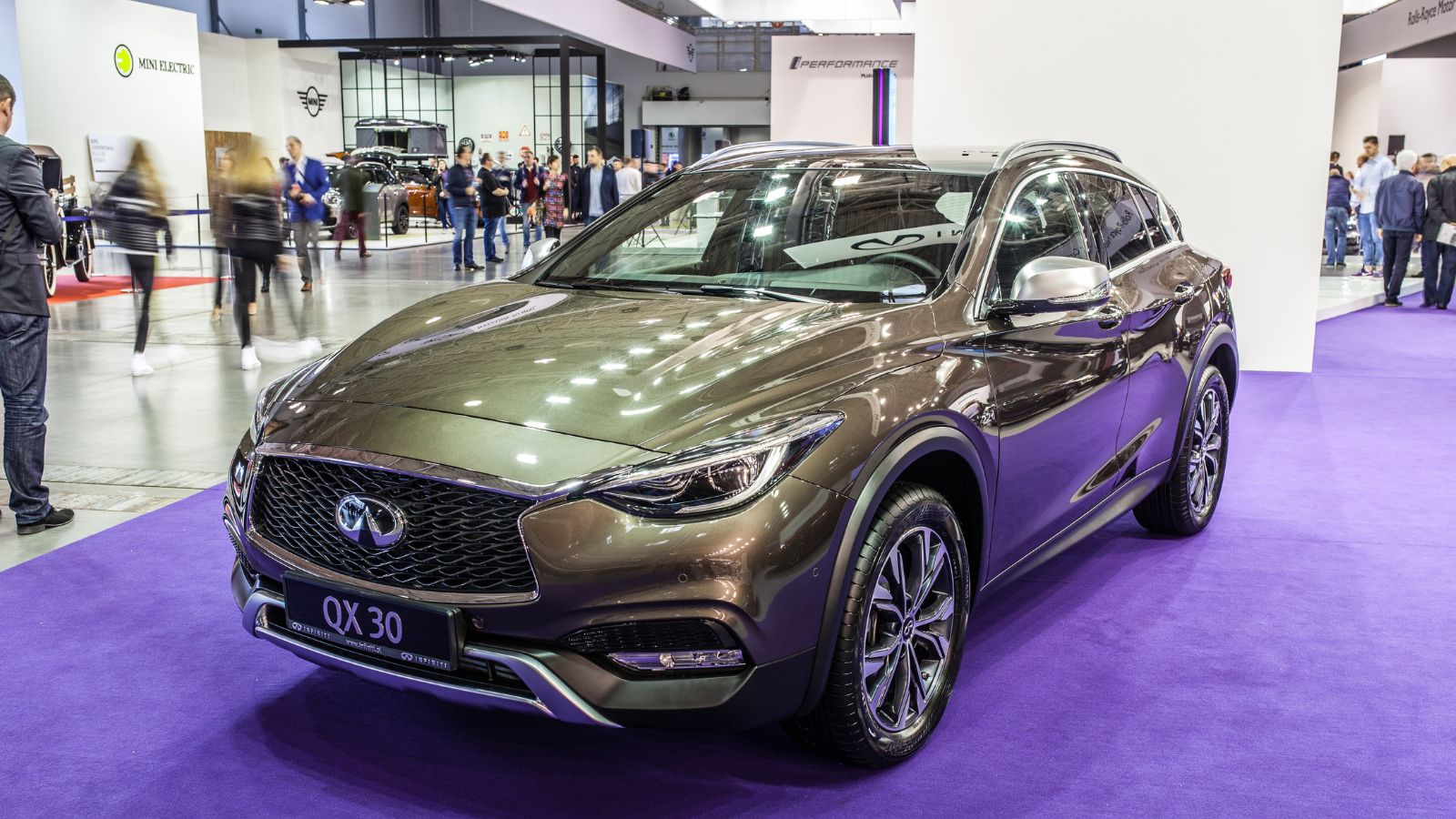
The QX30 blended hatchback and SUV elements but never fully committed to either. Its interior space was limited, and its ride height did not translate into real capability.
It ended up feeling confused rather than versatile.
Mitsubishi Eclipse Cross (2018 to Present)
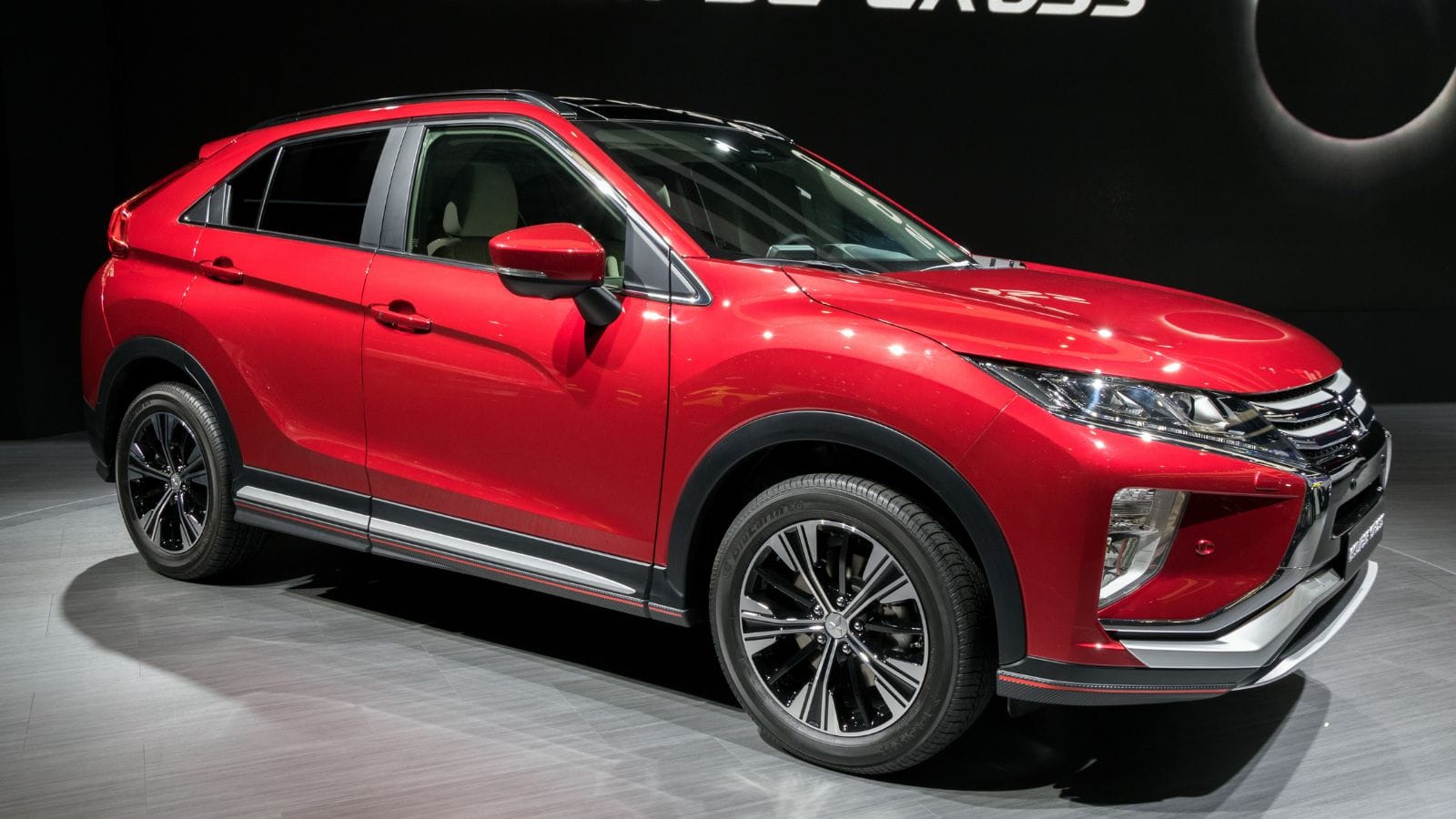
The Eclipse Cross carries a sporty name but delivers a compromised SUV experience. Its split rear window design affects visibility, and overall capability is limited.
It is comfortable enough for daily use, but it does not excel in traditional SUV roles.
Chevrolet Trax (2015 to 2022)
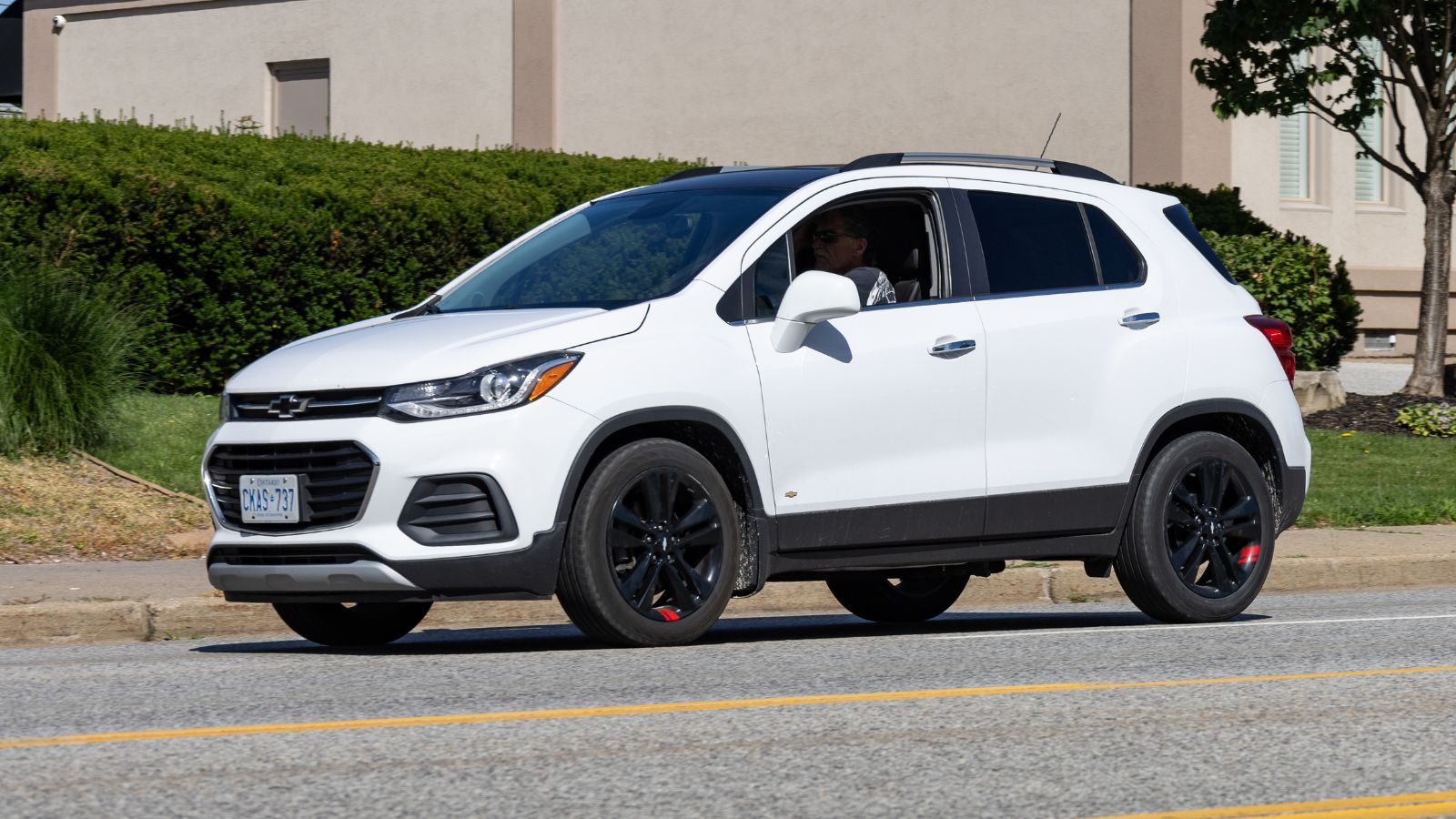
The Trax is another example of a vehicle that looks like an SUV but lacks substance. Interior space is tight, and performance is modest.
It works as basic transport, but it does not deliver the flexibility or confidence expected from an SUV.
Not all SUVs are created equal. Some are built for style, others for efficiency, and a few miss the mark entirely when it comes to capability. For buyers who actually need an SUV to handle real world demands, these models highlight why it pays to look beyond the badge and focus on what the vehicle can truly do.
25 Facts About Car Loans That Most Drivers Don’t Realize

Car loans are one of the most common ways people fund car purchases. Like any other kind of loan, car loans can have certain features that can be regarded as an advantage or a disadvantage to the borrower. Understanding all essential facts about car loans and how they work to ensure that you get the best deal for your financial situation is essential. Here are 25 shocking facts about car loans that most drivers don’t realize:
25 Facts About Car Loans That Most Drivers Don’t Realize
