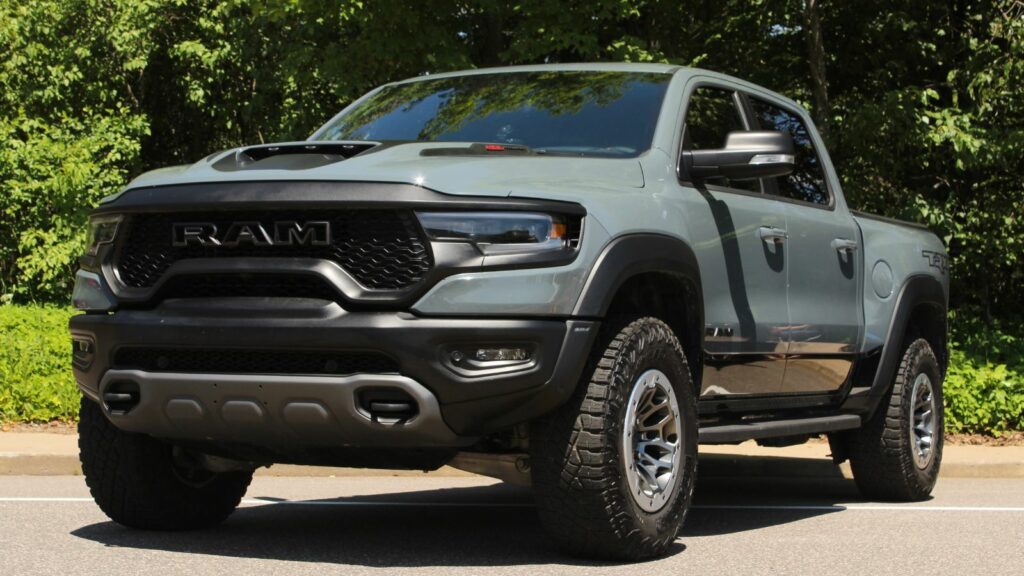
Not every truck lives up to the badge on its grille. Some earn a reputation for racking up miles with little more than oil changes, while others quietly bleed owners dry through repeat failures and expensive fixes. What makes this more interesting is how often these extremes come from the same manufacturer. The difference usually comes down to engine design, complexity, and how far engineers pushed new technology. These ten trucks tell that story clearly, with five that frustrated owners and five that restored faith.
Ford F 150 5.4 Triton (2004 to 2010)
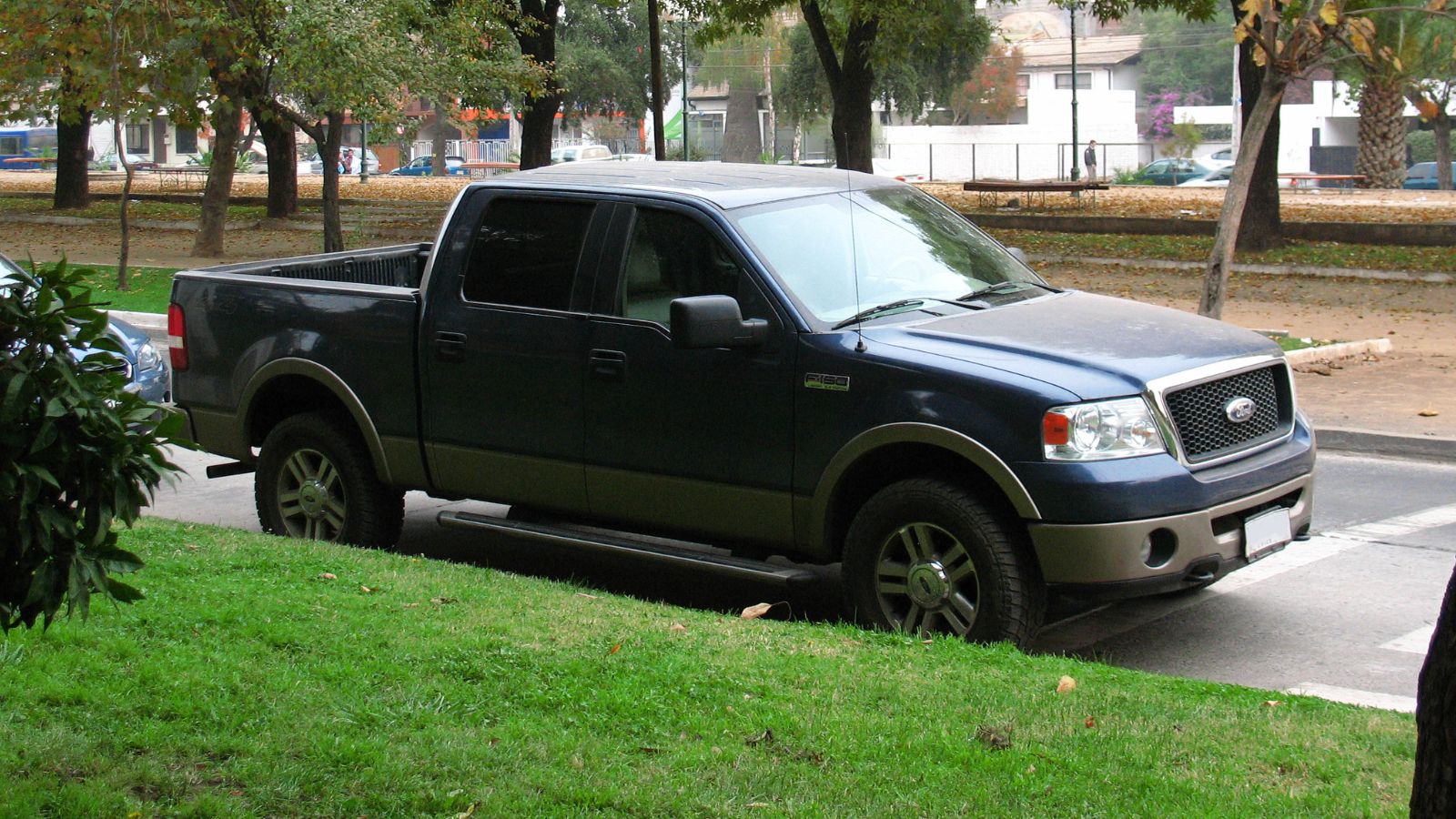
The 5.4 Triton V8 had all the ingredients of a solid workhorse, but it became known for the wrong reasons. Spark plugs that snapped during removal, cam phaser noise, and timing chain wear turned routine maintenance into major repairs.
For many owners, the issue was not just failure, but how costly and time consuming those failures became. When running well it felt strong, but long term ownership often required patience and deep pockets.
Ford F 150 5.0 Coyote (2011 to Present)
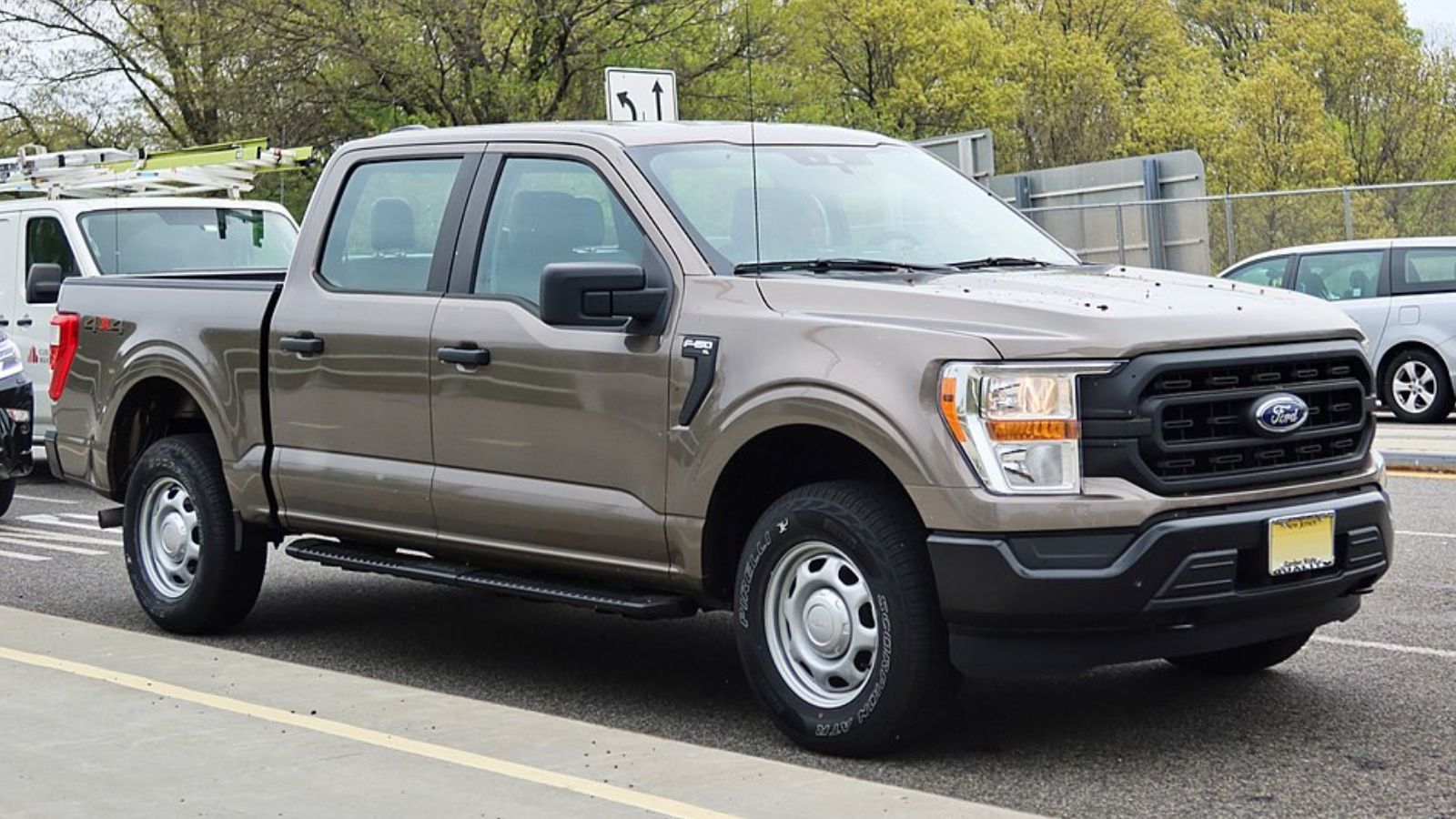
The Coyote V8 was exactly what Ford needed. It brought a modern design without overcomplicating things and quickly earned a reputation for durability.
It revs freely, delivers strong performance, and most importantly, holds up under real world use. High mileage examples are common, and the engine responds well to regular maintenance without constant surprises.
Ram 1500 5.7 Hemi Early Models (2003 to 2008)
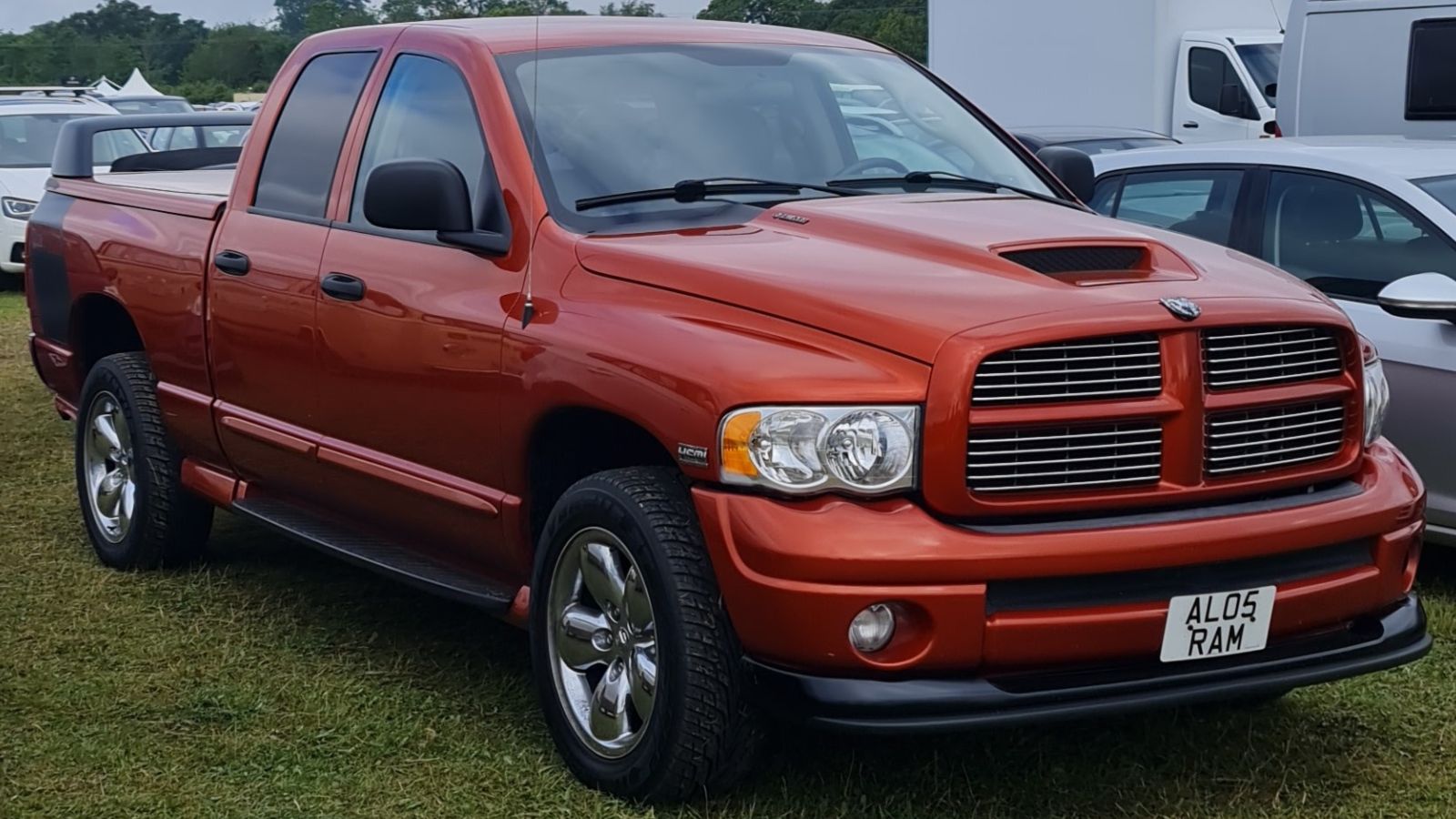
Early Hemi trucks delivered strong power and a great sound, but long term ownership revealed weaknesses. Lifter wear and exhaust manifold bolt failures became common talking points among owners.
These trucks felt impressive when new, but over time, small issues began to stack up. For drivers who worked their trucks hard, reliability could become a concern earlier than expected.
Ram 1500 3.6 Pentastar (2013 to Present)
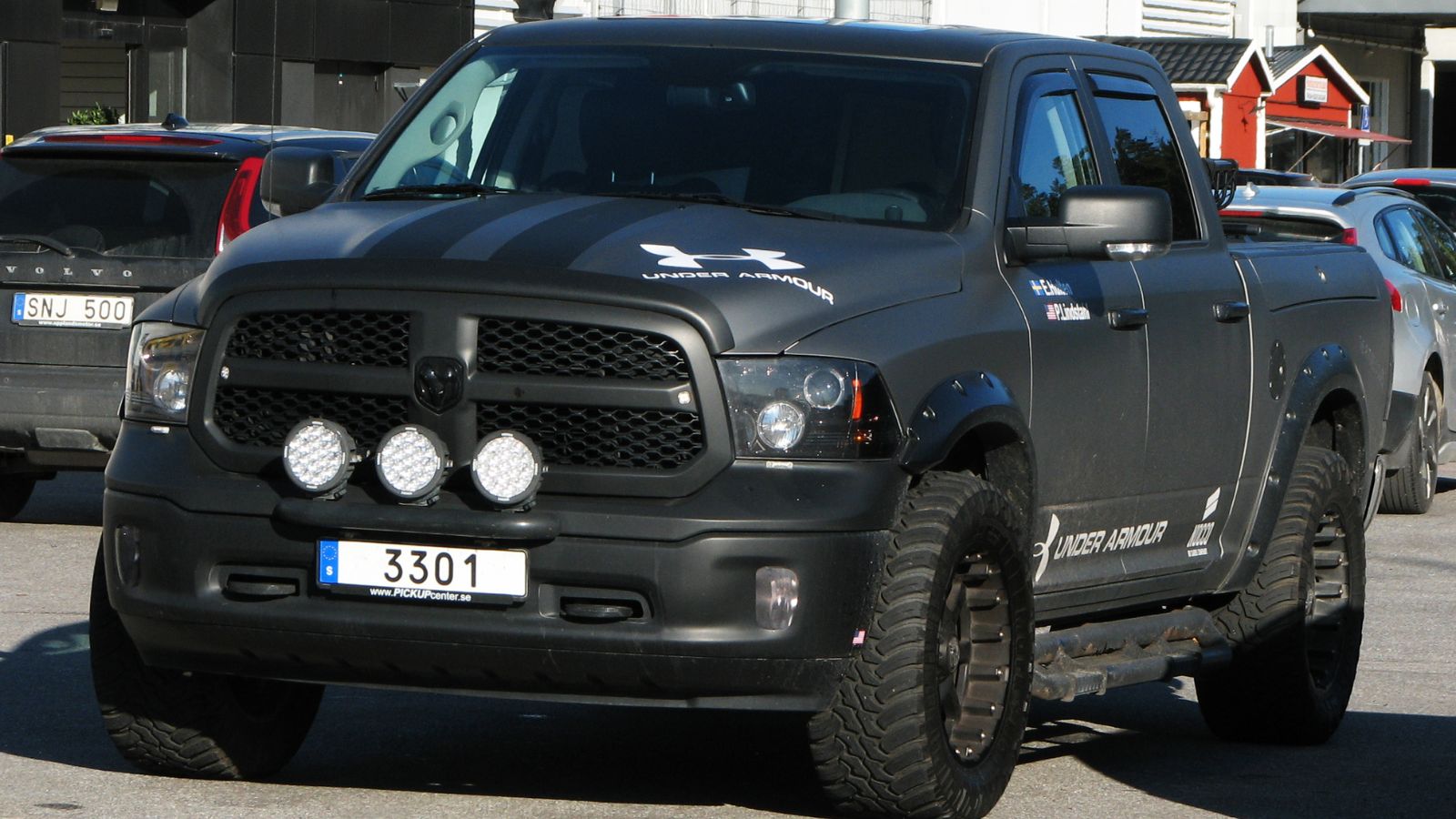
The Pentastar V6 does not have the drama of the Hemi, but it quietly does its job extremely well. It is efficient, smooth, and far less prone to major failures.
For many owners, it became the smarter choice. It handles daily driving and light duty work without complaint, and long term ownership tends to be far less stressful.
Chevrolet Silverado 1500 Active Fuel Management V8 (2007 to 2013)
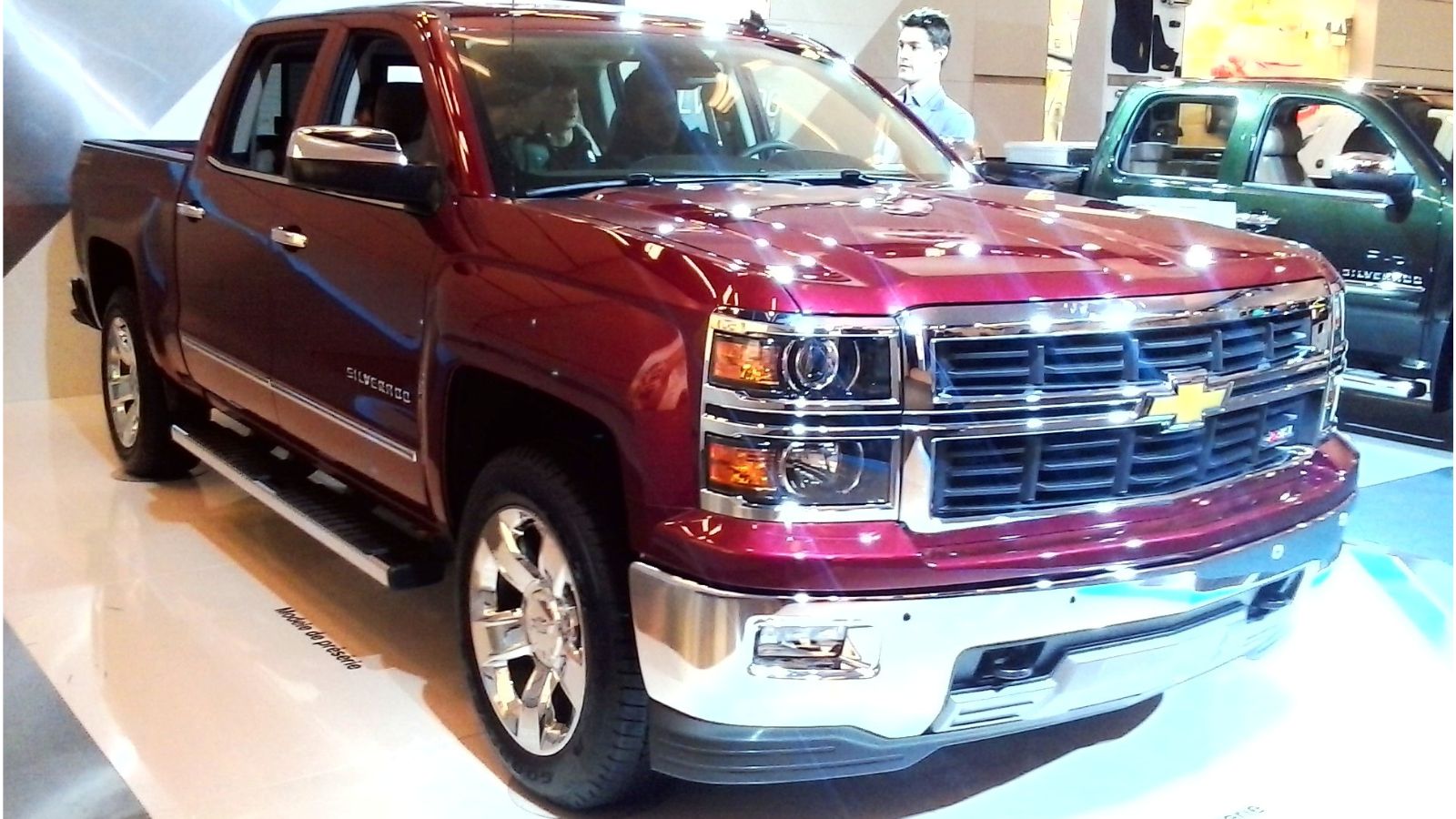
GM’s Active Fuel Management system looked good on paper. Shutting down cylinders to save fuel made sense, but in practice it introduced new problems.
Oil consumption issues and lifter failures became well known. What should have been a simple V8 ended up feeling overly complicated, and repairs were not always cheap or straightforward.
Chevrolet Silverado 1500 5.3 Vortec Pre AFM (1999 to 2006)
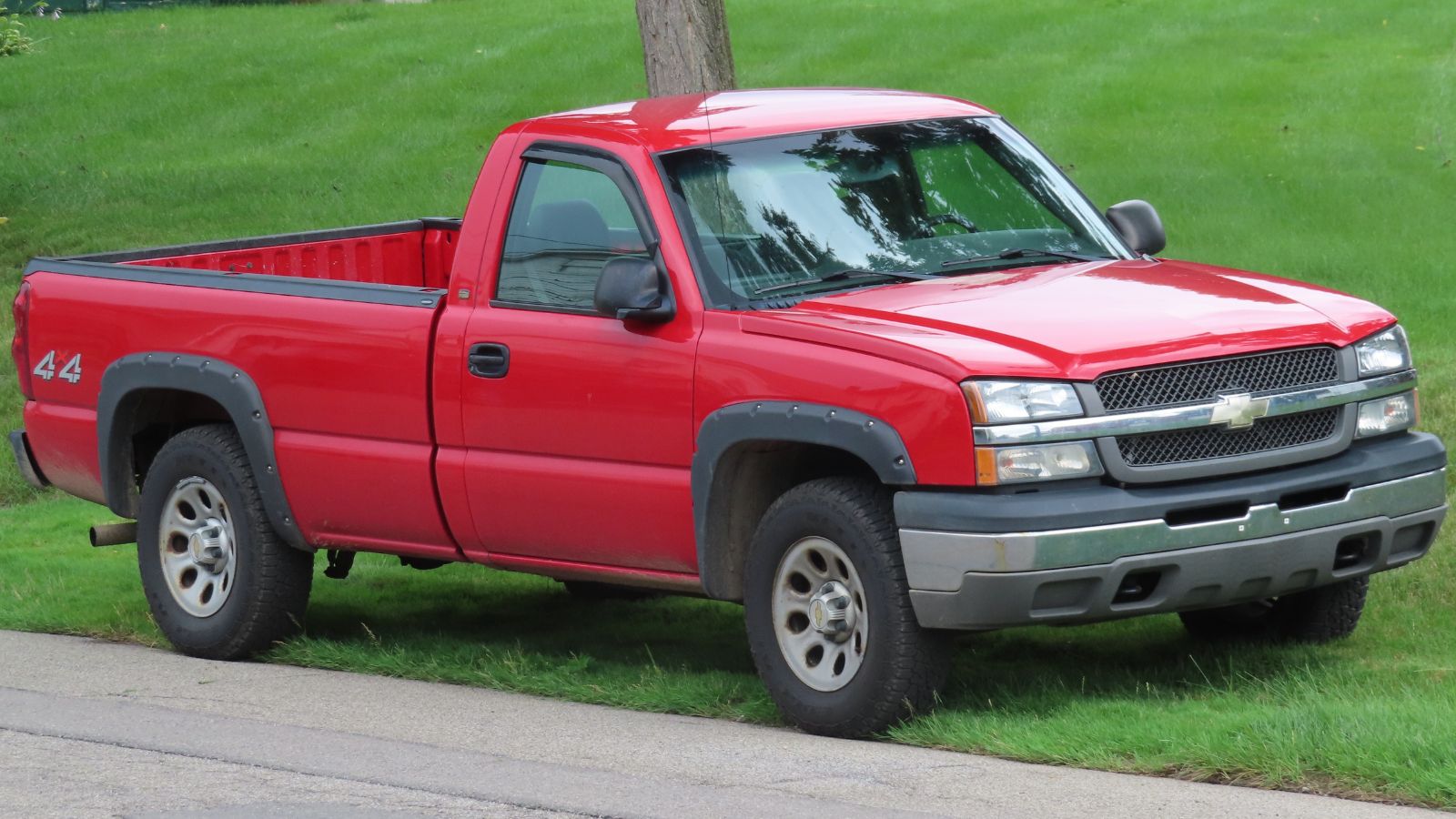
Before cylinder deactivation, the 5.3 Vortec represented everything people liked about GM trucks. It was simple, durable, and easy to maintain.
These engines are known for running well into high mileage with basic care. They may lack modern efficiency tricks, but they make up for it with consistency and reliability.
Nissan Titan First Generation (2004 to 2015)
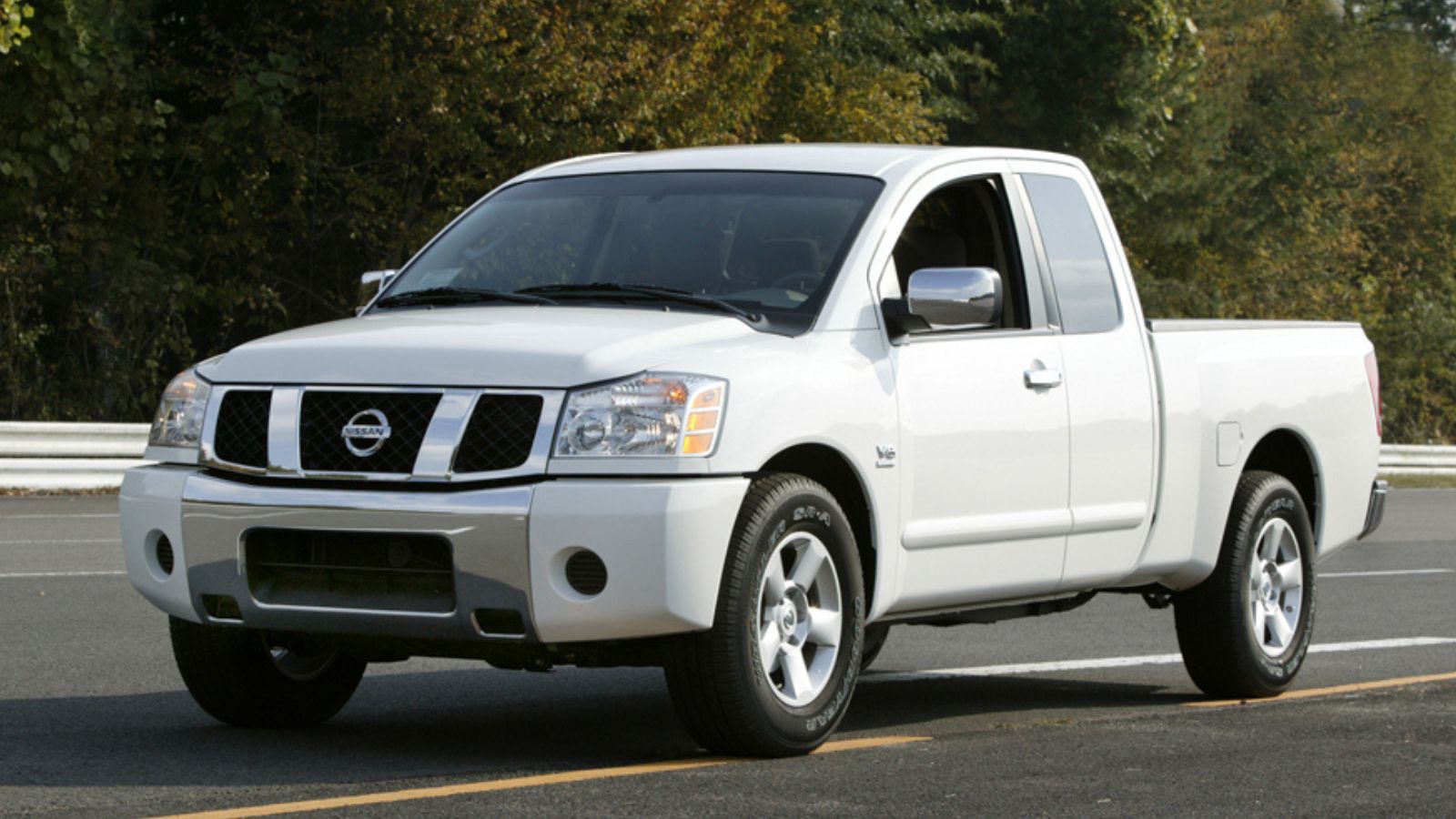
The first generation Titan entered the market with strong expectations, but it struggled to match them. Rear axle seal failures, brake issues, and drivetrain concerns affected ownership experience.
It had a powerful engine and a bold design, but it never quite delivered the long term dependability buyers expected from a full size truck.
Nissan Frontier (2005 to 2019)
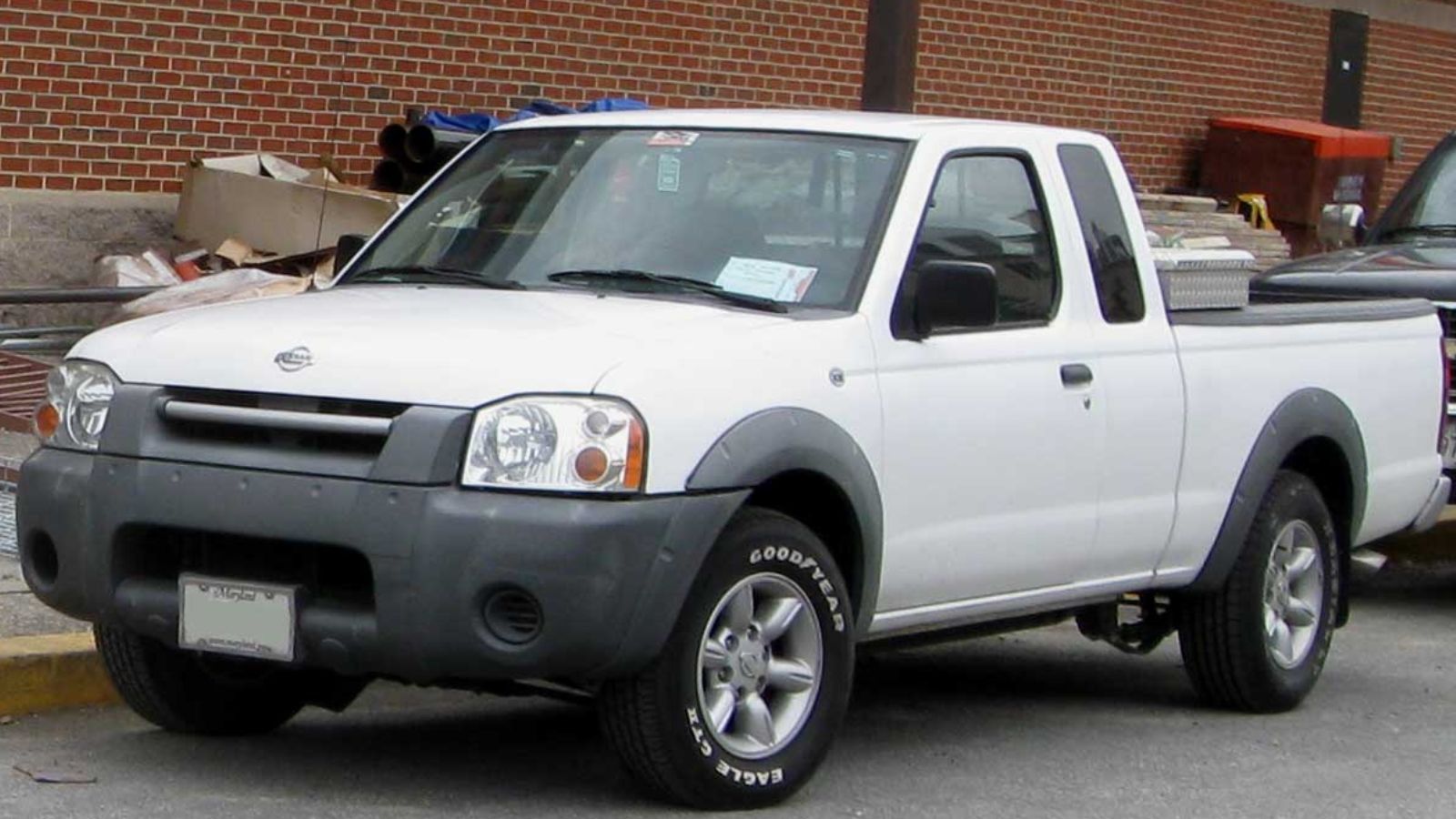
The Frontier took a very different approach. It stuck with proven components and avoided unnecessary complexity.
That decision paid off. It became known as a tough, dependable truck that could handle years of use without major issues. It may have felt outdated, but that simplicity became its greatest strength.
Toyota Tundra 2007 to 2011 Early 5.7 Models
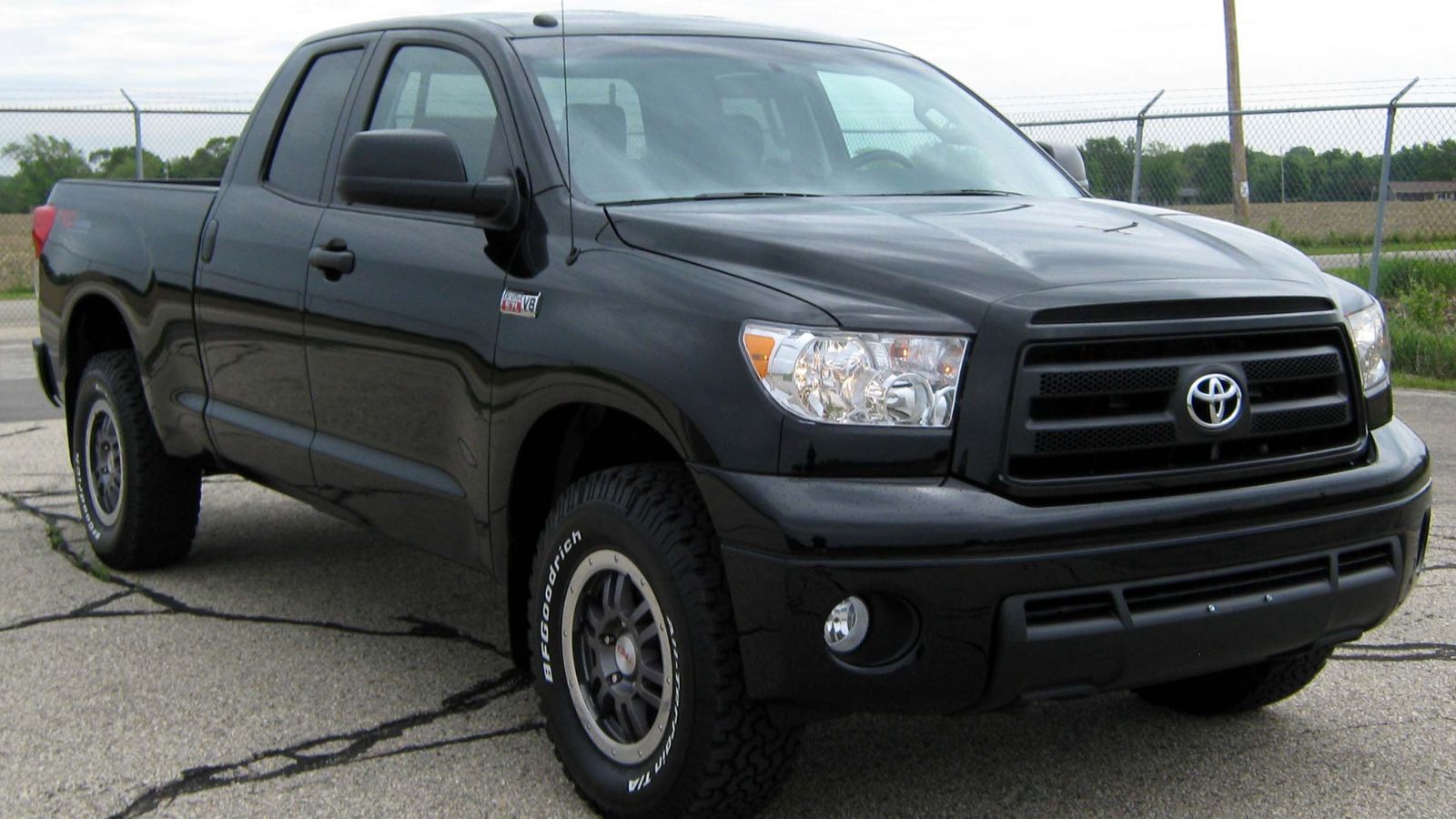
Even Toyota is not immune to early production issues. Some early second generation Tundras experienced cam tower leaks and a few drivetrain concerns.
While still better than many competitors, these early examples showed that rushing a new platform can introduce problems that take time to resolve.
Toyota Tundra 4.7 V8 First Generation (2000 to 2006)
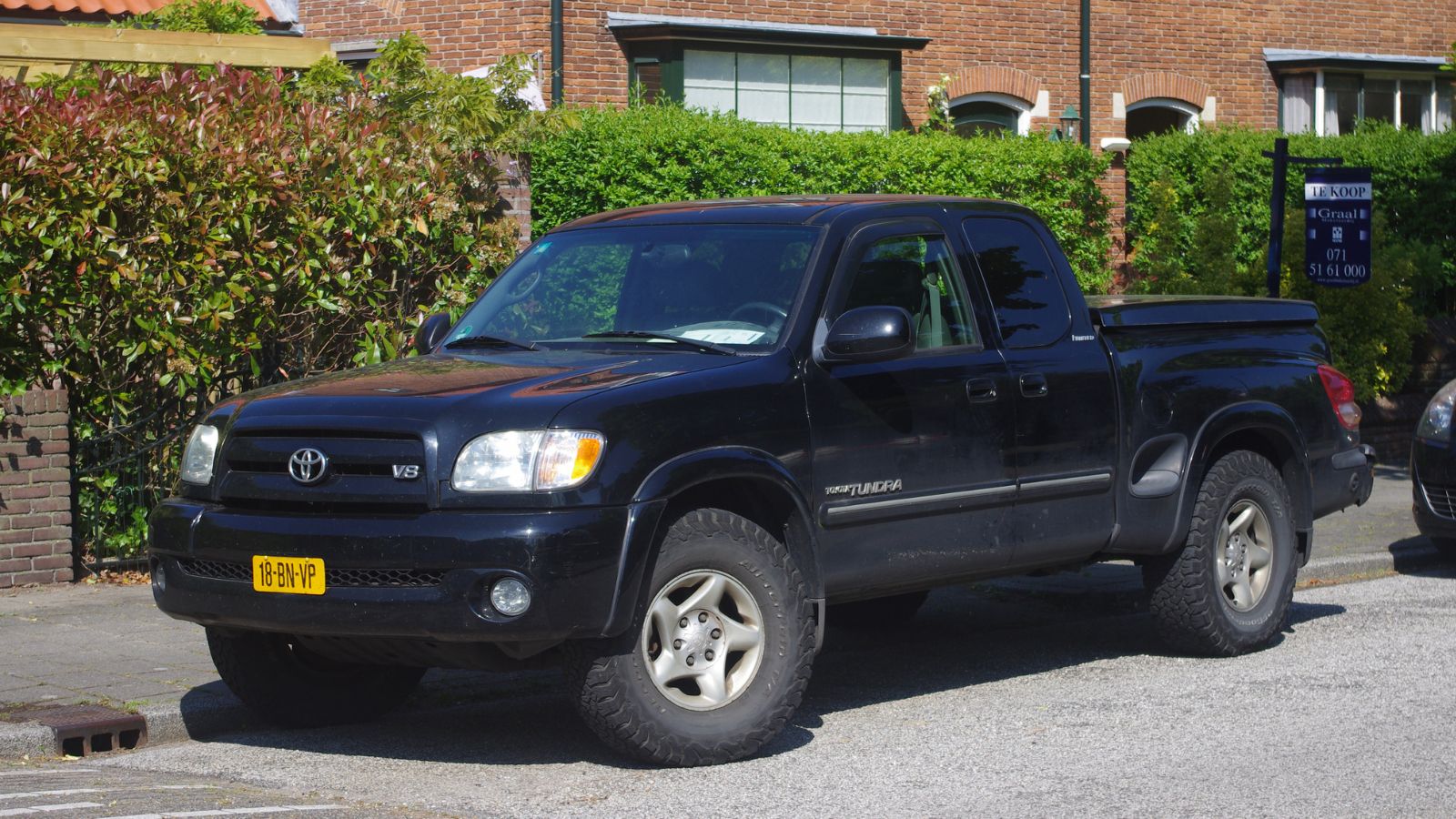
The earlier 4.7 V8 Tundra remains one of the most respected trucks for reliability. Its engine is known for longevity, smooth operation, and minimal major issues.
Owners often report extremely high mileage with little more than routine servicing. It represents the kind of durability that built Toyota’s reputation in the truck world.
Truck reliability is rarely about the badge alone. It comes down to specific engines, engineering decisions, and how those choices play out over years of use. These examples show that even the most trusted manufacturers can produce both problem trucks and long lasting legends.
25 Facts About Car Loans That Most Drivers Don’t Realize

Car loans are one of the most common ways people fund car purchases. Like any other kind of loan, car loans can have certain features that can be regarded as an advantage or a disadvantage to the borrower. Understanding all essential facts about car loans and how they work to ensure that you get the best deal for your financial situation is essential. Here are 25 shocking facts about car loans that most drivers don’t realize:
25 Facts About Car Loans That Most Drivers Don’t Realize
