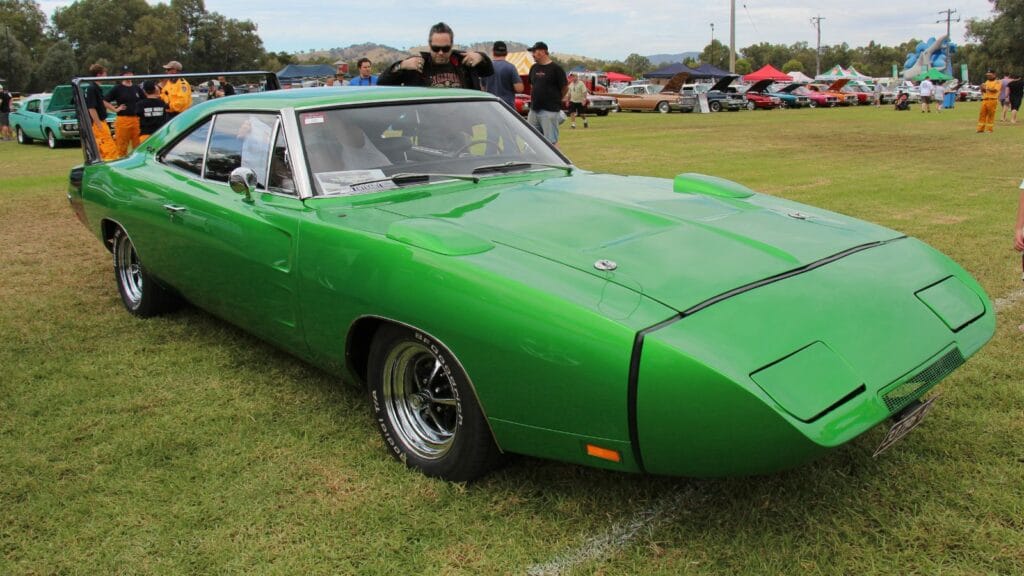
Some cars build a following. Others create something much bigger. The Dodge Charger and Challenger did not just win fans, they built a culture that still thrives decades later. From the raw aggression of the B body Charger to the wider, more flamboyant E body Challenger, Dodge tapped into something emotional. These cars were loud, unapologetic, and built for people who wanted more than just transportation.
The B Body Charger Arrives With Attitude
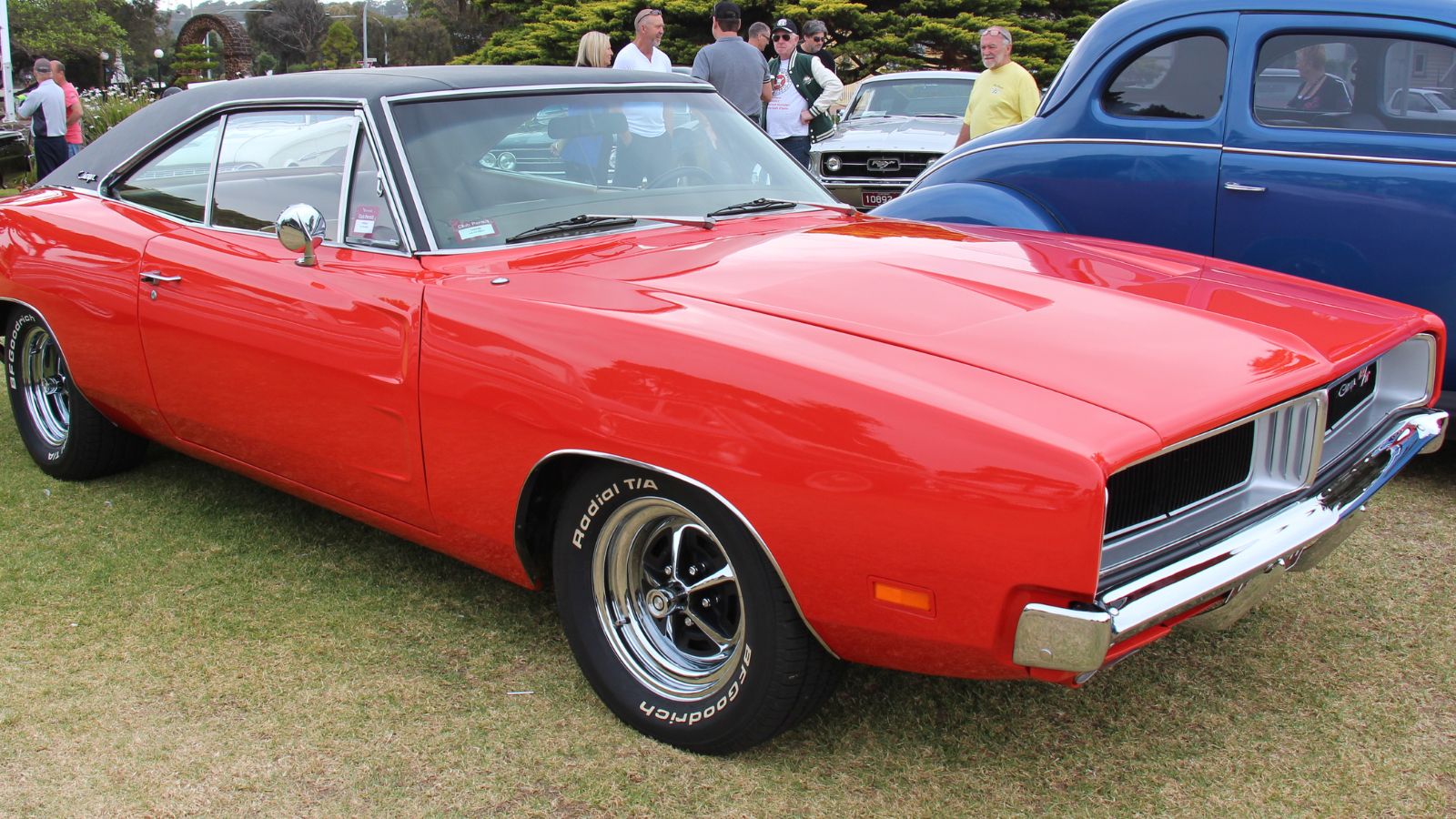
The Charger first appeared in 1966 on Chrysler’s B body platform. It was big, bold, and unlike anything else on the road at the time.
Early versions leaned toward luxury performance, but it was the 1968 redesign that changed everything. With its hidden headlights and muscular fastback shape, the Charger became an instant icon. It looked fast even when parked, and that mattered.
Muscle Meets Identity
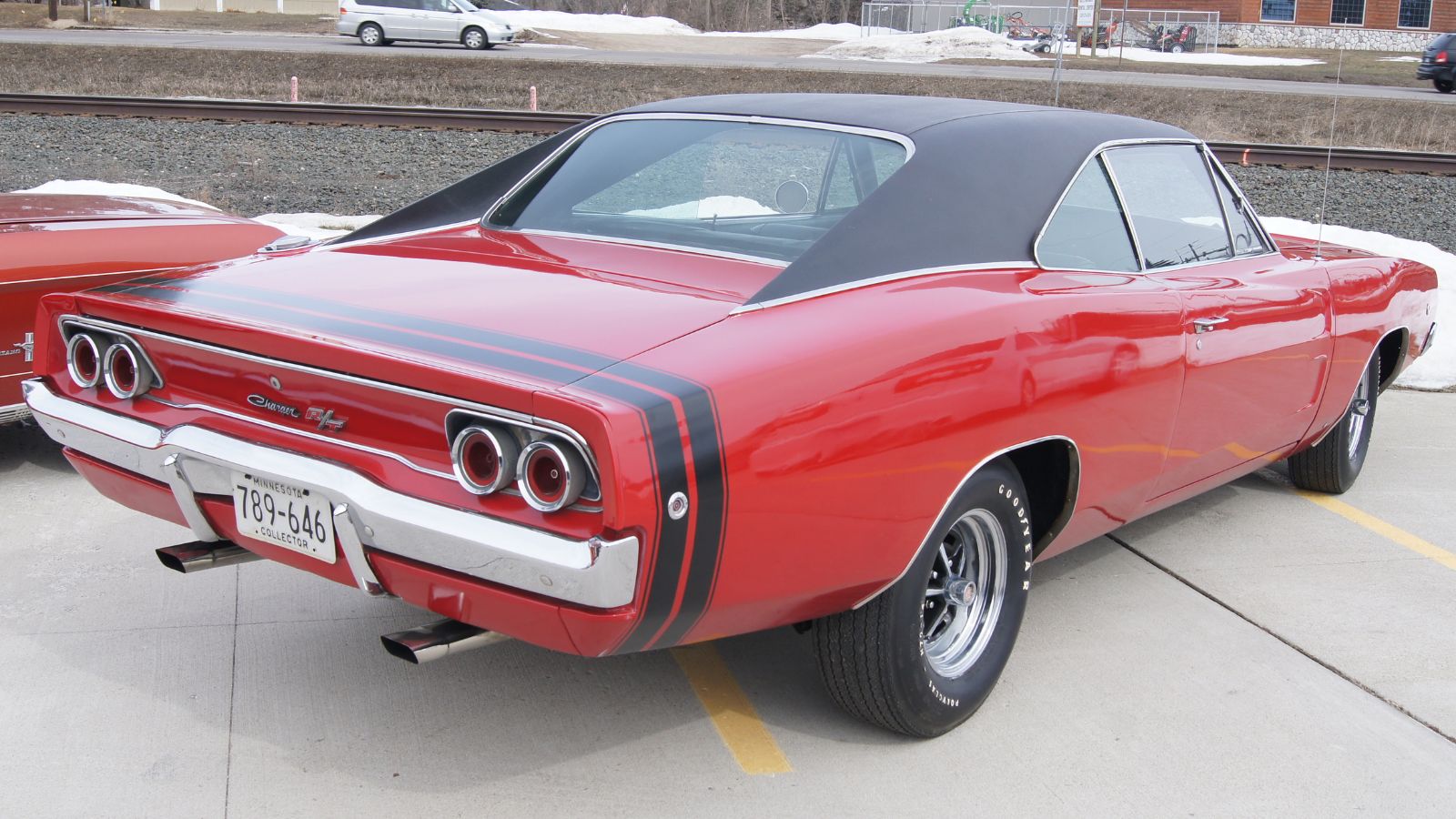
By the late 1960s, the Charger had become more than just a car. It represented a mindset.
Big V8 engines, rear wheel drive, and simple, honest performance gave drivers a direct connection to the machine. There was no pretense. It was about power, presence, and personality. That formula resonated deeply with American buyers.
The Rise of the E Body Challenger
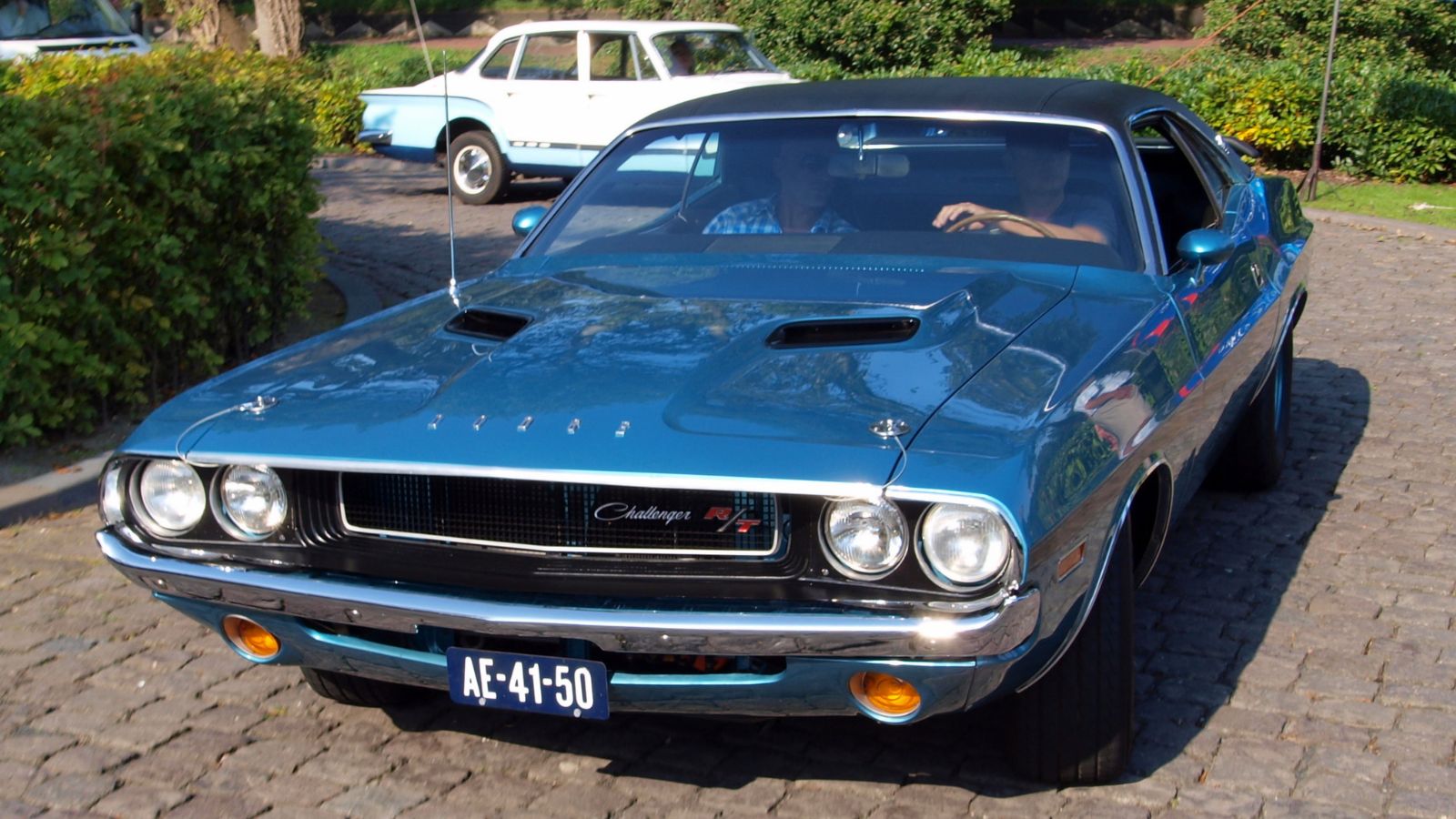
In 1970, Dodge introduced the Challenger on the E body platform. This was a different approach.
Shorter, wider, and more aggressive in stance, the Challenger was designed to compete directly with cars like the Mustang and Camaro. It offered a wide range of engines, from modest inline six options to the legendary HEMI V8.
Freedom of Choice
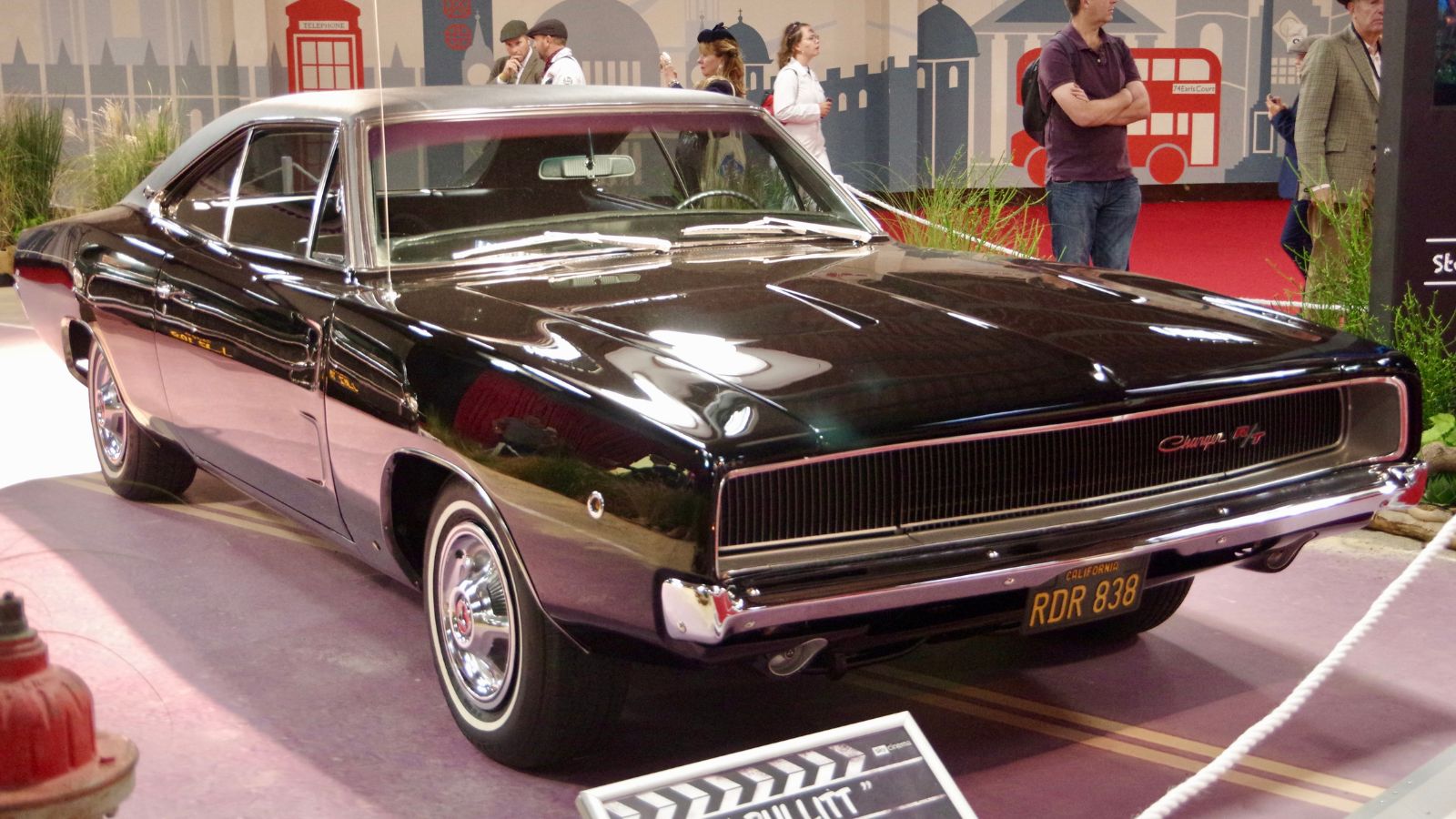
One of Dodge’s greatest strengths during this era was choice. Buyers could configure their cars in countless ways.
Different engines, transmissions, colors, and trims allowed each car to feel personal. This was not mass production in the modern sense. It was customization at scale, and it helped build a deeper connection between car and owner.
The HEMI Effect
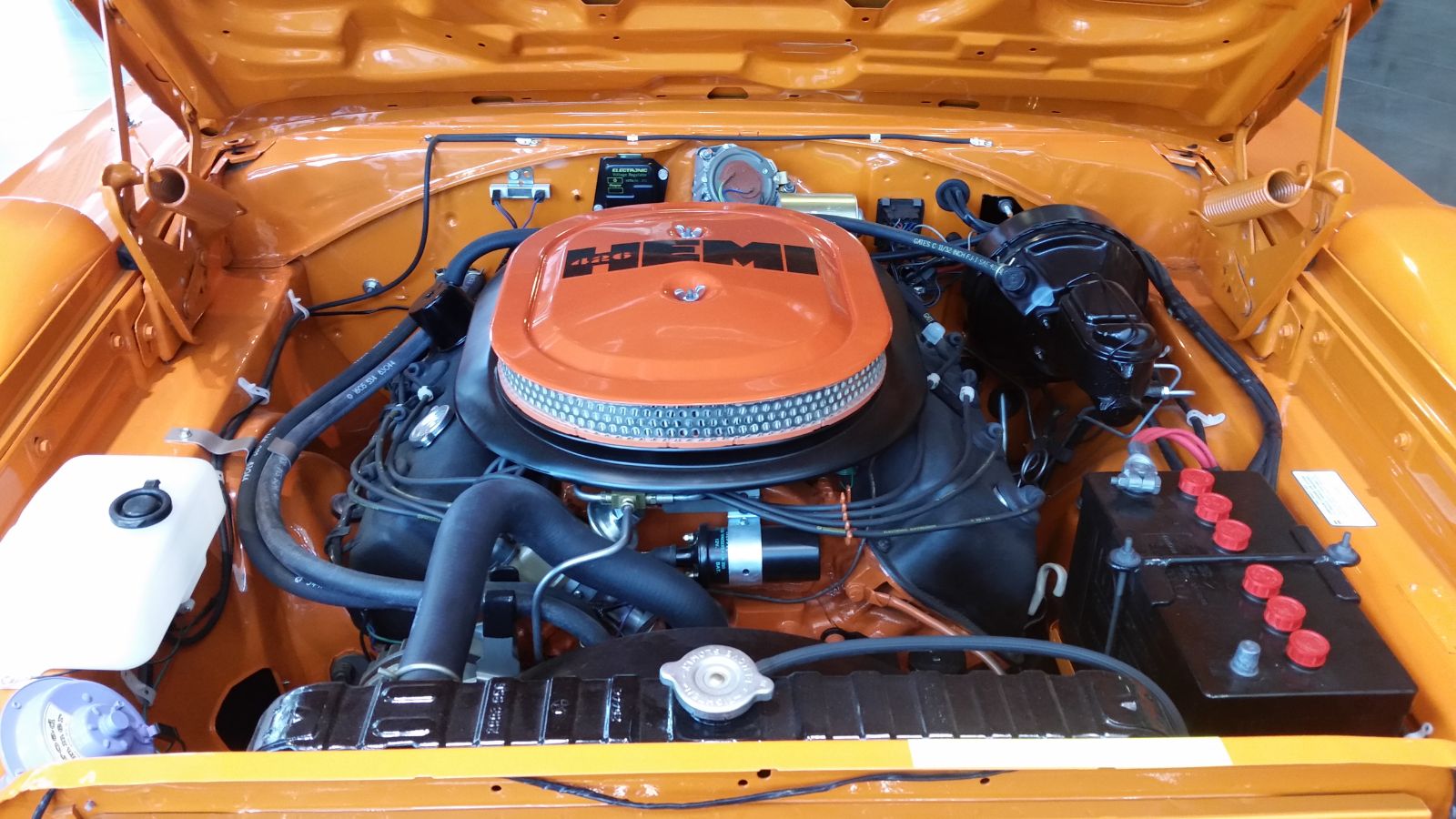
No discussion of Dodge muscle is complete without the HEMI. These engines were not just powerful, they were legendary.
The 426 HEMI brought race bred technology to the street. It was expensive and rare, but it cemented Dodge’s reputation as a serious performance brand. Owning one was about more than speed. It was about status within the community.
Racing Roots and Street Credibility
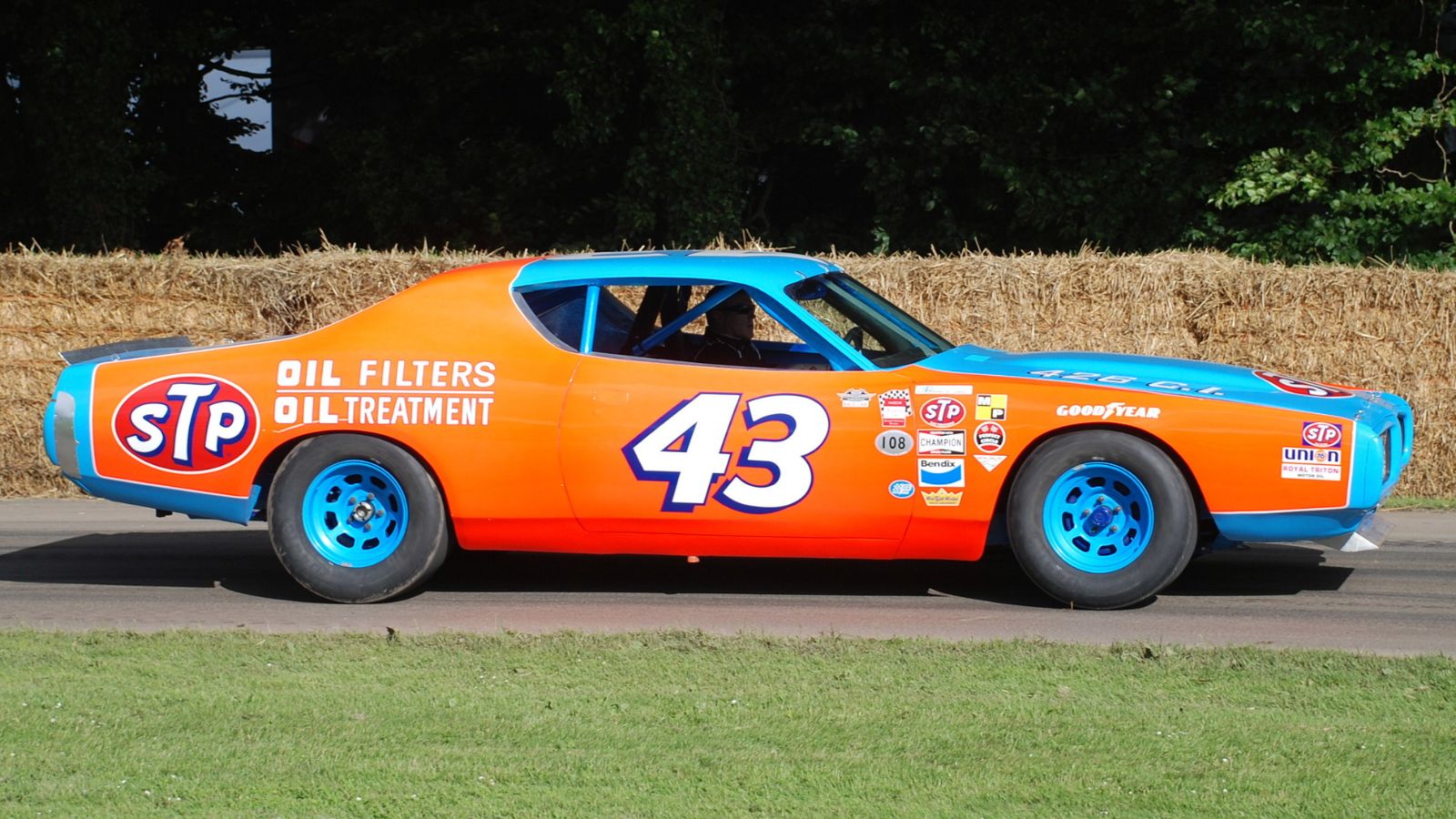
Dodge backed up its street presence with success on the track. NASCAR and drag racing became proving grounds for these machines.
Wins on Sunday translated directly into desirability on Monday. The connection between racing and road cars was clear and authentic, and buyers responded to that credibility.
A Culture Is Born
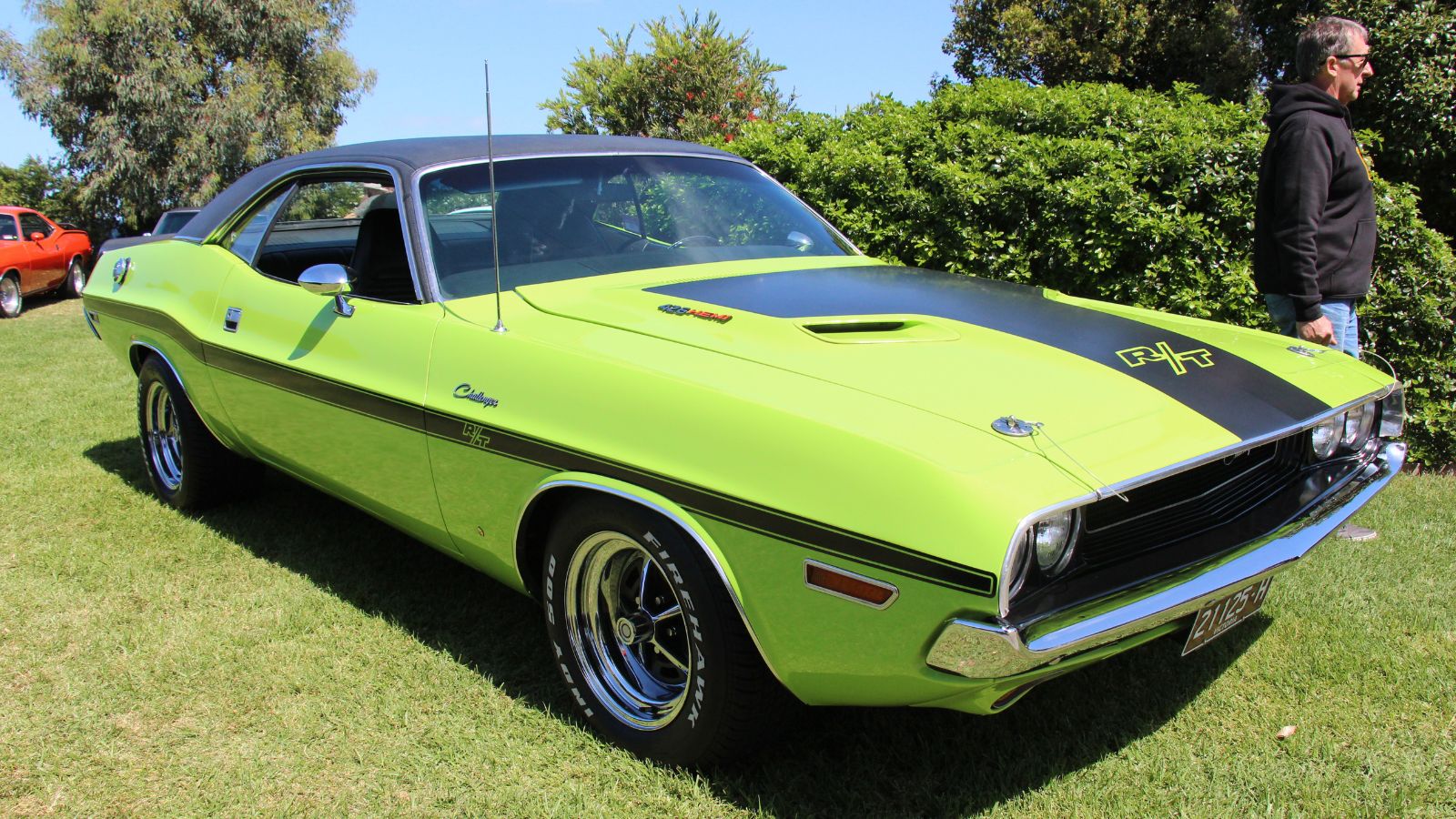
What Dodge created was not just a lineup of cars. It was a movement.
Owners formed clubs, shared stories, and built identities around their vehicles. The Charger and Challenger became symbols of rebellion, independence, and performance. That emotional connection is what turned buyers into lifelong enthusiasts.
Surviving the Downturn
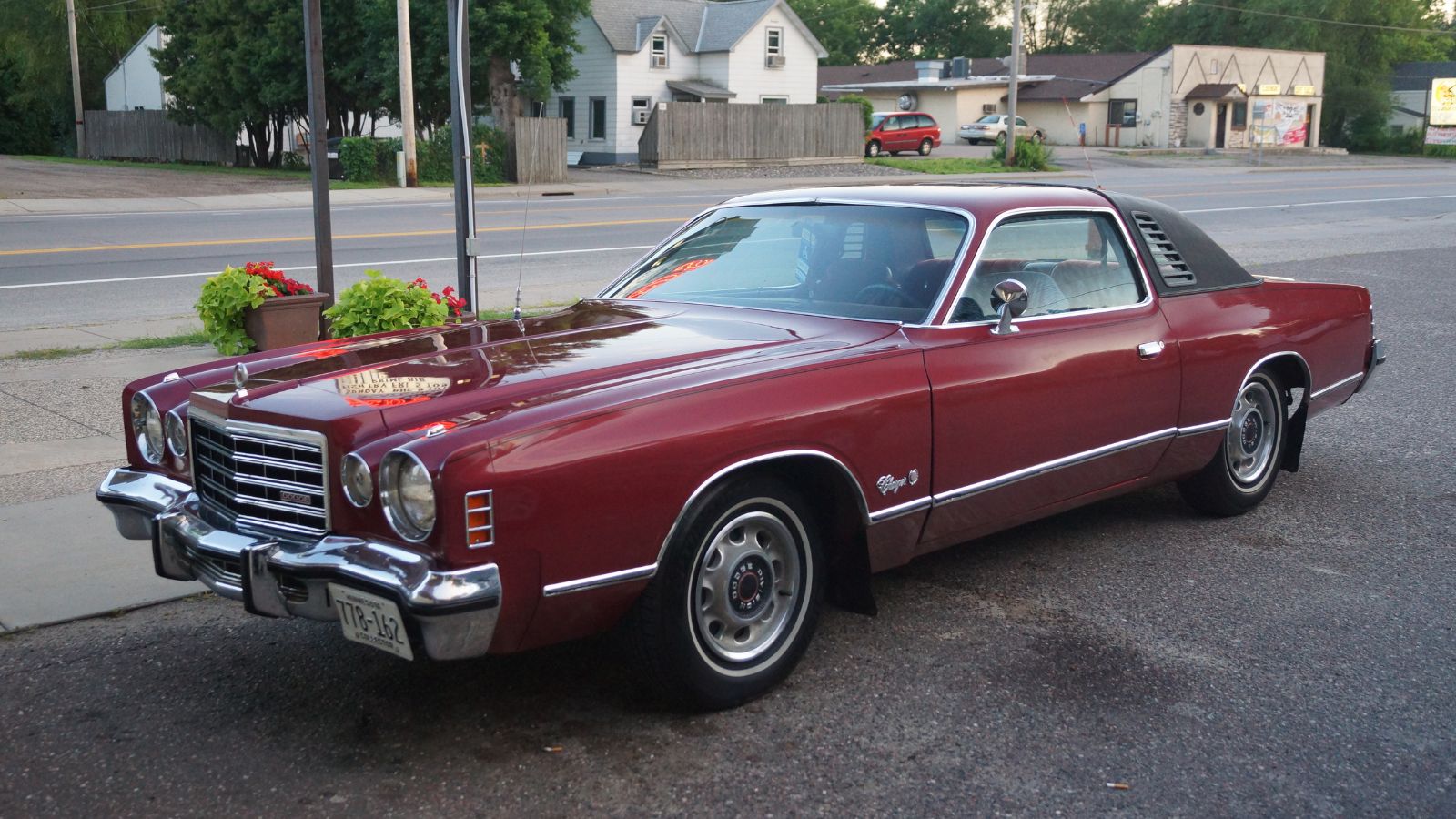
The 1970s were not kind to muscle cars. Emissions regulations, fuel crises, and changing tastes forced manufacturers to adapt.
The Charger and Challenger lost some of their edge during this period, but the foundation had already been laid. The cars remained relevant because the culture around them never disappeared.
The Modern Revival
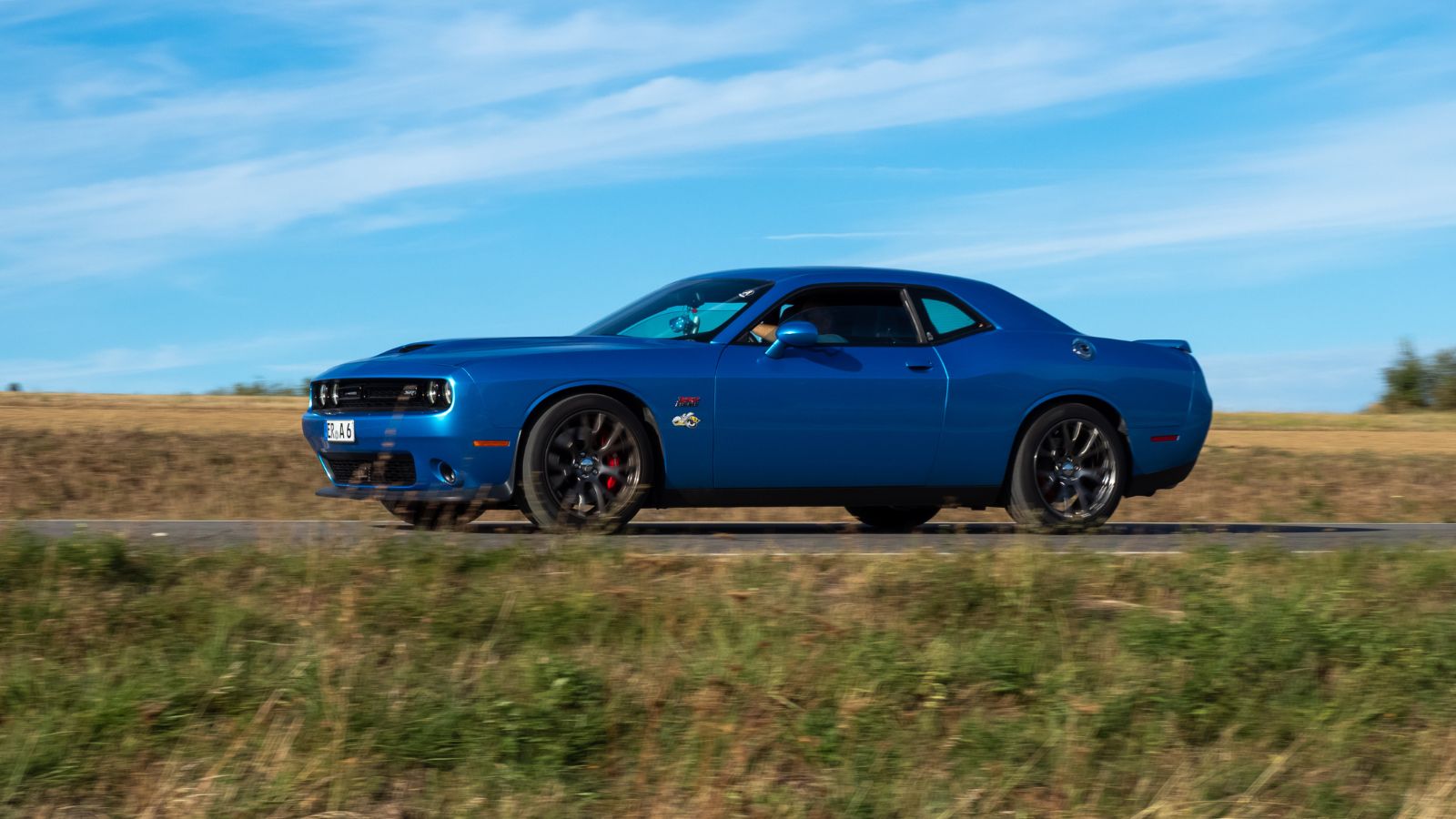
When Dodge brought back the Charger and Challenger in the 2000s, it did so with a clear understanding of its history.
Modern versions kept the spirit alive. Big engines, bold styling, and a focus on straight line performance ensured they stayed true to their roots. The formula still worked, and a new generation embraced it.
Why the Cult Still Exists

The reason Dodge built a cult following comes down to authenticity. These cars were never about refinement or subtlety.
They were about emotion. The sound of a V8, the feel of rear wheel drive, and the visual presence all combined to create something unforgettable. That is not something you manufacture through marketing. It has to be real.
The Charger and Challenger delivered that reality, and decades later, people are still buying into it.
25 Facts About Car Loans That Most Drivers Don’t Realize

Car loans are one of the most common ways people fund car purchases. Like any other kind of loan, car loans can have certain features that can be regarded as an advantage or a disadvantage to the borrower. Understanding all essential facts about car loans and how they work to ensure that you get the best deal for your financial situation is essential. Here are 25 shocking facts about car loans that most drivers don’t realize:
25 Facts About Car Loans That Most Drivers Don’t Realize
