
Buying a former rental car can feel like finding a shortcut through today’s expensive used-vehicle market. The cars are often newer, professionally cleaned, and priced to move, but their past can be busier than a typical privately owned vehicle. Different drivers, fast mileage accumulation, airport-lot parking, and fleet maintenance practices all matter. These 20 points explain what buyers should know before deciding whether a former rental is a smart value or a costly compromise.
Former Rental History Should Be Confirmed Early

A former rental car is not always advertised loudly as one, especially once it has moved from a rental company to an auction, then to a used-car dealer. The clue may appear in a vehicle history report as “rental,” “fleet,” “commercial,” or “corporate.” That label matters because it changes the way mileage, wear, and pricing should be judged.
A two-year-old sedan used by one commuter is a different risk than a two-year-old sedan that spent its life rotating through airport pickups, weekend trips, and unfamiliar drivers. The rental label does not automatically make the car bad, but it should prompt sharper questions about service records, accident history, warranty status, and whether the asking price reflects its harder-working past.
Mileage May Be Higher Than the Model Year Suggests

Rental cars can collect mileage quickly because they are revenue-generating assets, not occasional household transportation. A vehicle that looks nearly new by model year may already have the mileage of a much older privately owned car. That matters because maintenance schedules, warranty limits, and resale value often depend more on miles than age.
A compact SUV with 55,000 miles after two years may still look fresh after detailing, but suspension parts, tires, brake pads, and interior touchpoints have already lived a busier life. Buyers should compare the odometer against similar non-rental listings from the same model year. If the mileage is far above average, the price should be low enough to leave room for upcoming repairs.
Maintenance Records Matter More Than Rental Myths
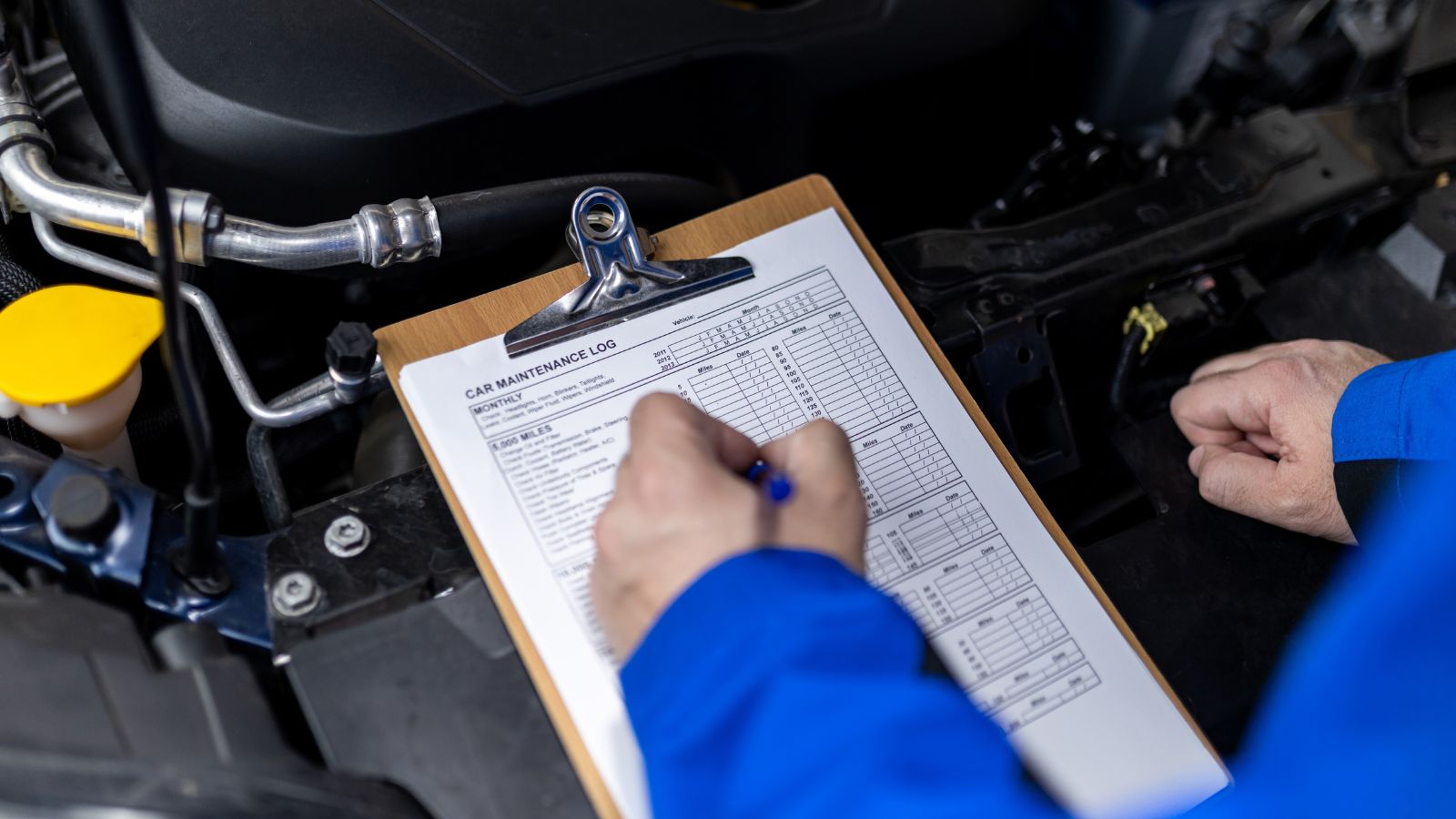
Former rentals often carry two competing reputations: some shoppers assume renters abuse them, while others assume fleet operators maintain them strictly. Both can be partly true. Large rental companies usually have structured maintenance systems, but the buyer still needs proof that oil changes, inspections, recalls, tire rotations, and brake work happened on schedule.
A salesperson saying “fleet maintained” is not the same as a dated service record. Some companies provide inspection sheets or vehicle history reports, while others may not release full maintenance records. A buyer should ask for actual documentation, then compare it with the manufacturer’s recommended maintenance schedule. A well-kept former rental can be sensible; a rental with vague records deserves caution.
Vehicle History Reports Are Useful, Not Complete
A vehicle history report can reveal rental use, title brands, odometer readings, accident entries, service records, and registration events. It is one of the first tools worth checking because it can expose patterns that a clean wash and fresh floor mats cannot hide. Multiple owners, gaps in mileage reporting, or repeated damage entries deserve careful review.
Still, a clean report is not a guarantee of a clean car. Some repairs never reach reporting databases, especially if work was done privately or outside insurance channels. A rental car might also have cosmetic fixes that never appear as an accident claim. The report should be treated as a screening tool, not a final inspection.
A Clean Title Still Deserves a Close Look
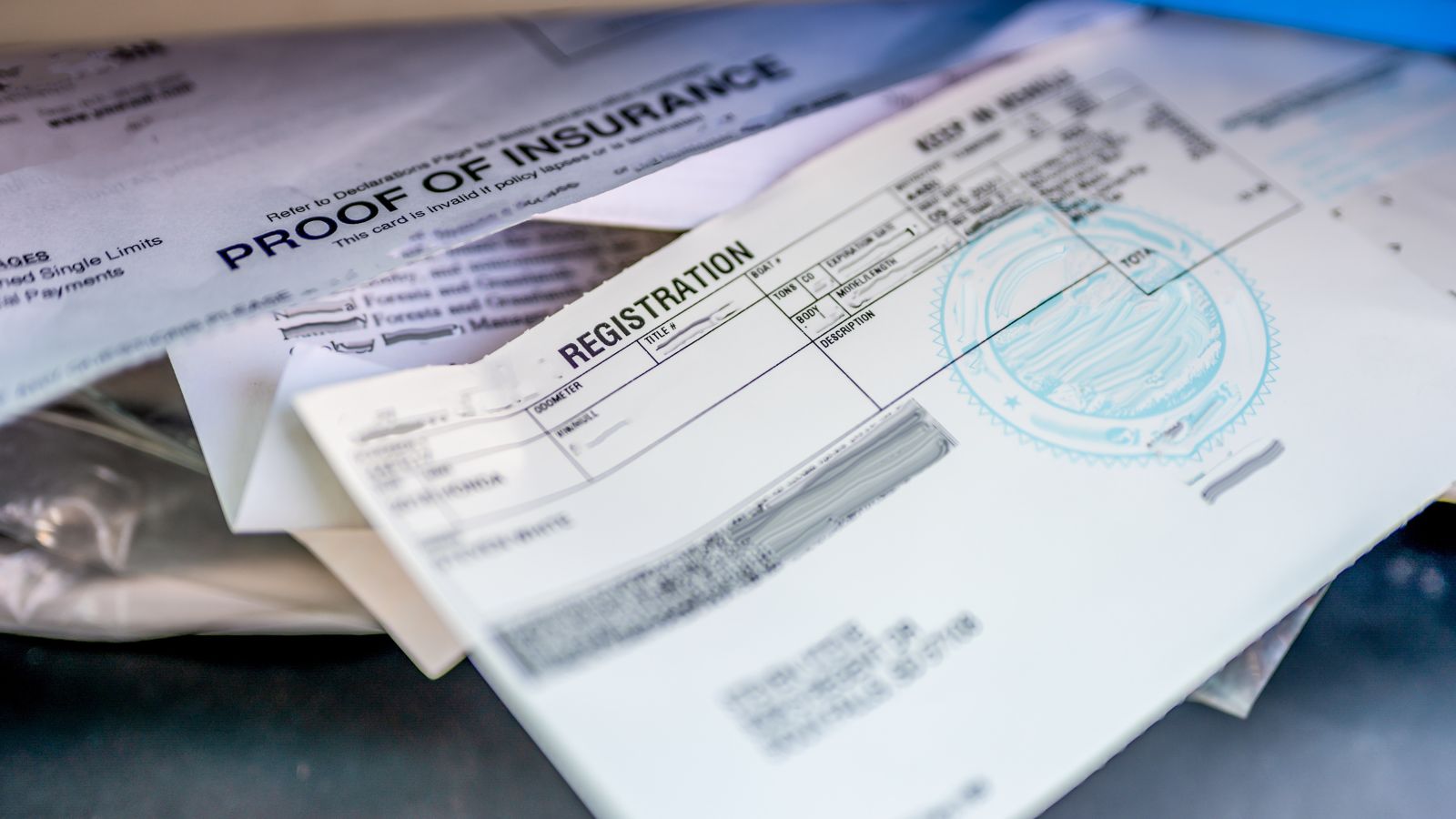
A clean title is reassuring, but it does not prove the vehicle has never been damaged. It usually means the car has not been branded as salvage, rebuilt, flood-damaged, or similarly compromised by a title authority. Minor or moderate collision repairs can still exist on cars with clean titles.
That distinction matters with former rentals because cosmetic repairs may be completed quickly to return vehicles to service or prepare them for sale. Uneven paint, mismatched panel gaps, overspray near trim, or new headlights on only one side can suggest past damage. A buyer should not walk away from every repaired car, but the price and inspection should reflect the repair history.
Recalls Need a VIN Check, Not a Verbal Promise

Safety recalls are especially important with former rentals because the car may have passed through fleet use, resale channels, and dealer inventory before reaching a buyer. In the United States, large rental companies face specific rules requiring recalled vehicles to be repaired before rental or sale, but buyers should still run the VIN through an official recall database.
A recall can involve something minor, such as a label error, or something serious, such as airbags, brakes, steering, or fire risk. The safest approach is simple: check the VIN before signing and confirm that any open safety recall has been repaired. A printed “no open recalls” result on the purchase date is more useful than a casual assurance.
Warranty Coverage Can Be Narrower Than It Sounds

Many former rental cars are sold with some kind of warranty language, but the details vary. A car may still have part of its original factory warranty, or the rental company may offer a limited powertrain warranty. Those are not the same as full bumper-to-bumper protection.
A 12-month or 12,000-mile powertrain warranty may sound comforting, but it usually focuses on major components such as the engine and transmission. Tires, brakes, upholstery, infotainment issues, glass, batteries, and many wear items may be excluded. Buyers should read the written warranty, not just the headline. If the car is sold “as is,” that should also be clear before money changes hands.
Tires and Brakes Tell a Story

Tires and brakes are among the easiest places to spot whether a former rental has been used hard. Uneven tread wear can hint at alignment problems, neglected rotations, curb impacts, or suspension wear. Thin brake pads, pulsing under braking, or steering-wheel vibration during a stop can point to deferred maintenance.
Tread depth matters for safety, not just inspection compliance. A car may still be legal with low tread, but wet-road stopping distance can worsen before the tire reaches the legal minimum. A buyer should check all four tires, not just the easiest front tire to see. Replacing a full set of tires immediately after purchase can erase much of the apparent deal.
Interiors Reveal How the Car Was Treated
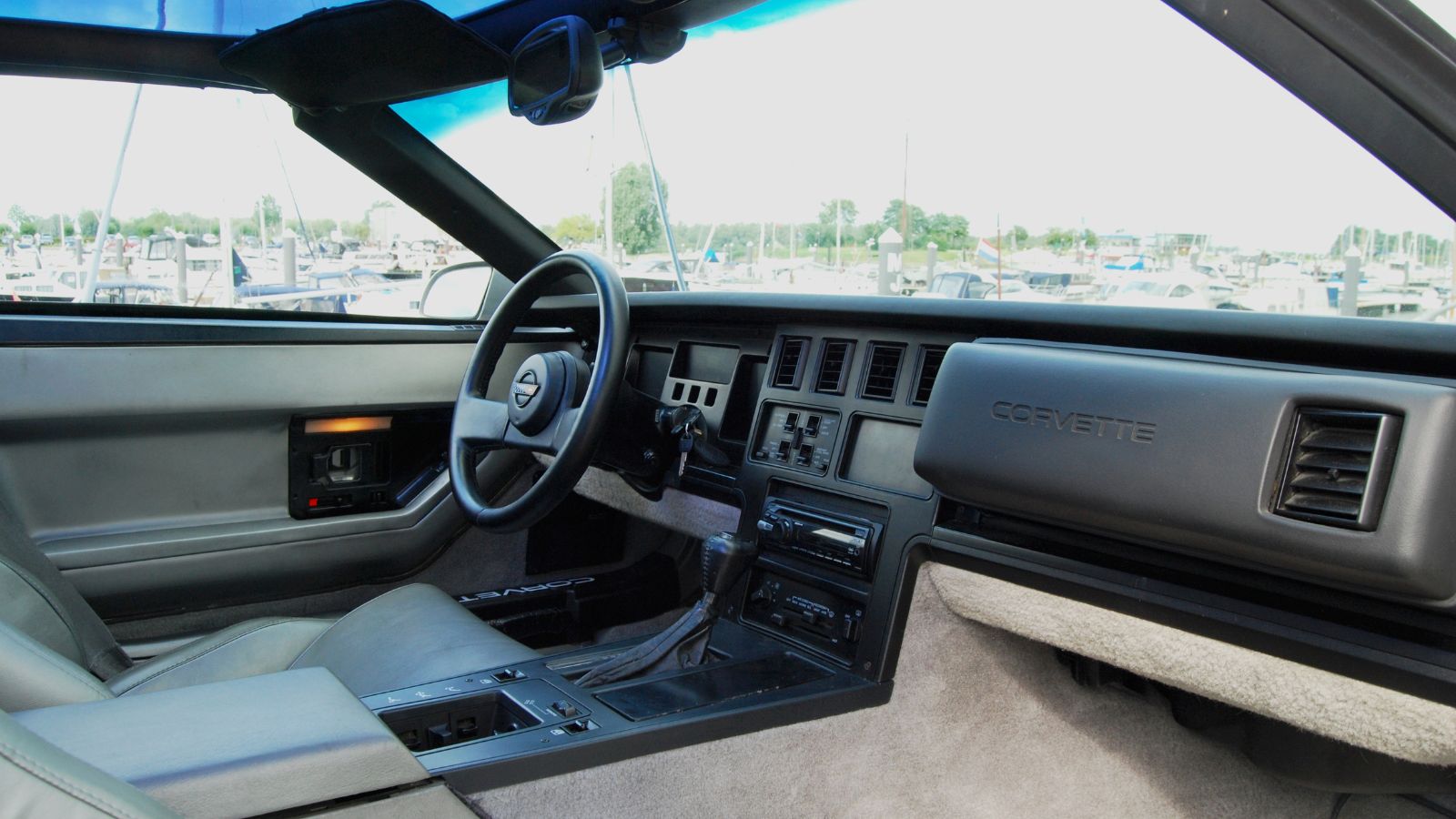
Rental interiors often tell quiet stories. Scratched cargo trim, loose seatback pockets, worn steering-wheel buttons, stained headliners, missing cargo covers, and damaged USB ports can suggest heavy turnover. Detailing can remove odors and grime, but it cannot always hide broken clips, cracked plastic, or excessive seat wear.
A family renting a minivan for a beach trip may leave sand in seat tracks. A business traveler may scrape the trunk sill with luggage. A rideshare-style fleet history may leave rear seats more worn than the odometer suggests. Buyers should slow down inside the cabin, testing every switch, charger, screen, speaker, lock, window, seat adjustment, and climate-control setting before assuming the vehicle is “like new.”
Popular Fleet Models Can Be Easier to Price
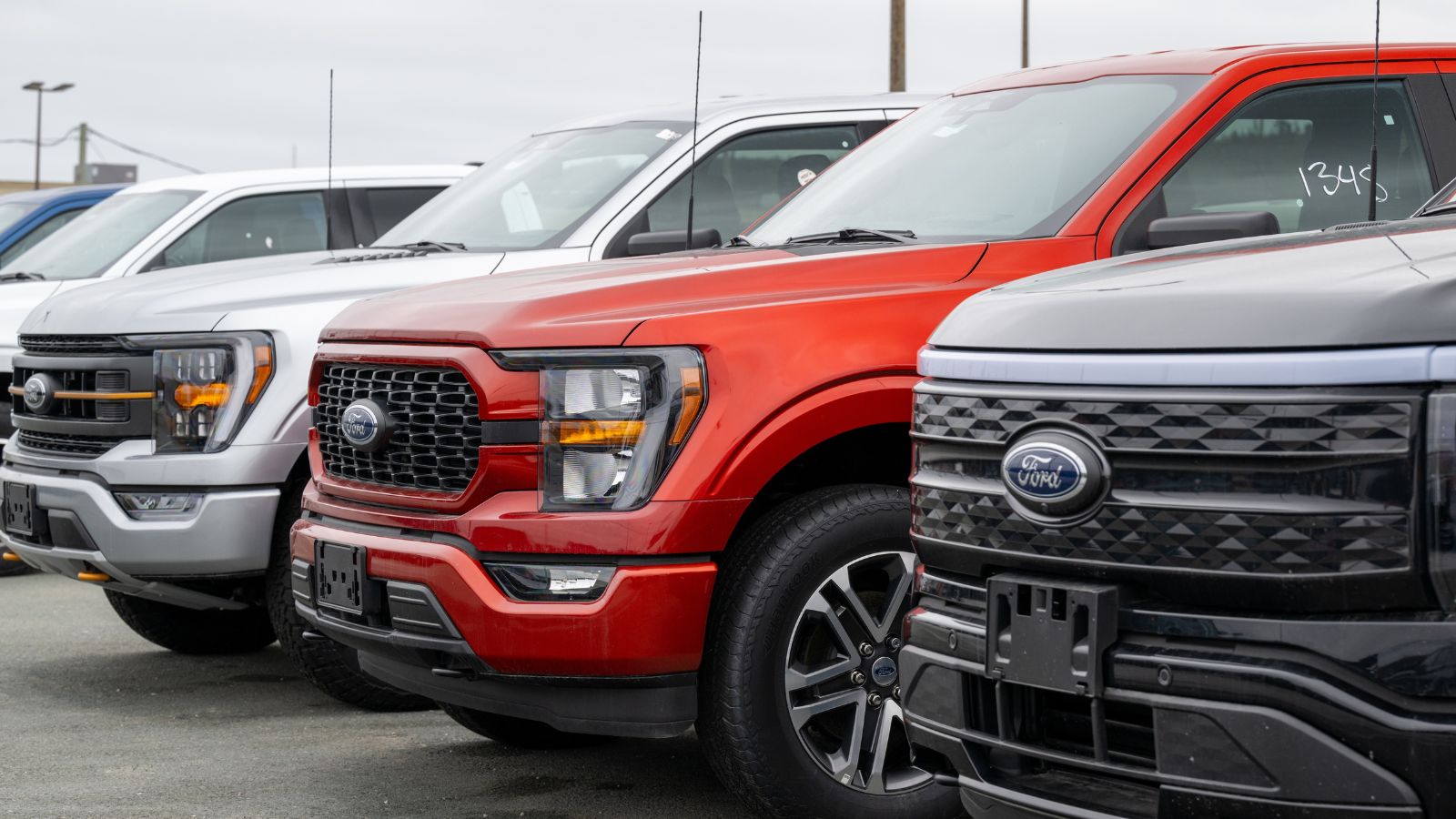
Rental fleets often buy mainstream sedans, compact SUVs, minivans, and mid-size crossovers in large numbers. That can help buyers because there may be many comparable examples on the market. More comparable listings make it easier to judge whether the former rental is actually discounted or merely priced like any other used car.
The downside is sameness. A white compact sedan with basic trim, cloth seats, and high mileage may not stand out when it is time to resell. Before buying, compare trim level, options, mileage, safety features, and condition against retail listings from private owners, dealer trade-ins, and certified pre-owned inventory. A former rental should usually offer a clear value advantage.
The Test Drive Should Cover More Than Comfort

A short drive around the block is not enough for a former rental. The test drive should include cold startup, low-speed turns, highway acceleration, braking from moderate speed, parking-lot maneuvers, and rough pavement if possible. Different conditions reveal different problems.
A transmission may hesitate only when cold. A wheel bearing may hum only at highway speed. A suspension clunk may appear only over sharp bumps. Because rentals often see many drivers and varied road conditions, the buyer should listen carefully rather than focusing only on the clean dashboard and fresh scent. A good test drive feels boring in the best way: no surprises, no warning lights, no mystery noises.
Look Closely for Body and Paint Repairs

Former rentals are exposed to parking-lot dents, suitcase scrapes, curb rash, and occasional minor collisions. Many of these issues are repaired before sale, but signs can remain. Paint that looks slightly different from panel to panel, uneven reflections, missing VIN stickers, or fresh undercoating in one area can justify more questions.
This does not mean every scratch is a deal-breaker. Used cars have histories. The key is whether the repair was cosmetic or structural, and whether the price reflects it. A buyer who spots a repainted bumper can ask for repair documentation. A buyer who sees uneven door gaps, frame-machine marks, or water intrusion should bring in a professional before continuing.
Compare the Price With Non-Rental Examples

Former rentals are often attractive because the advertised price looks lower than similar vehicles. The comparison should be exact, not general. A buyer should compare the same year, make, model, trim, engine, drivetrain, mileage, accident history, warranty coverage, and location. A cheaper former rental may stop looking cheap after these details are matched.
For example, a low-trim former rental SUV with 62,000 miles should not be compared with a higher-trim one-owner SUV with 35,000 miles. The better question is whether the discount is large enough to compensate for rental history, higher mileage, and potentially weaker resale appeal. A small discount may not justify taking on the uncertainty.
Future Resale May Be More Difficult

Rental history can follow a vehicle for years through history reports. Even if the car performs well, future shoppers may use that label to negotiate or walk away. This can affect resale value, especially when the market has many similar non-rental examples available.
A buyer planning to keep the car until it is old and inexpensive may care less about rental stigma. Someone planning to trade it in after two or three years should care more. Dealers can also factor rental history, mileage, accident records, and trim desirability into trade-in offers. The best purchase price is not just today’s discount; it is the total cost after future resale is considered.
Rental Company Sales Aren’t the Only Source

Some buyers purchase directly from rental-company car sales lots, where the vehicle’s origin is obvious. Others encounter former rentals at franchised dealerships or independent used-car lots after those cars have passed through auctions. The second route can make the rental history less obvious unless the buyer checks the report carefully.
Direct rental-company sales may include no-haggle pricing, limited warranties, return windows, inspection forms, or vehicle history reports. Dealer-sold former rentals may come with different terms, add-ons, fees, or certification claims. The source matters because it affects paperwork, warranty handling, and transparency. Buyers should judge the car and the seller together, not one in isolation.
Certified Programs Are Not All the Same

The word “certified” can mean different things depending on who is using it. A manufacturer certified pre-owned vehicle is usually inspected, reconditioned, and backed by the automaker’s program. A rental company’s certified label may refer to its own inspection and warranty process rather than a manufacturer-backed CPO program.
That difference matters if a problem appears later. Manufacturer-backed CPO coverage may be honored at participating brand dealerships, while a seller-backed limited warranty may have its own claims process and exclusions. Buyers should ask who backs the warranty, where repairs can be performed, what deductible applies, and whether coverage begins from the purchase date or original in-service date.
Financing and Insurance Should Be Checked Early

Most former rental cars with clean titles can be financed and insured like other used cars, but problems can arise if the vehicle has a branded title, prior total-loss history, or unusual records. Lenders and insurers may treat rebuilt, salvage, flood, or odometer-branded vehicles differently.
This is why paperwork should be reviewed before falling in love with the car. A vehicle that looks affordable can become complicated if the loan terms are worse, insurance options are limited, or coverage excludes certain claims. Buyers should send the VIN to an insurer and lender before signing. Discovering complications after a deposit is paid can turn a bargain into a paperwork headache.
Technology and Personal Data Need a Reset

Modern cars store more than radio presets. Navigation destinations, paired phones, garage-door codes, app connections, subscription services, Wi-Fi settings, and driver profiles can remain in the vehicle if nobody clears them properly. With former rentals, many users may have connected devices over the car’s working life.
A buyer should factory-reset the infotainment system and confirm that no previous user accounts remain connected. It is also wise to remove old Bluetooth devices, clear saved addresses, update software when available, and confirm that connected services can be transferred properly. This is partly about privacy and partly about function. A car that still thinks it belongs to a previous fleet account may create annoying activation problems.
Return Policies Are Valuable Only When Used Properly

Some rental-company sales programs advertise return windows or buyback periods. These can be helpful, but they are not a substitute for careful buying. The fine print may include time limits, mileage limits, condition requirements, or exclusions for fees and add-ons. A seven-day return period is only useful if the buyer schedules inspections and test drives immediately.
The best strategy is to treat the return window as a safety net, not a reason to rush. If the car is purchased on a Saturday, a mechanic appointment should be booked quickly. Waiting until the final day leaves little room to negotiate, return, or compare alternatives. A policy that sounds generous can become useless if deadlines pass.
A Pre-Purchase Inspection Is Still Essential

A former rental can be a smart buy when the price, condition, records, and warranty all line up. The final decision should still include an independent pre-purchase inspection. A mechanic can check for leaks, suspension wear, accident repairs, diagnostic trouble codes, tire condition, brake life, underbody damage, and maintenance needs that a buyer may miss.
This step is especially important because rental cars can look unusually presentable after professional cleaning and reconditioning. A glossy exterior does not reveal engine seepage, weak batteries, hidden corrosion, or worn suspension bushings. Spending money on an inspection before purchase can prevent a much larger repair bill later. The best former rental is not the cheapest one; it is the one whose history, condition, and price all make sense.
22 Things Canadians Do to Their Cars in Spring That Mechanics Hate

Spring brings relief to many Canadian drivers after months of snow, freezing temperatures, and icy roads that put serious strain on vehicles. As temperatures rise across the country, drivers begin washing cars, switching tires, and preparing vehicles for warmer weather and upcoming road trips. However, mechanics across Canada notice the same mistakes every spring when drivers attempt to recover from winter damage. Road salt, potholes, and harsh winter driving conditions often leave vehicles with hidden problems that drivers ignore. Some spring habits even create new mechanical issues that could have been avoided with proper maintenance. Here are 22 things Canadians do to their cars in spring that mechanics hate.

Alanna Rosen is an experienced content writer that focuses on many EV and educational content. Her articles are regularly published on Get CyberTrucked and syndicated on large publications.