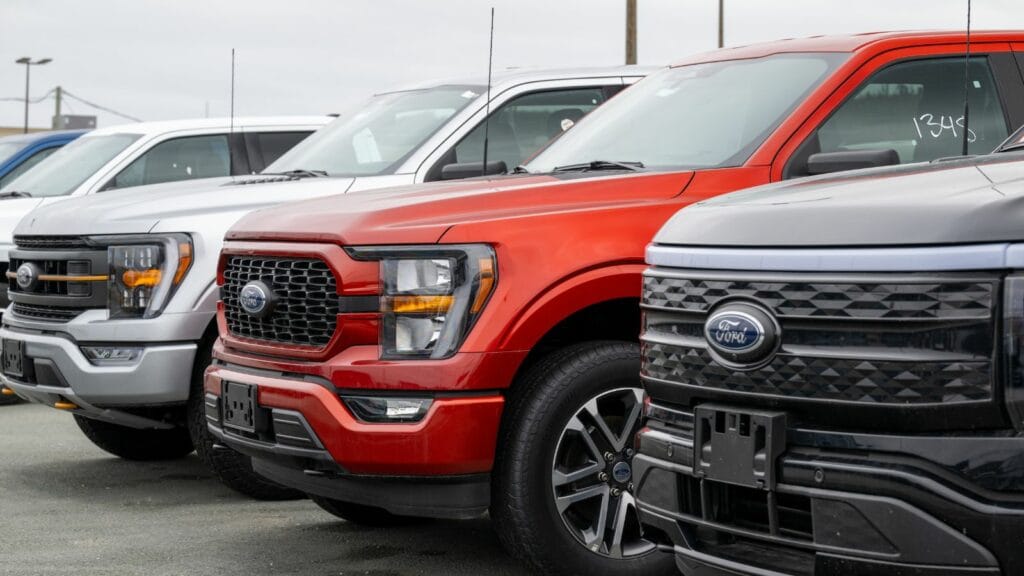
A vehicle can feel like a perfect fit today and still become a difficult sale years later. Resale trouble rarely comes from age alone. It usually develops through choices, damage, missing paperwork, visible neglect, or uncertainty that makes future buyers expect expensive surprises. Even a reliable model may sit longer on the market when its history is unclear or its condition suggests more work than the asking price justifies.
These 18 factors explain what commonly narrows the buyer pool, weakens trade-in offers, or creates delays during a private sale. Some are obvious, such as collision damage and rust. Others are easier to overlook, including open recalls, missing service records, extreme modifications, unresolved title issues, and an electric vehicle battery with no health documentation.
A Salvage, Rebuilt, or Flood-Branded Title
A salvage, rebuilt, flood, or similar branded title can follow a vehicle permanently, even after extensive repairs. Buyers know that the label usually means an insurer or authority once considered the damage severe enough to change the vehicle’s legal status. NHTSA notes that rebuilt flood vehicles may legally return to the road when the damage is disclosed and the title is properly branded, but that disclosure alone does not remove the uncertainty.
The concern is not merely cosmetic. Flood exposure can affect wiring, control modules, airbags, sensors, and corrosion-prone connectors long after the cabin looks clean. A rebuilt collision vehicle may also raise questions about frame alignment and repair quality. Financing, insurance, warranties, and trade-in policies can be more restrictive for branded-title vehicles. As a result, the seller often faces a smaller audience, more inspections, longer negotiations, and a price that must compensate buyers for risks they cannot fully see.
A Serious Collision in the Vehicle’s History

A major accident can reduce resale appeal even when the bodywork looks convincing. Vehicle history reports commonly record collisions, damage severity, airbag deployment, and insurance events, giving buyers a reason to compare it with cleaner examples. Repair quality varies, and mismatched paint, uneven panel gaps, overspray, abnormal tire wear, or a steering pull can make shoppers wonder what remains hidden beneath fresh paint.
The most difficult cases involve structural damage or poorly documented repairs. A buyer may worry about crash protection, alignment, water leaks, sensor calibration, or replacement airbags. NHTSA has warned used-car shoppers about substandard replacement airbag inflators after crashes, making documentation important. Even a correctly repaired vehicle may require a lower asking price because the accident remains part of its story. When two similar cars are available, many shoppers choose the one without a collision record unless the repaired example offers evidence, an independent inspection, and meaningful savings.
Missing Maintenance Records
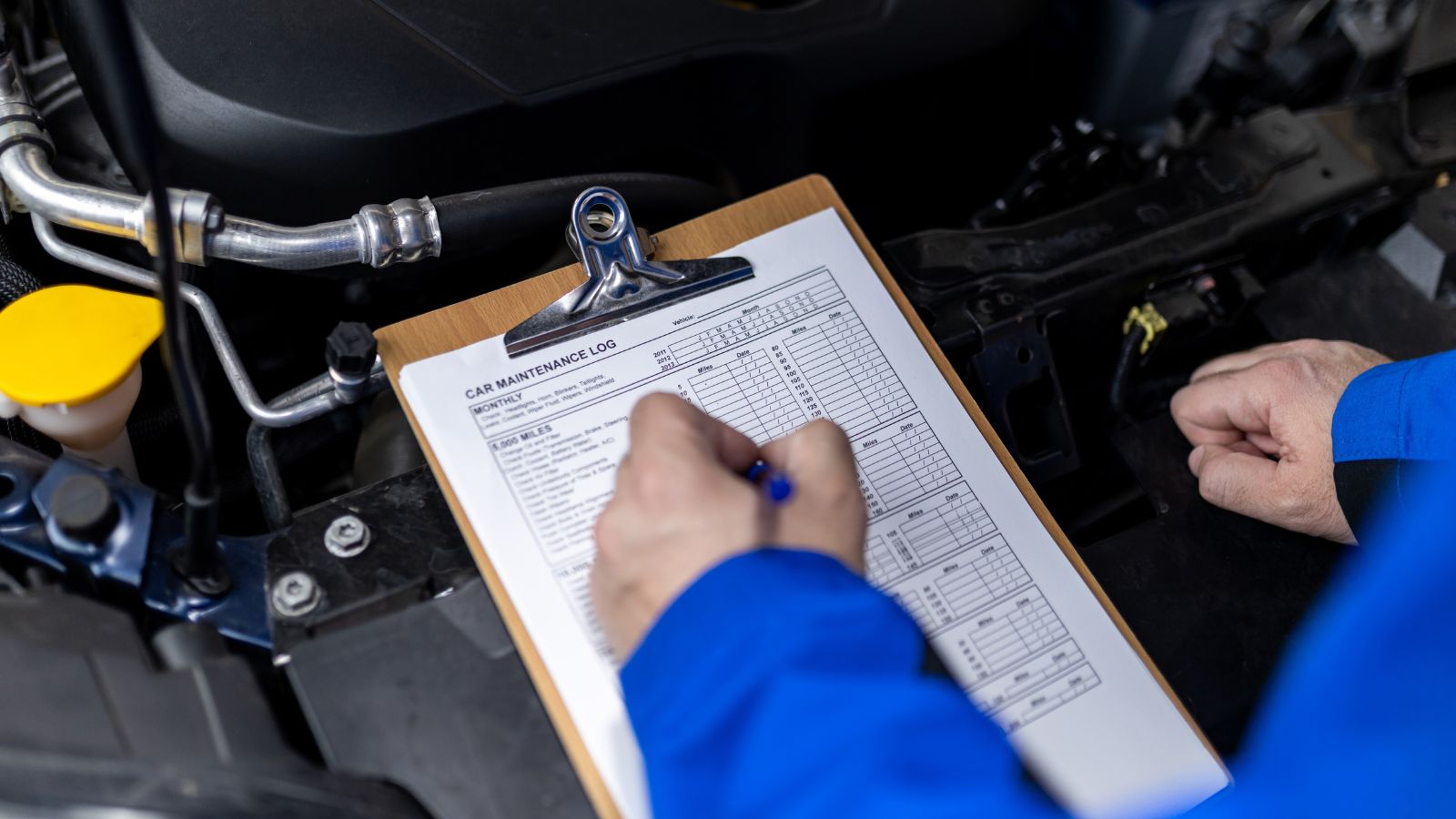
A vehicle without maintenance records asks buyers to trust a story they cannot verify. Receipts for oil changes, fluid services, timing-belt work, brake repairs, tire rotations, and scheduled inspections help show that the car was cared for consistently. AAA notes that a detailed service history can improve resale appeal, while valuation services consider documented maintenance when estimating a car’s worth.
Missing records become more damaging near expensive service milestones. A buyer looking at a high-mileage crossover may ask whether transmission fluid, coolant, spark plugs, or timing components were handled on schedule. Without proof, the safest assumption is often that the work remains due. That expected expense gets deducted from the offer, even when the seller insists everything was completed. A folder of invoices or a digital log can do more than support a claim; it can reduce uncertainty, shorten negotiations, and separate the vehicle from similar listings with vague histories.
A Growing List of Deferred Repairs
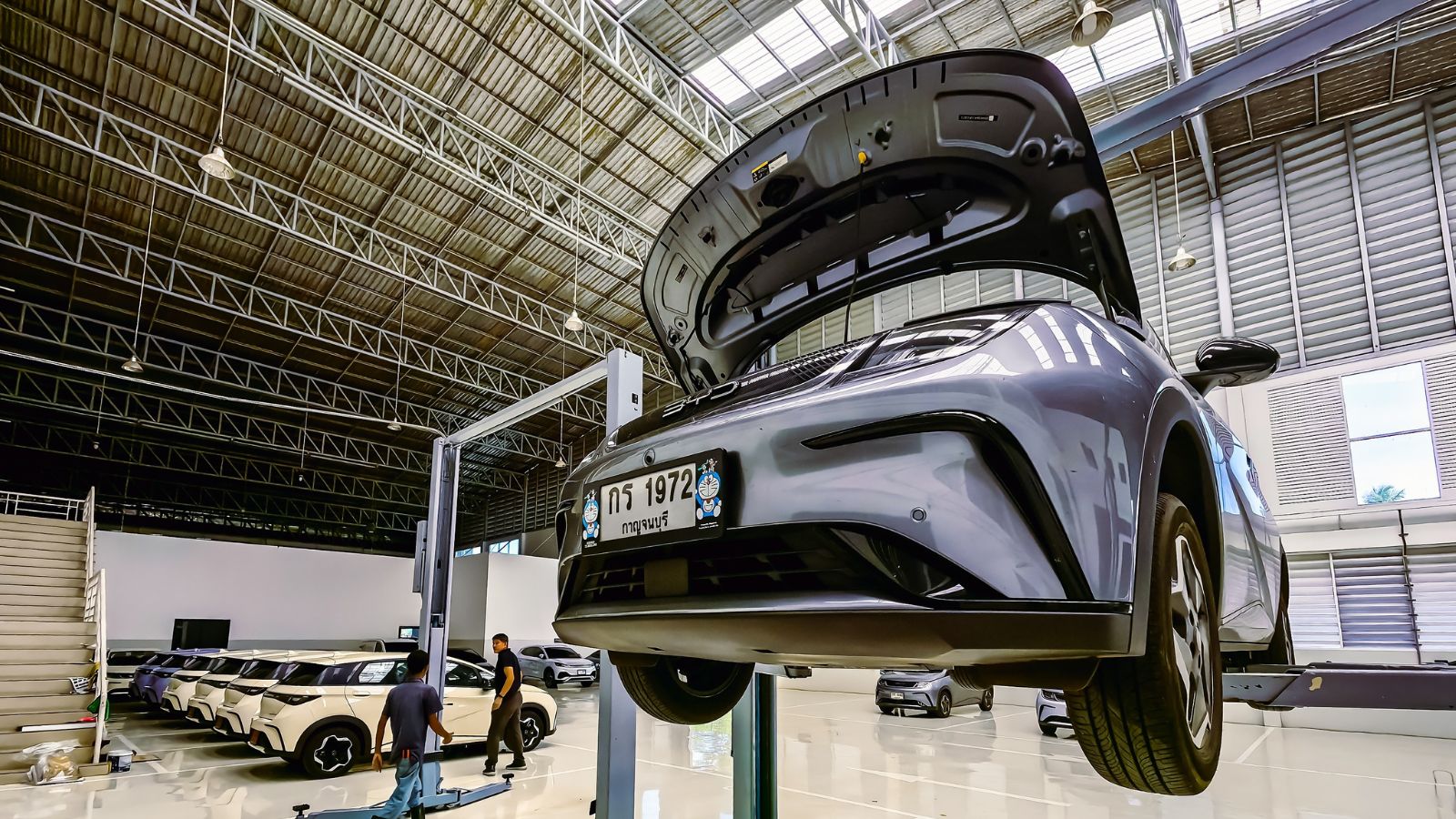
Deferred maintenance becomes visible at resale time because buyers and appraisers look for clusters of small problems. A weak battery, overdue fluids, noisy brakes, leaking shocks, cracked belts, uneven tires, or rough idle may each seem manageable alone. Together, they suggest the vehicle was maintained only when something failed. Consumer Reports notes that reconditioning costs directly affect value because dealers must repair problems before resale.
The effect is often larger than the repair bill. A shopper who hears suspension noise during a test drive may start questioning the steering, wheel bearings, and alignment. An oil leak can create concern about seals, neglected service, or low-fluid operation. This is why a car with several unfinished jobs may receive a surprisingly low trade-in offer: the buyer is pricing both known repairs and uncertainty. Routine work performed on time is easier to absorb than a concentrated list of problems discovered just before sale.
Mileage That Is High for Its Age
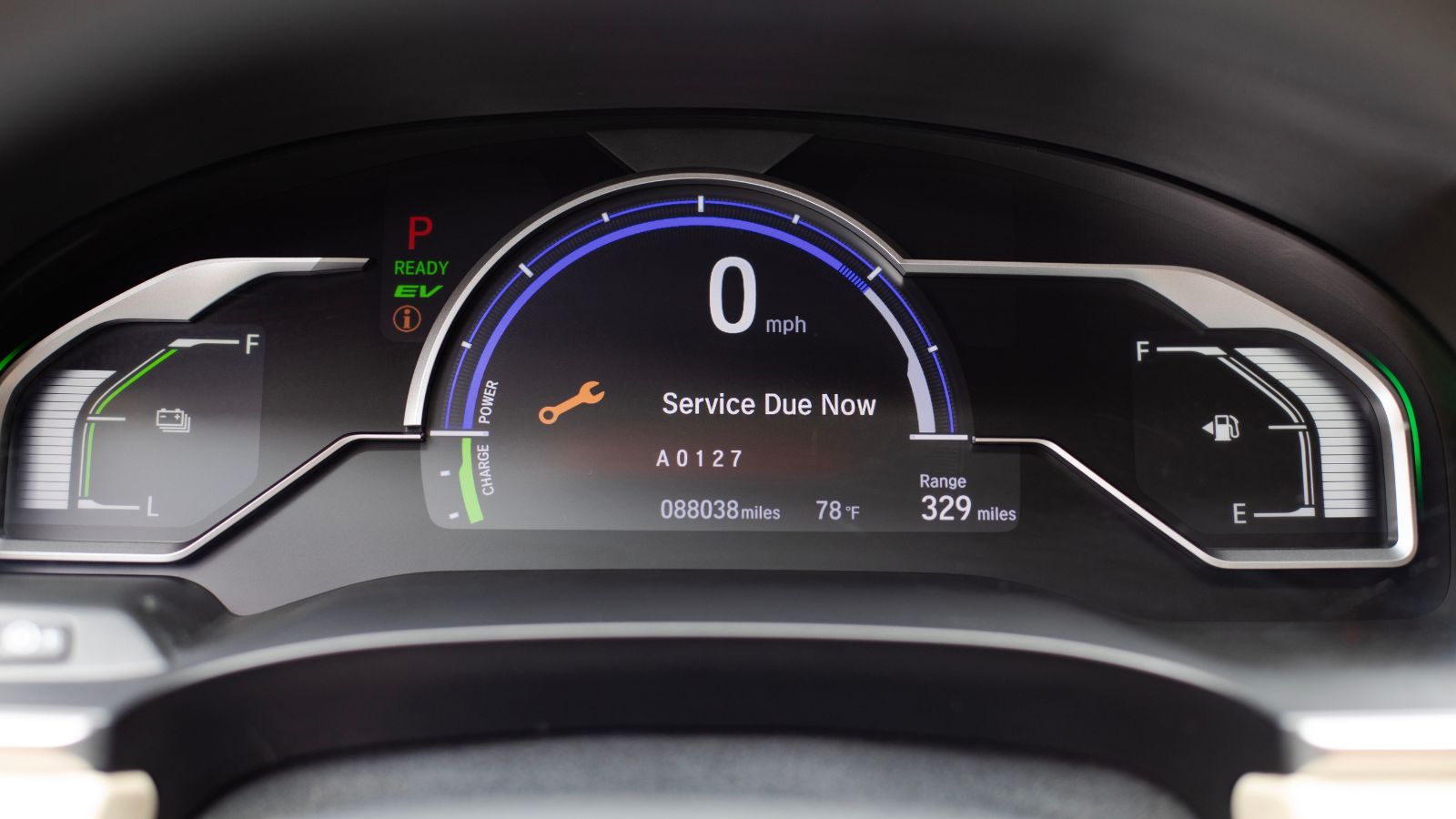
High mileage does not automatically make a vehicle undesirable, but it changes how buyers calculate remaining life and upcoming costs. AAA identifies mileage as a major resale factor and uses roughly 13,500 miles per year as a broad U.S. reference point. A car driven far above that rate may remain dependable, yet shoppers expect faster wear on suspension parts, seats, bearings, cooling systems, and other components.
Mileage matters most near expensive service or repair territory. A documented highway commuter can beat a neglected low-mileage car, but the seller must prove maintenance kept pace. Buyers also compare odometer readings from the same model year, so a 100,000-mile example may need a discount beside similar vehicles showing 65,000. High mileage narrows the audience and increases price sensitivity. It becomes harder when records are incomplete, warning lights are present, or the vehicle’s condition looks rougher than the odometer suggests.
Odometer Readings That Do Not Match

An odometer reading that does not match inspection, title, or service records can stop a sale immediately. NHTSA advises buyers to compare dashboard mileage with the title, maintenance invoices, inspection records, oil-change stickers, and vehicle history information. Even an innocent clerical error can easily resemble rollback or tampering, and buyers may hesitate until it is explained.
The problem worsens when mileage drops between recorded events or when a replacement instrument cluster is undocumented. Because mileage affects pricing, warranties, and maintenance planning, uncertainty can make lenders, dealers, and private buyers treat the vehicle as higher risk. Sellers may also face disclosure requirements under local law. A repair invoice showing when the cluster was replaced, the mileage at installation, and true accumulated distance can preserve credibility. Without that paper trail, a clean-looking car may be priced like a higher-mileage example or rejected because the buyer cannot confidently establish what the odometer means.
Cigarette Smoke and Stubborn Interior Odours
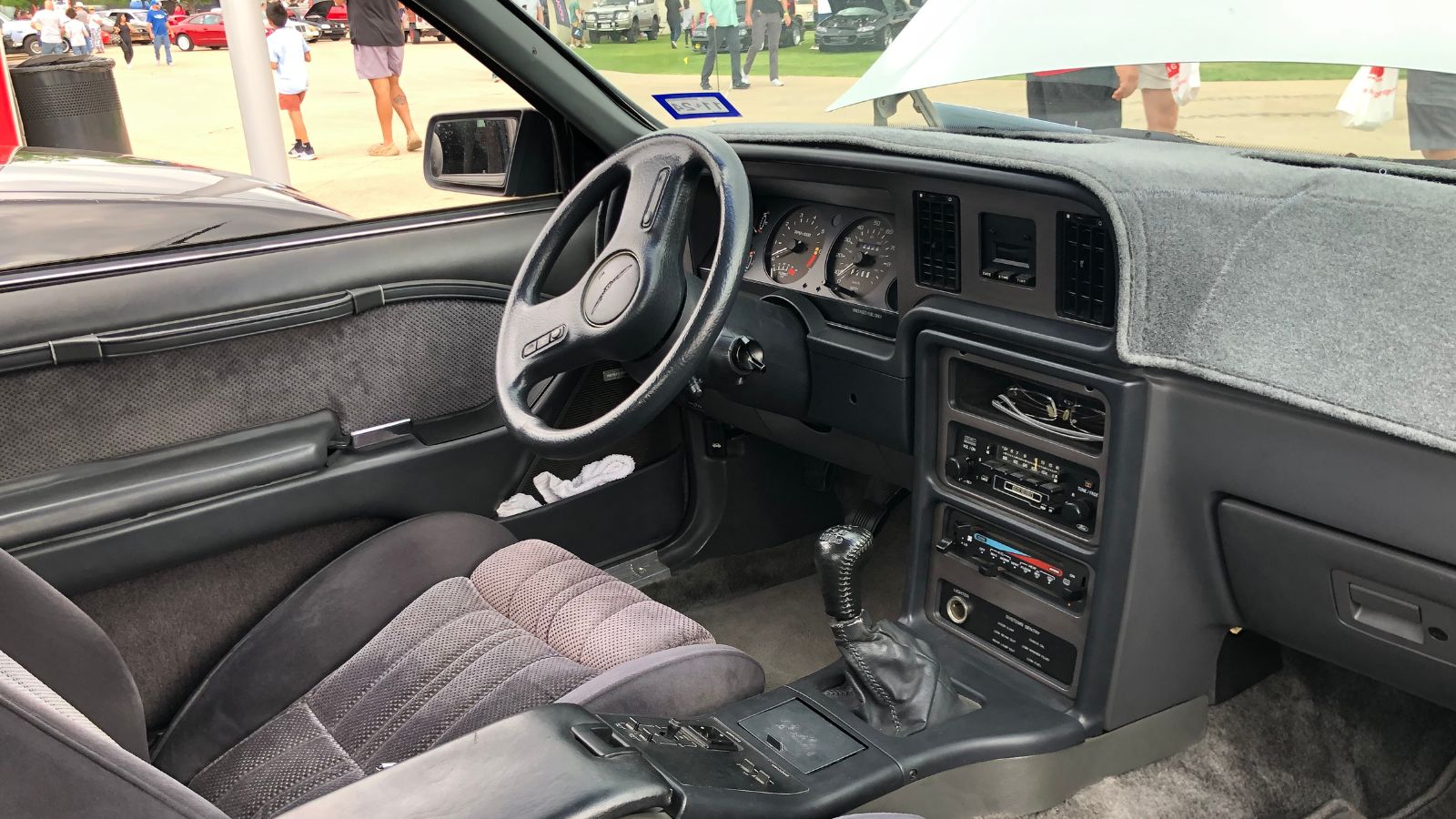
Smoking inside a vehicle can create a resale problem that ordinary detailing does not fully solve. Tobacco residue settles into upholstery, carpets, headliners, vents, and hard surfaces, leaving odor and contamination that may return in heat or humidity. Peer-reviewed research on used cars found measurable residual tobacco smoke contamination and examined lower asking prices for vehicles associated with smoking, showing that the issue extends beyond taste.
Odor also signals future work. A seller may shampoo fabric and install air fresheners, but buyers become suspicious when strong fragrances appear to mask something. Cleaning may require repeated extraction, cabin-filter replacement, vent treatment, ozone, or professional treatment, and results are not guaranteed. Burn marks, yellowed trim, and ash residue make the history harder to dismiss. Because many shoppers will not consider a smoker’s car at any discount, the buyer pool shrinks sharply, especially for family vehicles and newer models expected to feel clean.
Rust That Has Spread Beyond the Surface
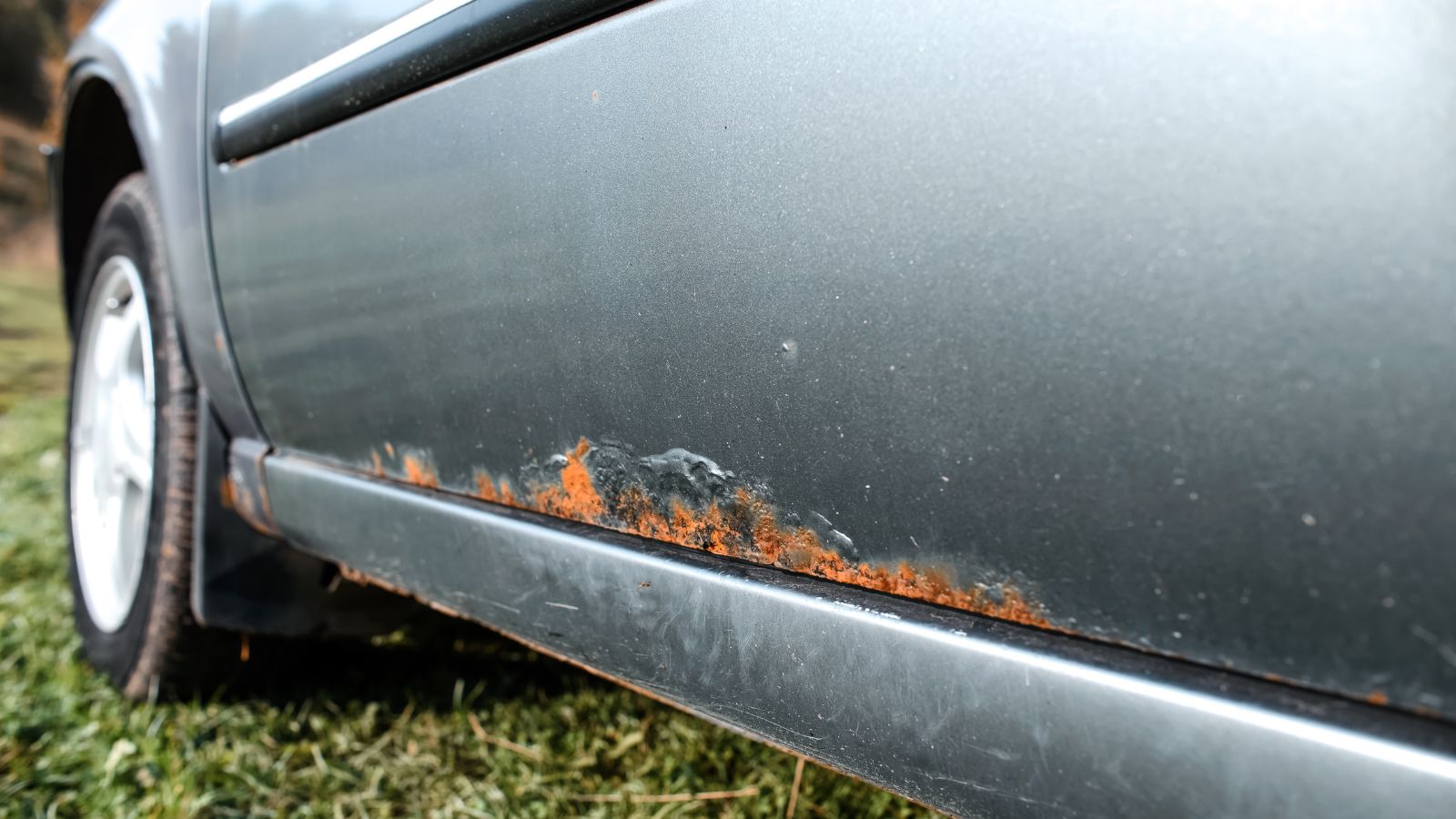
Rust can turn a cosmetic complaint into a structural and financial warning. Light surface corrosion on a vehicle may be manageable, but bubbling paint, flaking metal, perforated panels, or heavy underbody rust suggests an expanding problem. AAA identifies rust and body damage as factors that reduce desirability, while Consumer Reports advises shoppers to inspect the underside, spare-tire well, exhaust, and hidden areas where corrosion may reveal neglect.
Location and use matter. Cars exposed to road salt, coastal air, flooding, or poor drainage can corrode in expensive areas, including subframes, brake lines, suspension mounts, and electrical connections. A buyer who sees one rust spot may assume more exists behind trim or under coatings. Repairs can require cutting, welding, painting, and replacement parts, while severe frame corrosion raises safety concerns. Rust therefore makes pricing difficult: sellers see a running vehicle, while buyers see a problem that could spread beyond what is visible.
Extensive Engine and Performance Modifications
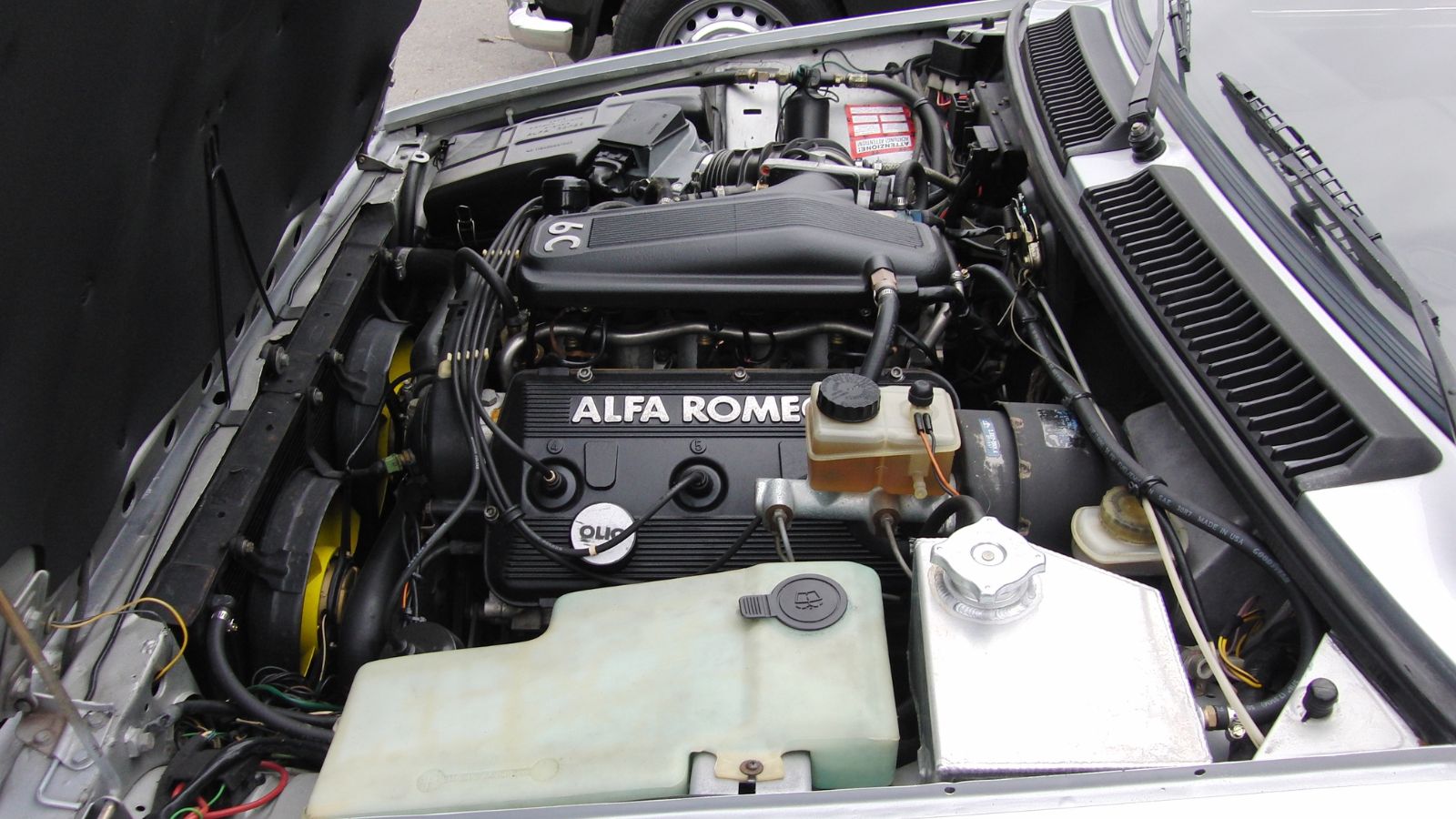
Performance modifications can make a vehicle exciting to one enthusiast and unacceptable to ordinary buyers. Engine tunes, larger turbochargers, altered fuel systems, loud exhausts, deleted emissions equipment, and nonstandard intake parts may suggest harder driving or added mechanical stress. Ford has warned that non-approved accessories and modifications can affect warranty coverage and pose safety risks, particularly when performance tuning or major body changes are involved.
The resale challenge is uncertainty about workmanship and calibration. A buyer cannot know whether a tune was conservative, supporting upgrades were installed, or the engine was pushed hard. Dealers may value the car as stock and deduct the cost of returning it to factory form. Modifications also complicate emissions testing, insurance, and diagnosis because technicians must identify changes before troubleshooting. Enthusiast buyers may pay for reputable parts and documented installation, but the wider market usually prefers an unmodified vehicle with predictable reliability and factory support.
Extreme Suspension and Wheel Changes

Lowered suspension, extreme lift kits, oversized wheels, stretched tires, and aggressive alignment settings can narrow a vehicle’s future market. They affect more than appearance. AAA notes that wheel offset influences suspension balance, and improperly sized wheels or tires can interfere with brakes, wheel wells, steering geometry, and tire wear. A dramatic stance may attract attention while raising questions about daily usability and hidden damage.
Buyers calculate the cost of reversing the setup. Factory wheels, springs, shocks, sensors, and alignment work are expensive to replace when original parts were sold. Modified suspension may also produce rubbing, warning lights, harsh ride quality, or accelerated wear visible during a test drive. Professionally engineered, model-specific upgrades can retain appeal within an enthusiast niche, when receipts and original components are included. Homemade combinations, cut springs, unknown wheel brands, or visible tire contact usually reduce trust and push the vehicle toward a smaller, more price-sensitive audience.
Paintwork That Is Too Personal

A personalized exterior makes a vehicle memorable but harder to match with the next owner. Custom paint, murals, matte finishes, color-shifting wraps, oversized graphics, body kits, and shaved trim reflect personal taste. AAA warns that unusual paint schemes and extreme options can turn off shoppers, while market studies show that color affects depreciation differently by vehicle type and supply.
Factory rarity is not automatically bad. An uncommon factory color on a sports car or limited edition may retain value because enthusiasts value it. The larger resale risk comes from nonfactory work that is hard to inspect or reverse. Wraps can hide scratches, mismatched panels, or poor paint, and low-quality installations may lift at edges or damage trim. Custom paint is expensive to repair after damage because matching the finish is difficult. A seller may love the uniqueness, yet the next buyer discounts the car for restoration costs or keeps scrolling.
Warning Lights That Never Get Repaired
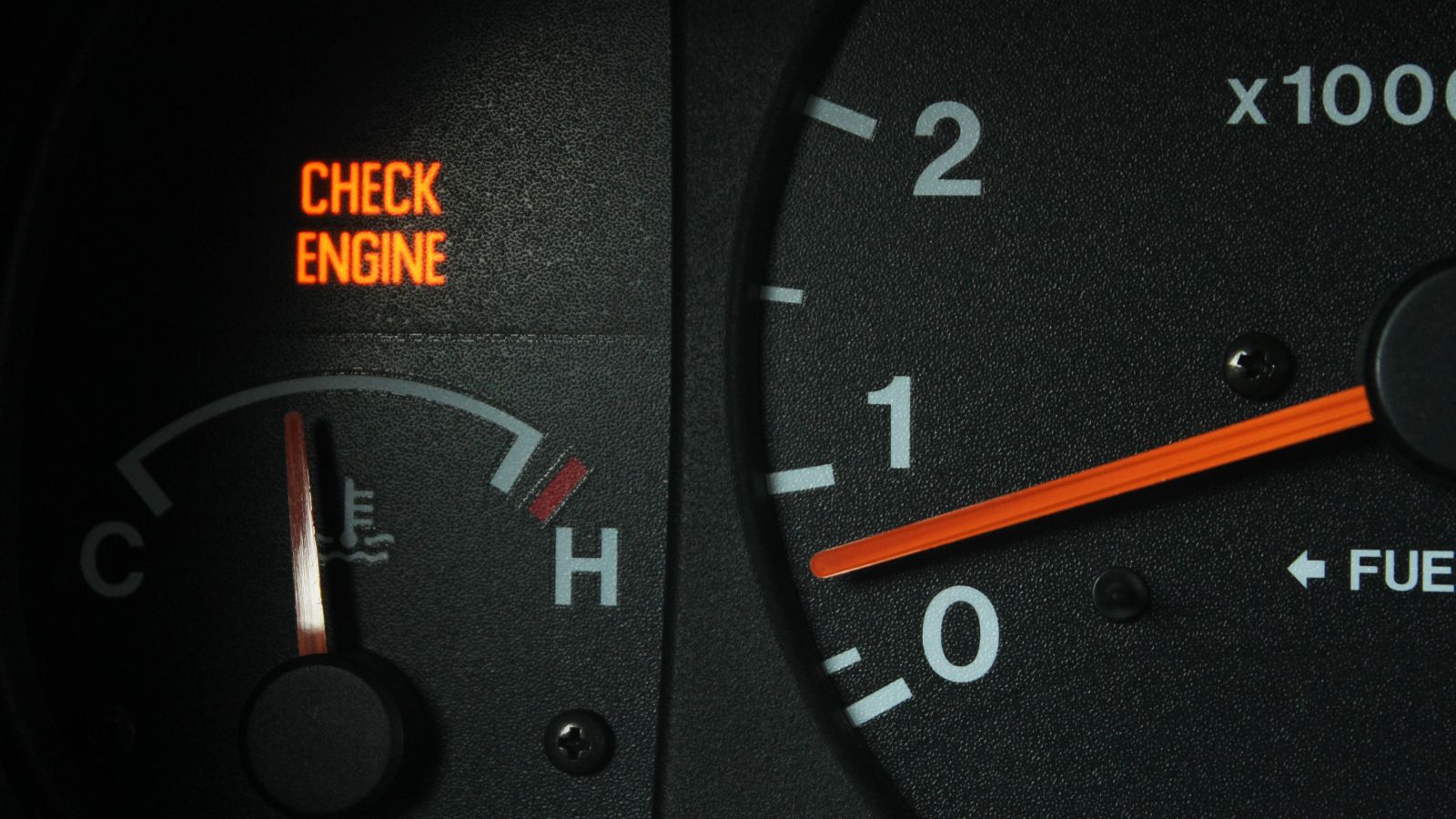
Persistent dashboard warnings make buyers assume the worst because one symbol can represent many repairs. The check-engine light may indicate a minor sensor issue, but it can also point to emissions, fuel, ignition, or catalyst problems. EPA explains that onboard diagnostics store trouble codes and illuminate a warning when it detects a malfunction needing service. Inspection programs use those systems to identify vehicles with excessive emissions.
A seller who clears codes before road testing may create greater concern because readiness monitors can show that the computer was recently reset. Buyers may wonder whether the light will return after several drive cycles. Airbag, ABS, stability-control, battery, and temperature warnings create uncertainty because they involve safety or expensive components. Vehicles required to pass emissions or safety inspection may not be registrable until repairs are completed. Fixing the fault and providing the diagnostic invoice is usually more persuasive than offering an unexplained discount.
Safety Recalls That Remain Open
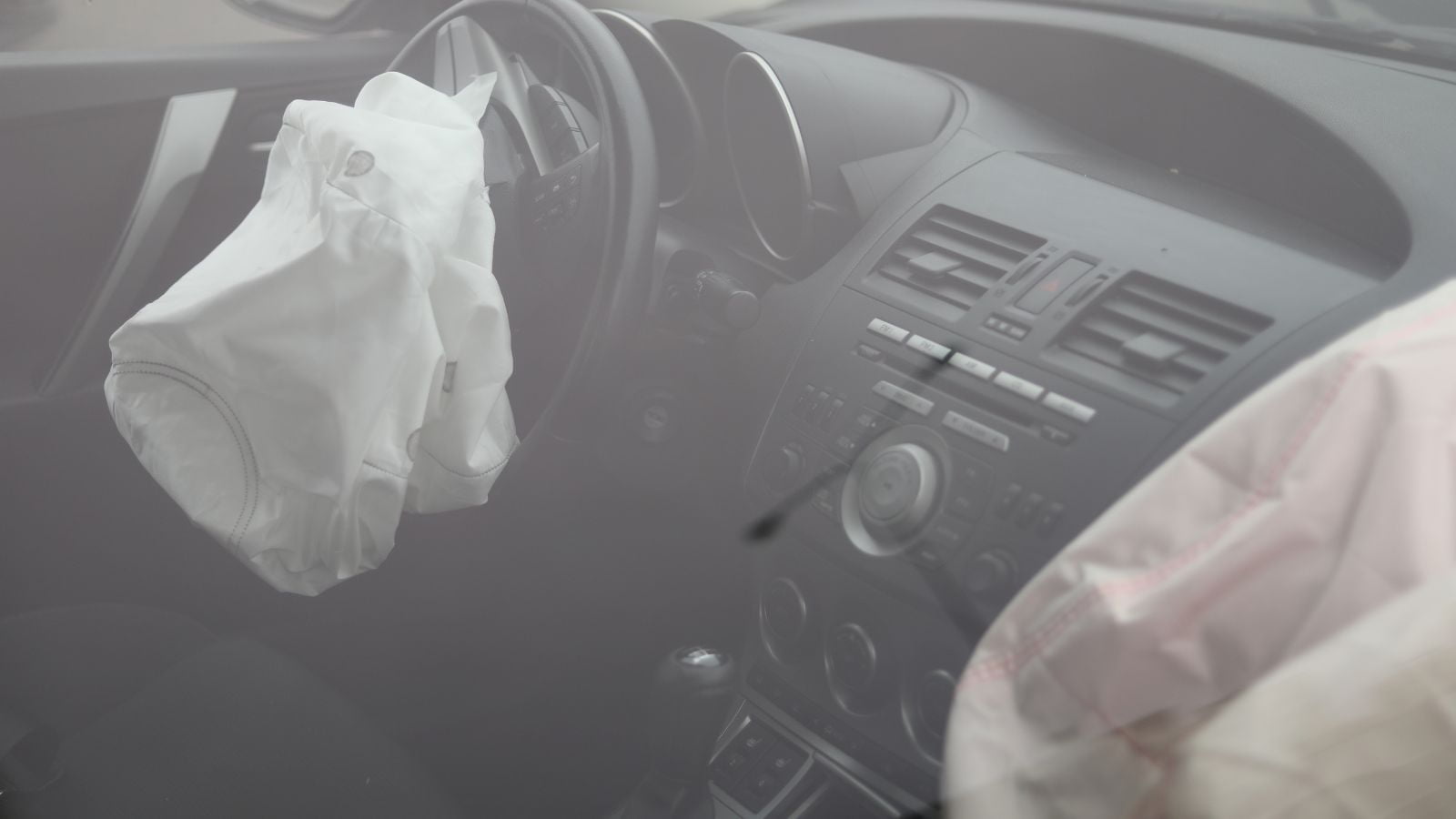
Open safety recalls can slow a sale even when the repair is free to complete. NHTSA reported 997 vehicle safety recalls affecting more than 29 million vehicles in 2025 and notes that millions of recalled vehicles remain unrepaired each year. A buyer checking the VIN hesitates if the vehicle still needs an airbag, fire-risk, braking, steering, or electrical remedy.
The practical obstacle is timing. Some recall parts are available immediately, while others require appointments, inspections, or waiting lists. A private buyer may not want to inherit that process, and a dealer may reduce an offer if it cannot be retailed promptly. Recall status can also revive concerns about whether prior owners ignored manufacturer notices. Completing recall work before listing removes an avoidable objection and creates a service record showing the remedy. When parts are unavailable, manufacturer or dealer documentation helps explain the delay, but it may not eliminate buyer caution.
Liens or Incomplete Ownership Documents

A vehicle cannot transfer cleanly when ownership paperwork is incomplete or a lender still has a legal interest in it. The FTC explains that a creditor may hold a lien on the title until the loan is paid. If the seller owes money, the payoff, lien release, title delivery, and sale must be coordinated correctly. Uncertainty can make a buyer fear payment will not produce ownership.
Lost titles, unsigned transfers, incorrect names, estate complications, unpaid fees, and mismatched vehicle identification numbers create similar delays. Private buyers are cautious because resolving paperwork after payment may require visits to lenders, registries, or motor-vehicle offices. Dealers may accept the problem but reduce the offer to cover time and risk. A seller who orders a replacement title, confirms the payoff amount, obtains written lien-release instructions, and checks documents before listing removes a major barrier. Mechanical condition matters little when ownership cannot be transferred confidently.
A Complicated Ownership or Fleet History

Multiple owners, short ownership periods, and former rental or fleet use can make a vehicle’s history look unpredictable. CARFAX says personal-use vehicles generally retain more value than fleet vehicles and adjusts valuations downward for fleet history. Its reports also treat owner count and prior use as pricing factors because each change adds another maintenance pattern, driving style, and documentation gap.
Former rental cars are not automatically poor purchases. Many receive scheduled maintenance and sell at competitive prices. The resale issue is perception: shoppers may picture many unfamiliar drivers, high annual mileage, airport use, curb damage, or hurried cleaning. A sequence of owners who kept the car briefly can also suggest recurring dissatisfaction, even when the explanation is harmless. Sellers can reduce concern with records, inspection results, and evidence of consistent care. Without that support, buyers often prefer a one-owner personal vehicle and expect a discount for the less certain history.
A Discontinued Model With Limited Support
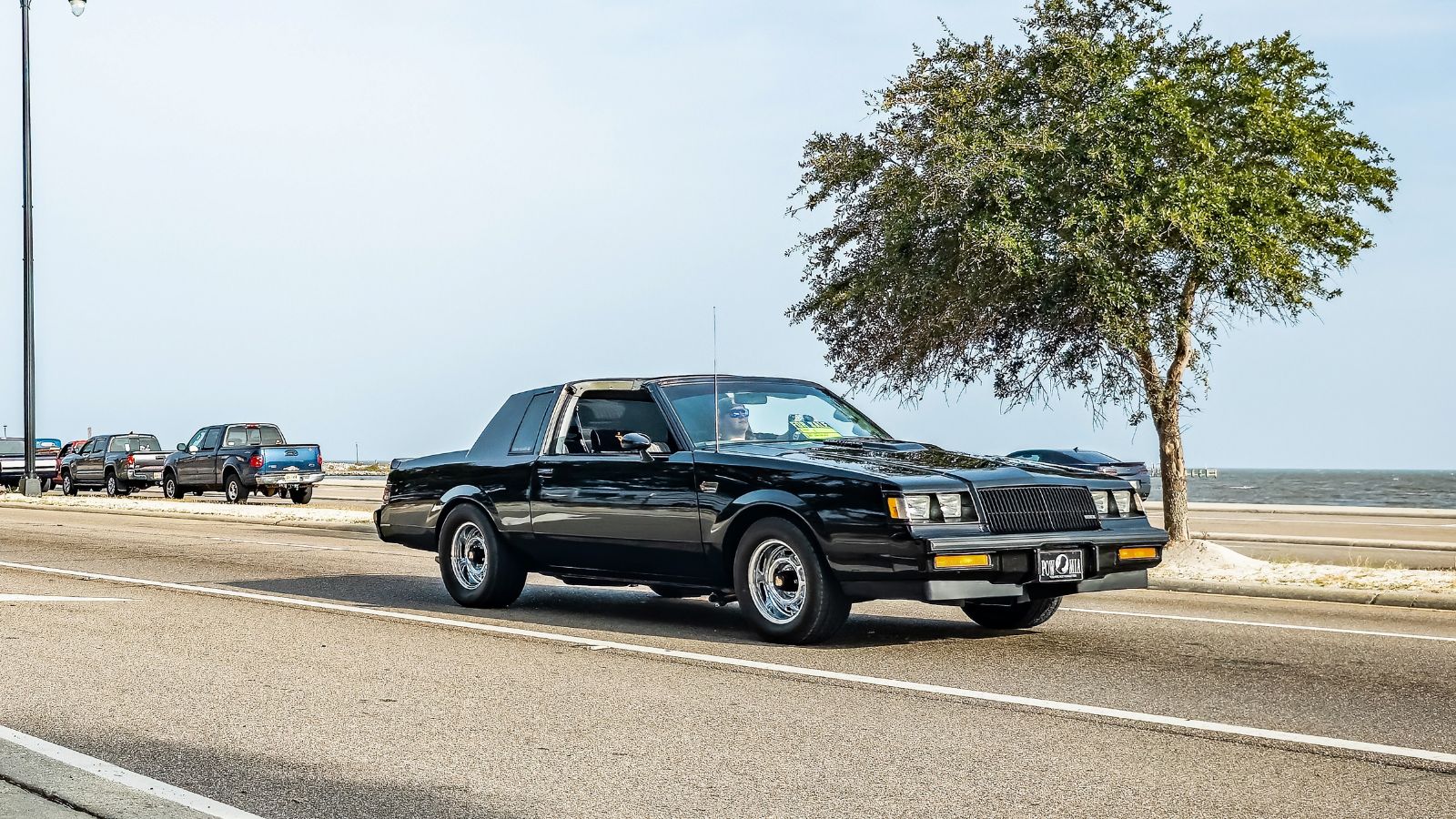
A discontinued model or abandoned brand can become harder to sell when buyers question parts, service expertise, software, or long-term demand. Consumer Reports has advised resale-conscious shoppers to be cautious about makes that may be phased out. The risk varies: discontinued models built from common components may remain easy to maintain, while low-volume vehicles with unique electronics or panels may be difficult to repair.
Perception matters before shortages appear. Buyers may worry that a damaged headlamp, infotainment module, trim piece, or collision sensor will require a long search or a used component. Independent shops may be less familiar with rare powertrains. Some discontinued vehicles develop strong enthusiast communities and stable values, when manufacturers continue support. Others lose demand because newer alternatives are easier to own. Keeping parts information, specialist contacts, service records, and evidence of shared components can reassure buyers, but an orphaned model usually still faces a smaller audience.
An EV Battery With No Health Documentation

An electric vehicle becomes harder to price when its battery condition is unknown. Battery health affects usable range, charging behavior, warranty confidence, and the risk of a major future expense. Geotab’s 2026 analysis of 22,700 electric vehicles found average annual degradation of about 2.3 percent, showing batteries usually decline gradually rather than fail suddenly. Individual vehicles can differ because of climate, chemistry, charging, and thermal management.
That variation makes documentation especially valuable. Dashboard range changes with weather and recent driving, so buyers seek battery-health reports, diagnostic data, remaining warranty coverage, and charging history. The Department of Energy has reported that battery replacements due to failure were rare among newer plug-in vehicles, but replacement outside warranty can be expensive. A seller with verifiable state-of-health information can distinguish a strong battery from an unknown one. Without it, buyers may assume the lower end of expected capacity and reduce offers accordingly.
Too Many Immediate Reconditioning Costs

A vehicle becomes less attractive when buyers can see an immediate shopping list before the test drive ends. Bald or mismatched tires, worn brakes, cracked glass, cloudy lamps, broken switches, missing trim, and a lost spare key all create near-term costs. Consumer Reports notes that damage and reconditioning expense affect overall vehicle value, while AAA advises used-car shoppers to factor low tire tread and missing keys into negotiations before making a final offer.
Modern electronic keys magnify the problem. AAA reports that replacement fobs can range from about $50 to $1,500 depending on vehicle and technology. Premium tires, driver-assistance calibration, adaptive lighting, and electronic modules can turn small defects into expensive repairs. Buyers rarely count only parts; they include time, inconvenience, and the possibility that other neglect remains undiscovered. Completing basic reconditioning before listing, or pricing it transparently with estimates, prevents minor faults from making the vehicle appear neglected.
22 Things Canadians Do to Their Cars in Spring That Mechanics Hate

Spring brings relief to many Canadian drivers after months of snow, freezing temperatures, and icy roads that put serious strain on vehicles. As temperatures rise across the country, drivers begin washing cars, switching tires, and preparing vehicles for warmer weather and upcoming road trips. However, mechanics across Canada notice the same mistakes every spring when drivers attempt to recover from winter damage. Road salt, potholes, and harsh winter driving conditions often leave vehicles with hidden problems that drivers ignore. Some spring habits even create new mechanical issues that could have been avoided with proper maintenance. Here are 22 things Canadians do to their cars in spring that mechanics hate.

Alanna Rosen is an experienced content writer that focuses on many EV and educational content. Her articles are regularly published on Get CyberTrucked and syndicated on large publications.