A “safe” SUV can look like the responsible family purchase: strong crash protection, modern driver-assistance features, all-wheel drive, and enough space for everyday life. The surprise often arrives after the keys change hands, when the insurance quote reflects risks that were barely mentioned at the dealership.
Insurers do not price vehicles by reputation alone. They consider theft frequency, repair bills, claims history, location, driver profiles, usage, coverage choices, and broader market losses. That creates an insurance trap in which a vehicle chosen partly for peace of mind can cost far more to protect than expected. These 12 factors explain why the safest-looking choice on the lot is not automatically the least expensive SUV to insure in Canada.
Crash Safety and Insurance Risk Use Different Scorecards
Crash protection matters, but it answers a different question from insurance pricing. Safety standards and driver-assistance systems are designed to reduce collisions or protect occupants when a crash happens. An insurer, however, must also estimate how often a particular vehicle generates claims and how expensive those claims are. Canada’s CLEAR system considers safety equipment alongside the cost of repairing or replacing a specific make, model, and year. A vehicle can therefore perform well in a collision while remaining costly to insure.
That distinction catches buyers who treat a strong safety reputation as a promise of a low premium. Consider a household replacing an older sedan with a well-reviewed SUV for school runs and winter travel. The newer vehicle may offer better occupant protection, yet carry more expensive body panels, lighting, electronics, and replacement value. The family bought genuine safety benefits, but the insurer sees a larger potential payout. “Safe” and “cheap to insure” can overlap, but one never guarantees the other.
Popular “Safe” SUVs Can Also Be Theft Magnets
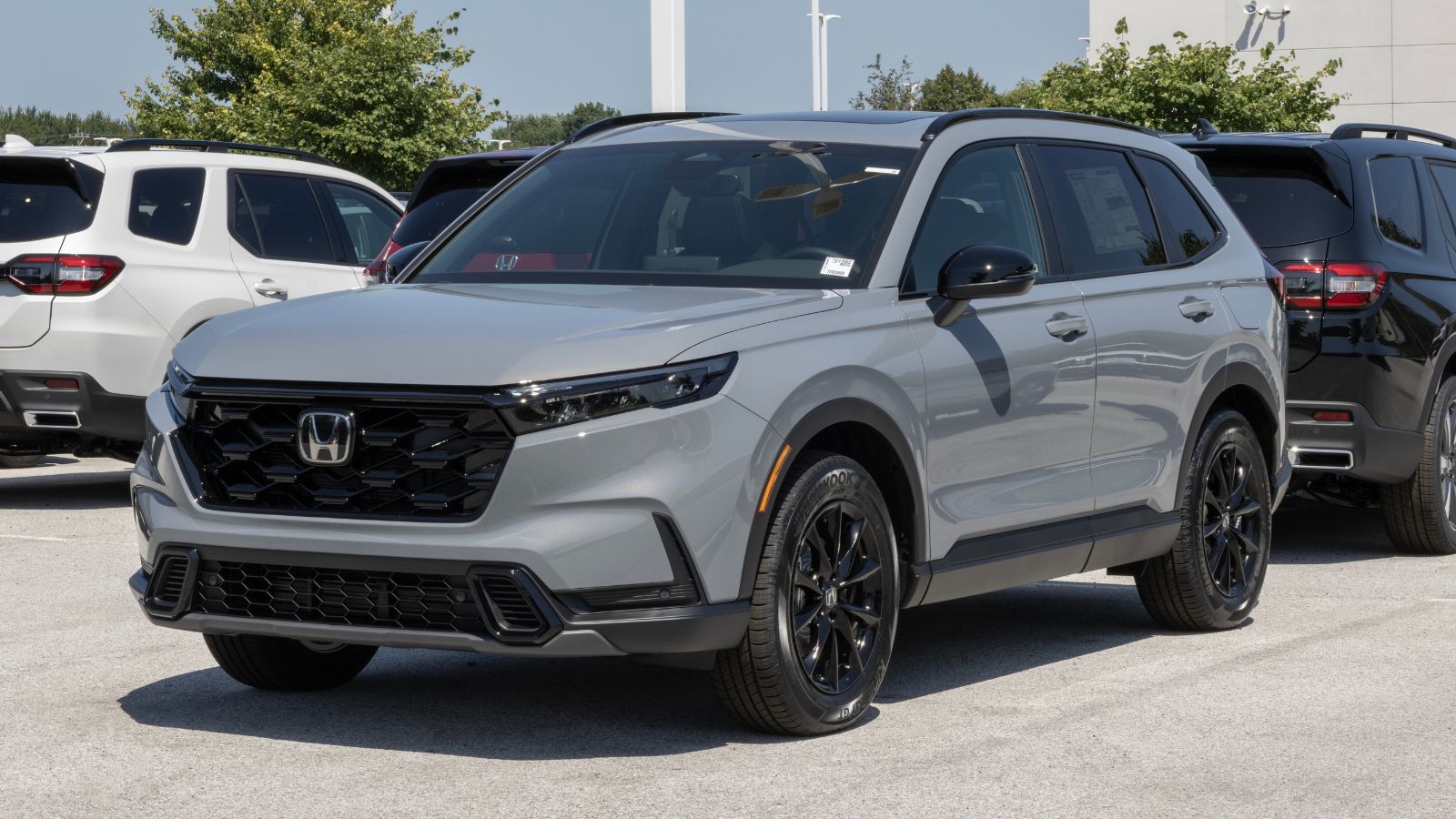
The same traits that make an SUV desirable to a family can make it attractive to organized thieves: strong resale value, global demand, interchangeable parts, and widespread dealer support. Équité Association reported that the Toyota RAV4 became Canada’s most-stolen vehicle in its latest annual ranking, with more than 2,000 thefts recorded for the 2024 calendar year. Newer SUVs with keyless-entry vulnerabilities have remained prominent targets, especially in Ontario and Quebec.
The insurance consequence is not a judgment about whether an owner parks carefully. It is a statistical response to the claims experience of that exact vehicle and the area where it is kept. Even as national theft declined in 2025, Équité estimated that theft-related insurance claims still totalled about $900 million. A buyer may leave the dealership thinking mainly about crash avoidance, then discover that comprehensive coverage is being priced around theft exposure. In some cases, insurers may also ask about approved anti-theft measures before offering their best terms.
Safety Technology Can Turn Minor Damage Into a Major Repair
Modern SUVs often place radar units, parking sensors, cameras, and lighting modules in areas that absorb everyday impacts. A low-speed parking collision that once required a bumper cover may now involve sensor brackets, wiring, diagnostic scans, and calibration. Windshield-mounted cameras can also require recalibration after glass replacement. Transport Canada notes that advanced driver-assistance technologies are becoming increasingly common, while its guidance recognizes calibration and system checks as part of keeping automated functions operating as intended.
This is where a safety feature creates an insurance paradox. Automatic emergency braking or lane support may help prevent some crashes, but the hardware behind those systems can increase the cost of the crashes that still occur. Picture a winter incident in which an SUV slides into a snow-hidden post. The exterior damage looks modest, yet the repair estimate includes a radar unit and manufacturer-specified calibration. Insurers price repeated real-world claims, not just visible dents. More technology can make the vehicle safer to drive and more expensive to restore correctly.
Financing Can Make Optional Coverage Effectively Mandatory
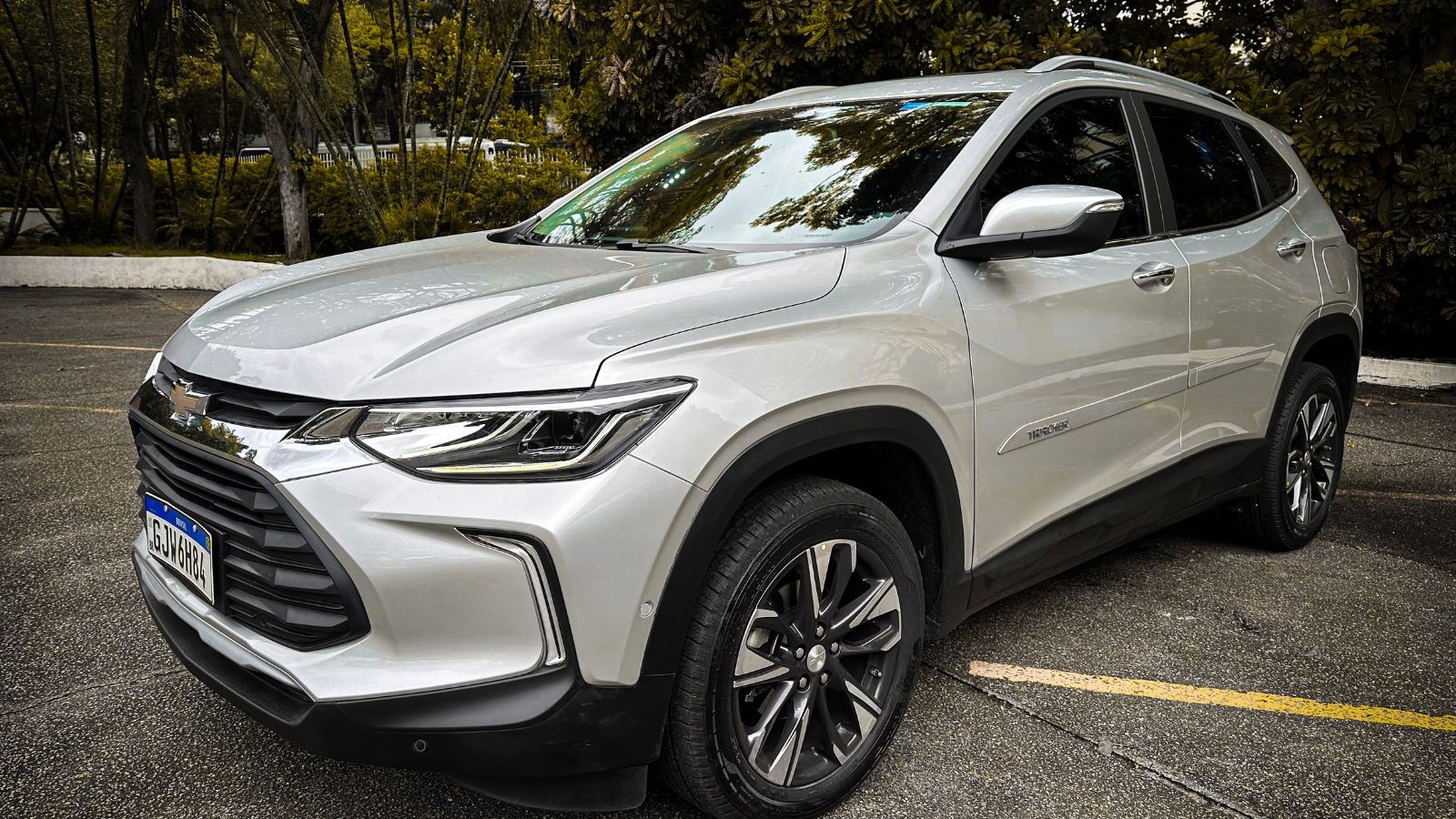
Provincial law sets the minimum auto insurance a driver must carry, and those requirements differ across Canada. A lender or leasing company can impose a separate contractual requirement. Collision and comprehensive coverage may be optional under provincial insurance rules, yet a financed or leased SUV will commonly need physical-damage protection because another party still has a financial interest in the vehicle. Canadian insurance organizations and provincial regulators warn consumers that lenders may require such coverage.
This can make the post-purchase quote look dramatically different from the optimistic estimate used during shopping. A buyer may have budgeted for basic insurance, only to learn that the loan agreement requires protection against collision, theft, vandalism, hail, and other losses. The gap is especially noticeable on a new SUV with a high replacement value or elevated theft risk. The vehicle’s safety features do not remove the lender’s exposure. Until the loan is paid, dropping expensive optional coverage may not be a realistic way to reduce the premium without breaching the financing agreement.
The Expensive Trim May Be Rated Differently From the Base Model
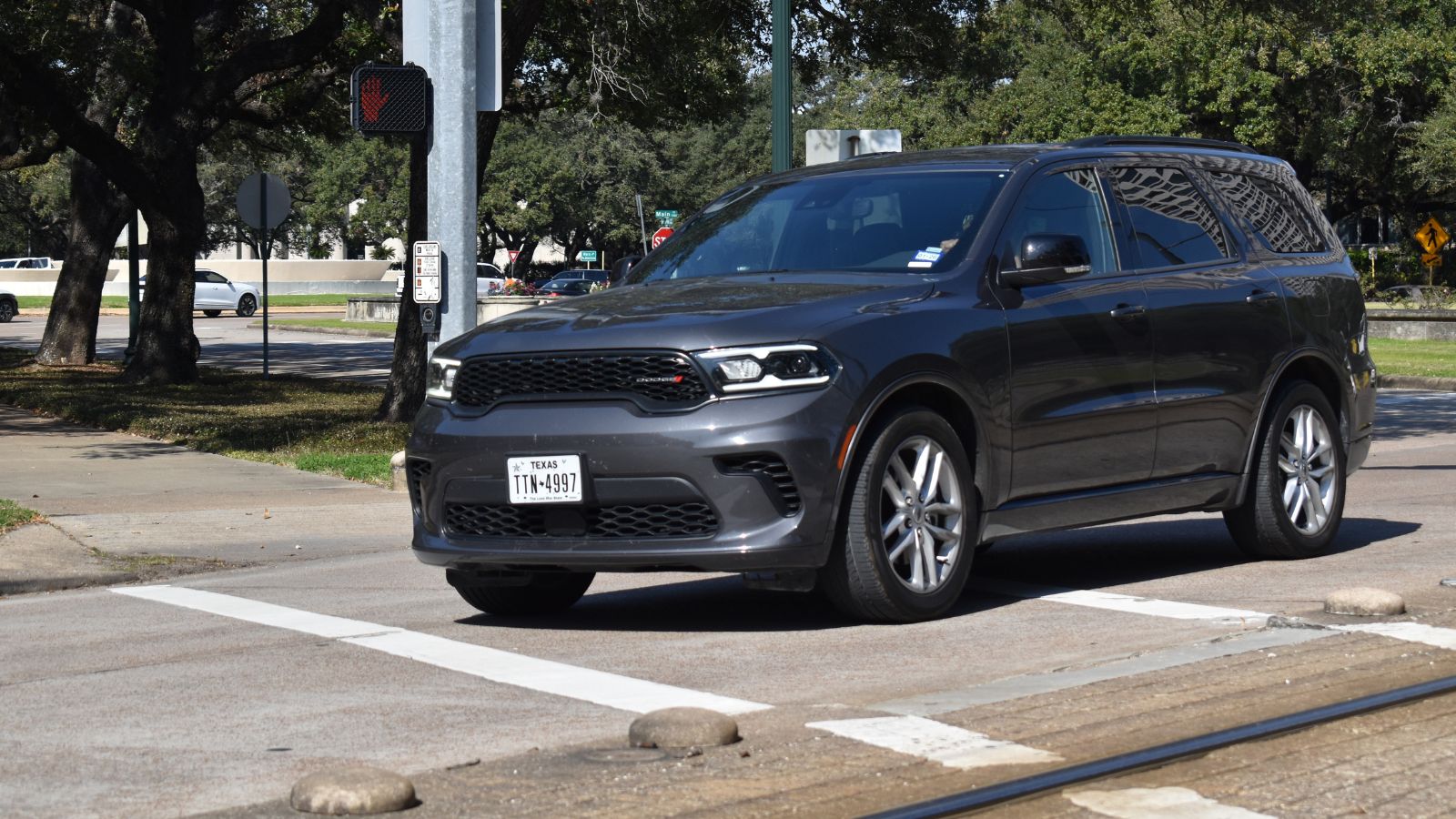
Advertising usually presents an SUV as one product, but insurers price the specific vehicle being purchased. Make, model, year, value, safety equipment, repair cost, and replacement cost all matter. The base version featured in an online insurance estimate may not match the luxury trim on the sales contract. Larger wheels, panoramic glass, adaptive lighting, premium cameras, power-folding seats, and specialized exterior pieces can all increase the amount at stake in a claim.
A familiar dealership moment illustrates the problem. A buyer starts with the practical trim, then accepts an upgrade because it adds blind-spot monitoring, a surround-view camera, and a more comfortable interior. Those features may improve daily usability and some aspects of safety, but they also add components that can be damaged or stolen. The final quote can therefore be higher than the rough figure attached to the base model. The trap is not the upgrade itself; it is assuming that every version carrying the same SUV nameplate produces the same insurance result.
The Postal Code Can Outweigh the Safety Badge
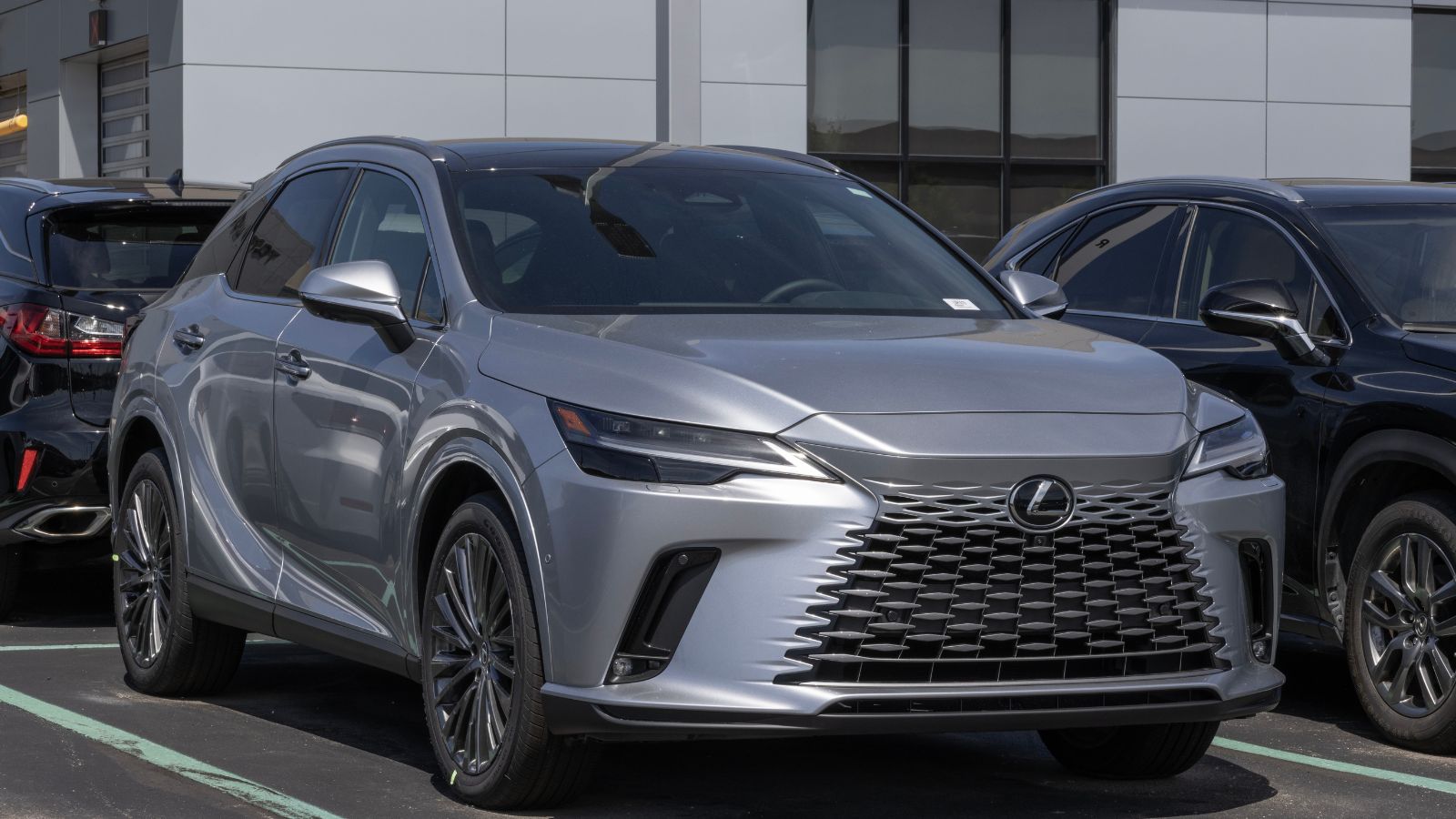
Where an SUV is garaged is a major rating factor in both private and public insurance systems. Ontario’s regulator lists location among the characteristics used to determine premiums. Alberta’s regulator includes where a driver lives in its rate formula, while ICBC uses territory and rate class. Manitoba Public Insurance similarly groups customers partly by area, vehicle type, and vehicle use. Local theft, collision frequency, traffic density, repair costs, and claim patterns can influence the result.
That means two households can insure the same “safe” SUV at noticeably different prices without either driver doing anything wrong. One may keep it in a low-claim community with private parking; another may live in a dense urban area where theft and collision claims are more frequent. The manufacturer’s safety package is identical, but the surrounding risk is not. Buyers who rely on a friend’s premium, an online forum, or a national average can be badly misled. A realistic quote must use the actual address where the SUV will normally be kept.
The Household’s Drivers May Matter More Than the Vehicle
A vehicle is only one part of the insurance calculation. Driving experience, crash history, convictions, age-related rating rules, and the people who regularly operate the SUV can materially change the premium. ICBC explicitly considers who drives the vehicle, driving experience, and crash history. Alberta’s regulator likewise identifies age, past claims, driving history, and vehicle type among the factors used to calculate a rate.
This becomes important when an SUV is purchased as the “family car.” A parent with decades of claim-free driving may obtain an attractive preliminary quote, then add a newly licensed teenager who will use the vehicle for school or work. The final premium can rise even though the SUV has excellent crash-avoidance technology. The insurer is pricing the combined risk presented by the vehicle and its drivers. Omitting a regular driver to preserve a lower price can create serious problems at claim time. The accurate cost is the quote that includes everyone who will actually use the SUV.
Family Use Can Quietly Change the Rating Class
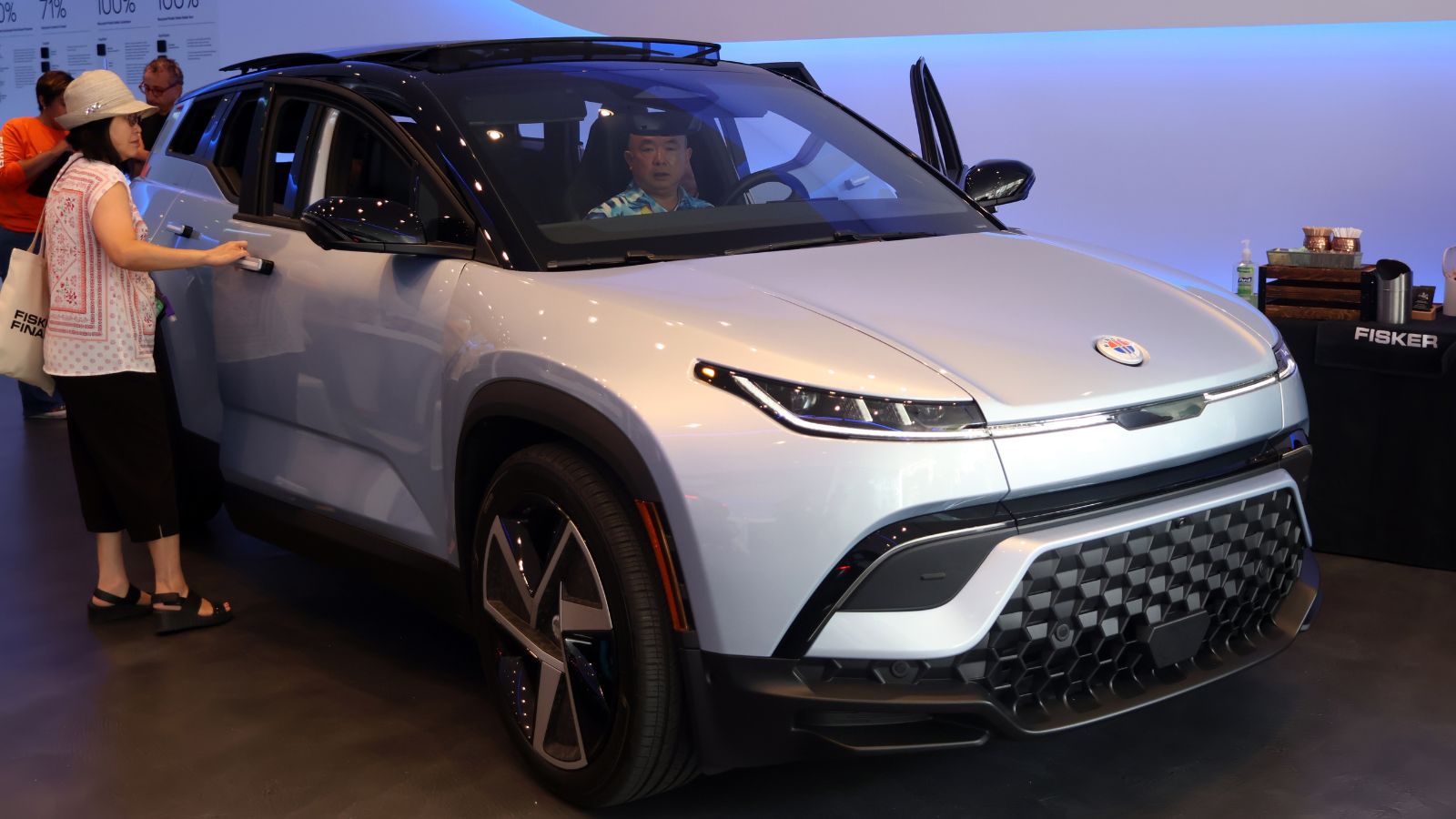
Insurers ask how a vehicle will be used because pleasure driving, commuting, business travel, delivery work, and annual kilometres do not create identical exposure. Alberta’s consumer guidance lists commuting or commercial use and yearly distance among rating factors. ICBC treats territory and rate class as key inputs, while Manitoba Public Insurance warns that having the wrong vehicle-use classification can affect whether coverage applies.
The “safe family SUV” can quickly become the hardest-working vehicle in the household. It may handle a daily commute, daycare runs, hockey tournaments, weekend highway trips, and occasional work appointments. Each activity seems ordinary, but together they can push annual distance well beyond the estimate provided when the policy was arranged. A later move to ridesharing or food delivery creates an even more significant change because standard personal coverage may exclude some commercial uses. The trap is assuming that family-oriented use is automatically low risk. Insurers need the real pattern, not the original intention described at purchase.
A Safety Discount May Be Smaller Than the Underlying Surcharge
Some insurers and public plans recognize particular safety or anti-theft features with discounts. ICBC, for example, notes a discount for qualifying autonomous emergency braking, although the feature must be declared and confirmed at renewal. Usage-based insurance programs may also reward measured driving behaviour. These savings are real, but they are applied within a broader pricing system that still considers theft, repair severity, vehicle value, location, and driver history.
A modest discount can therefore coexist with a high total premium. Imagine an SUV receiving credit for emergency braking while also belonging to a theft-prone model line with costly headlights and sensors. The discount reduces the price from what it otherwise would have been; it does not guarantee that the final number will be low. Dealership language can make a feature sound as though it will “lower insurance,” yet the amount and eligibility depend on the insurer. Buyers need the complete quote, not a general promise that the vehicle contains insurance-friendly technology.
A Cheap Quote May Be Hiding a Large Deductible or Thin Coverage
Premium comparisons are meaningful only when the coverage limits, endorsements, and deductibles match. Collision, comprehensive, specified-perils, and all-perils coverage respond to different losses, and each may carry a deductible. A higher deductible usually shifts more of the first part of a loss to the policyholder. The annual premium can look appealing, but the household may face a substantial bill after a stolen vehicle, damaged windshield, parking-lot hit-and-run, or at-fault crash.
This is especially risky with an expensive SUV because even seemingly minor claims can exceed a family’s emergency savings. A quote with a $2,000 collision deductible should not be compared as though it were identical to one with a $500 deductible. Nor should a basic policy be compared with a financed-vehicle package containing collision, comprehensive, replacement-cost protection, and rental coverage. The trap is celebrating the lowest premium before checking what was removed or transferred back to the owner. Insurance value is the combination of price, protection, exclusions, and out-of-pocket exposure.
The Purchase-Day Premium Is Not Guaranteed at Renewal
Auto insurance pricing changes as insurers receive new claims data and regulators approve rate filings where required. Ontario’s regulator maintains a database of approved insurer rate changes and explains that the effect is generally seen when policies renew. A clean driving record can help, but it does not isolate one household from rising theft losses, repair inflation, severe-weather claims, or a model’s worsening claims experience.
The wider trend has already been visible. Statistics Canada reported that passenger-vehicle insurance premiums rose 23.9% from December 2019 to December 2025, outpacing the 21.0% increase in the overall Consumer Price Index. That does not mean every driver experienced the same increase, but it shows why a comfortable first-year quote should not be treated as a permanent ownership cost. A newly popular SUV can become more expensive to insure after thieves target it or repair data deteriorates. The safe budgeting approach leaves room for renewal changes and compares the market again before automatically accepting the next term.
Buying Before Quoting Removes the Best Point of Leverage

The most avoidable version of this trap happens when the insurance check comes after the sales contract. Once the deposit is paid, financing is arranged, and a trade-in is committed, an unexpectedly high premium becomes difficult to escape. Insurance Bureau of Canada advises drivers to compare premiums before buying because make, model, and year can materially affect rates. Ontario’s regulator also provides tools and guidance for obtaining realistic quotes.
The useful comparison is not a generic estimate for “a midsize SUV.” It should use the exact model year and trim—or the vehicle identification number when available—the real garaging address, all regular drivers, expected kilometres, intended use, matching liability limits, matching deductibles, and the coverages required by the lender. Buyers should also ask whether theft-prevention equipment changes the quote and whether any discount must be renewed or documented. A fifteen-minute insurance call before signing can expose a cost difference that years of fuel savings or dealership incentives may never recover.
22 Things Canadians Do to Their Cars in Spring That Mechanics Hate
Spring brings relief to many Canadian drivers after months of snow, freezing temperatures, and icy roads that put serious strain on vehicles. As temperatures rise across the country, drivers begin washing cars, switching tires, and preparing vehicles for warmer weather and upcoming road trips. However, mechanics across Canada notice the same mistakes every spring when drivers attempt to recover from winter damage. Road salt, potholes, and harsh winter driving conditions often leave vehicles with hidden problems that drivers ignore. Some spring habits even create new mechanical issues that could have been avoided with proper maintenance. Here are 22 things Canadians do to their cars in spring that mechanics hate.

Alanna Rosen is an experienced content writer that focuses on many EV and educational content. Her articles are regularly published on Get CyberTrucked and syndicated on large publications.