A vehicle does not need extreme mileage to start feeling tired. Often, the impression comes from dozens of small changes: a faint vibration at idle, a steering wheel that no longer tracks cleanly, headlights that look dull, or a driver’s seat that has slowly lost its shape. None may seem dramatic alone, yet together they can make a relatively modern car feel a decade older.
These 20 reasons explain how neglected maintenance, gradual wear, cabin deterioration, and cosmetic aging alter the way a car sounds, responds, and feels. Many are correctable without replacing the vehicle, but several can also signal safety concerns that deserve prompt inspection. The key is separating normal aging from problems that quietly undermine comfort, confidence, and performance.
The Tires Have Lost Their Freshness
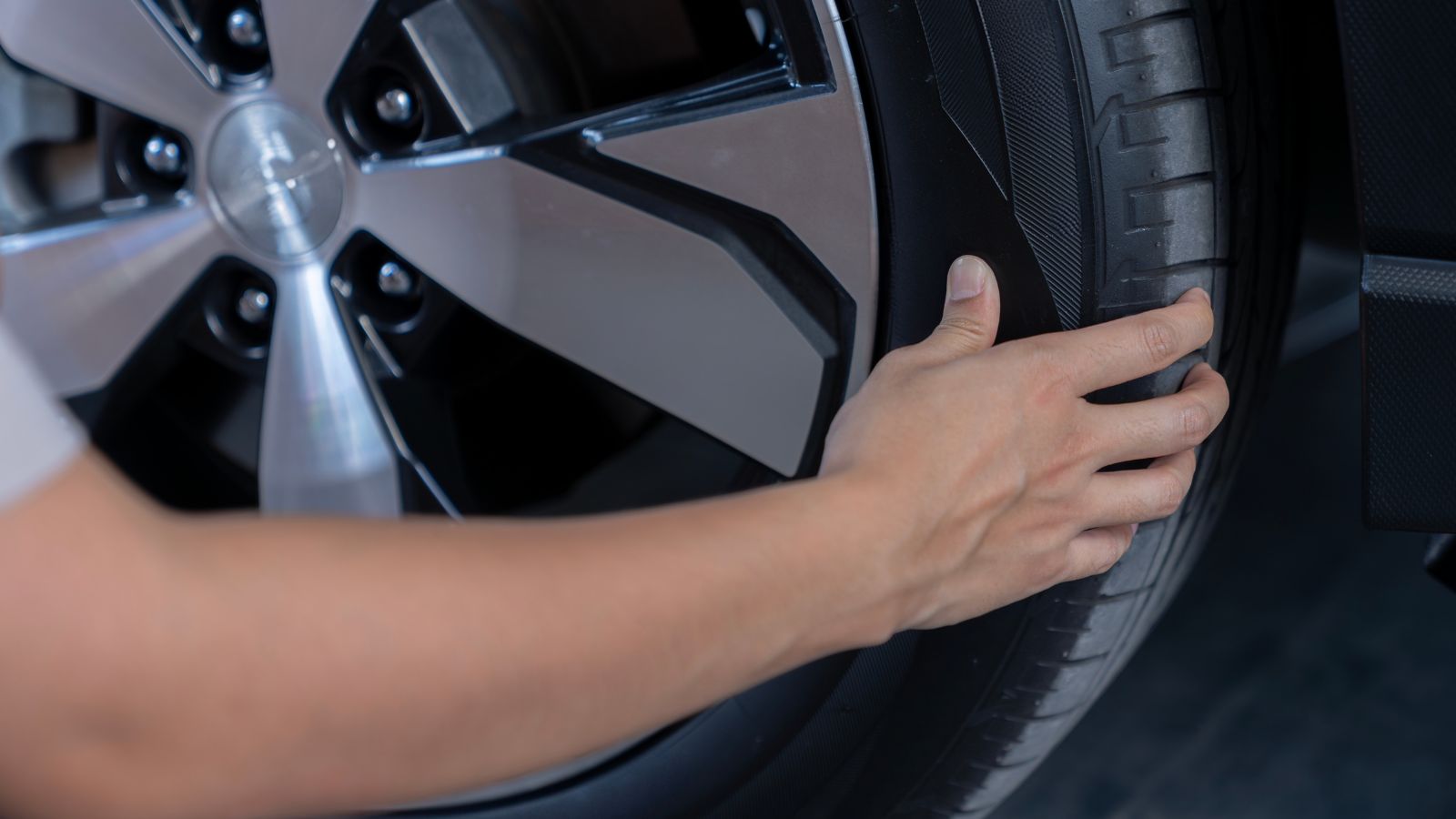
Tires can make a five-year-old car feel fifteen years old. Low pressure softens steering response, increases rolling resistance, and can make the vehicle feel reluctant to change direction. Uneven pressure from side to side may also create a subtle pull. NHTSA notes that proper inflation improves handling and can extend tire life by thousands of miles, while aging rubber becomes more vulnerable even when tread remains visible.
The problem is not always obvious from the driver’s seat. A commuter may simply notice more road noise, harsher impacts, or a vague floating sensation on the highway. Tires can harden with age, develop flat spots after long storage, or wear into noisy patterns because of neglected rotation. Checking cold pressures, tread depth, sidewall condition, and the four-digit DOT date code often reveals why an otherwise healthy car suddenly feels heavy, noisy, or less settled before blaming the vehicle’s age or suspension system.
The Wheels Are Out of Alignment or Balance
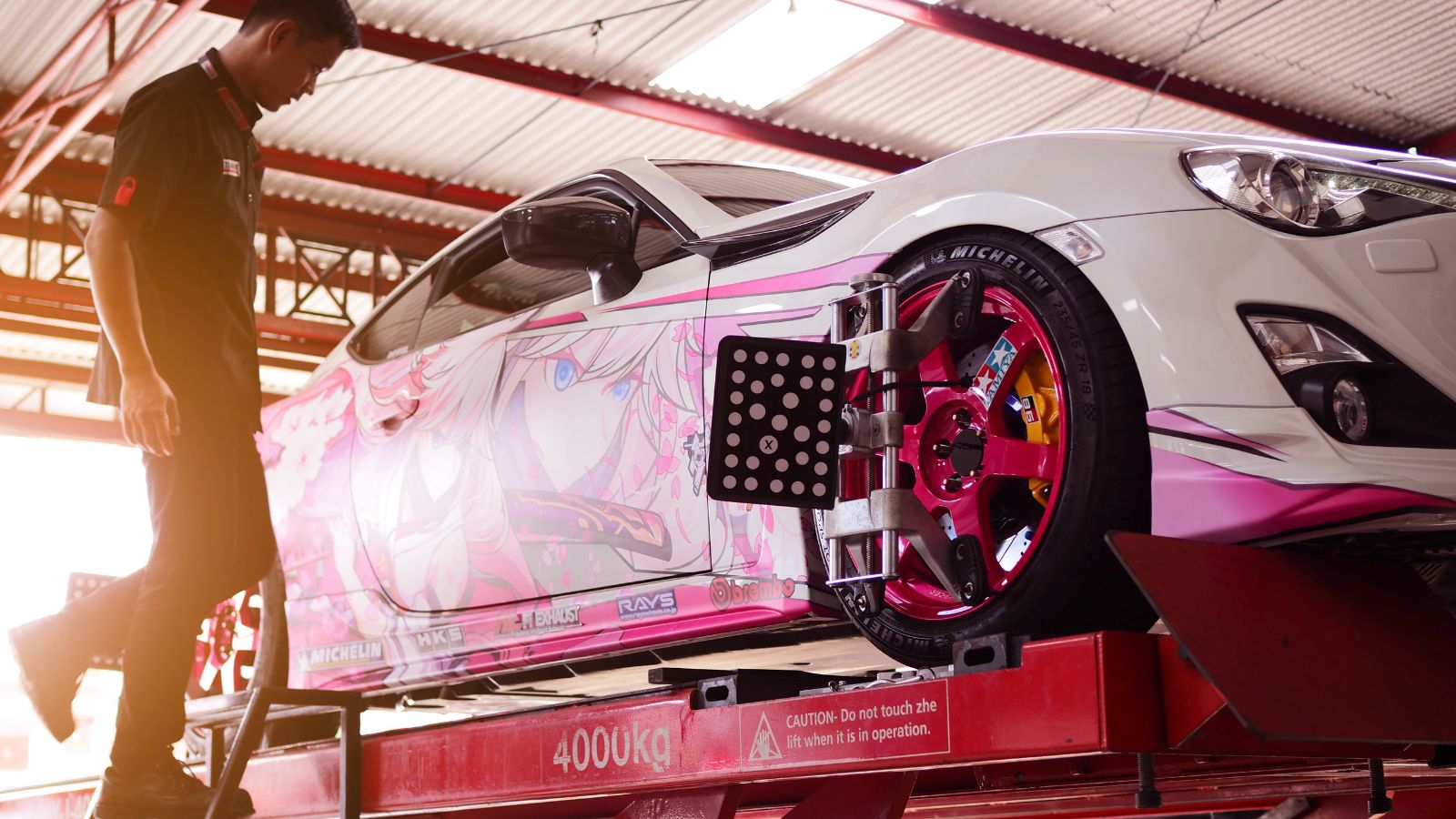
A car that constantly needs tiny steering corrections rarely feels young. Misalignment changes the angles at which the tires meet the road, causing pulling, reduced steering precision, and edge wear. An out-of-balance wheel creates a different problem: vibration that usually grows with speed and can travel through the steering wheel, seat, or floor. Michelin identifies pulling, instability, uneven wear, and vibration as common reasons to inspect alignment and balance.
One pothole can be enough to start the decline. A driver may compensate unconsciously for months, holding the wheel slightly off-center and accepting a faint tremor at highway speed as normal aging. Meanwhile, the tires scrub or bounce instead of rolling cleanly. Correcting the geometry and balance can make a familiar car feel unexpectedly composed again. Damaged tires, bent wheels, or worn suspension parts should be addressed first so the improvement lasts and repeat tire damage is less likely over time.
The Shocks or Struts Are No Longer Controlling Motion
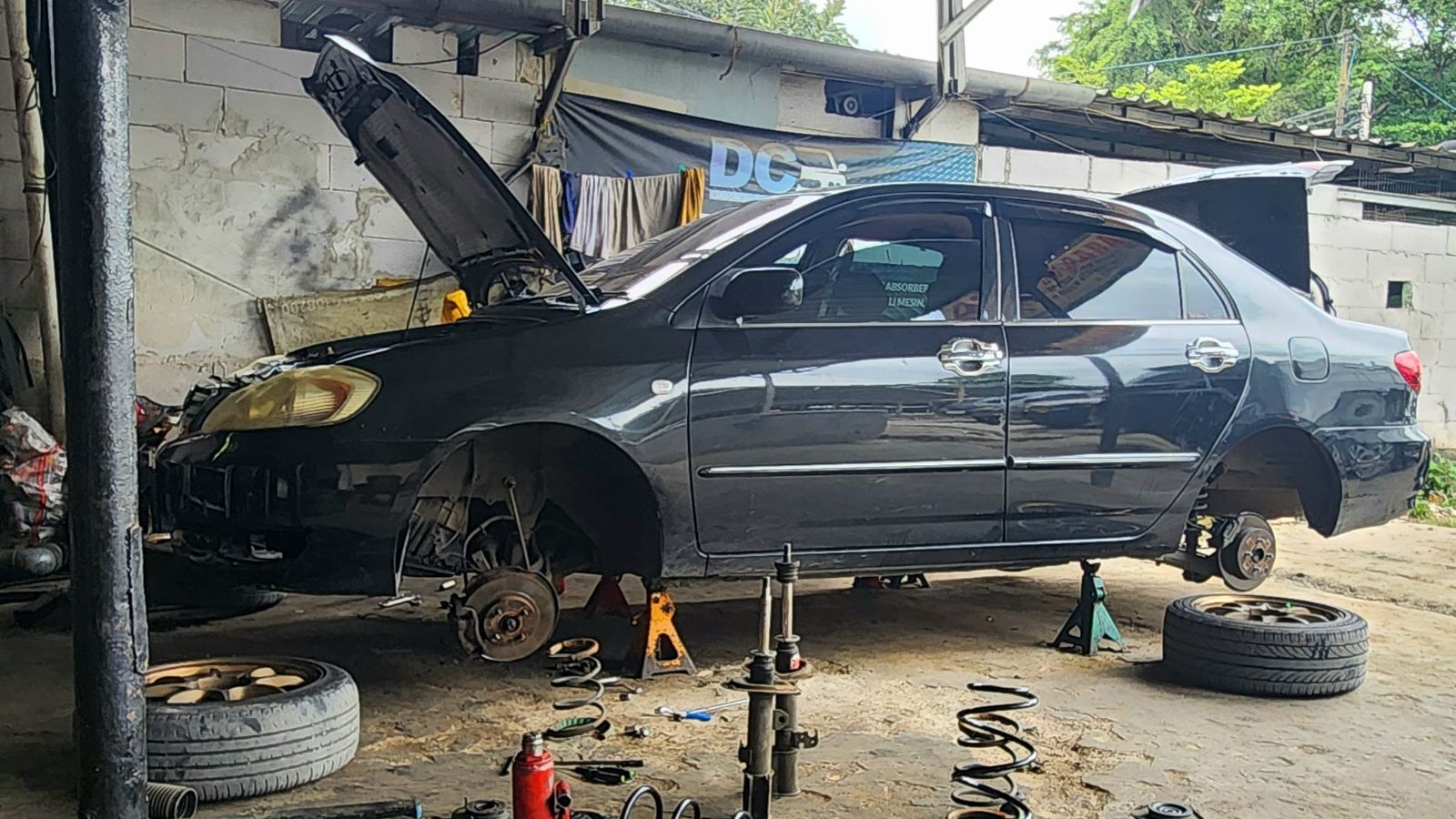
Shock absorbers and struts do more than soften bumps; they control how quickly the body and wheels move after every dip, turn, brake application, and acceleration event. As damping weakens, the car may bob after a crest, dive under braking, squat when accelerating, or lean more heavily in corners. SAE research has examined how worn dampers affect vehicle stability and handling, confirming that the change is not merely cosmetic.
The aging often happens gradually, so the driver adapts. A route that once felt smooth begins to produce repeated body motions, and passengers may describe the ride as “boat-like” or unsettled. Tire cupping can add a rhythmic roar, making the cabin seem even older. Fresh dampers cannot repair every suspension fault, but restoring proper control frequently sharpens steering, calms body movement, and reduces the loose, exhausted character that makes a modestly used vehicle feel worn out without changing the car itself.
The Suspension Joints and Bushings Have Developed Play
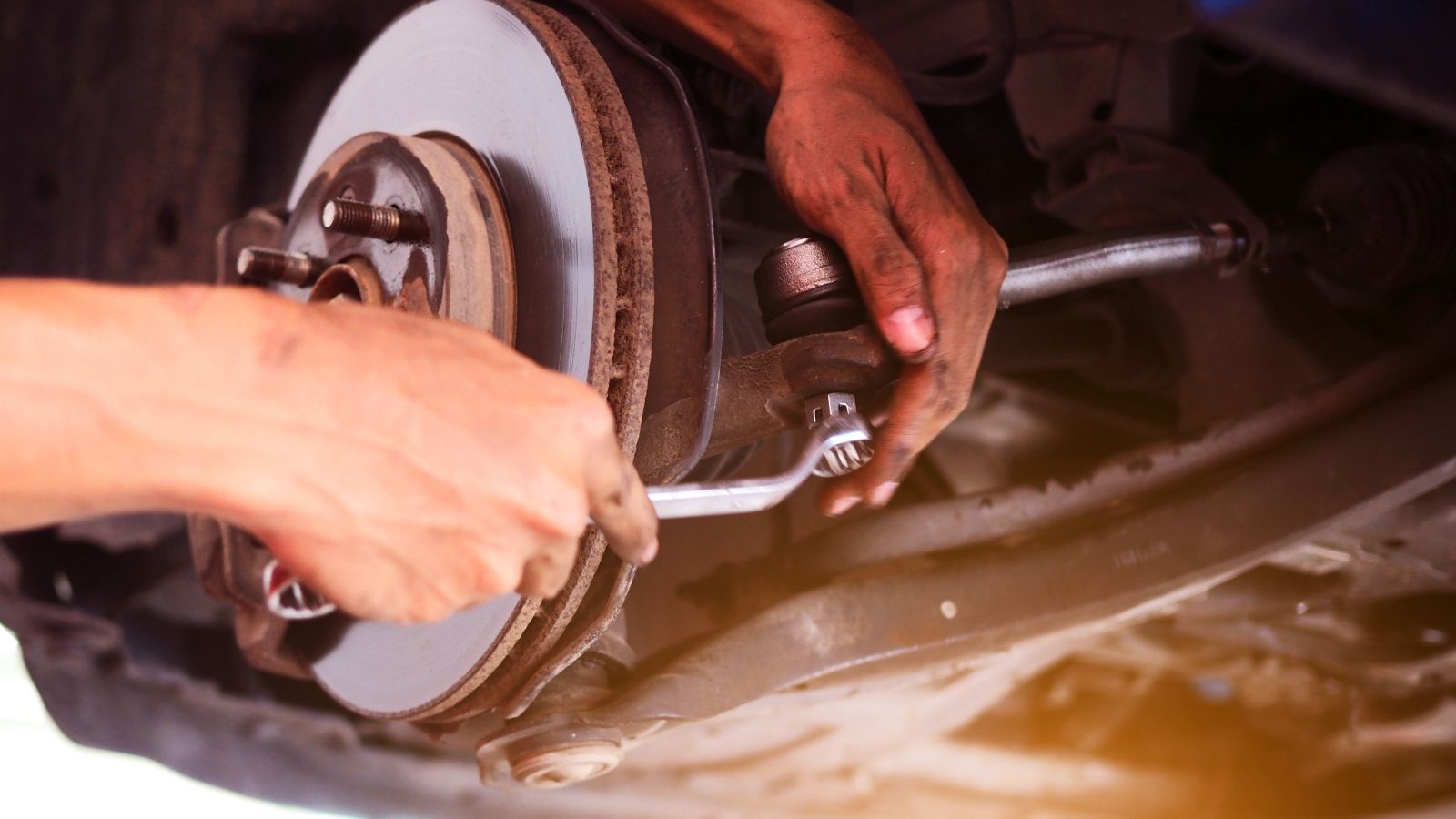
Rubber bushings, ball joints, and tie-rod ends isolate vibration while keeping the wheels accurately located. As these parts crack, soften, or loosen, the front end may clunk over broken pavement, wander in a straight line, shimmy after bumps, or respond to steering inputs with a slight delay. MOOG lists vibration, looseness, pulling, uneven tire wear, and knocking sounds among common signs of worn steering and suspension components.
These symptoms can make every trip feel like driving an older generation of vehicle. A small amount of play at several joints compounds into a vague, disconnected sensation, even when no single part has completely failed. Owners sometimes replace tires repeatedly without correcting the worn component that damaged them. A proper inspection under load is important because some joints can appear tight when the suspension hangs freely. Restoring those connections often removes rattles and brings back the precise, one-piece feel the car had when newer.
A Wheel Bearing Is Beginning to Wear
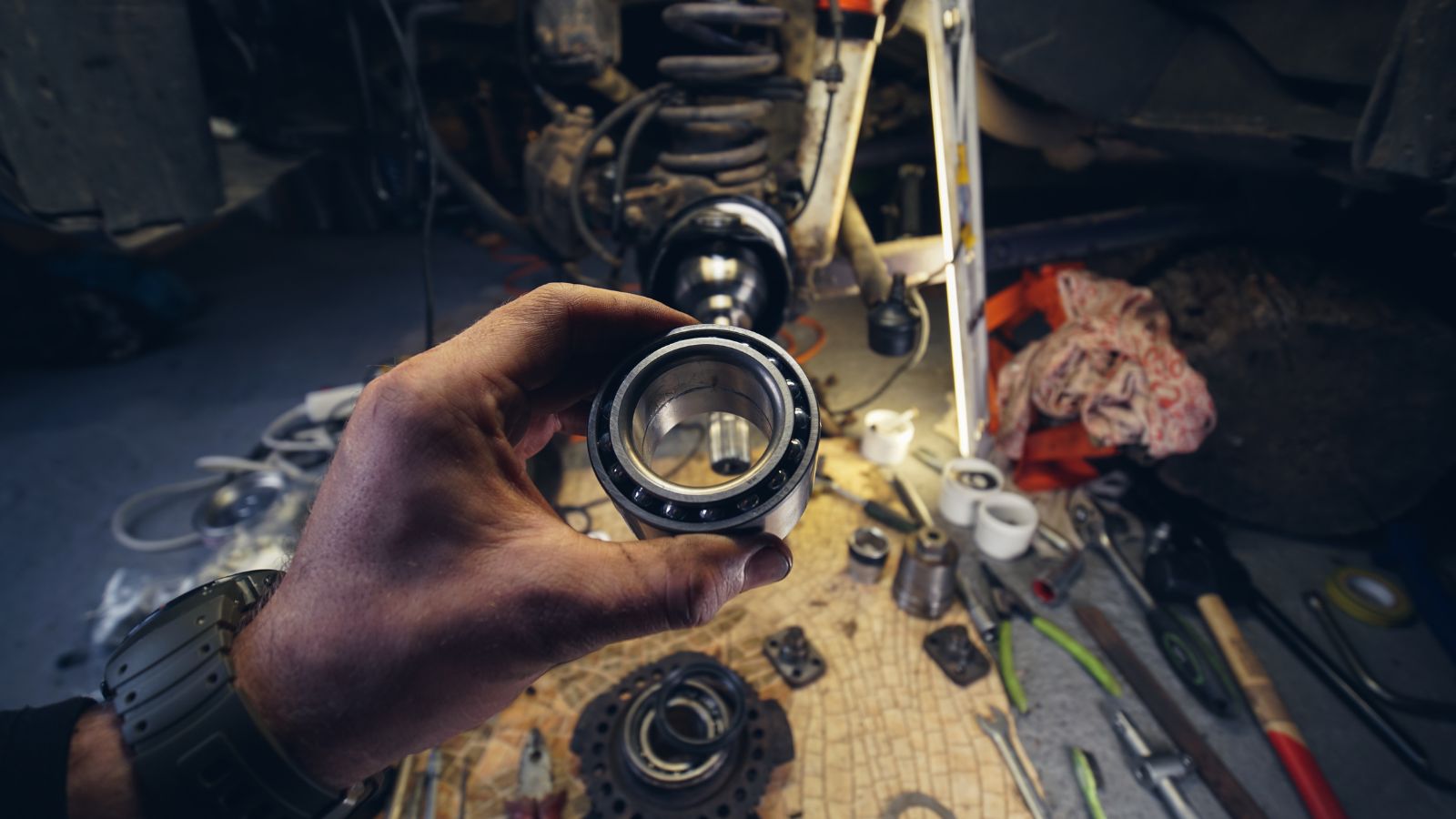
A failing wheel bearing often announces itself as a low hum, growl, or rumble that rises with road speed. Because the sound blends with tire noise, it may be mistaken for ordinary aging. Timken notes that worn hub bearings can also produce wheel vibration, looseness, and noise that changes when the steering wheel is turned slightly, as cornering shifts load from one side to the other.
The effect on perceived age is surprisingly strong. A steady drone makes the cabin seem poorly insulated, while vibration through the floor creates the impression that the entire drivetrain is tired. One owner may describe it as an airplane-like sound; another may notice only that highway travel has become exhausting. Wheel-bearing diagnosis matters because similar noises can come from uneven tires, brakes, or drivetrain components. Once the correct bearing is replaced, the sudden return of quietness can make the vehicle feel years newer again.
The Engine or Transmission Mounts Are No Longer Isolating Vibration
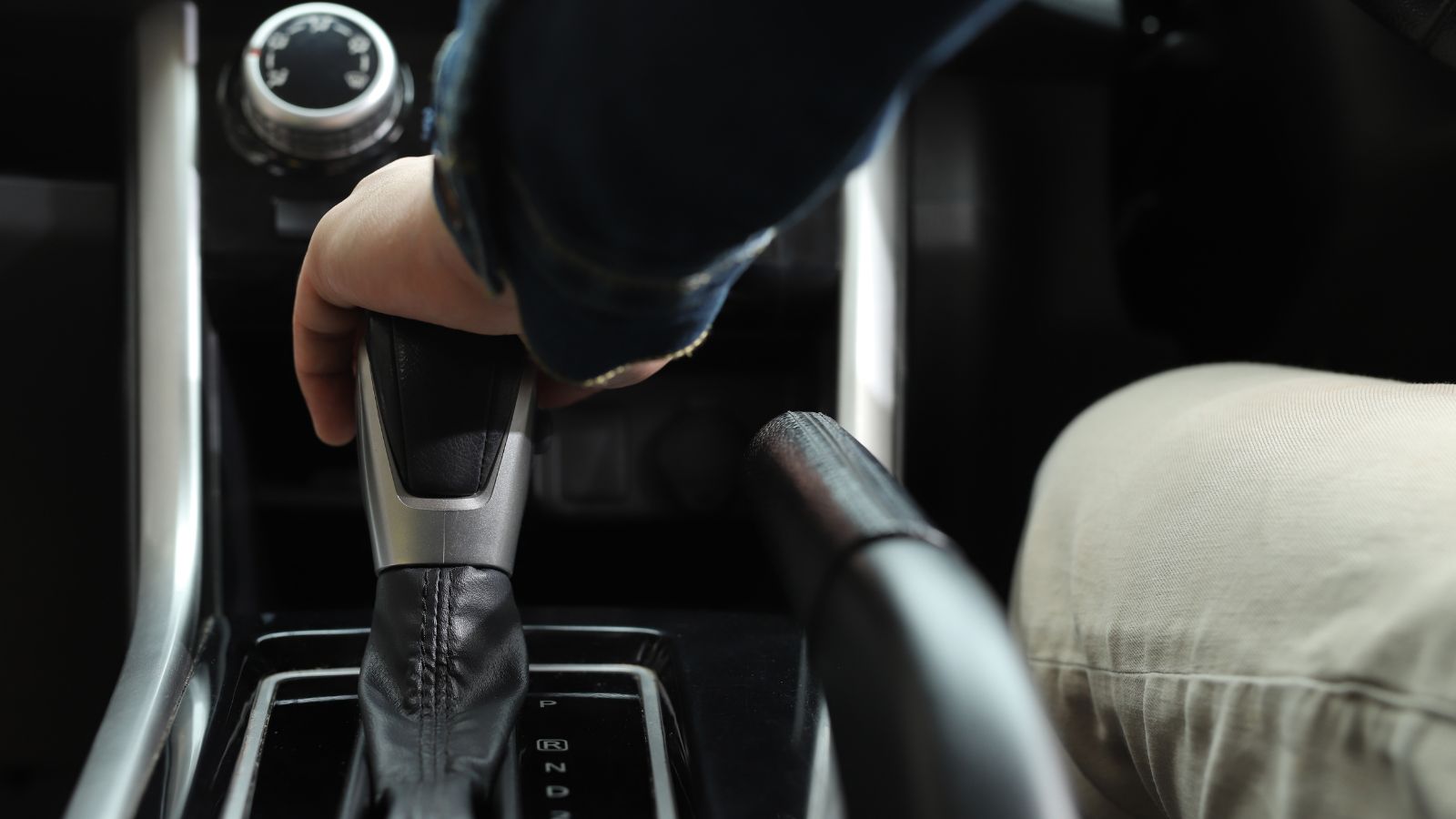
Engine and transmission mounts hold the powertrain in position while absorbing much of its normal movement and vibration. Their rubber or hydraulic sections can deteriorate with heat, age, contamination, and repeated loading. Gates identifies excessive vibration and bumps from the engine-bay area as signs that a mount may no longer be controlling powertrain motion effectively.
The cabin usually tells the story first. A driver may feel buzzing through the seat at idle, a thump when shifting into drive, or an extra shudder when the air conditioner engages. Because the engine may still run perfectly, the car seems mechanically old rather than obviously broken. In some vehicles, one failed mount places additional strain on the others, allowing hoses, exhaust components, or wiring to move more than intended. Replacing a confirmed bad mount can transform idle quality and shift engagement, but vibration should be diagnosed carefully because misfires, exhaust contact, and accessory problems can create similar sensations.
The Brakes Feel Rough, Noisy, or Inconsistent

Nothing makes a car feel tired faster than brakes that squeal, grind, pulse, or require an uncertain pedal effort. AAA notes that pulsation in the pedal or steering wheel during braking can indicate rotor problems, while manufacturers of brake components emphasize that worn friction material and damaged discs can increase noise and vibration. Even when stopping power remains adequate, rough braking erodes confidence on every trip.
A common example is the vehicle that feels smooth until the first highway exit, when the steering wheel begins shaking under moderate braking. Another is a commuter whose pads have worn enough to produce a persistent scrape at low speed. Brake dust, corrosion after storage, sticking caliper hardware, contaminated fluid, or uneven rotor surfaces can all contribute. Because braking faults can be safety-critical, the cure is not simply masking the sound. Inspection of pads, rotors, calipers, hoses, and fluid condition can restore the clean, progressive pedal feel associated with a much newer car.
The Battery Is Weakening Before It Fully Fails
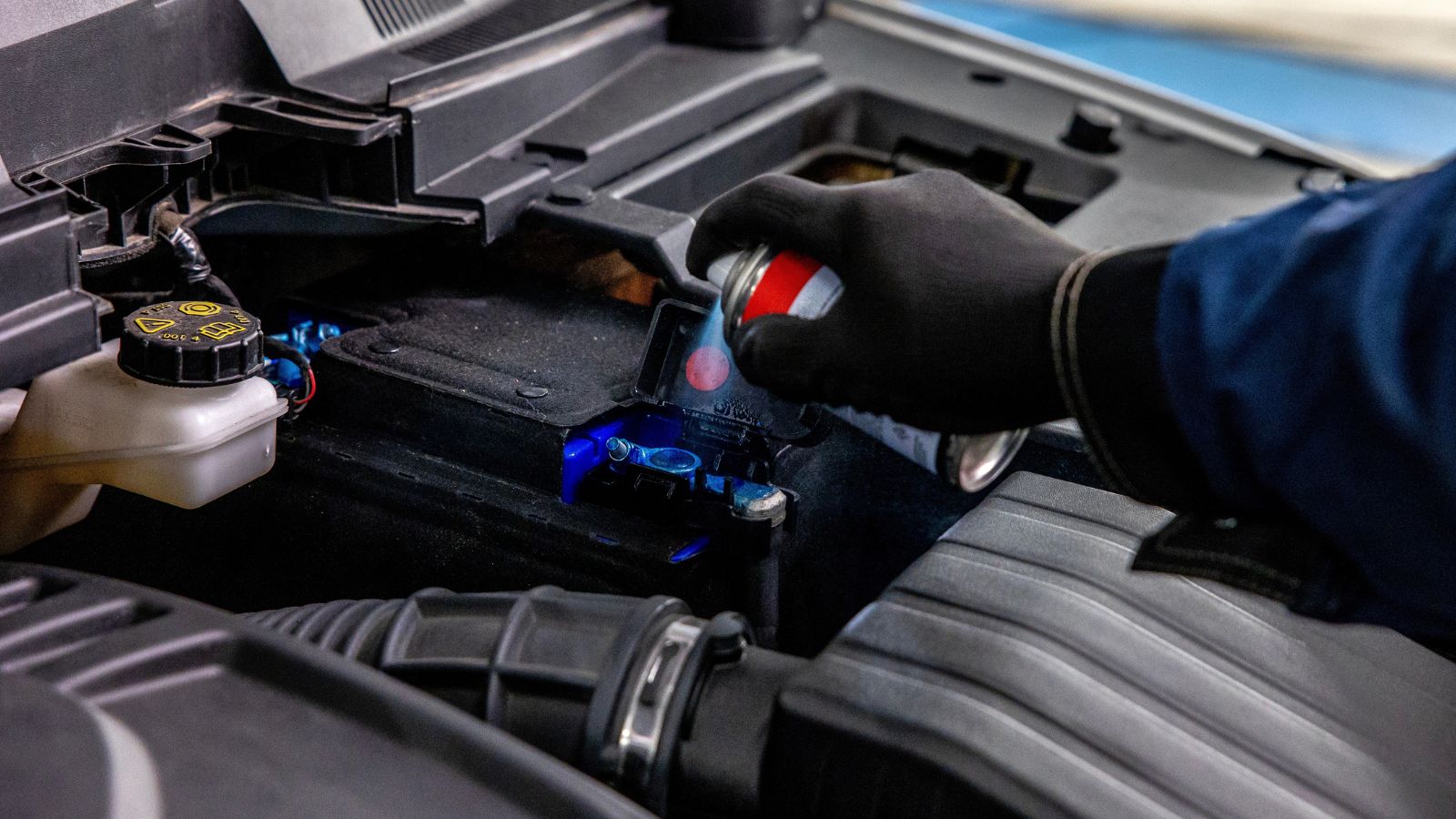
A battery does not have to be dead to make a vehicle feel old. As capacity declines, the starter may crank more slowly, interior lights may dim during startup, and electronic systems may take longer to wake. AAA lists slow cranking, clicking, dim lighting, and corrosion among warning signs, and notes that many conventional car batteries last roughly three to five years depending on climate and use.
That half-second of hesitation becomes part of the car’s personality. Each morning begins with a laboured sound, especially after short trips, long parking periods, or temperature extremes. Modern vehicles also rely on stable voltage for control modules, sensors, stop-start systems, and power accessories, so a weak battery can trigger seemingly unrelated warnings. A proper test should evaluate the battery, charging system, and cable connections rather than relying only on age. Restoring healthy voltage often makes starting immediate again and can eliminate the sluggish electrical behaviour that makes the whole vehicle seem worn.
The Belt Drive Is Adding Squeal and Vibration
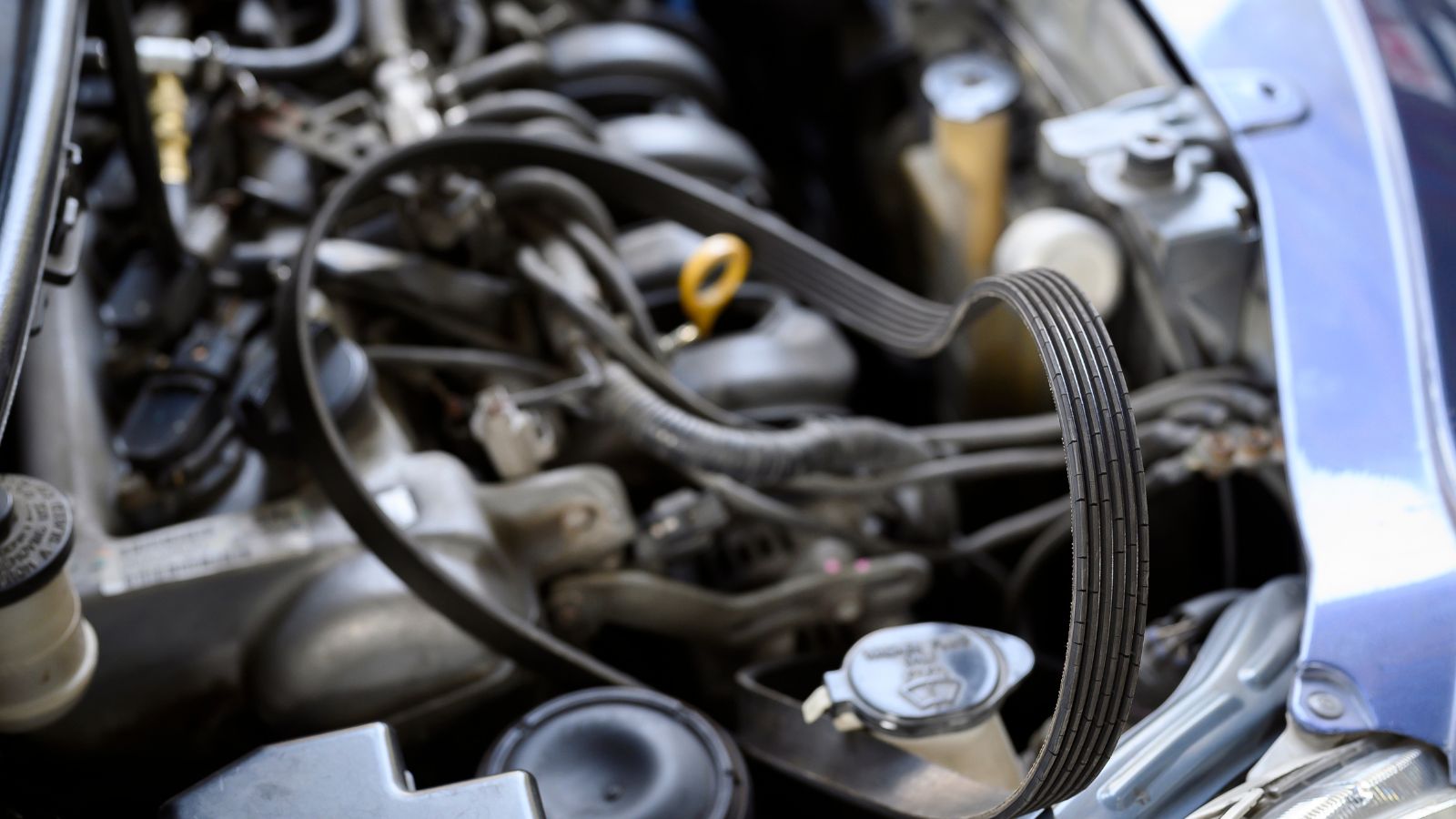
The serpentine belt and its tensioner drive accessories such as the alternator, air-conditioning compressor, and sometimes the water pump or power-steering pump. As the belt glazes or the tensioner loses control, the system may chirp, squeal, flutter, or vibrate. Gates notes that many belt-drive complaints—including noise, vibration, and unusual wear—can be traced to a worn or failed tensioner rather than the belt alone.
These sounds are especially noticeable at cold start, during steering input, or when the air conditioner cycles on. A brief squeal may seem harmless, yet it instantly gives the engine bay the character of a neglected older car. Simply spraying the belt or replacing it without inspecting pulleys can hide the cause temporarily. Technicians typically check alignment, tensioner movement, pulley bearings, contamination, and accessory drag. When the entire drive runs smoothly, the engine sounds tighter and more refined, and the vehicle loses one of the most familiar auditory signs of premature age.
Worn Spark Plugs Are Making the Engine Feel Lazy
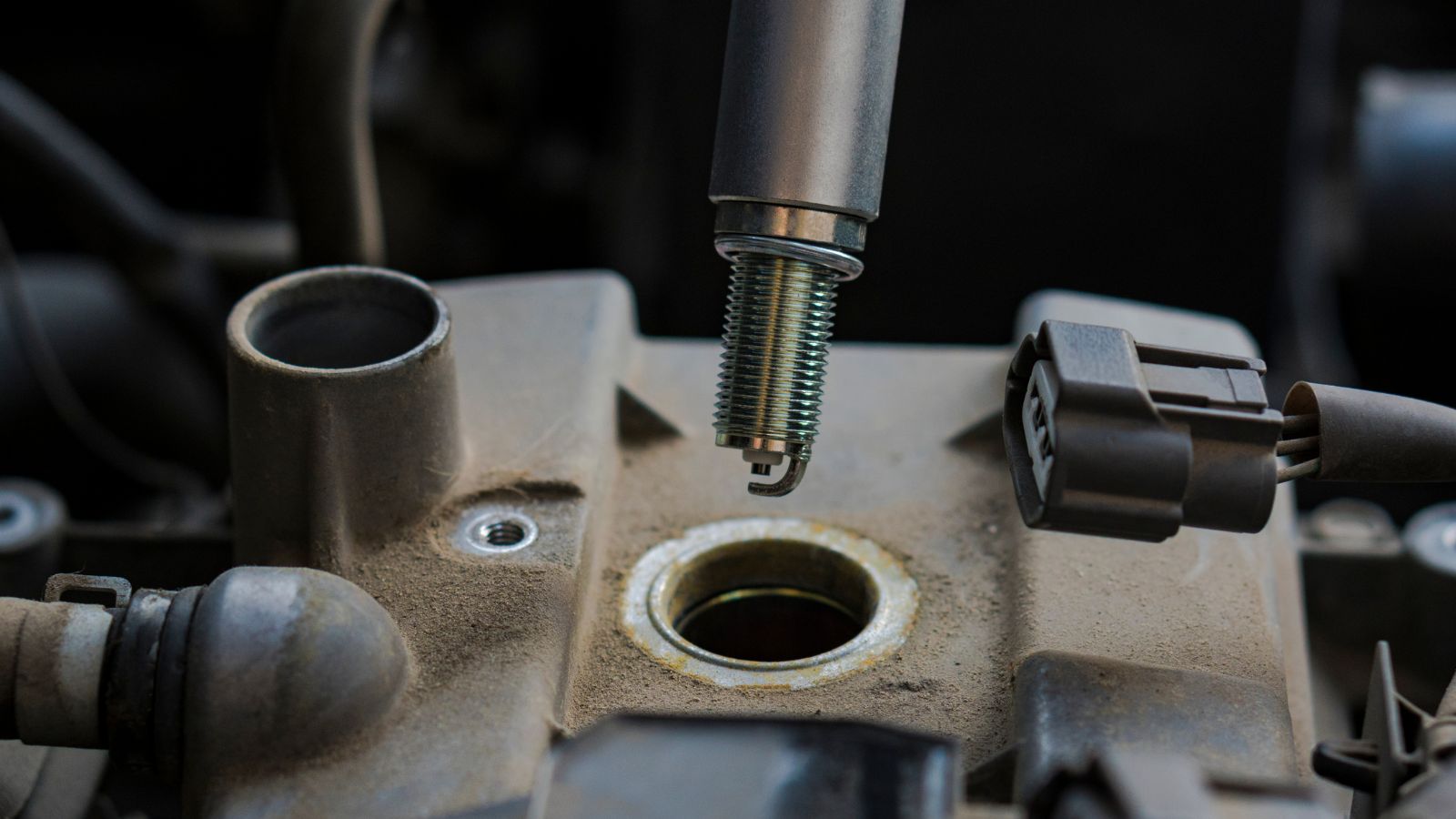
Spark plugs ignite the air-fuel mixture thousands of times per minute. As electrodes erode, the gap widens and the ignition system must work harder to produce a reliable spark. DENSO explains that worn plugs can cause unstable ignition, misfiring, irregular vibration, reduced output, and poorer fuel economy. The driver experiences those technical changes as hesitation, rough idle, or uneven acceleration.
The decline can be subtle. A car may still start and reach highway speed, yet no longer pulls cleanly away from a traffic light or settles into a smooth idle with the air conditioner running. A single weak cylinder can send a faint tremor through the seat and mirrors, making the engine seem far older than its mileage suggests. Replacement intervals vary widely by plug design and vehicle, so the owner’s manual matters. Diagnosis should also consider coils, injectors, compression, and vacuum leaks, because installing new plugs cannot correct a deeper combustion problem.
A Restricted Engine Air Filter Is Dulling Acceleration
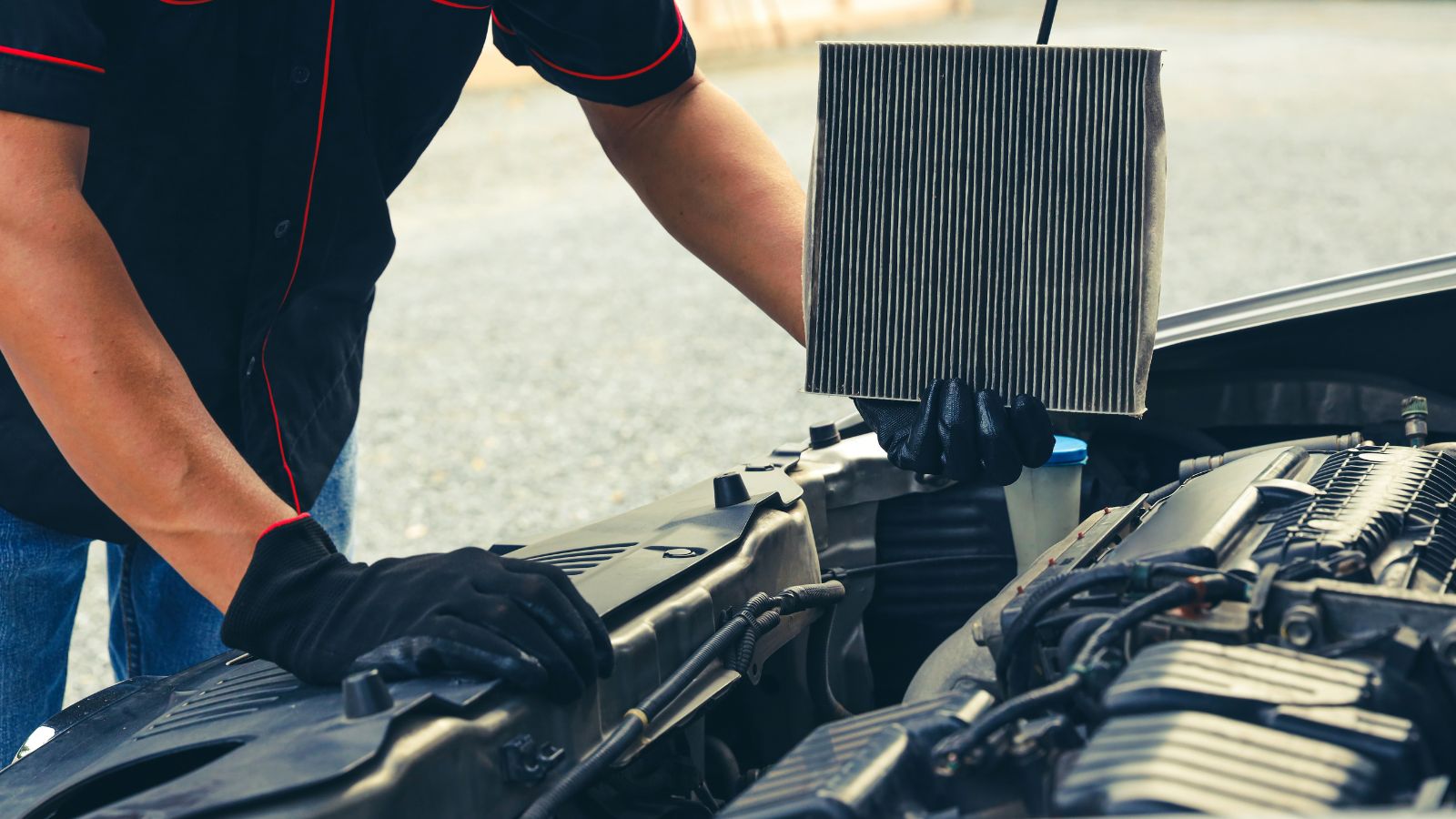
An engine air filter protects internal components from dust and debris, but heavy restriction can make acceleration feel muted. U.S. Department of Energy guidance makes an important distinction: replacing a clogged filter on a modern fuel-injected vehicle generally does not improve fuel economy, yet it can improve performance and acceleration. Older carbureted vehicles may show a modest economy benefit as well.
That means the familiar “old car” sensation may appear when joining fast traffic or climbing a grade rather than at steady speed. The accelerator is pressed farther, but the response feels delayed and breathless. Filters can load quickly in dusty areas, construction zones, wildfire smoke, or frequent unpaved-road use, while some vehicles go much longer under clean conditions. A visual inspection and maintenance schedule are more reliable than a universal mileage rule. If a clean filter does not restore response, airflow sensors, throttle deposits, fuel delivery, turbocharger faults, or transmission behaviour may be responsible instead.
The Transmission Is Shifting More Harshly Than It Should
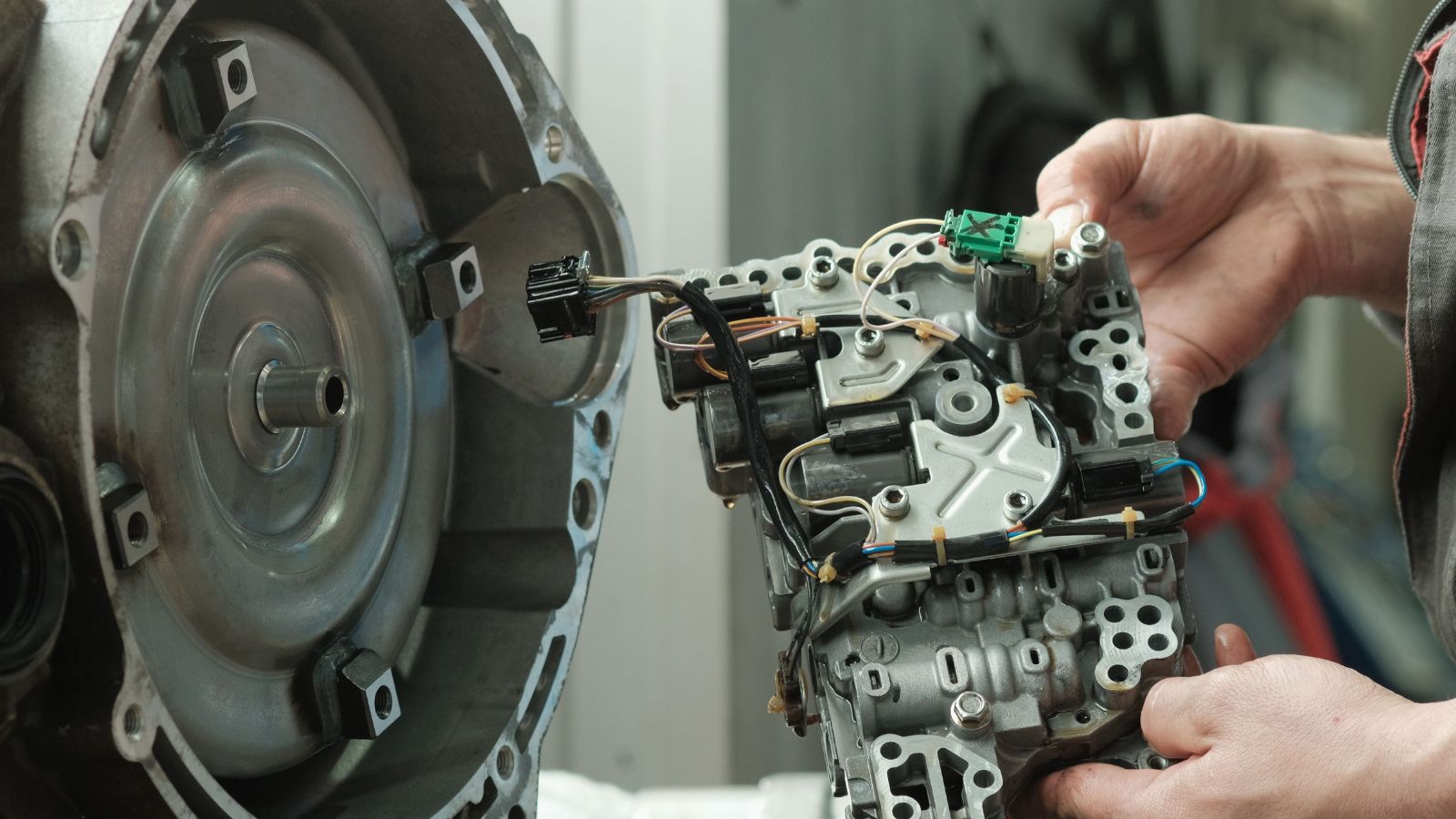
Smooth gear changes are central to a vehicle’s sense of refinement. When shifts become delayed, abrupt, flared, or hesitant, even a relatively recent car can feel mechanically ancient. Ford’s maintenance guidance lists rough or hard shifting as a reason to have the transmission and its fluid condition evaluated. The correct fluid matters because modern automatics, continuously variable transmissions, and dual-clutch units use different specifications and control strategies.
A familiar example is the commuter who feels a small bump every time the gearbox selects drive or changes from first to second. Over months, that bump becomes accepted as “just age,” although the cause could be low fluid, degraded fluid, a software issue, worn mounts, valve-body problems, or internal wear. Blindly flushing every transmission is not appropriate; some units require specific procedures, temperatures, or drain-and-fill methods. A diagnosis based on service history, fluid condition, fault codes, and manufacturer instructions can sometimes restore smoothness before a minor problem becomes an expensive one.
The Steering System Has Lost Its Light, Precise Feel

Steering effort should be predictable and consistent. Low hydraulic fluid, a worn pump, a leaking rack, damaged tie rods, or binding suspension joints can make the wheel feel heavy, notchy, noisy, or vague. MOOG’s suspension guidance lists difficult steering, fluid leaks, unexpected noises, vibration, drifting, and a crooked steering wheel among signs that the steering or suspension system needs attention.
Because drivers touch the steering wheel constantly, even a small change dominates the impression of age. A groan in a parking garage or a delayed response during a lane change makes the car feel less sophisticated than it is. Electric power-steering systems can develop their own sensor, motor, wiring, or calibration issues, so not every heavy wheel points to fluid. Tires and alignment also strongly affect effort. A systematic inspection should begin with tire pressures and visible leaks, then continue through joints, rack components, drive belts where applicable, electronic faults, and alignment measurements.
An Exhaust Leak Is Making the Car Sound Worn Out
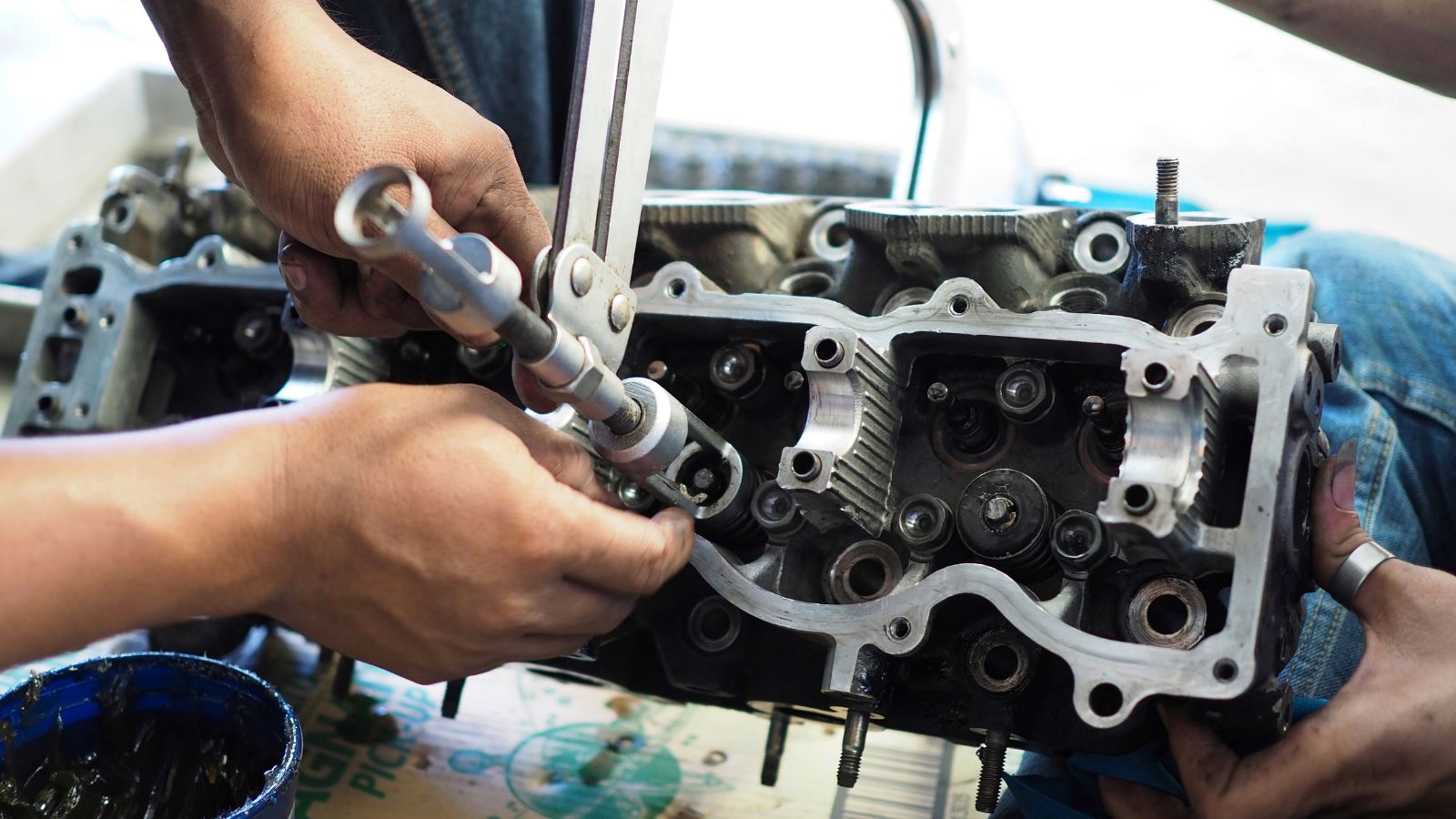
A small exhaust leak can turn a quiet engine into something that sounds loose, raspy, or agricultural. Cracks, failed gaskets, rusted pipes, or damaged flex sections may create ticking during cold starts, booming under acceleration, or vibration beneath the floor. Beyond noise, exhaust faults deserve urgency because carbon monoxide is colourless, odourless, and toxic, and vehicle exhaust can enter occupied spaces under certain conditions.
The sound often changes with temperature. A driver may hear a sharp tick for the first minute, then assume the problem has disappeared as metal expands and the leak narrows. Others notice a low-frequency drone only at one highway speed. These patterns make the car feel old even when the engine itself is healthy. Inspection should include the manifold, catalytic-converter connections, hangers, heat shields, flex joints, and tailpipe routing. Any exhaust smell in the cabin, headache, dizziness, or unusual drowsiness calls for stopping the vehicle, moving to fresh air, and arranging immediate professional evaluation.
The Cabin Air Filter Is Choking the HVAC System
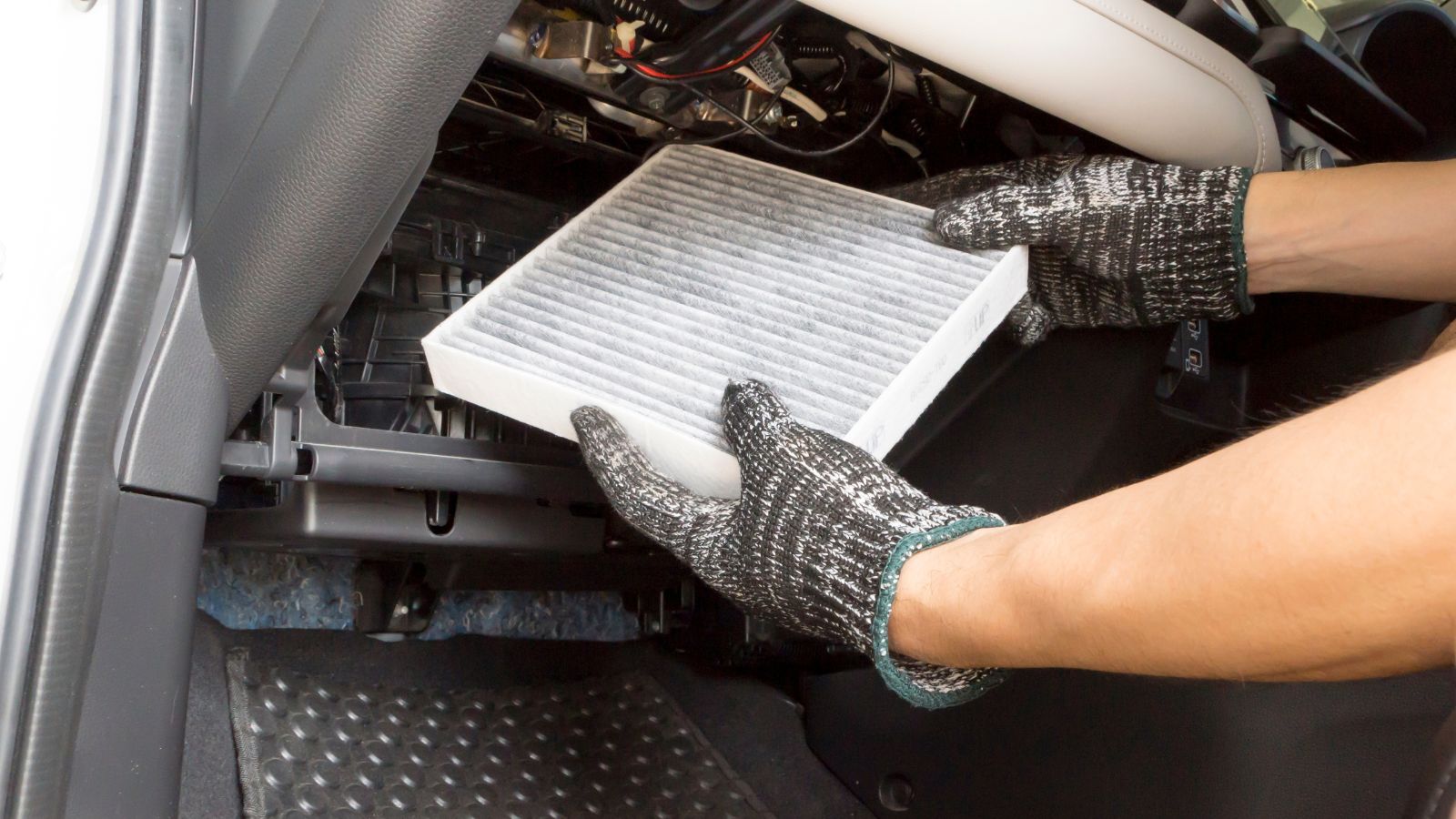
A restricted cabin air filter can make a modern climate-control system feel weak and outdated. AAA identifies reduced airflow, windows that fog or defrost slowly, and persistent odours as common signs of a clogged filter. The blower may still sound busy, yet little air reaches the occupants, creating the impression that the fan, heater, or air conditioner has lost strength.
The human side is easy to recognize: a driver turns the fan higher every few months without noticing that each setting now delivers less air than before. Dust, leaves, pollen, and moisture collect in the filter, especially in dense traffic or areas with heavy vegetation. A musty smell may also point to moisture or microbial growth elsewhere in the evaporator housing, so a new filter is not always the entire solution. Checking the specified filter type, airflow direction, drain operation, and HVAC cleanliness can restore faster defogging, stronger ventilation, and the fresh-cabin sensation associated with a newer vehicle.
The Door and Window Seals Are Letting Noise In
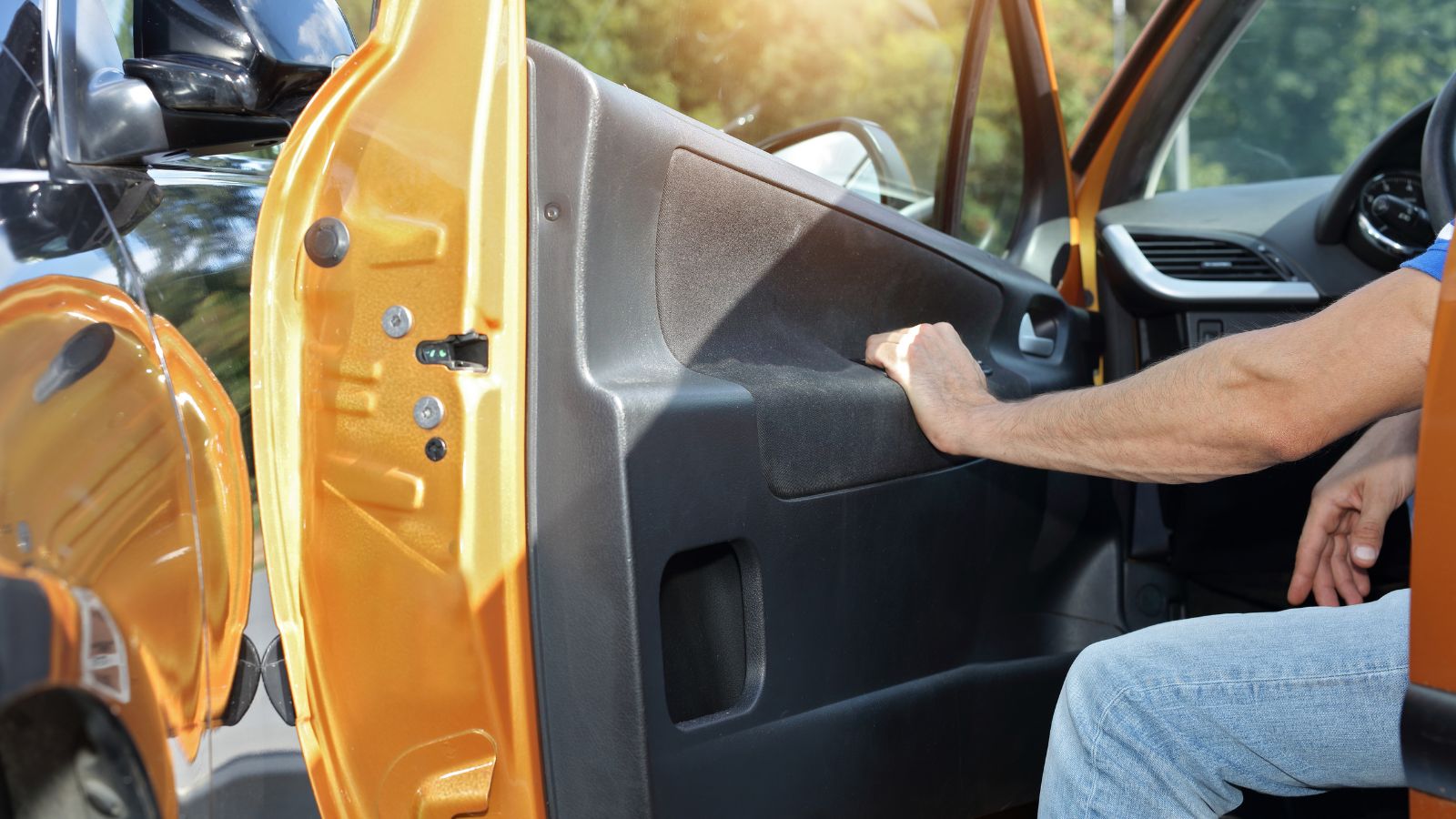
Vehicle engineers spend considerable effort controlling wind noise through door, glass, and weatherstrip design. SAE research shows that sealing systems influence how much aerodynamic noise reaches the cabin. As rubber seals flatten, tear, shrink, detach, or become contaminated, air can whistle around a window frame and road noise may seem louder even though the drivetrain has not changed.
This is one of the clearest ways a car can feel older without driving any worse. A highway conversation requires slightly raised voices, rain produces a faint drip near the sill, or one door closes with a hollow sound instead of a muted thump. Misaligned doors and windows can produce similar symptoms, and simply adding adhesive foam may interfere with drainage or latching. Cleaning and inspecting the original seals, checking glass adjustment, clearing door drains, and replacing damaged weatherstripping can restore a surprising amount of quietness. The result is less fatigue and a cabin that feels structurally tighter.
Cloudy Headlights Are Aging the Car Day and Night

Yellowed headlamp lenses are more than a cosmetic clue. AAA testing found that severely deteriorated lenses can produce only about 20 percent of the light generated by new headlights. Sunlight damages the protective coating on polycarbonate lenses, leaving a cloudy surface that makes the front of the vehicle look neglected while reducing useful nighttime illumination.
The driver may compensate without realizing it by slowing down, using high beams more often, or straining to identify lane edges. From outside, the hazy lenses can make a relatively recent model resemble a much older one, especially beside vehicles with clear LED lighting. Restoration can improve appearance and output, but results depend on the depth of damage and the quality of the new protective coating. AAA’s testing also found limitations in some restored units, so replacement may be the safer choice when lenses are deeply degraded, cracked, moisture-filled, or unable to meet proper beam performance.
The Windshield and Wipers Are Creating Constant Visual Fatigue
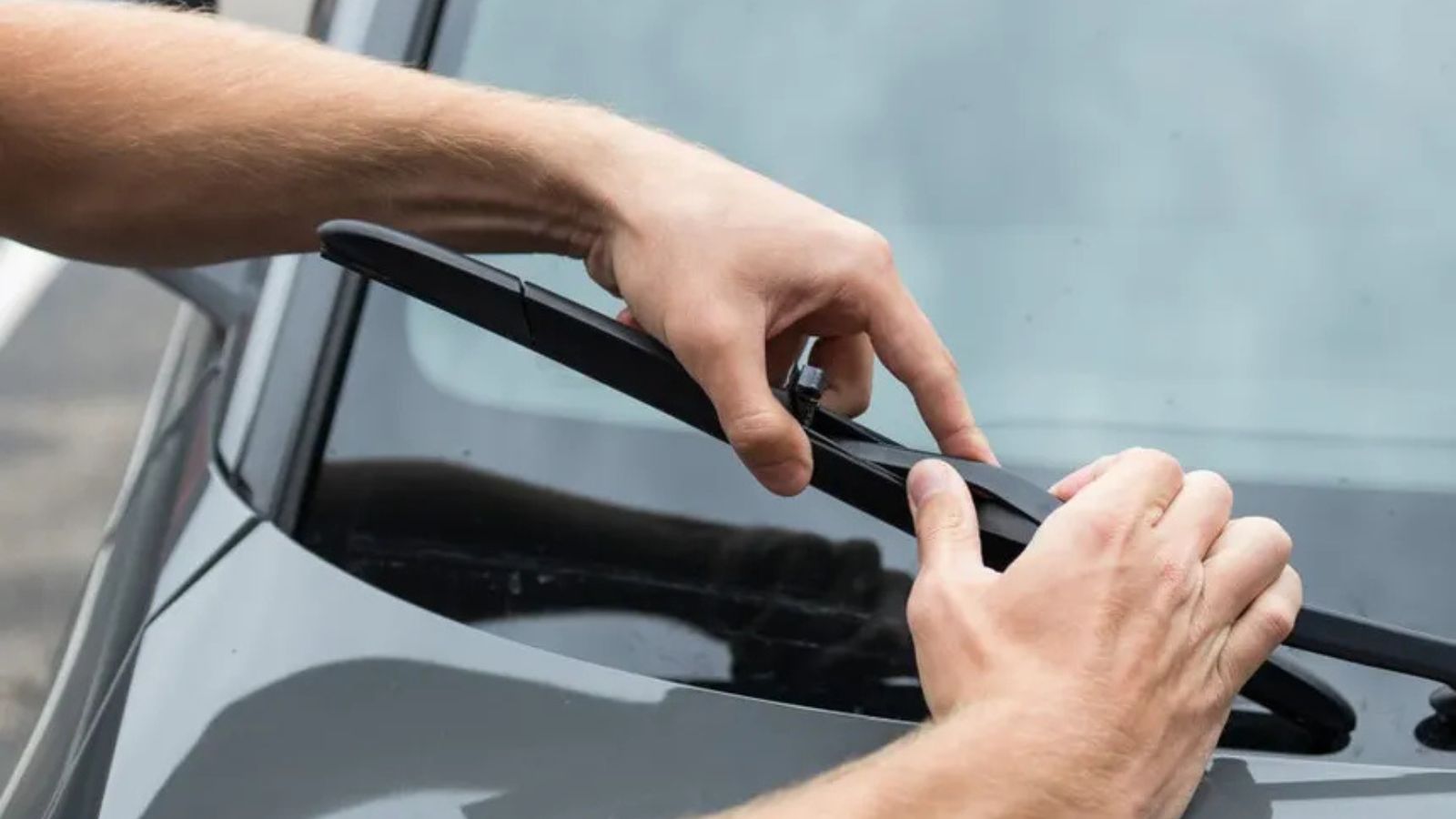
Worn wiper blades leave streaks, chatter, squeak, and skip across the glass. Fine windshield pitting, scratches, mineral deposits, and an oily interior film scatter light at night, making glare seem worse. AAA advises checking blades regularly and replacing those that smear or leave the driver’s field of view unclear; extreme heat, cold, rain, and contamination can accelerate deterioration.
A car feels older when every rain shower becomes work. The driver leans forward, adjusts speed, and repeatedly sprays washer fluid, while oncoming headlights bloom across a hazy windshield. New blades can solve only part of the problem if the glass is chipped, heavily pitted, or coated with residue. Cleaning both sides of the windshield, confirming the correct blade size, keeping washer nozzles clear, and repairing damage early can restore clarity. If scratches or pitting remain severe, professional glass assessment may be necessary because polishing safety glass improperly can distort vision further.
The Driver’s Seat Has Lost Its Shape and Support

Seat foam and support structures influence how vibration and road impacts reach the body. NIOSH-backed research on vehicle seating has shown that seat design and pressure distribution can substantially change whole-body vibration and discomfort. As foam compresses, bolsters collapse, springs weaken, or lumbar mechanisms fail, the driver sits lower and receives more concentrated pressure from the cushion.
The change usually happens too slowly to notice. After an hour on the road, the driver feels tired, shifts position repeatedly, or develops discomfort that was absent when the car was newer. A collapsed outer bolster may also tilt the pelvis, while a loose seat frame can add clicks and movement during braking. Temporary cushions sometimes help, but they can alter seating height and airbag geometry. A careful repair may involve replacing foam, fixing the frame, restoring lumbar support, or correcting the seat track. Renewed support can make the entire vehicle feel more controlled because the driver is no longer absorbing every motion.
The Paint and Exterior Trim Have Lost Their Depth
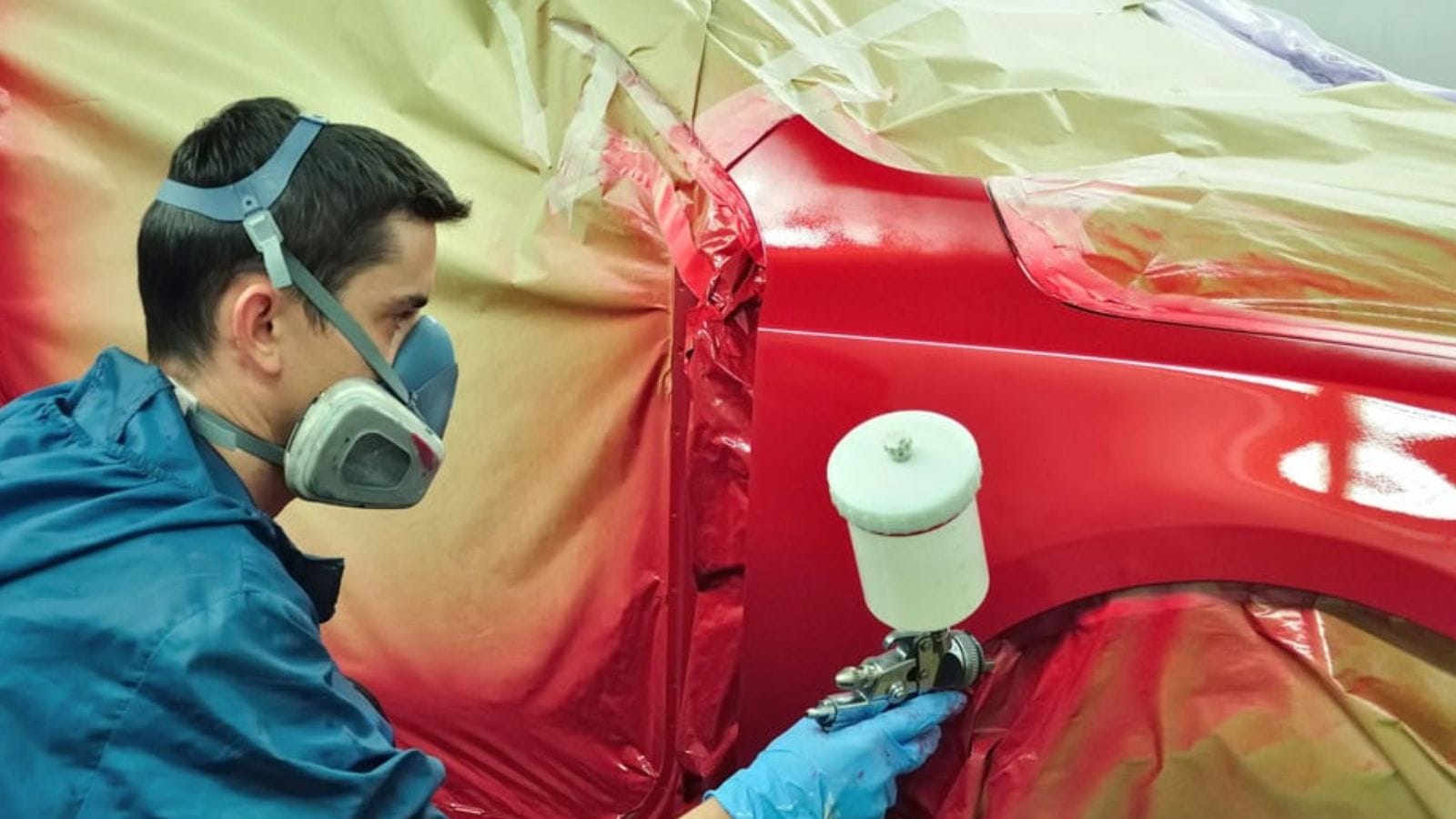
A mechanically sound car can look far older when its clearcoat becomes dull, plastic trim turns gray, and paint loses gloss. BASF explains that automotive finishes endure ultraviolet radiation, heat, cold, rain, chemicals, gravel, and washing abrasion. UV exposure can weaken the polymer paint matrix, contributing over time to fading, cracking, discolouration, and loss of gloss.
The effect is strongest on horizontal surfaces such as the roof, hood, and trunk lid, where sunlight and contamination linger. A vehicle parked outdoors may develop chalky paint, water spotting, oxidized badges, and uneven trim long before its drivetrain reaches high mileage. Gentle decontamination and polishing can improve sound clearcoat, but aggressive correction removes material and cannot repair peeling or failed coating. Regular washing, prompt removal of bird droppings, careful drying, and appropriate protection help preserve the finish. Once the clearcoat has delaminated, professional refinishing is usually required; wax cannot replace missing paint layers.
22 Things Canadians Do to Their Cars in Spring That Mechanics Hate

Spring brings relief to many Canadian drivers after months of snow, freezing temperatures, and icy roads that put serious strain on vehicles. As temperatures rise across the country, drivers begin washing cars, switching tires, and preparing vehicles for warmer weather and upcoming road trips. However, mechanics across Canada notice the same mistakes every spring when drivers attempt to recover from winter damage. Road salt, potholes, and harsh winter driving conditions often leave vehicles with hidden problems that drivers ignore. Some spring habits even create new mechanical issues that could have been avoided with proper maintenance. Here are 22 things Canadians do to their cars in spring that mechanics hate.

Alanna Rosen is an experienced content writer that focuses on many EV and educational content. Her articles are regularly published on Get CyberTrucked and syndicated on large publications.