
Black vehicles can look polished, expensive, and timeless under dealership lighting. Real-world ownership, however, exposes the practical side of that dramatic finish. Canadian summers bring intense sunlight, while winter introduces road salt, abrasive snow removal, slush, and repeated washing. Even ordinary dust can make a freshly detailed vehicle appear neglected.
The colour itself does not make a vehicle unreliable, nor does every owner regret choosing it. Much depends on parking conditions, climate, cleaning habits, and tolerance for visible imperfections. Still, these 12 reasons explain why some Canadian drivers eventually find that maintaining a black vehicle requires more time, care, and money than anticipated.
Summer Heat Builds Faster
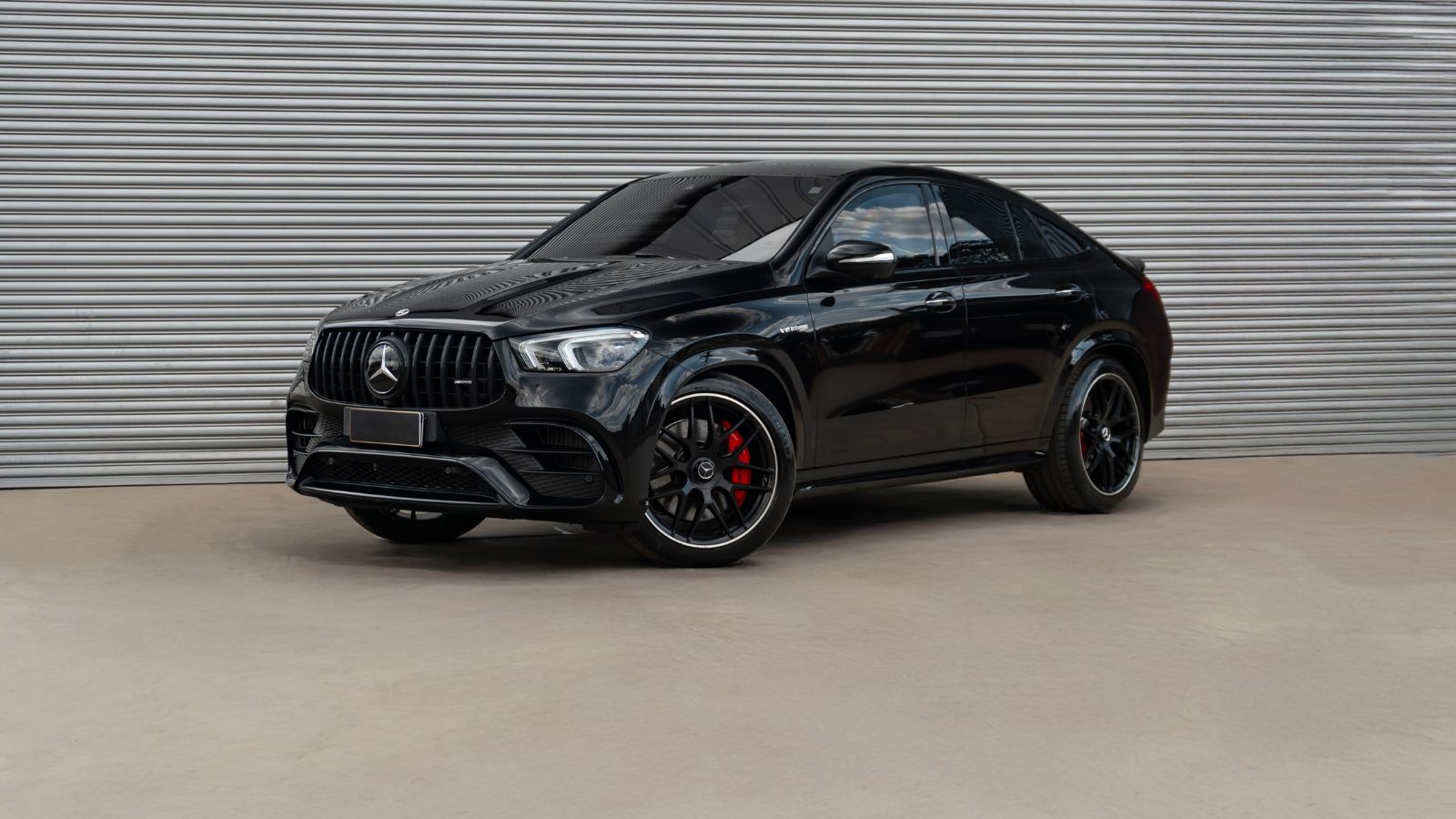
A black vehicle can feel elegant in a Canadian showroom and surprisingly punishing in an open parking lot by July. Dark paint absorbs more solar energy than light paint, so exterior panels heat quickly and pass some thermal load toward the cabin. Lawrence Berkeley National Laboratory compared otherwise similar black and silver cars and found the silver car’s cabin air was roughly 5 to 6°C cooler after soaking in the sun.
That difference matters during ordinary errands. A driver returning from a grocery store may face hotter seats, a scorching steering wheel, and a longer wait before the cabin becomes comfortable. Windshield glass remains a major source of interior heat in every vehicle, so black paint is not solely responsible. Still, the darker shell adds to the burden. In southern Ontario, the Prairies, and interior British Columbia, recurring summer heat can turn a cosmetic preference into a daily ownership irritation.
Air Conditioning Has More Work to Do
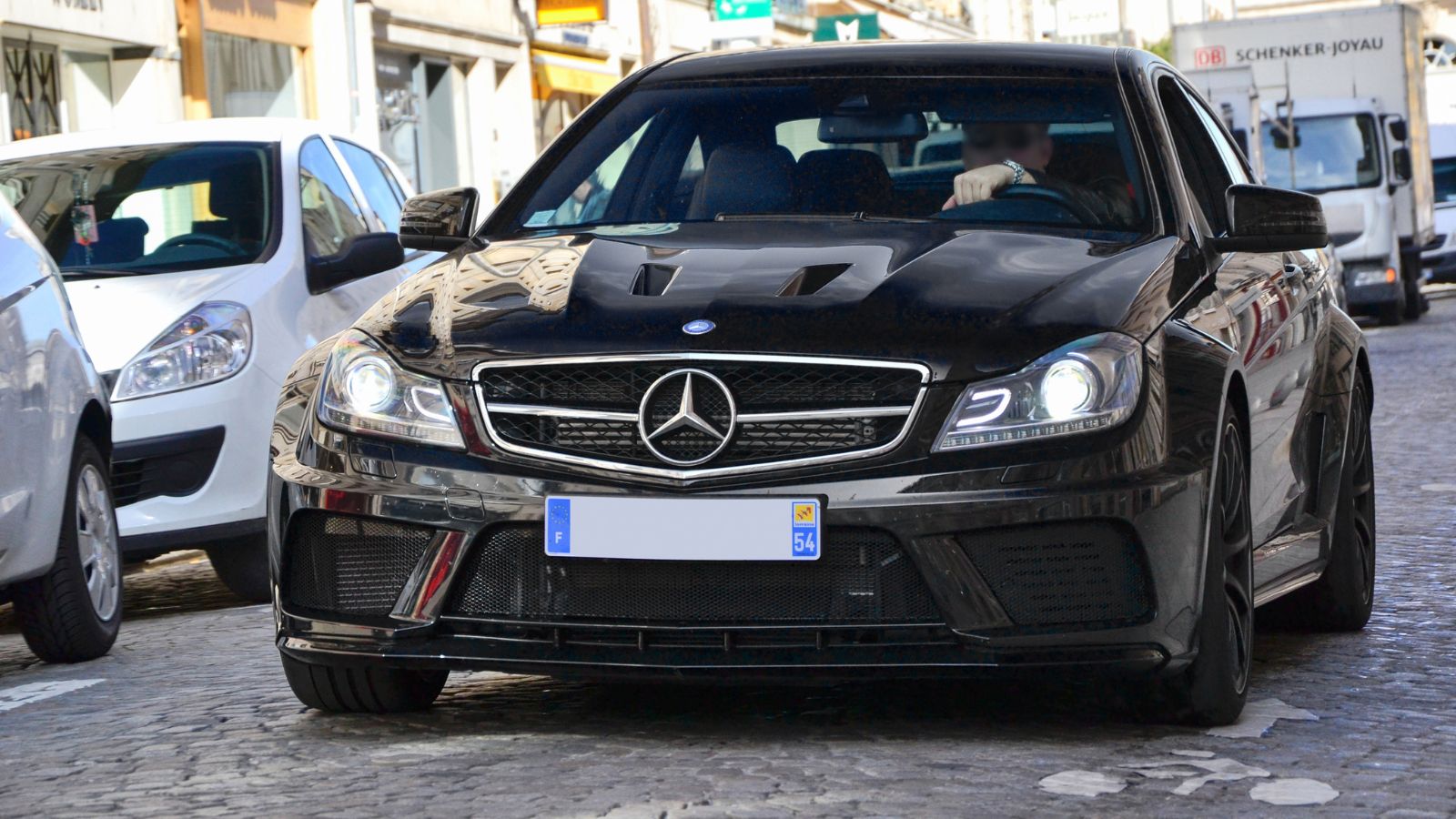
Once a darker vehicle has absorbed extra heat, the climate-control system must remove it. Berkeley researchers estimated that a silver car could require about 13 percent less air-conditioning capacity than an equivalent black car to reach the same cooling target. Their modelling also suggested that substituting white or silver for black could improve fuel economy by about 2 percent when vehicle systems were designed around the lower cooling load.
No owner should expect an instant 2 percent saving simply by changing paint colour; the study examined design-level potential, not a guaranteed result for every trip. The practical lesson is simpler: a hotter cabin usually means stronger fan settings and longer compressor use. That can be noticeable during stop-and-go commuting, especially in a hybrid or electric vehicle where cabin cooling draws energy. A black SUV parked outside an office all afternoon may therefore feel less efficient and less comfortable than expected.
Dust and Pollen Spoil the Clean Look Quickly

Black paint delivers its strongest visual effect immediately after washing, when reflections look deep and body lines appear crisp. The problem is how briefly that moment can last. Pale dust, yellow pollen, dried road film, and lint create sharp contrast against a dark surface. AAA’s vehicle-colour guidance describes black as a maintenance headache because dirt, small scratches, and swirl marks remain easier to notice than on white paint.
Canadian seasons provide plenty of examples. Spring pollen can settle across the hood within hours, unpaved cottage roads leave beige dust along doors and quarter panels, and summer construction produces fine residue around badges and window trim. The vehicle may be clean enough mechanically yet look neglected from several metres away. Owners who chose black for a polished, executive appearance sometimes discover that maintaining it requires more frequent rinsing, careful drying, and constant acceptance that the finish rarely stays photo-ready for long.
Hard-Water Spots Become Difficult to Ignore
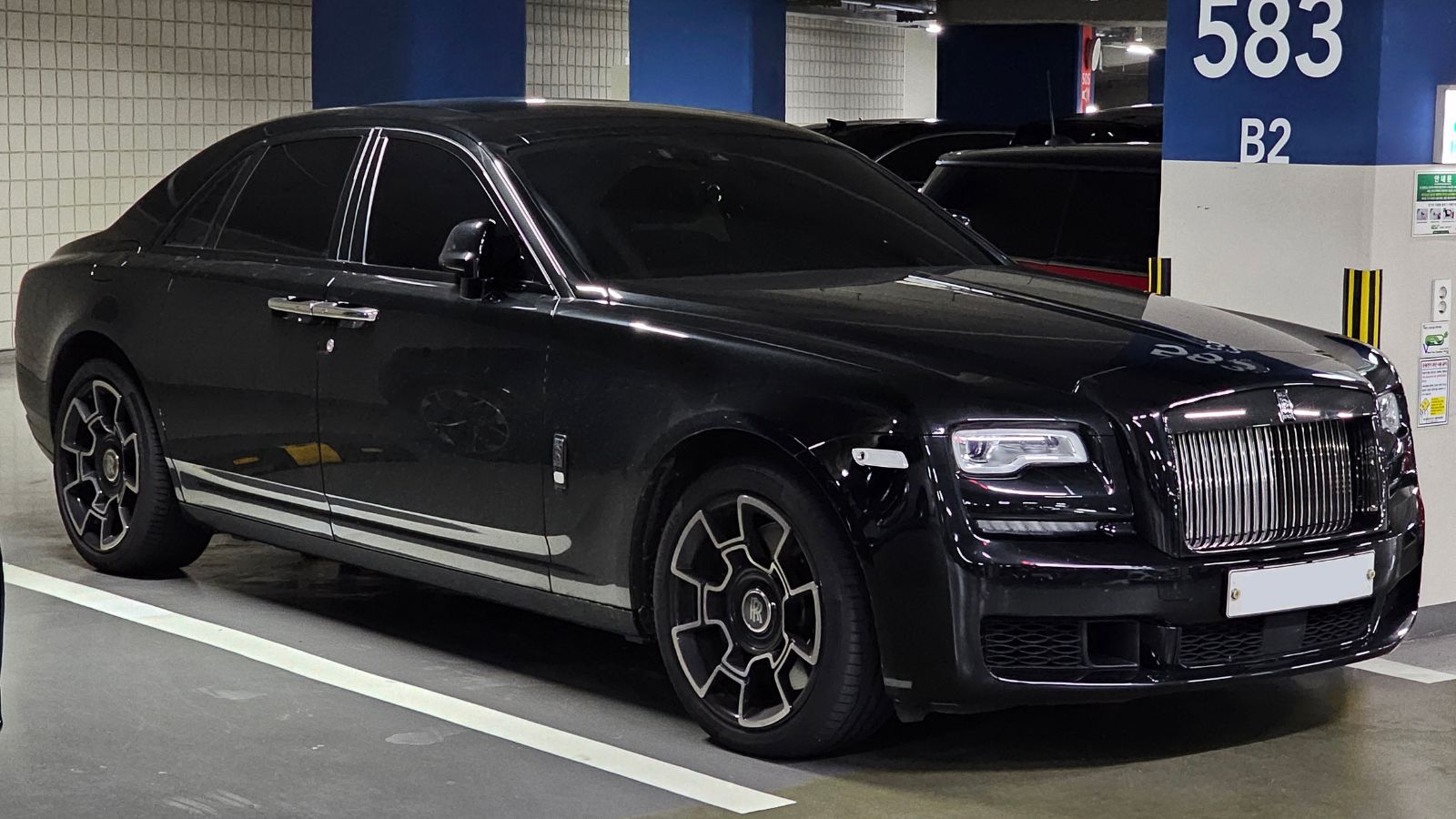
A quick driveway wash does not always end with a spotless black finish. When rinse water evaporates, dissolved minerals can remain behind as pale rings or cloudy marks. Consumer Reports warns that air-drying or washing in direct sunlight can leave mineral-based watermarks, while 3M advises drying promptly in shade to reduce hard-water and chlorine spotting. These deposits affect any colour, but contrast makes them especially obvious on black.
The frustration often appears after the work is finished. A vehicle may look perfect while wet, then reveal circles across the hood and roof as panels dry. Sprinklers, underground parking drips, and roadside spray can create the same effect. Repeated spots may require a remover, polishing, or professional attention if washing does not clear them. For an owner who expected black to look effortlessly luxurious, discovering that even clean water can leave the paint looking blotchy can become an expensive, time-consuming surprise.
Winter Salt Creates a Constant Grey Film
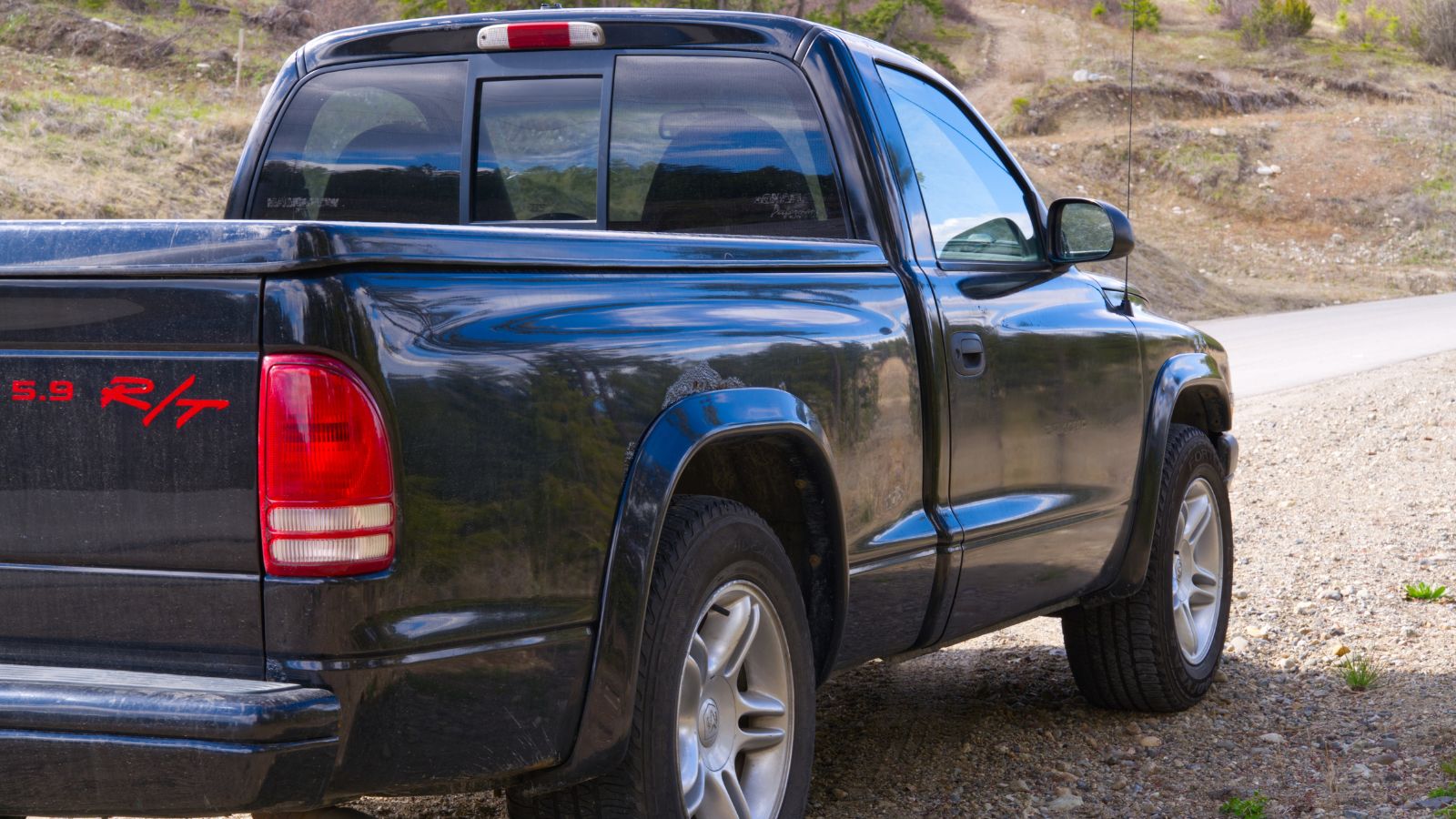
Road salt is not an occasional Canadian nuisance. Environment and Climate Change Canada says roughly five million tonnes are used nationally each year to manage snow and ice. Once traffic grinds salt, slush, sand, and road moisture together, the mixture sprays onto rocker panels, tailgates, wheel arches, and doors. Against black paint, the residue dries into a visible grey-white crust that can return after one commute.
The appearance problem is only the surface concern. Chloride salts and moisture contribute to corrosion, which is why manufacturers advise more frequent washing when vehicles are driven on salted roads. A black crossover can leave a wash bay looking impressive, then appear dirty again before reaching home if streets remain wet. Owners may find themselves choosing between repeated winter washes, living with a permanently grimy appearance, or worrying about salt trapped in seams and underbody areas. Canada’s thaw-free periods make that cycle especially discouraging.
Fine Swirl Marks Catch Every Ray of Sun
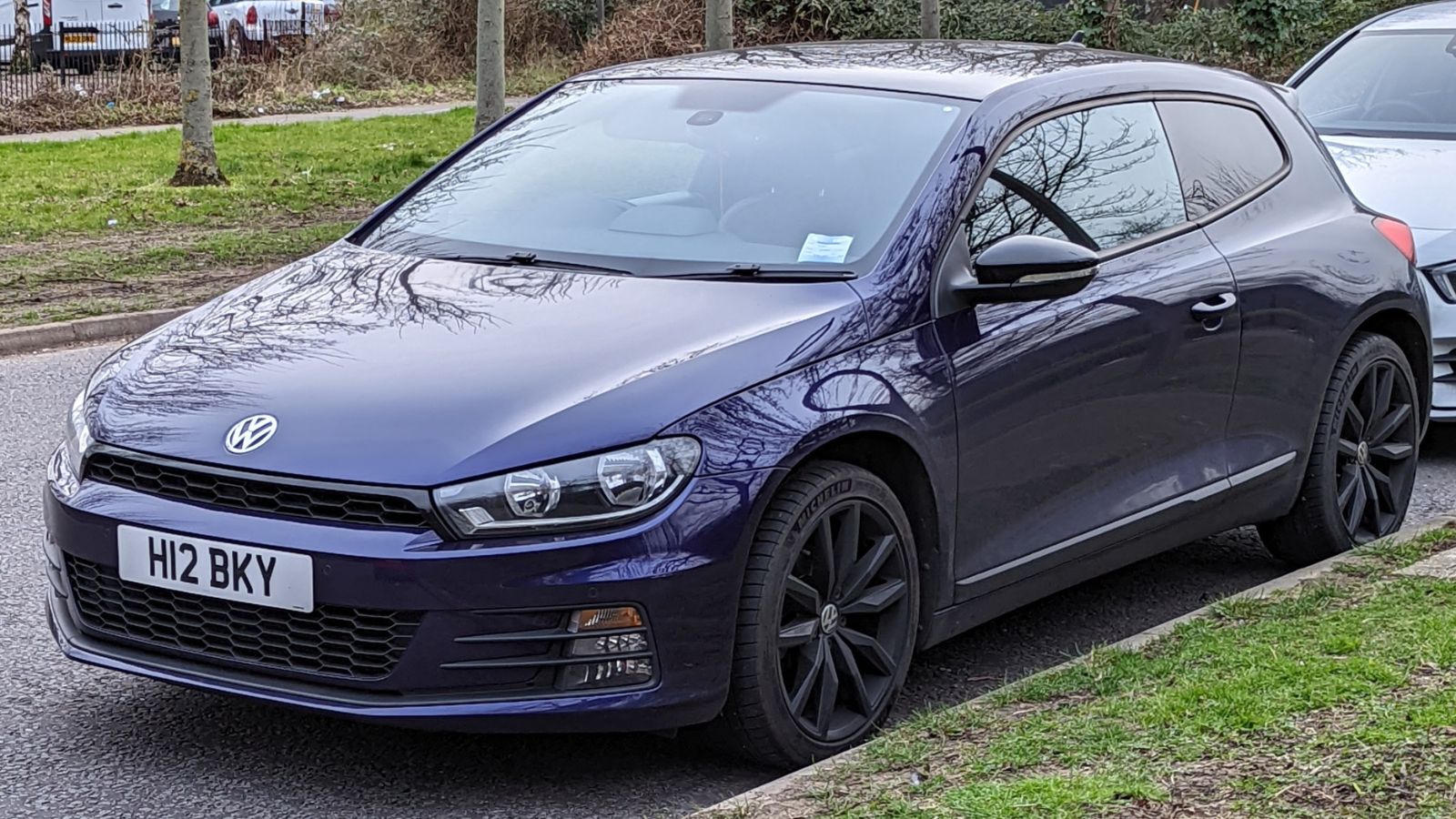
Black paint’s mirror-like depth also exposes defects. Fine circular scratches in the clear coat scatter light, producing the spiderweb or halo effect commonly called swirl marks. AAA notes that small scratches and swirls show readily on black, while 3M’s professional finishing procedures treat very dark and black colours as “critical,” sometimes requiring an additional ultrafine polishing step to remove holograms and micro-swirls.
These marks do not necessarily mean the paint is failing. Many sit only in the clear coat and become obvious under direct sun, parking-garage LEDs, or gas-station lighting. A vehicle that looked flawless on a cloudy delivery day may reveal rings around every reflection a week later. Improper towels, dusty wash mitts, dry wiping, and rushed polishing can add more. The owner then faces a choice: accept imperfections, learn careful washing techniques, or pay for machine correction that removes a small amount of clear coat to restore gloss.
Automatic Car Washes Can Make Matters Worse
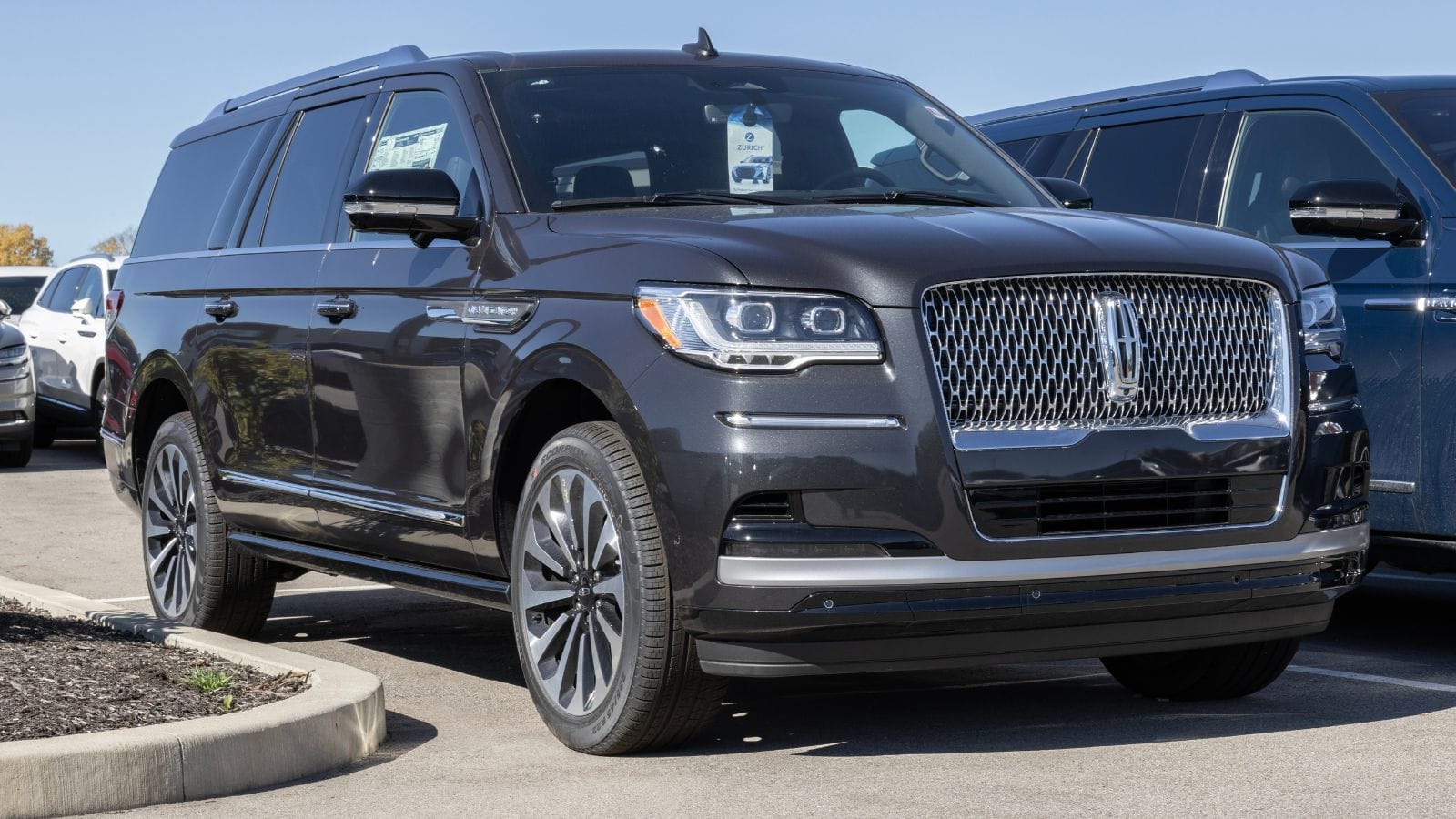
Automatic washing is tempting during winter, when hand washing is unpleasant and salt needs removal. Yet tunnel systems rely on moving brushes or cloth that contact vehicle surfaces. AAA guidance warns that tunnel-wash materials can be abrasive, scratch clear-coated paint, and gradually dull the finish. On black paint, the resulting micro-scratches are likely to appear as bright arcs under sunlight.
That creates an ownership contradiction. The colour looks dirty quickly, encouraging more frequent washing, but convenient washing may increase the defects that dark paint reveals. Touchless systems reduce physical contact, although they may not remove every film and can still leave water spots if drying is incomplete. A commuter who buys a monthly wash pass may initially enjoy a clean vehicle, only to notice haze after several months. The regret rarely comes from one disastrous wash; it grows from the cumulative trade-off between cleanliness, convenience, and preserving a flawless finish.
Snow Removal Can Leave Unwanted Marks
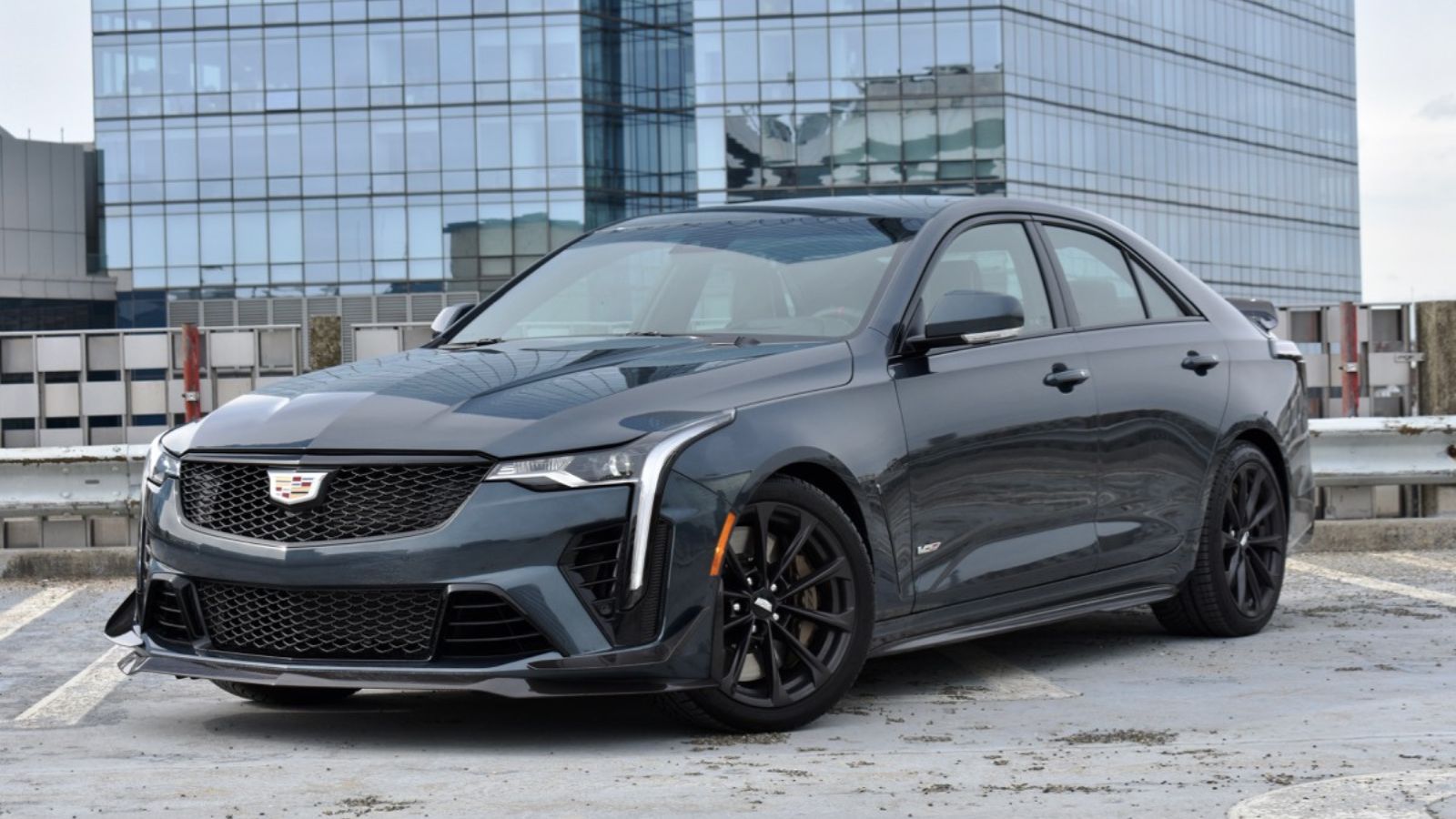
Drivers routinely drag brushes across roofs, hoods, and trunks before morning commutes. Snow is not the only concern. Dirt beneath it, abrasive brush bristles, ice crystals, or an improvised household broom can be pulled across the clear coat. AAA advises against using shovels and abrasive tools on vehicle surfaces and recommends a snow broom or soft-bristled brush to reduce scratching paint and glass.
Black paint makes small mistakes memorable. A long mark across a hood may be nearly invisible when wet yet obvious once sunlight strikes it. Apartment dwellers also face time pressure: heavy snow must be cleared safely, often before dawn and without warm water. Repeating that process through winter increases the chance of marring. Foam tools, clean brushes, and gentle technique help, but they demand more care than many buyers anticipate when they select a dark colour mainly because of how it looks indoors at delivery.
Bird Droppings and Tree Sap Demand Fast Attention

Bird droppings, tree sap, insects, and industrial fallout are not merely cosmetic. Honda Canada excludes paint damage caused by contaminants including droppings and sap from its standard paint warranty, and Honda owner guidance recommends washing more frequently when these materials stick to painted surfaces. Contaminants can stain or damage the finish if they remain, particularly when heat bakes them onto a panel.
On black paint, the problem announces itself immediately. A pale dropping on the hood or sticky sap across the roof can dominate the vehicle’s appearance, even when the rest is clean. Parking under a tree for shade may reduce cabin heat but increase exposure to sap, leaves, and birds—a familiar trade-off during summer. Safe removal also requires water, appropriate cleaner, and a soft cloth; rubbing a dry contaminant can create scratches. Owners expecting a low-effort colour may resent how quickly minor environmental messes become urgent outdoor cleaning jobs.
Stone Chips Look Harsher on a Dark Surface

Canadian highways expose front bumpers, hood edges, mirrors, and rocker panels to gravel, sand, salt, and stones. These impacts can chip paint or mark the clear coat. Honda advises inspecting painted surfaces and repairing scratches promptly because damaged paint can allow body rust to develop. Paint-protection manufacturers market film against stone chips, road debris, bugs, salt, scratches, and stains.
The visual penalty can be greater on black. A light-coloured chip, scuff, or salt-filled nick creates sharp contrast, so a relatively small defect can make the front end look older than its mileage suggests. Gravel roads, resurfacing zones, and winter sanding increase the opportunities. Touch-up paint can protect exposed areas, but small repairs may remain noticeable if the colour, texture, or gloss does not blend perfectly. Some owners respond by installing film on high-impact panels, adding cost to a purchase that originally seemed no different from choosing any other factory colour.
Low-Light Visibility Adds a Cautious Safety Concern
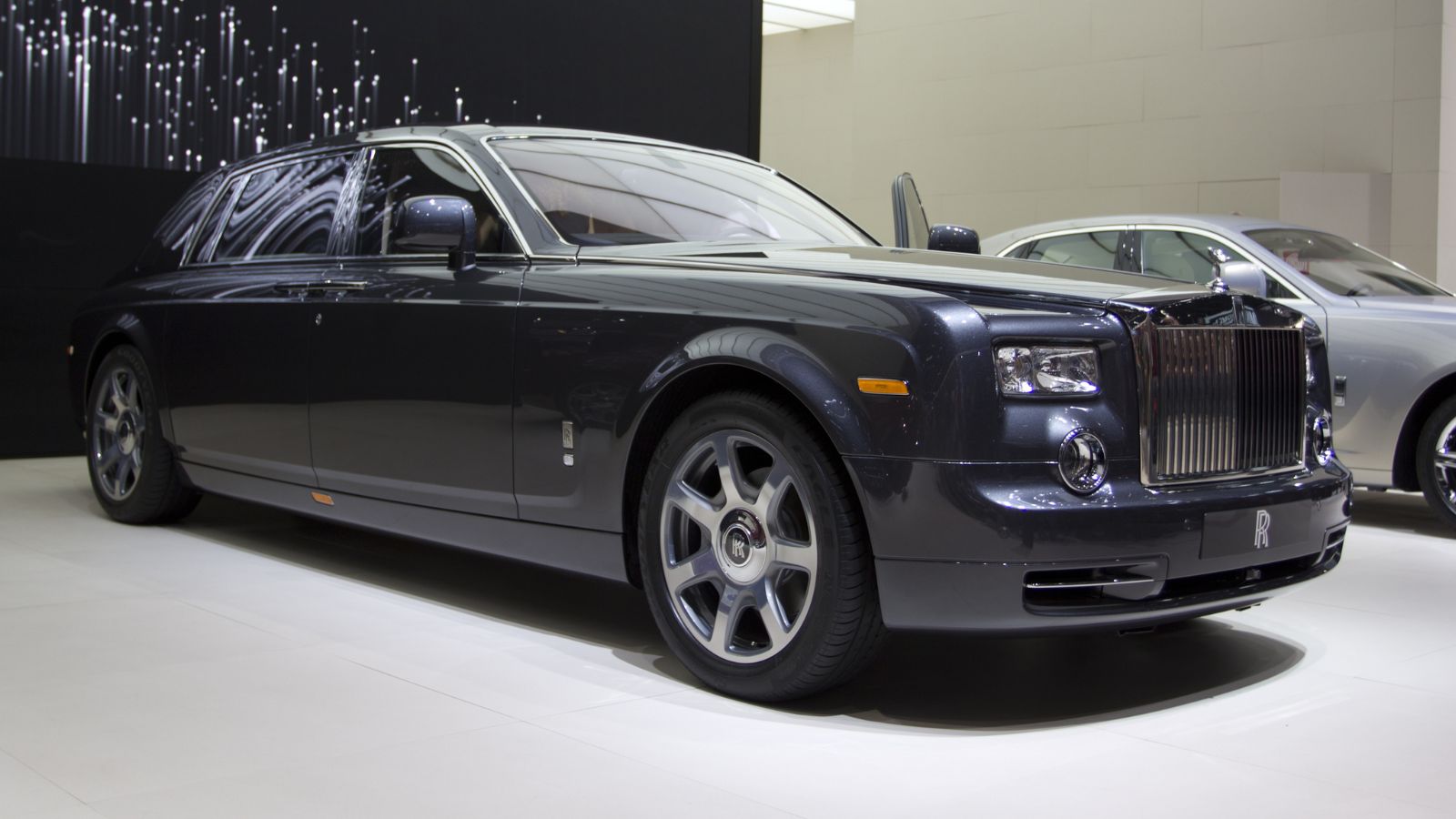
Vehicle colour is not a major determinant of crash risk, and lighting, speed, weather, tires, and driver behaviour matter far more. Still, a Monash University study of crashes in two Australian states found a significant relationship between colour and crash involvement. Compared with white, lower-visibility colours including black were associated with higher risk, with differences reaching roughly 10 percent in daylight analyses.
Those results should not be presented as a precise Canadian prediction. Road design, daytime-running-light rules, vehicle fleets, and weather differ, and the study noted environmental conditions can modify the relationship. The finding is better treated as a conspicuity caution: dark vehicles can blend into shadowed streets, rain, dusk, and dark backgrounds. Headlights, clean lamps, functioning daytime running lights, and defensive driving remain more actionable than paint colour. Even so, buyers who assumed colour had no safety relevance may view black less favourably after considering visibility.
Keeping the Premium Look Can Invite Extra Spending
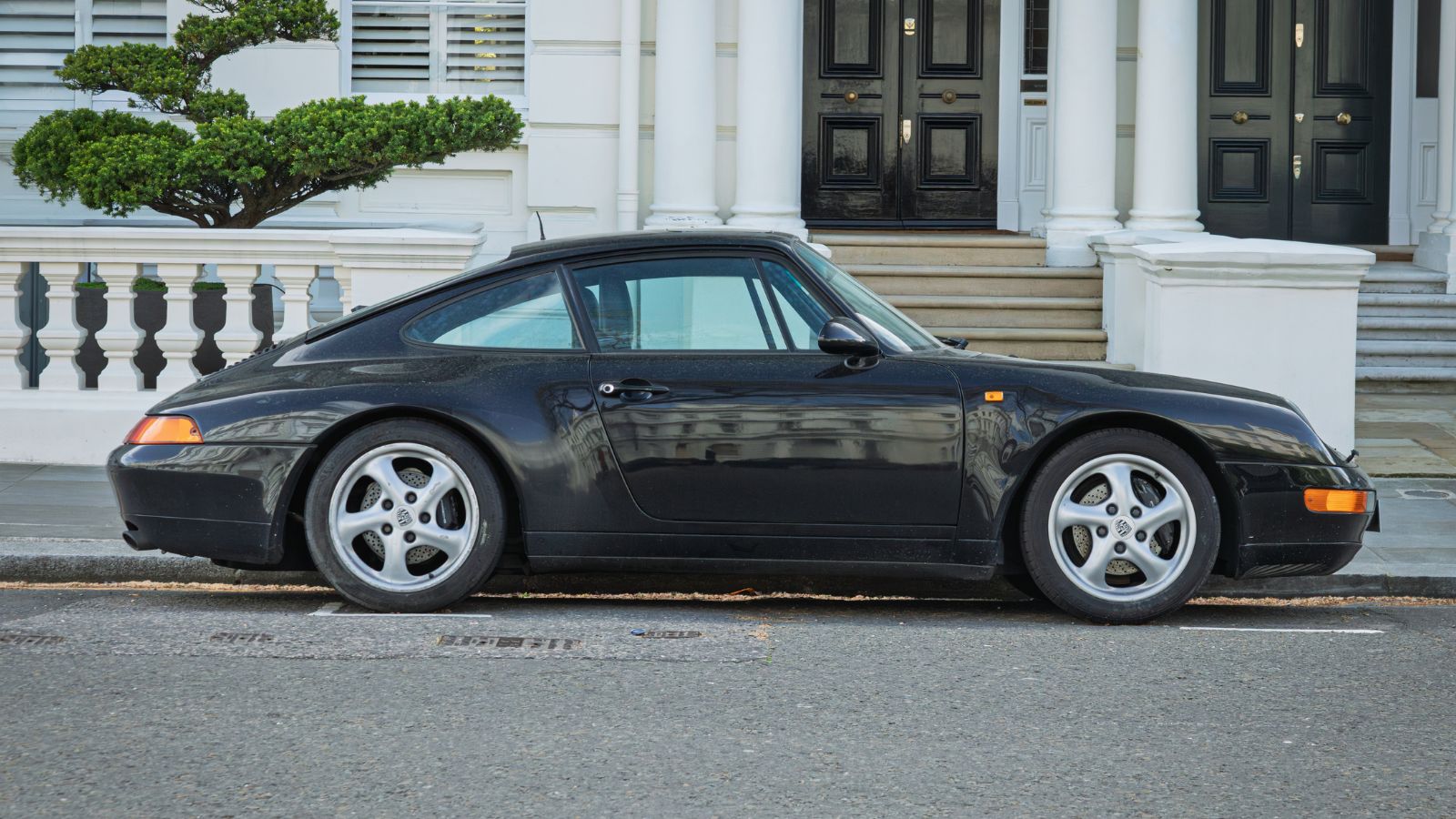
Black vehicles often look more expensive than they are with a perfect finish. Preserving that appearance can lead owners toward extras: two-bucket washing equipment, premium towels, paint correction, sealants, ceramic coatings, or paint-protection film. 3M offers film in coverage levels ranging from door edges and handles to the entire vehicle, showing how protection can expand into a major purchase.
None of those upgrades is mandatory, and careful washing can keep factory paint presentable for years. The regret comes from expectations. A buyer may have selected black at no factory premium, then discover that the desired showroom gloss requires more time or money than a lighter colour would demand. Professional finishing guidance also calls for additional ultrafine polishing on critical dark colours when holograms remain. Over several Canadian winters and summers, the colour can feel less like a free styling choice and more like an ongoing appearance-management commitment throughout long-term ownership.
22 Things Canadians Do to Their Cars in Spring That Mechanics Hate
Spring brings relief to many Canadian drivers after months of snow, freezing temperatures, and icy roads that put serious strain on vehicles. As temperatures rise across the country, drivers begin washing cars, switching tires, and preparing vehicles for warmer weather and upcoming road trips. However, mechanics across Canada notice the same mistakes every spring when drivers attempt to recover from winter damage. Road salt, potholes, and harsh winter driving conditions often leave vehicles with hidden problems that drivers ignore. Some spring habits even create new mechanical issues that could have been avoided with proper maintenance. Here are 22 things Canadians do to their cars in spring that mechanics hate.

Alanna Rosen is an experienced content writer that focuses on many EV and educational content. Her articles are regularly published on Get CyberTrucked and syndicated on large publications.