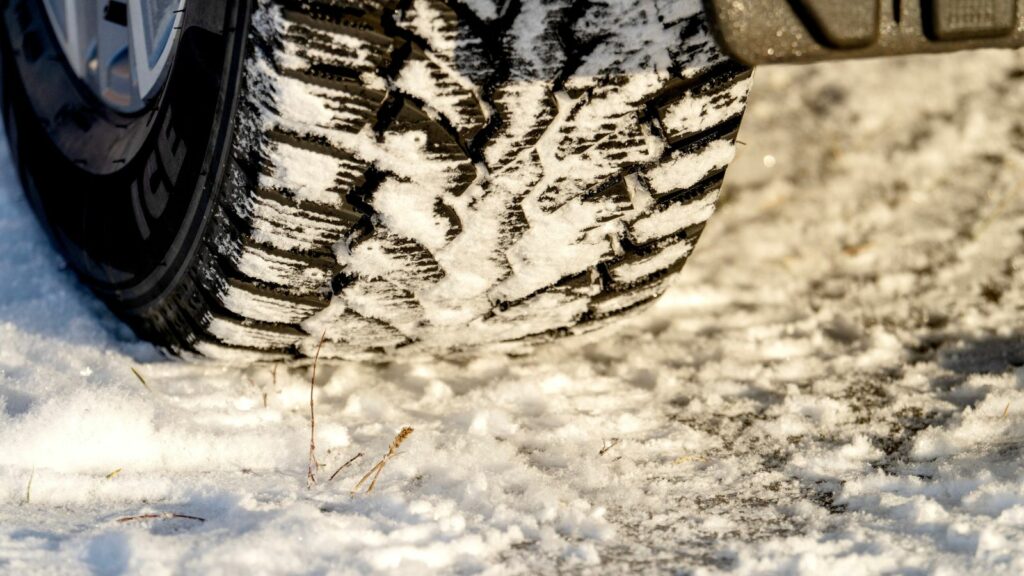
Winter driving rarely becomes expensive through one dramatic purchase. Instead, the season adds a series of smaller costs—some predictable, others arriving with the first deep freeze, pothole impact, or failed battery. Fuel economy declines, tires need specialized care, road salt demands extra cleaning, and a minor slide can lead to a deductible and days without a vehicle.
These 17 cost drivers explain why a familiar commute can strain a transportation budget once temperatures fall. The expenses range from obvious necessities, such as winter tires and washer fluid, to less visible penalties involving tire pressure, electric-vehicle range, corrosion, towing limits, parking bans, and emergency preparation. Together, they show how winter charges drivers before, during, and long after the snowstorm itself.
Winter Tires Are a Separate Vehicle Budget
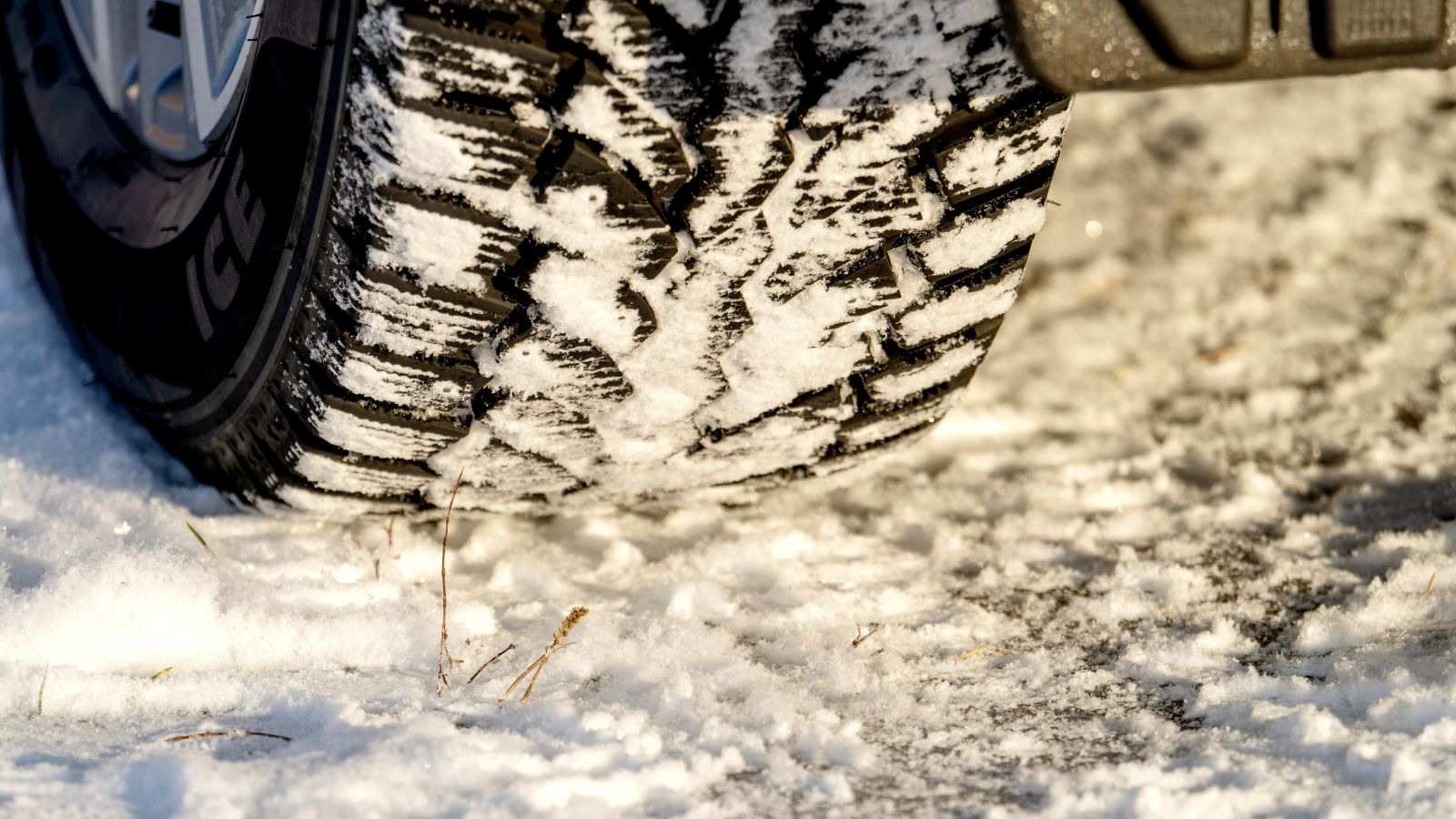
A vehicle may be legal on all-season tires in much of Canada, yet still need a second set for cold-weather traction. Dedicated winter tires use softer compounds and tread patterns that remain effective in low temperatures. That means four tires, not merely a pair, and sometimes separate steel or alloy wheels to make seasonal swaps easier. In Quebec, winter tires are mandatory from December 1 through March 15, turning the purchase into a legal requirement rather than an optional upgrade.
The expense arrives before the first storm, often alongside holiday spending, insurance renewals, or routine maintenance. Ontario requires insurers to offer a winter-tire discount, but the reduction rarely erases the upfront purchase. A family with two vehicles can suddenly be budgeting for eight tires, mounting hardware, sensors, and possibly new rims. The safety benefit is real; so is the substantial cash outlay required before winter driving begins for many households.
Seasonal Changeovers and Storage Keep Returning
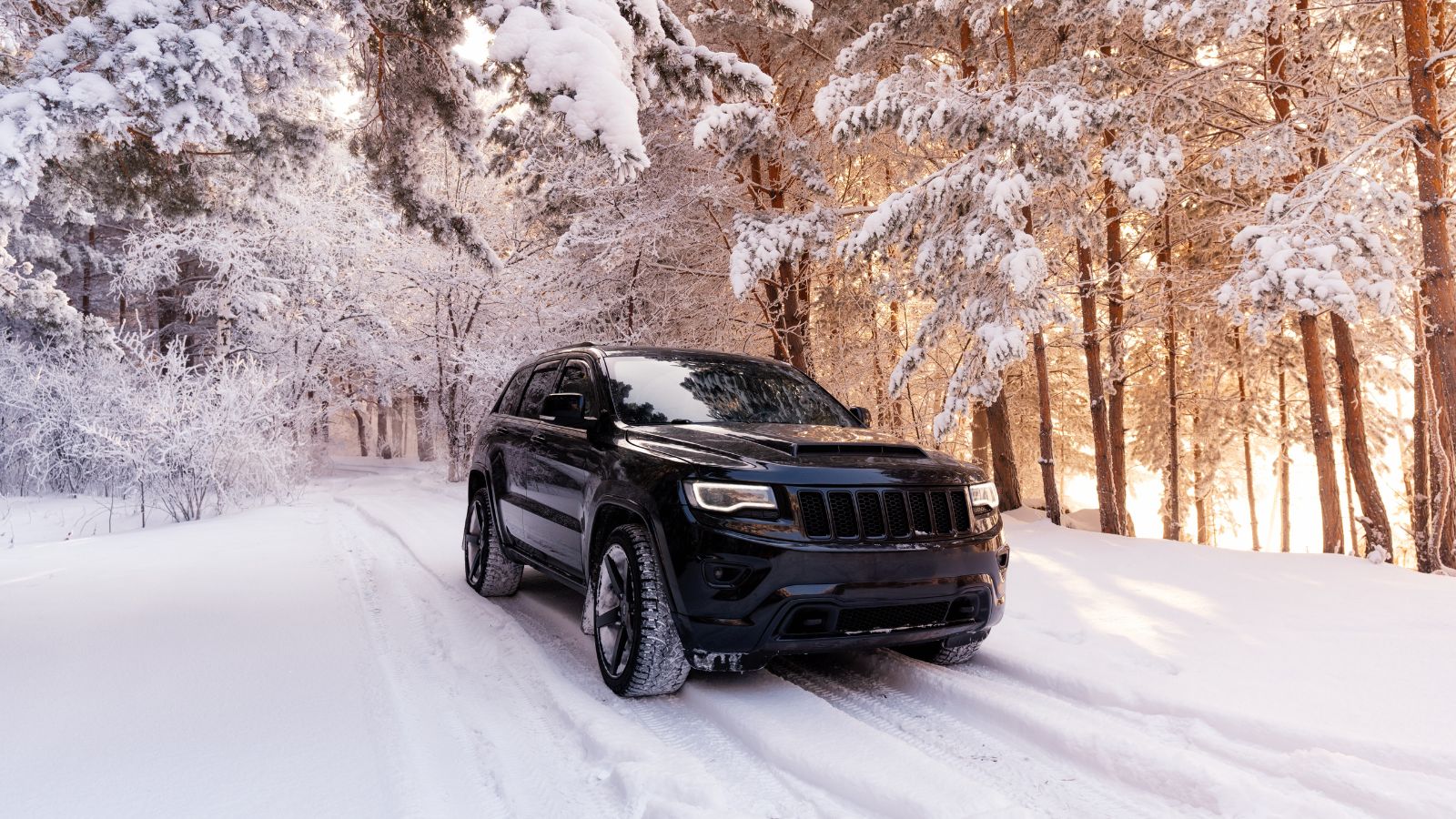
Buying winter tires is only the beginning. Drivers who reuse the same wheels must pay to have tires mounted, balanced, and removed twice a year. Those with a second wheel set face a simpler swap, but the appointment still carries labour charges. Shops become busy when temperatures fall, encouraging early bookings and sometimes forcing drivers to choose a pricier appointment to avoid being caught by the first snowfall.
Storage adds another recurring line to the bill. Four bulky tires take up space, and apartment dwellers or households without garages may rely on dealership or tire-shop storage. CAA-affiliated services market both seasonal changes and tire storage because the need is widespread. The cost may appear modest in isolation, yet it repeats every spring and autumn for as long as the vehicle uses two sets. Over several ownership years, changeovers and storage can rival the price of another full set of tires.
Winter Tread Can Reach Its Limit Earlier

Winter tires do not remain winter-ready until they are bald. Transport Canada recommends at least 4 millimetres, or 5/32 inch, of tread for safer winter use. A tire can be usable in dry conditions yet no longer provide the snow evacuation and biting edges expected in slush or packed snow. Drivers who measure tread against the legal minimum may discover that replacement is needed sooner than anticipated.
Consumer Reports says winter tires often last three or four seasons, depending on distance and use. Warm-weather driving can shorten that life because the softer compound wears faster on hot pavement. A driver who delays the spring changeover may consume a portion of the next winter’s traction. Uneven wear, skipped rotations, poor alignment, or underinflation can accelerate replacement. The surprise is not simply buying winter tires once; it is learning that a replacement schedule may be shorter than the household tire budget assumes.
Cold Weather Raises Fuel Consumption
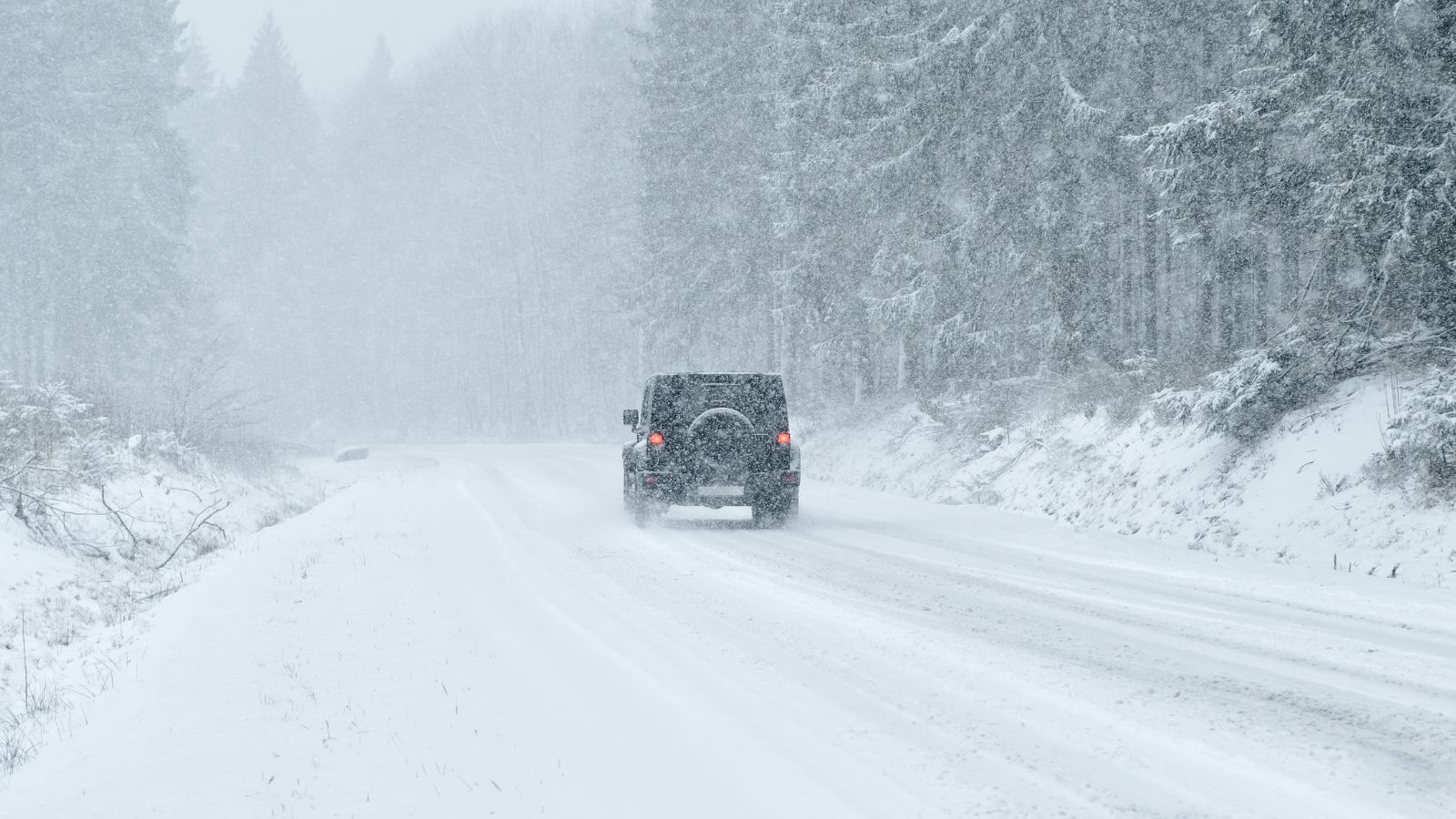
Winter fuel costs rise when the driving routine stays unchanged. FuelEconomy.gov reports that a conventional gasoline vehicle’s city fuel economy was about 15 percent lower at 20°F (-7°C) than at 77°F. On short trips of three to four miles, the decline could reach 24 percent. Hybrids can experience a larger drop because their engines and battery systems also operate less efficiently in the cold.
Several penalties arrive at once: thickened fluids increase friction, engines take longer to reach efficient temperatures, cold air increases aerodynamic drag, tire pressure falls, and heaters or defrosters demand energy. Snow-covered roads and four-wheel drive can add more consumption. The result is a winter fuel receipt that appears to rise without any obvious change in kilometres travelled. Commuters making several short errands may feel the increase most because the vehicle repeatedly starts and spends much of each trip below its efficient operating temperature during every outing.
Long Warm-Ups Burn Fuel Without Going Anywhere
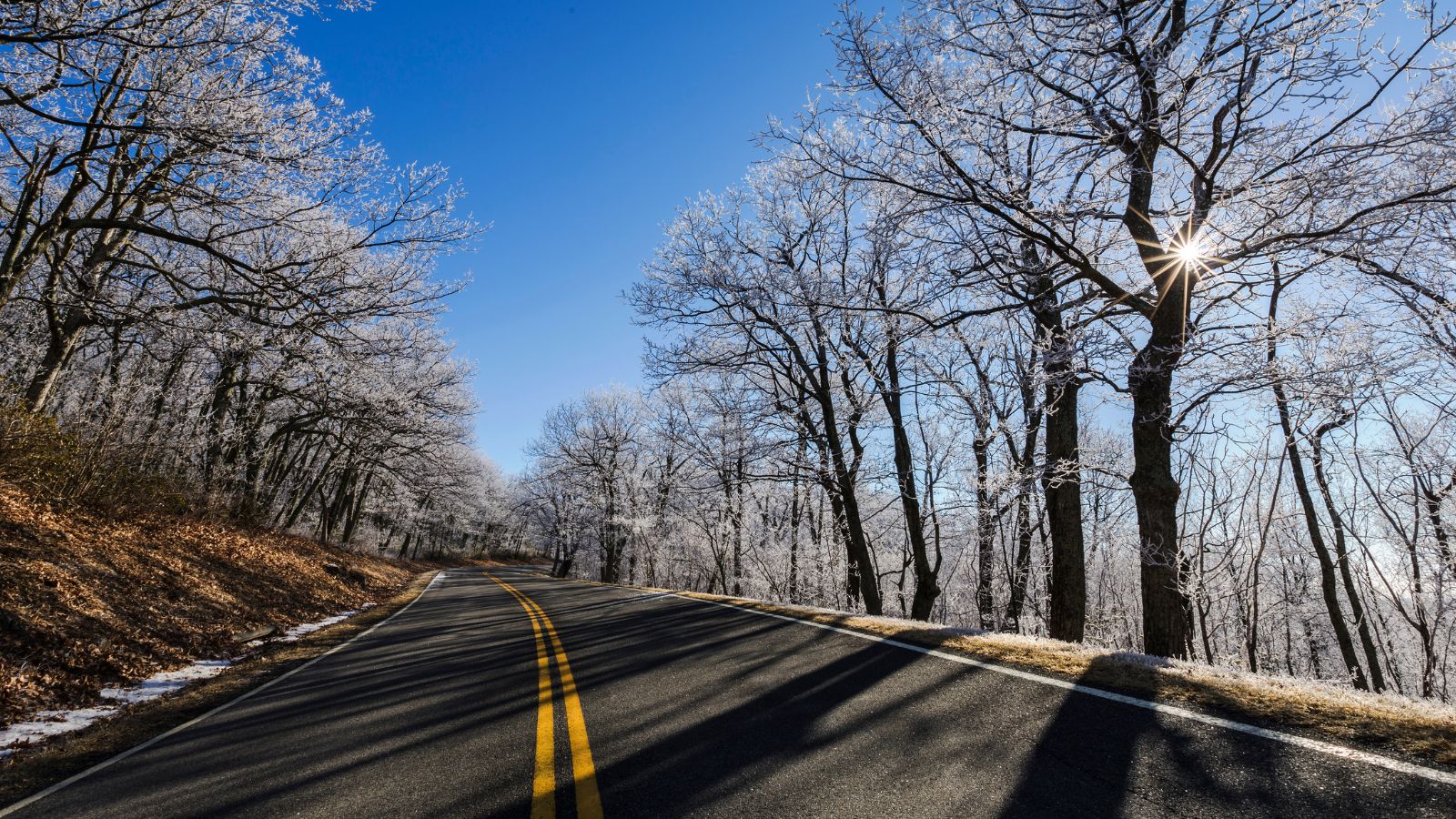
Remote starters ease frozen mornings, but they can turn comfort into a fuel charge. Natural Resources Canada says ten minutes of idling can burn one-quarter to one-half litre of fuel, depending on conditions. It advises that most vehicles need no more than 60 seconds of idling after a cold start before being driven gently. The engine, transmission, wheel bearings, and other components warm better once the vehicle is moving.
The expense grows through repetition. A ten-minute warm-up before work, followed by another before the evening commute, can add hours of zero-distance engine operation over a month. Drivers may leave vehicles running while scraping ice or waiting for passengers. In many municipalities, anti-idling bylaws create a potential fine on top of the wasted fuel. Cabin comfort matters, especially during extreme cold, but treating a parked vehicle like a heated waiting room can make the seasonal fuel budget climb faster than expected.
Cold Air Quietly Lowers Tire Pressure
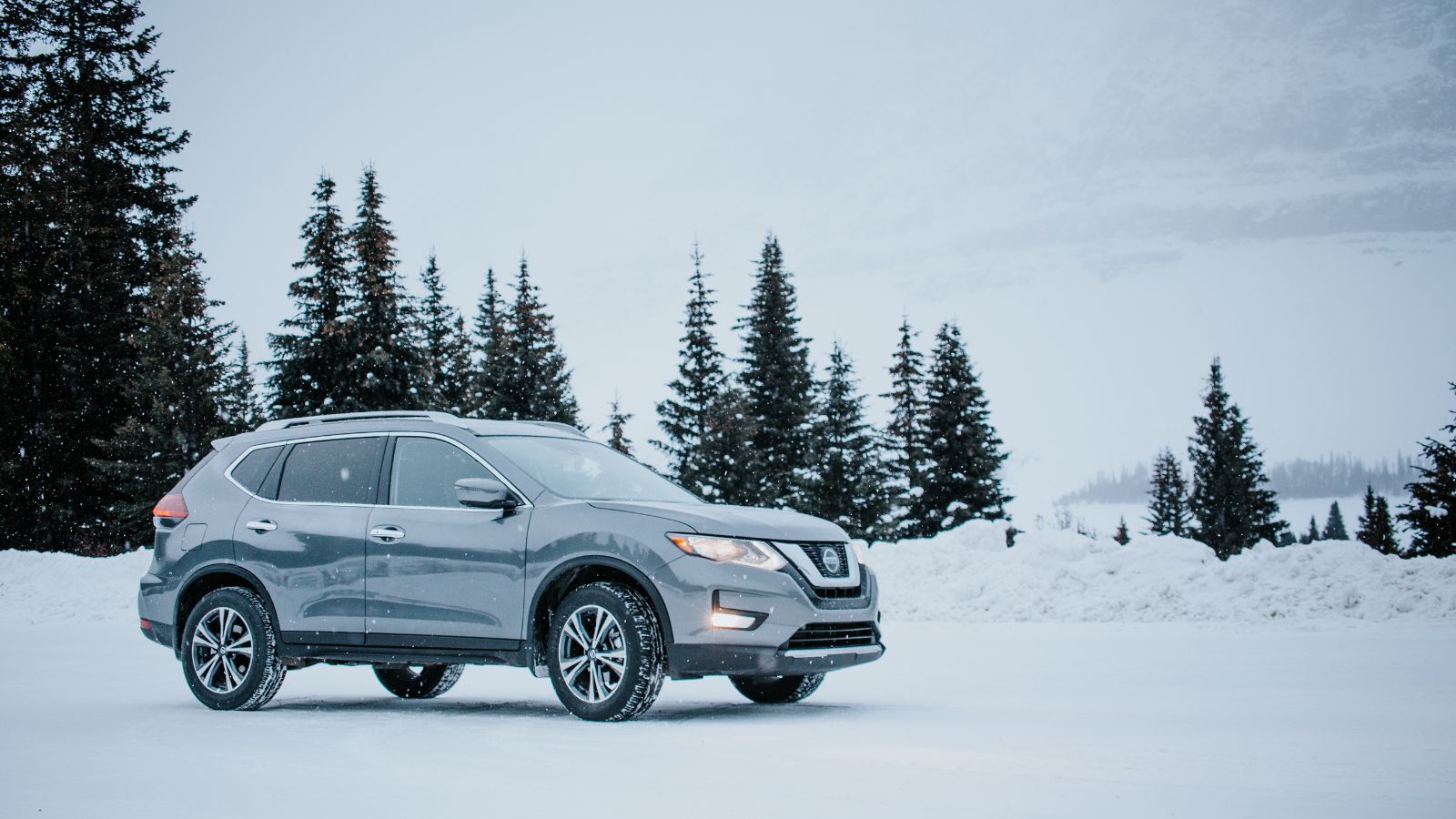
A winter temperature drop can reduce tire pressure without a puncture. NHTSA notes that temperature changes can lower pressure by about 1 psi for every 10°F decrease in ambient temperature. A vehicle set correctly during an autumn afternoon may therefore be several psi lower after a deep freeze. When drivers wait for the tire-pressure warning light, underinflation can continue before the threshold is reached.
Low pressure increases rolling resistance, which means the engine or battery must work harder. It can also accelerate tread wear and leave a tire more vulnerable to pothole damage. Natural Resources Canada has estimated that every 4 psi of underinflation can raise fuel use by about 2 percent. These penalties may not look dramatic on a single trip, yet they shorten tire life and increase energy consumption. Checks when tires are cold cost little; ignoring them can produce a winter leak in the household transportation budget.
Battery Failure Arrives at the Worst Time
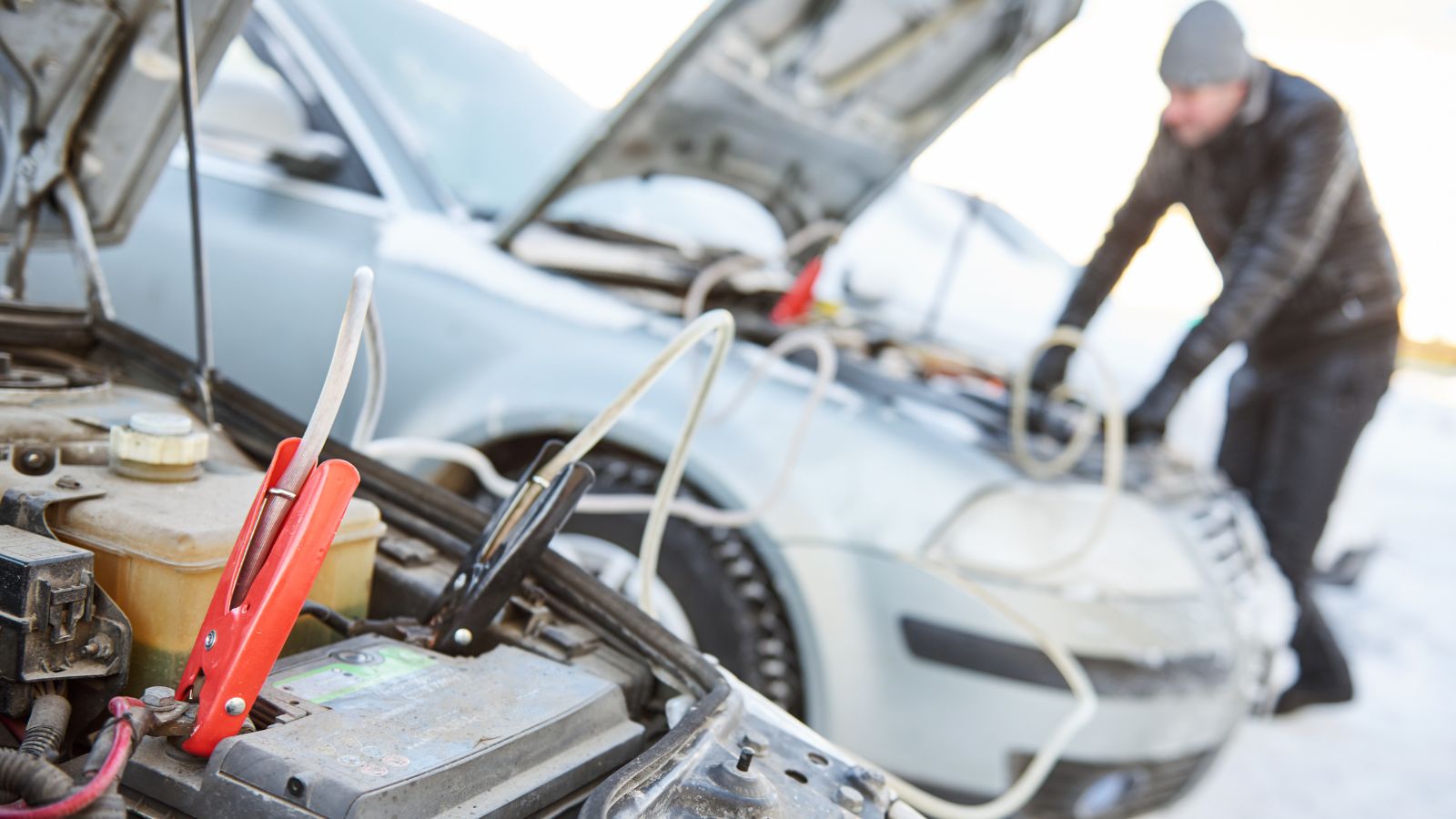
Cold weather quickly exposes a weak 12-volt battery. AAA says a typical battery may require about 30 percent more power to start an engine at 32°F, while its capacity can fall by half near 0°F. The mismatch is costly: the starter demands more energy just as the battery supplies less. Short trips, heated accessories, and repeated starts can make alternator recovery harder.
The financial hit includes more than a replacement battery. A driver may pay for a boost, roadside call, taxi, missed shift, diagnostic test, or premium-priced emergency installation. Modern vehicles may also require battery registration or electronic resets after replacement. The familiar version is human: the car worked normally last evening, then produces only a click on the coldest morning of the year. Preventive testing costs less than arranging transportation while a frozen vehicle sits in a driveway. A pre-winter load test can reveal declining capacity before that moment.
Electric Vehicles Need More Winter Energy
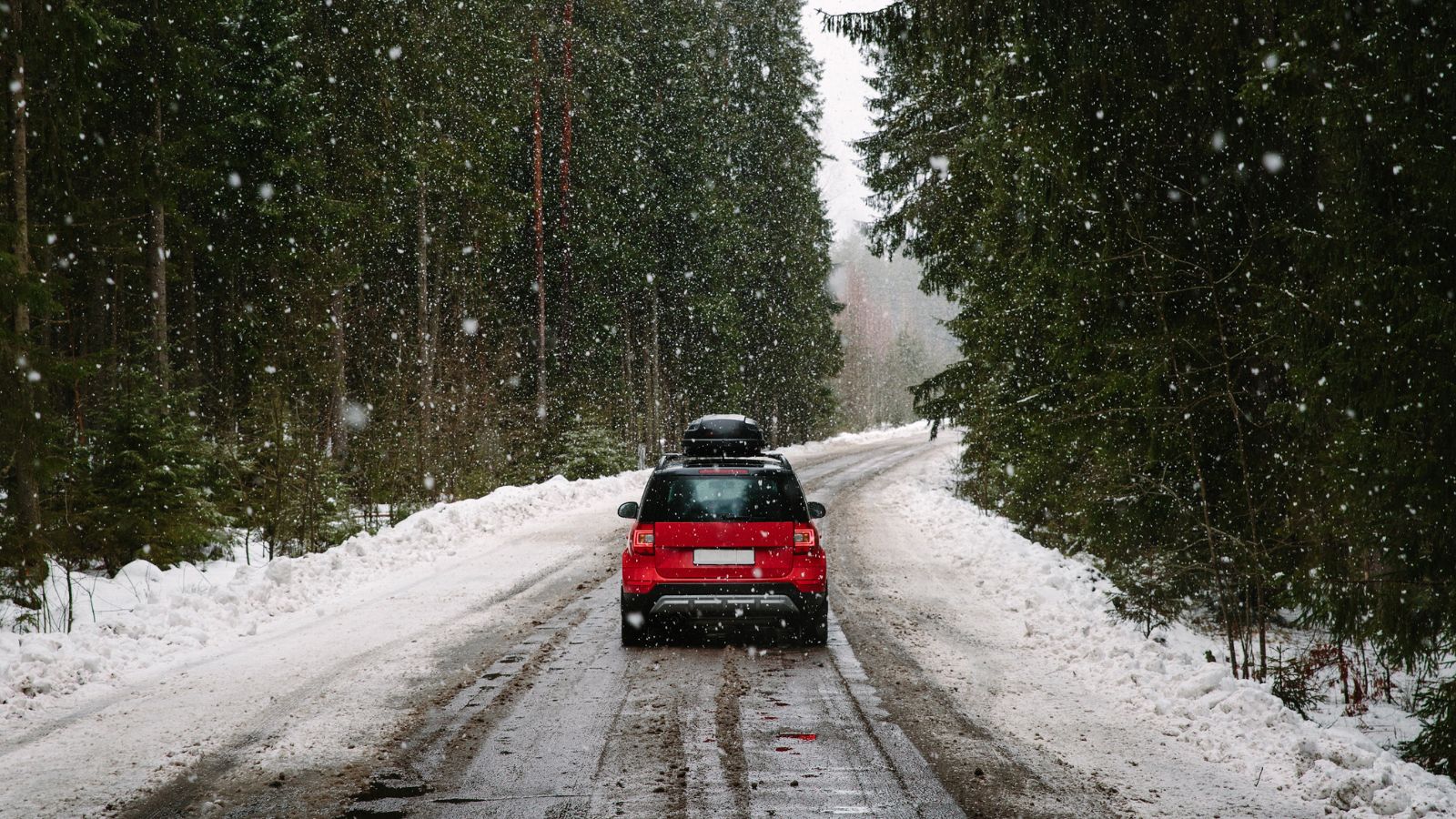
Electric vehicles avoid gasoline, but cold weather can make each kilometre costlier. FuelEconomy.gov reports EV range can fall substantially in cold conditions, particularly when the cabin heater is used; its cited testing found roughly a 41 percent range reduction in a severe comparison. CAA’s 2025 winter test showed that real-world cold-weather range can fall well below official ratings, though results vary by model, temperature, speed, and heating strategy.
Reduced range means more frequent charging for the same travel. At home, that means additional electricity use. On a road trip, it can mean extra fast-charging stops, where rates may be higher than residential electricity and time becomes another cost. Battery preconditioning and warming the cabin while plugged in can help, but they still use energy. An owner who budgeted from mild-weather efficiency may be surprised by winter charging totals during highway travel, deep freezes, or periods when public chargers are crowded.
Road Salt Creates a Corrosion Budget
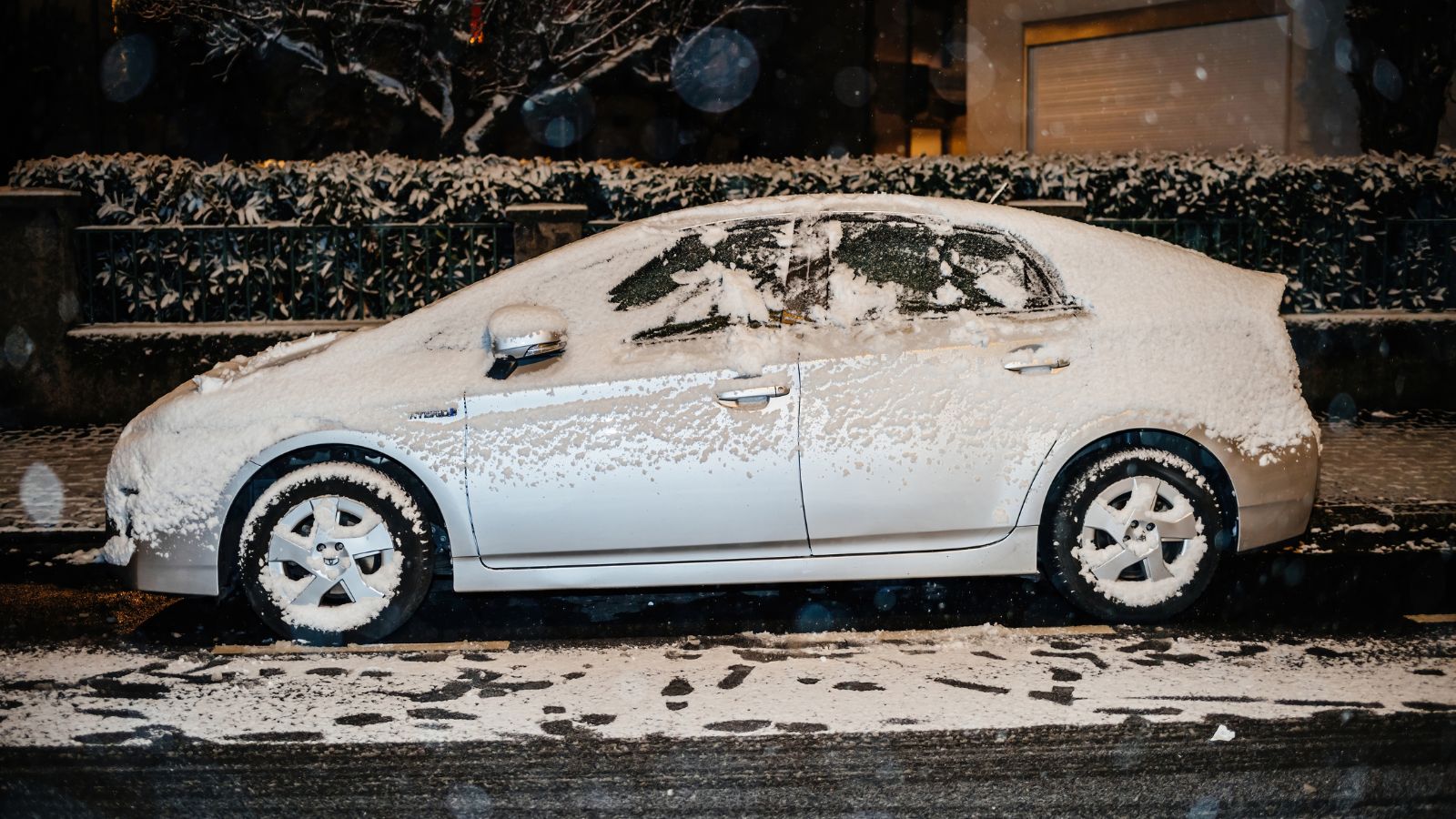
Road salt is essential for winter travel, yet it creates a long-term ownership cost. Environment and Climate Change Canada says five million tonnes of road salts are used in Canada yearly. Salt-laden moisture collects on underbody seams, brake lines, suspension parts, wiring connections, and body panels. Transport Canada recall records provide examples of corrosion affecting crossmembers, fuel-system components, electrical modules, and steering hardware in regions with heavy salt use.
Preventing damage is not free. CAA and AAA recommend frequent washing that includes the undercarriage, along with rustproofing or protective coatings where appropriate. Each wash seems minor, but months of slush and brine can require repeated cleaning. Skipping it can be more expensive: corrosion is often treated as wear and tear rather than an insured loss, and structural or brake-line repairs can escalate. Winter therefore charges twice—first for keeping roads passable, then for protecting the vehicle from what keeps them passable.
Visibility Requires Consumables and Replacements
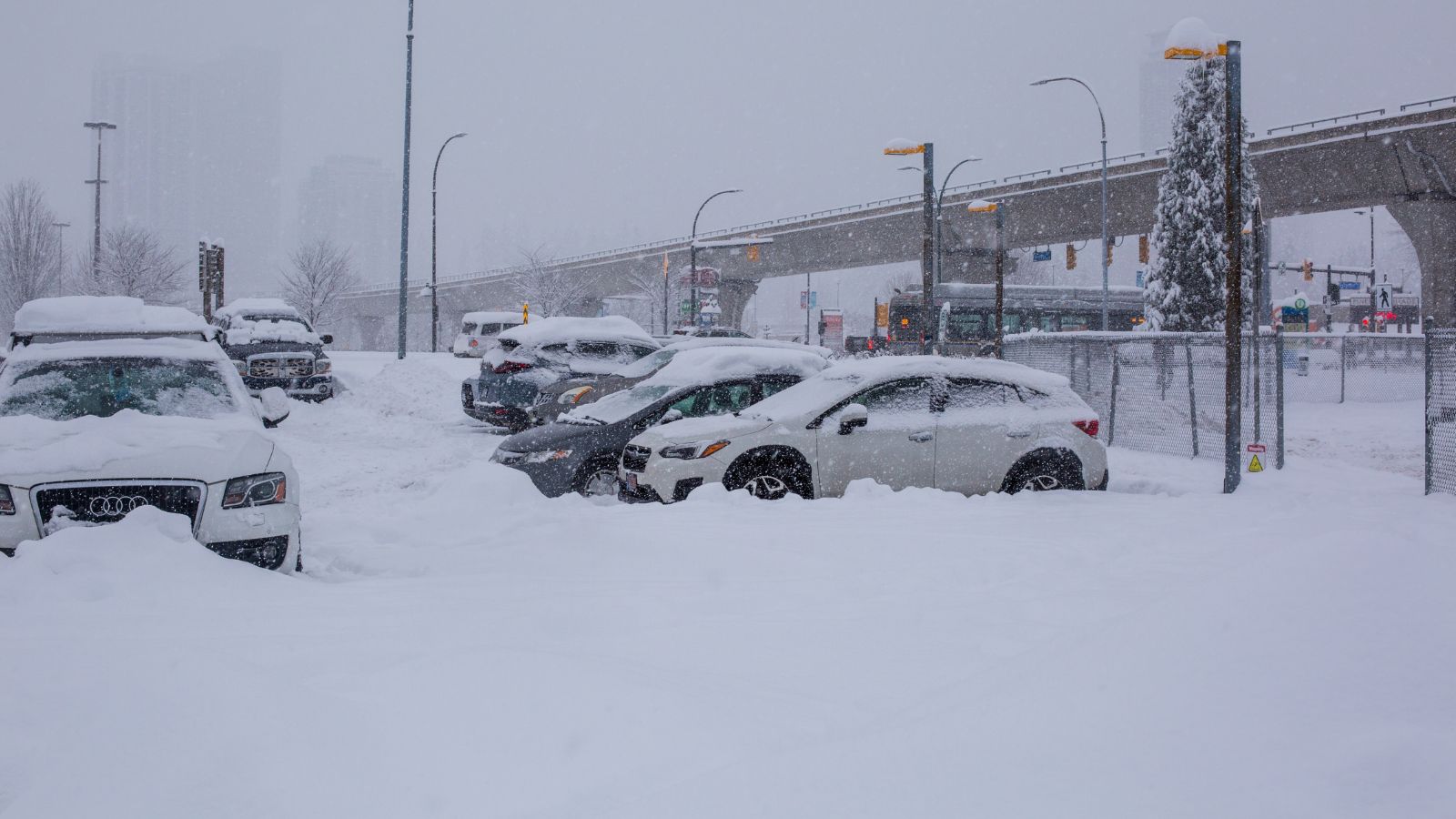
Winter visibility consumes more supplies than expected. Transport Canada advises using washer fluid rated to about -40°C, carrying an extra jug, maintaining wipers, and considering blades designed for winter. Slush thrown by traffic can empty a reservoir surprisingly quickly, while road salt leaves a pale film that ordinary water cannot safely remove in freezing temperatures. One stormy highway trip may use more washer fluid than several weeks of summer driving.
Wiper blades work harder against ice, snow, grit, and frozen residue. Rubber can tear after sticking to the windshield, and repeated scraping may damage the edge that keeps the glass clear. Add a scraper, snow brush, lock de-icer, windshield cover, or replacement defroster component, and visibility becomes a seasonal category of its own for drivers. The purchases are inexpensive compared with tires or repairs, but they are frequent, urgent, and difficult to postpone when the windshield becomes opaque in traffic.
Potholes Turn Thaws Into Repair Bills
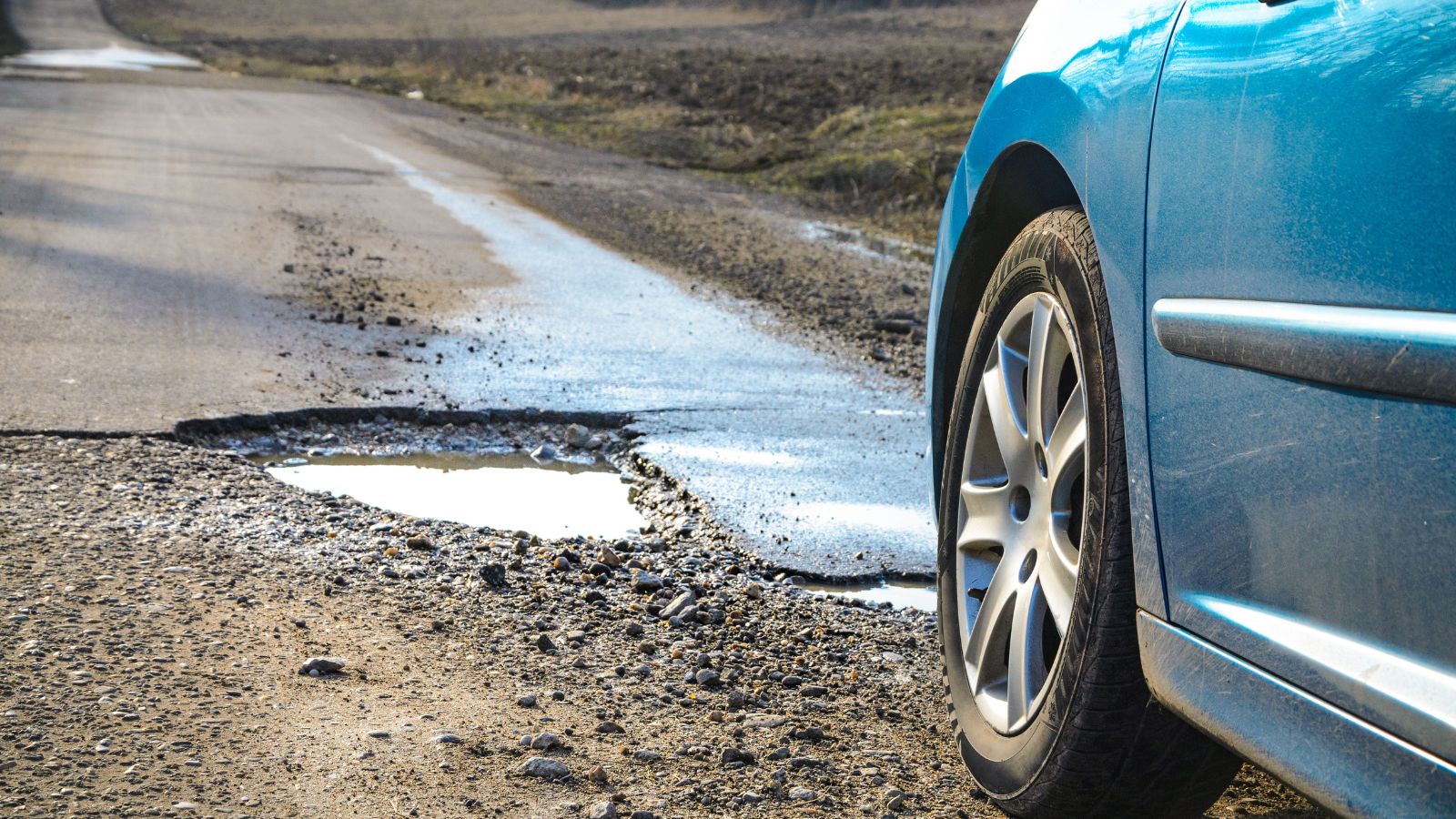
Freeze-thaw cycles allow water to enter pavement cracks, expand, and weaken the road surface. By late winter, a puddle may conceal a hole able to damage a tire, bend a wheel, disturb alignment, or strain suspension parts. CAA-Quebec lists replacement costs of $40 to $200 for a steel rim, while alloy wheels can often exceed $500. That excludes a tire, alignment, control arm, or tow.
The expense can be especially frustrating because reimbursement is uncertain. Municipalities are not automatically responsible for every pothole, and claims may require proof that officials knew about the defect and failed to address it within applicable standards. Insurance may cover a large loss, but the deductible can make smaller damage impractical to claim. One hard impact can therefore turn a normal commute into an immediate four-figure problem. Proper tire pressure helps, yet no routine maintenance can eliminate the risk created by a deep, water-filled crater.
Winter Collisions Bring Deductibles and Coverage Gaps
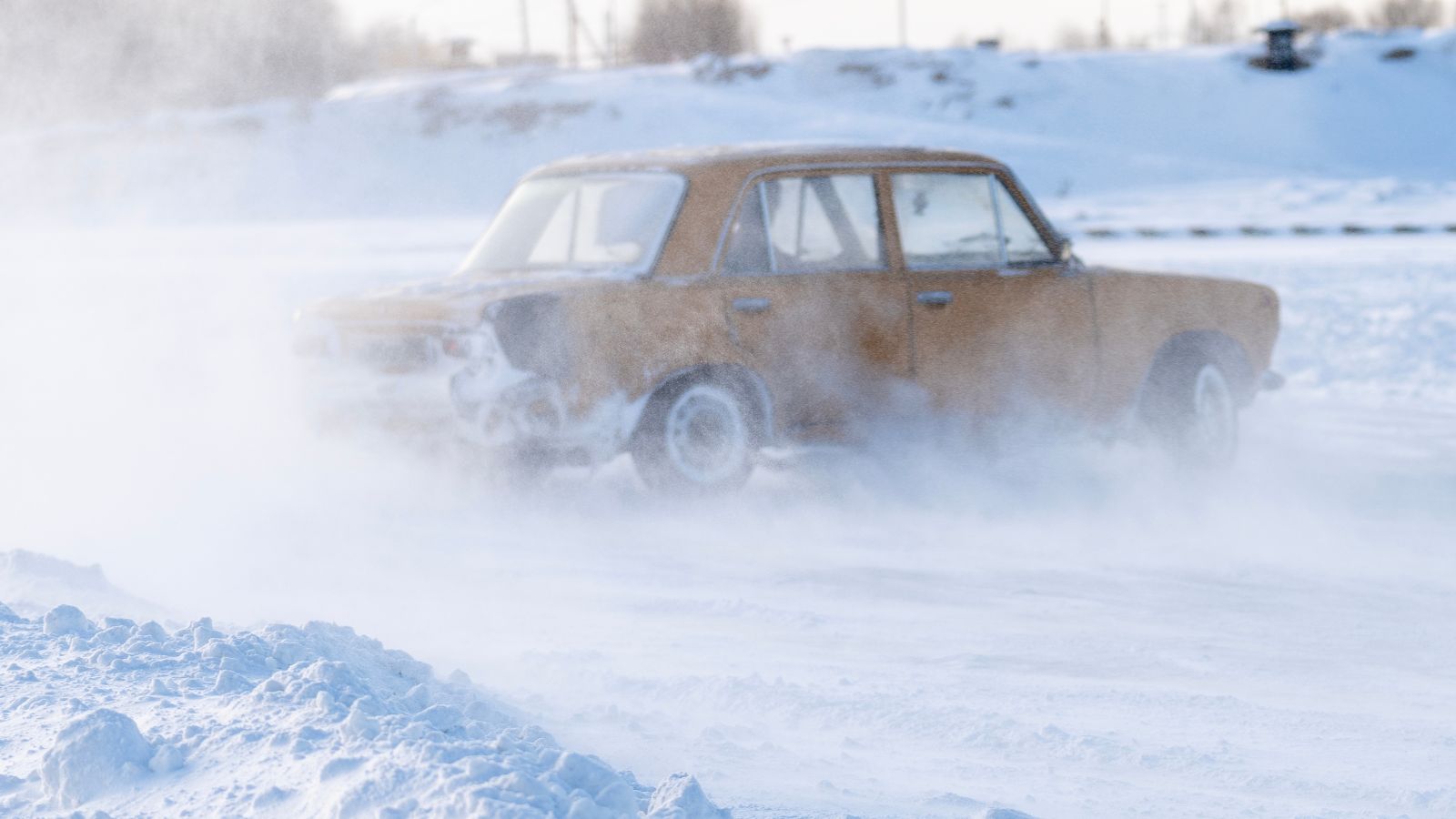
Snow, freezing rain, black ice, and reduced visibility can end a routine drive with damaged bodywork. A low-speed slide into a curb, snowbank, or a vehicle can involve towing, sensors, wheel alignment, paintwork, and rental transportation. Insurance Bureau of Canada says the deductible is the portion of a covered loss the policyholder pays. A claim therefore does not erase the cost when the damage sits only slightly above the deductible.
Coverage also matters. Collision damage requires collision or all-perils protection, while weather-related losses may depend on comprehensive coverage. A driver with only mandatory protection could discover that damage to the vehicle itself is not covered. Claims history can also influence pricing, depending on jurisdiction, fault, protection features, and insurer rules. The unexpected winter expense is often not the dramatic crash; it is the slow slide that produces a repair estimate, several days without a car, and a deductible due immediately.
Roadside Assistance Has Limits

Winter produces failures roadside programs are designed to handle: dead batteries, stuck vehicles, flat tires, lockouts, and tows. Membership can reduce one incident’s cost, but coverage has limits. CAA terms note that towing beyond the included distance can add kilometre charges, while impound, storage, and ordinance-related towing costs are not covered. Drivers without a plan may face the full retail price during peak demand.
Weather can complicate service. A vehicle buried in a snowbank may need specialized recovery rather than a standard tow, and remote locations can exceed the distance allowance. During major storms, wait times may force a taxi, hotel stay, or alternative ride before vehicle recovery. Membership remains valuable, but it is not a blank cheque. Reading the distance, recovery, and vehicle-eligibility rules before winter prevents a second surprise after the first one has already left the car stranded. Details determine whether help is included or only discounted.
Block Heaters and Remote Starters Add Utility Costs
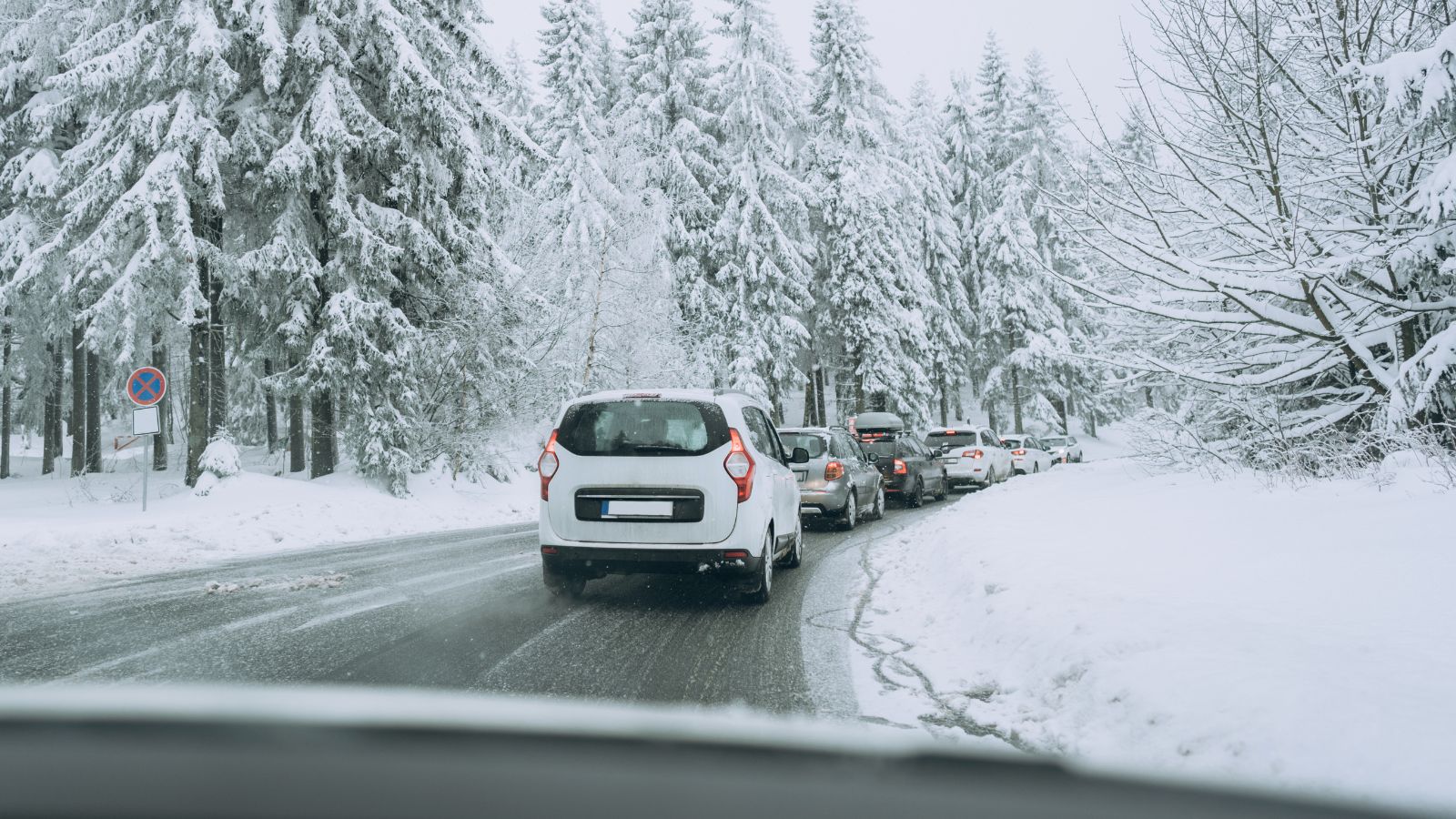
A block heater can ease cold starts and reduce early-trip fuel use. Natural Resources Canada reports winter fuel-economy improvements up to 10 percent with a pre-warmed engine. The agency recommends using an automatic timer and powering the heater for about two hours before departure. Leaving it plugged in all night wastes electricity after most practical benefit is reached.
Remote starters create another cost. The device may require installation, replacement fobs, or subscriptions on some vehicles, while every extended warm-up burns fuel. Heated seats, steering wheels, mirrors, rear defrosters, and high blower settings add electrical load. None is extravagant; they improve comfort and visibility. The surprise comes when several conveniences operate twice daily for months. A timer, shorter warm-up, and preheating only when needed can preserve most of the benefit without turning winter comfort into an uncontrolled operating expense. The best savings come from matching heat use to the actual departure.
Four-Wheel Drive Uses More Energy
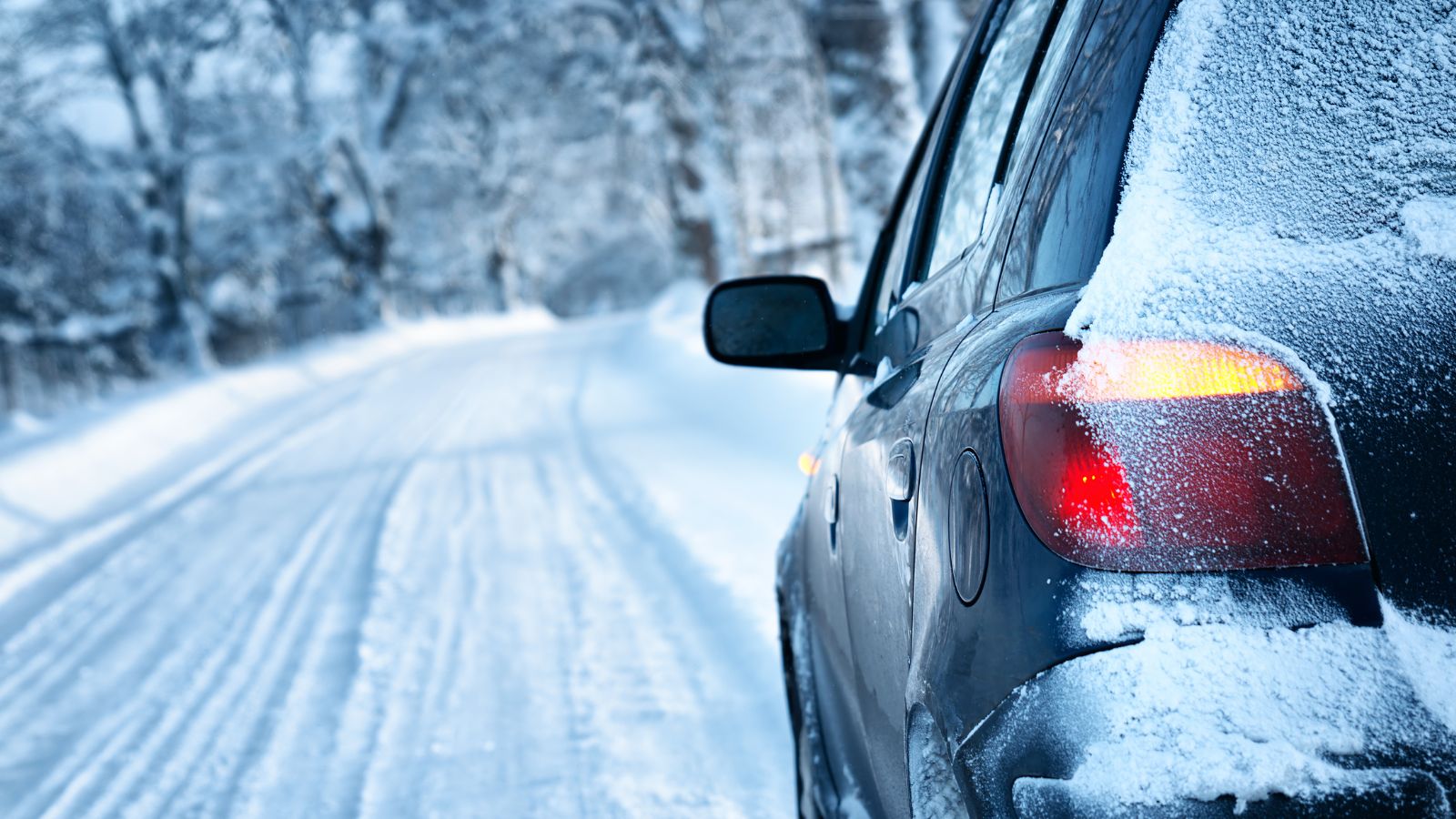
All-wheel drive and four-wheel drive can improve acceleration from a stop, climb a snowy grade, or cross deeper snow. They do not shorten braking limits and may reduce efficiency. FuelEconomy.gov notes four-wheel drive uses more fuel. Extra drivetrain components add weight and mechanical drag, while winter tires and snow-packed roads increase resistance further. The vehicle may feel more capable as energy use rises.
Capability also encourages secondary spending. Drivers may buy traction boards, tire chains where permitted, recovery straps, or a larger vehicle for winter confidence. Larger crossovers and trucks generally require bigger, more expensive winter tires, and some full-time all-wheel-drive systems require matched tread depths across all four tires. Replacing one damaged tire may involve replacing or shaving others to protect the drivetrain. Winter traction is valuable, but the hardware that provides it can raise fuel, tire, and maintenance costs well beyond the original option price over many years.
Snow-Route Rules Can Trigger Fines and Towing
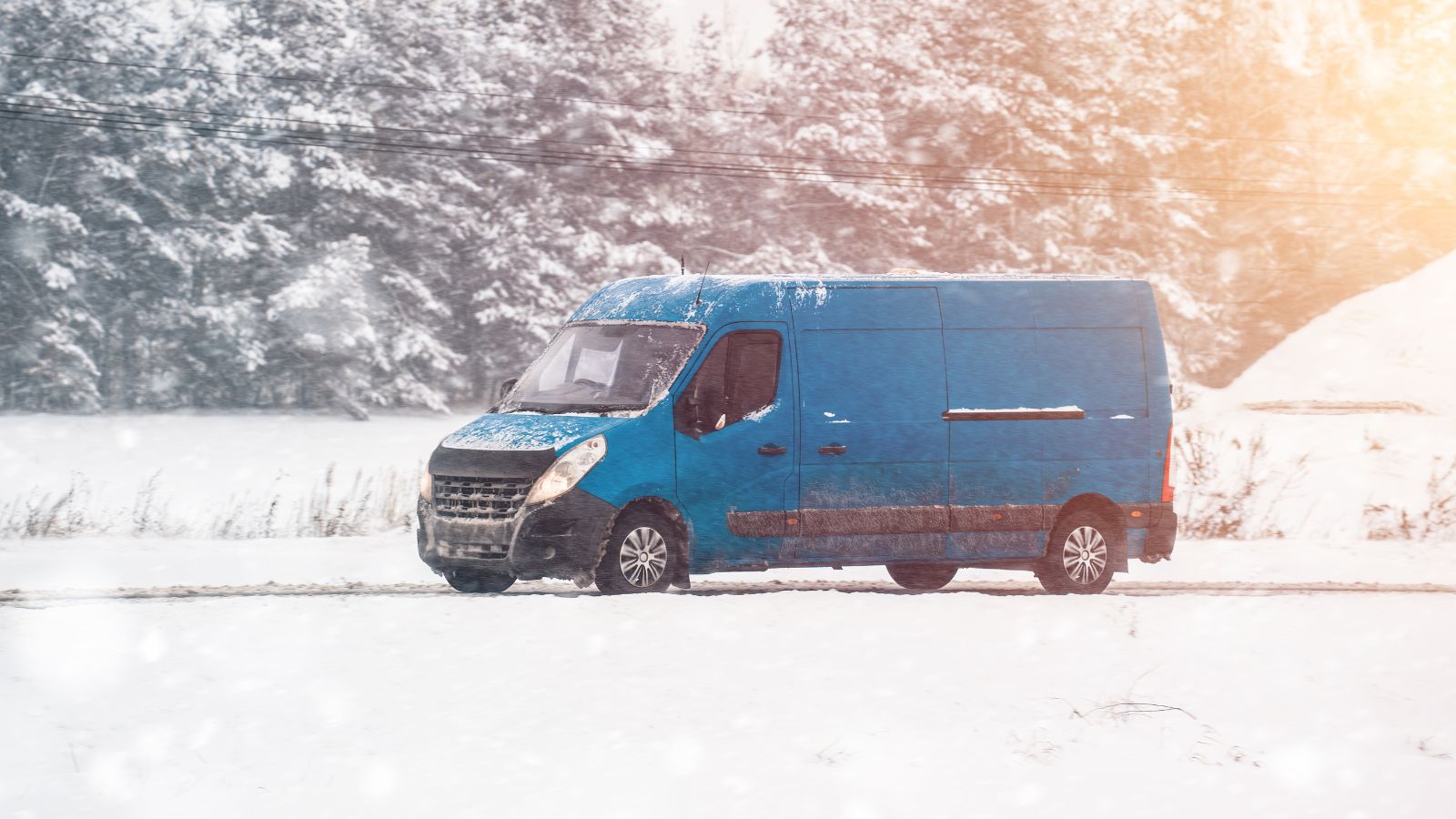
A parking space can become prohibited when a city declares a winter weather event. Toronto prohibits parking on designated snow routes during declared conditions, and city information warns of fines as high as $500. Vehicles may be towed, adding removal, impound, storage, taxi, and lost-time costs. Ottawa can declare winter parking bans when freezing rain or seven centimetres of snow is forecast.
These rules let plows and snow-removal equipment clear streets, but can surprise residents who rely on curb parking or miss a municipal alert. A permit does not always override a temporary ban. The expense may begin with finding paid overnight parking and become far larger if the vehicle is removed. Drivers in snow-prone cities therefore need to treat weather notifications as financial alerts, not merely traffic updates. One forgotten car can turn a stormy evening into a costly search through towing and municipal payment systems during each event.
Emergency Readiness Costs Money Before It Saves Money
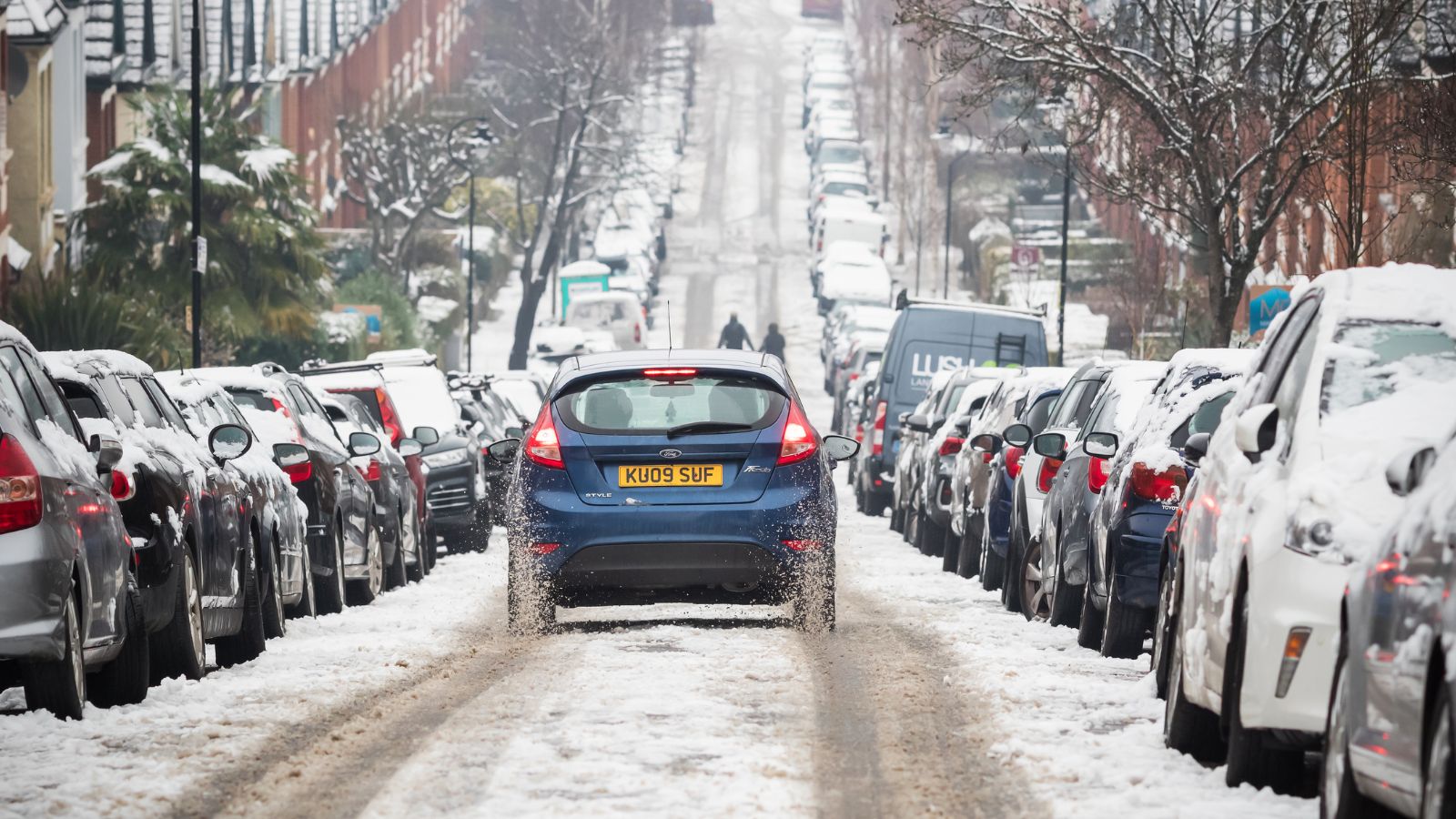
A proper winter emergency kit is more than a flashlight in the trunk. CAA recommends items including triangles or flares, a first-aid kit, shovel, traction material, booster cables, extra washer fluid, warm clothing, and lighting. Transport Canada adds practical items such as food, water, blankets, and charging equipment. Building the kit can cost more than expected, especially for households equipping multiple vehicles.
Some supplies need maintenance. Batteries discharge, food and medications expire, water freezes, and cheap booster cables may prove inadequate when needed. A portable jump pack requires charging, while a compact compressor or traction boards add further expense. The kit’s value becomes obvious during a road closure or breakdown, when warmth and visibility can prevent a dangerous situation. Winter driving is therefore expensive partly because responsible preparation involves buying things that ideally remain unused. The return is avoided harm rather than measurable kilometres, resale value, or direct financial profit.
22 Things Canadians Do to Their Cars in Spring That Mechanics Hate

Spring brings relief to many Canadian drivers after months of snow, freezing temperatures, and icy roads that put serious strain on vehicles. As temperatures rise across the country, drivers begin washing cars, switching tires, and preparing vehicles for warmer weather and upcoming road trips. However, mechanics across Canada notice the same mistakes every spring when drivers attempt to recover from winter damage. Road salt, potholes, and harsh winter driving conditions often leave vehicles with hidden problems that drivers ignore. Some spring habits even create new mechanical issues that could have been avoided with proper maintenance. Here are 22 things Canadians do to their cars in spring that mechanics hate.

Alanna Rosen is an experienced content writer that focuses on many EV and educational content. Her articles are regularly published on Get CyberTrucked and syndicated on large publications.