A polished exterior and a persuasive sales pitch can make almost any used vehicle appear reassuring. What matters more, however, is the information hidden behind fresh detailing, a warmed-up engine, and carefully chosen listing photos. Sellers who know a vehicle has problems may rely on buyers feeling rushed, uncomfortable, or afraid of losing a seemingly good deal.
These 23 questions are designed to slow the process down and expose gaps in a vehicle’s ownership, accident, maintenance, and mechanical history. No single answer can guarantee a trouble-free purchase, but clear responses supported by documents, inspections, and independent records can separate an honest sale from an expensive gamble.
Why Are You Selling the Vehicle?

This simple opening question can reveal more than a long technical checklist. Legitimate answers are usually straightforward: the household bought a larger vehicle, a work arrangement changed, or an older driver stopped driving. Vague replies such as “just don’t need it” are not automatic proof of a problem, but they invite follow-up questions. A seller who claims the vehicle has been flawless yet is urgently discounting it should be able to explain the contradiction without becoming defensive.
The answer should also match the paperwork and the vehicle’s condition. Someone claiming to be a long-term owner should normally know when major maintenance was completed, which shop performed the work, and how the vehicle behaved during daily use. By contrast, a recently acquired vehicle being resold immediately may belong to a casual vehicle flipper rather than the person represented in the advertisement. The explanation is not evidence on its own, but it provides a useful story that can be compared with the title, service records, mileage history, and ownership report.
Is the Title Actually in Your Name?

Before discussing price, buyers should establish whether the person showing the vehicle has the legal authority to sell it. A certificate of title identifies the vehicle’s legal owner and normally must be properly transferred during the transaction. When the seller’s identification does not match the name on the title, the explanation may be innocent—a family member could be handling the sale—but additional signed documents may be required.
A mismatched name can also signal title jumping, an arrangement in which someone buys and resells a vehicle without completing the ownership transfer. That can leave the new buyer facing unpaid taxes, registration trouble, missing signatures, or a previous owner who cannot be located. Rules differ by jurisdiction, so the local motor-vehicle authority should be consulted before money changes hands. A buyer should be especially cautious when a seller says the title will be provided later. A bill of sale documents an agreement, but it may not replace the proof of ownership needed to register and legally transfer the vehicle.
Is There Still a Loan or Lien on It?

A vehicle can look fully available for sale while a lender still has a financial interest in it. A lien indicates that another party, commonly a bank or finance company, has a secured claim against the vehicle. The seller may be making payments normally and may genuinely intend to use the purchase money to settle the balance, but the payoff and title-release process must be handled correctly.
A safer transaction may involve completing the payoff directly with the lender, confirming the exact balance, and obtaining official proof that the lien has been released. Simply accepting a promise that the loan will be paid afterward exposes the buyer to unnecessary risk. Some jurisdictions use electronic titles, which can add processing time after the lender receives payment. Others require a signed lien-release letter or a lender’s signature on the title. The important question is not merely whether money is owed, but how the lender’s interest will be removed before or during the transfer.
Has the Title Ever Been Branded?

A clean-looking title today does not necessarily describe everything that happened in another jurisdiction years earlier. Vehicle titles can receive brands such as salvage, rebuilt, junk, flood, or total loss. These labels generally indicate that an insurer, government agency, or previous owner reported severe damage or another significant condition. Brand terminology and thresholds differ between jurisdictions, which makes a multi-state history search especially important.
A rebuilt vehicle is not automatically unusable, and some are repaired competently. The difficulty is determining what was damaged, which parts were installed, whether structural dimensions were restored, and whether safety systems are functioning correctly. Flood damage creates additional uncertainty because moisture can affect wiring, connectors, modules, upholstery, bearings, and other components long after a vehicle has been cleaned. A seller who minimizes a branded title as “only cosmetic” should be prepared to provide photographs, repair invoices, inspection documents, and evidence showing exactly how the vehicle was restored.
Can I See an Independent Vehicle-History Report?

A seller-provided report can be useful, but buyers should verify the vehicle identification number and consider obtaining a report independently. Government-supported title databases can reveal information such as current title status, brand history, the most recently reported odometer reading, total-loss records, and certain theft information. Commercial reports may add accident, ownership, maintenance, registration, and usage details gathered from participating sources.
History reports still have limitations. An unreported crash, repair completed without an insurance claim, or service performed by a small independent shop may never appear. A clean report therefore means that no relevant event was found in the available data; it does not prove that nothing happened. The report should be treated as one layer of evidence alongside the physical inspection, title, maintenance file, and seller’s answers. Any inconsistency—such as a registration in another region, a sudden mileage decline, or an unexplained ownership change—deserves an explanation before the transaction proceeds.
Is the Odometer Reading Accurate?
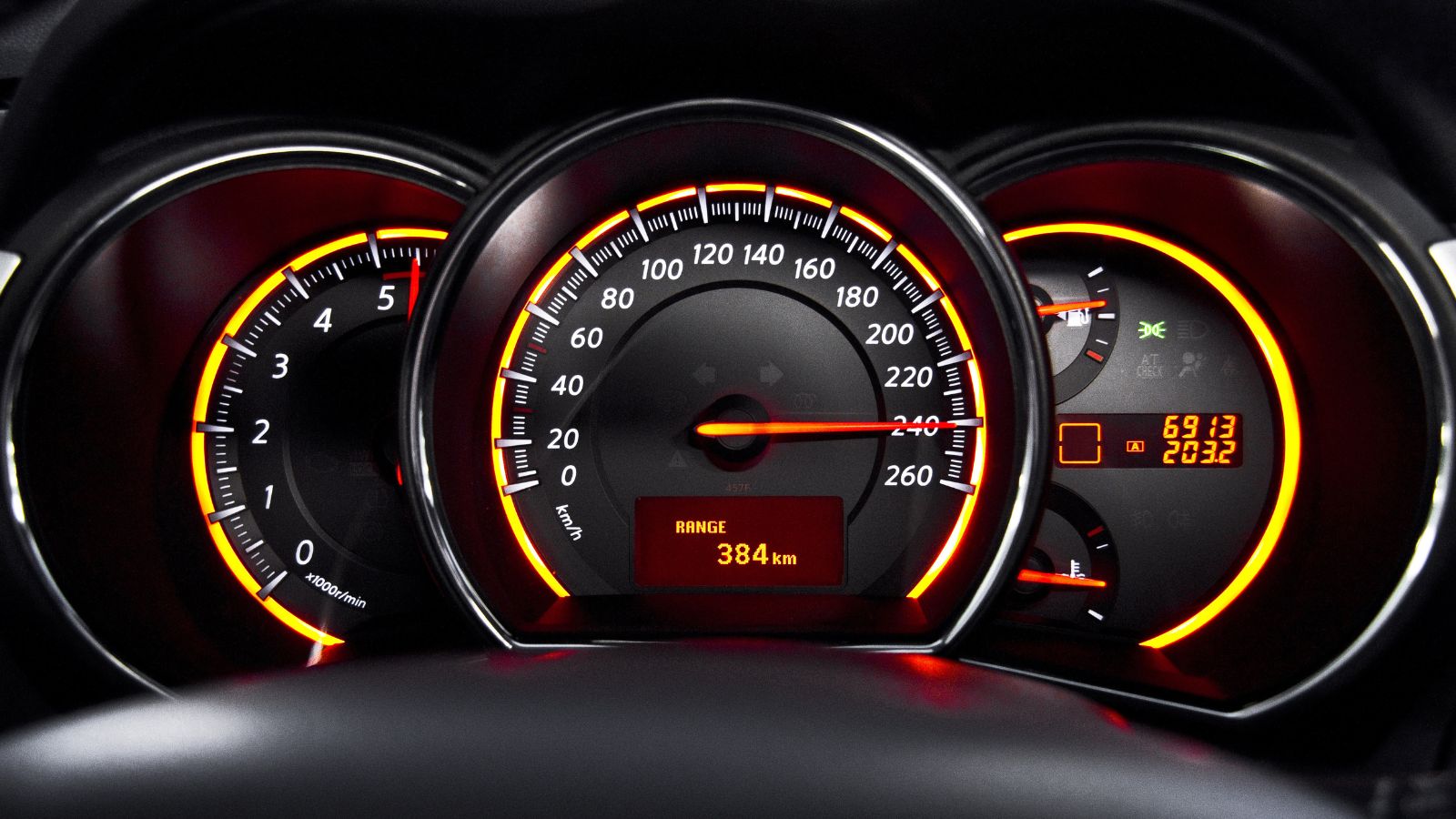
Mileage strongly influences a used vehicle’s price, expected maintenance needs, and perceived remaining life, which makes odometer manipulation financially tempting. The National Highway Traffic Safety Administration estimates that more than 450,000 vehicles are sold annually in the United States with false odometer readings. Digital displays are not immune; they can be altered without leaving the crooked numbers or visible gaps associated with older mechanical odometers.
The displayed figure should be compared with title disclosures, inspection records, oil-change stickers, repair invoices, and vehicle-history entries. Physical wear provides another clue. A vehicle advertised with unusually low mileage should not have heavily polished pedal surfaces, a collapsed driver’s seat, badly worn steering-wheel material, or controls whose markings have disappeared. None of those details proves fraud by itself, but several inconsistencies can create a pattern. Buyers should ask the seller to confirm in writing whether the displayed mileage is actual, exceeds the mechanical limits of the odometer, or is unknown.
Has It Ever Been in a Collision?

“Never been in an accident” can mean several different things. The seller may mean no insurance claim was filed, no police report was created, or no crash occurred during the current ownership period. Minor parking damage, a repaired animal strike, or a collision under a previous owner may be excluded from the answer. Asking specifically about every known collision, insurance claim, body repair, and replaced exterior panel produces a more meaningful response.
The severity and repair quality matter more than the mere existence of a damage record. Replacing a scratched bumper cover is different from straightening structural rails or repairing an occupant compartment. Buyers should look for uneven panel gaps, mismatched paint texture, overspray, disturbed fasteners, irregular seam sealer, or doors that do not close consistently. A professional inspection may identify repaired structural areas that photographs and history reports miss. When substantial damage is disclosed, repair estimates, photographs taken before the work, parts invoices, and alignment measurements can help establish what actually occurred.
Were the Airbags Ever Deployed or Replaced?

Airbag deployment confirms that a vehicle experienced an event serious enough to trigger part of its supplemental restraint system. An airbag can deploy only once and must then be replaced. The repair may also involve sensors, control modules, seat-belt pretensioners, wiring, dashboard components, steering-wheel parts, and interior trim. A seller who says the airbags were “taken care of” should be asked who completed the work and whether original or properly approved replacement components were installed.
This question has become especially important because safety regulators have warned about dangerous substandard replacement inflators found in previously crashed used vehicles. NHTSA reported deaths and severe injuries associated with faulty aftermarket units that could rupture and send metal fragments into the cabin. Buyers should check the history for deployment records and have a reputable mechanic or manufacturer-authorized facility inspect questionable repairs. Missing airbag warning lights, altered dashboard panels, mismatched steering-wheel covers, or suspiciously new interior trim should never be dismissed as minor cosmetic details.
Are There Any Open Safety Recalls?

Recalls are not limited to annoying software updates or small convenience problems. They can involve braking components, steering systems, fuel leaks, electrical fires, seat belts, tires, and airbags. A vehicle can change owners several times while an important recall remains unrepaired, particularly when notices were mailed to an outdated address or the owner simply ignored them.
NHTSA provides a VIN-based lookup that identifies many open safety recalls affecting vehicles in the United States. Similar services are available through manufacturers and transportation authorities in other countries. Recall repairs are generally handled through an authorized dealer, although eligibility and remedy rules can depend on the campaign and vehicle age. Buyers should obtain the full VIN rather than relying only on the year, make, and model because recalls may apply to specific production ranges. If an open recall exists, the seller should explain why it remains unfinished and whether the necessary parts are currently available.
May My Own Mechanic Inspect It?

This is one of the most revealing questions in the entire buying process. A confident seller may set reasonable limits, such as requiring the vehicle to remain nearby or accompanying it to the shop, but should not object to a qualified independent inspection. Statements such as “my mechanic already checked it,” “another buyer is coming soon,” or “the car is certified” do not replace an examination commissioned by the buyer.
The Federal Trade Commission specifically warns that a vehicle-history report is not a substitute for an independent mechanical inspection. Reports can contain accident and flood information while omitting current mechanical faults. A pre-purchase inspection can evaluate leaks, brakes, suspension, steering, tires, cooling components, fault codes, previous body repairs, and other areas that are difficult to assess in a driveway. Even when the inspection finds no major defect, it may identify worn parts that affect the price. Refusing this request does not prove dishonesty, but it gives the buyer a strong reason to leave.
Do You Have the Maintenance Records?
Receipts and service records provide a timeline that verbal assurances cannot match. They can show whether oil changes were performed consistently, which fluids were replaced, whether recurring warning lights were investigated, and when major components were repaired. Records can also confirm mileage at different dates, making them useful for detecting odometer discrepancies.
An incomplete file is common, particularly when work was performed at multiple shops or by a previous owner. What matters is whether the available information supports the seller’s claims. A stack of oil-change receipts is helpful, but it does not prove that transmission, cooling, brake, or timing-related maintenance was completed. Buyers should compare the records with the manufacturer’s maintenance schedule and note upcoming services. A seller who claims meticulous upkeep but cannot identify the oil grade, service shop, or most recent major repair may simply be using “well maintained” as advertising language rather than a documented description.
When Was the Timing Belt or Major Scheduled Service Done?

Some vehicles use timing belts that must be replaced at manufacturer-specified intervals. If a belt fails on certain engine designs, internal engine damage can occur. Other vehicles use timing chains, but those systems can still develop problems involving tensioners, guides, lubrication, or stretch. The correct service requirement depends on the exact engine, model year, driving conditions, and manufacturer schedule.
The seller should provide an invoice rather than relying on a handwritten note or an unsupported statement that the work was completed “before I bought it.” Major scheduled service may also include spark plugs, coolant, transmission fluid, differential fluid, accessory belts, filters, or valve adjustments. A recently advertised bargain can become expensive when several overdue services arrive at once. Buyers can ask a repair shop to estimate the cost of every maintenance item due by mileage or age. That total should be considered when evaluating the asking price, even if the vehicle currently drives normally.
Does It Leak or Consume Oil or Coolant?
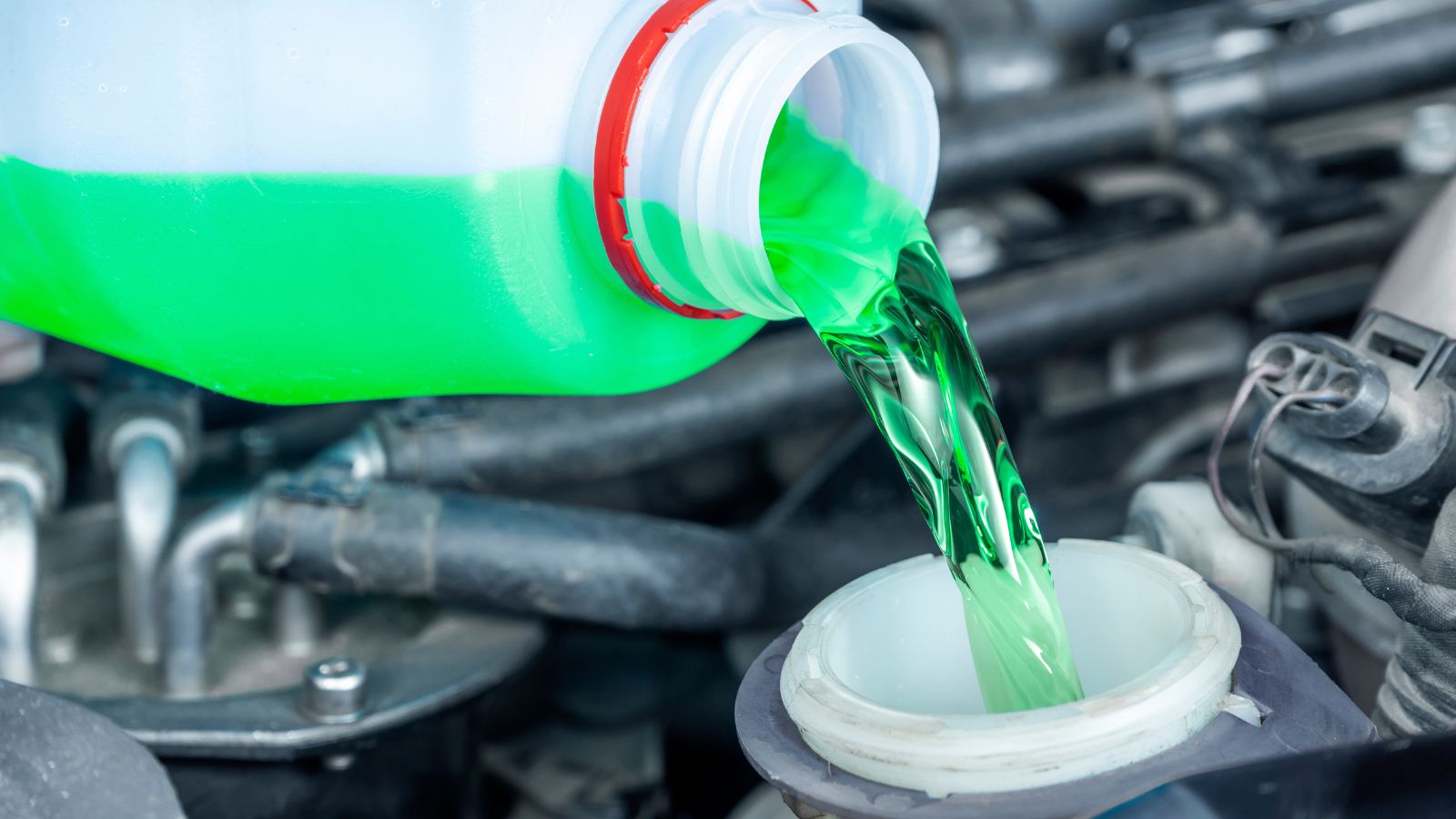
A clean driveway does not guarantee a leak-free vehicle. Sellers can wash an engine bay, move the vehicle to a different parking spot, or top up fluids shortly before a viewing. Some leaks occur only when the engine is hot, the air-conditioning system is operating, or the vehicle is moving. Oil consumption can also occur without an obvious puddle because the engine may burn the oil internally.
Buyers should ask how often fluids are added between scheduled services and whether the temperature gauge has ever risen above normal. During an inspection, a technician can examine seals, hoses, cooling components, fluid levels, residue patterns, exhaust smoke, and the underside of the vehicle. Low brake fluid may indicate worn components or a hydraulic leak, while contaminated oil or coolant can suggest more serious problems. A small seep on an older vehicle may be manageable; an active coolant leak, recurring overheating, or unexplained oil loss can lead to much larger repairs.
Has the Transmission Ever Slipped, Shuddered, or Shifted Harshly?
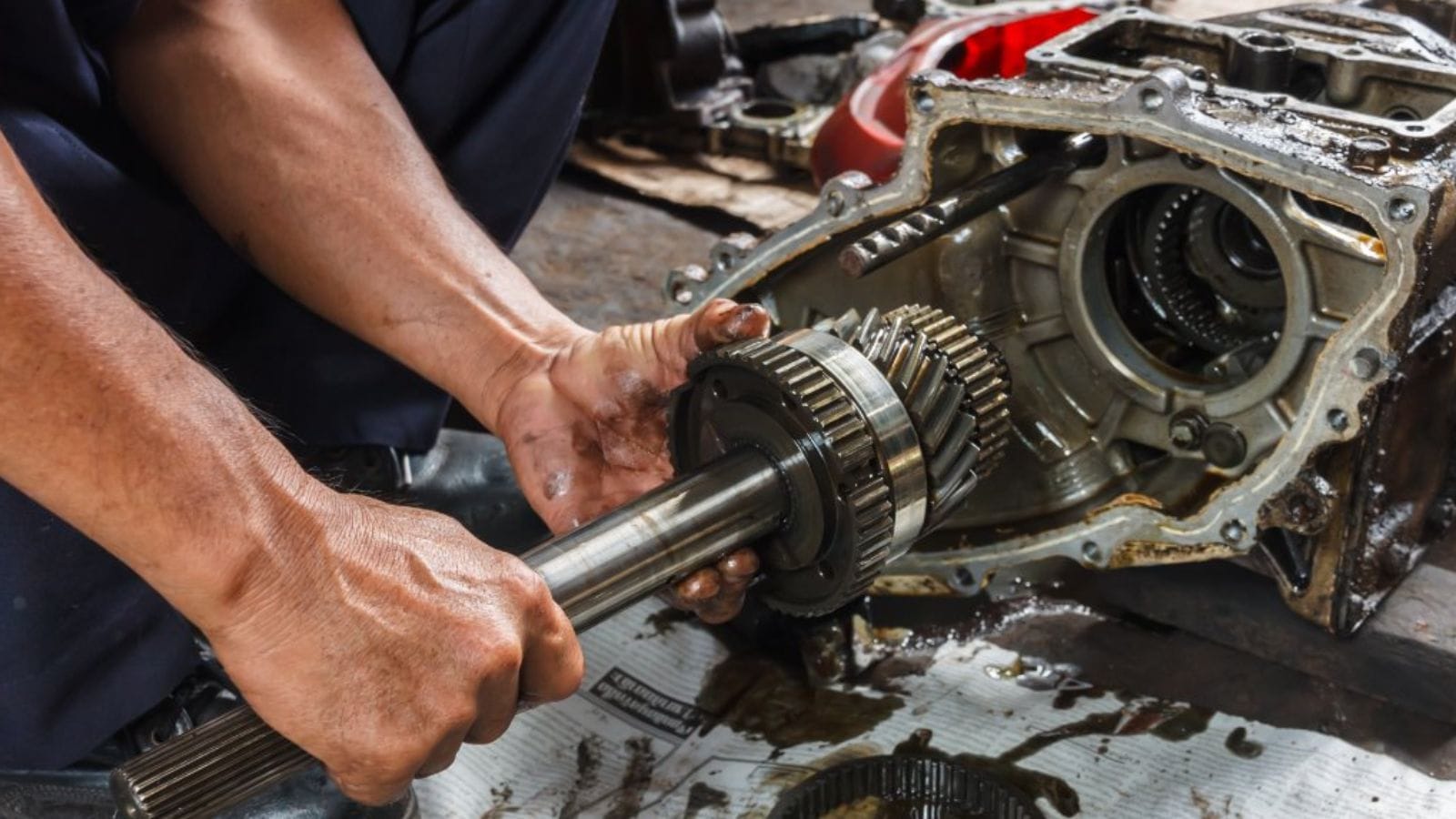
Transmission problems are sometimes intermittent, appearing only when the vehicle is cold, fully warmed, climbing a hill, reversing, or accelerating under load. A short drive around a parking lot may not reproduce the condition. Sellers may describe a delayed engagement, shudder, or harsh shift as “normal for this model,” which is why the behaviour should be compared with other examples of the same vehicle and assessed by a technician.
Ask whether transmission fluid has ever leaked, whether warning lights have appeared, and whether software updates, fluid services, solenoids, clutches, valve bodies, or complete units have been replaced. On a test drive, the transmission should be evaluated at low speed, highway speed, during gentle acceleration, and when greater power is requested. Continuously variable, dual-clutch, conventional automatic, and manual transmissions behave differently, so model-specific knowledge matters. Smooth operation during one drive still cannot guarantee durability, but evasive answers about prior symptoms are a meaningful warning.
Have Any Warning Lights Recently Been Cleared?
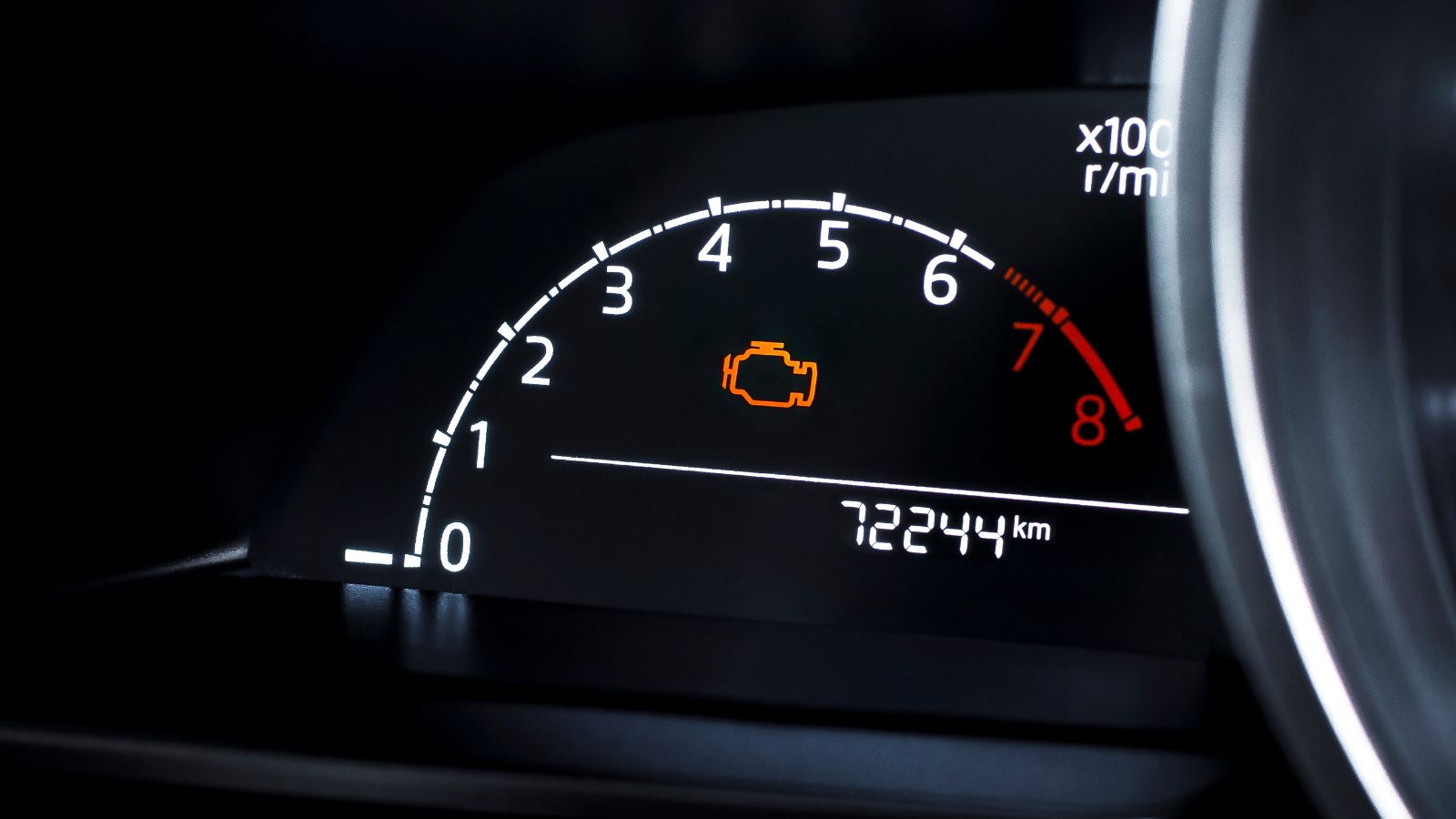
Dashboard warning lights should illuminate briefly when the ignition is switched on and then turn off after the engine starts, apart from indicators appropriate to the situation. A light that never illuminates may have been disabled or may have a failed bulb. A light that remains on signals a stored or active problem requiring diagnosis.
Disconnecting a battery or clearing diagnostic trouble codes can temporarily turn off a check-engine light. The vehicle’s onboard diagnostic system may then show incomplete readiness monitors until enough driving has occurred for tests to run again. A scanner can identify stored, pending, permanent, and manufacturer-specific codes, although capabilities vary by tool and vehicle. Buyers should ask when the battery was last disconnected and whether any codes were erased. A recently cleared system is not proof of deception—the battery may genuinely have been replaced—but it can prevent the vehicle from revealing a recurring emissions or drivability fault during a brief viewing.
How Old Are the Tires?

Tread depth is only part of a tire’s condition. Rubber ages even when a vehicle is driven infrequently, and older tires can become more vulnerable to cracking, separation, and failure. NHTSA notes that some vehicle and tire manufacturers recommend replacement when tires reach approximately six to 10 years of age, regardless of visible tread. The manufacturing date can be identified from the final four digits of the DOT tire identification number, which show the production week and year.
All four road tires—and the spare, when fitted—should be checked. Mixed brands, mismatched sizes, uneven tread, sidewall damage, bulges, or substantially different production dates may reveal budget repairs or alignment and suspension problems. AAA testing has also shown that wet performance can decline well before tires reach the legal minimum tread depth, leading the organization to recommend shopping for replacements around 4/32 inch. A vehicle wearing four nearly expired premium tires may require a four-figure expense soon after purchase.
How Much Life Is Left in the Brakes?
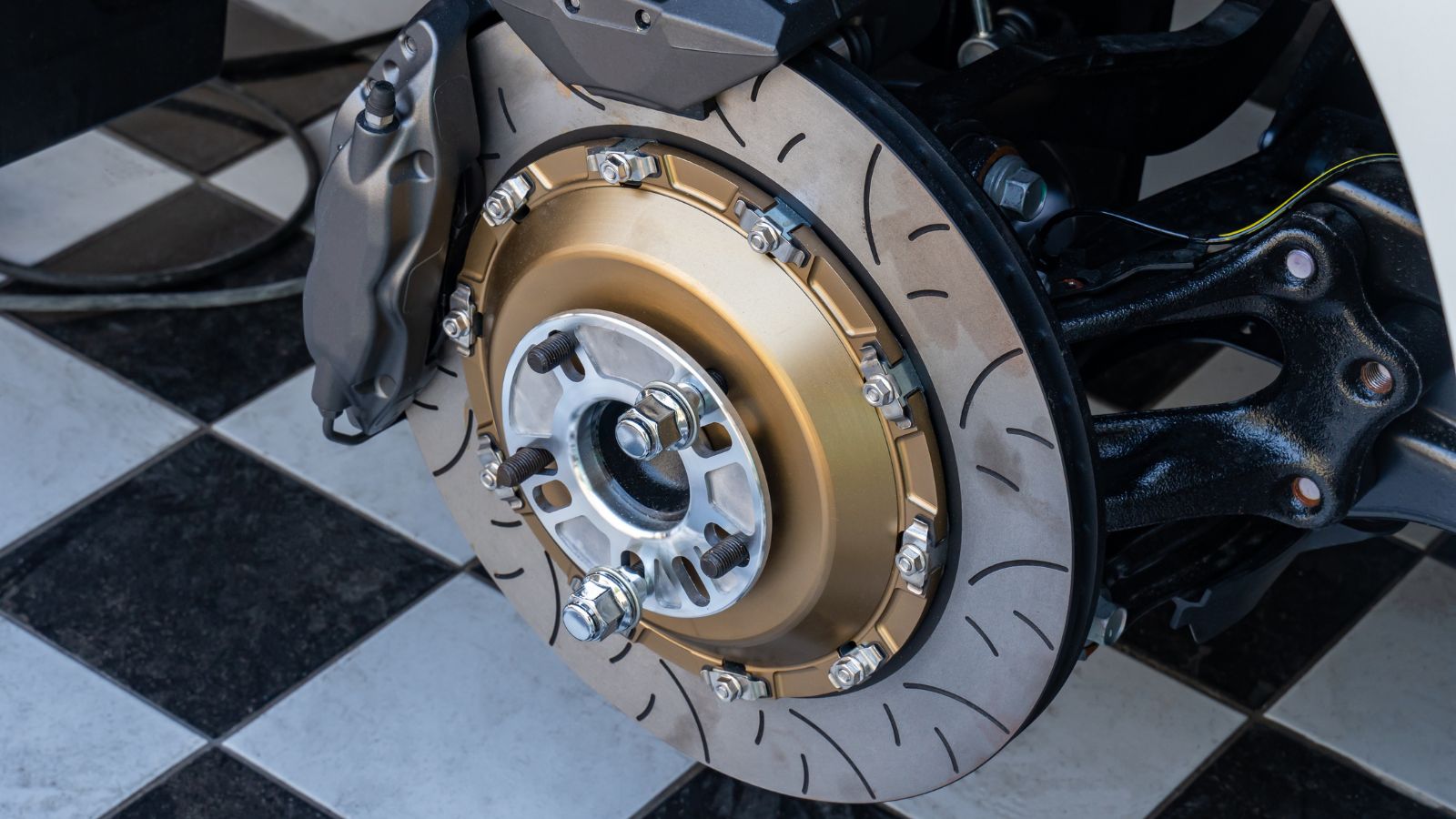
Sellers often say brakes are “good” because the vehicle still stops and no dashboard warning appears. That description provides little information about pad thickness, rotor condition, hydraulic leaks, brake-fluid quality, parking-brake operation, or the remaining service life of electronically controlled components. A vehicle can stop acceptably during a gentle neighbourhood drive while still needing substantial brake work.
During a longer drive, buyers should watch for steering-wheel vibration, pedal pulsation, grinding, squealing, pulling, a soft pedal, or excessive stopping distance. Some noises are caused by harmless surface rust after rain, while others indicate worn friction material or damaged rotors. A proper inspection can measure pad and rotor thickness and examine hoses, calipers, wheel cylinders, lines, fluid, and related components. Brake repair costs vary widely depending on the vehicle, so the difference between “safe today” and “likely to need a complete brake service next month” should be reflected in the purchase decision.
Is There Rust Underneath the Vehicle?

Surface discoloration on exposed metal is common in wet or snowy climates, but structural corrosion is different. Rust can weaken suspension mounting areas, subframes, brake and fuel lines, body seams, rocker panels, and sections designed to manage crash forces. Fresh undercoating may protect sound metal, but it can also hide corrosion or recent repair work.
The underside should be examined on a lift whenever possible. Buyers should ask where the vehicle spent most of its life, whether it was regularly exposed to road salt, and whether any rust repair has been completed. Rust inside doors, beneath carpets, around seat mounts, or in unusual interior locations can also suggest previous flooding. The FTC lists corrosion, sand, mud, loose carpet, mismatched upholstery, mildew, and strong cleaning-product odours among warning signs associated with water-damaged vehicles. Cosmetic rust may be negotiable; weakened mounting points or perforated structural areas deserve professional assessment.
Was It Used as a Rental, Taxi, Rideshare, or Fleet Vehicle?

Commercial use does not automatically make a vehicle undesirable. Rental and fleet operators may follow formal maintenance schedules, and highway-heavy use can sometimes be easier on mechanical components than repeated short trips. The concern is that the odometer alone may not describe the intensity of previous use. A vehicle can accumulate frequent cold starts, long idle periods, many passengers, cargo loading, stop-and-go driving, and rapid mileage growth.
Vehicle-history reports may identify rental, lease, taxi, government, or other commercial use when the information was reported. The seller should also be asked directly because rideshare activity may not appear consistently in every database. Wear on rear seats, door handles, cargo areas, pedals, and interior trim can provide clues. NHTSA’s research into odometer fraud has historically identified rental, lease, and business fleets as potentially attractive targets for rollback schemes because some accumulate high mileage quickly. The appropriate response is deeper verification, not an automatic rejection.
How Many Owners Has It Had?

Owner count helps buyers understand a vehicle’s story, although the number requires interpretation. A one-owner vehicle can still be neglected, while a carefully maintained older car may pass through several responsible owners. Rapid ownership changes are more concerning, particularly when the vehicle repeatedly moves between regions, auctions, dealerships, and private sellers within a short period.
Ask how long the current seller has owned the vehicle and compare the answer with the title and history report. A seller who has held it for only a few weeks may not know how it performs over a full season or during long trips. Multiple registrations do not always represent unrelated owners; a move, lease transfer, company registration, or family title change can produce additional records. The goal is to identify unexplained transitions. A vehicle repeatedly resold soon after purchase may have a defect that becomes apparent only after several days of use, although documentation and an independent inspection are needed before drawing that conclusion.
Does Every Feature and Accessory Work?

Modern vehicles can contain dozens of motors, sensors, switches, cameras, modules, screens, and convenience systems. A faulty heated seat or power-folding mirror may sound trivial until the replacement requires an expensive control unit or extensive interior disassembly. Sellers may omit these defects because the engine and transmission still operate normally.
Every window, lock, mirror, seat adjustment, light, camera, sensor, charging port, climate-control mode, steering-wheel button, audio function, sunroof, tailgate, remote, and driver-assistance feature should be tested. The air conditioner should blow cold, the heater should produce heat, and the infotainment system should pair with a phone. Buyers should also confirm how many keys are included because replacement smart keys can be costly. Edmunds recommends checking that warning lights illuminate during the startup sequence and verifying interior equipment individually. A careful 20-minute feature check can uncover repair expenses that a mechanically focused test drive might completely miss.
Can It Be Started Completely Cold?

A seller who warms the engine before every appointment may simply be moving vehicles around, but a cold start can reveal conditions that disappear once temperatures stabilize. Weak batteries, timing-system rattles, valve-train noise, smoke, rough idle, delayed transmission engagement, and fuel-system difficulties may be most noticeable after the vehicle has sat for several hours.
Buyers can request that the vehicle remain parked before the viewing and carefully confirm that the engine is cold before starting it. The initial startup should be observed with the hood open and the exhaust visible from a safe position. Warning lights, unusual noises, fluid leaks, smoke, and idle quality should be noted. A normal cold start does not prove the vehicle is defect-free, and certain sounds are characteristic of particular engines. Still, refusing the request or repeatedly arriving with the engine at operating temperature removes an important opportunity to assess the vehicle under a condition it will face every day.
May I Take a Proper Test Drive?
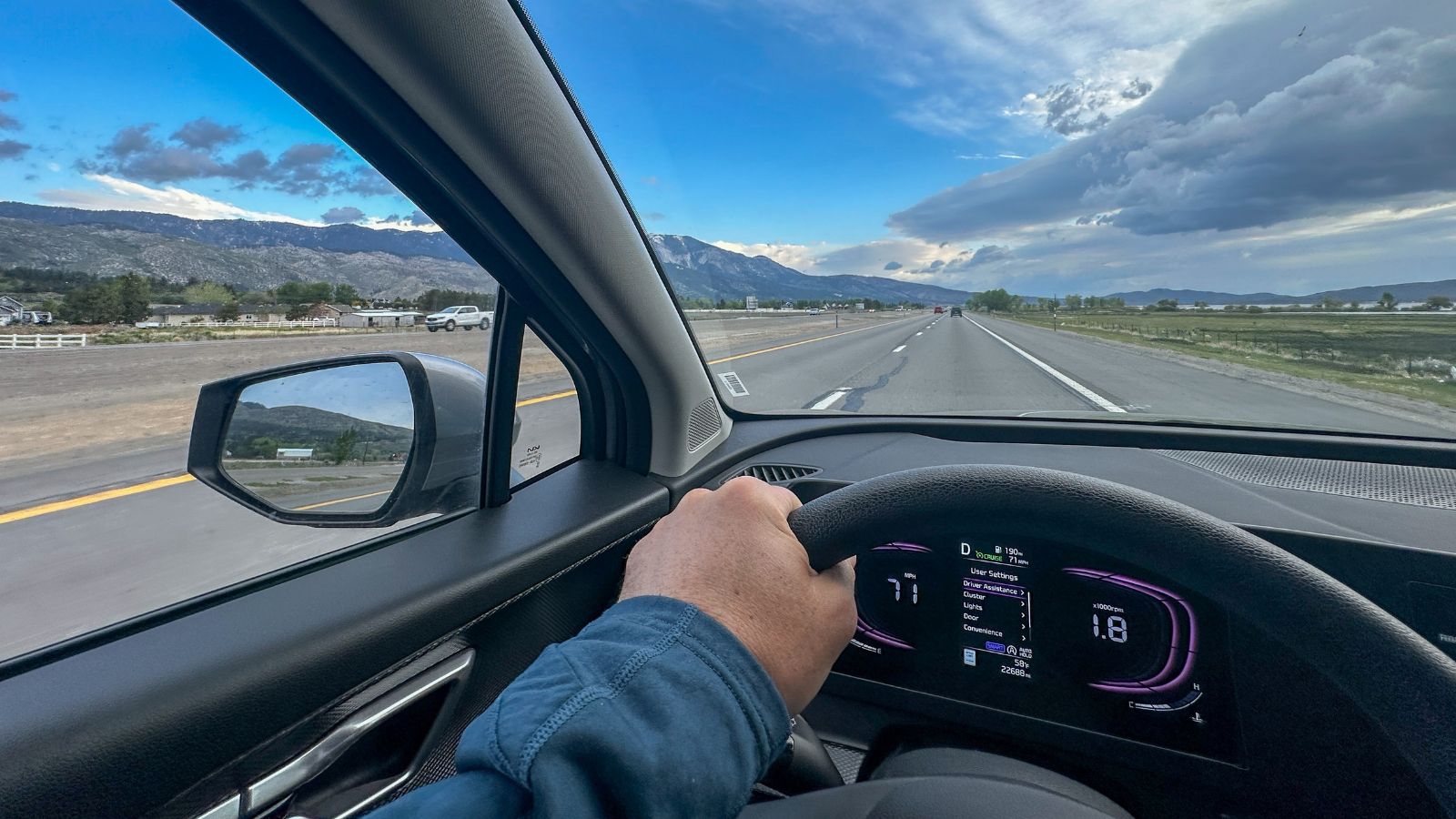
A five-minute loop chosen by the seller is not enough to evaluate a used vehicle. A meaningful drive should include parking manoeuvres, uneven pavement, moderate acceleration, steady cruising, braking, turns in both directions, and—where safe and legal—highway speeds. This allows the buyer to observe transmission behaviour, steering alignment, suspension noise, wheel vibration, engine temperature, braking performance, and wind or water leaks.
The vehicle should be driven long enough to reach normal operating temperature. Gauges should remain stable, warning lights should stay off, and the transmission should shift appropriately. Edmunds recommends evaluating a used vehicle at both low and highway speeds while watching for unusual sounds, vibrations, warning indicators, and temperature changes. Insurance and licence arrangements should be confirmed before leaving. A seller can reasonably accompany the buyer, but insistence on an extremely short or restricted route may prevent symptoms from appearing and should influence the decision.
What Will Need Repair Within the Next Year?

This final question forces the conversation beyond whether the vehicle starts today. Most used vehicles have components approaching the end of their service life, even when no immediate safety defect exists. Tires may have acceptable tread but be old, brakes may have only a few millimetres of material left, a battery may be weakening, and scheduled fluid or belt services may be due soon.
A trustworthy seller may identify known future expenses without being prompted: a noisy wheel bearing, an aging set of tires, a small oil seep, or an air conditioner that is gradually losing performance. Those disclosures allow the buyer to budget and negotiate rationally. The answer should then be tested against the maintenance schedule and an independent inspection. AAA notes that a multi-point inspection can identify faulty equipment and potential failure points before they become breakdowns, while also helping owners plan for large expenses. The best used-vehicle purchase is not always the one with no upcoming work; it is the one whose condition and future costs are understood before payment.
22 Things Canadians Do to Their Cars in Spring That Mechanics Hate

Spring brings relief to many Canadian drivers after months of snow, freezing temperatures, and icy roads that put serious strain on vehicles. As temperatures rise across the country, drivers begin washing cars, switching tires, and preparing vehicles for warmer weather and upcoming road trips. However, mechanics across Canada notice the same mistakes every spring when drivers attempt to recover from winter damage. Road salt, potholes, and harsh winter driving conditions often leave vehicles with hidden problems that drivers ignore. Some spring habits even create new mechanical issues that could have been avoided with proper maintenance. Here are 22 things Canadians do to their cars in spring that mechanics hate.

Alanna Rosen is an experienced content writer that focuses on many EV and educational content. Her articles are regularly published on Get CyberTrucked and syndicated on large publications.